Last updated: 2026-04-20

Chrysler Reliability Ratings — Every Model Ranked
Chrysler offers generally reliable vehicles, though reliability varies across models and years. Most Chrysler models fall within the "Good" range, making them a reasonable choice for buyers who prioritize dependability.
Chrysler Best Year Score Comparison
Each bar shows the best single model year score for that Chrysler model. Longer bars indicate higher peak reliability.
Chrysler Model Rankings
Scores below are averaged across all tracked model years. The “Best Year” column shows which year scored highest.
| # | Vehicle | Best Year | Score | Rating | Recalls | Complaints / 10k | Maint. Rating | Est. Repair Cost |
|---|---|---|---|---|---|---|---|---|
| 1 | Chrysler Voyager | 2026 | 75/100 | Good | 20 | 0.4 | 3.5 | $647/yr |
| 2 | Chrysler 300 | 2023 | 72/100 | Good | 13 | 18.2 | 3.5 | $631/yr |
| 3 | Chrysler Pacifica | 2026 | 65/100 | Good | 67 | 33.9 | 3.5 | $647/yr |
Chrysler Models

Chrysler Voyager
6th gen (2020–2023), facelifted 2022
The Chrysler Voyager, in production since 2020, holds an average reliability score of 75 out of 100, indicating a generally good reliability record. Common issues reported by owners include engine and electrical system problems, particularly in the early years of the sixth generation, with a notable improvement in 2026 as reflected by a score of 82 and no recalls or complaints.
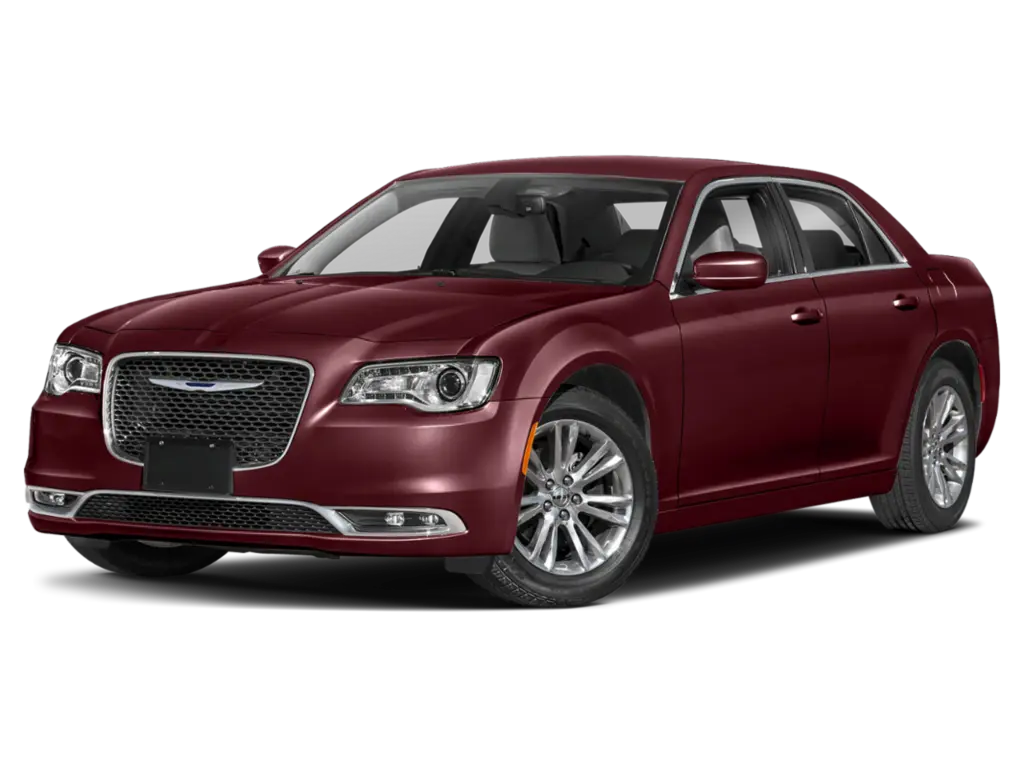
Chrysler 300
2nd gen (2011–2023), facelifted 2015
The Chrysler 300, covering model years 2018 to 2023, maintains an average reliability score of 72 out of 100, indicating a good reliability reputation according to Auto Reliability Index standards. Common issues reported by owners include problems with air bags, electrical systems, and power trains, with the 2018 model experiencing higher complaint rates and recall activity.
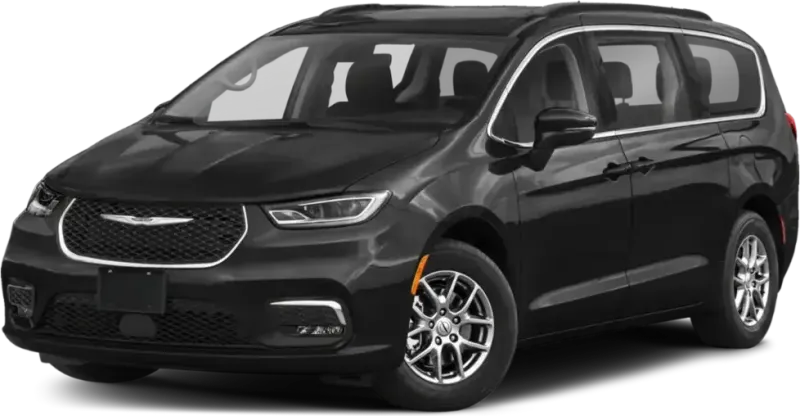
The Chrysler Pacifica, spanning model years 2018 to 2026, holds an average reliability score of 65/100, indicating a generally good reliability performance. Common issues reported by owners include electrical system malfunctions and power train problems, particularly in earlier models, which contribute to a medium reliability rating and an estimated annual repair cost of $647.
Common Chrysler Problems
Top complaint categories across all Chrysler models, based on owner-reported issues to NHTSA.
Chrysler by Category
Frequently Asked Questions
- Are Chrysler cars reliable?
- Chrysler vehicles have an average reliability score of 70/100 ("Good") across 3 models and 9 years in our database. Chrysler offers generally reliable vehicles, though reliability varies across models and years.
- What is the most reliable Chrysler?
- Based on our data, the highest-scoring Chrysler model-year is the 2026 Chrysler Pacifica at 82/100. Scores can change as new recalls and complaints are filed. See our full Chrysler reliability rankings for the latest data.
- How much does it cost to maintain a Chrysler?
- Annual repair costs for Chrysler models range from $631 to $647 based on independent reliability data. Costs vary significantly by model and year.
- Which Chrysler models should I avoid?
- Based on our data, these Chrysler models are statistical outliers within their model lines: 2023 Voyager (68/100), 2018 300 (66/100), 2018 Pacifica (51/100). These have higher recall counts or complaint volumes relative to their siblings.
Compare Chrysler vs Other Makes

Chrysler vs Acura
Compare reliability →

Chrysler vs Audi
Compare reliability →

Chrysler vs BMW
Compare reliability →

Chrysler vs Buick
Compare reliability →

Chrysler vs Cadillac
Compare reliability →

Chrysler vs Chevrolet
Compare reliability →

Chrysler vs Dodge
Compare reliability →

Chrysler vs Ford
Compare reliability →

Chrysler vs GMC
Compare reliability →

Chrysler vs Genesis
Compare reliability →

Chrysler vs Honda
Compare reliability →

Chrysler vs Hyundai
Compare reliability →

Chrysler vs Infiniti
Compare reliability →

Chrysler vs Jeep
Compare reliability →

Chrysler vs KIA
Compare reliability →

Chrysler vs Land Rover
Compare reliability →

Chrysler vs Lexus
Compare reliability →

Chrysler vs Lincoln
Compare reliability →

Chrysler vs Mazda
Compare reliability →

Chrysler vs Mercedes-Benz
Compare reliability →

Chrysler vs Mitsubishi
Compare reliability →

Chrysler vs Nissan
Compare reliability →

Chrysler vs Porsche
Compare reliability →

Chrysler vs Ram
Compare reliability →

Chrysler vs Rivian
Compare reliability →

Chrysler vs Subaru
Compare reliability →

Chrysler vs Tesla
Compare reliability →

Chrysler vs Toyota
Compare reliability →

Chrysler vs Volkswagen
Compare reliability →

Chrysler vs Volvo
Compare reliability →
Most Reliable Used Sedans
View rankings →
Best Chrysler Years
View rankings →
How We Calculate Reliability Scores
Auto Reliability Index scores are calculated on a 0–100 scale using a weighted formula that combines multiple public data sources. Each factor is weighted based on its predictive value for real-world ownership experience.
Key Ranking Factors
Complaint Severity
NHTSA owner complaints weighted by component category (e.g., powertrain, safety systems, electronics, cosmetic) — safety-critical issues carry more weight than cosmetic ones. Adjusted for sales volume so high-volume models aren't unfairly penalized.
Repair Costs
Independent reliability ratings based on repair frequency, average repair costs, and severity of typical repairs for each model.
Recall Impact
Number of NHTSA recalls weighted by severity. “Stop driving” and fire-risk recalls are penalized more heavily than minor software or labeling recalls.
Issue Diversity
Measures how many major vehicle systems (engine, transmission, electrical, braking, etc.) have recorded complaints. A vehicle with issues spread across many systems may indicate systemic quality issues.
Scores are grouped into four tiers:
- 80–100: Excellent— Top-tier reliability, minimal issues
- 60–79: Good— Reliable with some minor concerns
- 40–59: Mixed— Notable issues, research before buying
- 0–39: Risky— Significant problems, proceed with caution
Data is sourced from NHTSA recall records, owner complaint filings, and independent repair databases via vehicles.dev. Scores are recalculated as new data becomes available. While the weighting model is proprietary, all underlying data sources are public and traceable.
See incorrect data? Report an issue