Last updated: 2026-10-10

Tesla Reliability Ratings — Every Model Ranked
Used Teslas rate mixed across the board, and the brand sits well below average next to all other brands on the site. The Cybertruck leads, though its record is short, with model years only from 2024 to 2026. The Model S trails, with 227 recalls and 4,606 owner complaints on file. The Model 3 and Model Y carry the next largest complaint piles. The spread between best and worst is narrow, since every model is rated mixed.
The same trouble spots show up across the lineup. Owners describe phantom braking, cars that surge when parking, and driver aids that shut off all at once. Charging can stop with no warning, leaving the car stranded. Steering warnings sometimes come with a car that will not shift out of park. For a shopper, the model year matters more than the badge. Pick one of the years the site favors, and avoid the ones it flags.
Tesla Best Year Score Comparison
Each bar shows the best single model year score for that Tesla model. Longer bars indicate higher peak reliability.
Tesla Model Rankings
Scores below are averaged across all tracked model years. The “Best Year” column shows the highest-scoring model year that has been on the road for at least two years, where available.
| # | Vehicle | Best Year | Score | Rating | Recalls | Complaints / 10k | Maint. Rating |
|---|---|---|---|---|---|---|---|
| 1 | Tesla Cybertruck | 2024 | 59/100 | Mixed | 13 | 23.7 | 2 |
| 2 | Tesla Model X | 2022 | 57/100 | Mixed | 73 | 26.1 | 2 |
| 3 | Tesla Model 3 | 2024 | 55/100 | Mixed | 113 | 28.8 | 2 |
| 4 | Tesla Model Y | 2024 | 55/100 | Mixed | 83 | 24.3 | 2 |
| 5 | Tesla Model S | 2019 | 41/100 | Mixed | 227 | 210.8 | 2 |
Tesla Models
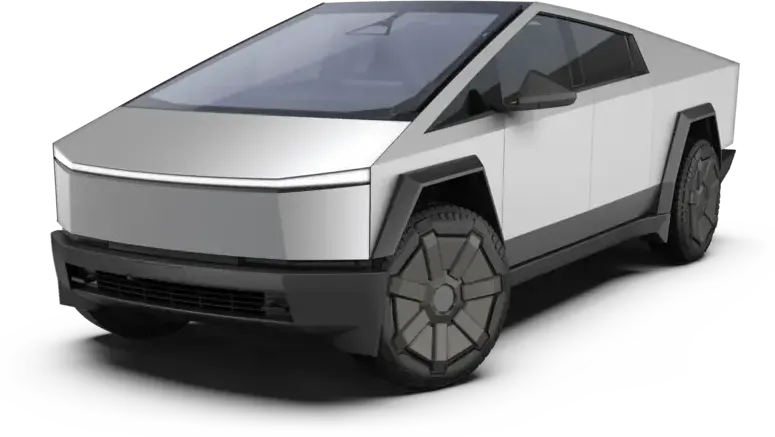
Tesla Cybertruck
1st gen (2024–2023), facelifted 2024
Mixed overall and well below other trucks on the site, this electric pickup has a short record. The 2024 model year has the most history, with stainless trim that comes off at highway speeds and doors that swing open or do not latch.
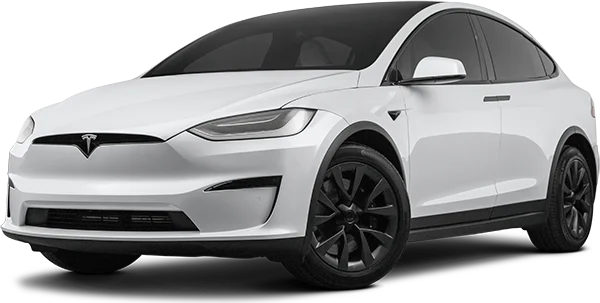
Tesla Model X
2nd gen (2023–present)
Reliability is mixed, and the Model X sits well below average among SUVs. Suspension and electrical complaints run through most years, from rear tires worn to the cords to screens that go blank while driving.
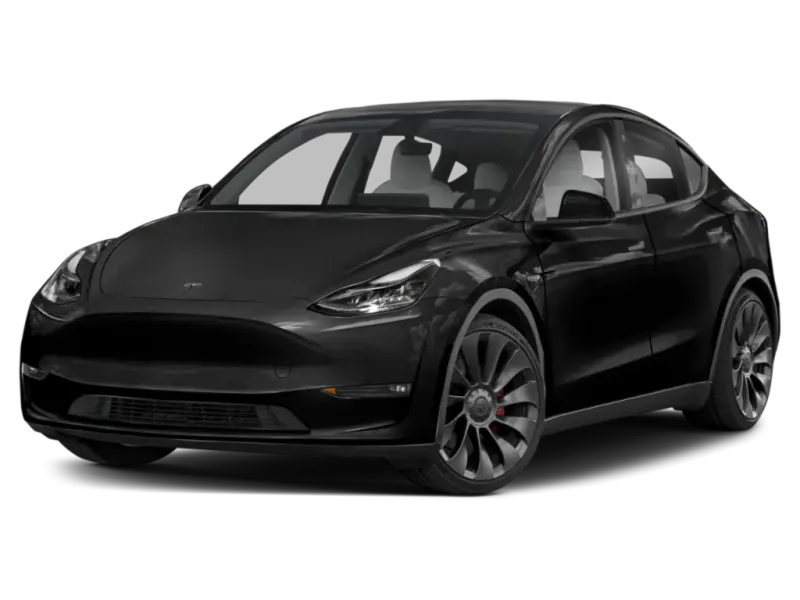
Tesla Model 3
2nd gen (2024–2023), facelifted 2024
Reliability is mixed and well below other sedans. Phantom braking from the driver-assist system is the most common complaint, and unintended acceleration while parking is the most serious.
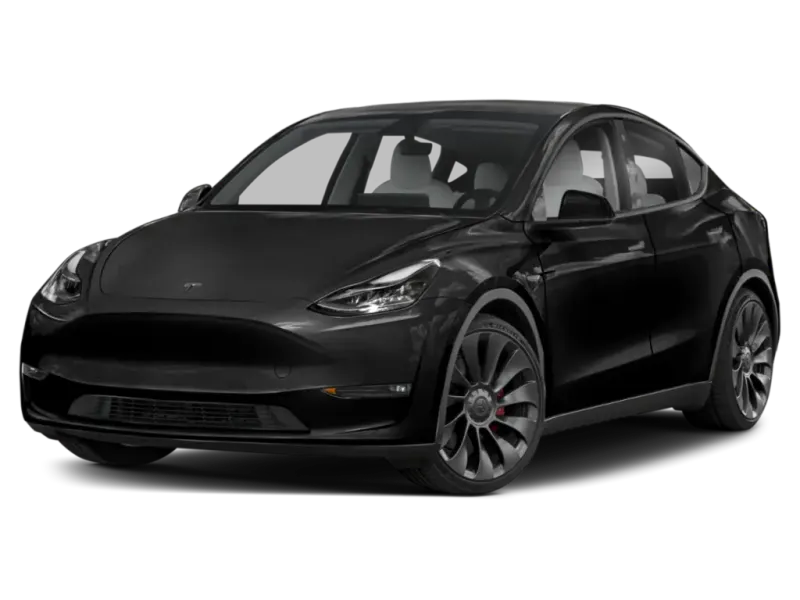
Tesla Model Y
2nd gen (2025–2023)
Mixed overall and well below average among SUVs, the Model Y improves with newer years. The 2020 and 2021 cars draw the most complaints, led by phantom braking on cruise control and sudden surges at parking speeds.
Tesla Model S
1st gen (2013–present), facelifted 2017, 2021
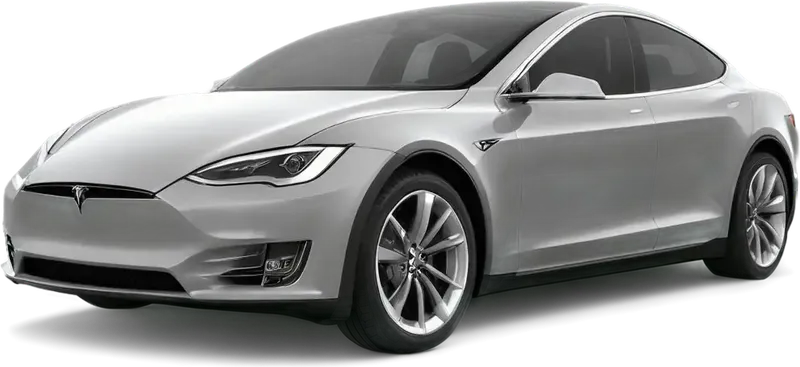
Reliability is mixed for this full-size electric sedan, and it sits well below average among sedans on the site. The 2019 model year is the safer used pick, while 2021 draws the most worry.
Common Tesla Problems
Top complaint categories across all Tesla models, based on owner-reported issues to NHTSA.
Tesla by Category
Frequently Asked Questions
- What is the most reliable Tesla?
- The Cybertruck ranks first among Tesla models on the site, but its record is short, covering only 2024 to 2026. Its 2024 year is the best pick, with stainless trim and door latch complaints on file. Among longer-running models, the Model 3 and Model Y also point to 2024.
- What is the least reliable Tesla?
- The Model S ranks last among Tesla models. It has the most recalls and the most owner complaints of any Tesla here: 227 and 4,606. Owners report phantom braking and sudden acceleration while parking, with crashes on record. The 2021 year draws the most worry, and the 2019 is the safer used pick.
- Which Tesla model years should I avoid?
- Skip the Model X in 2018 and 2023, and the Model 3 in 2018 and 2021. The Model Y draws the most complaints in 2020 and 2021. For the Model S, 2021 draws the most worry. Newer years look cleaner mainly because they have had less time to collect complaints.
- What problems do Teslas have most often?
- Forward collision avoidance leads with 2,730 complaints, mostly phantom braking and crashes with Autopilot or Full Self-Driving engaged. Vehicle speed control follows with 1,504, where cars speed up on their own or stop responding to the pedals. Electrical faults draw 1,331 and steering warnings 1,303.
- How does Tesla reliability compare with other brands?
- Tesla sits well below average against all brands on the site, and its standing is mixed. Each of the five models is also rated mixed, and each falls well below average within its own class, whether trucks, SUVs, or sedans. Independent repair-cost data and federal recall records feed that standing.
Compare Tesla vs Other Makes

Tesla vs Acura
Compare reliability →

Tesla vs Audi
Compare reliability →

Tesla vs BMW
Compare reliability →

Tesla vs Buick
Compare reliability →

Tesla vs Cadillac
Compare reliability →

Tesla vs Chevrolet
Compare reliability →

Tesla vs Chrysler
Compare reliability →

Tesla vs Dodge
Compare reliability →

Tesla vs Ford
Compare reliability →

Tesla vs GMC
Compare reliability →

Tesla vs Genesis
Compare reliability →

Tesla vs Honda
Compare reliability →

Tesla vs Hyundai
Compare reliability →

Tesla vs Jeep
Compare reliability →

Tesla vs Kia
Compare reliability →

Tesla vs Land Rover
Compare reliability →

Tesla vs Lexus
Compare reliability →

Tesla vs Mazda
Compare reliability →

Tesla vs Mercedes-Benz
Compare reliability →

Tesla vs Nissan
Compare reliability →

Tesla vs Porsche
Compare reliability →

Tesla vs Ram
Compare reliability →

Tesla vs Rivian
Compare reliability →

Tesla vs Subaru
Compare reliability →

Tesla vs Toyota
Compare reliability →

Tesla vs Volkswagen
Compare reliability →

Tesla vs Volvo
Compare reliability →
Most Reliable Used Trucks
View rankings →
Most Reliable Used Sedans
View rankings →
Most Reliable Used SUVs
View rankings →
Best Tesla Years
View rankings →
How we score Tesla models
Scores weight complaint severity at 35%, repair costs at 30%, recall impact at 20%, and the spread of complaints across systems at 15%, with complaint counts adjusted for US sales. Read the full methodology.
See incorrect data? Report an issue