Last updated: 2026-10-10

Kia Reliability Ratings — Every Model Ranked
Good, and close to average, is where this brand lands against all others on the site. The spread across the lineup is wide, though. Carnival and Sedona rate excellent. Sportage, Sorento, Optima, Seltos, K5, Forte and Soul sit in good standing. EV9 and Telluride also rate good but fall below average among SUVs, and EV6 trails the brand with a mixed rating.
Engine trouble recurs most. Owners describe oil that disappears with no visible leak, then knocking, limp mode or a stall, sometimes with no warning light. Electrical faults come next, including overheated wiring and cars that will not start. Some transmissions slip out of gear without warning, and windshields crack with no impact in freezing weather. Shoppers should check the oil level, ask for service records, and test for gear slipping. Some owners say warranty claims were denied for missing oil change records.
Kia Best Year Score Comparison
Each bar shows the best single model year score for that Kia model. Longer bars indicate higher peak reliability.
Kia Model Rankings
Scores below are averaged across all tracked model years. The “Best Year” column shows the highest-scoring model year that has been on the road for at least two years, where available.
| # | Vehicle | Best Year | Score | Rating | Recalls | Complaints / 10k | Maint. Rating | Est. Repair Cost |
|---|---|---|---|---|---|---|---|---|
| 1 | Kia Carnival | 2023 | 83/100 | Excellent | 10 | 1.3 | 4 | |
| 2 | Kia Sedona | 2021 | 82/100 | Excellent | 6 | — | 4 | $495/yr |
| 3 | Kia Niro | 2024 | 80/100 | Excellent | 2 | 4.1 | 4 | $471/yr |
| 4 | Kia Soul | 2024 | 77/100 | Good | 10 | 17.6 | 4.5 | $437/yr |
| 5 | Kia K5 | 2024 | 75/100 | Good | 20 | 11.2 | 4 | |
| 6 | Kia Sportage | 2022 | 75/100 | Good | 28 | 8.5 | 4 | $462/yr |
| 7 | Kia Seltos | 2024 | 73/100 | Good | 7 | 18.9 | 3.5 | |
| 8 | Kia Forte | 2024 | 72/100 | Good | 11 | 6.6 | 3 | $451/yr |
| 9 | Kia Optima | 2020 | 71/100 | Good | 3 | 23.3 | 4 | $471/yr |
| 10 | Kia Sorento | 2024 | 71/100 | Good | 43 | 18.4 | 4 | $533/yr |
| 11 | Kia Telluride | 2024 | 66/100 | Good | 27 | 25.9 | 3.5 | $573/yr |
| 12 | Kia EV9 | 2024 | 61/100 | Good | 10 | 1.3 | 1 | |
| 13 | Kia EV6 | 2024 | 57/100 | Mixed | 8 | 48.9 | 1.5 |
Kia Models

Kia Carnival
2nd gen (2006–2012), facelifted 2011
Reliability is excellent for this minivan, and well above average among minivans. The 2023 model year is the one to buy, with far fewer complaints than 2022.

Reliability is excellent, well above other SUVs on the site, and no year is a clear one to skip. Favor 2021 or 2020, and shop 2018 with more care.

Kia Niro
2nd gen (2023–present), facelifted 2026
Used Niro hybrids from the 2024 and 2025 model years hold up well, with few owner complaints and no weak year. The 2024 is the safer pick because it has had more time on the road.

Kia Soul
3rd gen (2020–present), facelifted 2023
Good as a used compact SUV, with yearly repair costs of $437, a little under the subcompact SUV average. The real risk is the engine.
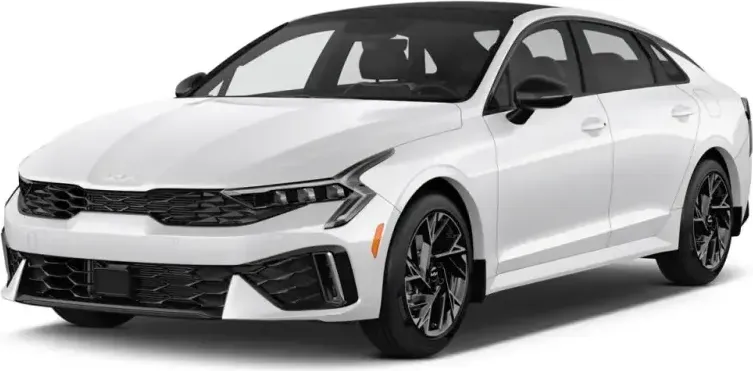
Kia K5
5th gen (2021–2023), facelifted 2025
Owner complaints and repair-cost data put this midsize sedan in good standing, above most sedans on the site. Model year 2022 is the one to avoid, with a melting HVAC fuse that kills heat and AC and a fuel tank that can swell and lift the rear seat.

Kia Sportage
5th gen (2023–2023)
Used Sportage buyers get a compact SUV that rates well against other SUVs and costs less to repair than most rivals. The 2022 is the safer pick, while 2018 and 2023 are the years to skip.
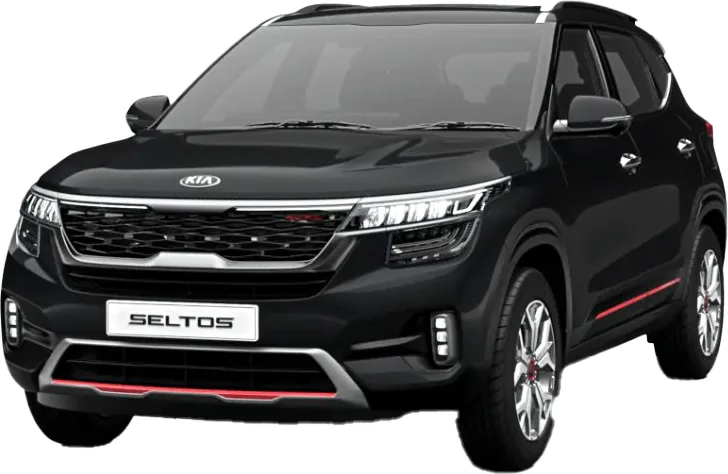
Kia Seltos
2nd gen (2027–present)
Reliability is good, and the Seltos sits close to average among SUVs. Skip 2021, where owners report engines that burn oil until the dipstick reads dry, then stall, sometimes at highway speed.
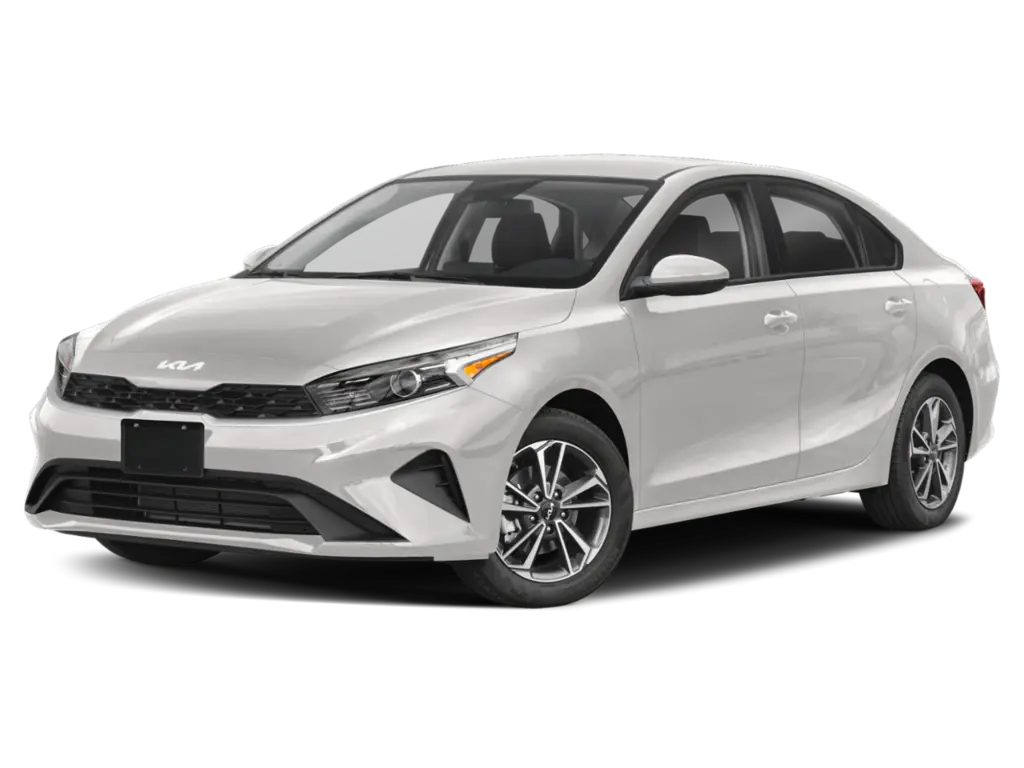
Kia Forte
3rd gen (2019–2024), facelifted 2021
Repair costs run below the compact average, and the Forte holds a good standing among sedans. Favor the 2024 model year and treat 2018 with caution.
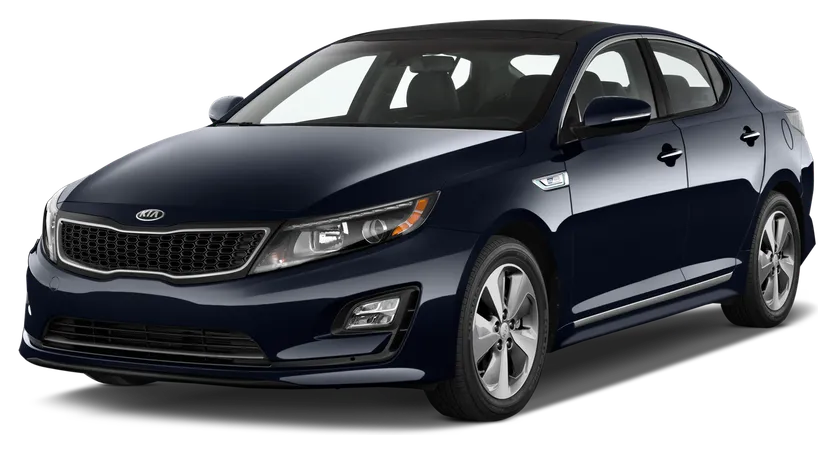
Kia Optima
5th gen (2021–2023), facelifted 2025
Reliability is good for this midsize sedan, and yearly repair costs run below the midsize average. Oil that vanishes between changes with no visible leak is the problem to watch, and it can end in limp mode or a failed engine.

Kia Sorento
4th gen (2021–2023), facelifted 2024
Used Sorento reliability is good overall and close to average for SUVs. The 2024 model year is the safer pick, and 2019 is the one to skip.

Kia Telluride
1st gen (2020–present), facelifted 2023
Reliability is good, though below average among SUVs. Windshields that crack from small chips and a V6 that burns oil with no warning light are the problems that matter most.
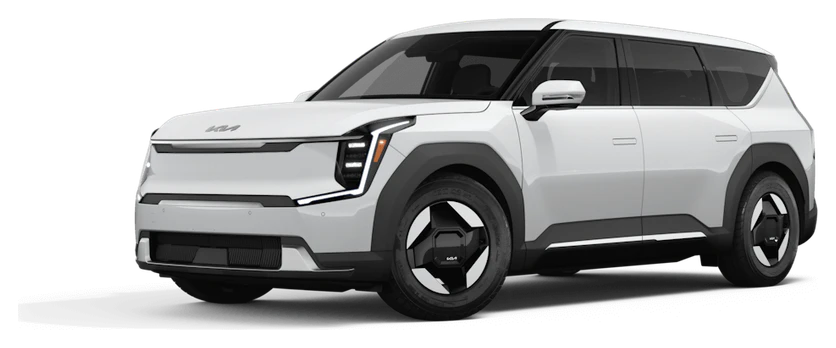
Kia EV9
1st gen (2024–present)
Owners report a steady run of high-voltage battery and charging faults, including a reduced-speed mode that cuts the car to 30 to 40 mph. Reliability standing is good, yet it sits well below average among SUVs.
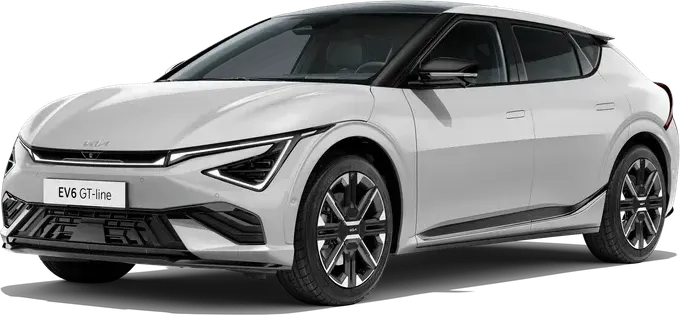
Kia EV6
1st gen (2022–2024), facelifted 2025
Sudden loss of drive power from a failed charge control unit (ICCU) is the defining problem on the EV6. The car warns, slows to a crawl, then shuts down and may not restart.
Common Kia Problems
Top complaint categories across all Kia models, based on owner-reported issues to NHTSA.
Kia by Category
Frequently Asked Questions
- What is the most reliable KIA model?
- The Carnival minivan is the most reliable KIA on the site, with an excellent rating and a standing well above average among minivans. The 2023 model year is the one to buy. The Sedona, built through 2021, also rates excellent, and the 2021 is its best year.
- Which KIA models should I avoid?
- The EV6 is the weakest, with a mixed rating and reports of sudden loss of drive power from a failed charge control unit. Skip the 2022. Among other models, avoid Soul 2020 and 2021, Sorento 2019, Seltos 2021, K5 2022, Telluride 2020, and Sportage 2018 and 2023.
- Are KIA cars expensive to repair?
- No, repair costs look moderate. Independent repair-cost data puts yearly costs between about $437 for the Soul and $573 for the Telluride on models that have a figure. The Soul and Forte both come in under the average for their classes. Not every model has a cost estimate.
- Do KIA engines burn oil?
- Heavy oil use is the most common engine complaint across the brand. Owners report losing a quart or more every 1,000 miles with no visible leak. Some cases end in knocking, misfires, limp mode, or a stall. Check the dipstick on any test drive and ask for oil change records.
Compare Kia vs Other Makes

Kia vs Acura
Compare reliability →

Kia vs Audi
Compare reliability →

Kia vs BMW
Compare reliability →

Kia vs Buick
Compare reliability →

Kia vs Cadillac
Compare reliability →

Kia vs Chevrolet
Compare reliability →

Kia vs Chrysler
Compare reliability →

Kia vs Dodge
Compare reliability →

Kia vs Ford
Compare reliability →

Kia vs GMC
Compare reliability →
Kia vs Genesis
Compare reliability →

Kia vs Honda
Compare reliability →

Kia vs Hyundai
Compare reliability →

Kia vs Infiniti
Compare reliability →

Kia vs Jeep
Compare reliability →

Kia vs Land Rover
Compare reliability →

Kia vs Lexus
Compare reliability →

Kia vs Lincoln
Compare reliability →

Kia vs Mazda
Compare reliability →

Kia vs Mercedes-Benz
Compare reliability →

Kia vs Mitsubishi
Compare reliability →

Kia vs Nissan
Compare reliability →

Kia vs Porsche
Compare reliability →

Kia vs Ram
Compare reliability →

Kia vs Rivian
Compare reliability →

Kia vs Subaru
Compare reliability →

Kia vs Tesla
Compare reliability →

Kia vs Toyota
Compare reliability →

Kia vs Volkswagen
Compare reliability →

Kia vs Volvo
Compare reliability →
Most Reliable Used SUVs
View rankings →
Most Reliable Used Sedans
View rankings →
Best Kia Years
View rankings →
How we score Kia models
Scores weight complaint severity at 35%, repair costs at 30%, recall impact at 20%, and the spread of complaints across systems at 15%, with complaint counts adjusted for US sales. Read the full methodology.
See incorrect data? Report an issue