Last updated: 2026-10-10

Lexus Reliability Ratings — Every Model Ranked
Used Lexus models rate excellent as a brand, well above the average across all brands on the site. The RX leads the seven-model lineup. The NX trails, though it still rates good, as does the GX. The TX, UX, ES and IS all rate excellent. The gap between best and worst is small, so model year matters more than model.
Four problems recur. Air bags that did not deploy in crashes top the owner complaints, followed by electrical faults, fuel system trouble and service brake failures. Owners describe engines stalling from fuel pump failures, and one reports a brake pedal that dropped to the floor at highway speed. Before buying, read the complaint and recall history for the exact year, and favor the year each model page recommends.
Lexus Best Year Score Comparison
Each bar shows the best single model year score for that Lexus model. Longer bars indicate higher peak reliability.
Lexus Model Rankings
Scores below are averaged across all tracked model years. The “Best Year” column shows the highest-scoring model year that has been on the road for at least two years, where available.
Lexus Models
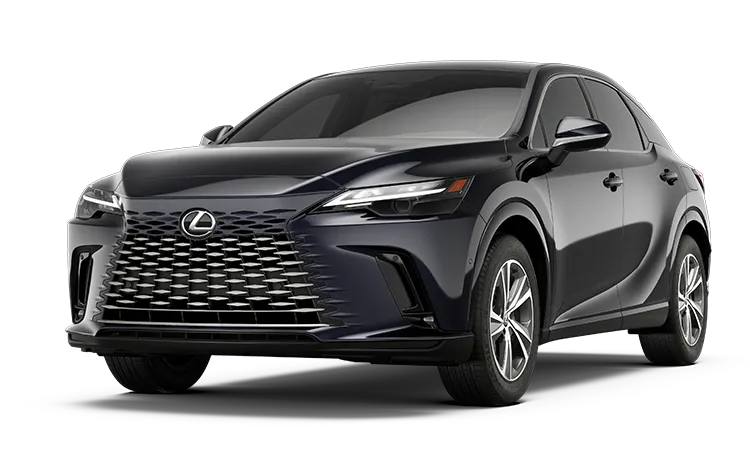
Lexus RX
5th gen (2023–2023)
Reliability is excellent and well above average for SUVs, and no model year is clearly weak. Used shoppers should favor 2022, which has no recalls and far fewer complaints than 2019 or 2021.
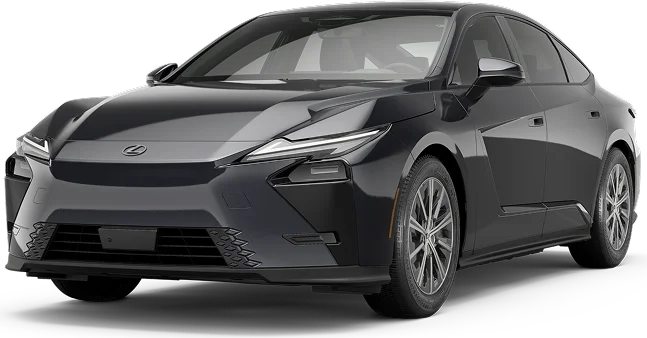
Lexus ES
7th gen (2019–2023), facelifted 2021
Owner complaints and federal recall records put this midsize sedan well above average among sedans, with an excellent standing overall. The 2022 model year is the pick, while 2019 drew the most complaints, led by stalling and weak throttle response.
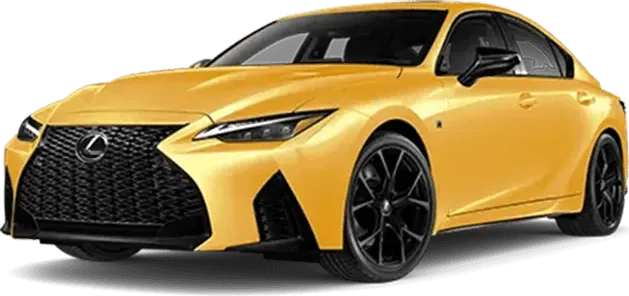
Lexus IS
3rd gen (2014–2023), facelifted 2020
Reliability is excellent and well above other sedans on the site, with every model year from 2018 to 2026 rating well. 2019 is the weakest year and 2024 is the pick.
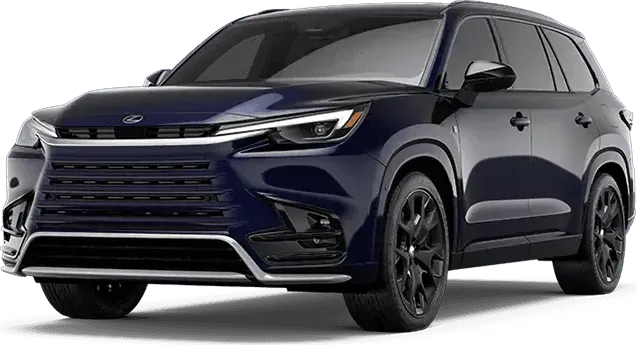
Lexus TX
1st gen (2024–2023)
Owner complaints and federal recall records put this midsize SUV well above average among SUVs, with excellent reliability in every model year tracked. The 2024 is the year to favor.

Lexus GX
3rd gen (2024–2024)
Brakes that let the vehicle creep forward at a stop and electrical faults that affect control are the main complaints on this full-size SUV. Even so, it holds up well and sits well above average among SUVs on the site.
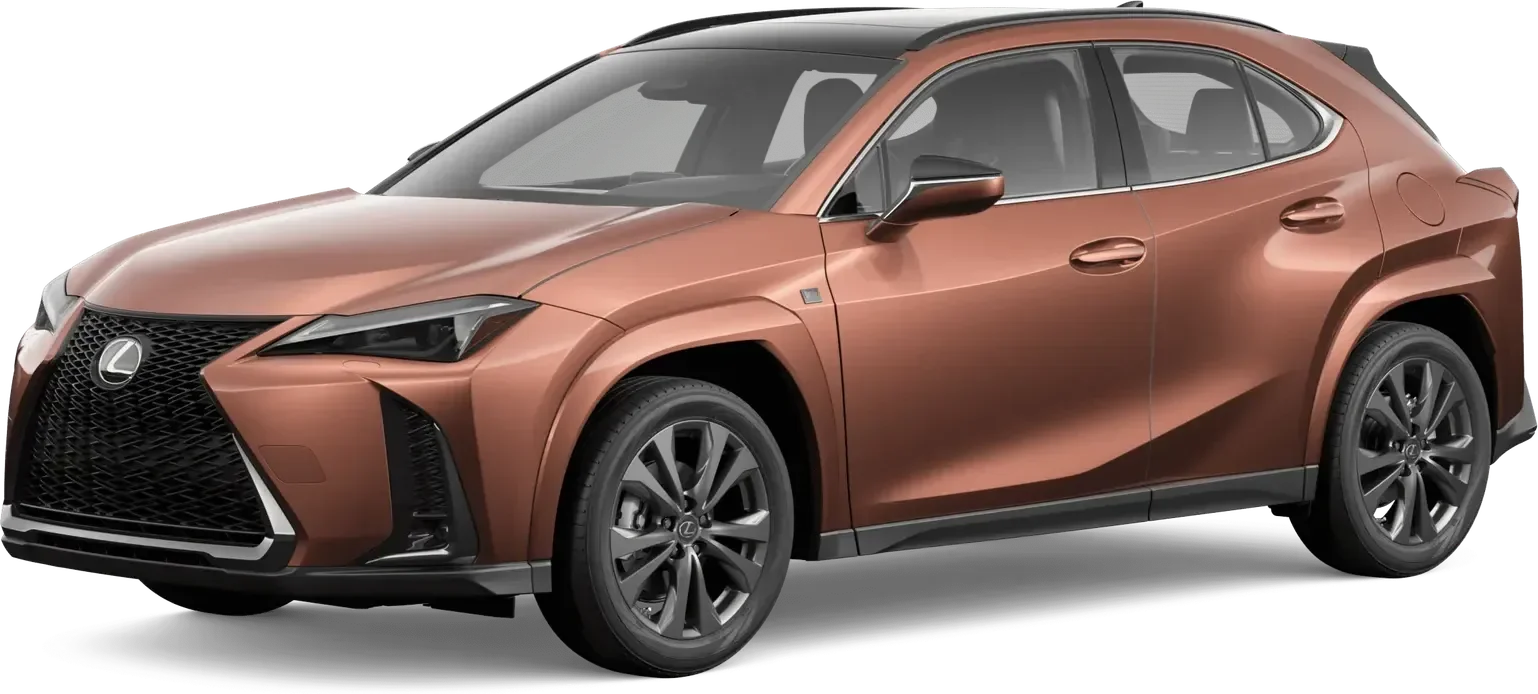
Lexus UX
1st gen (2019–2024), facelifted 2023
Reliability is excellent, well above the average for SUVs on the site, and owner complaints are scarce in every model year. The 2020 is the pick, with no recalls and no complaints on file.
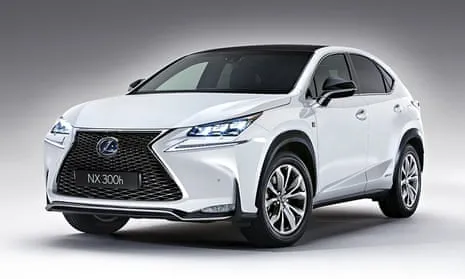
Lexus NX
2nd gen (2022–2023)
Used NX models hold up well and rank well above average among compact SUVs, with 2021 the year to pick. The most serious owner reports involve fuel pump failures that stall the engine without warning, and sudden acceleration where the brakes do not stop the car.
Common Lexus Problems
Top complaint categories across all Lexus models, based on owner-reported issues to NHTSA.
Lexus by Category
Frequently Asked Questions
- What is the most reliable Lexus model?
- The RX is the most reliable Lexus on the site, with an excellent standing. Among used years, the 2022 is the one to favor. It has no recalls and far fewer complaints than 2019 or 2021. On 2022 cars, watch for an instrument cluster that dims or goes blank.
- What is the least reliable Lexus model?
- The NX ranks last among Lexus models, but it still rates good and sits well above average for compact SUVs. The 2021 is the year to pick. The 2024 draws far more complaints than any other year. The most serious reports involve fuel pump failures that stall the engine and sudden acceleration.
- Are Lexus cars expensive to repair?
- The data for this page gives no brand-wide repair cost, so a firm answer is not possible here. One owner cites a $3.5k charge for brake actuator work once the warranty runs out. Some owners say brake noise returned after replacement. Ask for brake service records on any used Lexus.
- Do Lexus cars have air bag problems?
- Air bags are the most reported problem area across the brand, with 100 complaints spread over the RX, TX, ES and NX. The main concern is non-deployment in crashes. One report describes a concussion after an air bag failed to deploy. Read the complaints for the specific year you want.
- Which Lexus model years need extra checking?
- No Lexus year is clearly one to avoid, but a few deserve extra checking. The 2019 ES drew the most ES complaints, and the 2019 IS is that model's weakest year. The 2024 NX has the most NX complaints. On the GX, the 2018 and 2024 rate lowest.
Compare Lexus vs Other Makes

Lexus vs Acura
Compare reliability →

Lexus vs Audi
Compare reliability →

Lexus vs BMW
Compare reliability →

Lexus vs Buick
Compare reliability →

Lexus vs Cadillac
Compare reliability →

Lexus vs Chevrolet
Compare reliability →

Lexus vs Chrysler
Compare reliability →

Lexus vs Ford
Compare reliability →

Lexus vs GMC
Compare reliability →

Lexus vs Genesis
Compare reliability →

Lexus vs Honda
Compare reliability →

Lexus vs Hyundai
Compare reliability →

Lexus vs Infiniti
Compare reliability →

Lexus vs Jeep
Compare reliability →

Lexus vs Kia
Compare reliability →

Lexus vs Land Rover
Compare reliability →

Lexus vs Lincoln
Compare reliability →

Lexus vs Mazda
Compare reliability →

Lexus vs Mercedes-Benz
Compare reliability →

Lexus vs Mitsubishi
Compare reliability →

Lexus vs Nissan
Compare reliability →

Lexus vs Porsche
Compare reliability →

Lexus vs Ram
Compare reliability →

Lexus vs Subaru
Compare reliability →

Lexus vs Tesla
Compare reliability →

Lexus vs Toyota
Compare reliability →

Lexus vs Volvo
Compare reliability →
Most Reliable Used Sedans
View rankings →
Most Reliable Used SUVs
View rankings →
Best Lexus Years
View rankings →
How we score Lexus models
Scores weight complaint severity at 35%, repair costs at 30%, recall impact at 20%, and the spread of complaints across systems at 15%, with complaint counts adjusted for US sales. Read the full methodology.
See incorrect data? Report an issue