Last updated: 2026-10-10

BMW Reliability Ratings — Every Model Ranked
Good, but below average against other brands on the site: that is where BMW lands for used buyers. Nine of its eleven models rate good for reliability, with the electric I4 at the top. The electric IX sits at the bottom, and the X5 shares its mixed rating. Both rank well below average among SUVs, so the spread inside the lineup is real.
Four problem areas recur. Electrical faults top the complaints, including rear window defroster wiring behind the fire reports. Brake trouble and sudden loss of drive power follow. A passenger airbag warning from a failed seat sensor shows up on several models, and repairs can top $2,500. Shoppers should check recall history and service records, and favor a year with a few seasons on the road over the newest one.
BMW Best Year Score Comparison
Each bar shows the best single model year score for that BMW model. Longer bars indicate higher peak reliability.
BMW Model Rankings
Scores below are averaged across all tracked model years. The “Best Year” column shows the highest-scoring model year that has been on the road for at least two years, where available.
| # | Vehicle | Best Year | Score | Rating | Recalls | Complaints / 10k | Maint. Rating | Est. Repair Cost |
|---|---|---|---|---|---|---|---|---|
| 1 | BMW i4 | 2024 | 74/100 | Good | 18 | 7.5 | 4 | |
| 2 | BMW 2 Series | 2022 | 72/100 | Good | 177 | 2.1 | 3.5 | |
| 3 | BMW X1 | 2021 | 71/100 | Good | 23 | 14.6 | 3.5 | $915/yr |
| 4 | BMW 3 Series | 2024 | 69/100 | Good | 45 | 5.9 | 3 | $773/yr |
| 5 | BMW X7 | 2022 | 69/100 | Good | 55 | 1.2 | 2.5 | $1127/yr |
| 6 | BMW 5 Series | 2023 | 67/100 | Good | 54 | 16.3 | 3 | |
| 7 | BMW X3 | 2023 | 62/100 | Good | 58 | 12.9 | 2.5 | $1034/yr |
| 8 | BMW X6 | 2022 | 62/100 | Good | 15 | 5.1 | 2 | $1206/yr |
| 9 | BMW 4 Series | 2024 | 60/100 | Good | 182 | 26.8 | 3 | |
| 10 | BMW X5 | 2022 | 59/100 | Mixed | 63 | 12.6 | 2 | $1166/yr |
| 11 | BMW iX | 2024 | 56/100 | Mixed | 27 | 25.1 | 2 |
BMW Models
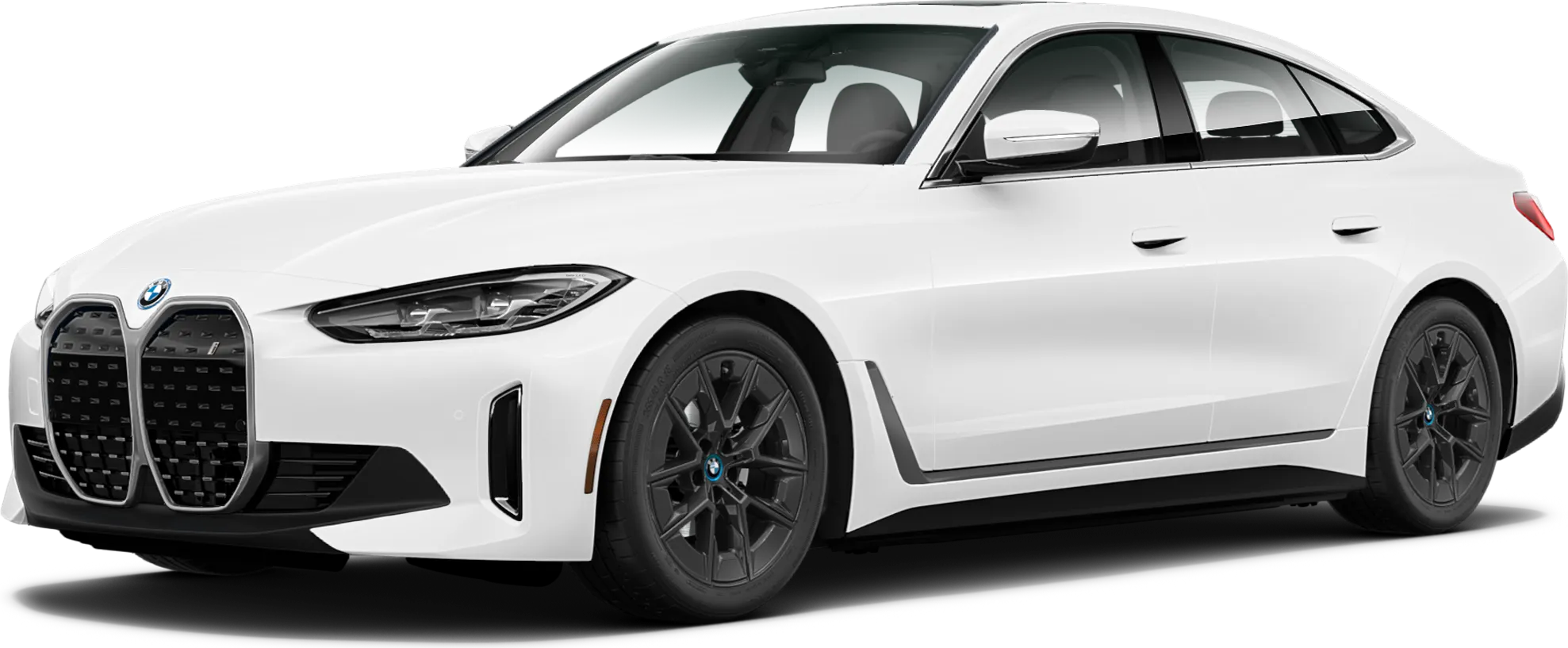
BMW i4
5th gen (2022–2023), facelifted 2024
Owner complaints and federal recall records put this electric sedan in good standing, above most sedans on the site. No year is weak enough to rule out, and 2024 is the pick.
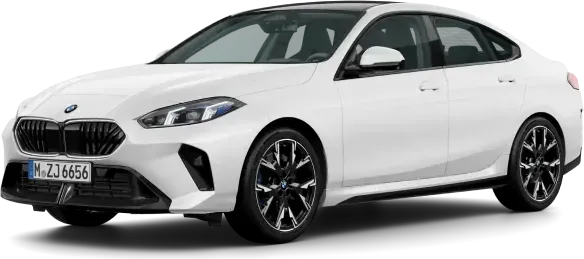
BMW 2 Series
2nd gen (2021–2023)
Reliability for this coupe is good and close to average among coupes. Shoppers should favor the 2022, the pick among years with a real track record, and no year is clearly weak.
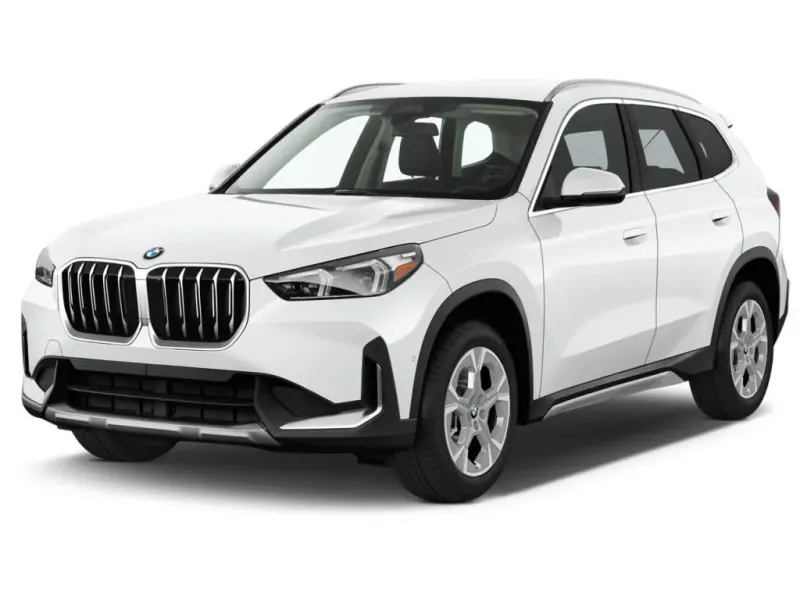
BMW X1
3rd gen (2022–2023)
Reliability is good and close to average among SUVs on the site. Among years with time on the road, 2021 is the one to buy.

BMW 3 Series
7th gen (2019–2023), facelifted 2022
Used 3-Series sedans rate good for reliability and sit close to the average for sedans. Electrical faults lead the complaints, including rear defroster wiring that owners link to fires, and engine coolant leaks from cracked housings and hoses come next.
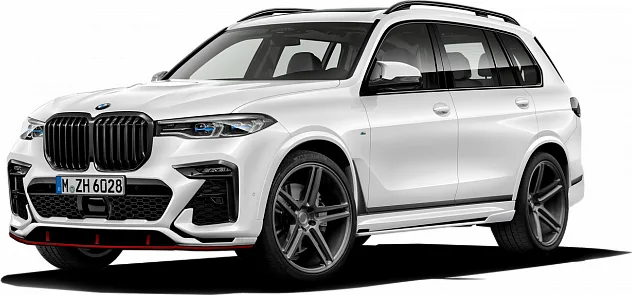
BMW X7
1st gen (2019–2023), facelifted 2023
Good overall and close to average among SUVs, the X7 is best bought as a 2022, which has the lowest complaint rate of any established year. Brakes are the top complaint area, led by a pedal that sticks hard after shifting into Drive.
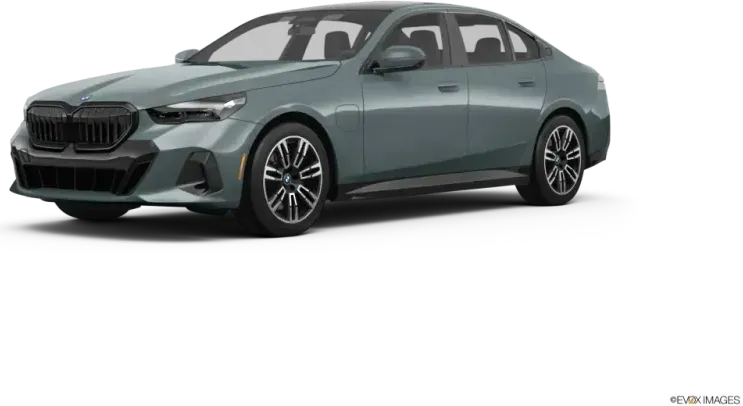
BMW 5 Series
8th gen (2024–2024)
Reliability standing is good, though the 5-Series ranks below average among sedans on the site. The 2018 model year is the one to skip, with passenger airbag warnings from a failing seat sensor and coolant loss from a cracked plastic oil filter housing.

BMW X3
4th gen (2025–present)
Used X3 shoppers should pick the year with care. The 2023 model is the best-supported buy, while 2025 draws complaints of stalling, fire risk, and braking that triggers with nothing ahead.
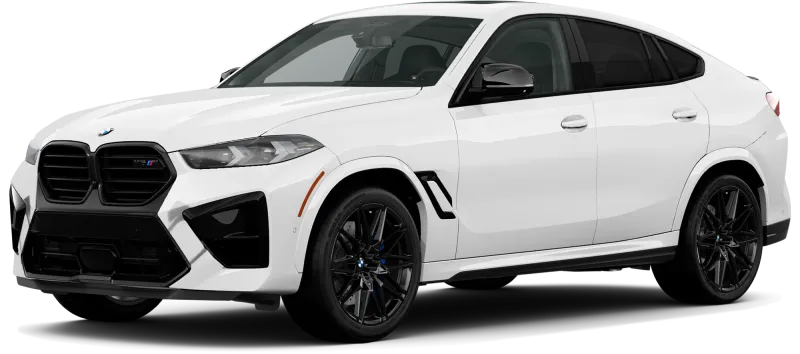
BMW X6
3rd gen (2020–2023), facelifted 2024
Used buyers get a model with good reliability, though it ranks well below average among SUVs on the site. The 2022 is the year to favor, and 2026 is the one to avoid.
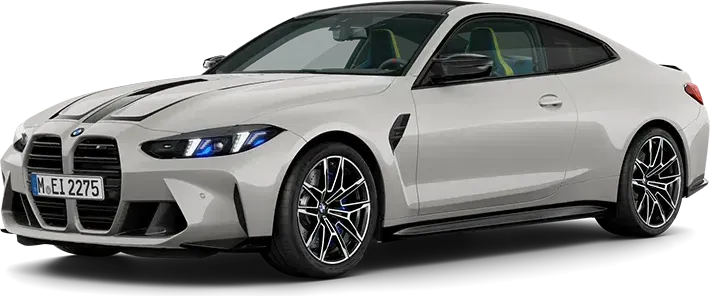
BMW 4 Series
2nd gen (2020–2023)
Sudden coolant loss from a cracked oil filter housing and a passenger airbag warning from a failed seat sensor mat are the costly problems to watch on this coupe. Its standing is good, yet it sits well below average among coupes, so a clean service history matters.
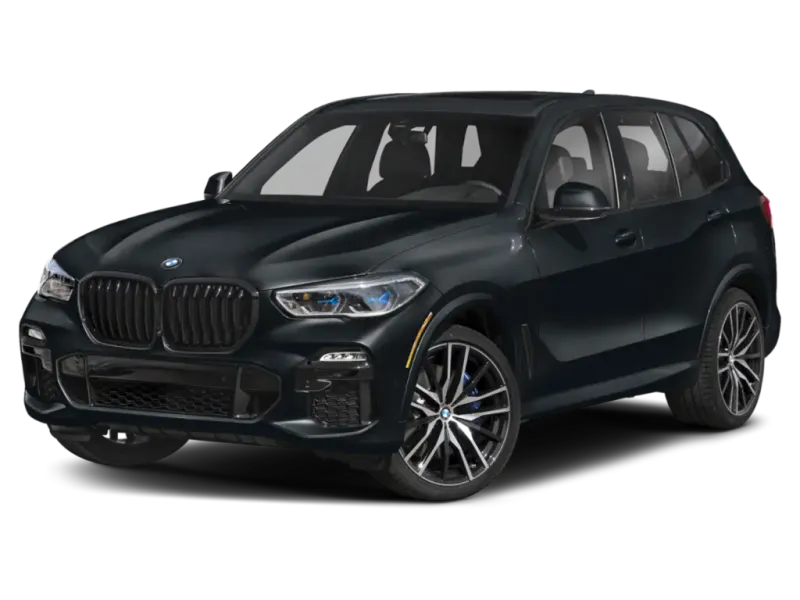
BMW X5
4th gen (2018–2023)
Reliability is mixed and well below average among SUVs, with 2022 the pick and 2019 the year to skip. Sudden loss of power with a drivetrain warning shows up across many years.

BMW iX
1st gen (2022–present), facelifted 2026
Used buyers get a mixed picture here, and the electric SUV sits well below average against other SUVs on the site. The 2024 is the year to favor, with fewer recalls than 2022 or 2023.
Common BMW Problems
Top complaint categories across all BMW models, based on owner-reported issues to NHTSA.
BMW by Category
Frequently Asked Questions
- Which BMW is the most reliable?
- The I4 is the most reliable BMW on the site, rated good and above most sedans. It was sold only for the 2022 to 2024 model years, and 2024 is the pick. Owners still report propulsion cutting out with a drivetrain malfunction message, so check recall history before you buy.
- Which BMW models should I avoid?
- The IX and X5 are the weakest, and both carry a mixed rating. IX owners report the dash going black and drive power cutting out while moving. On the X5, skip the 2019 and look at the 2022. The X6 and 4-Series are rated good but rank well below average in their classes.
- Are BMWs expensive to repair?
- Independent repair-cost data shows yearly costs from about $773 for the 3-Series to about $1206 for the X6. The X1 runs about $915, the X3 about $1034, the X7 about $1127 and the X5 about $1166. Some models have no figure. Airbag seat sensor repairs can top $2,500.
- What is the BMW passenger airbag warning?
- It is a "Passenger restraint system malfunction" message, and it makes up most airbag complaints. Owners trace it to a failed passenger seat occupancy sensor or seat mat. Dealers say the fault can keep the passenger airbag from deploying. Reports include the 5-Series, 4-Series and 2-Series, among others.
- Are BMWs a fire risk?
- Owner complaints tie the fire reports to wiring for the rear window defroster. Owners describe smoke, then flames from the back seat area, with damage to the headliner and rear deck. Several of these reports name 3-Series models. Fires are a small share of electrical complaints, so check recall records for your car.
Compare BMW vs Other Makes

BMW vs Acura
Compare reliability →

BMW vs Audi
Compare reliability →

BMW vs Buick
Compare reliability →

BMW vs Cadillac
Compare reliability →

BMW vs Chevrolet
Compare reliability →

BMW vs Chrysler
Compare reliability →

BMW vs Dodge
Compare reliability →

BMW vs Ford
Compare reliability →

BMW vs GMC
Compare reliability →

BMW vs Genesis
Compare reliability →

BMW vs Honda
Compare reliability →

BMW vs Hyundai
Compare reliability →

BMW vs Infiniti
Compare reliability →

BMW vs Jeep
Compare reliability →

BMW vs Kia
Compare reliability →

BMW vs Land Rover
Compare reliability →

BMW vs Lexus
Compare reliability →

BMW vs Lincoln
Compare reliability →

BMW vs Mazda
Compare reliability →

BMW vs Mercedes-Benz
Compare reliability →

BMW vs Mitsubishi
Compare reliability →

BMW vs Nissan
Compare reliability →

BMW vs Porsche
Compare reliability →

BMW vs Ram
Compare reliability →

BMW vs Rivian
Compare reliability →

BMW vs Subaru
Compare reliability →

BMW vs Tesla
Compare reliability →

BMW vs Toyota
Compare reliability →

BMW vs Volkswagen
Compare reliability →

BMW vs Volvo
Compare reliability →
Most Reliable Used Sedans
View rankings →
Most Reliable Used SUVs
View rankings →
Best BMW Years
View rankings →
How we score BMW models
Scores weight complaint severity at 35%, repair costs at 30%, recall impact at 20%, and the spread of complaints across systems at 15%, with complaint counts adjusted for US sales. Read the full methodology.
See incorrect data? Report an issue