Last updated: 2026-10-10
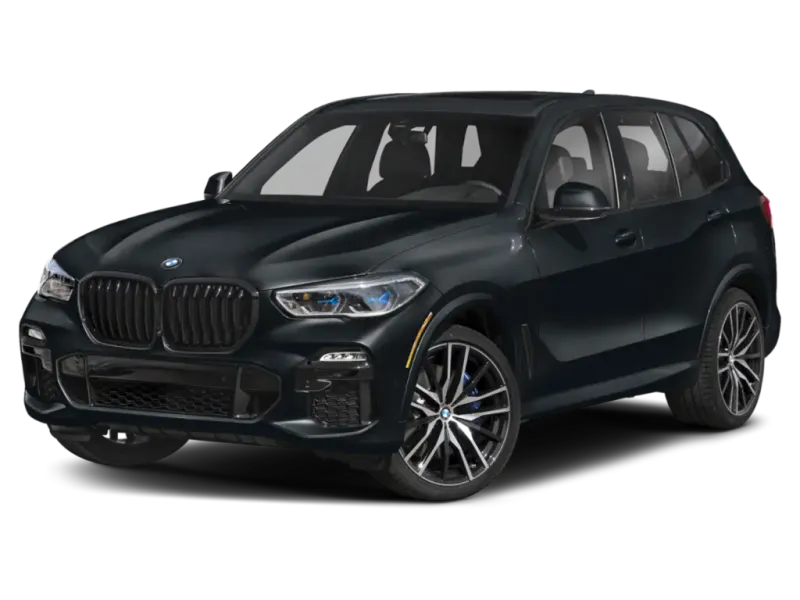
BMW X5 Years to Avoid
9 scored model years (2018–2026) · model average 59/100
Skip the 2019 model. Its main trouble is starting failures, where an overheating starter leaves the car unable to crank, plus oil pump failures. The 2022 is the better buy, with far fewer complaints and only one recall on file.
Verdict
- Avoid
- 2019 52/100
- Buy
- 2022 67/100
- Model average
- 59/100
BMW X5 Years to Avoid
These model years score significantly below the BMW X5 average of 59/100.
| # | Year | Score | Rating | Recalls | Complaints | Top Issue |
|---|---|---|---|---|---|---|
| 1 | 2019 | 52/100 | Mixed | 13 | 157 | Electrical System (45) |
Why These Years Should Be Avoided
2019 BMW X5
Starting failures dominate the complaints. Starters overheat, smoke or smell of burning, and the car will not crank, sometimes after auto start/stop shuts the engine off in traffic. Oil pumps also fail, with plastic internal parts reported cracking. Steering that twitches in cold weather adds to a year with the most complaints of any.
Top issues: Electrical System (45), Engine (19), Unknown Or Other (19), Steering (18), Power Train (14), Engine And Engine Cooling (11)
View full 2019reliability report →What Are Common BMW X5 Problems?
ELECTRICAL SYSTEM
122 complaintsMost reported in 2019, 2021, 2020
2019: Starting failures dominate.
SERVICE BRAKES
105 complaintsMost reported in 2024, 2025, 2019
2024: Braking power assist drops out, so the pedal takes more force and the SUV takes longer to stop.
POWER TRAIN
94 complaintsMost reported in 2021, 2024, 2022
2021: Drivetrain malfunction warnings cut power on the highway, and some cars can only reach about 35 to 40 mph.
UNKNOWN OR OTHER
60 complaintsMost reported in 2019, 2021, 2018
2019: This category mixes unrelated faults.
ENGINE AND ENGINE COOLING
42 complaintsMost reported in 2020, 2019, 2018
2020: The engine fails to start or shuts off at a stop, usually with a system-overheated message telling the driver to wait for it to cool.
ENGINE
34 complaintsMost reported in 2019, 2020, 2024
2019: The oil pump fails, and reports point to plastic internal parts that crack or break apart.
Best BMW X5 Year to Buy Instead
2022 BMW X5
The 2022 has one recall on file and 51 owner complaints, against 13 recalls and 157 complaints for 2019. It also avoids the brake complaints that stand out on 2024. It is not trouble free, since sudden power loss warnings and water pump leaks are reported, but it has been on the road long enough to judge.
Found a Safe Year? Check the Specific Car
Even the 2022 BMW X5 has 1 recall on file. A VIN check confirms the recall work on the exact car and shows its accident, title, and service history.
- Accidents
- Open Recalls
- Title History
- Odometer Rollback
All BMW X5 Years by Generation
BMW X5 Reliability Scores by Year
Third generation (F15/F85) (2013–2018)
Fourth generation (G05/G18/F95) (2018–2023)
2022 BMW X5
1 recalls · 51 complaints
2023 BMW X5
4 recalls · 24 complaints
2018 BMW X5
6 recalls · 63 complaints
2021 BMW X5
13 recalls · 85 complaints
2020 BMW X5
11 recalls · 81 complaints
2019 BMW X5
13 recalls · 157 complaints
Frequently Asked Questions
Which BMW X5 years should I avoid?
Which BMW X5 year has engine problems?
Does the 2022 BMW X5 have water pump problems?
Which BMW X5 years have brake complaints?
Is the 2026 BMW X5 a good buy?
How we score every BMW X5 model year
Scores weight complaint severity at 35%, repair costs at 30%, recall impact at 20%, and the spread of complaints across systems at 15%, with complaint counts adjusted for US sales. Read the full methodology.
See incorrect data? Report an issue