Last updated: 2026-10-10

Porsche Reliability Ratings — Every Model Ranked
Four of the five Porsche models rate good for reliability, and only the Cayenne falls to mixed. The Boxster leads the lineup, with very few owner complaints. The Cayenne trails, with a long complaint list and one of the higher repair bills. The spread inside the brand is narrow, but Porsche as a whole still lands below average next to other brands on the site. Independent repair-cost data runs from about $952 a year for the Boxster to about $1,265 for the Macan.
The same trouble shows up across several models. Taycan, Cayenne and Macan owners report electrical faults, the worst being a sudden loss of drive power after an "Electrical System Error" warning. Taycan and Cayenne owners describe the car shifting itself into Neutral or Park. Some owners wait months for parts to fix a dead passenger airbag. Matrix LED headlights that shut off after water gets in are another repeat complaint. Shoppers should choose the model year with care and ask for proof that these faults were fixed.
Porsche Best Year Score Comparison
Each bar shows the best single model year score for that Porsche model. Longer bars indicate higher peak reliability.
Porsche Model Rankings
Scores below are averaged across all tracked model years. The “Best Year” column shows the highest-scoring model year that has been on the road for at least two years, where available.
| # | Vehicle | Best Year | Score | Rating | Recalls | Complaints / 10k | Maint. Rating | Est. Repair Cost |
|---|---|---|---|---|---|---|---|---|
| 1 | Porsche Boxster | 2018 | 68/100 | Good | 7 | 51.2 | 2.5 | $952/yr |
| 2 | Porsche Taycan | 2020 | 67/100 | Good | 131 | — | 3.5 | |
| 3 | Porsche Macan | 2024 | 63/100 | Good | 20 | 4.4 | 1.5 | $1265/yr |
| 4 | Porsche 911 | 2019 | 61/100 | Good | 32 | 4.1 | 2 | $1072/yr |
| 5 | Porsche Cayenne | 2018 | 59/100 | Mixed | 51 | 7.4 | 1.5 | $1231/yr |
Porsche Models

Porsche Boxster
4th gen (2016–present)
Reliability is rated good, though the Boxster sits below average next to other sedans on the site. Owner complaints are very few.

Porsche Taycan
1st gen (2020–2024), facelifted 2024
Used Taycans rate good for reliability, though they sit below average among sedans on the site. The most serious complaint is a sudden loss of drive power after an "Electrical System Error" warning.
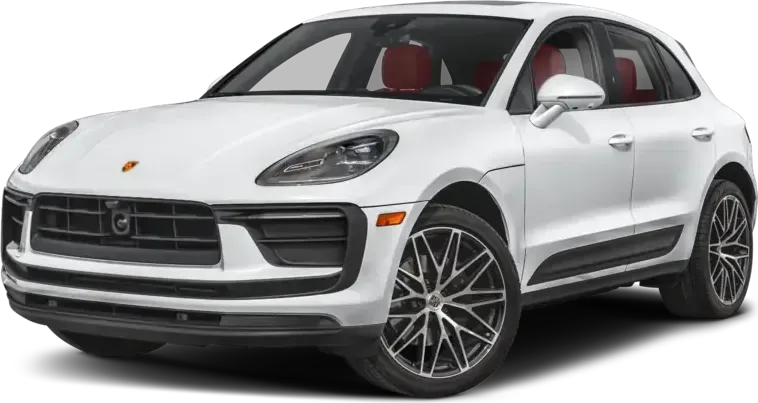
Porsche Macan
2nd gen (2025–2023)
Most Macan years from 2019 on hold up well, but the 2018 is one to skip, with 13 recalls and complaints about airbag sensors and steering. Repair costs run about $1,265 a year, above the luxury compact norm.

Porsche 911
8th gen (2020–2023), facelifted 2024
Owner complaints stay low in most years, and 2019 is the pick for a used buy. The problem that matters is the fuel system: fuel leaking onto hot engine parts, injector faults that make the engine run rough, and a fire report.
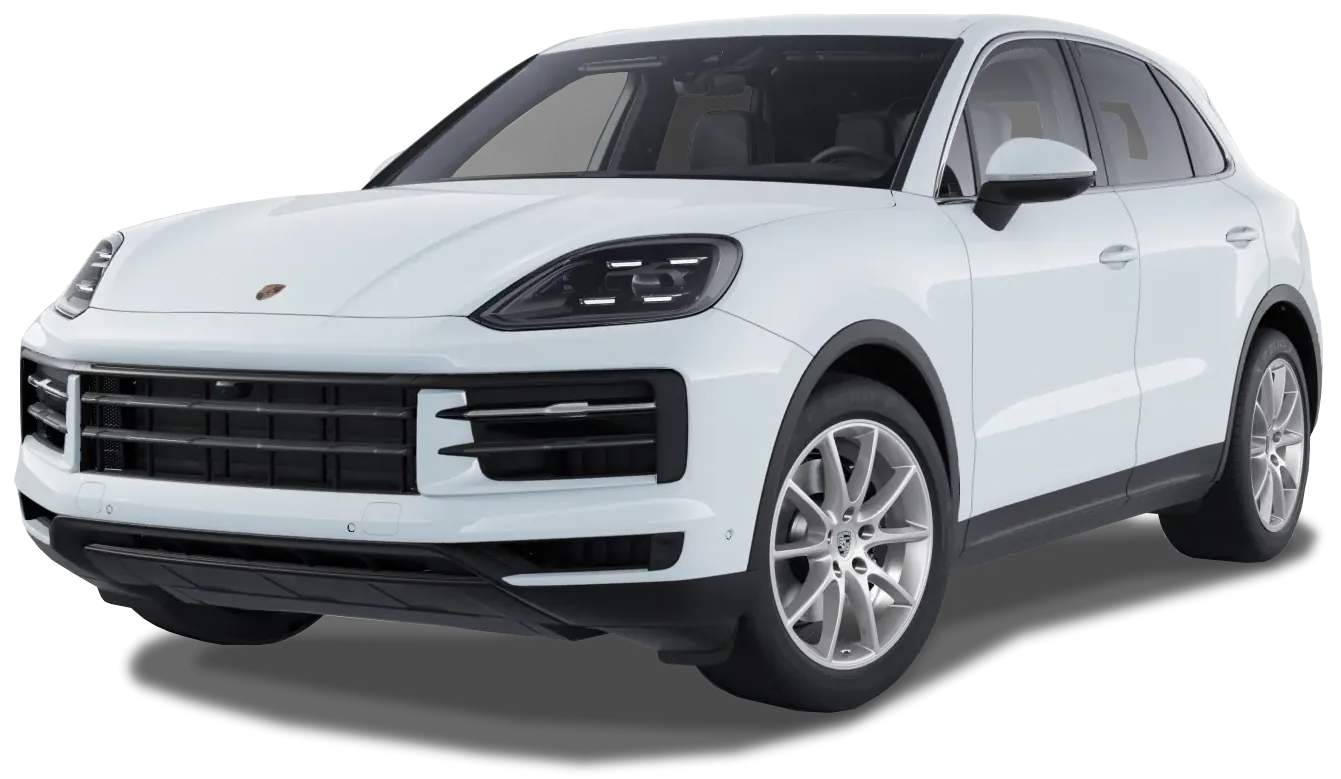
Porsche Cayenne
3rd gen (2019–2023), facelifted 2023
Mixed overall and well below average among SUVs, the Cayenne is a costly used buy that rewards careful year selection. The 2018 is the pick, while 2019 drew the most complaints and recalls.
Common Porsche Problems
Top complaint categories across all Porsche models, based on owner-reported issues to NHTSA.
Porsche by Category
Frequently Asked Questions
- What is the most reliable Porsche model?
- The Boxster is the most reliable Porsche on the site. It is rated good, with only 4 owner complaints and 7 recalls on record. The 2018 is the best year to buy. Independent repair-cost data puts its yearly repairs at about $952, the lowest of the models with cost data.
- Which Porsche models should I avoid?
- The Cayenne is the weakest, rated mixed, with 111 owner complaints and 51 recalls. The 2019 drew the most of both, and E-Hybrid owners report melting charging cables. Also skip the 2018 Macan, which has 13 recalls and complaints about airbag sensors and steering, and the 2021 Boxster.
- Are Porsche cars expensive to repair?
- Yes, they cost more than the luxury norm in the data. Independent repair-cost data shows about $952 a year for the Boxster, $1,072 for the 911, $1,231 for the Cayenne and $1,265 for the Macan. The Boxster compares with $801 for luxury compact cars. No repair-cost figure is available for the Taycan.
- What problems do Porsche owners report most?
- Electrical faults lead the complaints. The most serious is a sudden loss of all drive power, where the car coasts to a stop, sometimes at freeway speed. Owners also report unintended shifts to Neutral or Park, passenger airbags that stay disabled while parts are unavailable, and LED headlights that go dark after water gets in.
- Is the Porsche Taycan reliable?
- The Taycan is rated good, but it has a heavy record of 131 recalls and 107 owner complaints. Favor the 2020 and look hardest at the 2022 and 2023, which collected the most recalls and complaints. Newer years have had less time to pile up filings, so a short list is not proof of a better car.
Compare Porsche vs Other Makes

Porsche vs Acura
Compare reliability →

Porsche vs Audi
Compare reliability →

Porsche vs BMW
Compare reliability →

Porsche vs Cadillac
Compare reliability →

Porsche vs Chevrolet
Compare reliability →

Porsche vs Dodge
Compare reliability →

Porsche vs Ford
Compare reliability →

Porsche vs Genesis
Compare reliability →

Porsche vs Honda
Compare reliability →

Porsche vs Hyundai
Compare reliability →

Porsche vs Infiniti
Compare reliability →

Porsche vs Jeep
Compare reliability →

Porsche vs Kia
Compare reliability →

Porsche vs Land Rover
Compare reliability →

Porsche vs Lexus
Compare reliability →

Porsche vs Lincoln
Compare reliability →

Porsche vs Mazda
Compare reliability →

Porsche vs Mercedes-Benz
Compare reliability →

Porsche vs Mitsubishi
Compare reliability →

Porsche vs Nissan
Compare reliability →

Porsche vs Ram
Compare reliability →

Porsche vs Rivian
Compare reliability →

Porsche vs Subaru
Compare reliability →

Porsche vs Tesla
Compare reliability →

Porsche vs Toyota
Compare reliability →

Porsche vs Volkswagen
Compare reliability →

Porsche vs Volvo
Compare reliability →
Most Reliable Used Sedans
View rankings →
Most Reliable Used SUVs
View rankings →
Best Porsche Years
View rankings →
How we score Porsche models
Scores weight complaint severity at 35%, repair costs at 30%, recall impact at 20%, and the spread of complaints across systems at 15%, with complaint counts adjusted for US sales. Read the full methodology.
See incorrect data? Report an issue