Last updated: 2026-10-10

Jeep Reliability Ratings — Every Model Ranked
Reliability is good across most of the lineup, yet Jeep still lands below average next to other brands. Compass leads the seven models. Gladiator trails and is the only one rated mixed rather than good. Among models with repair-cost data, yearly costs run from about $498 for the Renegade to $784 for the Wagoneer.
Three problems recur. Electrical faults range from dead batteries and blank or self-operating touchscreens to dark instrument clusters and some fires. Steering can go heavy without warning or shake violently at highway speed after a bump. Some engines shut off while driving, which can take power steering and brake assist with them. For a shopper, the model year matters as much as the model. Early years draw the most complaints, and 2018 is flagged on several models, so choose the year with care.
Jeep Best Year Score Comparison
Each bar shows the best single model year score for that Jeep model. Longer bars indicate higher peak reliability.
Jeep Model Rankings
Scores below are averaged across all tracked model years. The “Best Year” column shows the highest-scoring model year that has been on the road for at least two years, where available.
| # | Vehicle | Best Year | Score | Rating | Recalls | Complaints / 10k | Maint. Rating | Est. Repair Cost |
|---|---|---|---|---|---|---|---|---|
| 1 | Jeep Compass | 2024 | 75/100 | Good | 15 | 19.1 | 4 | $526/yr |
| 2 | Jeep Renegade | 2023 | 74/100 | Good | 15 | 20.4 | 4 | $498/yr |
| 3 | Jeep Cherokee | 2020 | 70/100 | Good | 105 | — | 4 | $520/yr |
| 4 | Jeep Grand Cherokee | 2020 | 66/100 | Good | 97 | 14.2 | 3.5 | $666/yr |
| 5 | Jeep Wagoneer | 2024 | 63/100 | Good | 24 | 21.8 | 3 | $784/yr |
| 6 | Jeep Wrangler | 2023 | 63/100 | Good | 94 | 33.7 | 3.5 | $694/yr |
| 7 | Jeep Gladiator | 2024 | 55/100 | Mixed | 27 | — | 2 |
Jeep Models
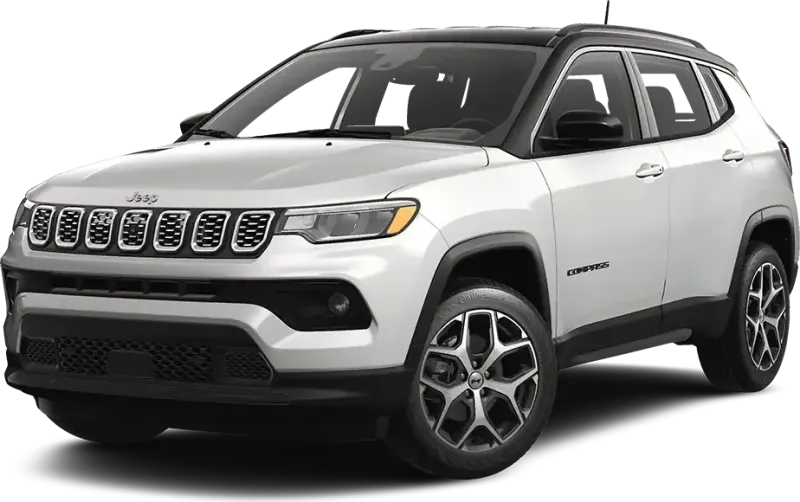
Jeep Compass
3rd gen (2026–2023)
Good overall for a compact SUV, with yearly repair costs close to the class average. The 2018 model year is the one to skip, because owners report heavy oil use and engines that shut off while driving.
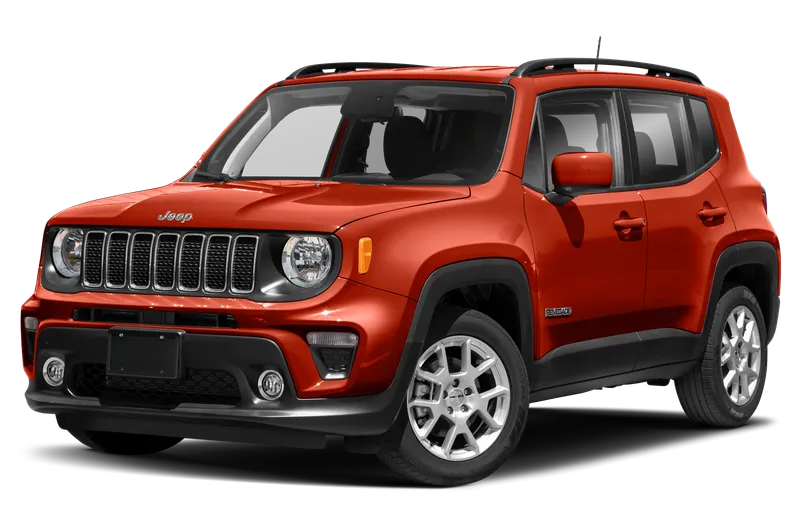
Jeep Renegade
1st gen (2015–2023), facelifted 2019, 2022, 2023
Reliability is good, and this compact SUV rates above average among SUVs on the site. The 2018 model year is the one to skip, because heavy oil use can shut the engine off while driving.
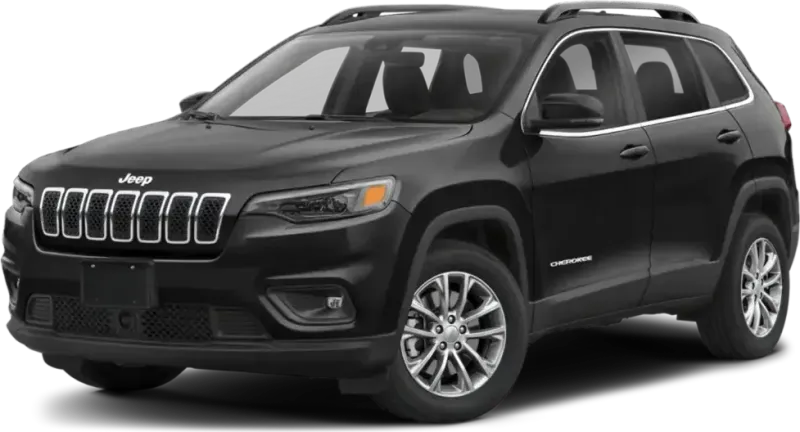
Reliability is good and close to average for SUVs, and the 2020 model year is the one to favor because it has far fewer recalls than most other years. The two problems that matter most are power transfer unit failures, shown by a Service 4WD light and grinding from the drivetrain, and heavy oil use with no low-oil warning that can stall the engine..
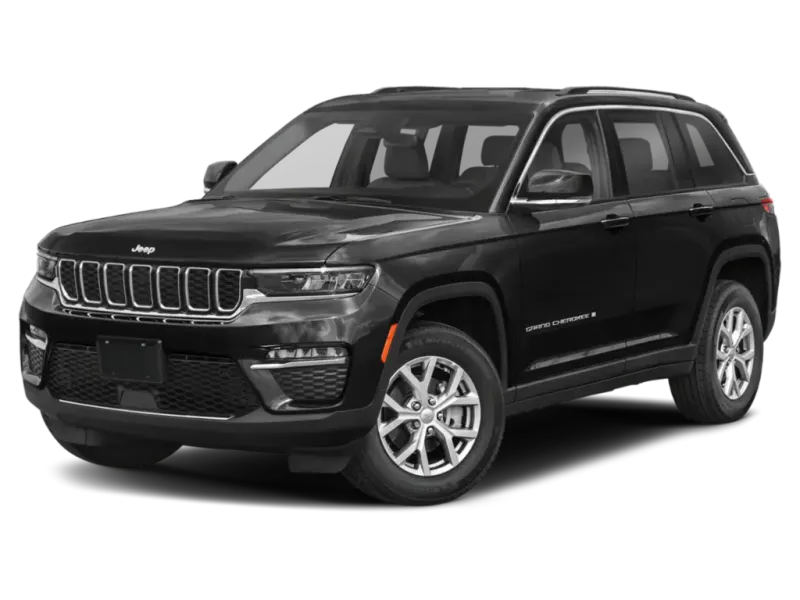
Jeep Grand Cherokee
5th gen (2021–2023)
Reliability standing is good, but the Grand Cherokee ranks below average among SUVs, and repair costs run above the midsize SUV norm at about $666 a year. The 2020 model is the best-supported pick, while 2018 is the one to skip.
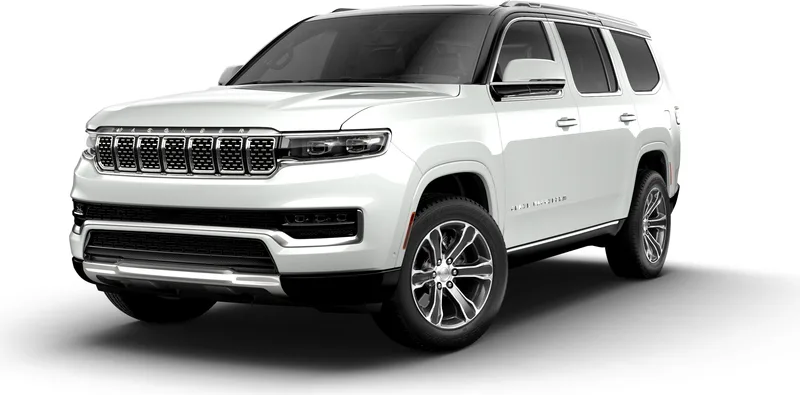
Jeep Wagoneer
4th gen (2022–2023), facelifted 2024
Used Wagoneers have a good reliability standing but sit below average among SUVs. The problem to know about is sudden shutdowns while driving, which can take out power steering and brake assist.
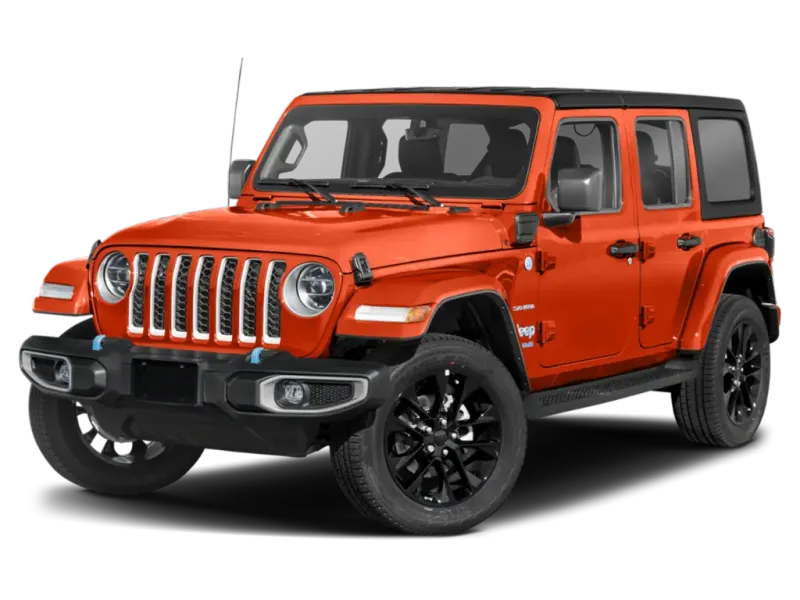
Jeep Wrangler
4th gen (2018–2023)
Rated good but below average among SUVs, the Wrangler is best bought as a 2023 and costs more to keep running than the compact SUV average. Steering is the big complaint: the wheel goes heavy or the front end shakes violently at highway speed, worst in 2018 and 2021.
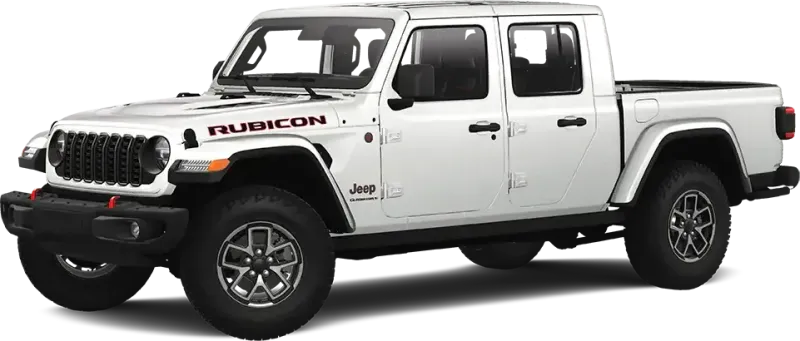
Used Gladiators rate well below other trucks, and the trouble sits mostly in the early years. Steering is the big one: loose, wandering steering and a violent front-end shake called death wobble.
Common Jeep Problems
Top complaint categories across all Jeep models, based on owner-reported issues to NHTSA.
Jeep by Category
SUVs
See all SUVs→Frequently Asked Questions
- What is the most reliable Jeep model?
- The Compass is the most reliable Jeep on the site. It is rated good for a compact SUV, and its repair costs, about $526 a year, sit close to the class average. The 2024 is the better pick because it has far fewer complaints. The 2018 is the year to skip.
- Which Jeep models and years should I avoid?
- The Gladiator is the least reliable Jeep, mainly in 2020 and 2021, which drew the most complaints. Also skip the 2018 Compass, Renegade and Grand Cherokee, and the 2022 Wagoneer. Owners report heavy oil use, engine shutdowns while driving, and rollaway after shifting into park, depending on the model.
- Are Jeeps expensive to repair?
- It depends on the model. The Wagoneer costs about $784 a year to repair, the Wrangler about $694, and the Grand Cherokee about $666, all above their classes. The Renegade, Cherokee and Compass run about $498 to $526 a year, close to the compact SUV norm. No repair-cost figure is available for the Gladiator.
- Is death wobble a common Jeep problem?
- Steering trouble is the second most reported problem area across the brand, and the violent front-end shake after bumps above 60 mph is a common description. Gladiator owners use the name death wobble. Wrangler owners report the same shake, worst in 2018 and 2021. Several drivers say the problem returned after dealer repairs.
- Is a used Jeep Wrangler a good buy?
- A used Wrangler can be a fair buy, but pick the year carefully. Its reliability is good, though below average among SUVs, and the 2023 is the best year to buy. Repairs average about $694 a year against $521 for compact SUVs. Steering complaints are heaviest in 2018 and 2021, and failed manual clutches also appear.
Compare Jeep vs Other Makes

Jeep vs Acura
Compare reliability →

Jeep vs Audi
Compare reliability →

Jeep vs BMW
Compare reliability →

Jeep vs Buick
Compare reliability →

Jeep vs Cadillac
Compare reliability →

Jeep vs Chevrolet
Compare reliability →

Jeep vs Chrysler
Compare reliability →

Jeep vs Dodge
Compare reliability →

Jeep vs Ford
Compare reliability →

Jeep vs GMC
Compare reliability →
Jeep vs Genesis
Compare reliability →

Jeep vs Honda
Compare reliability →

Jeep vs Hyundai
Compare reliability →

Jeep vs Infiniti
Compare reliability →

Jeep vs Kia
Compare reliability →

Jeep vs Land Rover
Compare reliability →

Jeep vs Lexus
Compare reliability →

Jeep vs Lincoln
Compare reliability →

Jeep vs Mazda
Compare reliability →

Jeep vs Mercedes-Benz
Compare reliability →

Jeep vs Nissan
Compare reliability →

Jeep vs Porsche
Compare reliability →

Jeep vs Ram
Compare reliability →

Jeep vs Rivian
Compare reliability →

Jeep vs Subaru
Compare reliability →

Jeep vs Tesla
Compare reliability →

Jeep vs Toyota
Compare reliability →

Jeep vs Volkswagen
Compare reliability →

Jeep vs Volvo
Compare reliability →
Most Reliable Used SUVs
View rankings →
Most Reliable Used Trucks
View rankings →
Best Jeep Years
View rankings →
How we score Jeep models
Scores weight complaint severity at 35%, repair costs at 30%, recall impact at 20%, and the spread of complaints across systems at 15%, with complaint counts adjusted for US sales. Read the full methodology.
See incorrect data? Report an issue