Last updated: 2026-10-10

Audi Reliability Ratings — Every Model Ranked
Nine of the ten Audi models on the site rate good, and only the E-Tron falls to mixed. The brand as a whole sits close to average against other brands. The Q8 E-Tron ranks first, but it covers only 2024 and 2025 and has no owner complaints yet, so that reflects short time on the road. The E-Tron trails, with 106 recalls and a record of sudden motor shutdowns that end in a tow.
Electrical trouble is the most common complaint, with 567 reports across nine models. The worst pattern is water reaching a control module behind the rear seats, which can cut power, light up warnings and stop the car in traffic. Owners also describe sudden loss of drive, engine failures that end in replacement, and power steering that quits without warning. Shoppers should test the screens, backup camera and steering on any Audi, and pick the model year with care.
Audi Best Year Score Comparison
Each bar shows the best single model year score for that Audi model. Longer bars indicate higher peak reliability.
Audi Model Rankings
Scores below are averaged across all tracked model years. The “Best Year” column shows the highest-scoring model year that has been on the road for at least two years, where available.
| # | Vehicle | Best Year | Score | Rating | Recalls | Complaints / 10k | Maint. Rating | Est. Repair Cost |
|---|---|---|---|---|---|---|---|---|
| 1 | Audi Q8 e-tron | 2024 | 77/100 | Good | 2 | 0.0 | 3 | |
| 2 | Audi A5 | 2023 | 76/100 | Good | 16 | 6.3 | 3.5 | $739/yr |
| 3 | Audi Q3 | 2024 | 74/100 | Good | 17 | 8.3 | 3.5 | $859/yr |
| 4 | Audi A4 | 2023 | 73/100 | Good | 16 | 18.4 | 3.5 | $739/yr |
| 5 | Audi Q4 e-tron | 2024 | 69/100 | Good | 5 | 37.9 | 3 | |
| 6 | Audi Q5 | 2023 | 69/100 | Good | 49 | 10.4 | 3 | $928/yr |
| 7 | Audi e-tron GT | 2024 | 68/100 | Good | 46 | 16.0 | 3 | |
| 8 | Audi Q7 | 2024 | 65/100 | Good | 32 | 16.3 | 2.5 | $1185/yr |
| 9 | Audi Q8 | 2023 | 64/100 | Good | 43 | 21.9 | 2.5 | $1127/yr |
| 10 | Audi e-tron | 2020 | 51/100 | Mixed | 106 | 80.3 | 2 |
Audi Models
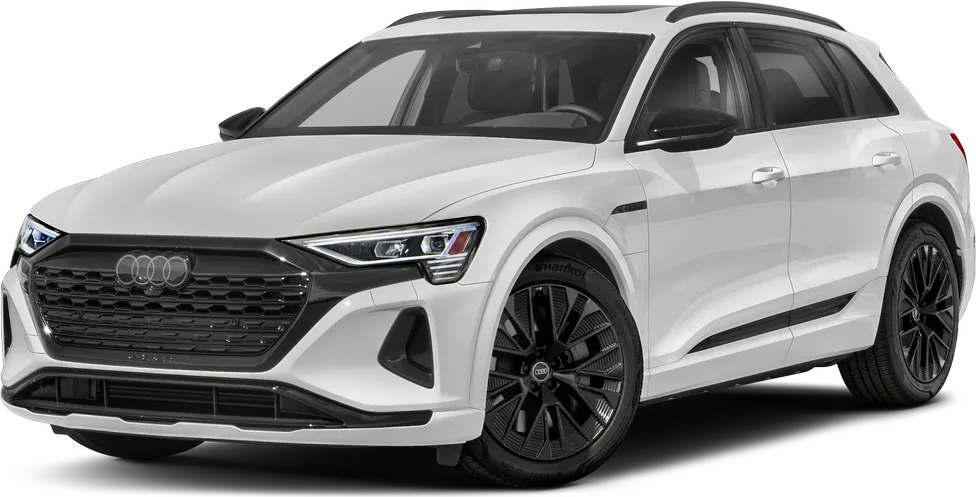
Audi Q8 e-tron
2nd gen (2023–present)
Reliability for this electric SUV rates good, and above average among SUVs on the site. Owner complaints are absent for both tracked years, 2024 and 2025, so no recurring symptom has shown up yet.
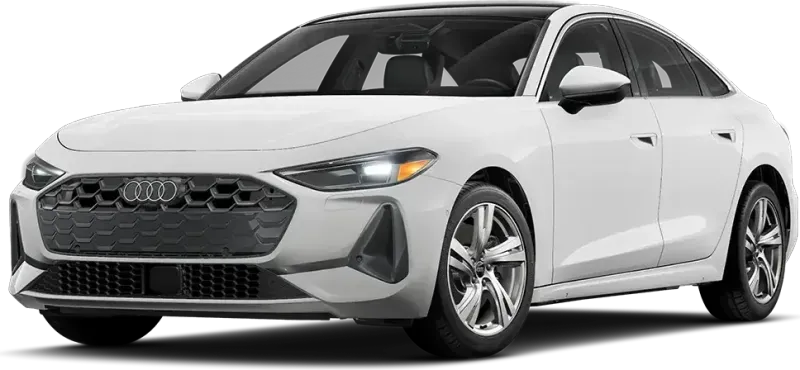
Audi A5
3rd gen (2025–2023)
Reliability for the A5 is good, and it ranks above average among sedans on the site. The 2023 model year is the pick, with no complaints or recalls on file.
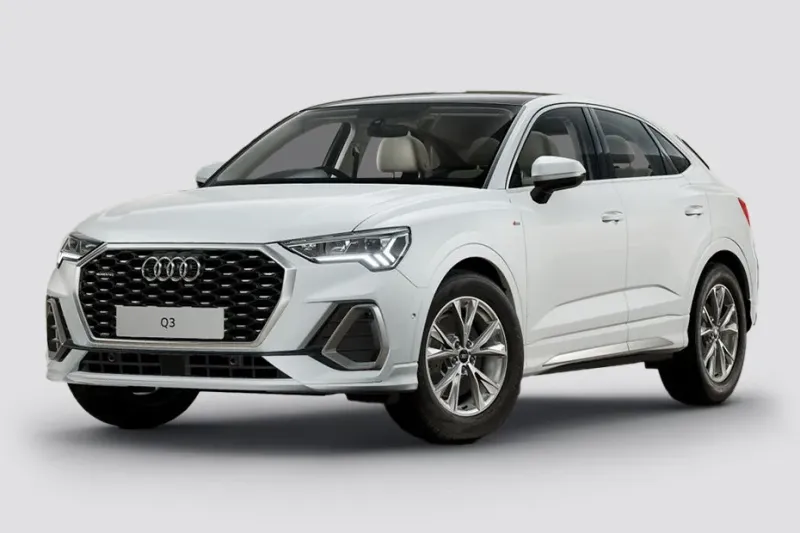
Audi Q3
3rd gen (2026–present)
Reliability rates good for the Q3, and above average among SUVs. Electrical faults lead the complaints, including a failed clock spring that kills the steering wheel buttons and lights the airbag warning.
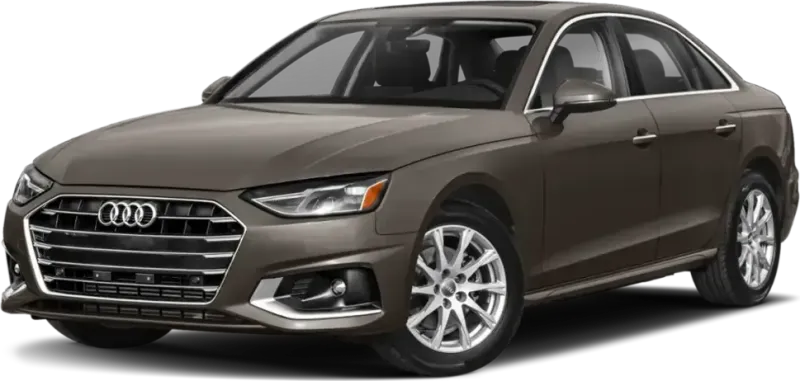
Audi A4
1st gen (1995–2001), facelifted 1999
Reliability is good and repair costs match other luxury midsize cars, so the A4 is a sound used buy if you pick the right year. Favor 2023 and skip 2020, when the MMI screen rebooted on its own and took out the backup camera and parking sensors.
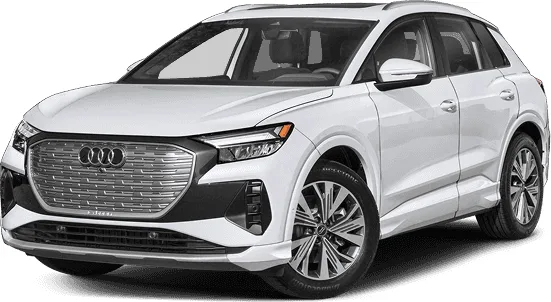
Audi Q4 e-tron
1st gen (2022–2024), facelifted 2026
Electrical faults are the main worry here, with owners reporting sudden shutdowns, no-starts and cars that will not go into gear. Reliability is good and close to average among SUVs.
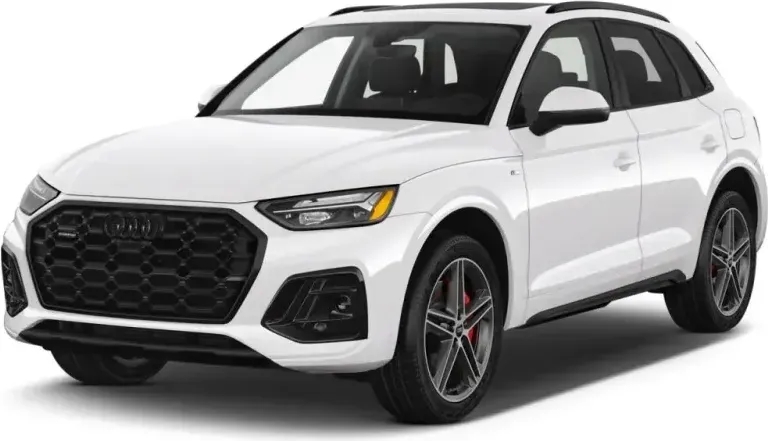
Reliability is good for a midsize SUV and close to average against other SUVs, though yearly repair costs run above the luxury midsize average. Favor 2023 and avoid 2018.
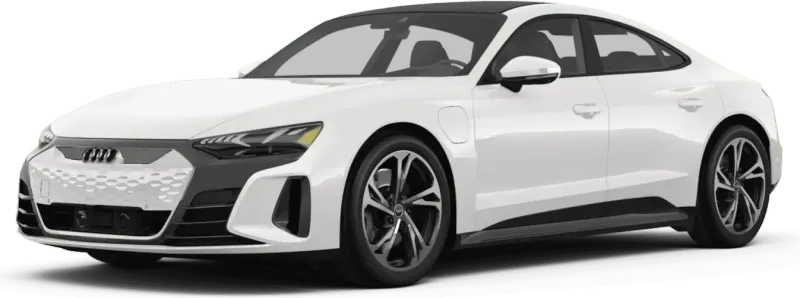
Audi e-tron GT
1st gen (2021–2023), facelifted 2024
Reliability is good, though this electric sedan ranks below average among sedans on the site. Owners of 2022 and 2023 cars report the most trouble: a failed high-voltage cabin heater, and a car that shifts itself into neutral or loses power with a drive system warning.
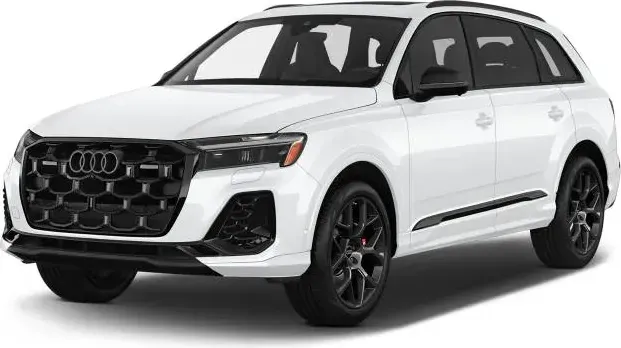
Used Q7 buyers get a model that rates good but sits below average among SUVs. Skip 2018, with heavy oil use and broken rear coil springs, and 2021, where the mild hybrid starter generator can fail and shut the car off on the freeway.
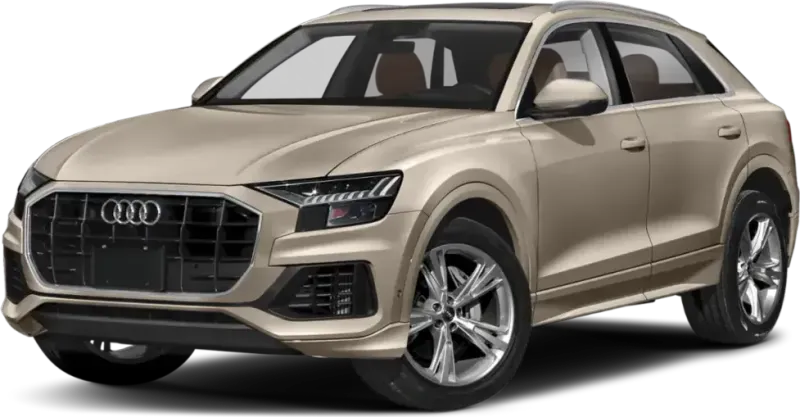
Audi Q8
1st gen (2019–2023), facelifted 2024
A failing 48-volt starter generator is the Q8's biggest weakness, since it can shut the SUV down while moving, and acceleration lag from a stop is the other common complaint. Reliability rates good but below average among SUVs, and 2019 draws the most complaints while 2023 is the better used pick.
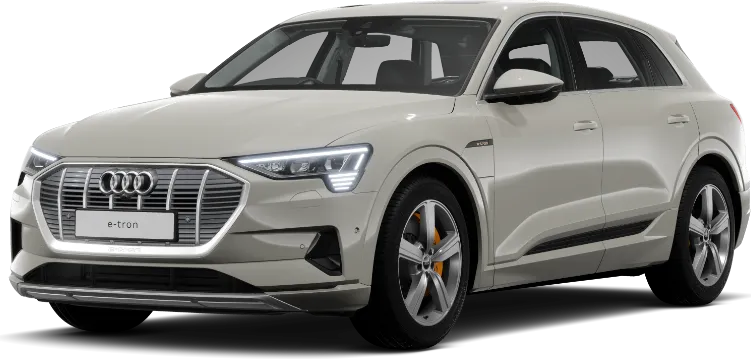
Audi e-tron
1st gen (2019–2023), facelifted 2023
Used E-Trons rank well below average among SUVs, with a mixed record overall. The main risk is electrical: a sudden warning to stop safely, then the motors shut down and the car needs a tow.
Common Audi Problems
Top complaint categories across all Audi models, based on owner-reported issues to NHTSA.
Audi by Category
Frequently Asked Questions
- Which Audi model is the most reliable?
- The Q8 E-Tron ranks first, but it has only 2024 and 2025 model years, two recalls and no owner complaints yet. That is mostly a lack of time on the road. Among older models, the Q3 rates above average among SUVs, and the A5 ranks above average among sedans.
- Which Audi models should I avoid?
- The E-Tron is the weakest, with a mixed record, 106 recalls and reports of motors shutting down and needing a tow. The 2022 year carries the heaviest recall load. Within other models, skip the 2018 Q5 and Q7, the 2021 Q7, and the 2020 A4 and A5.
- Are Audi cars expensive to repair?
- Yearly repair costs run from about $739 for the A4 and A5 to about $1,185 for the Q7. The Q3 is near $859, the Q5 near $928 and the Q8 near $1,127. The Q5 costs more than the average luxury midsize SUV. Repair cost figures are not listed for the electric models.
- What is the most common Audi problem?
- Electrical faults lead by a wide margin. Water from a spilled drink or a leaking sunroof can ruin the gateway control module behind the rear seats, causing power loss and warnings. Owners report bills of $1,800 to $3,200, and dealers often refuse warranty coverage by calling it outside damage.
- Can Audi steering fail while driving?
- Owners report electric power steering that locks or turns very hard with a steering malfunction warning, sometimes without any earlier sign. Dealers usually call for a full steering rack replacement, quoted from $2000 to more than $5k. Reports come from the Q5, Q7, A5, Q8, E-Tron, Q4 E-Tron and Q3.
Compare Audi vs Other Makes

Audi vs Acura
Compare reliability →

Audi vs BMW
Compare reliability →

Audi vs Buick
Compare reliability →

Audi vs Cadillac
Compare reliability →

Audi vs Chevrolet
Compare reliability →

Audi vs Chrysler
Compare reliability →

Audi vs Dodge
Compare reliability →

Audi vs Ford
Compare reliability →

Audi vs GMC
Compare reliability →

Audi vs Genesis
Compare reliability →

Audi vs Honda
Compare reliability →

Audi vs Hyundai
Compare reliability →

Audi vs Infiniti
Compare reliability →

Audi vs Jeep
Compare reliability →

Audi vs Kia
Compare reliability →

Audi vs Land Rover
Compare reliability →

Audi vs Lexus
Compare reliability →

Audi vs Lincoln
Compare reliability →

Audi vs Mazda
Compare reliability →

Audi vs Mercedes-Benz
Compare reliability →

Audi vs Mitsubishi
Compare reliability →

Audi vs Nissan
Compare reliability →

Audi vs Porsche
Compare reliability →

Audi vs Ram
Compare reliability →

Audi vs Rivian
Compare reliability →

Audi vs Subaru
Compare reliability →

Audi vs Tesla
Compare reliability →

Audi vs Toyota
Compare reliability →

Audi vs Volkswagen
Compare reliability →

Audi vs Volvo
Compare reliability →
Most Reliable Used Sedans
View rankings →
Most Reliable Used SUVs
View rankings →
Best Audi Years
View rankings →
How we score Audi models
Scores weight complaint severity at 35%, repair costs at 30%, recall impact at 20%, and the spread of complaints across systems at 15%, with complaint counts adjusted for US sales. Read the full methodology.
See incorrect data? Report an issue