Last updated: 2026-10-10

Ford Reliability Ratings — Every Model Ranked
A good standing, yet below average against other brands on the site, describes the used Ford lineup. The spread is clear. The Ranger leads and the Bronco trails. Most of the 16 models hold a good standing, while the Bronco, Focus and F-150 Lightning land at mixed. Within a model, the year often matters more than the badge.
Transmissions are the most common worry. Owners describe the 10-speed automatic slipping, shifting hard, or dropping gears at highway speed, and some trucks roll away while showing Park. Engines add a second pattern: coolant leaking into the cylinders on some models, rattling cam phasers on cold starts, and heavy oil use. Electrical faults, including frozen screens and stalling start-stop systems, come third. For a shopper, that means test driving for transmission behavior and choosing the model year with care.
Ford Best Year Score Comparison
Each bar shows the best single model year score for that Ford model. Longer bars indicate higher peak reliability.
Ford Model Rankings
Scores below are averaged across all tracked model years. The “Best Year” column shows the highest-scoring model year that has been on the road for at least two years, where available.
| # | Vehicle | Best Year | Score | Rating | Recalls | Complaints / 10k | Maint. Rating | Est. Repair Cost |
|---|---|---|---|---|---|---|---|---|
| 1 | Ford Ranger | 2022 | 73/100 | Good | 52 | 11.0 | 4 | $615/yr |
| 2 | Ford Mustang Mach-E | 2024 | 72/100 | Good | 13 | 10.7 | 3.5 | |
| 3 | Ford Transit Connect Wagon | 2023 | 70/100 | Good | 27 | 5.8 | 3 | |
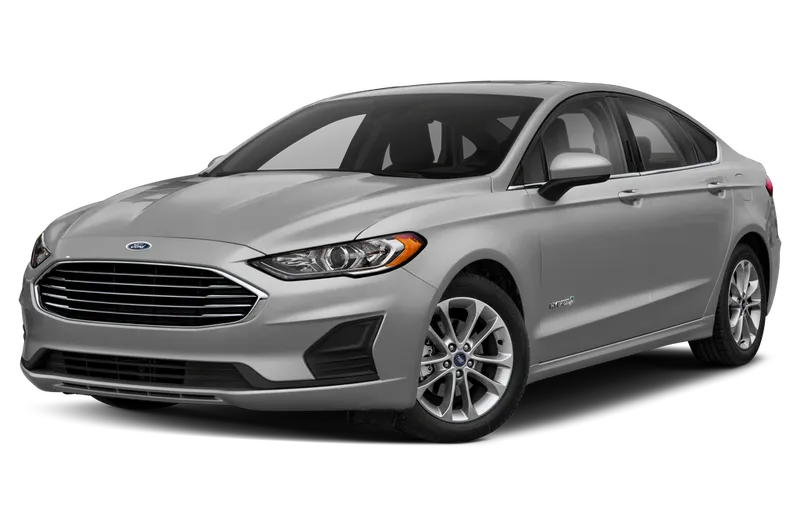
| 4 | Ford Fusion | 2020 | 69/100 | Good | 8 | 21.7 | 4 | $581/yr |
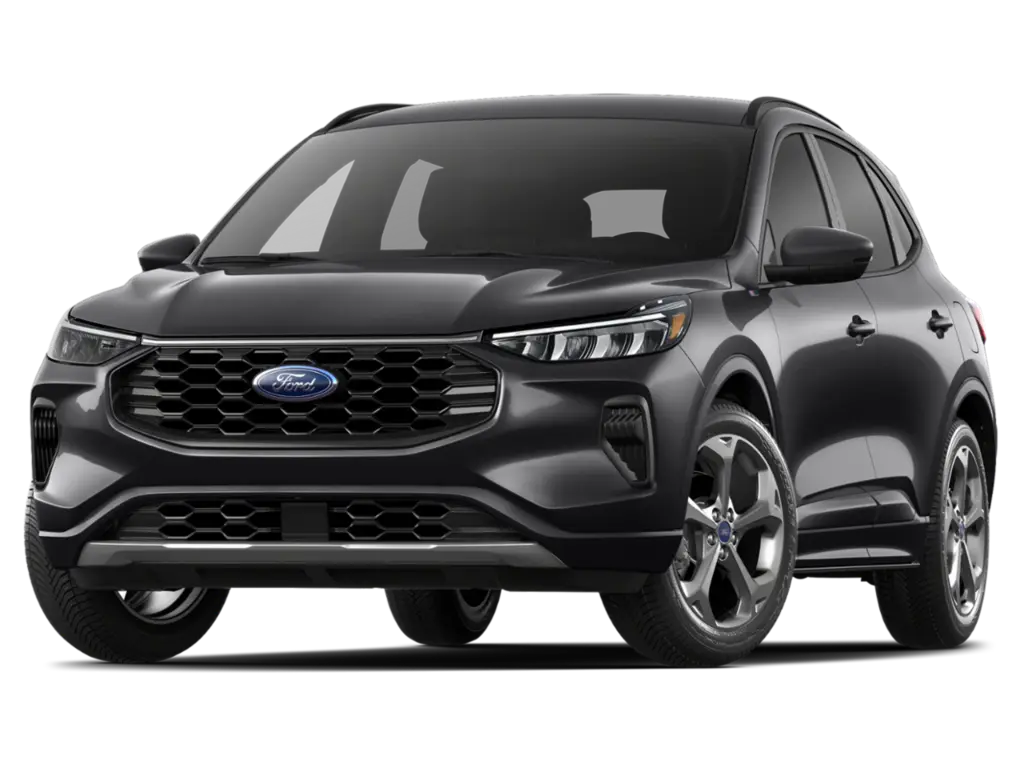
| 5 | Ford Escape | 2024 | 68/100 | Good | 86 | 33.6 | 4 | $600/yr |
| 6 | Ford F-150 | 2024 | 68/100 | Good | 107 | 13.6 | 3.5 | $788/yr |
| 7 | Ford Maverick | 2024 | 68/100 | Good | 69 | 21.4 | 4 | |
| 8 | Ford Bronco Sport | 2024 | 67/100 | Good | 57 | 17.4 | 3.5 | |
| 9 | Ford Edge | 2024 | 67/100 | Good | 32 | 27.0 | 3.5 | |
| 10 | Ford Explorer | 2024 | 67/100 | Good | 117 | 15.7 | 3.5 | $732/yr |
| 11 | Ford Mustang | 2023 | 67/100 | Good | 71 | 22.1 | 3.5 | $709/yr |
| 12 | Ford EcoSport | 2022 | 61/100 | Good | 12 | 74.4 | 3.5 | $775/yr |
| 13 | Ford Expedition | 2024 | 61/100 | Good | 84 | 27.5 | 3 | $861/yr |
| 14 | Ford Focus | 2018 | 56/100 | Mixed | 65 | 79.2 | 4 | $569/yr |
| 15 | Ford F-150 Lightning | 2024 | 54/100 | Mixed | 28 | 47.0 | 1.5 | |
| 16 | Ford Bronco | 2024 | 52/100 | Mixed | 126 | 29.7 | 2 | $784/yr |
Ford Models

Ford Ranger
4th gen (2019–2023)
Used Rangers hold up well and rank above average among trucks. The 2019 model year is the one to skip, mostly for a transmission that shifts hard, slips, or skips gears.
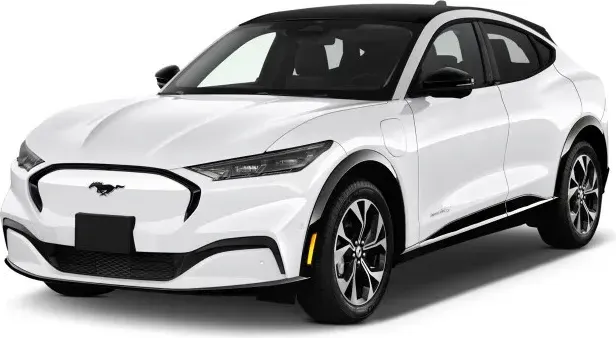
Sudden power loss while driving is the main worry on the Mustang Mach-E, with a "Stop Safely Now" warning before the car slows and shuts down. Reliability is good and close to average among SUVs.
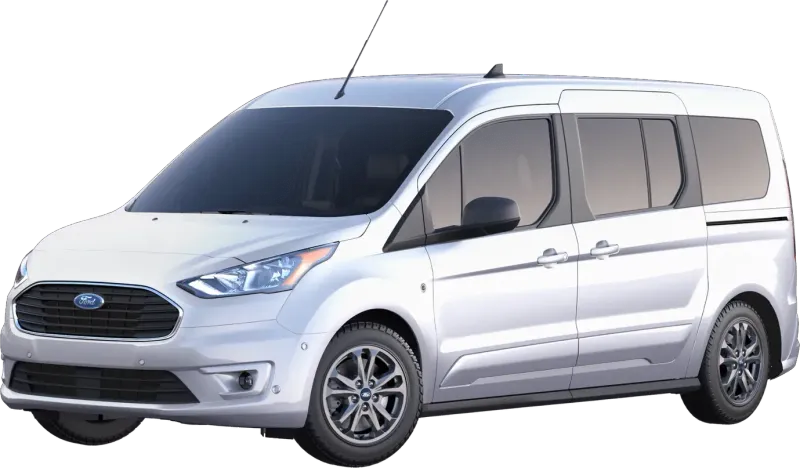
Ford Transit Connect Wagon
3rd gen (2024–2023)
Used buyers get a van that rates good overall and above average among vans. Transmission trouble is the main complaint, mostly hard gear drops when braking at higher speeds, followed by front wheels locking up because of brake problems.
Ford Fusion
2nd gen (2013–2023), facelifted 2017, 2019
Reliability is good and close to average among sedans, with 2020 the year to favor and 2018 and 2019 the ones to check more closely. The problem that matters most is coolant leaking into the cylinders, which usually ends in a replacement engine quoted at $7,200 or more.
Ford Escape
4th gen (2020–present), facelifted 2023
Reliability is good and close to average among SUVs, but the gap between model years is wide. Favor the 2024 and be wary of the 2020 and 2018.
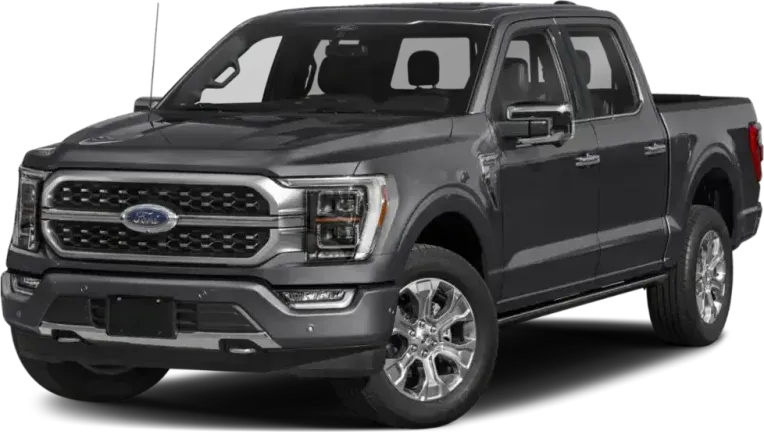
Ford F-150
14th gen (2021–present)
Ford's full-size pickup holds a good reliability standing as a used buy, sits close to average among trucks, and costs less than the class norm to keep running. Favor the 2024 and approach the 2018 and 2021 model years with caution, since they draw the most trouble.

Reliability is good, but it depends heavily on the year. Early trucks from 2022 and 2023 draw the most owner complaints, mainly front CV axles that wear out and shake the truck under acceleration, and a 12-volt battery that drains and leaves it dead.
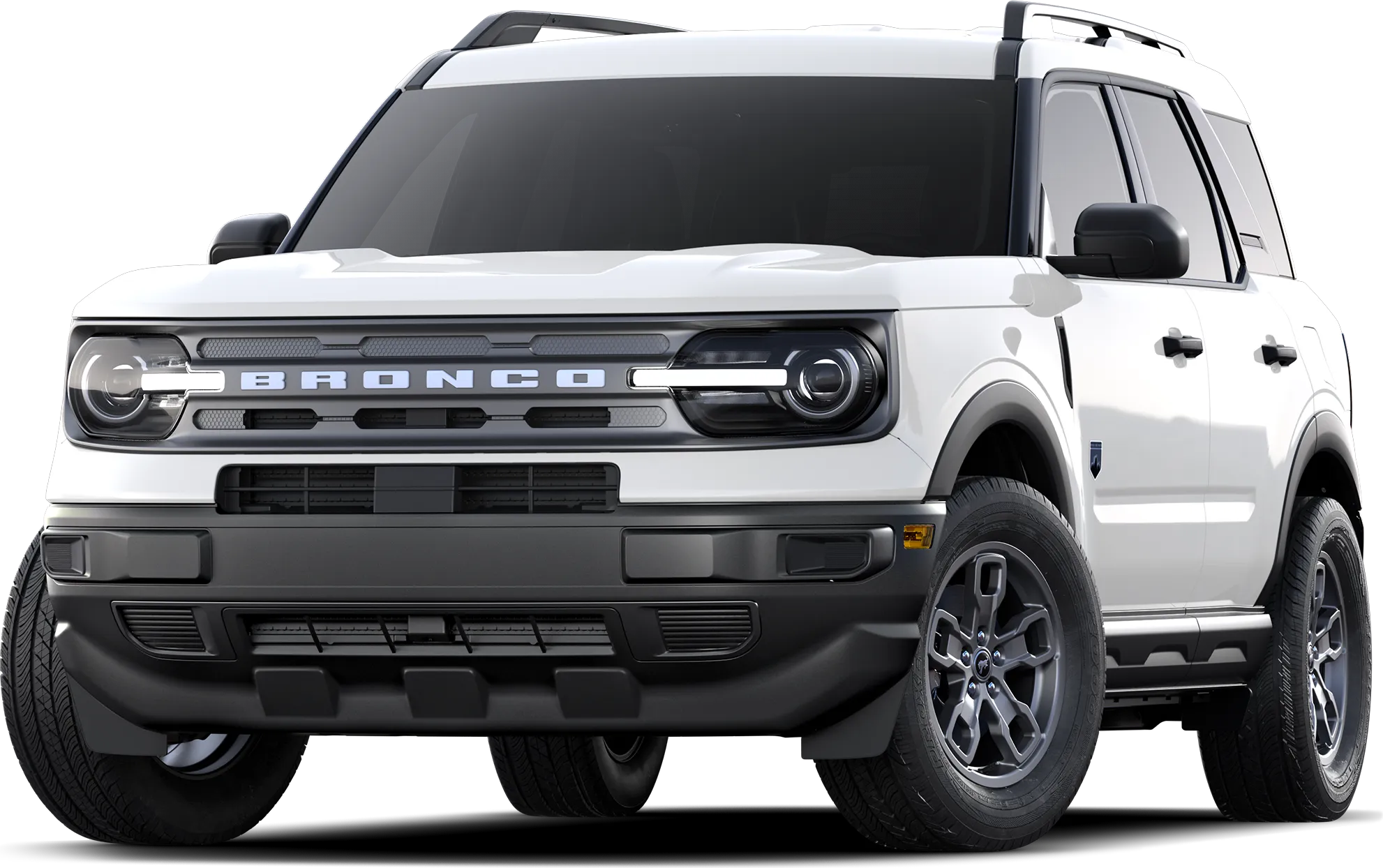
Ford Bronco Sport
1st gen (2021–2023), facelifted 2022, 2023
Stalling from electrical faults and failed transmissions define the weak years, especially 2021, while the 2024 is the safer used pick with far fewer complaints per car sold. Rear brake groan and long waits for recall parts also come up often.
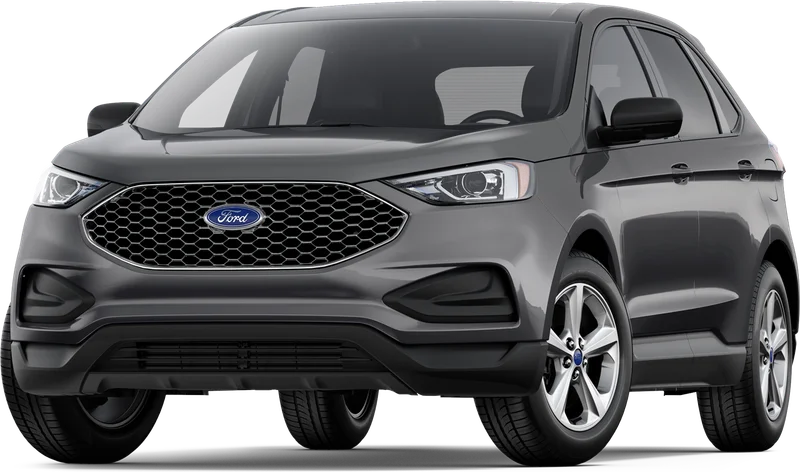
Ford Edge
2nd gen (2015–2024), facelifted 2019
Coolant leaking into the cylinders of the 2.0L EcoBoost is the Edge's biggest problem, and it is why 2018 is the model year to skip. Dealers usually call for a full new engine.
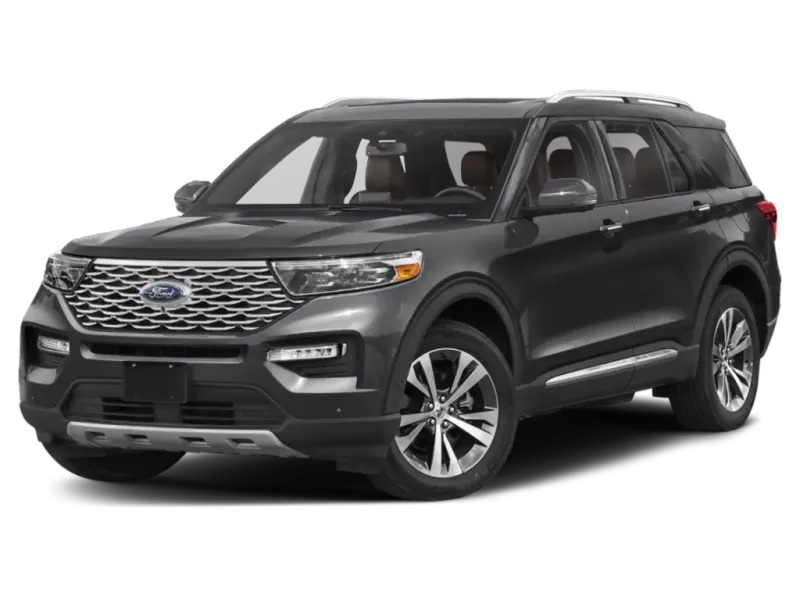
Ford Explorer
6th gen (2020–2023)
Transmissions that shudder or lose drive and A-pillar trim that flies off at highway speed are the Explorer's main complaints. Reliability standing is good, but it sits below average among SUVs, and repair costs run above the midsize class.
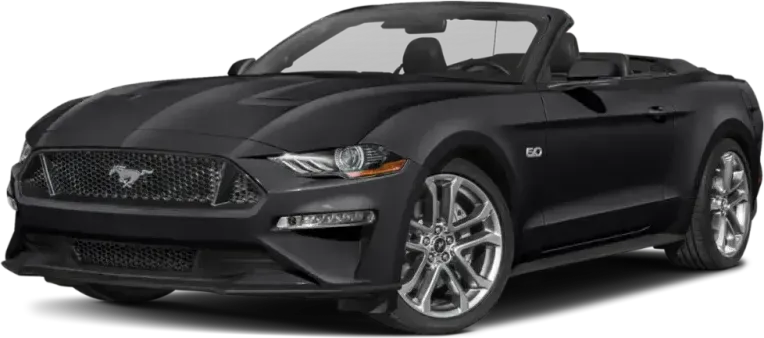
Ford Mustang
7th gen (2024–2023)
Used Mustangs rate good overall and sit close to average among coupes, though yearly repair costs run above the midsize norm. The 2023 is the safest pick, while 2021 and 2022 draw the most trouble.
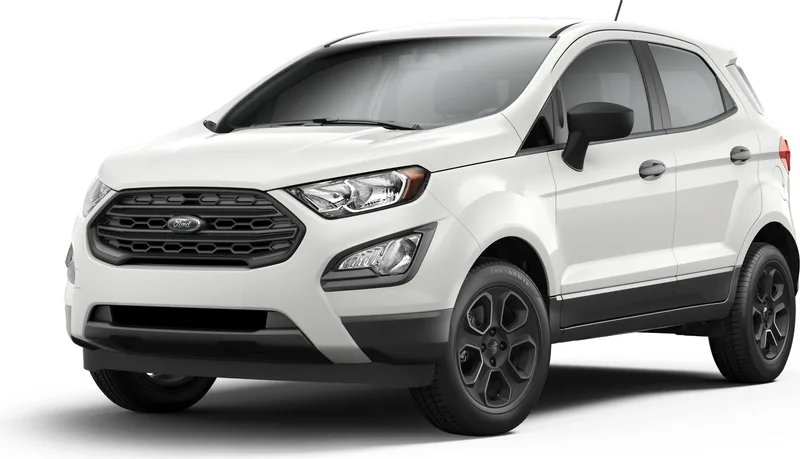
Ford EcoSport
2nd gen (2018–2022), facelifted 2021, 2018
Reliability standing is good, yet this compact SUV sits well below average against other SUVs on the site. Sudden engine shutdown at speed, often after a low oil pressure warning, drives the worst reports, and the 2018 is the year to skip.
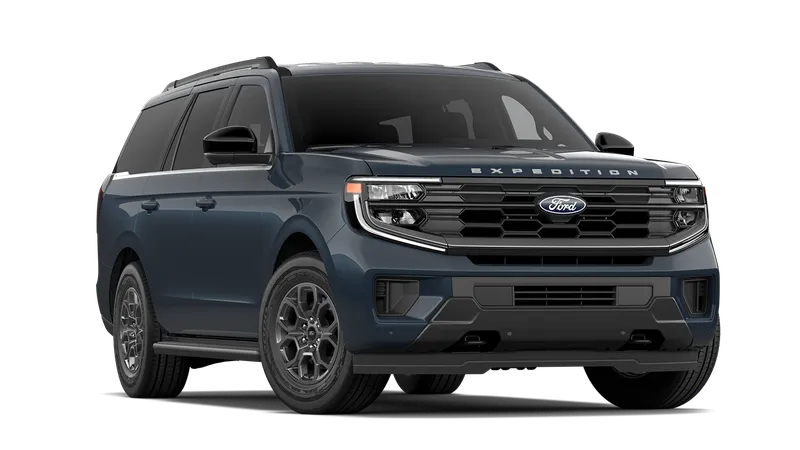
Ford Expedition
5th gen (2025–present)
Used Expedition shoppers should favor 2024 and skip 2018 and 2020. The main worry is the 10-speed automatic, which slips, drops into neutral, or downshifts hard at speed, often with no warning light.
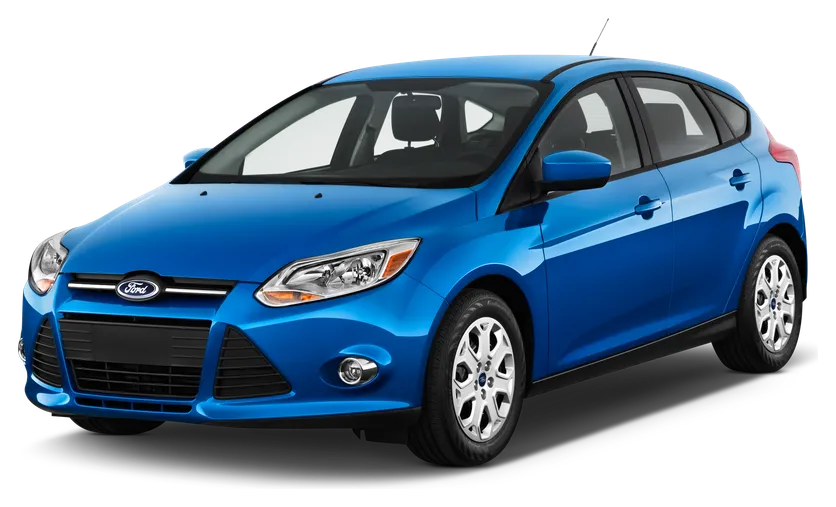
Ford Focus
4th gen (2018–2023), facelifted 2021
Mixed reliability, and well below average among sedans, sums up this compact. The automatic transmission is the main worry, with shuddering, lurching and sudden drops into neutral at highway speed.
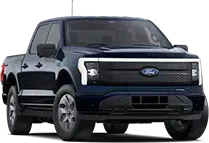
Ford F-150 Lightning
1st gen (2022–present)
Used F-150 Lightning trucks are a mixed buy, and the model year matters a great deal. The 2022 and 2023 trucks draw the most complaints, led by sheared rear axle bolts and speakers that blast static at startup.
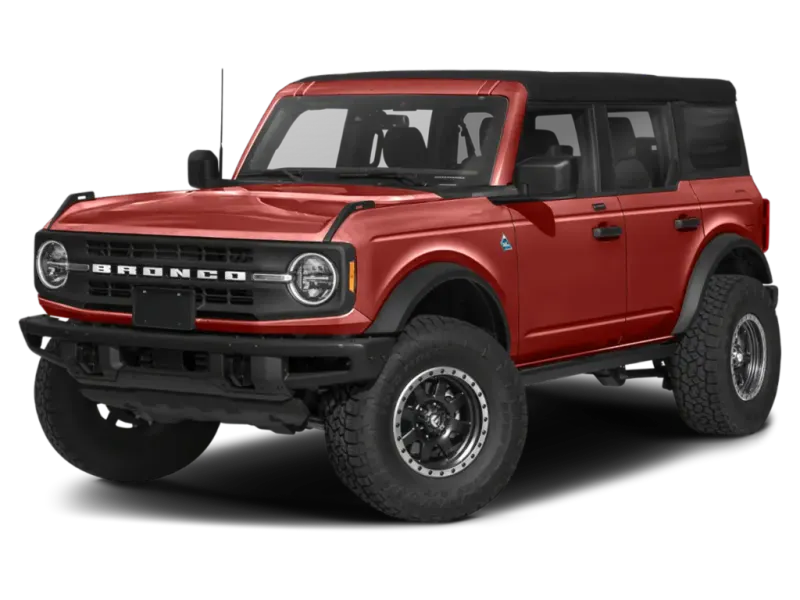
Ford Bronco
6th gen (2021–2023), facelifted 2023
Mixed overall and well below average among SUVs, the Bronco is a used buy that depends heavily on the year. The 2021 and 2022 models draw the most complaints, led by sudden power loss while driving and automatic transmission failure.
Common Ford Problems
Top complaint categories across all Ford models, based on owner-reported issues to NHTSA.
Ford by Category
SUVs
- Mustang Mach-E72/100
- Escape68/100
- Bronco Sport67/100
- Edge67/100
- Explorer67/100
- EcoSport61/100
- Expedition61/100
- Bronco52/100
van
- Transit Connect Wagon70/100
coupe
- Mustang67/100
Frequently Asked Questions
- What is the most reliable Ford model?
- The Ranger is the most reliable Ford on the site. It holds a good standing and ranks above average among trucks. The 2022 model year is the better buy, with far fewer owner complaints than the 2019, which is the year to skip. Independent repair-cost data puts yearly upkeep at about $615.
- Which Ford models should I avoid?
- Start with the Bronco, the least reliable Ford here, where the 2021 and 2022 years draw the most complaints. The Focus and F-150 Lightning also rate mixed. Among better-rated models, skip the 2018 Edge, the 2020 Explorer, the 2018 Ecosport, and the 2021 Mustang.
- Are Fords expensive to repair?
- It depends on the model. Independent repair-cost data shows about $569 a year for the Focus, $581 for the Fusion, and $600 for the Escape. The F-150 runs about $788 and the Expedition about $861, which is above the $784 full-size SUV average. The Explorer and Mustang also run above their classes.
- What problems come up most often on used Fords?
- Power train complaints lead the brand, with engine and electrical complaints next. Owners report transmissions that slip or drop gears, cam phasers that rattle at startup, and fires after crashes in some cases. On cam phasers, Ford's program 21N03 has expired, so owners now pay for that repair themselves.
- What is the best model year to buy for a used Ford?
- For most Fords the 2024 is the pick, including the F-150, Bronco, Explorer, Expedition, Escape and Maverick. The exceptions are the Mustang and Transit Connect Wagon at 2023, the Ranger and Ecosport at 2022, the Fusion at 2020, and the Focus at 2018. Years marked too new are not recommended yet.
Compare Ford vs Other Makes

Ford vs Acura
Compare reliability →

Ford vs Audi
Compare reliability →

Ford vs BMW
Compare reliability →

Ford vs Buick
Compare reliability →

Ford vs Cadillac
Compare reliability →

Ford vs Chevrolet
Compare reliability →

Ford vs Chrysler
Compare reliability →

Ford vs GMC
Compare reliability →

Ford vs Genesis
Compare reliability →

Ford vs Honda
Compare reliability →

Ford vs Hyundai
Compare reliability →

Ford vs Infiniti
Compare reliability →

Ford vs Jeep
Compare reliability →

Ford vs Kia
Compare reliability →

Ford vs Land Rover
Compare reliability →

Ford vs Lexus
Compare reliability →

Ford vs Lincoln
Compare reliability →

Ford vs Mazda
Compare reliability →

Ford vs Mercedes-Benz
Compare reliability →

Ford vs Mitsubishi
Compare reliability →

Ford vs Nissan
Compare reliability →

Ford vs Porsche
Compare reliability →

Ford vs Ram
Compare reliability →

Ford vs Rivian
Compare reliability →

Ford vs Subaru
Compare reliability →

Ford vs Tesla
Compare reliability →

Ford vs Toyota
Compare reliability →

Ford vs Volkswagen
Compare reliability →

Ford vs Volvo
Compare reliability →
Most Reliable Used SUVs
View rankings →
Most Reliable Used Trucks
View rankings →
Most Reliable Used Sedans
View rankings →
Best Ford Years
View rankings →
How we score Ford models
Scores weight complaint severity at 35%, repair costs at 30%, recall impact at 20%, and the spread of complaints across systems at 15%, with complaint counts adjusted for US sales. Read the full methodology.
See incorrect data? Report an issue