Last updated: 2026-10-10

Dodge Reliability Ratings — Every Model Ranked
Used Dodges hold up well as a group, though the brand lands close to average when set against all brands on the site. Five of the six models rate good. The Grand-Caravan minivan leads. The Hornet compact SUV trails and is the only model with mixed reliability. The spread is narrow among the older models and wide at the bottom.
The same trouble shows up across the lineup. The Uconnect touchscreen can delaminate and register phantom touches, changing stations and climate settings on its own. Dealers have quoted over $2,000 to replace one. Headlights that fail on one side, transmissions that hesitate or refuse to shift, and some airbags that did not deploy in crashes also recur. Shoppers should test the screen and every light on a drive, and favor the model years named on each model page.
Dodge Best Year Score Comparison
Each bar shows the best single model year score for that Dodge model. Longer bars indicate higher peak reliability.
Dodge Model Rankings
Scores below are averaged across all tracked model years. The “Best Year” column shows the highest-scoring model year that has been on the road for at least two years, where available.
| # | Vehicle | Best Year | Score | Rating | Recalls | Complaints / 10k | Maint. Rating | Est. Repair Cost |
|---|---|---|---|---|---|---|---|---|
| 1 | Dodge Grand Caravan | 2020 | 78/100 | Good | 10 | — | 4 | $673/yr |
| 2 | Dodge Challenger | 2020 | 74/100 | Good | 14 | 6.3 | 3.5 | $650/yr |
| 3 | Dodge Charger | 2023 | 74/100 | Good | 25 | 7.0 | 3.5 | $652/yr |
| 4 | Dodge Journey | 2019 | 74/100 | Good | 8 | 18.0 | 4 | $562/yr |
| 5 | Dodge Durango | 2024 | 72/100 | Good | 27 | 12.5 | 3.5 | $675/yr |
| 6 | Dodge Hornet | 2023 | 59/100 | Mixed | 13 | 21.9 | 2 |
Dodge Models
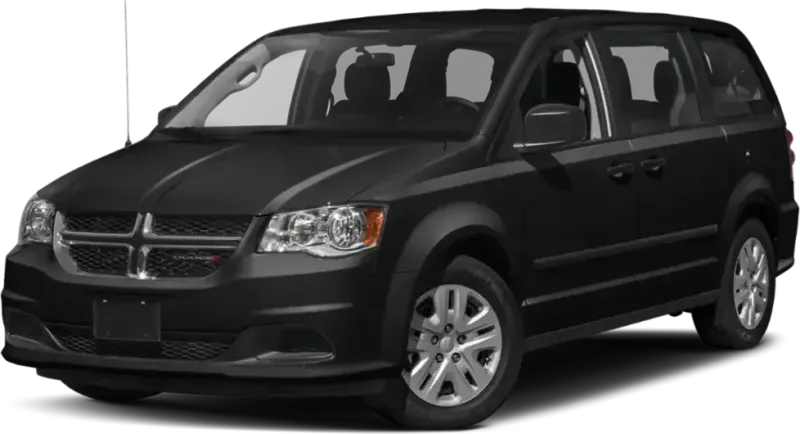
Dodge Grand Caravan
5th gen (2008–2023), facelifted 2011
Reliability is good overall and above average for minivans, and 2020 is the year to favor. The most common complaint is sliding door locks that jam shut with the fob, button, and handles all dead.

Dodge Challenger
3rd gen (2008–2023), facelifted 2015, 2021
Reliability is good and above average among sedans, with 2020 the year to favor and 2018 and 2019 the ones to watch. The biggest problem is the Uconnect touchscreen, which can delaminate and start touching itself, changing heat and volume while the car moves.
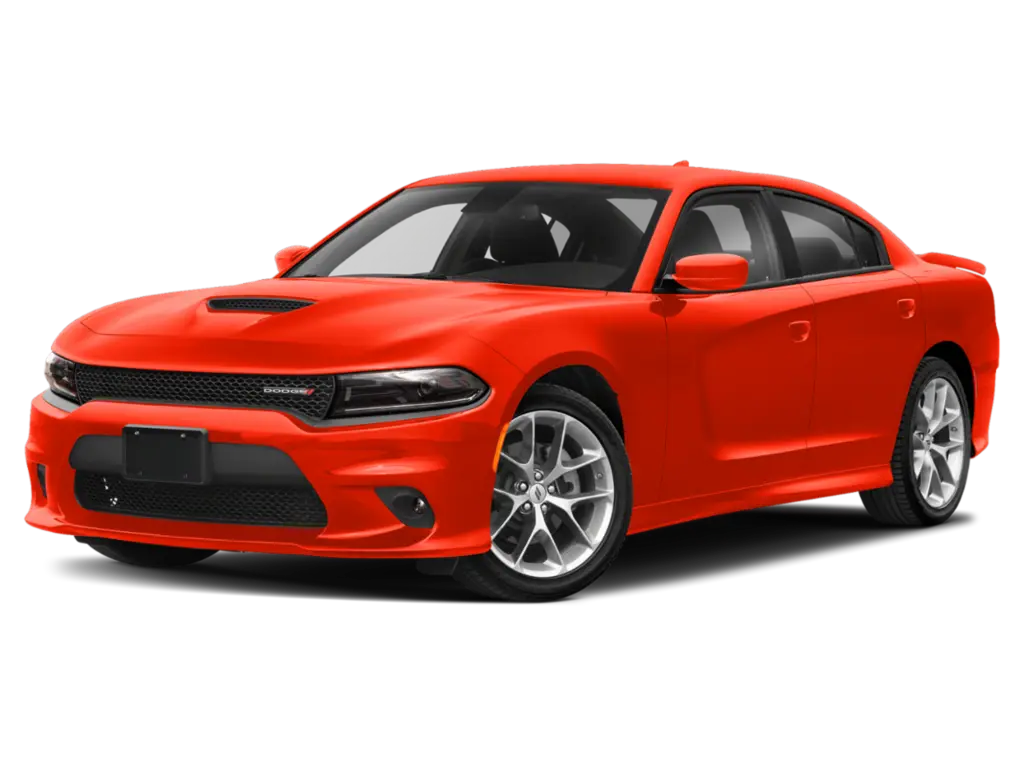
Dodge Charger
8th gen (2024–2023)
Reliability is good, and the Charger ranks above the average sedan on the site. The 2018 model year is the one to skip, mainly for a Uconnect touchscreen that registers phantom touches and door panels that peel away.
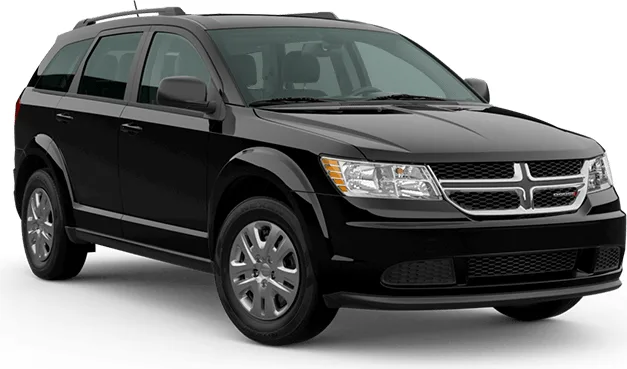
Dodge Journey
1st gen (2009–2020), facelifted 2011
Used Journeys hold up well, and yearly repair costs of $562 run a little under the midsize SUV average. The 2019 is the year to favor and the 2018 is the one to skip.

Dodge Durango
3rd gen (2011–2023), facelifted 2021, 2014
Owners rate the Durango as a good used buy, and its repair costs run below the full-size SUV average. The 2024 is the year to favor, while 2018 and 2021 deserve caution.
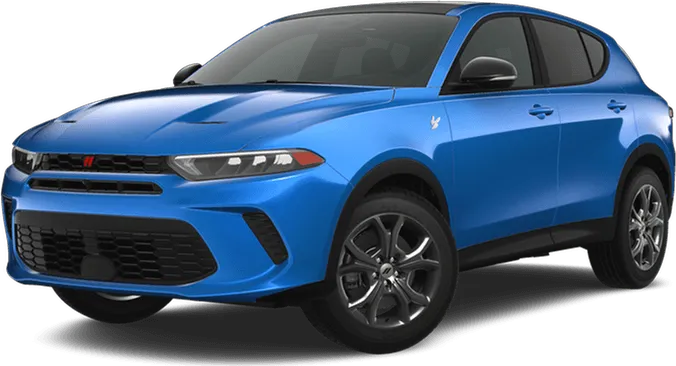
Dodge Hornet
1st gen (2023–present), facelifted 2025
Reliability sits well below other compact SUVs, and the electrical system is the main reason. Door latches fail, batteries drain, and the center screen can stay dark after a jump start.
Common Dodge Problems
Top complaint categories across all Dodge models, based on owner-reported issues to NHTSA.
Dodge by Category
Minivans
- Grand Caravan78/100
Frequently Asked Questions
- What is the most reliable Dodge model?
- The Grand-Caravan minivan is the most reliable Dodge on the site. It is rated good and sits above average for minivans, with 2020 the year to favor. Its most common complaint is sliding door locks that jam shut, so test both doors before you buy.
- Which Dodge model is the least reliable?
- The Hornet is the least reliable Dodge and the only one rated mixed. Owners report door latches that fail, batteries that drain, and a center screen that stays dark after a jump start. The 2023 is the year to buy, and the 2024 carries the heaviest recall load.
- Are Dodge cars expensive to repair?
- Repair costs run moderate. Independent repair-cost data puts yearly costs between about $562 for the Journey and $675 for the Durango. The Journey comes in a little under the midsize SUV average. The big exception is the touchscreen, which dealers have quoted at over $2,000 to replace.
- What problem shows up most often on Dodge vehicles?
- Electrical trouble leads, with 553 owner complaints across all six models. The Uconnect 8.4 touchscreen is the main source. It delaminates, touches itself, and can freeze navigation, climate controls, and the backup camera. Some screens fail soon after the 3-year warranty ends.
- Which Dodge model years should I avoid?
- Skip the 2018 Charger and 2018 Journey. Be careful with the 2018 and 2019 Challenger, the 2018 and 2021 Durango, and the 2018 and 2019 Grand-Caravan, which carry more complaints and recalls. On the Hornet, the 2024 has the heaviest recall and complaint load.
Compare Dodge vs Other Makes

Dodge vs Acura
Compare reliability →

Dodge vs Audi
Compare reliability →

Dodge vs BMW
Compare reliability →

Dodge vs Buick
Compare reliability →

Dodge vs Cadillac
Compare reliability →

Dodge vs Chevrolet
Compare reliability →

Dodge vs Chrysler
Compare reliability →

Dodge vs Genesis
Compare reliability →

Dodge vs Honda
Compare reliability →

Dodge vs Hyundai
Compare reliability →

Dodge vs Jeep
Compare reliability →

Dodge vs Kia
Compare reliability →

Dodge vs Land Rover
Compare reliability →

Dodge vs Mazda
Compare reliability →

Dodge vs Mercedes-Benz
Compare reliability →

Dodge vs Nissan
Compare reliability →

Dodge vs Porsche
Compare reliability →

Dodge vs Ram
Compare reliability →

Dodge vs Rivian
Compare reliability →

Dodge vs Subaru
Compare reliability →

Dodge vs Tesla
Compare reliability →

Dodge vs Toyota
Compare reliability →

Dodge vs Volkswagen
Compare reliability →

Dodge vs Volvo
Compare reliability →
Most Reliable Used Sedans
View rankings →
Most Reliable Used SUVs
View rankings →
Best Dodge Years
View rankings →
How we score Dodge models
Scores weight complaint severity at 35%, repair costs at 30%, recall impact at 20%, and the spread of complaints across systems at 15%, with complaint counts adjusted for US sales. Read the full methodology.
See incorrect data? Report an issue