Last updated: 2026-10-10

Mazda Reliability Ratings — Every Model Ranked
Most used Mazdas hold up well. Five of the seven models tracked rate good, the CX-5 rates excellent, and the brand sits above average against other brands on the site. The CX-90 is the exception, with mixed reliability and a rough record in its early model years. Outside that one model, the spread is narrow.
Several faults recur across the lineup. Oil disappears with no visible leak, and dealers often offer no repair. Dead batteries lock owners out of the car. Automatic emergency braking sometimes stops the car hard with nothing ahead. Cracked cylinder heads hit the 2018 CX-5 and CX-9 and the 2018 and 2019 Mazda 5. A shopper should check oil level history, test the brakes and electronics on a drive, and skip those years.
Mazda Best Year Score Comparison
Each bar shows the best single model year score for that Mazda model. Longer bars indicate higher peak reliability.
Mazda Model Rankings
Scores below are averaged across all tracked model years. The “Best Year” column shows the highest-scoring model year that has been on the road for at least two years, where available.
| # | Vehicle | Best Year | Score | Rating | Recalls | Complaints / 10k | Maint. Rating | Est. Repair Cost |
|---|---|---|---|---|---|---|---|---|
| 1 | Mazda CX-5 | 2022 | 83/100 | Excellent | 11 | 8.3 | 4.5 | $447/yr |
| 2 | Mazda 3 | 2018 | 78/100 | Good | 11 | 7.6 | 4 | $433/yr |
| 3 | Mazda 5 | 2022 | 77/100 | Good | 44 | — | 4 | $581/yr |
| 4 | Mazda CX-9 | 2023 | 76/100 | Good | 6 | 15.0 | 4 | $539/yr |
| 5 | Mazda CX-50 | 2024 | 70/100 | Good | 6 | 64.0 | 3 | |
| 6 | Mazda CX-30 | 2024 | 67/100 | Good | 10 | 5.7 | 2 | |
| 7 | Mazda CX-90 | 2024 | 58/100 | Mixed | 13 | 111.2 | 2 |
Mazda Models
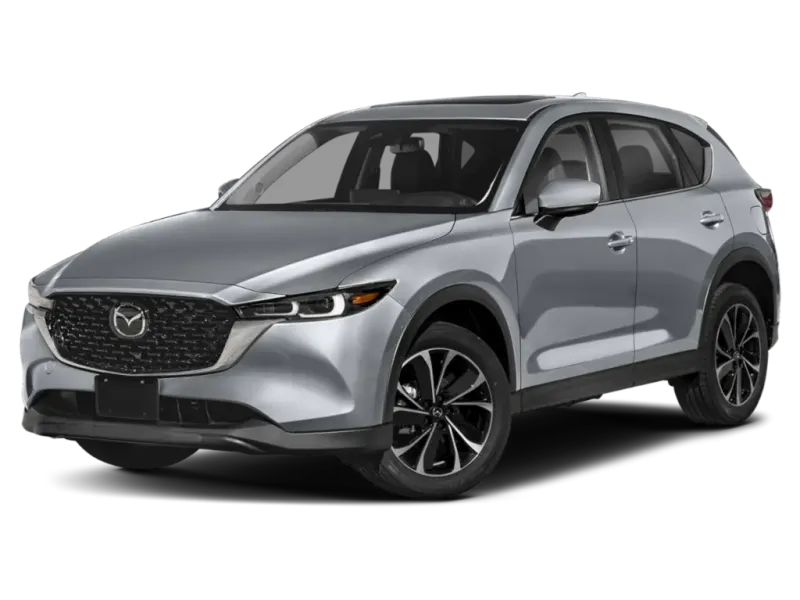
Mazda CX-5
3rd gen (2026–present)
Excellent reliability puts this compact SUV well above other SUVs, and 2022 is the best used buy, with few complaints and no recalls. Skip 2018, where cracked cylinder heads leak oil onto the exhaust and cause burning smells, smoke, and fumes in the cabin.
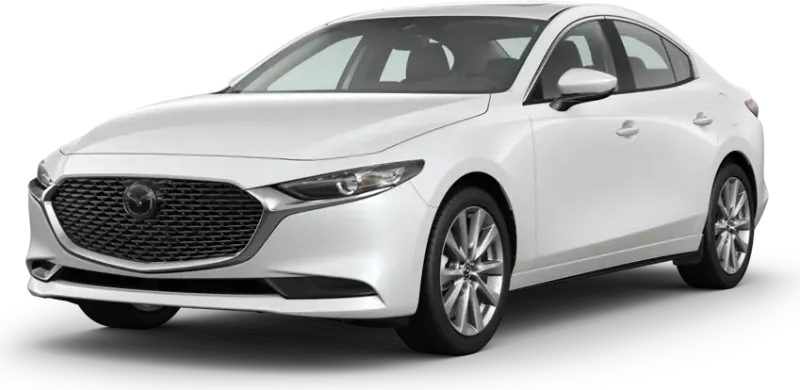
Mazda 3
4th gen (2019–2023)
Good reliability and yearly repair costs below the compact-car average make this a sound used compact. Oil that vanishes with no visible leak is the main worry, mostly in 2021, where owners add a quart every 1,500 to 4,000 miles.
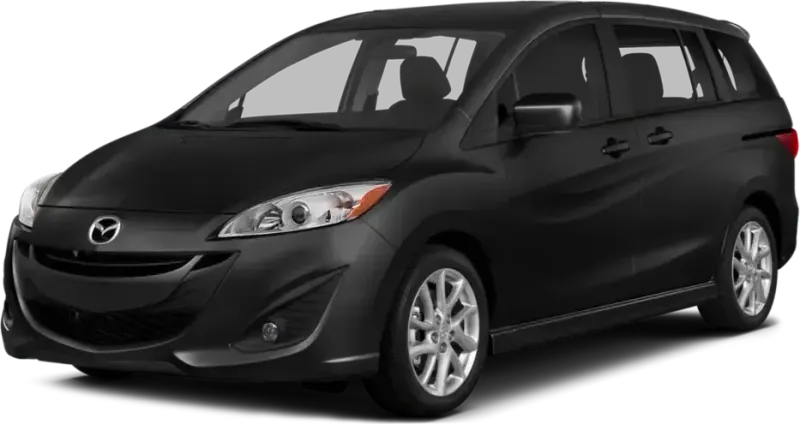
Cracked cylinder heads in the 2018 and 2019 are the big risk. They leak oil, often with no warning light, and owners report bills of almost $6,000.
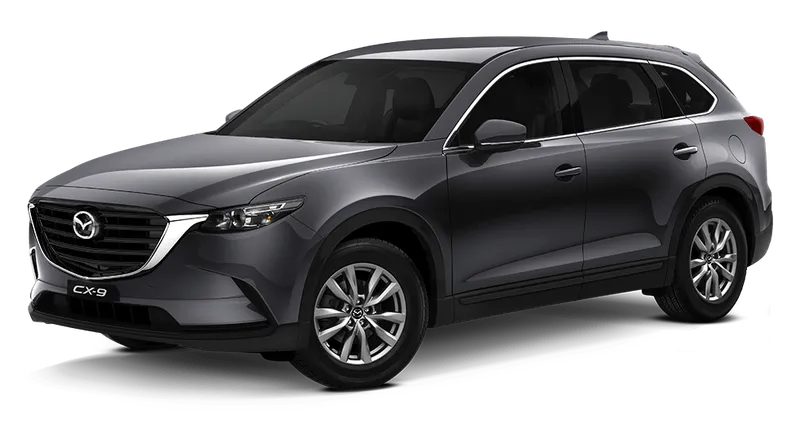
Mazda CX-9
2nd gen (2016–2024)
Used buyers get a solid SUV here, with one big exception: the 2018 model year. Cracked cylinder heads leak coolant, often with no warning light, and dealers usually quote a full engine replacement.
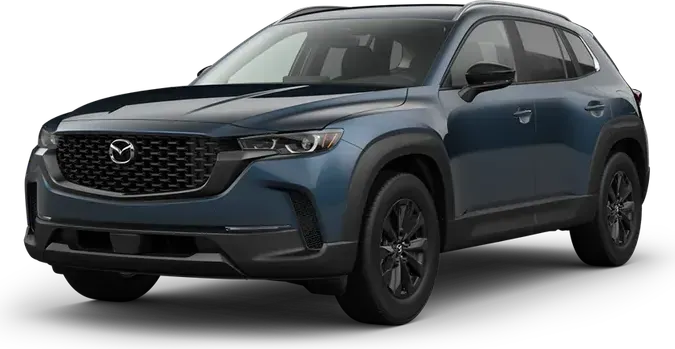
Mazda CX-50
1st gen (2023–2024), facelifted 2025
False automatic emergency braking and repeated dead batteries are the faults to check on this SUV. The car brakes hard with nothing ahead, and a drained battery can lock owners out.

Mazda CX-30
1st gen (2020–2024)
Reliability is rated good, though below average among SUVs on the site. The 2021 model year is the one to skip, with 94 owner complaints led by oil disappearing between changes.
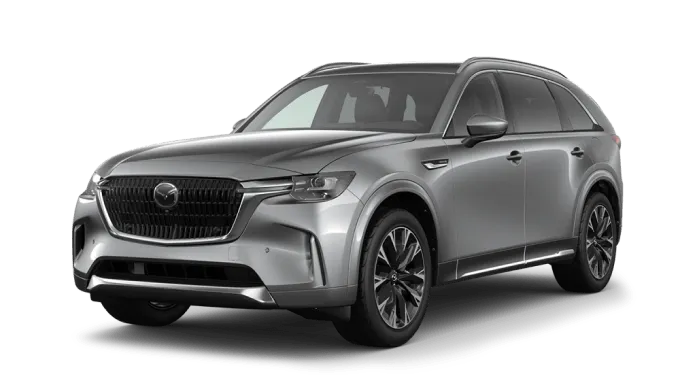
Mazda CX-90
1st gen (2024–2023)
Early CX-90 model years have a rough record. Owner complaints for 2024 center on a steering wheel that binds in sustained highway curves and, on the plug-in hybrid, sudden power loss with a hybrid system warning.
Common Mazda Problems
Top complaint categories across all Mazda models, based on owner-reported issues to NHTSA.
Mazda by Category
Frequently Asked Questions
- What is the most reliable Mazda model?
- The CX-5 is the most reliable Mazda on the site and the only model rated excellent. The 2022 is the best used year, with few complaints and no recalls. Independent repair-cost data puts yearly upkeep at about $447. Skip the 2018, which has cracked cylinder heads.
- Which Mazda models should I avoid?
- The CX-90 is the least reliable, with mixed reliability. Its 2024 owners report a steering wheel that binds in long highway curves and, on the plug-in hybrid, sudden power loss. Also avoid the 2018 CX-5 and CX-9 and the 2018 and 2019 Mazda 5, all tied to cracked cylinder heads.
- Are Mazdas expensive to repair?
- Mostly no. Independent repair-cost data shows about $433 a year for the Mazda 3, $447 for the CX-5, $539 for the CX-9, and $581 for the Mazda 5. The 3 and CX-9 come in below their class averages. The site has no repair-cost figure for the other models.
- Do Mazdas burn oil?
- Some do. Engine complaints are the largest group for the brand, and oil vanishing with no visible leak is the common report. Owners describe adding a quart every 1,500 to 4,000 miles. Dealers often point to a service bulletin but offer no repair. The 2021 Mazda 3 and CX-30 are the worst cases.
- What is the false automatic braking complaint on Mazdas?
- It is the most common brake complaint across the lineup. The car brakes hard with nothing ahead. One owner dropped from 70 to 35 mph on a highway in snow. In stop-and-go traffic, the sudden slowing has stalled the engine. Test the system on a drive before buying.
Compare Mazda vs Other Makes

Mazda vs Acura
Compare reliability →

Mazda vs Audi
Compare reliability →

Mazda vs BMW
Compare reliability →

Mazda vs Buick
Compare reliability →

Mazda vs Chevrolet
Compare reliability →

Mazda vs Chrysler
Compare reliability →

Mazda vs Dodge
Compare reliability →

Mazda vs Ford
Compare reliability →

Mazda vs GMC
Compare reliability →

Mazda vs Genesis
Compare reliability →

Mazda vs Honda
Compare reliability →

Mazda vs Hyundai
Compare reliability →

Mazda vs Infiniti
Compare reliability →

Mazda vs Jeep
Compare reliability →

Mazda vs Kia
Compare reliability →

Mazda vs Land Rover
Compare reliability →

Mazda vs Lexus
Compare reliability →

Mazda vs Lincoln
Compare reliability →

Mazda vs Mercedes-Benz
Compare reliability →

Mazda vs Mitsubishi
Compare reliability →

Mazda vs Nissan
Compare reliability →

Mazda vs Porsche
Compare reliability →

Mazda vs Rivian
Compare reliability →

Mazda vs Subaru
Compare reliability →

Mazda vs Tesla
Compare reliability →

Mazda vs Toyota
Compare reliability →

Mazda vs Volkswagen
Compare reliability →

Mazda vs Volvo
Compare reliability →
Most Reliable Used Sedans
View rankings →
Most Reliable Used SUVs
View rankings →
Best Mazda Years
View rankings →
How we score Mazda models
Scores weight complaint severity at 35%, repair costs at 30%, recall impact at 20%, and the spread of complaints across systems at 15%, with complaint counts adjusted for US sales. Read the full methodology.
See incorrect data? Report an issue