Last updated: 2026-10-10
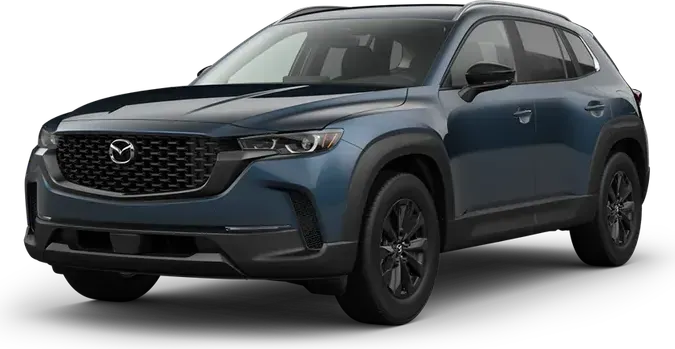
Mazda CX-50 Years to Avoid
4 scored model years (2023–2026) · model average 70/100
No model year is one to avoid. What varies is the complaint load and the main trouble spot: brakes lead in 2023, structure in 2024, and the power train in 2025. The 2024 is the year to buy.
Verdict
- Avoid
- No outlier years
- Buy
- 2024 71/100
- Model average
- 70/100
What Are Common Mazda CX-50 Problems?
SERVICE BRAKES
11 complaintsMost reported in 2023, 2024
2023: False automatic emergency braking is the most common report.
POWER TRAIN
10 complaintsMost reported in 2025, 2024, 2023
2025: Front CV boots leak grease and front axles develop internal damage, often around 6,000 miles.
STRUCTURE
10 complaintsMost reported in 2024, 2023, 2025
2024: Door checks that fail to hold the door open are the most serious problem.
ELECTRICAL SYSTEM
8 complaintsMost reported in 2023, 2024
2023: Repeated dead batteries lock the car and force entry with the manual key.
SUSPENSION
7 complaintsMost reported in 2023, 2025
2023: Front lower ball joints and control arms fail in several reports.
STEERING
7 complaintsMost reported in 2023, 2024
2023: A loose, wobbling steering wheel shows up in two reports.
Best Mazda CX-50 Year to Buy Instead
2024 Mazda CX-50
The 2024 has a settled record, with 26 owner complaints and one recall. The 2023 has 49 complaints and two recalls, and the 2025 has three recalls and a facelift. The 2024 still has real reports, door checks that fail to hold and hard false braking, so test both before buying.
Found a Safe Year? Check the Specific Car
Even the 2024 Mazda CX-50 has 1 recall on file. A VIN check confirms the recall work on the exact car and shows its accident, title, and service history.
- Accidents
- Open Recalls
- Title History
- Odometer Rollback
All Mazda CX-50 Years by Generation
Mazda CX-50 Reliability Scores by Year
Frequently Asked Questions
Which Mazda CX-50 years should I avoid?
Is the 2023 Mazda CX-50 a good used buy?
Is the 2025 Mazda CX-50 worth buying?
Which Mazda CX-50 years have brake problems?
Should I buy a 2026 Mazda CX-50 because it has no complaints?
How we score every Mazda CX-50 model year
Scores weight complaint severity at 35%, repair costs at 30%, recall impact at 20%, and the spread of complaints across systems at 15%, with complaint counts adjusted for US sales. Read the full methodology.
See incorrect data? Report an issue