Last updated: 2026-10-10

Hyundai Reliability Ratings — Every Model Ranked
Good reliability is the rule across this lineup, with one exception. Nine of the ten models rate good, and the Elantra leads. The Ioniq 5 trails with a mixed standing and sits well below average among SUVs. Against all brands on the site, the brand lands close to average. Yearly repair costs in independent data run from about $426 for the Tucson to about $573 for the Palisade.
Engine trouble is the pattern to watch across most of the lineup. Owners report heavy oil burning, then knocking, stalling, or a seized engine, sometimes with no warning light first. On the electric Ioniq 5 and Ioniq 6, the charging control unit can cut drive power or force a slow limp mode. Second owners report being refused extended engine coverage. Before buying, check the model year, since several carry a skip warning, and confirm recall work was finished.
Hyundai Best Year Score Comparison
Each bar shows the best single model year score for that Hyundai model. Longer bars indicate higher peak reliability.
Hyundai Model Rankings
Scores below are averaged across all tracked model years. The “Best Year” column shows the highest-scoring model year that has been on the road for at least two years, where available.
| # | Vehicle | Best Year | Score | Rating | Recalls | Complaints / 10k | Maint. Rating | Est. Repair Cost |
|---|---|---|---|---|---|---|---|---|
| 1 | Hyundai Elantra | 2024 | 80/100 | Excellent | 33 | 10.7 | 4.5 | $452/yr |
| 2 | Hyundai Ioniq 6 | 2024 | 77/100 | Good | 13 | 0.9 | 3.5 | |
| 3 | Hyundai Venue | 2023 | 76/100 | Good | 5 | 9.3 | 3.5 | |
| 4 | Hyundai Tucson | 2021 | 73/100 | Good | 23 | 13.3 | 4 | $426/yr |
| 5 | Hyundai Santa Fe | 2024 | 70/100 | Good | 60 | 17.9 | 4 | $515/yr |
| 6 | Hyundai Santa Cruz | 2024 | 68/100 | Good | 11 | 21.6 | 3 | |
| 7 | Hyundai Sonata | 2024 | 68/100 | Good | 20 | 18.5 | 3 | |
| 8 | Hyundai Kona | 2018 | 65/100 | Good | 16 | 13.4 | 2.5 | |
| 9 | Hyundai Palisade | 2022 | 65/100 | Good | 33 | 33.3 | 3.5 | $573/yr |
| 10 | Hyundai Ioniq 5 | 2024 | 54/100 | Mixed | 18 | 63.5 | 2 |
Hyundai Models
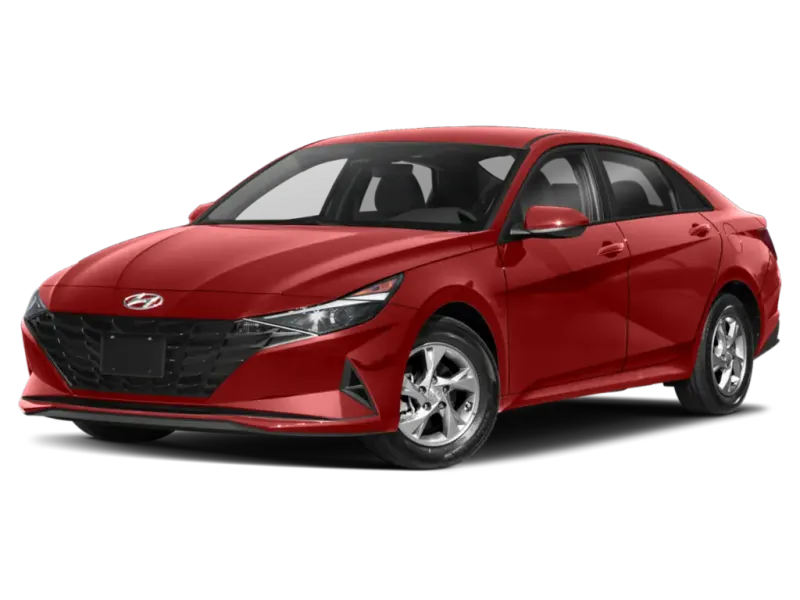
Hyundai Elantra
7th gen (2021–2023), facelifted 2024
Reliability is good and well above average among sedans, and yearly repair costs of about $452 beat the $526 compact-car average. Favor 2024 and skip 2020 and 2022.
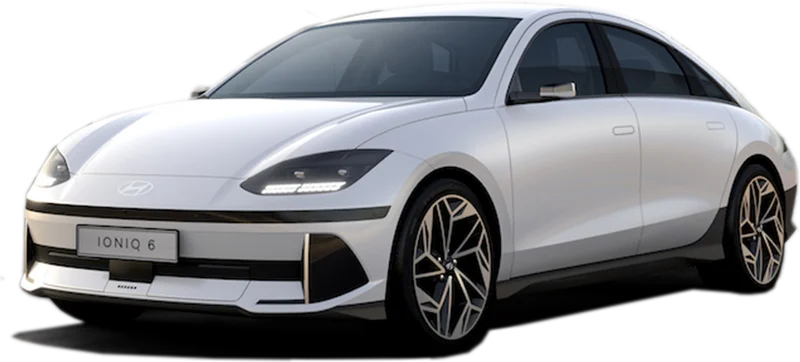
Hyundai Ioniq 6
1st gen (2023–present), facelifted 2025
Used Ioniq 6 sedans hold up well and rate above average among sedans on the site. The 2024 is the year to favor, and the 2023 is the one to avoid.

Hyundai Venue
2nd gen (2025–present)
Good reliability puts this subcompact SUV above average among SUVs on the site. The 2023 model year is the best used pick, while 2020 and 2021 rate lowest and 2020 drew the most complaints.
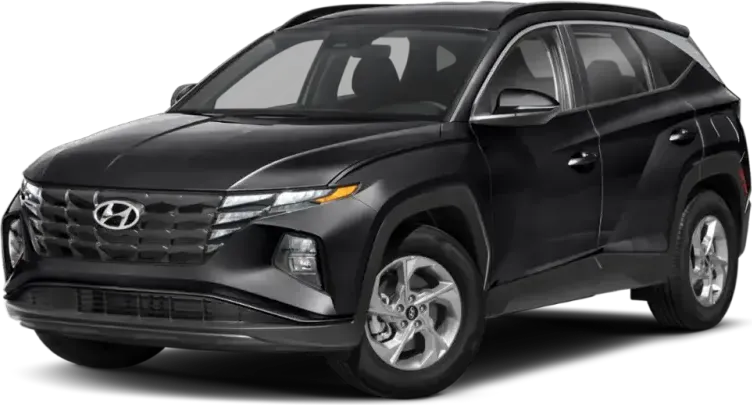
Rated good and above average among compact SUVs, the Tucson is cheap to keep running, but engine trouble is what to watch. Owners report heavy oil use, knocking, and sudden power loss, mostly in 2018.
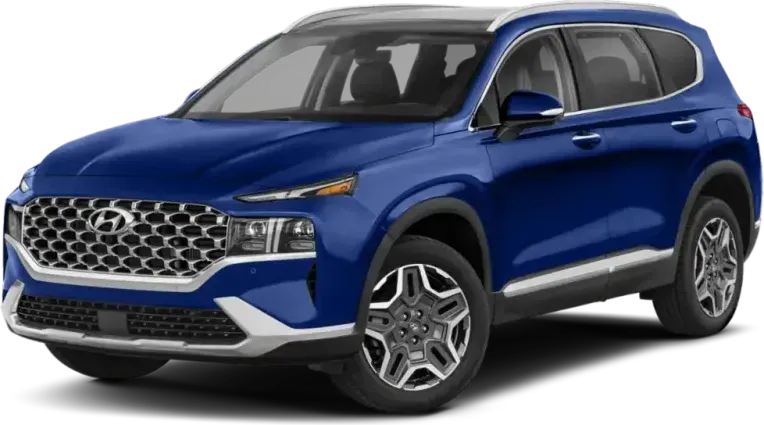
Hyundai Santa Fe
5th gen (2024–2023)
Reliability is good overall and close to average for midsize SUVs, with yearly repair costs below the class average. The 2018 is the year to skip because of engine oil burning that can end in a seized engine.
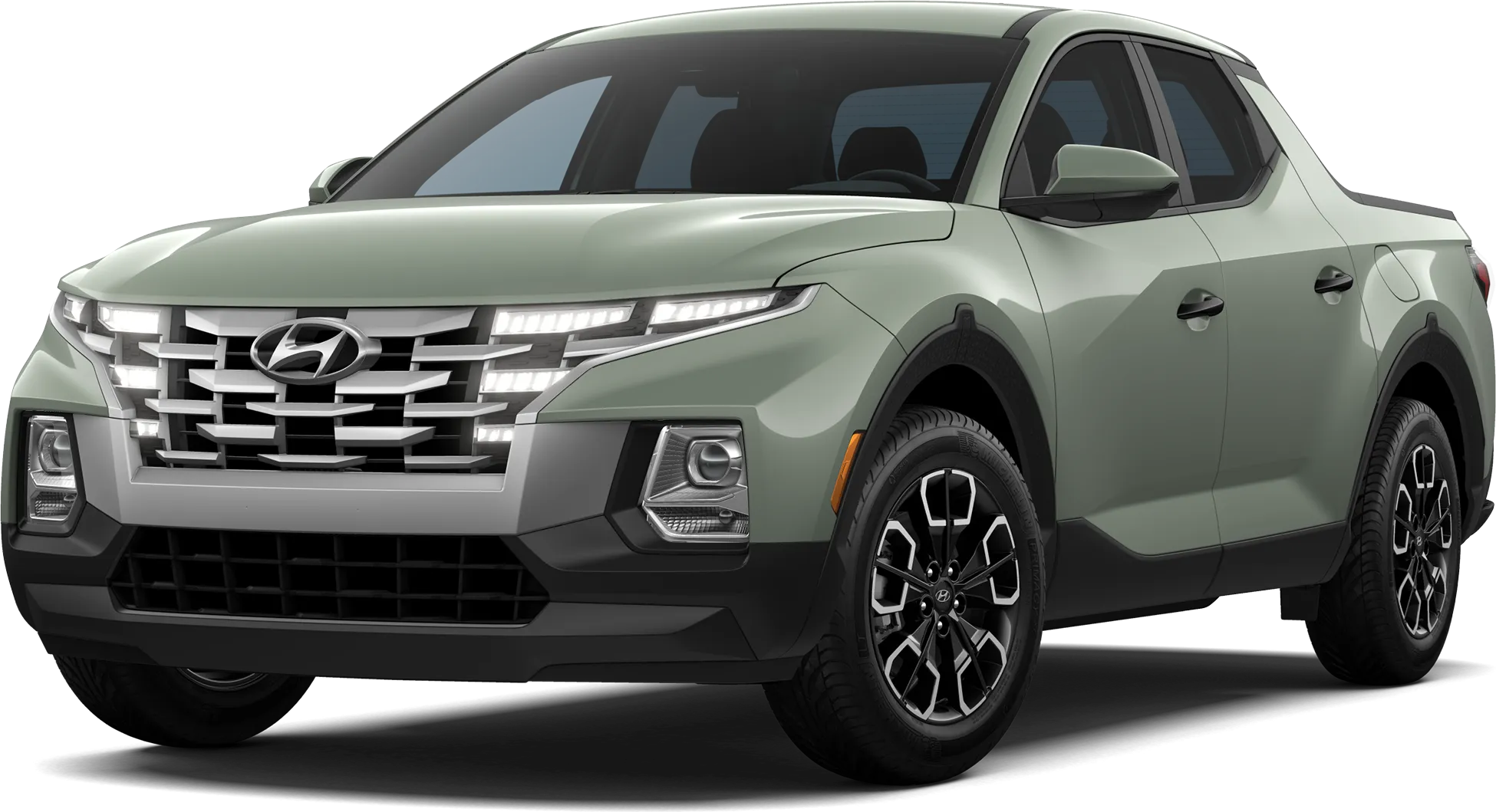
Hyundai Santa Cruz
1st gen (2022–2023), facelifted 2025
Reliability for the Santa-Cruz rates good and sits close to the truck average, but the 2022 is the year to skip. Its owners report sudden power loss while merging onto a highway, and some trucks needed a new transmission before 20,000 miles.
Hyundai Sonata
8th gen (2020–2023), facelifted 2023
Heavy oil burning with no visible leak is the Sonata's biggest engine worry, and the 2020 adds a fuel tank that swells under pressure. Reliability is good overall but below average among sedans on the site.
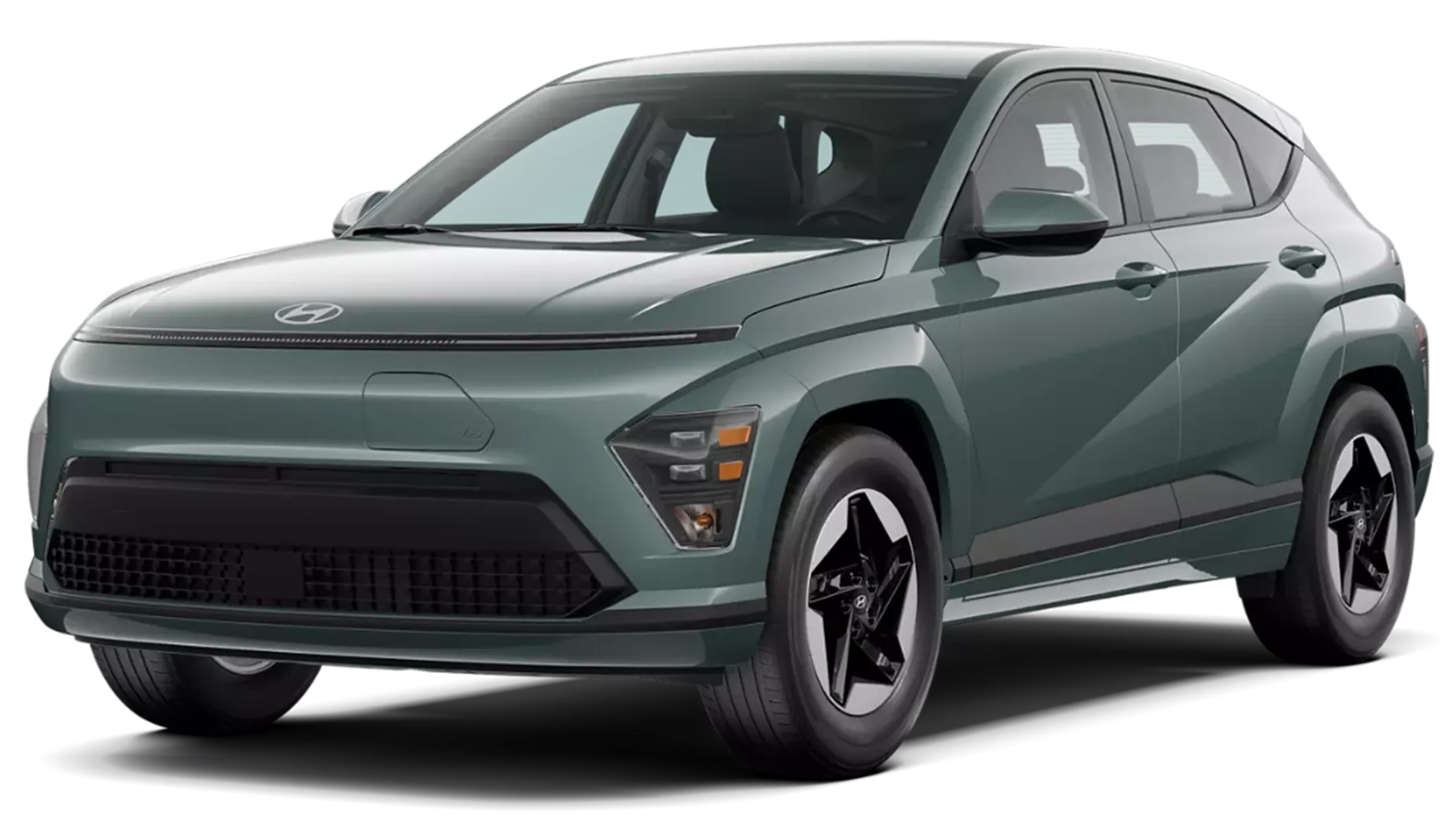
Hyundai Kona
2nd gen (2024–2023)
Rated good for reliability but below average among SUVs, the Kona is best bought from the 2018 model year, which has no recalls and a long track record. The 2019 is the year to avoid.

Hyundai Palisade
1st gen (2020–present), facelifted 2022
Good overall reliability, though below average among SUVs on the site. The 2020 model year is the one to skip: windshields crack within the first few thousand miles, and the 3.8L V6 can burn oil with no warning light.
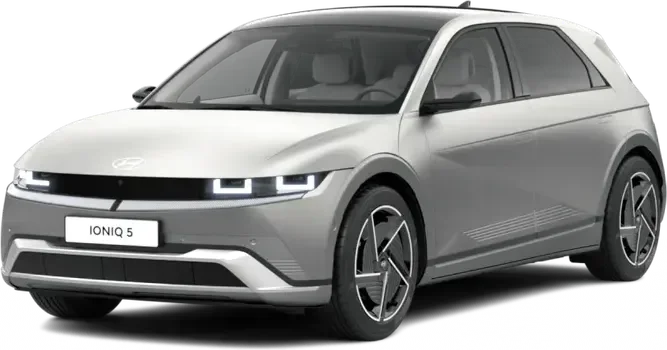
Hyundai Ioniq 5
1st gen (2022–2024), facelifted 2024
Sudden loss of drive power is the main risk on this electric SUV. Owners trace it to the charging control unit (ICCU), often after a pop and a crawl-speed limp mode.
Common Hyundai Problems
Top complaint categories across all Hyundai models, based on owner-reported issues to NHTSA.
Hyundai by Category
Frequently Asked Questions
- What is the most reliable Hyundai model?
- The Elantra is the most reliable Hyundai on the site. It rates good and well above average among sedans. Independent repair-cost data puts it at about $452 a year, under the $526 compact-car average. The 2024 is the year to favor, and the 2020 and 2022 are the ones to skip.
- Which Hyundai models should I avoid?
- The Ioniq 5 is the only model with a mixed standing, and its 2022 and 2023 years draw the most complaints. Among the rest, skip specific years: Santa-FE 2018, Palisade 2020, Santa-Cruz 2022, Kona 2019, and Ioniq 6 2023. Those years carry the clearest warnings in owner complaints.
- Are Hyundai cars expensive to repair?
- No. Independent repair-cost data shows about $426 a year for the Tucson, $452 for the Elantra, $515 for the Santa-FE, and $573 for the Palisade. The Santa-FE sits below its class average. Cost is low, but a failed engine is a much bigger bill than these yearly figures suggest.
- Do Hyundai engines burn oil?
- Yes, oil burning is the top engine complaint. Owners describe a quart or more used every 1,000 miles despite regular oil changes. It can lead to ruined catalytic converters, knocking, stalling, or a seized engine. Reports come from the Tucson, Elantra, Sonata, Palisade, Santa-FE, and Kona, and a warning light may not come on first.
- What goes wrong with the Hyundai Ioniq 5 and Ioniq 6?
- Both electric models have trouble with the integrated charging control unit, called the ICCU. Owners describe a pop, then a crawl-speed limp mode, then a shutdown on the road. On the Ioniq 6, the failure can also drain the 12-volt battery. Ask whether the ICCU has ever been repaired or replaced.
Compare Hyundai vs Other Makes

Hyundai vs Acura
Compare reliability →

Hyundai vs Audi
Compare reliability →

Hyundai vs BMW
Compare reliability →

Hyundai vs Buick
Compare reliability →

Hyundai vs Cadillac
Compare reliability →

Hyundai vs Chevrolet
Compare reliability →

Hyundai vs Chrysler
Compare reliability →

Hyundai vs Dodge
Compare reliability →

Hyundai vs Ford
Compare reliability →

Hyundai vs GMC
Compare reliability →

Hyundai vs Genesis
Compare reliability →

Hyundai vs Honda
Compare reliability →

Hyundai vs Infiniti
Compare reliability →

Hyundai vs Jeep
Compare reliability →

Hyundai vs Kia
Compare reliability →

Hyundai vs Land Rover
Compare reliability →

Hyundai vs Lexus
Compare reliability →

Hyundai vs Lincoln
Compare reliability →

Hyundai vs Mazda
Compare reliability →

Hyundai vs Mercedes-Benz
Compare reliability →

Hyundai vs Mitsubishi
Compare reliability →

Hyundai vs Nissan
Compare reliability →

Hyundai vs Porsche
Compare reliability →

Hyundai vs Ram
Compare reliability →

Hyundai vs Rivian
Compare reliability →

Hyundai vs Subaru
Compare reliability →

Hyundai vs Tesla
Compare reliability →

Hyundai vs Toyota
Compare reliability →

Hyundai vs Volkswagen
Compare reliability →

Hyundai vs Volvo
Compare reliability →
Most Reliable Used Sedans
View rankings →
Most Reliable Used SUVs
View rankings →
Most Reliable Used Trucks
View rankings →
Best Hyundai Years
View rankings →
How we score Hyundai models
Scores weight complaint severity at 35%, repair costs at 30%, recall impact at 20%, and the spread of complaints across systems at 15%, with complaint counts adjusted for US sales. Read the full methodology.
See incorrect data? Report an issue