Last updated: 2026-10-10
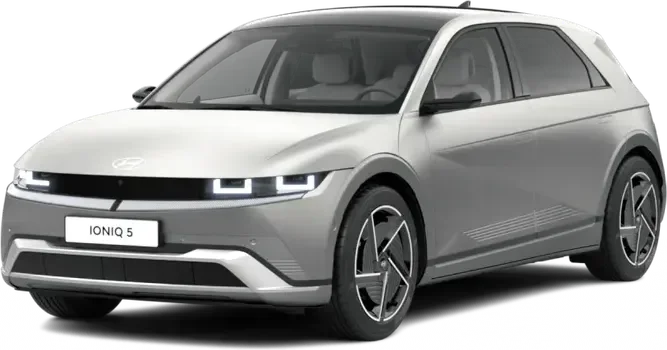
2022 Hyundai Ioniq 5 Reliability Report
The 2022 Hyundai Ioniq 5 has a mixed reliability standing, with sudden loss of drive power from charging unit failures its biggest risk.
Recalls
3
Complaints
349
Complaint Rate
151.9per 10,000 sold
Est. Repair Cost
N/A
EV Range
220–303 mi
Detailed Score Breakdown
Component-weighted complaints normalized by sales volume
Independent repair cost ratings
Recall count weighted by severity
Breadth of reported problem categories
The Verdict
The weakest of five scored years, driven by charging unit failures that cut drive power, with three recalls on record.
Top Issues to Watch
- ELECTRICAL SYSTEM (208)
- POWER TRAIN (67)
- FUEL/PROPULSION SYSTEM (12)
Generation & Refresh (US)
2022 is the first model year of the First generation (NE).
- First-year models may have unresolved issues from the new design.
- Redesigned for the 2022 model year.
- Refreshed in 2024.
- 1st generation Ioniq 5 (US).
What this means for buyers
First-year models carry more risk — early production issues are common. Consider waiting for the second year if reliability is a priority.
Compare 2022 pricing and recall counts against 2023+ before deciding.
2022: First generation (NE) Launch
Generation start — new platform.
2024: Mid-Cycle Refresh
Updated features and styling tweaks.
Should You Buy the 2022 Hyundai Ioniq 5?
Approach this one with caution. It is the weakest of the five scored Ioniq 5 years, and it sits well below average among 2022 SUVs. Owners filed 349 complaints, which works out to 151.9 per 10,000 sold. The 2023 model rates better, though its standing is also mixed.
The big problem is sudden loss of drive power. Most cases trace to the Integrated Charging Control Unit (ICCU) and its high-voltage fuse. Drivers hear a pop, see "Check electric vehicle system," then "Stop vehicle and check power supply." Speed falls to around 20 to 25 mph and the car shuts down. Failures start between about 7,300 and 24,700 miles, and some happened after the Service Campaign 997 software update. Repairs can stall for weeks on back-ordered parts. Two crash reports say the car would not stop under braking. Federal records list three recalls: two for the electrical system and one for the parking brake.
Ask for the full ICCU, fuse and 12V battery repair history, and for proof that recall work was completed. Compare a 2023 before settling on this year.
Compared to the 2023 Hyundai Ioniq 5, which scored 4 points higher.
Pros
- +5-star NHTSA crash rating
Cons
- −Below-average reliability score
- −Moderate recall count
- −Above-average complaint rate for SUV
- −ELECTRICAL SYSTEM complaints dominate (60%)
Compare 2022 Hyundai Ioniq 5 With
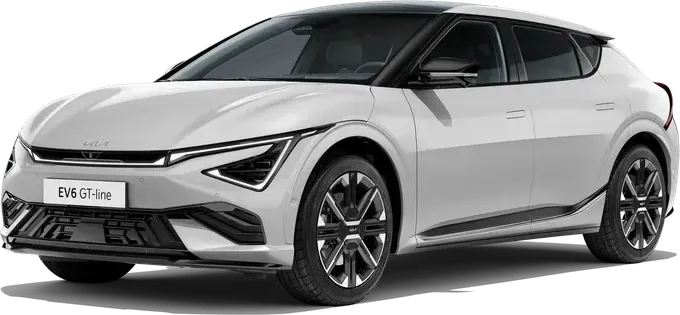
2022 Kia EV6
Reliability: 46/100
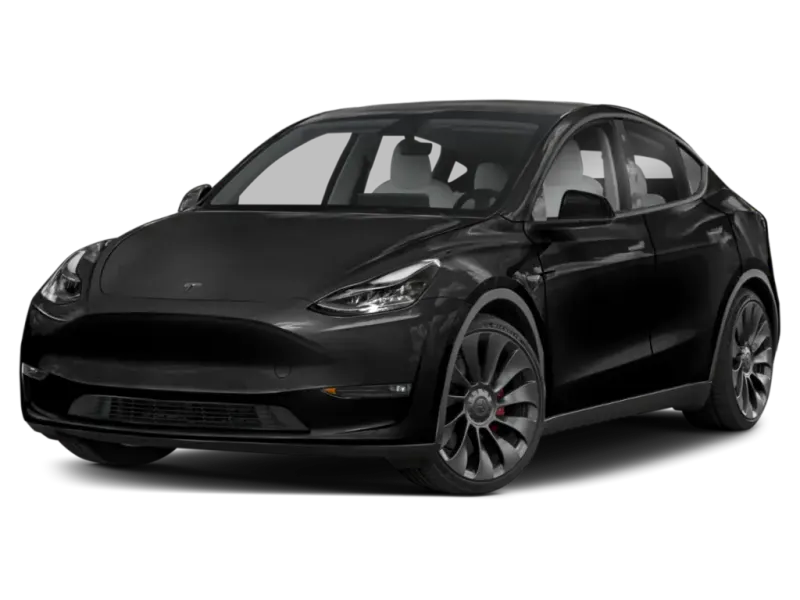
2022 Tesla Model Y
Reliability: 50/100
2022 Tesla Model 3
Reliability: 50/100
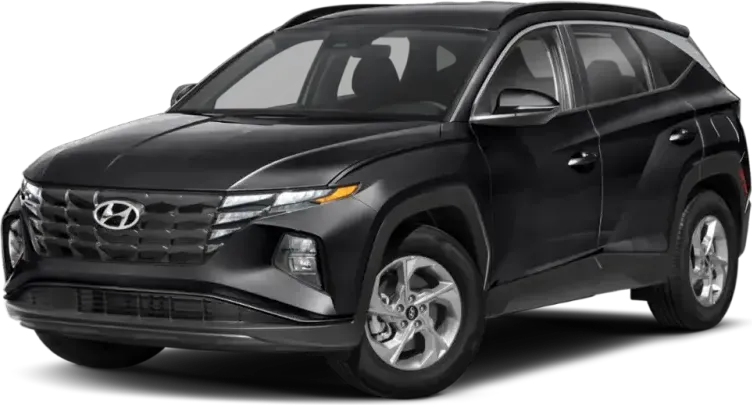
2022 Hyundai Tucson
Reliability: 66/100
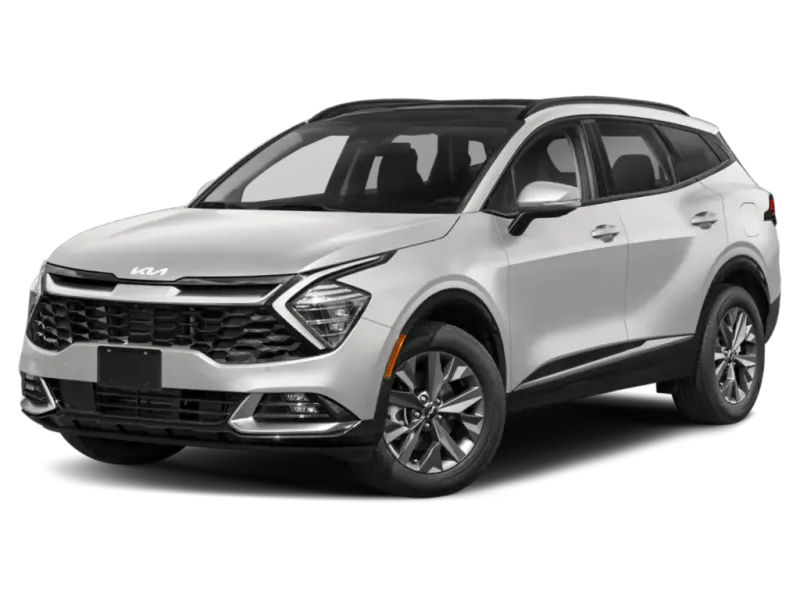
2022 Kia Sportage
Reliability: 79/100
Common Problem Categories
Safety
LOW RISK- 3 manufacturer recalls issued
Other
HIGH RISK- ELECTRICAL SYSTEM (208)
- POWER TRAIN (67)
Recall Overview
3
recalls on record
A moderate 3 recalls are on file for the 2022 Hyundai Ioniq 5. Each one points to a specific safety or compliance issue identified by the manufacturer or NHTSA — check the list below before buying.
NHTSA.gov →Complaint Breakdown
151.9
per 10,000 soldSegment avg: 13.5
Safety Incidents
7
Crashes
0
Fires
0
Injuries
0
Deaths
NHTSA 5/5 Stars
Data sourced from NHTSA complaint filings and manufacturer recall notices. Complaint narratives are owner-reported.
2022 Hyundai Ioniq 5 Recall Details
3 recalls have been issued for the 2022 Hyundai Ioniq 5. All recall repairs are performed free of charge at authorized dealerships.
ELECTRICAL SYSTEM
Hyundai Motor America (Hyundai) is recalling certain 2022-2024 IONIQ 5, 2023-2025 IONIQ 6, Genesis GV60, Genesis GV70 "Electrified," and Genesis G80 "Electrified" vehicles. The Integrated Charging Control Unit (ICCU) may become damaged and stop charging the 12-volt battery, which can result in a loss of drive power.
Consequence
A loss of drive power increases the risk of a crash.
Remedy
Dealers will inspect and replace the ICCU and its fuse, as necessary. In addition, dealers will update the ICCU software. All repairs will be performed free of charge. Owner notification letters were mailed December 20, 2024. Owners may contact Hyundai customer service at 1-855-371-9460 or Genesis customer service at 1-844-340-9741. Hyundai's numbers for this recall are 272 (Hyundai) and 025G (Genesis). This recall expands and replaces previous recall number 24V-204. Vehicles previously repaired under recall 24V-204 will need to have the new remedy completed.
ELECTRICAL SYSTEM
Hyundai Motor America (Hyundai) is recalling certain 2022-2024 IONIQ 5, 2023-2024 IONIQ 6, Genesis GV60, Genesis GV70 "Electrified," and Genesis G80 "Electrified" vehicles. The Integrated Charging Control Unit (ICCU) may become damaged and stop charging the 12-Volt battery, which can result in a loss of drive power.
Consequence
A loss of drive power increases the risk of a crash.
Remedy
This recall is replaced by NHTSA recall number 24V-868. Vehicles already repaired under this recall will need to have the new remedy completed. Dealers will inspect and replace the ICCU and its fuse, as necessary. In addition, dealers will update the ICCU software. All repairs will be performed free of charge. Owner notification letters were mailed April 22, 2024. Owners may contact Hyundai customer service at 1-855-371-9460. Hyundai's number for this recall is 257/021G.
PARKING BRAKE
Hyundai Motor America (Hyundai) is recalling certain 2022 Ioniq 5 vehicles. A software error in the Shifter Control Unit (SCU) may disengage the parking mechanism, which can allow the vehicle to rollaway.
Consequence
Vehicle rollaway can increase the risk of a crash or injury.
Remedy
Drivers are recommended to use the Electronic Parking Brake (EPB) when parking their vehicles until the remedy has been performed. Dealers will update the Shifter Control Unit software, free of charge. Owner notification letters were mailed July 14, 2022. Owners may contact Hyundai customer service at 1-855-371-9460. Hyundai's number for this recall is 228.
3 recalls and a score of 46 — check any 2022 Hyundai Ioniq 5 before buying
With a below-average reliability score, a VIN check is especially important. Uncover hidden accidents, title problems, odometer rollbacks, and open recalls that data alone can't show you.
- Accidents
- Open Recalls
- Title History
- Odometer Rollback
2022 Hyundai Ioniq 5 NHTSA Safety Ratings
Overall Safety Rating
Crash Test Results by Configuration (expand)
Gas Powertrain
Rollover risk: 8.3%
Safety Technologies
Hyundai Ioniq 5Repair Costs & Maintenance
Maintenance Rating
2Maintenance rating: 2 out of 5Based on NHTSA complaint patterns, recall severity, and publicly available cost benchmarks.
Category-level averages derived from publicly available industry reports (AAA, CarMD). Model-level estimates produced by Auto Reliability Index.
2022 Hyundai Ioniq 5 Example Repair Prices
National average price ranges for common repairs. These are not model-year-specific failure predictions.
| Repair | Estimated Cost |
|---|---|
| Tire Pressure Monitor Lamp Diagnosis | $98 – $143 |
| General Diagnosis | $122 – $179 |
| Noise Diagnosis | $122 – $179 |
| Vibration Diagnosis | $122 – $179 |
| No Start Diagnosis | $122 – $179 |
| Pre-Purchase Car Inspection | $183 – $269 |
| Engine Oil Light Diagnosis | $122 – $179 |
| Check Engine Light Diagnosis & Testing | $122 – $179 |
| AC Diagnosis | $122 – $179 |
| Air Conditioning System Leak Inspection | $122 – $179 |
Estimates based on national average repair costs. Actual costs may vary by location and shop.
MPG & Annual Running Costs
Electric
220–303 mi range
Fuel cost: $700–$750/yr
Fuel only
30–34.329 kWh/100mi · 6.3–8.5 hrs @ 240V
Based on EPA fuel-cost estimates. Excludes routine maintenance, depreciation, and insurance. Data as of 2022 EPA label cycle.
Electric trims
| Trim | Drive | Trans. | Range | kWh/100mi | Fuel Cost |
|---|---|---|---|---|---|
| Ioniq 5 RWD (Long Range) | Rear-Wheel Drive | Automatic (A1) | 303 mi | 30.0 | $700 |
| Ioniq 5 RWD (Standard Range) | Rear-Wheel Drive | Automatic (A1) | 220 mi | 31.0 | $700 |
| Ioniq 5 AWD (Long Range) | All-Wheel Drive | Automatic (A1) | 256 mi | 34.3 | $750 |
Used Buying Checklist
Key things to inspect or verify before purchasing a 2022 Hyundai Ioniq 5.
Run the VIN for open recalls and confirm ICCU recall work and Service Campaign 997 are done.
Ask for service records showing any ICCU, high-voltage fuse, or 12V battery replacements, and how often.
Charge on a Level 2 charger on a warm day and confirm the session does not stop or the port overheat.
Watch for "Check electric vehicle system" or reduced-power warnings during a long test drive.
Shift into Park on a slight incline, release the brake, and confirm the car stays put.
Use smart cruise under highway overpasses and watch for sudden braking or radar-blocked messages.
Check that the shift knob sits flush and engages each gear right away.
Check the title history for a lemon law buyback.
2022 Hyundai Ioniq 5 Common Problems by Component
349 owner complaints grouped by vehicle system.
ELECTRICAL SYSTEM
208 complaintsSafety-relatedIoniq 5 electrical problems across all model years
Sudden loss of drive power is the main failure. Most cases trace to the Integrated Charging Control Unit (ICCU) and its high-voltage fuse. Drivers often hear a pop and see "Check electric vehicle system," then "Stop vehicle and check power supply." Speed drops to around 20 to 25 mph and the car shuts down. The 12V battery drains and home charging stops. Failures show up from about 7,300 to 24,700 miles, including after the Service Campaign 997 software update. Repairs often stall for weeks on back-ordered parts. Two crash reports say the car would not stop under braking.
POWER TRAIN
67 complaintsSafety-relatedPropulsion cuts out while driving, and ICCU failures cause most of it. Some happen at highway speed in heavy traffic. Warnings such as "Check electrical system" or "12V battery voltage low" come first, then the car slows to a crawl or dies. Repeat ICCU and 12V battery replacements and long waits for parts are common. Reported mileages run from 9,300 to 49,000. Other reports describe brief power cuts, a phantom "Emergency Braking" message, and one failed EV battery. In one crash report, the car moved on its own into a garage after the shifter failed.
FUEL/PROPULSION SYSTEM
12 complaintsThese reports cover two problems. ICCU failures put the car in limp mode at about 25 to 30 mph and show "Stop vehicle and check power supply." The car then cannot charge. Some units have been replaced twice, and parts can take months. Separately, Level 2 home charging stops partway, especially on warm days above 32 amps or around 9kw, and the charge port runs hot. Owners say the service bulletin fix only lowers charging speed. One report describes speed suddenly capped at 20 mph.
UNKNOWN OR OTHER (11 complaints)
UNKNOWN OR OTHER
11 complaintsSudden power loss leads these reports. ICCU failures leave the car dead within minutes, and power cuts nearly cause rear-end collisions. Failures continue even after two ICCU-related recalls, and dealers give no delivery date for parts. Other complaints cover charging that keeps stopping with a hot charge port, highway-speed vibration that tire work does not fix, a jumpy rear suspension under regenerative braking, brake lights that stay off in i-pedal mode, and a car that could be driven while still plugged in.
STEERING (10 complaints)
STEERING
10 complaintsMost of these reports are ICCU and high-voltage fuse failures, not steering faults. The car shows warnings such as "Stop Vehicle Check Power Supply" or "12v Battery Critical," slows, and shuts down. In some cases the wheels lock and the hazard lights will not work. Steering can feel unassisted afterward. Some owners report a second ICCU failure after a warranty repair. Other complaints describe a shift knob that sticks out or falls off, lane assist grabbing the wheel during power surges, and the car pulling right on the freeway.
EXTERIOR LIGHTING (8 complaints)
EXTERIOR LIGHTING
8 complaintsBrake lights stay off in i-Pedal or one-pedal driving unless the accelerator is fully released. The car can slow sharply, to about 5 mph or a full stop, with no signal to drivers behind. Owners describe tailgaters braking hard. They say it happens at all speeds and has since delivery, with no warning lights, so it appears to be normal behavior rather than a fault. One other complaint says the headlight on one side turns off when the turn signal is on.
VEHICLE SPEED CONTROL (7 complaints)
VEHICLE SPEED CONTROL
7 complaintsSafety-relatedAcceleration cuts out, or the car slows without warning, on the highway. Smart cruise control and the forward safety system shut off at speed, and the accelerator stops responding at 70 to 75 mph, so drivers have to coast to the shoulder. Restarting the car often clears it, and dealers find nothing wrong. Other reports describe the car putting itself in park, weaker ECO-mode acceleration after a recall repair, and driver-assist settings wiped by a Bluelink outage. In one crash, a parked car rolled away after the shifter control unit failed.
FORWARD COLLISION AVOIDANCE (6 complaints)
FORWARD COLLISION AVOIDANCE
6 complaintsSafety-relatedAutomatic braking both fires falsely and fails to fire. The system brakes hard under overpasses and road signs, or cruise control shuts off with a radar-blocked message and the car slows fast, nearly causing rear-end collisions. Two crash reports describe forward collision warning and auto braking not activating, and ABS or all-wheel drive seeming not to work. One dealer found a front radar alignment failure and would not cover it under warranty. Another report links lasting ABS and Smart Cruise Control warnings to an ICCU problem.
SERVICE BRAKES (5 complaints)
SERVICE BRAKES
5 complaintsUnintended rolling is the main concern. After stopping on a slight incline, the car rolls backward unless the driver presses harder on the brake. In one serious report, a parked, switched-off car rolled backward and pinned a person in a snowbank. Others report collision warning and automatic braking not activating in stop-and-go traffic, a "Stop vehicle and check brake system" error with limp mode, and strong regenerative slowing while the accelerator is still pressed. Dealers often find nothing wrong.
PARKING BRAKE (2 complaints)
PARKING BRAKE
2 complaintsSafety-relatedParked cars roll away when left in Park without the parking brake set. One car rolled backward on a slight incline after being shut off, and it rolled again whenever the brake pedal was released. Another rolled away in a parking garage and hit a wall at about 700 miles. That owner had received notice of recall campaign 22V324000 for the parking brake. Neither report includes a dealer diagnosis or repair.
When Do 2022 Hyundai Ioniq 5 Problems Start?
Based on owner complaint patterns, here's when common issues tend to appear.
Best & Worst Hyundai Ioniq 5 Years
Best Hyundai Ioniq 5 Years to Buy
Based on reliability index score2024
2023
2022
(Current Model)
Hyundai Ioniq 5 Years to Avoid
2022
(Current Model)
Hyundai Ioniq 5 Reliability Score Trend
Scores 0–100. Higher is better. Current year highlighted.
| Year | Score | Rating |
|---|---|---|
| 2022 | 46/100 | Mixed |
| 2023 | 50/100 | Mixed |
| 2024 | 58/100 | Mixed |
| 2025 | 53/100 | Mixed |
| 2026 | 63/100 | Good |
Hyundai Ioniq 5 Reliability Compared to Other Years
Frequently Asked Questions
Is the 2022 Hyundai Ioniq 5 reliable?
What are the most common problems with the 2022 Hyundai Ioniq 5?
Does the 2022 Hyundai Ioniq 5 have ICCU problems?
Has the 2022 Hyundai Ioniq 5 been recalled?
Is the 2023 Hyundai Ioniq 5 better than the 2022?
Don’t buy a 2022 Hyundai Ioniq 5 without checking its VIN first — hidden accidents, title issues, and open recalls could cost you thousands.
How we score the 2022 Hyundai Ioniq 5
Of the four inputs behind this score, the 2022 Hyundai Ioniq 5 does best on recall impact (75/100) and worst on complaint severity (26/100). Scores weight complaint severity at 35%, repair costs at 30%, recall impact at 20%, and the spread of complaints across systems at 15%, with complaint counts adjusted for US sales. Read the full methodology.
Get notified when new recalls or reliability data is added for the Hyundai Ioniq 5.
No spam. Only data updates for this model.
Browse More Hyundai Models
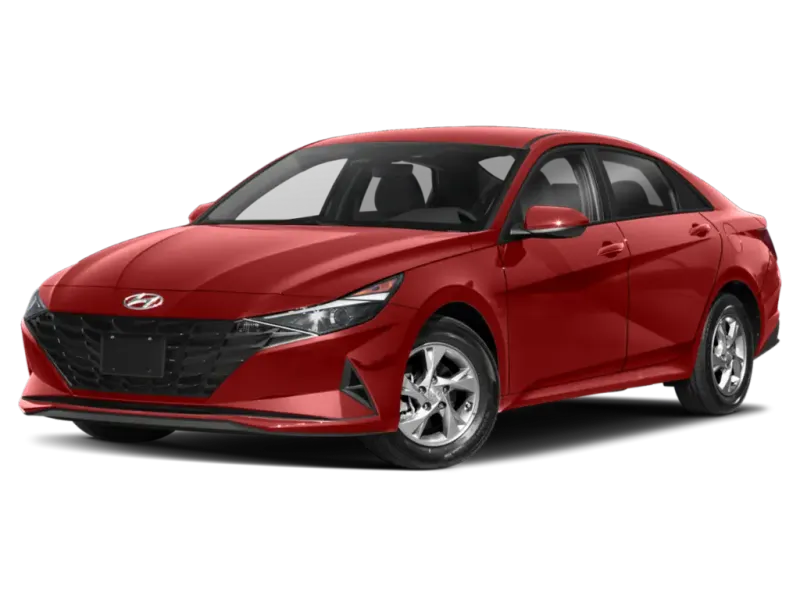
Hyundai Elantra
Score: 94/100
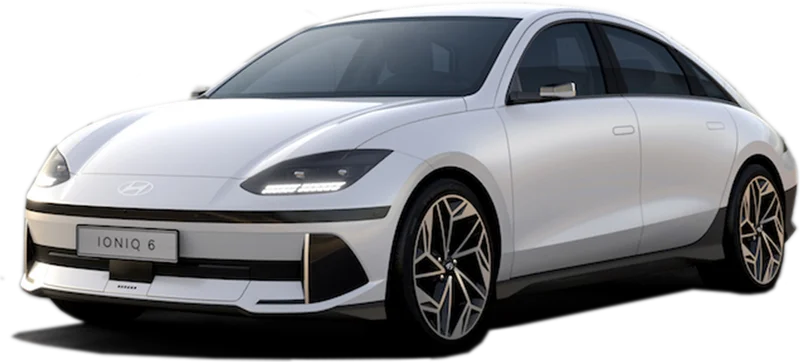
Hyundai Ioniq 6
Score: 82/100
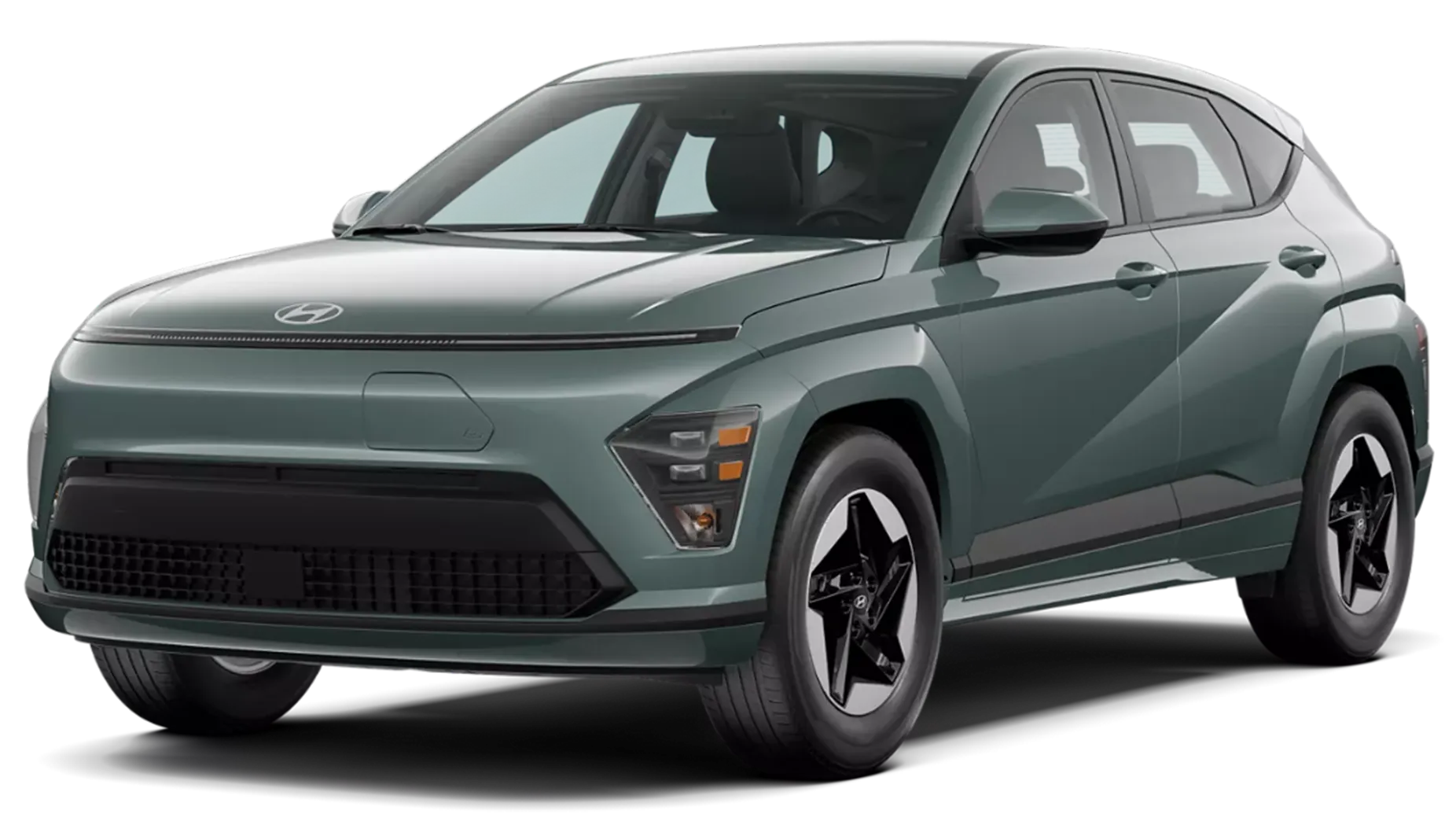
Hyundai Kona
Score: 67/100

Hyundai Palisade
Score: 72/100
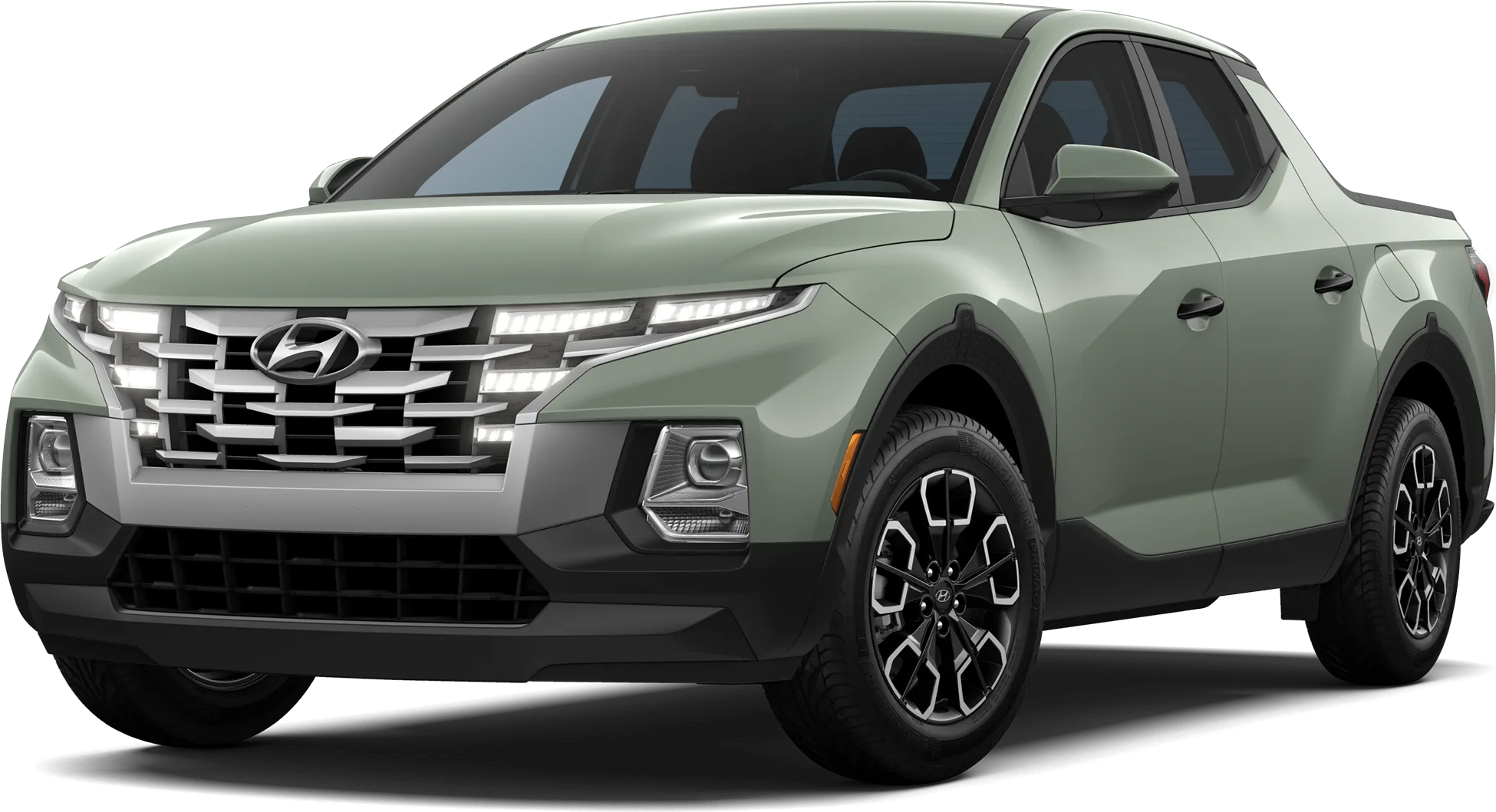
Hyundai Santa Cruz
Score: 74/100
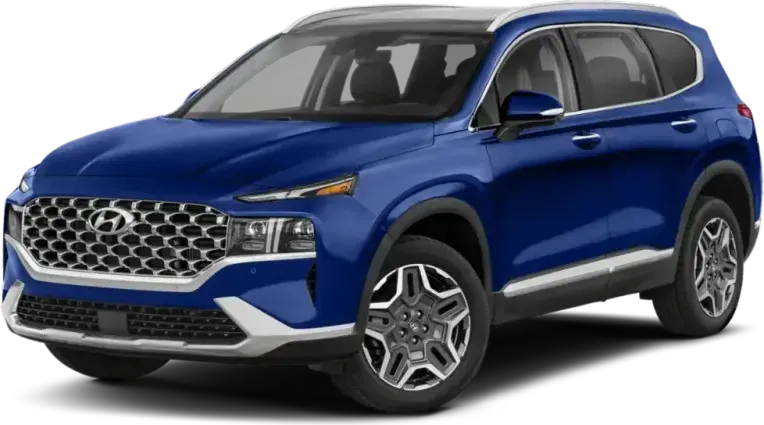
Hyundai Santa Fe
Score: 75/100
Browse More 2022 Vehicles
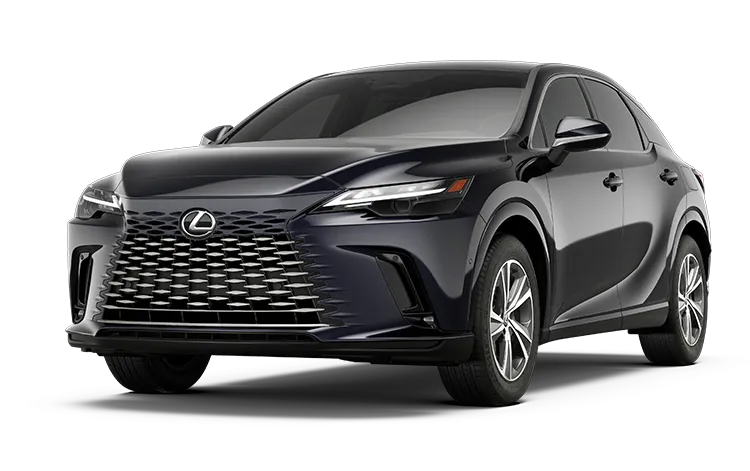
2022 Lexus RX
Score: 90/100
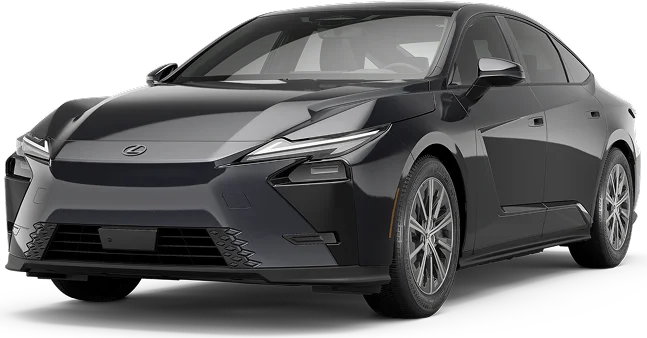
2022 Lexus ES
Score: 88/100
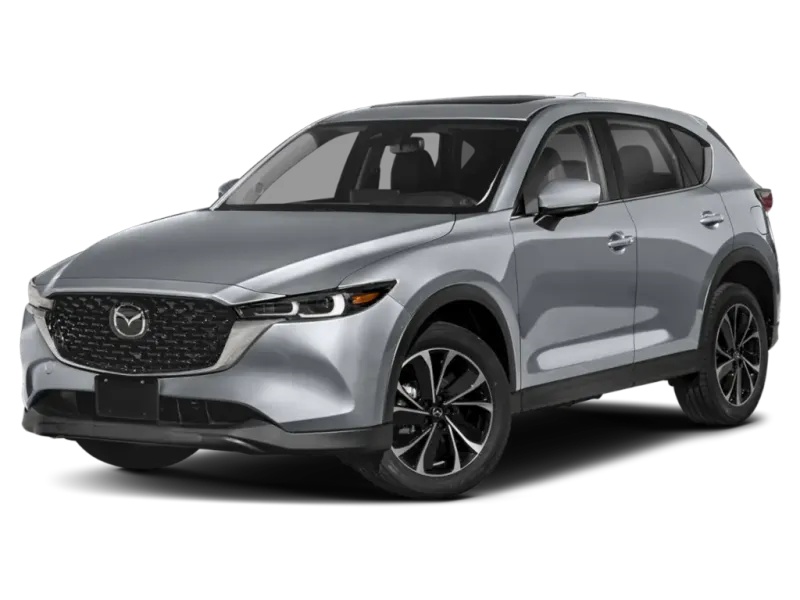
2022 Mazda CX-5
Score: 87/100
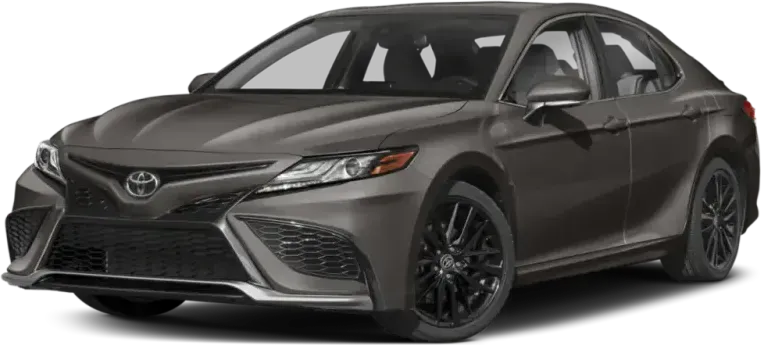
2022 Toyota Camry
Score: 84/100
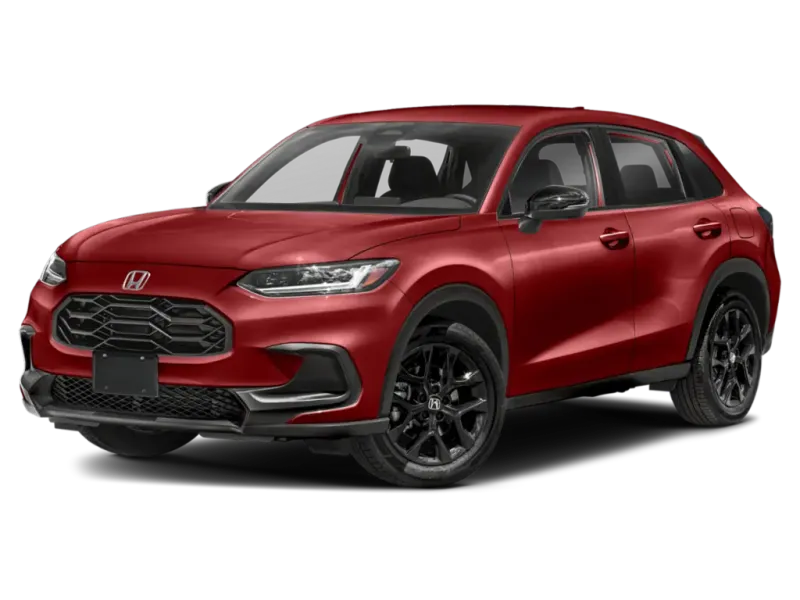
2022 Honda HR-V
Score: 83/100
2022 Nissan Altima
Score: 83/100
See incorrect data? Report an issue