Last updated: 2026-10-10
Most Reliable Used Coupes — Ranked by Data
Every coupe is scored on complaint severity, repair costs, recall impact, and issue diversity, with sales-volume normalization baked in so niche models aren't penalized for low production runs. The 2023 Toyota GR86 takes the top spot with a score of 77/100.
Top 6 Most Reliable Coupes
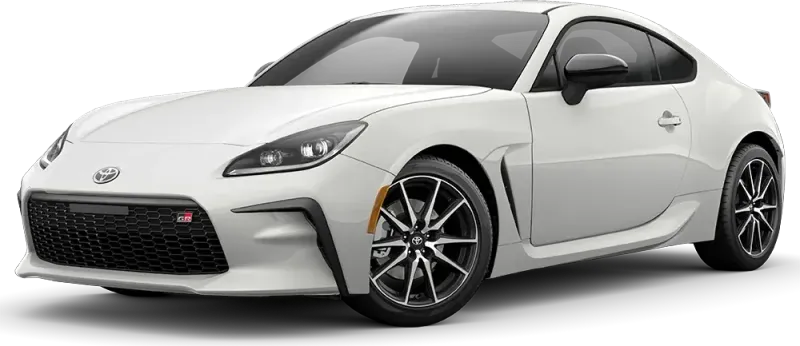


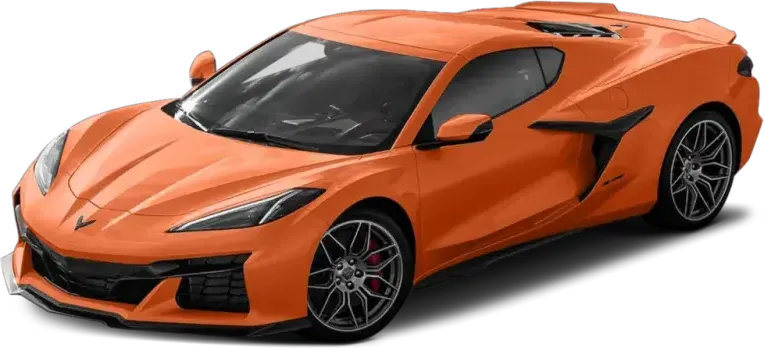

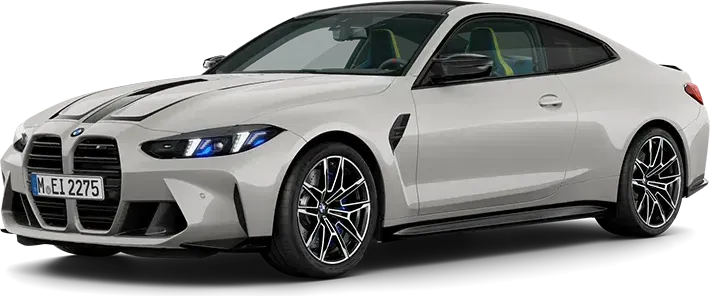
Found Your Next Coupe? Check Its History
Before you buy, a VIN check reveals hidden accidents, title problems, and open recalls that reliability scores can't show you.
- Accidents
- Open Recalls
- Title History
- Odometer Rollback
Coupe Reliability Rankings
| # | Vehicle | Best Year | Score | Rating | Recalls | Complaints / 10k | Maint. Rating | Est. Repair Cost |
|---|---|---|---|---|---|---|---|---|
| 1 | Toyota GR86 | 2023 | 77/100 | Good | 1 | 8.1 | 4 | |
| 2 | Volkswagen Beetle | 2019 | 74/100 | Good | 8 | 14.5 | 4 | |
| 3 | BMW 2 Series | 2022 | 74/100 | Good | 18 | 1.1 | 3.5 | |
| 4 | Chevrolet Corvette | 2023 | 73/100 | Good | 1 | 5.8 | 3 | |
| 5 | Ford Mustang | 2023 | 72/100 | Good | 6 | 2.6 | 3.5 | |
| 6 | BMW 4 Series | 2022 | 66/100 | Good | 18 | 8.7 | 3 |
Coupe Reliability Score Comparison
Visual comparison of reliability scores across all coupes in our database. Longer bars indicate higher reliability.
Model Highlights
1. 2023 Toyota GR86 — 77/100
Reliability is good overall and well above other coupes on the site. The earliest cars, especially 2022, drew the most owner complaints, led by sudden engine failure that owners often tie to sealant clogging the oil pickup. Fuel lines rubbing under the hood are the other serious worry. Among years with real time on the road, 2024 is the one to buy.
- Best year
- 2023
- Best-year score
- 77/100
- Avg across years
- 77/100
- Recalls / complaints
- 1 / 9
2. 2019 Volkswagen Beetle — 74/100
Rated good and above average among coupes, this Beetle has no weak year between 2018 and 2019. The complaints worth checking are the push-button ignition shutting the engine off with the shifter in Drive, which lets the car roll away, and power windows that move on their own. Independent repair-cost data puts yearly repairs at $612, above the compact average.
- Best year
- 2019
- Best-year score
- 74/100
- Avg across years
- 74/100
- Recalls / complaints
- 8 / 25
3. 2022 BMW 2 Series — 74/100
Reliability for this coupe is good and close to average among coupes. Shoppers should favor the 2022, the pick among years with a real track record, and no year is clearly weak. Two problems matter most: a passenger airbag warning tied to a failed seat sensor mat, and coolant loss that can lead to overheating or limp mode.
- Best year
- 2022
- Best-year score
- 74/100
- Avg across years
- 72/100
- Recalls / complaints
- 18 / 35
4. 2023 Chevrolet Corvette — 73/100
Reliability is good overall and close to average among coupes, though yearly repair costs run above the midsize-car norm. Cracking factory wheels are the main watch item, and they hit the 2019 hardest. The 2023 is the safer pick among years with a track record. The 2025 and 2026 show no complaints mostly because they are new.
- Best year
- 2023
- Best-year score
- 73/100
- Avg across years
- 69/100
- Recalls / complaints
- 1 / 20
5. 2023 Ford Mustang — 72/100
Used Mustangs rate good overall and sit close to average among coupes, though yearly repair costs run above the midsize norm. The 2023 is the safest pick, while 2021 and 2022 draw the most trouble. Screens going dark, including the instrument cluster, are the top complaint. Harsh, jerky shifts from the automatic come next. Skip 2021 in particular.
- Best year
- 2023
- Best-year score
- 72/100
- Avg across years
- 64/100
- Recalls / complaints
- 6 / 14
6. 2022 BMW 4 Series — 66/100
Sudden coolant loss from a cracked oil filter housing and a passenger airbag warning from a failed seat sensor mat are the costly problems to watch on this coupe. Its standing is good, yet it sits well below average among coupes, so a clean service history matters. Favor the 2024 or 2022, and skip the 2020, one of the two lowest-rated years.
- Best year
- 2022
- Best-year score
- 66/100
- Avg across years
- 58/100
- Recalls / complaints
- 18 / 36
Also Compare
Frequently Asked Questions
- What is the most reliable used coupe?
- Based on our data, the 2023 Toyota GR86 is the most reliable used coupe with a score of 77/100 ("Good"). It has 1 recalls and 9 owner complaints.
- Are coupes reliable vehicles?
- Coupes from established manufacturers can be very reliable. Many share platforms and powertrains with their sedan counterparts, so reliability often tracks closely with the sedan version. Sport-oriented coupes with turbocharged engines may require more maintenance.
- How do coupes compare to sedans for reliability?
- Coupes and sedans from the same manufacturer often share similar reliability profiles since they use the same engines and transmissions. The main differences come from unique coupe components like retractable hardtops or sport-tuned suspensions, which can add maintenance costs.
How We Calculate Reliability Scores
Auto Reliability Index scores are calculated on a 0–100 scale using a weighted formula that combines multiple public data sources. Each factor is weighted based on its predictive value for real-world ownership experience.
Key Ranking Factors
Complaint Severity
NHTSA owner complaints weighted by component category (e.g., powertrain, safety systems, electronics, cosmetic) — safety-critical issues carry more weight than cosmetic ones. Adjusted for sales volume so high-volume models aren't unfairly penalized.
Repair Costs
Independent reliability ratings based on repair frequency, average repair costs, and severity of typical repairs for each model.
Recall Impact
Number of NHTSA recalls weighted by severity. “Stop driving” and fire-risk recalls are penalized more heavily than minor software or labeling recalls.
Issue Diversity
Measures how many major vehicle systems (engine, transmission, electrical, braking, etc.) have recorded complaints. A vehicle with issues spread across many systems may indicate systemic quality issues.
Scores are grouped into four tiers:
- 80–100: Excellent— Top-tier reliability, minimal issues
- 60–79: Good— Reliable with some minor concerns
- 40–59: Mixed— Notable issues, research before buying
- 0–39: Risky— Significant problems, proceed with caution
Data is sourced from NHTSA recall records, owner complaint filings, and independent repair databases via vehicles.dev. Scores are recalculated as new data becomes available. While the weighting model is proprietary, all underlying data sources are public and traceable.
See incorrect data? Report an issue