Last updated: 2026-10-10
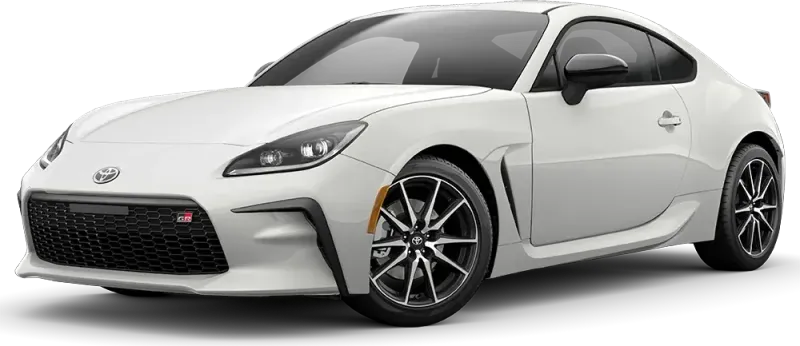
Toyota GR86 Years to Avoid
5 scored model years (2022–2026) · model average 79/100
No Toyota GR86 year is clearly one to avoid. What changes from year to year is complaint volume, with 2022 collecting the most and later years far fewer. Among years that have been on the road long enough to judge, 2024 is the one to buy.
Verdict
- Avoid
- No outlier years
- Buy
- 2024 77/100
- Model average
- 79/100
What Are Common Toyota GR86 Problems?
ENGINE
14 complaintsMost reported in 2022, 2023
2022: Sudden engine failure from oil starvation is the dominant pattern.
FUEL/PROPULSION SYSTEM
7 complaintsMost reported in 2023, 2025, 2024
2023: Fuel lines in the engine bay rub against nearby parts and wear down.
EXTERIOR LIGHTING
4 complaintsMost reported in 2022
2022: Rear turn signals go dark when low sun shines directly on the back of the car, usually just after sunrise or before sunset.
UNKNOWN OR OTHER
3 complaintsMost reported in 2022
2022: Blinkers that stop working at random appear here, with one case starting shortly after 200 miles that a dealer could not repair after a week.
Best Toyota GR86 Year to Buy Instead
2024 Toyota GR86
2024 has only 3 owner complaints, against 21 for 2022 and 9 for 2023, and just one of them concerns the engine. Its watch item is fuel lines that rub under the hood. 2025 and 2026 look cleaner on paper but have had less time to collect complaints.
Found a Safe Year? Check the Specific Car
Even the 2024 Toyota GR86 has 1 recall on file. A VIN check confirms the recall work on the exact car and shows its accident, title, and service history.
- Accidents
- Open Recalls
- Title History
- Odometer Rollback
All Toyota GR86 Years by Generation
Toyota GR86 Reliability Scores by Year
Frequently Asked Questions
Which Toyota GR86 years should I avoid?
Is the 2022 Toyota GR86 a bad year?
Which Toyota GR86 years have transmission problems?
Should I buy a 2025 or 2026 GR86 instead of a 2024?
Do any Toyota GR86 years have recalls?
How we score every Toyota GR86 model year
Scores weight complaint severity at 35%, repair costs at 30%, recall impact at 20%, and the spread of complaints across systems at 15%, with complaint counts adjusted for US sales. Read the full methodology.
See incorrect data? Report an issue