Last updated: 2026-10-10

Acura Reliability Ratings — Every Model Ranked
Every model in the lineup rates good or better, and the brand stands above average among all brands on the site. The electric ZDX leads with an excellent rating, though it has only two model years and little road time. The Integra trails, but it still rates good, so the spread is narrow. Repair costs run from about $440 a year on the TLX to $801 on the Integra.
Owners report the same trouble areas across the lineup. Steering draws the most complaints, followed by jerky or hesitant shifting, intermittent no-starts, and power loss when merging or passing. Dealers often cannot reproduce these faults, which makes repairs a slog. Shoppers should test drive for shifting and acceleration, check federal recall records for the exact car, and favor the 2024 model year, the best pick on every model.
Acura Best Year Score Comparison
Each bar shows the best single model year score for that Acura model. Longer bars indicate higher peak reliability.
Acura Model Rankings
Scores below are averaged across all tracked model years. The “Best Year” column shows the highest-scoring model year that has been on the road for at least two years, where available.
| # | Vehicle | Best Year | Score | Rating | Recalls | Complaints / 10k | Maint. Rating | Est. Repair Cost |
|---|---|---|---|---|---|---|---|---|
| 1 | Acura ZDX | 2024 | 82/100 | Excellent | 4 | — | 4 | |
| 2 | Acura RDX | 2024 | 78/100 | Good | 14 | 27.2 | 4.5 | $497/yr |
| 3 | Acura TLX | 2024 | 75/100 | Good | 22 | 24.3 | 4.5 | $440/yr |
| 4 | Acura MDX | 2024 | 72/100 | Good | 31 | 21.9 | 4 | $571/yr |
| 5 | Acura Integra | 2024 | 70/100 | Good | 9 | 32.5 | 3.5 | $801/yr |
Acura Models


Acura RDX
3rd gen (2019–2023), facelifted 2022
Good overall and above average among SUVs, this compact SUV is cheap to keep up, at an estimated $497 a year in repairs. The 2019 and 2020 model years are the ones to skip, mainly for rear window glass that shatters on its own and engines that cut power while merging or passing.

Acura TLX
2nd gen (2021–present), facelifted 2024
Connecting rod bearing failure is the big worry on the TLX. It starts as engine knocking and can end in a seized engine.

Acura MDX
4th gen (2022–2023), facelifted 2025
A pause of 1 to 2 seconds followed by a lurch when pulling away, and stalling at lights with Auto Idle Stop, are the symptoms that matter most on the MDX. Connecting rod bearing wear is the costly engine risk.
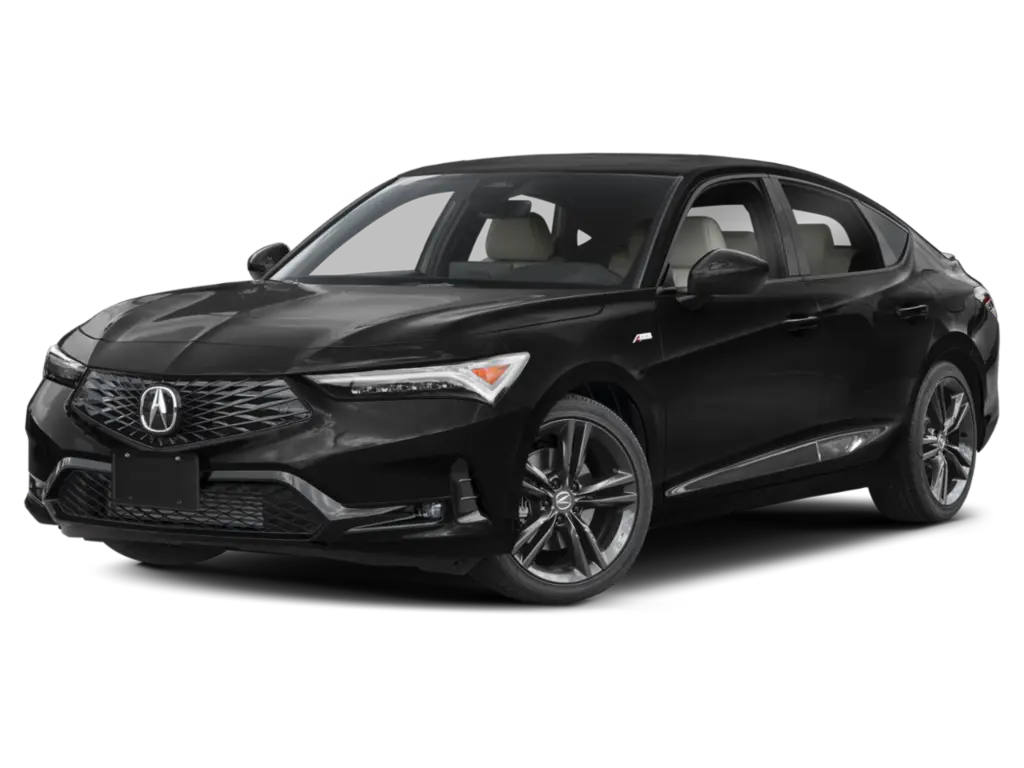
Steering is the weak spot on this compact sedan. The wheel sticks at highway speeds, then lets go suddenly, which makes overcorrection easy.
Common Acura Problems
Top complaint categories across all Acura models, based on owner-reported issues to NHTSA.
Acura by Category
Frequently Asked Questions
- What is the most reliable Acura model?
- The ZDX ranks as the most reliable Acura, with an excellent rating well above other SUVs. It only covers the 2024 and 2025 model years, so it has had little time to collect complaints. The RDX, MDX, and TLX all rate good and have a longer record.
- Which Acura models and years should I avoid?
- Skip the 2019 and 2020 RDX, the 2018 and 2020 MDX, the 2019 TLX, and the 2023 Integra. The RDX problems center on shattering rear window glass and power loss while merging. The Integra is the least reliable Acura, though it still rates good.
- Are Acura cars expensive to repair?
- No. Independent repair-cost data puts the TLX at about $440 a year, the RDX at $497, and the MDX at $571. The Integra costs more at about $801. The MDX runs below other luxury midsize SUVs, and the TLX well under the luxury midsize norm.
- What problems do Acura owners report most?
- Steering leads with 304 complaints, then power train, electrical, and engine problems. Owners describe harsh shifting, hesitation, no-starts, and lost power while passing. Dealers often could not duplicate these faults. The TLX and MDX also carry a connecting rod bearing worry that can start as engine knocking.
- What is the best year to buy a used Acura?
- Pick a 2024 on any Acura model, since the site names it the best year for all five. The Integra is the one to watch: its 2025 and 2026 years are too new to judge, so 2024 is the choice among years with real road time.
Compare Acura vs Other Makes

Acura vs Audi
Compare reliability →

Acura vs BMW
Compare reliability →

Acura vs Buick
Compare reliability →

Acura vs Cadillac
Compare reliability →

Acura vs Chevrolet
Compare reliability →

Acura vs Dodge
Compare reliability →

Acura vs Ford
Compare reliability →

Acura vs GMC
Compare reliability →

Acura vs Genesis
Compare reliability →

Acura vs Honda
Compare reliability →

Acura vs Hyundai
Compare reliability →

Acura vs Infiniti
Compare reliability →

Acura vs Jeep
Compare reliability →

Acura vs Kia
Compare reliability →

Acura vs Land Rover
Compare reliability →

Acura vs Lexus
Compare reliability →

Acura vs Lincoln
Compare reliability →

Acura vs Mazda
Compare reliability →

Acura vs Mercedes-Benz
Compare reliability →

Acura vs Mitsubishi
Compare reliability →

Acura vs Nissan
Compare reliability →

Acura vs Porsche
Compare reliability →

Acura vs Ram
Compare reliability →

Acura vs Rivian
Compare reliability →

Acura vs Subaru
Compare reliability →

Acura vs Tesla
Compare reliability →

Acura vs Toyota
Compare reliability →

Acura vs Volkswagen
Compare reliability →

Acura vs Volvo
Compare reliability →
Most Reliable Used Sedans
View rankings →
Most Reliable Used SUVs
View rankings →
Best Acura Years
View rankings →
How we score Acura models
Scores weight complaint severity at 35%, repair costs at 30%, recall impact at 20%, and the spread of complaints across systems at 15%, with complaint counts adjusted for US sales. Read the full methodology.
See incorrect data? Report an issue