Last updated: 2026-08-24
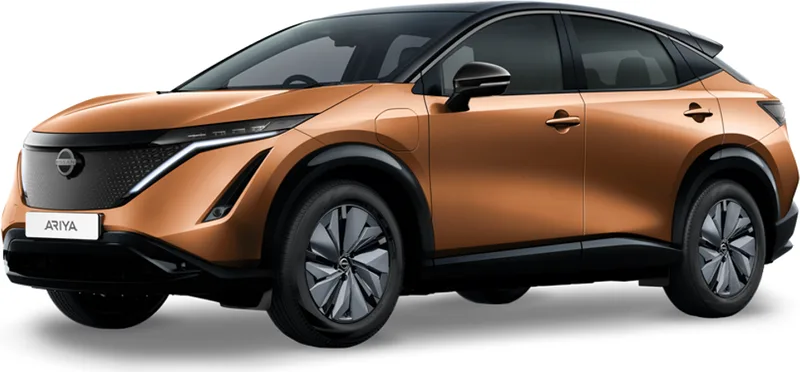
The most reliable electric car in 2026 is the 2023 Nissan Ariya with a reliability score of 76/100, based on 4 recalls and 39 owner complaints filed with NHTSA. Rankings cover 24 battery electric vehicles across SUVs, sedans, and trucks and are updated as new data becomes available from federal safety databases and independent repair cost sources.
Most Reliable Electric Cars — Ranked by Data
Every EV is scored on complaint severity, repair costs, recall impact, and issue diversity. Sales-volume normalization keeps the comparison fair between mass-market models and lower-volume newcomers. The 2023 Nissan Ariya leads the pack with a score of 76/100.
EV reliability plays out differently from gas-car reliability. There's no engine or transmission to fail — but battery management software, charging hardware, and 12-volt auxiliary systems carry their own failure modes. The rankings draw on NHTSA recall records, owner-filed complaints, and independent repair-cost data.
These rankings are fully algorithmic — no paid placements, no reputation adjustments. Every EV is measured against the same formula. For body-style-specific picks, see our most reliable electric SUVs page. If you also care about how far each EV will go on a charge, our most fuel efficient SUVs, sedans, and trucks pages rank EVs by EPA-estimated driving range. For our full methodology and data sources, see the data sources page.
Top 10 Most Reliable Electric Cars

Editor's Analysis
Battery vs. drivetrain reliability
The reflexive worry about used EVs is the high-voltage battery — and it's the wrong worry. Battery failures requiring full pack replacement remain rare, and most are caught and fixed under the federal warranty floor of 8 years or 100,000 miles.
What actually drives lower scores: software, infotainment, charging ports, and the 12-volt auxiliary battery. These are inconvenient but rarely catastrophic, and many resolve via over-the-air updates rather than service visits.
Brand variance is wider than with gas cars
Tesla has the longest production history but the highest year-to-year variance — early examples of a new model often score worse than the same model two or three years into production.
Legacy automakers like Hyundai, Kia, Ford, and GM score in tighter ranges because they apply existing quality processes to new electric powertrains. Newer entrants and low-volume luxury programs — Lucid, Rivian, Polestar — carry the most statistical noise. A handful of complaints against a small owner base produces volatile per-unit rates.
What to look for beyond the score
Confirm the battery warranty transfers — most do, but second-owner coverage rules vary. Check the model's recall list and verify nothing battery-related is open. Ask the seller about the 12-volt battery age — replacing it is cheap, but a dead 12V can render an otherwise-healthy EV undrivable. And check the years-to-avoid page for any EV you're seriously considering — first-year-of-redesign EVs tend to score worse than mid-cycle production years for the same model.
Found Your Next EV? Check Its History
Before you buy, a VIN check reveals hidden accidents, title problems, open recalls, and prior battery-pack replacements that reliability scores can't show you.
- Accidents
- Open Recalls
- Title History
- Odometer Rollback
Complete Electric Car Reliability Rankings
| # | Vehicle | Best Year | Score | Rating | Recalls | Complaints / 10k | Maint. Rating | Est. Repair Cost |
|---|---|---|---|---|---|---|---|---|
| 1 | Nissan Ariya | 2023 | 76/100 | Good | 4 | — | 4 | |
| 2 | Toyota bZ4X | 2023 | 73/100 | Good | 1 | 16.1 | 4 | |
| 3 | BMW I4 | 2023 | 73/100 | Good | 7 | 8.0 | 4 | |
| 4 | Tesla Model X | 2022 | 72/100 | Good | 0 | 0.0 | 2 | |
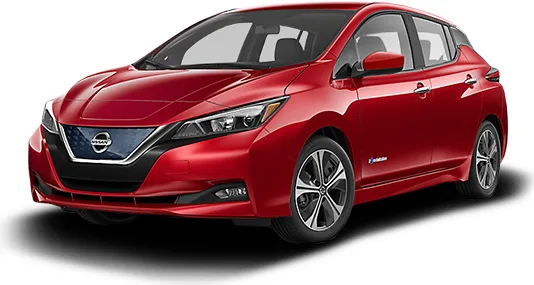
| 5 | Nissan Leaf | 2021 | 70/100 | Good | 4 | 35.8 | 4 | |
| 6 | Porsche Taycan | 2020 | 70/100 | Good | 12 | — | 3.5 | |
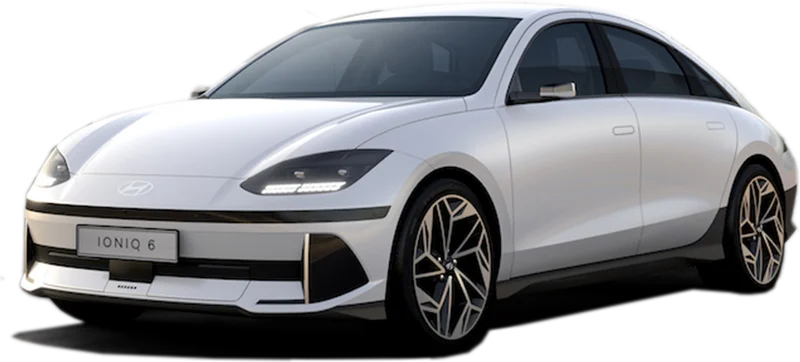
| 7 | Hyundai Ioniq 6 | 2023 | 69/100 | Good | 5 | — | 3.5 | |
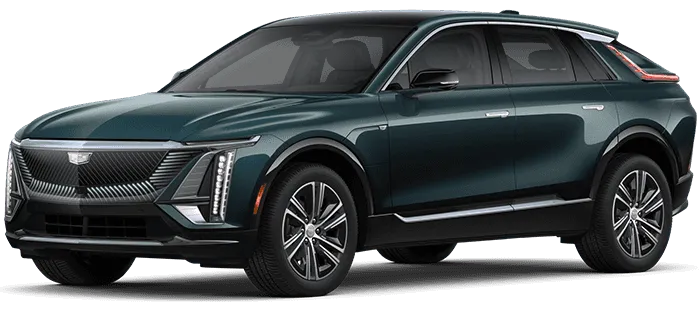
| 8 | Cadillac Lyriq | 2023 | 67/100 | Good | 7 | 26.2 | 3.5 | |
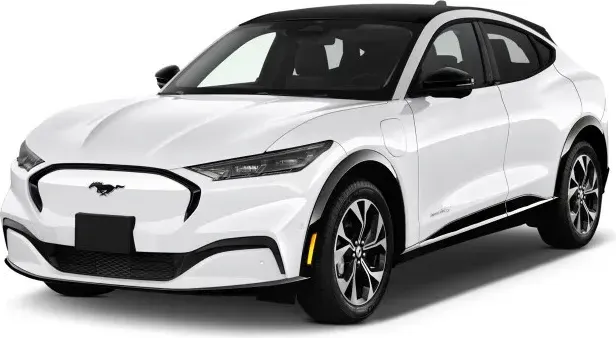
| 9 | Ford Mustang Mach-E | 2023 | 66/100 | Good | 3 | 30.1 | 3.5 | |
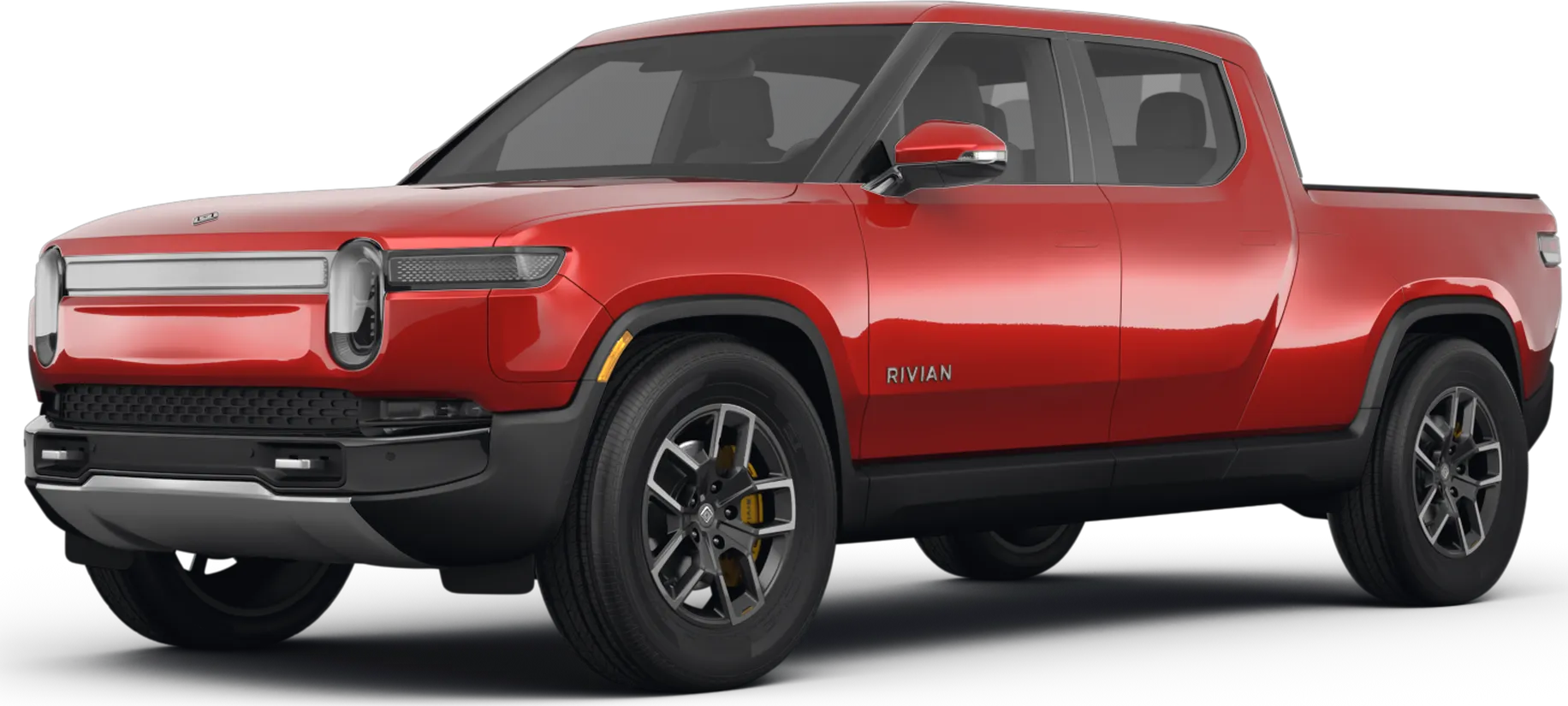
| 10 | Rivian R1t | 2023 | 65/100 | Good | 7 | 18.0 | 3 |
Electric Car Reliability Score Comparison
Visual comparison of reliability scores across all EVs in our database. Longer bars indicate higher reliability.
Reliable Electric Cars by Body Style
EVs ship in every body style now. If you've already narrowed to a segment, jump straight to those rankings.
How to Choose a Reliable Electric Car
EV reliability has a different shape than gas-car reliability, and a few habits will save you money and headaches when shopping a used electric car:
- Confirm the battery warranty. Federal law mandates 8 years or 100,000 miles on the high-voltage pack. Many manufacturers exceed it — Hyundai and Kia extend to 10 years or 100,000 miles; Tesla covers 8 years or 120,000–150,000 miles depending on trim. Verify second-owner transfer terms.
- Check battery state-of-health, not just odometer mileage. Most EVs let you read pack health via the infotainment system or a dealer report. A 60,000-mile EV with 92% remaining capacity is a better buy than a 30,000-mile EV with 80% remaining capacity.
- Verify all open recalls are closed.EV recalls often involve battery management software, charging system firmware, or thermal limits. These are not optional. Pull the recall list on the model's page, and confirm with the dealer that every open campaign has been addressed.
- Look at software update history.Brands that ship frequent OTA updates (Tesla, Rivian, Ford on newer models, Hyundai/Kia on 2024+) fix issues without service visits — that's a meaningful reliability advantage that doesn't show up in raw recall counts.
- Confirm your charging situation works. A reliable EV with no reliable place to charge is unreliable in practice. Check that you can install Level 2 charging at home, or that your workplace or nearby public charging is dense enough for your routine.
- Read the complaint categories, not just the totals. Two EVs with the same recall count can be very different: one with five infotainment recalls is a different ownership experience than one with five battery thermal recalls. The data sources page explains how complaint categories feed the score.
Model Highlights
1. 2023 Nissan Ariya — 76/100
The Nissan Ariya, covering model years 2023 to 2026, holds an average reliability score of 85/100, indicating an excellent reliability rating overall. Common issues reported by owners include electrical system failures, particularly in the 2023 model, which had 19 complaints and 4 recalls, while later models show improvement with fewer complaints and no recalls. With an estimated annual repair cost of $500 and a medium reliability rating of 4/5, the Ariya may appeal to those seeking a reliable electric vehicle, though potential buyers should be aware of historical electrical system concerns.
Best year: 2023 · Score: 76/100 · Recalls: 4 · Complaints: 39 · Avg across all years: 76/100
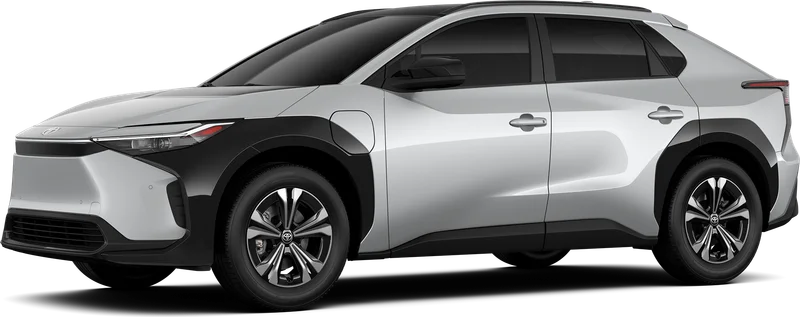
2. 2023 Toyota bZ4X — 73/100
The Toyota Bz4x, covering model years 2023 to 2025, holds an average reliability score of 75/100, categorized as "Good" on the Auto Reliability Index. Data indicates common issues with the electrical system and structural components, particularly in the 2023 and 2024 models, with complaints decreasing significantly by 2025. The vehicle maintains a 5-star NHTSA safety rating throughout these years, and repair costs are rated at 4/5, suggesting moderate expenses for owners.
Best year: 2023 · Score: 73/100 · Recalls: 1 · Complaints: 15 · Avg across all years: 73/100
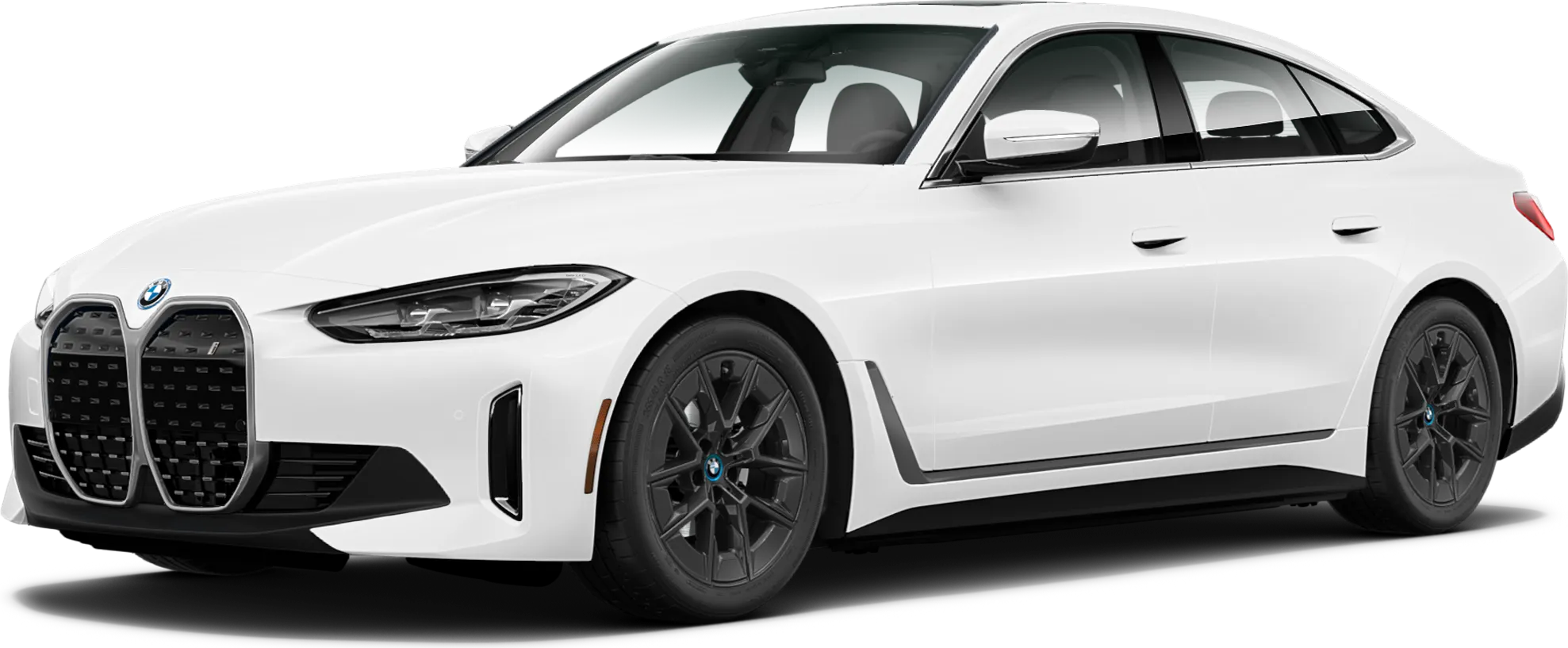
3. 2023 BMW I4 — 73/100
The BMW I4, covering model years 2022 to 2024, holds an average reliability score of 74 out of 100, categorized as "Good" on the Auto Reliability Index. Data indicates common issues with the electrical system, power train, and vehicle speed control, with a notable number of complaints in 2023 at 8 per 10,000 vehicles sold. With a reliability rating of 4 out of 5, the I4 may suit those who prioritize a balance between performance and reliability, though potential buyers should be aware of the historical recall and complaint data.
Best year: 2023 · Score: 73/100 · Recalls: 7 · Complaints: 40 · Avg across all years: 73/100
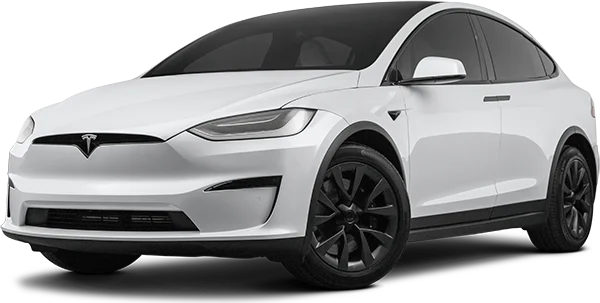
4. 2022 Tesla Model X — 72/100
The Tesla Model X, covering model years 2018 to 2025, has an average reliability score of 64 out of 100, indicating a generally good reliability reputation with notable fluctuations across years. Common issues reported include suspension failures, electrical system malfunctions, and steering problems, with significant safety implications noted in certain years, particularly 2018, 2019, and 2023. Potential buyers should consider these aspects, alongside repair costs and complaint rates, which peaked at 74.1 complaints per 10,000 sold in 2023, when evaluating the Model X for long-term ownership.
Best year: 2022 · Score: 72/100 · Recalls: 0 · Complaints: 0 · Avg across all years: 54/100
5. 2021 Nissan Leaf — 70/100
The Nissan Leaf, covering model years 2018 to 2025, shows a varied reliability performance with scores ranging from 58/100 to 79/100, indicating generally good reliability with some mixed results in earlier years. Common issues reported by owners include problems with the electrical system, particularly involving battery performance and charging capabilities, with notable improvements in the 2025 model year, which has a lower complaint rate of 13.7 per 10,000 sold. With an estimated annual repair cost of $748, higher than the average for alternative fuel vehicles, the Leaf is suited for buyers who prioritize electric vehicle benefits but should be aware of potential repair costs and specific model year concerns.
Best year: 2021 · Score: 70/100 · Recalls: 4 · Complaints: 51 · Avg across all years: 63/100
Also Compare
Frequently Asked Questions
- What is the most reliable electric car?
- Based on our data, the 2023 Nissan Ariya is the most reliable electric car with a score of 76/100 ("Good"). It has 4 recalls and 39 owner complaints on file with NHTSA.
- Are electric cars more reliable than gas cars?
It depends what you mean. EVs are reliable in a different way:
- Fewer moving parts — no engine, transmission, or fuel system, so the classic mechanical failures are rare.
- New failure modes — high-voltage battery and charging-system issues, software bugs that brick the car until an over-the-air fix ships, and 12-volt auxiliary battery drain.
- By the numbers — the best EVs match or beat the best gas cars on overall reliability. Lower-volume programs from newer entrants tend to score worse than mainstream gas vehicles.
- How long do EV batteries last?
Manufacturer coverage on the high-voltage battery:
- Industry standard: 8 years or 100,000 miles
- Hyundai and Kia: 10 years or 100,000 miles
- Tesla (varies by trim): 8 years or 120,000–150,000 miles
Real-world degradation is slower than buyers expect. Most EVs retain 85–90% of original range after 100,000 miles, with the steepest losses in the first few thousand miles. Out-of-warranty replacements remain rare on mainstream models — but hot climates without active liquid cooling are the main accelerator of degradation.
- What is the most common EV problem?
The top complaint categories aren't what most buyers worry about:
- Software and infotainment glitches
- Charging-port and onboard-charger faults
- 12-volt auxiliary battery drain (the small lead-acid battery, not the main pack)
- HVAC and heat-pump quirks
Traction-battery and motor failures are rare. Many of the issues above ship as over-the-air updates without a service visit.
- How are EV reliability scores calculated?
- Scores use the same four-factor formula as the rest of the site: complaint severity (35%), repair costs (30%), recall impact (20%), and issue diversity (15%). Complaints are weighted by component category, so high-voltage battery and powertrain issues count more than cosmetic ones. All complaint counts are normalized by sales volume so high-volume EVs aren't penalized for having more total reports. Recalls weighted by severity — "Park It" recalls count 5x, "Park Outside" 3x. Final scores range from 0 (risky) to 100 (excellent).
- Is a used EV worth buying?
- Used EVs can be excellent value because they depreciate faster than comparable gas cars while the powertrain has very little wear. The keys are: confirm the battery warranty transfers to you (most do, but check), get a battery state-of-health report before purchase (dealers and many independent EV shops can produce one), and verify all open recalls are closed — EV recalls often involve battery management software that should not be skipped. Confirm your charging situation works too: a used EV is only worth it if you have reliable home or workplace charging.
- Which brand makes the most reliable EVs?
- In our current rankings, Nissan has the most models in the top 10 most reliable EVs. That said, reliability varies sharply by model and model year within any brand — a strong sedan EV and a weak SUV EV from the same automaker is common. Always look up the specific model and year you're considering rather than relying on brand reputation alone.
- Do electric cars have fewer recalls than gas cars?
- On paper, no — EV recall counts are often similar to or higher than equivalent gas vehicles, but the comparison is misleading. A growing share of EV recalls are software fixes delivered over the air, where the owner never visits a service center. Counting an OTA software patch and a faulty fuel pump replacement as one recall each overweights EVs. Read the recall details on individual model pages to see whether a recall required a shop visit (genuine reliability signal) or was patched remotely (administrative).
How We Calculate Reliability Scores
Auto Reliability Index scores are calculated on a 0–100 scale using a weighted formula that combines multiple public data sources. Each factor is weighted based on its predictive value for real-world ownership experience.
Key Ranking Factors
Complaint Severity
NHTSA owner complaints weighted by component category (e.g., powertrain, safety systems, electronics, cosmetic) — safety-critical issues carry more weight than cosmetic ones. Adjusted for sales volume so high-volume models aren't unfairly penalized.
Repair Costs
Independent reliability ratings based on repair frequency, average repair costs, and severity of typical repairs for each model.
Recall Impact
Number of NHTSA recalls weighted by severity. “Stop driving” and fire-risk recalls are penalized more heavily than minor software or labeling recalls.
Issue Diversity
Measures how many major vehicle systems (engine, transmission, electrical, braking, etc.) have recorded complaints. A vehicle with issues spread across many systems may indicate systemic quality issues.
Scores are grouped into four tiers:
- 80–100: Excellent— Top-tier reliability, minimal issues
- 60–79: Good— Reliable with some minor concerns
- 40–59: Mixed— Notable issues, research before buying
- 0–39: Risky— Significant problems, proceed with caution
Data is sourced from NHTSA recall records, owner complaint filings, and independent repair databases via vehicles.dev. Scores are recalculated as new data becomes available. While the weighting model is proprietary, all underlying data sources are public and traceable.
See incorrect data? Report an issue