Last updated: 2026-10-10
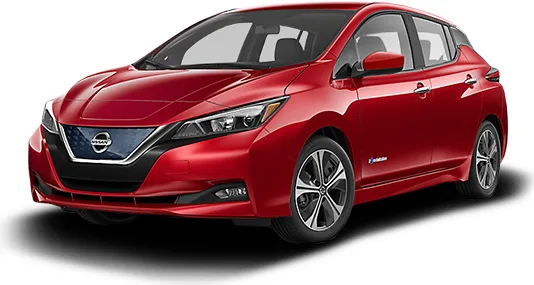
2021 Nissan Leaf Reliability Report
The 2021 Nissan Leaf has a good reliability standing, but battery fire reports and charging limits are the main concern.
Recalls
4
Complaints
51
Complaint Rate
35.8per 10,000 sold
Est. Repair Cost
$748
EV Range
149–226 mi
Detailed Score Breakdown
Component-weighted complaints normalized by sales volume
Independent repair cost ratings
Recall count weighted by severity
Breadth of reported problem categories
The Verdict
Good standing and a 5-star crash rating, with fewer complaints and recalls than 2020, though owners report battery fires and fast-charging limits.
Top Issues to Watch
- ELECTRICAL SYSTEM (29)
- VISIBILITY/WIPER (4)
- POWER TRAIN (3)
Generation & Refresh (US)
2021 is year 4 of the Second generation (ZE1; 2017).
- Redesigned for the 2018 model year.
- Well-established in its generation — most early issues should be resolved.
- A refresh arrives in 2023.
- 2nd generation Leaf (US).
What this means for buyers
Well into the generation cycle — most design and manufacturing issues should be resolved by now.
2018: Second generation (ZE1; 2017) Launch
Generation start — new platform.
2021: This Model Year
2021 is year 4 of the Second generation (ZE1; 2017).
2023: Mid-Cycle Refresh
Updated features and styling tweaks.
Should You Buy the 2021 Nissan Leaf?
Good is the standing here, and it is close to average against other 2021 sedans. Among the Leaf's scored model years, this one is among the stronger. The 2020 is worse, with 159 complaints and 6 recalls, against 51 complaints and 4 recalls for 2021. The federal crash-test rating is 5 of 5 stars. Repair costs run high, though: $748 a year model-wide, against $471 for the class.
Electrical problems make up 29 of the 51 complaints. Three reports describe high-voltage battery fires, one soon after charging and one in a car parked at a dealer. Firefighters say these fires burn for hours and reignite. Owners say they were told not to use Level 3 CHAdeMO fast charging and waited months for parts. Others report shrinking range and cars that would not charge at all. One owner says the car died while driving at 33,258 miles, and the drive motor locked the wheels so it could not be rolled for towing.
Before buying, ask for the full recall history and proof that any open work was finished. Ask whether the car has fast-charging limits, and test the heater, defroster and rear camera in cold weather.
Compared to the 2025 Nissan Leaf, which scored 9 points higher. See also the 2020 Nissan Leaf for an earlier comparison.
Pros
- +Acceptable reliability score
- +Infrequent unscheduled repairs
- +Low major repair risk (10%)
Cons
- −Above-average repair costs for its class
- −Moderate recall count
- −Above-average complaint rate for Sedan
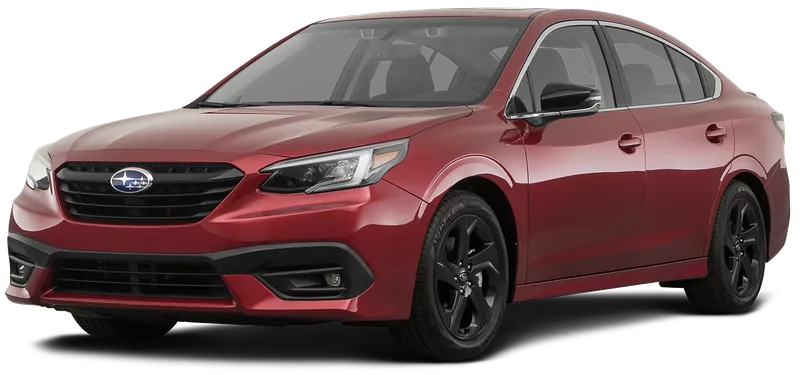
Compare 2021 Nissan Leaf With
Common Problem Categories
Safety
LOW RISK- 4 manufacturer recalls issued
Other
HIGH RISK- ELECTRICAL SYSTEM (29)
- UNKNOWN OR OTHER (6)
Recall Overview
4
recalls on record
A moderate 4 recalls are on file for the 2021 Nissan Leaf. Each one points to a specific safety or compliance issue identified by the manufacturer or NHTSA — check the list below before buying.
NHTSA.gov →Complaint Breakdown
35.8
per 10,000 soldSegment avg: 16.7
Safety Incidents
2
Crashes
3
Fires
1
Injuries
0
Deaths
NHTSA 5/5 Stars
Data sourced from NHTSA complaint filings and manufacturer recall notices. Complaint narratives are owner-reported.
2021 Nissan Leaf Recall Details
4 recalls have been issued for the 2021 Nissan Leaf. All recall repairs are performed free of charge at authorized dealerships.
ELECTRICAL SYSTEM
Nissan North America, Inc. (Nissan) is recalling certain 2021-2022 LEAF vehicles equipped with a Level 3 quick charging port. The lithium-ion battery may overheat during Level 3 charging.
Consequence
A quick charging battery that overheats increases the risk of a fire.
Remedy
Owners are advised not to use Level 3 quick charging until the remedy is completed. Dealers will update the battery software, free of charge. Owner letters were mailed June 16, 2026. Owners may contact Nissan's Customer Service at 1-800-867-7669. Nissan's number for this recall is R25C8. Vehicle Identification Numbers (VINs) involved in this recall will be searchable on NHTSA.gov beginning October 4, 2025.
BACK OVER PREVENTION
Nissan North America, Inc. (Nissan) is recalling certain 2018-2022 LEAF vehicles. Damage to the camera harness can cause distortion or loss of the rearview camera display image. As such, these vehicles fail to comply with the requirements of Federal Motor Vehicle Safety Standard number 111, "Rear Visibility."
Consequence
A rearview camera that does not properly display an image can reduce the driver's rear view, increasing the risk of a crash.
Remedy
Dealers will inspect the rearview camera and harness for damage and replace them as necessary. If no damage is found, the dealer will apply protective tape and reroute the rearview camera harness. Repairs will be performed free of charge. Owner notification letters were mailed August 9, 2024. Owners may contact Nissan customer service at 1-800-867-7669. Nissan's number for this recall is R23D7.
VEHICLE SPEED CONTROL
Nissan North America, Inc. (Nissan) is recalling certain 2018-2023 LEAF vehicles. The vehicle may accelerate unintentionally if the driving mode is changed ("D" to "B"; e-Pedal "On"; or "ECO" mode) after disengaging the cruise control.
Consequence
Unintentional acceleration can increase the risk of a crash.
Remedy
Dealers will reprogram the vehicle control module (VCM), free of charge. Owner notification letters are expected to be mailed August 30, 2023. Owners may contact Nissan's customer service at 1-800-867-7669. Nissan's number for this recall is R23A6.
Buying a used 2021 Nissan Leaf? Check its history first
Electrical system problems lead owner complaints about the 2021 Nissan Leaf, and 4 recalls were issued for it. A VIN check shows whether this car's recall work was done, plus accident, title, and odometer history.
- Accidents
- Open Recalls
- Title History
- Odometer Rollback
2021 Nissan Leaf NHTSA Safety Ratings
Overall Safety Rating
Crash Test Results by Configuration (expand)
Gas Powertrain
Rollover risk: 10.7%
Safety Technologies
Nissan LeafRepair Costs & Maintenance
Maintenance Rating
4Maintenance rating: 4 out of 5Based on NHTSA complaint patterns, recall severity, and publicly available cost benchmarks.
Est. Annual Maintenance
$748
vs $471 avg for alternative fuel vehicles
vs $652 avg for all vehicles
Repair Frequency
0.2
unscheduled repair visits per year
Severe Repair Probability
10%
chance of a major repair
Annual Cost Comparison
Category-level averages derived from publicly available industry reports (AAA, CarMD). Model-level estimates produced by Auto Reliability Index.
MPG & Annual Running Costs
Electric
149–226 mi range
Fuel cost: $700–$750/yr
Fuel only
30.426–32.283 kWh/100mi · 8–11 hrs @ 240V
Based on EPA fuel-cost estimates. Excludes routine maintenance, depreciation, and insurance. Data as of 2021 EPA label cycle.
Electric trims
| Trim | Drive | Trans. | Range | kWh/100mi | Fuel Cost |
|---|---|---|---|---|---|
| Leaf (40 kW-hr battery pack) | Front-Wheel Drive | Automatic (A1) | 149 mi | 30.4 | $700 |
| Leaf (62 kW-hr battery pack) | Front-Wheel Drive | Automatic (A1) | 226 mi | 31.3 | $700 |
| Leaf SV/SL (62 kW-hr battery pack) | Front-Wheel Drive | Automatic (A1) | 215 mi | 32.3 | $750 |
Used Buying Checklist
Key things to inspect or verify before purchasing a 2021 Nissan Leaf.
Run the VIN for open recalls and get written proof of any completed battery recall remedy.
Have a dealer report battery state of health, and check the range shown at full charge.
Ask for records of battery cell replacements or charging faults, and walk away if cells keep failing.
If you depend on DC fast charging, plan around Level 2 charging until a battery remedy is confirmed.
Shift into Reverse several times, open and close the hatch, and confirm the camera image stays clear and steady.
Test the heater and defroster on a cold morning and time how long the windshield takes to clear.
Press Start, shift right away, and confirm the display shows Drive or Reverse, not Neutral, before releasing the brake.
2021 Nissan Leaf Common Problems by Component
51 owner complaints grouped by vehicle system.
ELECTRICAL SYSTEM
29 complaintsSafety-relatedLeaf electrical problems across all model years
The high-voltage battery catches fire in 3 of these reports. One fire starts shortly after charging, and another while the car sits parked at a dealer. Firefighters describe battery fires that burn or smoke for hours and keep reigniting. Most other complaints describe an open battery recall. Owners say they were told not to use Level 3 CHAdeMO fast charging and have waited months for a remedy, with parts unavailable. Owners also report shrinking range, failed battery cells, and cars that won't charge even on Level 1. Several say they were nearly stranded.
UNKNOWN OR OTHER
6 complaintsThe rear backup camera fails on and off. The screen turns pink, blue, black, or green, scrolls, or shows the image split in half, leaving a blind spot when reversing. Closing the rear hatch firmly or restarting the car often brings the picture back, so dealers sometimes can't reproduce the fault. One owner reports the failure returning after the wiring harness was replaced. The remaining complaint covers the battery recall, which owners say restricts Level 3 fast charging and has no real repair yet.
VISIBILITY/WIPER
4 complaintsThe heater and defroster stop working in deep cold after a dealer software update, according to owners. Below about 17 degrees Fahrenheit, the windshield fogs over and stays that way for about 10 minutes until heat arrives. Owners say the dealer called this intended behavior. Owners also report rear camera trouble: a grey screen below about 32 degrees, or an image that drops out until the tailgate is opened and closed. One owner was told the wiring harness repair was no longer covered.
POWER TRAIN (3 complaints)
POWER TRAIN
3 complaintsThe car can die completely while driving, and the drive motor then locks the wheels so the car cannot be rolled for towing. That failure happened at 33,258 miles. Another reported fault: pressing Start and shifting too quickly leaves the car in Neutral instead of Drive or Reverse. On a steep hill, a driver who lifts off the brake could roll into traffic or people. One complaint covers the battery recall, which owners say blocks DC fast charging and makes long trips impractical.
FUEL/PROPULSION SYSTEM (2 complaints)
FUEL/PROPULSION SYSTEM
2 complaintsThe battery pack loses capacity, and owners tie the loss to the open battery recall. One owner describes severe degradation and voltage sag and fears a fire during charging or driving. Both complaints focus on the ban on Level 3 fast charging. Owners say there is no repair and no firm timeline, so the car can't safely recharge on longer trips and drivers risk being stranded.
AIR BAGS (2 complaints)
AIR BAGS
2 complaintsSafety-relatedThe airbags fail to deploy in serious crashes, according to both complaints. One crash is a frontal collision into a stopped vehicle and a barrier. In the other, the car is spun by a truck into concrete barriers and totaled, and one person is injured. The owner also says the car's warning systems failed. Both reports appear to come from the same owner and describe separate crashes.
ENGINE (1 complaints)
ENGINE
1 complaintCar is under a recall-no level 3 charging due to risk of fire since October of 2025 with no remedy in place. The car is not able to be used as advertized-cannot travel outside of 200 miles from my home as level 3 charging is not possible and level 2 charging not feasible for travelling. Of note-the battery in my car is a NEW battery -it was replaced in December of 2025 due to repeated prior failures -including suddenly slowing down drastically on highway which was a safety hazard. Aftee repeated efforts to get this addressed Nissan agreed to replace the battery but the repacement IS UNDER RECALL and the car is not usable for my purposes.
SERVICE BRAKES (1 complaints)
SERVICE BRAKES
1 complaintBrakes problem: During rain season the moisture can get into the brake system. When backing up, the brakes feel partially seized, and make squeeze sound. The problem is more serious when pulling the parking brake during overnight parking. Somehow the sound is coming out of front brakes. The sound will diminish after break several times during normal breaking. Forward Collision warning system: The system only alerts driver with deeps and lights on dashboard. It doesn’t enables the brake system to slow or stop the car.
EXTERIOR LIGHTING (1 complaints)
EXTERIOR LIGHTING
1 complaintComponent: High Beam Assist Safety issue: The High Beam Assist system that is enabled by default with the neutral "Auto" switch on the control stalk has a faulty "light detection" system that cannot be overridden by manual driver input. The light detection system is designed to disengage high-beams when another car becomes visible, then re-engage the high-beams when the car passes. However, this system is overly sensitive and will very often disengage high beams based on street lights, reflective mail boxes, pavement reflectors, moonlight, and more. There is no available control to reliably override this disengagement. The system also prevent engagement, not just falsly triggering disengagement. For example, if you see an obstacle while using low-beams, and attempt to quick engage high-beams by pushing the control stalk, the system will not engage high-beams because the sensor falsely detected a light source. You can flick the control stalk back and forth repeatedly, and the high-beams will not engage in Auto. Reproducible: always reproducible, and reported by numerous owners in online forums Inspection: N/A Warnings: None
BACK OVER PREVENTION (1 complaints)
BACK OVER PREVENTION
1 complaintThe contact owns a 2021 Nissan Leaf. The contact received notification of NHTSA Campaign Number: 24V071000 (Back Over Prevention) however, the part to do the recall repair was not yet available. The contact stated that the manufacturer had exceeded a reasonable amount of time for the recall repair. The contact stated while attempting to reverse, the back over prevention camera failed to function. The dealer was made aware of the issue and confirmed that parts were not yet available. The vehicle was not repaired. The manufacturer was not made aware of the issue. The failure mileage was approximately 14,000. VIN tool confirms parts not available.
Best & Worst Nissan Leaf Years
Best Nissan Leaf Years to Buy
Based on reliability index score2021
(Current Model)
2018
2020
Nissan Leaf Years to Avoid
Nissan Leaf Reliability Score Trend
Scores 0–100. Higher is better. Current year highlighted.
| Year | Score | Rating |
|---|---|---|
| 2018 | 67/100 | Good |
| 2019 | 58/100 | Mixed |
| 2020 | 58/100 | Mixed |
| 2021 | 70/100 | Good |
| 2025 | 79/100 | Good |
Nissan Leaf Reliability Compared to Other Years
Frequently Asked Questions
Is the 2021 Nissan Leaf reliable?
What are the most common problems with the 2021 Nissan Leaf?
Does the 2021 Nissan Leaf have battery fire problems?
How many recalls does the 2021 Nissan Leaf have?
Is the 2021 Nissan Leaf better than the 2020?
Don’t buy a 2021 Nissan Leaf without checking its VIN first — hidden accidents, title issues, and open recalls could cost you thousands.
How we score the 2021 Nissan Leaf
Of the four inputs behind this score, the 2021 Nissan Leaf does best on how many systems draw complaints (84/100) and worst on complaint severity (54/100). Scores weight complaint severity at 35%, repair costs at 30%, recall impact at 20%, and the spread of complaints across systems at 15%, with complaint counts adjusted for US sales. Read the full methodology.
Get notified when new recalls or reliability data is added for the Nissan Leaf.
No spam. Only data updates for this model.
Browse More Nissan Models
Nissan Altima
Score: 88/100
Nissan Ariya
Score: 88/100
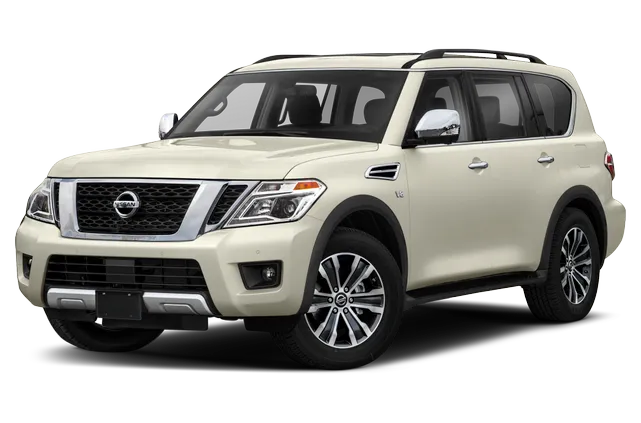
Nissan Armada
Score: 74/100
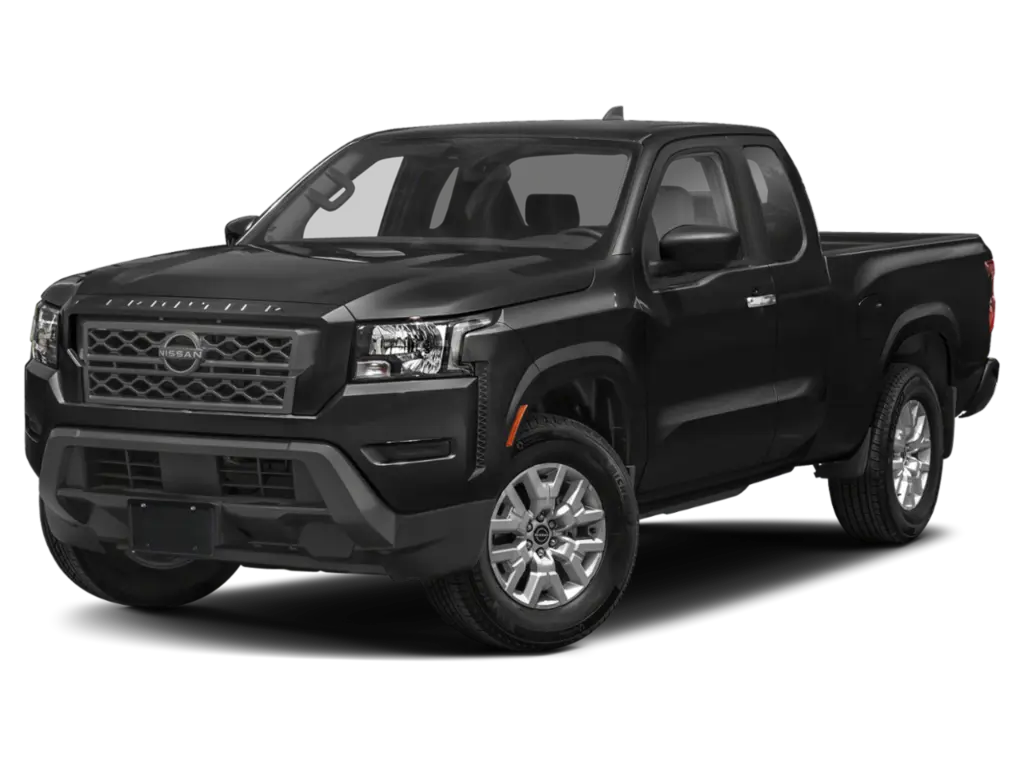
Nissan Frontier
Score: 77/100
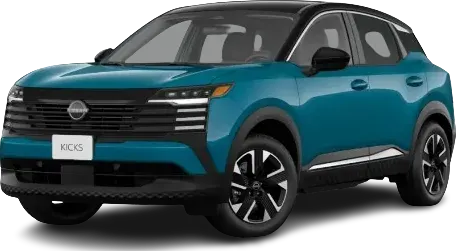
Nissan Kicks
Score: 83/100
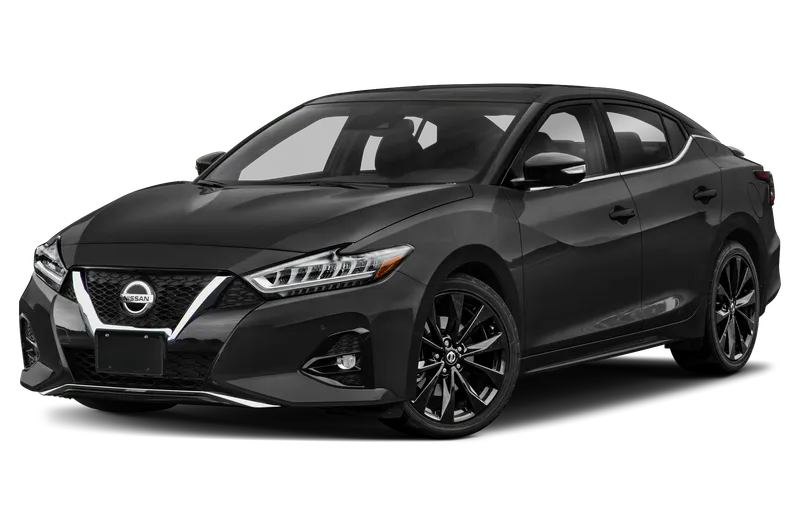
Nissan Maxima
Score: 77/100
Browse More 2021 Vehicles
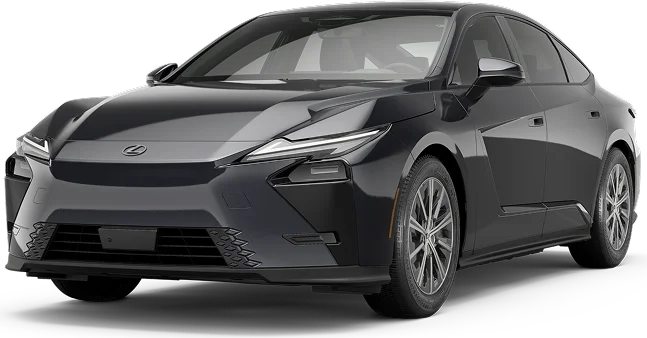
2021 Lexus ES
Score: 88/100
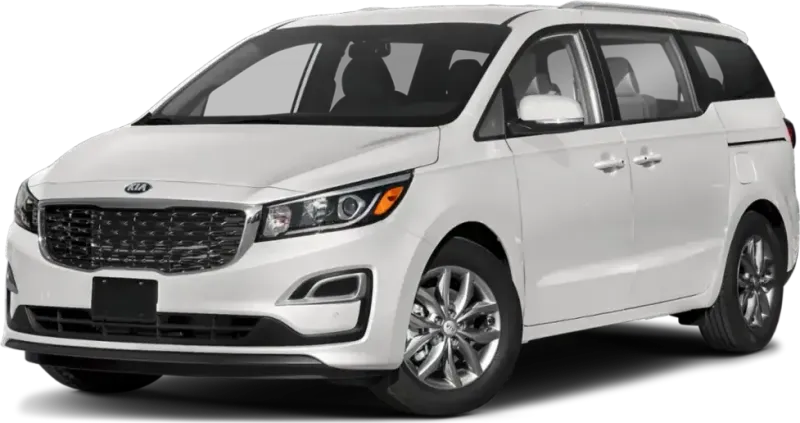
2021 Kia Sedona
Score: 88/100
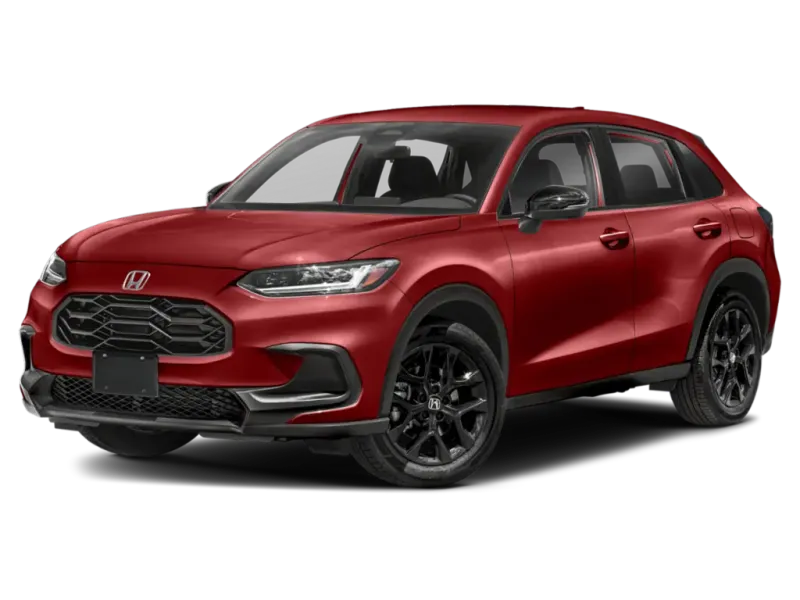
2021 Honda HR-V
Score: 86/100
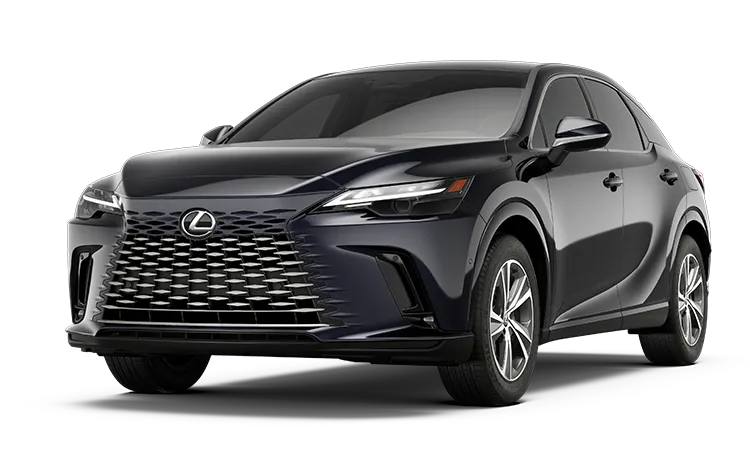
2021 Lexus RX
Score: 86/100
2021 Nissan Frontier
Score: 84/100
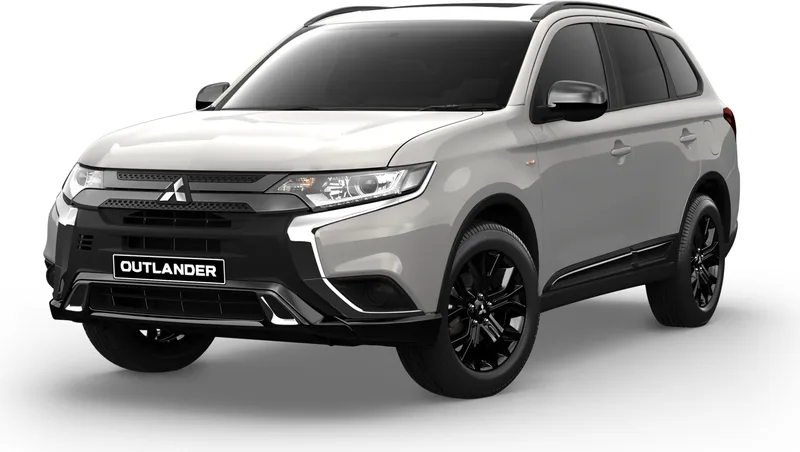
2021 Mitsubishi Outlander
Score: 84/100
See incorrect data? Report an issue