Last updated: 2026-10-10

Mercedes-Benz Reliability Ratings — Every Model Ranked
Used Mercedes-Benz cars hold a good standing, yet they sit well below average when set against every brand on the site. The spread inside the lineup is wide. The GLC leads, and four of the ten models rate good: GLB, E-Class, GLC and GLE. The other six are mixed. The CLA trails, and the C-Class and CLA carry by far the heaviest piles of recalls and owner complaints.
Three faults come up again and again. Instrument clusters go blank while driving. Cylinder heads fail, causing lost compression, stalling and sudden power loss. Front axles and steering parts fail on some cars. Owners also report open recalls where parts are unavailable. Shoppers should check recall status by VIN, ask for full service records, and treat any engine history with care.
Mercedes-Benz Best Year Score Comparison
Each bar shows the best single model year score for that Mercedes-Benz model. Longer bars indicate higher peak reliability.
Mercedes-Benz Model Rankings
Scores below are averaged across all tracked model years. The “Best Year” column shows the highest-scoring model year that has been on the road for at least two years, where available.
| # | Vehicle | Best Year | Score | Rating | Recalls | Complaints / 10k | Maint. Rating | Est. Repair Cost |
|---|---|---|---|---|---|---|---|---|
| 1 | Mercedes-Benz GLB | 2022 | 69/100 | Good | 30 | 11.0 | 3 | $908/yr |
| 2 | Mercedes-Benz GLC | 2022 | 69/100 | Good | 110 | 13.0 | 3.5 | $807/yr |
| 3 | Mercedes-Benz GLE | 2024 | 67/100 | Good | 98 | 1.7 | 2.5 | |
| 4 | Mercedes-Benz E-Class | 2024 | 60/100 | Good | 184 | 1522.2 | 3 | |
| 5 | Mercedes-Benz EQE | 2024 | 59/100 | Mixed | 15 | 23.5 | 2 | |
| 6 | Mercedes-Benz Metris Passenger Van | 2023 | 58/100 | Mixed | 32 | — | 2.5 | |
| 7 | Mercedes-Benz A-Class | 2022 | 57/100 | Mixed | 55 | 30.3 | 2 | |
| 8 | Mercedes-Benz C-Class | 2024 | 55/100 | Mixed | 767 | 86.0 | 3.5 | |
| 9 | Mercedes-Benz EQS | 2024 | 52/100 | Mixed | 26 | 74.5 | 2 | |
| 10 | Mercedes-Benz CLA | 2020 | 48/100 | Mixed | 606 | 46.0 | 2 |
Mercedes-Benz Models
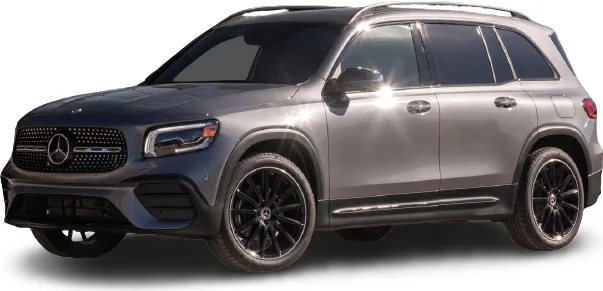
Mercedes-Benz GLB
1st gen (2020–present), facelifted 2024
Good overall as a used luxury SUV, with the 2022 and 2023 years standing strongest and the 2020 the one to skip. Early cars have rear spoilers that come off at speed and instrument clusters that go blank while driving.

Mercedes-Benz GLC
2nd gen (2023–2023)
Reliability is good overall and close to average for SUVs, but two faults stand out: a check engine light from a crankcase vent fault, and a transmission that drops into Neutral while moving. The 2020 model year is the one to avoid because of cylinder head failures.

Mercedes-Benz GLE
4th gen (2020–2023), facelifted 2024
Cylinder head failure, often near 50,000 miles, is the costliest risk on the GLE, with repairs quoted from $7,000 to $13,500. Skip the 2020, which also lets water into the footwells.
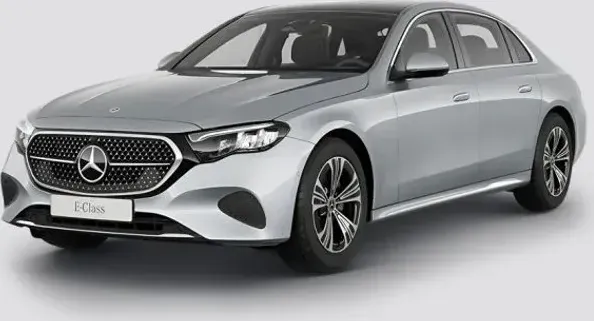
Mercedes-Benz E-Class
6th gen (2023–2023)
Owner complaints and recall records put this midsize sedan in good standing, but it trails most other sedans on the site. The 2018 and 2019 model years draw the most trouble, including blank instrument clusters and sudden electrical shutdowns.

Mercedes-Benz EQE
1st gen (2022–2023)
Used EQE shoppers get a sedan that ranks well below average among sedans on the site, with mixed standing overall. The 2024 model year is the better buy.

Mercedes-Benz Metris Passenger Van
3rd gen (2016–2023), facelifted 2024
Reliability is mixed and below average among vans. The 2023 is the pick, with no recalls or owner complaints on file, while 2019 is the year to skip after a rear tire blowout at highway speed and recall repairs that sat undone.

Mercedes-Benz A-Class
3rd gen (2013–2018), facelifted 2016
Reliability is mixed, and well below average among sedans on the site. The reports that matter most are shifters that will not leave Park and sudden acceleration while parking.
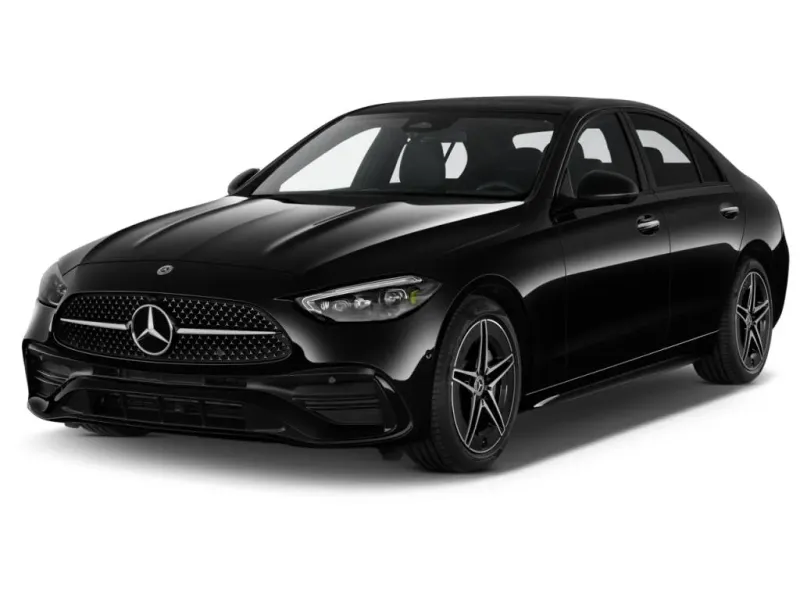
Mercedes-Benz C-Class
5th gen (2022–2023)
Mixed overall and well below average among sedans, the C-Class is a risky used buy in 2020 and 2021, when cylinder head failures and fires show up in owner filings. Across all years, a failed crankcase ventilation valve that lights the check engine lamp is the common engine complaint, and some transmissions drop into neutral while driving.
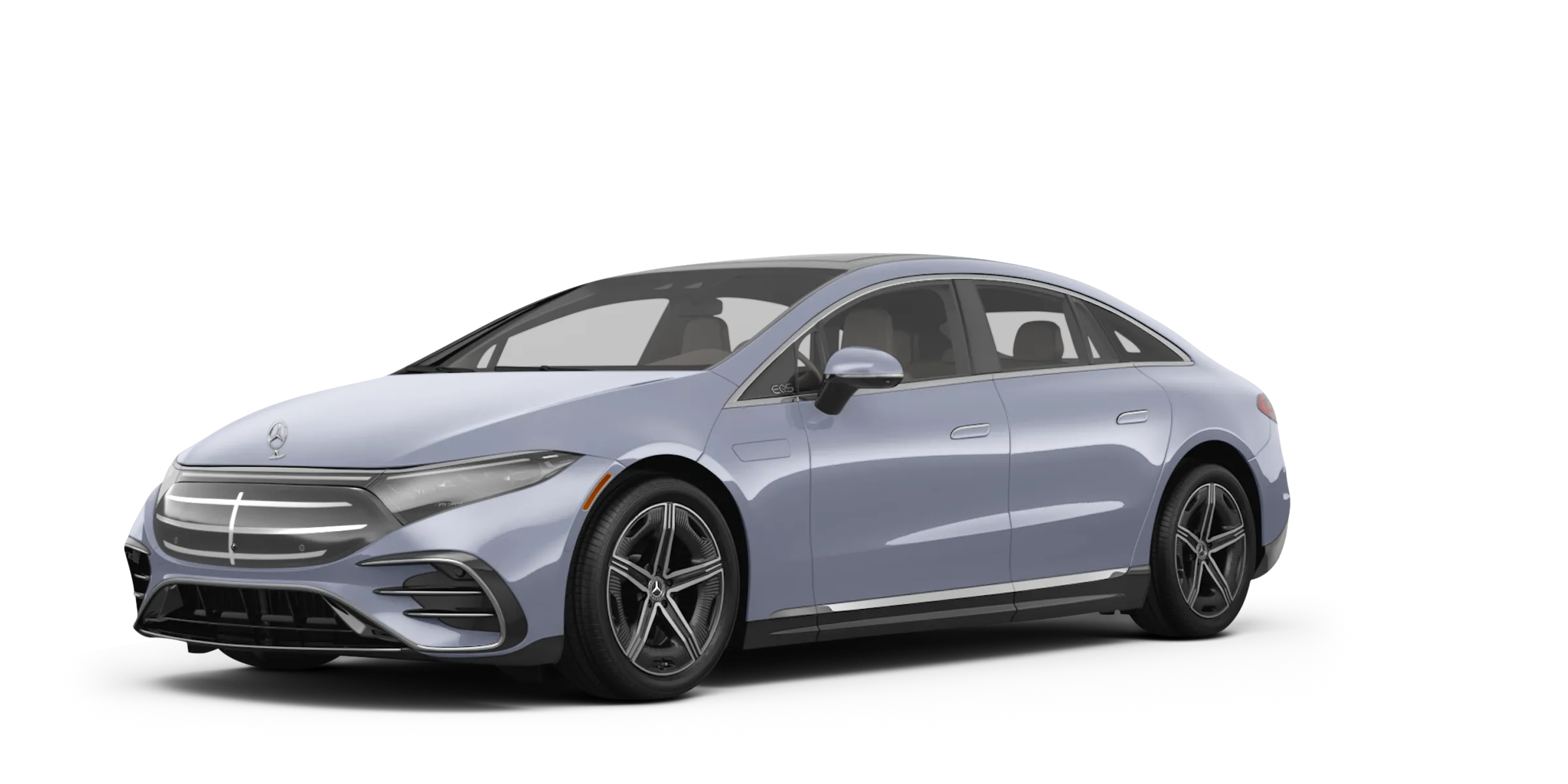
Mercedes-Benz EQS
1st gen (2022–2024), facelifted 2024
Reliability is mixed and sits well below other sedans on the site. The complaints that matter most are sudden hard braking and false automatic emergency braking, often with no warning light.
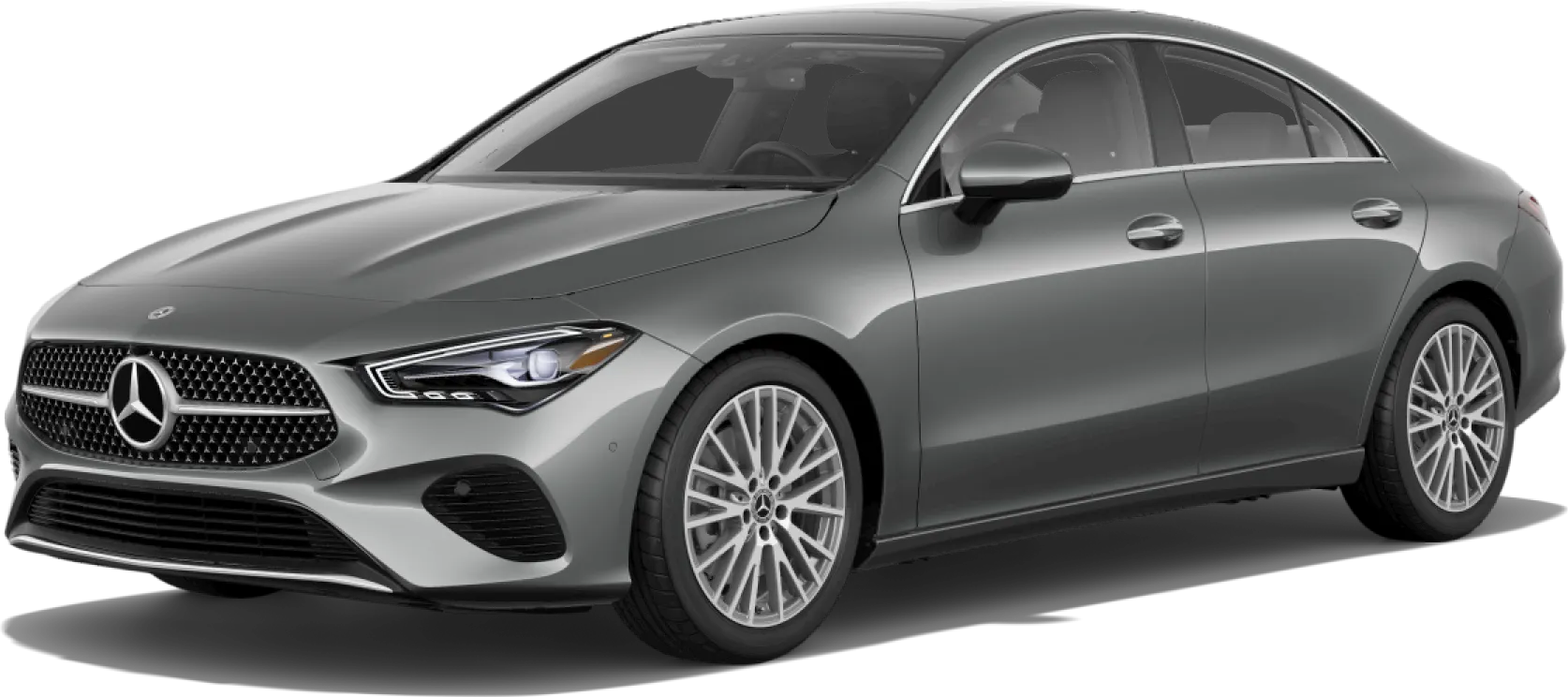
Mercedes-Benz CLA
2nd gen (2019–2023), facelifted 2023
Reliability is mixed, and the CLA sits well below other sedans on the site. The 2020 model year is the pick, with far fewer owner complaints than 2018, 2019 or 2021, while 2022 is the year to skip.
Common Mercedes-Benz Problems
Top complaint categories across all Mercedes-Benz models, based on owner-reported issues to NHTSA.
Mercedes-Benz by Category
van
- Metris Passenger Van58/100
Frequently Asked Questions
- What is the most reliable Mercedes-Benz model?
- The GLC is the most reliable Mercedes-Benz on the site, with a good standing and independent repair-cost data near $807 a year. Owners report a crankcase vent fault that lights the check engine lamp, and a transmission that drops into Neutral while moving. The 2022 is the better year to buy, and the 2020 is best avoided.
- Which Mercedes-Benz models should I avoid?
- The CLA is the least reliable model, with mixed standing and one of the largest piles of recalls and complaints. The C-Class is risky in 2020 and 2021 because of cylinder head failures and fires. The A-Class is best skipped in 2018 and 2024, and the EQS in 2022.
- Are Mercedes-Benz cars expensive to repair?
- Repair-cost data on the site covers only two models: the GLB at about $908 a year and the GLC at about $807. The bigger risk is a major engine failure. On the GLE, owners quote cylinder head repairs from $7,000 to $13,500, often near 50,000 miles.
- What problems do Mercedes-Benz owners report most?
- Electrical trouble is the most reported area, with 842 complaints across all ten models. The usual symptom is an instrument cluster that goes blank while driving, sometimes after a car wash. Engine complaints come next, led by cylinder head and valve failures. Steering complaints include front axle failures and cars that will not hold their lane.
Compare Mercedes-Benz vs Other Makes

Mercedes-Benz vs Acura
Compare reliability →

Mercedes-Benz vs Audi
Compare reliability →

Mercedes-Benz vs BMW
Compare reliability →

Mercedes-Benz vs Buick
Compare reliability →

Mercedes-Benz vs Cadillac
Compare reliability →

Mercedes-Benz vs Chevrolet
Compare reliability →

Mercedes-Benz vs Chrysler
Compare reliability →

Mercedes-Benz vs Dodge
Compare reliability →

Mercedes-Benz vs Ford
Compare reliability →

Mercedes-Benz vs GMC
Compare reliability →

Mercedes-Benz vs Genesis
Compare reliability →

Mercedes-Benz vs Honda
Compare reliability →

Mercedes-Benz vs Hyundai
Compare reliability →

Mercedes-Benz vs Infiniti
Compare reliability →

Mercedes-Benz vs Jeep
Compare reliability →

Mercedes-Benz vs Kia
Compare reliability →

Mercedes-Benz vs Land Rover
Compare reliability →

Mercedes-Benz vs Lexus
Compare reliability →

Mercedes-Benz vs Lincoln
Compare reliability →

Mercedes-Benz vs Mazda
Compare reliability →

Mercedes-Benz vs Mitsubishi
Compare reliability →

Mercedes-Benz vs Nissan
Compare reliability →

Mercedes-Benz vs Porsche
Compare reliability →

Mercedes-Benz vs Ram
Compare reliability →

Mercedes-Benz vs Rivian
Compare reliability →

Mercedes-Benz vs Subaru
Compare reliability →

Mercedes-Benz vs Tesla
Compare reliability →

Mercedes-Benz vs Toyota
Compare reliability →

Mercedes-Benz vs Volkswagen
Compare reliability →

Mercedes-Benz vs Volvo
Compare reliability →
Most Reliable Used Sedans
View rankings →
Most Reliable Used SUVs
View rankings →
Best Mercedes-Benz Years
View rankings →
How we score Mercedes-Benz models
Scores weight complaint severity at 35%, repair costs at 30%, recall impact at 20%, and the spread of complaints across systems at 15%, with complaint counts adjusted for US sales. Read the full methodology.
See incorrect data? Report an issue