Last updated: 2026-10-10
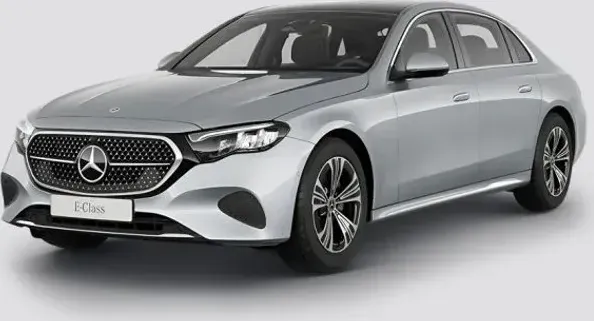
2019 Mercedes-Benz E-Class Reliability Report
The 2019 Mercedes-Benz E-Class has a mixed record, the weakest of its 8 scored years, led by instrument cluster and seat belt complaints.
Recalls
42
Complaints
100
Complaint Rate
N/A
Est. Repair Cost
$908
Detailed Score Breakdown
Component-weighted complaints normalized by sales volume
Independent repair cost ratings
Recall count weighted by severity
Breadth of reported problem categories
The Verdict
Weakest of the eight scored E-Class years, with instrument cluster blackouts, seat belt sensor faults and cracked rims leading owner complaints.
Top Issues to Watch
- ELECTRICAL SYSTEM (8)
- SEAT BELTS (7)
- ENGINE (5)
Generation & Refresh (US)
2019 is year 4 of the Fifth generation (W213).
- Redesigned for the 2016 model year.
- Well-established in its generation — most early issues should be resolved.
- A refresh arrives in 2020.
- 5th generation E-Class (US).
What this means for buyers
Well into the generation cycle — most design and manufacturing issues should be resolved by now.
2016: Fifth generation (W213) Launch
Generation start — new platform.
2019: This Model Year
2019 is year 4 of the Fifth generation (W213).
2020: Mid-Cycle Refresh
Updated features and styling tweaks.
Should You Buy the 2019 Mercedes-Benz E-Class?
Expect a mixed record. This is the weakest of the eight scored E-Class years and sits well below average among 2019 sedans. The 2018 and 2020 model years rate about the same, so neighboring years offer no clear escape. The federal crash-test rating is 5 of 5 stars.
Owners report instrument cluster blackouts that hide speed, gear and cruise control indicators while driving. Dealers often cannot reproduce them. Seat belt sensors sometimes fail to detect a buckled belt, so chimes and lights stay on and the belt may not tighten. Engine complaints include a PCV valve fault that sets code P052E and rear main seal oil leaks. Cracked rims and run-flat tire blowouts also appear, one tied to a crash with an injury. Federal records list 42 recalls, touching seat belts, air bags, steering and the fuel system.
Ask for proof that every recall was completed, especially seat belt and electrical ones. Inspect all four wheels for cracks, and look in the service history for cluster faults and oil leaks.
Compared to the 2020 Mercedes-Benz E-Class, which scored 2 points higher. See also the 2018 Mercedes-Benz E-Class for an earlier comparison.
Pros
- +5-star NHTSA crash rating
- +Well-established generation
Cons
- −Below-average reliability score
- −Above-average recall count
- −Moderate complaint volume
- −ELECTRICAL SYSTEM: Instrument cluster blackouts lead these reports (8 complaints)
Compare 2019 Mercedes-Benz E-Class With
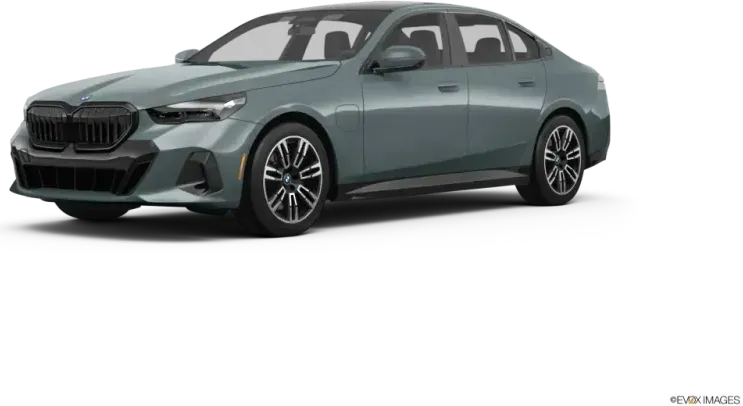
2019 BMW 5 Series
Reliability: 62/100
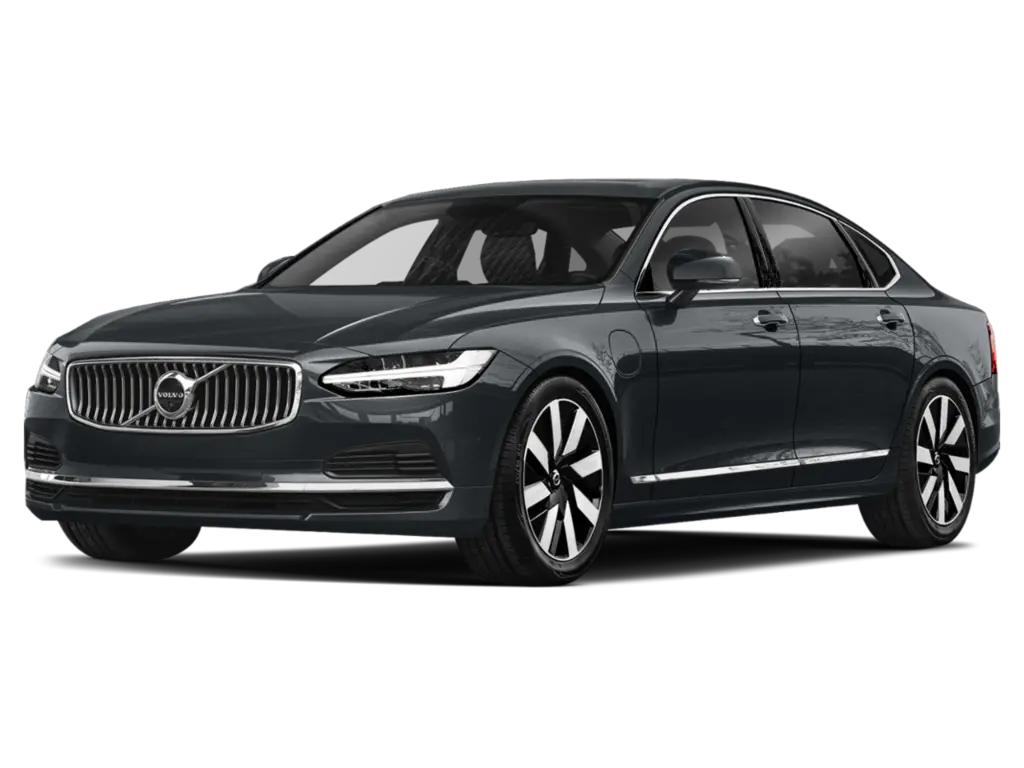
2019 Volvo S90
Reliability: 69/100
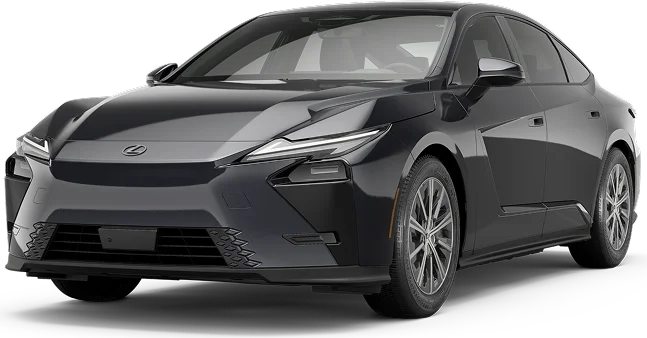
2019 Lexus ES
Reliability: 78/100

2019 Land Rover Range Rover Sport
Reliability: 56/100
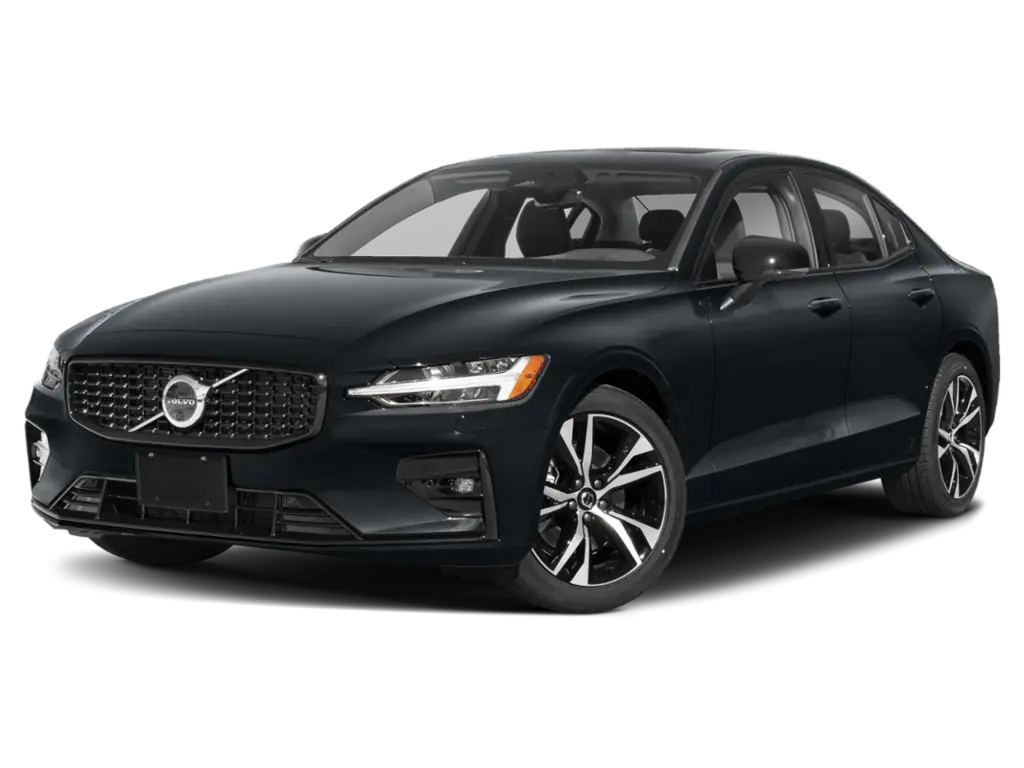
2019 Volvo S60
Reliability: 72/100
Common Problem Categories
Safety
LOW RISK- 42 manufacturer recalls issued
Other
HIGH RISK- UNKNOWN OR OTHER (8)
- ELECTRICAL SYSTEM (8)
Recall Overview
42
recalls on record
The 2019 Mercedes-Benz E-Class has 42 recalls on record, which is above average. A high count can flag multiple component concerns, though it also shows the manufacturer is actively addressing known issues.
NHTSA.gov →Complaint Breakdown
100
complaintsSafety Incidents
6
Crashes
0
Fires
4
Injuries
0
Deaths
NHTSA 5/5 Stars
Data sourced from NHTSA complaint filings and manufacturer recall notices. Complaint narratives are owner-reported.
2019 Mercedes-Benz E-Class Recall Details
42 recalls have been issued for the 2019 Mercedes-Benz E-Class. All recall repairs are performed free of charge at authorized dealerships.
TIRES
Mercedes-Benz USA, LLC (MBUSA) is recalling certain 2018 E 400 Cabriolet, E 400 Coupe, 2019 E 450 Cabriolet, and E 450 Coupe vehicles. The tires were incorrectly marked with the wrong maximum inflation pressure and may not meet the strength requirements for the stated pressure. As such, these vehicles fail to comply with the requirements of Federal Motor Vehicle Safety Standard (FMVSS) number 139, "New Pneumatic Radial Tires for Light Vehicles."
Consequence
Tires inflated to an incorrect maximum pressure may have insufficient strength, allowing the tires to fail and increasing the risk of a crash.
Remedy
Dealers will inspect and replace the tires as necessary, free of charge. Owner notification letters were mailed March 7, 2025. Owners may contact MBUSA customer service at 1-800-367-6372. MBUSA's number for this recall is 2025010008.
ELECTRICAL SYSTEM
Mercedes-Benz USA, LLC (MBUSA) is recalling certain 2019-2021 CLS 53 4MATIC, 2019-2023 E 53 4MATIC Cabriolet, E 53 4MATIC Coupe, E 53 4MATIC Sedan, 2021-2024 GT 43 4MATIC, and 2019-2025 GT 53 4MATIC vehicles. The transmission wiring harness connection might not have been correctly wired during a prior recall repair, and during production. which can expose the electrical connector to corrosion, and result in an electrical short-circuit.
Consequence
An electrical short circuit can increase the risk of a fire.
Remedy
Dealers will replace the two-part wiring harness and connector, free of charge. Interim letters, notifying owners of the safety risk, were mailed August 9, 2024. A second notice will be sent once the final remedy is available. Owners may contact MBUSA customer service at 1-877-496-3691. MBUSA's number for this recall is 2024100002/3. This recall supersedes recall 22V-533. Vehicles repaired under the prior recall will still need to have the new remedy performed.
ELECTRICAL SYSTEM
Mercedes-Benz USA, LLC (MBUSA) is recalling certain 2019-2022 CLS450 Coupe and AMG E53, 2019-2021 AMG CLS53 Coupe, and 2021-2022 E450 vehicles. The 12-Volt battery in the trunk may not be properly secured, which, in the event of a crash, can cause electrical connection failure, disabling various safety features including, emergency call (eCall) system, electric seat adjustment, hazard warning lights, and automatic door locks.
Consequence
The inability to operate safety features (eCall system, hazard lights, electric seats, or automatic door locks) can increase the risk of injury during a crash.
Remedy
Dealers will secure the 12V battery, free of charge. Owner notification letters were mailed January 20, 2023. Owners may contact MBUSA customer service at 1-800-367-6372. MBUSA's number for this recall is 2022100009.
Showing 10 of 21 recalls. View all on NHTSA.gov →
Buying a used 2019 Mercedes-Benz E-Class? Check its history first
Electrical system problems lead owner complaints about the 2019 Mercedes-Benz E-Class, and 42 recalls were issued for it. A VIN check shows whether this car's recall work was done, plus accident, title, and odometer history.
- Accidents
- Open Recalls
- Title History
- Odometer Rollback
2019 Mercedes-Benz E-Class NHTSA Safety Ratings
Overall Safety Rating
Crash Test Results by Configuration (expand)
Gas Powertrain
Rollover risk: 9.7%
Safety Technologies
Mercedes-Benz E-ClassRepair Costs & Maintenance
Maintenance Rating
3Maintenance rating: 3 out of 5Based on NHTSA complaint patterns, recall severity, and publicly available cost benchmarks.
Est. Annual Maintenance
$908
Category-level averages derived from publicly available industry reports (AAA, CarMD). Model-level estimates produced by Auto Reliability Index.
2019 Mercedes-Benz E-Class Example Repair Prices
National average price ranges for common repairs. These are not model-year-specific failure predictions.
| Repair | Estimated Cost |
|---|---|
| Drive Axle Assembly Leak Inspection | $76 – $112 |
| Air Conditioning Refrigerant Line Replacement | $1,277 – $1,538 |
| Drive Axle Assembly Drain & Refill | $68 – $89 |
| Air Conditioning Receiver Drier Assembly Replacement | $425 – $536 |
| Wheel Bearing Replacement | $531 – $730 |
| Body Control System Diagnosis & Testing | $61 – $90 |
| Wheel Replacement | $2,560 – $2,596 |
| Fuel Evaporative Canister Replacement | $578 – $635 |
| Heater Core Replacement | $1,509 – $2,043 |
| Trans Oil Pan Gasket Replacement | $581 – $808 |
Estimates based on national average repair costs. Actual costs may vary by location and shop.
Used Buying Checklist
Key things to inspect or verify before purchasing a 2019 Mercedes-Benz E-Class.
Run the VIN through a recall lookup and ask the dealer whether parts for any open recall are in stock.
Buckle both front belts and confirm the warning clears and the belts tighten on their own.
Inspect all four rims, including the inner barrels, for cracks or weld repairs, and confirm there is a way to handle a flat.
Scan for stored codes, especially P052E, and ask whether the PCV valve has been replaced.
Look under the car where the engine meets the transmission for oil seepage from the rear main seal.
Lift the driver-side floor mat and check the carpet for dampness, water stains or a musty smell.
Shift into reverse several times and confirm the camera door opens and the image stays steady.
Drive at highway speed and watch for cluster blackouts, warning lights, lost steering assist or sudden slowing.
2019 Mercedes-Benz E-Class Common Problems by Component
100 owner complaints grouped by vehicle system.
UNKNOWN OR OTHER
8 complaintsSunroof glass shattering at highway speed is the most alarming report here. It happens with no impact and showers the cabin with glass, and owners say the dealer denied warranty coverage. A crankcase ventilation (PCV) fault that sets code P052E shows up more than once. Water pooling on the driver-side floor after rain has caused the car to die and shorted its electronics. Other complaints cover a failed backup camera and a dealer that tried to charge for a recall repair.
ELECTRICAL SYSTEM
8 complaintsInstrument cluster blackouts lead these reports. The digital display fades out while driving, hiding speed, gear and cruise control indicators, and dealers often cannot reproduce it. Broken transmission wiring harnesses come up repeatedly, with owners saying dealers would not repair them. Rain getting into the cabin has knocked out the cluster. Some complaints describe recall notices where the dealer had no parts to do the work. Other reports include hesitation with a check engine light that was traced to the battery, and a power trunk lid that closed on a person.
SEAT BELTS
7 complaintsThe car sometimes fails to detect a buckled belt. Warning chimes and lights stay on while both front occupants are belted, and the belt may not tighten automatically. The fault is intermittent, so dealers often cannot replicate it, and some repairs have not fixed it. Both driver and passenger belts are affected. Other reports describe belts that will not retract, and dealers with no parts to fix them. Owners worry that crash protection may not work when the car thinks a belt is unfastened.
ENGINE (5 complaints)
ENGINE
5 complaintsA PCV valve fault that sets code P052E and turns on the check engine light is a recurring complaint. Rear main seal oil leaks also appear, and owners describe the repair as expensive and call the leak a known defect. More serious reports include a stall in the middle of a highway, with the timing chain suspected, and a variable timing valve failure that sent metal shavings into the engine and caused engine failure.
BACK OVER PREVENTION (4 complaints)
BACK OVER PREVENTION
4 complaintsThe rearview camera cuts out, distorts or shows nothing while the car is in reverse, usually with no warning light. In one report the camera door does not open, which blocks the camera. Fixes vary: one dealer repaired the display, one independent shop called it a software issue, and another mechanic found no cause. Some owners say their symptoms match a recall they read about, but the manufacturer told them their car was not included.
WHEELS (4 complaints)
WHEELS
4 complaintsSafety-relatedCracked rims are a repeat problem. A low tire pressure warning turns out to be a fractured wheel, sometimes on more than one corner, and some cracks come back after repair. Owners say rims are not covered under warranty. Run-flat tires have blown out and torn off the rim within a mile, and with no spare, drivers waited hours for a tow. One of these blowouts is tied to a crash with an injury. A separate report describes false blind spot warnings.
POWER TRAIN (3 complaints)
POWER TRAIN
3 complaintsThe car slows sharply at highway speed without warning, or every warning light comes on at once and the transmission locks in drive. Drivers then cannot shift, park or reverse until they restart the car. ESP, steering assist and lane tracking warnings appear along with erratic cruise control and delayed acceleration. Problems return after dealer visits. One report puts the onset at 7200 miles on a car two years old.
STEERING (3 complaints)
STEERING
3 complaintsPower steering assist cuts out at freeway speed. Warning lights flash and the wheel suddenly takes much more effort to turn. Lane-keeping steering has followed stray road markings and pulled the car toward another lane or the median at speed. In other reports the wheel moves rapidly left and right on its own. All of these happen on highways and carry a real risk of losing control.
FUEL/PROPULSION SYSTEM (2 complaints)
FUEL/PROPULSION SYSTEM
2 complaintsSafety-relatedIn one crash report, a stopped car lurched forward on its own and went through a fence despite braking. The other complaint describes a high-pressure fuel line weeping gasoline, which leaves a strong fuel smell in the cabin when the heat is on. Both involve serious safety risk, though each pattern rests on a single report.
AIR BAGS (2 complaints)
AIR BAGS
2 complaintsSafety-relatedOne crash report with an injury says the airbags did not deploy and the seat belts did not restrain the driver or passenger in a side impact. The other complaint repeats the seat belt detection fault: the car sometimes does not sense a fastened belt and the belt does not tighten. Owners link that fault to concerns about how the restraints work in a crash.
Best & Worst Mercedes-Benz E-Class Years
Best Mercedes-Benz E-Class Years to Buy
Based on reliability index scoreMercedes-Benz E-Class Years to Avoid
2019
(Current Model)
2018
Mercedes-Benz E-Class Reliability Score Trend
Scores 0–100. Higher is better. Current year highlighted.
| Year | Score | Rating |
|---|---|---|
| 2018 | 55/100 | Mixed |
| 2019 | 54/100 | Mixed |
| 2020 | 56/100 | Mixed |
| 2021 | 56/100 | Mixed |
| 2022 | 60/100 | Good |
| 2023 | 63/100 | Good |
| 2024 | 63/100 | Good |
| 2026 | 76/100 | Good |
Mercedes-Benz E-Class Reliability Compared to Other Years
Frequently Asked Questions
Is the 2019 Mercedes-Benz E-Class reliable?
What are the most common problems with the 2019 Mercedes-Benz E-Class?
Does the 2019 Mercedes-Benz E-Class have instrument cluster problems?
Does the 2019 Mercedes-Benz E-Class have seat belt problems?
How many recalls does the 2019 Mercedes-Benz E-Class have?
Don’t buy a 2019 Mercedes-Benz E-Class without checking its VIN first — hidden accidents, title issues, and open recalls could cost you thousands.
How we score the 2019 Mercedes-Benz E-Class
Of the four inputs behind this score, the 2019 Mercedes-Benz E-Class does best on repair costs (60/100) and worst on recall impact (44/100). Scores weight complaint severity at 35%, repair costs at 30%, recall impact at 20%, and the spread of complaints across systems at 15%, with complaint counts adjusted for US sales. Read the full methodology.
Get notified when new recalls or reliability data is added for the Mercedes-Benz E-Class.
No spam. Only data updates for this model.
Browse More Mercedes-Benz Models
Mercedes-Benz A-Class
Score: 64/100
Mercedes-Benz C-Class
Score: 82/100
Mercedes-Benz CLA
Score: 64/100
Mercedes-Benz EQE
Score: 61/100
Mercedes-Benz EQS
Score: 61/100
Mercedes-Benz GLB
Score: 72/100
Browse More 2019 Vehicles
2019 Lexus RX
Score: 82/100
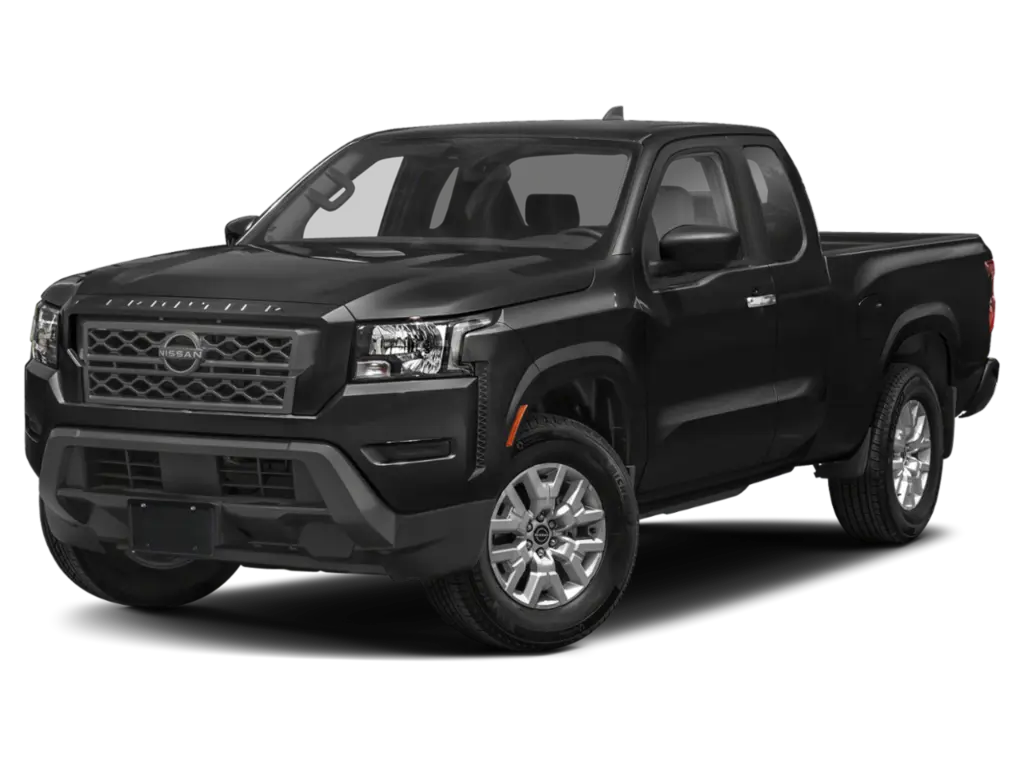
2019 Nissan Frontier
Score: 80/100
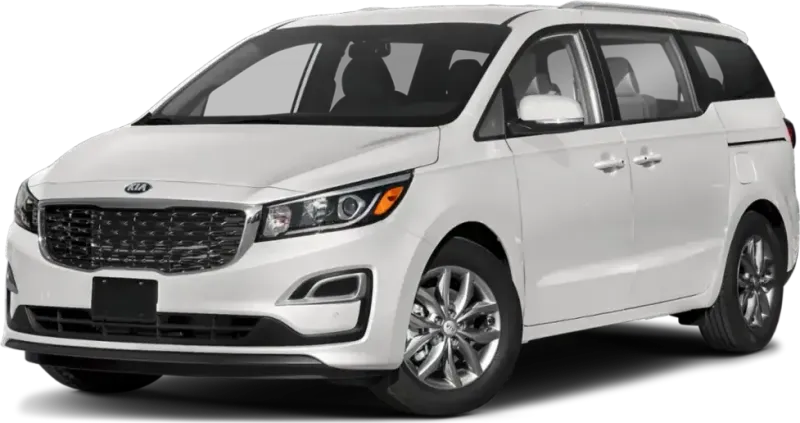
2019 Kia Sedona
Score: 80/100
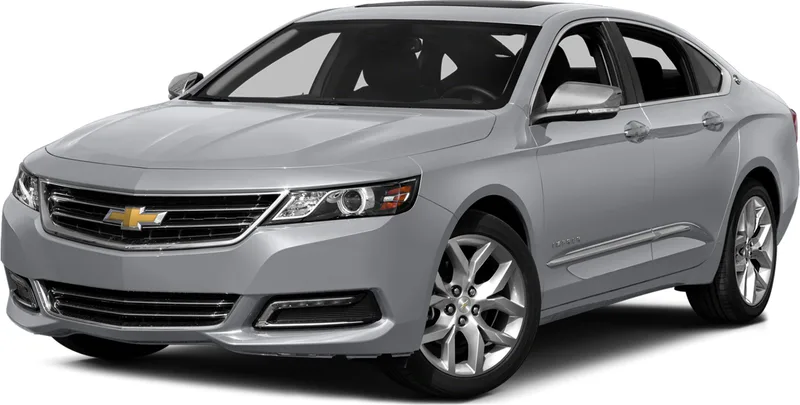
2019 Chevrolet Impala
Score: 79/100
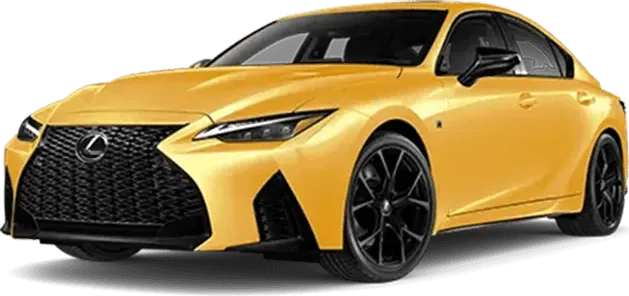
2019 Lexus IS
Score: 79/100
2019 Lexus ES
Score: 78/100
See incorrect data? Report an issue