Last updated: 2026-10-10
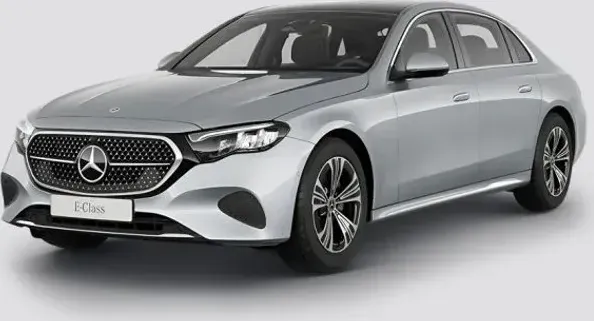
2020 Mercedes-Benz E-Class Reliability Report
The 2020 Mercedes-Benz E-Class has mixed reliability and trails other 2020 sedans, with fire and stalling reports among its worst complaints.
Recalls
26
Complaints
35
Complaint Rate
N/A
Est. Repair Cost
$908
Detailed Score Breakdown
Component-weighted complaints normalized by sales volume
Independent repair cost ratings
Recall count weighted by severity
Breadth of reported problem categories
The Verdict
A facelift-year E-Class with mixed standing, mid-pack among its eight scored years, and complaints centered on engine fire, stalling and failing rearview cameras.
Top Issues to Watch
- ENGINE (3)
- BACK OVER PREVENTION (3)
- POWER TRAIN (2)
Generation & Refresh (US)
2020 received a facelift update for the Fifth generation (W213).
- Changes: Design updates and new technology; Improved performance options.
- Year 5 in this generation (2016–2023).
- 5th generation E-Class (US).
What this means for buyers
Refresh years bring updates but can also introduce new issues. Check early recall data before buying.
2016: Fifth generation (W213) Launch
Generation start — new platform.
2020: This Model Year (Refresh)
2020 received a facelift update for the Fifth generation (W213).
Should You Buy the 2020 Mercedes-Benz E-Class?
Mixed is the fair verdict. Among 2020 sedans this E-Class sits well below average, and within its own scored years it lands in the middle of eight. The 2019 and 2021 cars rate about the same, so neither neighbor is a clear escape. Crash protection is strong at 5 of 5 federal stars.
Owners filed 35 complaints, four involving fire. One reported an engine compartment fire at about 18,000 miles in a parked, switched-off car, with no warning lights first. Others describe the engine shutting down at highway speed with no check-engine light. Rearview cameras freeze, go black, or show an inoperable message, mostly between about 34,000 and 48,000 miles. A power trunk lid that closed on a person's head is among eight injury complaints.
Federal recall records show 26 recalls, including electrical, fuel system, seat, and engine cooling areas. Ask for proof that each one was completed, and for any camera repair history.
Compared to the 2021 Mercedes-Benz E-Class, which scored the same. See also the 2019 Mercedes-Benz E-Class for an earlier comparison.
Pros
- +Low complaint frequency
- +5-star NHTSA crash rating
Cons
- −Below-average reliability score
- −Above-average recall count
- −ENGINE: Fire breaks out in the engine compartment in one report (3 complaints)
- −BACK OVER PREVENTION: While reversing, the rearview camera image freezes, goes black after a few... (3 complaints)
- −4 fire incidents reported in owner complaints
Compare 2020 Mercedes-Benz E-Class With
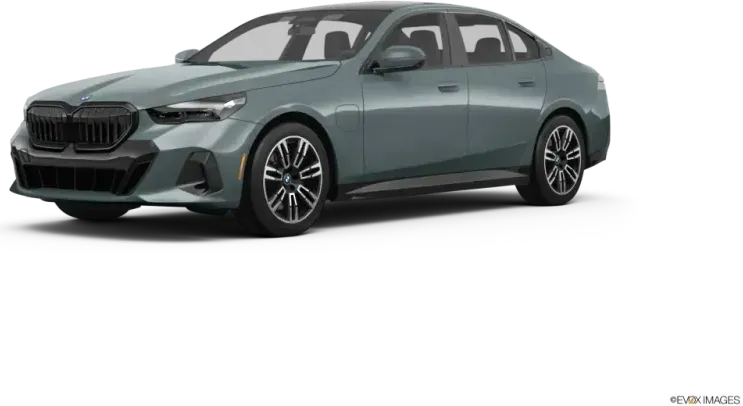
2020 BMW 5 Series
Reliability: 67/100
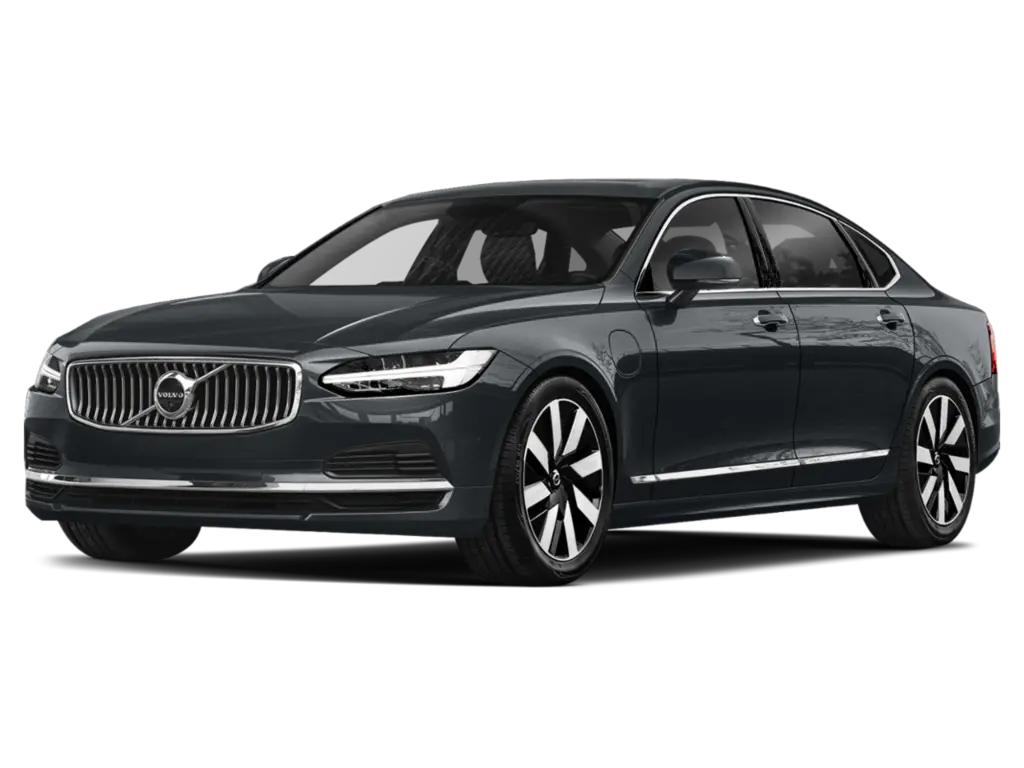
2020 Volvo S90
Reliability: 66/100
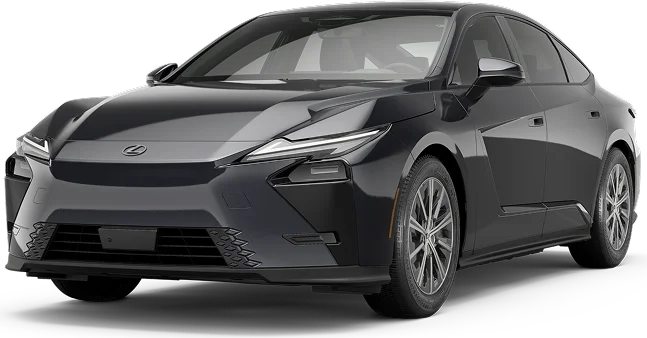
2020 Lexus ES
Reliability: 83/100
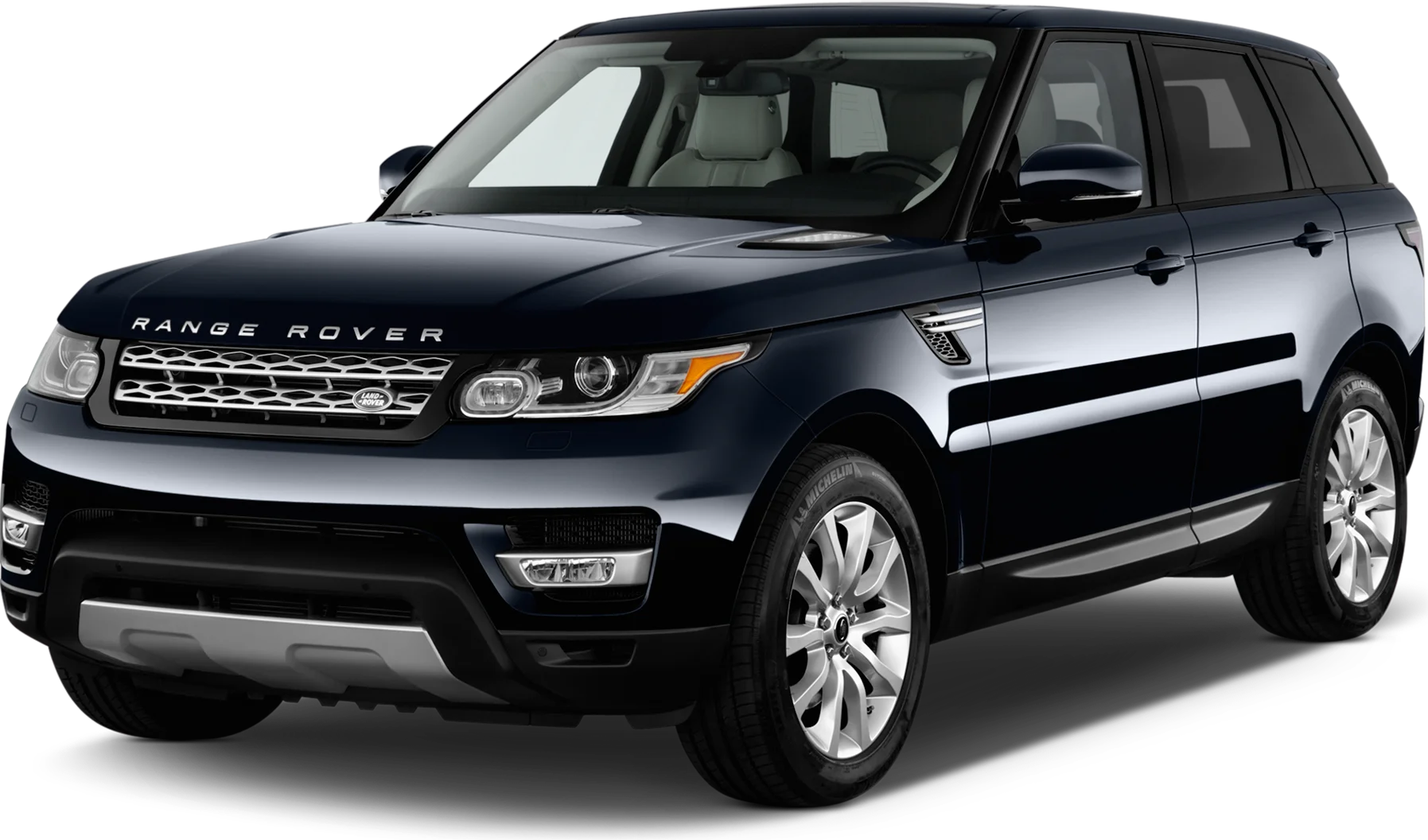
2020 Land Rover Range Rover Sport
Reliability: 42/100
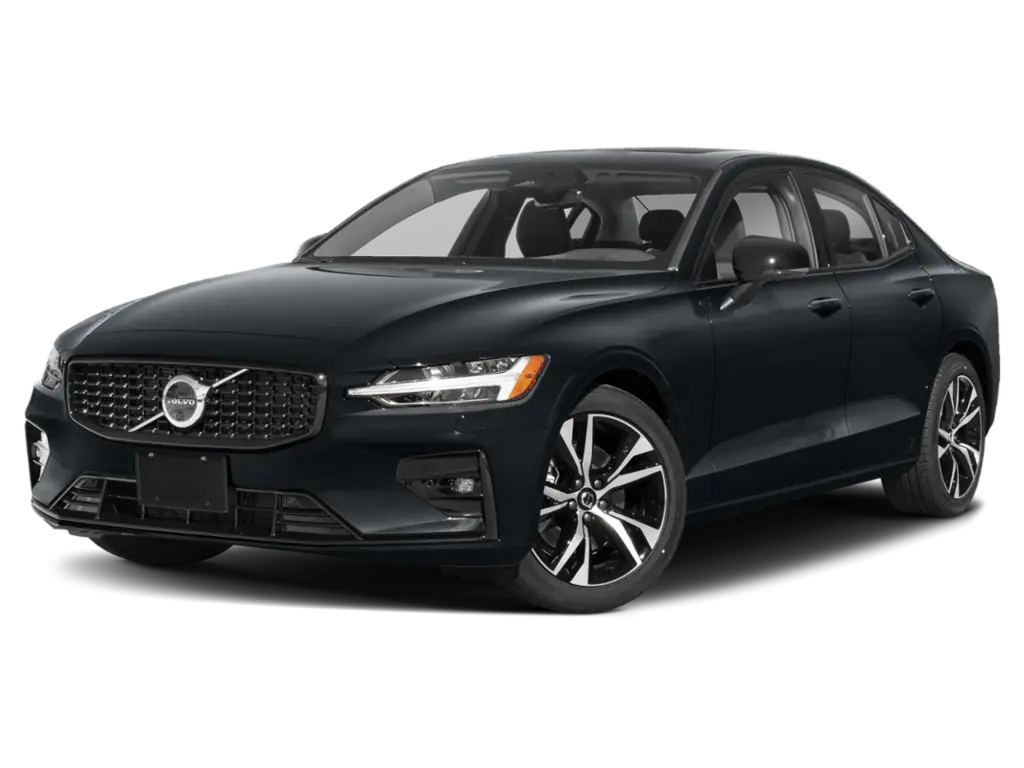
2020 Volvo S60
Reliability: 72/100
Common Problem Categories
Safety
LOW RISK- 26 manufacturer recalls issued
Other
HIGH RISK- ENGINE (3)
- BACK OVER PREVENTION (3)
Recall Overview
26
recalls on record
The 2020 Mercedes-Benz E-Class has 26 recalls on record, which is above average. A high count can flag multiple component concerns, though it also shows the manufacturer is actively addressing known issues.
NHTSA.gov →Complaint Breakdown
35
complaintsSafety Incidents
0
Crashes
4
Fires
8
Injuries
0
Deaths
NHTSA 5/5 Stars
Data sourced from NHTSA complaint filings and manufacturer recall notices. Complaint narratives are owner-reported.
2020 Mercedes-Benz E-Class Recall Details
26 recalls have been issued for the 2020 Mercedes-Benz E-Class. All recall repairs are performed free of charge at authorized dealerships.
ELECTRICAL SYSTEM
Mercedes-Benz USA, LLC (MBUSA) is recalling certain 2019-2021 CLS 53 4MATIC, 2019-2023 E 53 4MATIC Cabriolet, E 53 4MATIC Coupe, E 53 4MATIC Sedan, 2021-2024 GT 43 4MATIC, and 2019-2025 GT 53 4MATIC vehicles. The transmission wiring harness connection might not have been correctly wired during a prior recall repair, and during production. which can expose the electrical connector to corrosion, and result in an electrical short-circuit.
Consequence
An electrical short circuit can increase the risk of a fire.
Remedy
Dealers will replace the two-part wiring harness and connector, free of charge. Interim letters, notifying owners of the safety risk, were mailed August 9, 2024. A second notice will be sent once the final remedy is available. Owners may contact MBUSA customer service at 1-877-496-3691. MBUSA's number for this recall is 2024100002/3. This recall supersedes recall 22V-533. Vehicles repaired under the prior recall will still need to have the new remedy performed.
ELECTRICAL SYSTEM
Mercedes-Benz USA, LLC (MBUSA) is recalling certain 2019-2022 CLS450 Coupe and AMG E53, 2019-2021 AMG CLS53 Coupe, and 2021-2022 E450 vehicles. The 12-Volt battery in the trunk may not be properly secured, which, in the event of a crash, can cause electrical connection failure, disabling various safety features including, emergency call (eCall) system, electric seat adjustment, hazard warning lights, and automatic door locks.
Consequence
The inability to operate safety features (eCall system, hazard lights, electric seats, or automatic door locks) can increase the risk of injury during a crash.
Remedy
Dealers will secure the 12V battery, free of charge. Owner notification letters were mailed January 20, 2023. Owners may contact MBUSA customer service at 1-800-367-6372. MBUSA's number for this recall is 2022100009.
ELECTRICAL SYSTEM
Mercedes-Benz USA, LLC (MBUSA) is recalling certain 2021-2022 AMG GT43, 2019-2022 AMG E53, E53 Coupe, E53 Cabriolet, AMG GT53, and 2019-2021 AMG CLS53 vehicles. The transmission wiring harness may be misrouted, which can expose the electrical connector to corrosion, and result in an electrical short-circuit.
Consequence
An electrical short-circuit can increase the risk of a fire.
Remedy
Dealers will inspect and repair the electrical connector, as necessary. Dealers will also reroute the harness and install an additional bracket. All repairs will be performed free of charge. Owner notification letters were mailed October 14, 2022. Owners may contact MBUSA customer service at 1-800-367-6372. MBUSA's number for this recall is 2022080010.
Showing 10 of 15 recalls. View all on NHTSA.gov →
Buying a used 2020 Mercedes-Benz E-Class? Check its history first
Engine problems lead owner complaints about the 2020 Mercedes-Benz E-Class, and 26 recalls were issued for it. A VIN check shows whether this car's recall work was done, plus accident, title, and odometer history.
- Accidents
- Open Recalls
- Title History
- Odometer Rollback
2020 Mercedes-Benz E-Class NHTSA Safety Ratings
Overall Safety Rating
Crash Test Results by Configuration (expand)
Gas Powertrain
Rollover risk: 9.7%
Safety Technologies
Mercedes-Benz E-ClassRepair Costs & Maintenance
Maintenance Rating
3Maintenance rating: 3 out of 5Based on NHTSA complaint patterns, recall severity, and publicly available cost benchmarks.
Est. Annual Maintenance
$908
Category-level averages derived from publicly available industry reports (AAA, CarMD). Model-level estimates produced by Auto Reliability Index.
2020 Mercedes-Benz E-Class Example Repair Prices
National average price ranges for common repairs. These are not model-year-specific failure predictions.
| Repair | Estimated Cost |
|---|---|
| Drive Axle Assembly Leak Inspection | $76 – $112 |
| Air Conditioning Refrigerant Line Replacement | $1,277 – $1,538 |
| Drive Axle Assembly Drain & Refill | $68 – $89 |
| Air Conditioning Receiver Drier Assembly Replacement | $425 – $536 |
| Wheel Bearing Replacement | $531 – $730 |
| Body Control System Diagnosis & Testing | $61 – $90 |
| Wheel Replacement | $2,560 – $2,596 |
| Fuel Evaporative Canister Replacement | $578 – $635 |
| Heater Core Replacement | $1,509 – $2,043 |
| Trans Oil Pan Gasket Replacement | $581 – $808 |
Estimates based on national average repair costs. Actual costs may vary by location and shop.
Used Buying Checklist
Key things to inspect or verify before purchasing a 2020 Mercedes-Benz E-Class.
Shift into reverse several times and confirm the camera image appears and stays live longer than 10 seconds.
Open each front door partway and confirm the hinges hold it in place without swinging shut.
Close the power trunk with a soft object in its path and confirm it stops before contact.
Look under the hood for oil around the camshaft sensor and on the engine wiring harness.
Scan for stored fault codes, especially P06DA00, and review the full dealer service history.
Inspect front tire sidewalls where they meet the tread for tears, splits, or bulges.
Stop with start/stop active and confirm the engine restarts promptly when you press the accelerator.
Take a long highway test drive and watch for stalling, power loss, or dimming dashboard lights.
2020 Mercedes-Benz E-Class Common Problems by Component
35 owner complaints grouped by vehicle system.
ENGINE
3 complaintsSafety-relatedFire breaks out in the engine compartment in one report. It happened at about 18,000 miles while the car was parked and switched off, shortly after a dealer service, and no warning lights came on beforehand. Other reports describe the engine shutting down at highway speed and stalling several more times after restarting, again with no check-engine light. In another case, the AC compressor failed in traffic and locked up the engine so it would not restart. Stalling in traffic carries a crash risk. One stalling case sat in a dealer repair backlog.
BACK OVER PREVENTION
3 complaintsWhile reversing, the rearview camera image freezes, goes black after a few seconds, or does not appear at all. Sometimes the screen shows a message that the camera is inoperable. Reports cluster between about 34,000 and 48,000 miles. A blank camera while backing up raises the risk of hitting people or objects. One report also says the rear emblem sometimes blocks the image. Most of these cars were not diagnosed or repaired, and one had the camera replaced. Dealers and the manufacturer gave owners conflicting answers.
POWER TRAIN
2 complaintsOil leaks from the camshaft sensor and wicks through the engine wiring harness until the harness corrodes. This turned up at about 50,000 miles and required an expensive repair. It causes misfiring, low system voltage, and partial or total power loss, with no advance warning. A warranty company denied the claim. Separately, the start/stop system shuts off the engine at a light but does not restart it when the accelerator is pressed, so the car rolls into the intersection. That failure happened twice with no warning light.
UNKNOWN OR OTHER (2 complaints)
UNKNOWN OR OTHER
2 complaintsThe dashboard lights dim and then the car shuts down completely with no warning lamps or messages. It restarts briefly, dies again, and ends up towed to a dealer. A sudden shutdown in traffic is a crash hazard. Another report describes an intermittent Engine Warning message on a low-mileage car. The dealer traced it to fault code P06DA00, an inoperative oil pump valve, and estimated the repair at over $5k.
ELECTRICAL SYSTEM (2 complaints)
ELECTRICAL SYSTEM
2 complaintsSafety-relatedSmoke and then fire come from the engine compartment while the car sits at a stop light. The fire destroyed a car with under 15000 miles that was still under warranty. The manufacturer's only response was a standard report form. In a separate case, the power trunk lid fails to detect an obstruction and closes on a person's head, causing an injury. Both failures carry a direct injury risk: one from fire, the other from the trunk's obstruction sensing.
STRUCTURE (2 complaints)
STRUCTURE
2 complaintsDoor hinge detents stop holding the long, heavy doors open. A door can swing shut on a leg, ankle, or foot during exit, and one injury is reported. Replacing the hinges fixed the problem for only about a month before it came back. Separately, the panoramic sunroof shatters with a loud pop while driving on the highway with no outside impact, and glass showers the cabin. The manufacturer denied responsibility for the sunroof failure.
TIRES (2 complaints)
TIRES
2 complaintsThe front tires tear where the sidewall meets the tread. The damage was found during routine service at around 15,000 to 17,000 miles, and the 245/35 R20 size involved is reported as no longer available. Another report describes a sidewall splitting on the road and the tire deflating. Within about 3 miles the tread separated and struck the wheel well, leaving the car undriveable. The car runs on run-flat tires and carries no spare, so a failure like this can leave the driver stranded.
LATCHES/LOCKS/LINKAGES (1 complaints)
LATCHES/LOCKS/LINKAGES
1 complaintThe contact owns a 2020 Mercedes-Benz E450. The contact stated while attempting to open and close the door, the door failed to remain open. Additionally, on several occasions, the door closed independently. The vehicle was repaired however, the failure persisted. The manufacturer was informed of the failure. The contact was awaiting a callback. The failure mileage was approximately 8,000.
FUEL SYSTEM (1 complaints)
FUEL SYSTEM
1 complaintThe contact owns a 2020 Mercedes-Benz E350. The contact stated that while driving at an undisclosed speed, the contact detected an abnormally strong fuel odor inside the vehicle. The check engine warning light was illuminated. The vehicle was taken to an independent mechanic and the dealer, who determined that the fuel injector in cylinder #3 needed to be replaced. The vehicle was not repaired. The contact related the failure to NHTSA Campaign Number: 21V961000 (Fuel System, Gasoline); however, the VIN was not included in the recall. The manufacturer was made aware of the failure and advised the contact to file a complaint with the NHTSA Hotline. The failure mileage was approximately 37,000.
VISIBILITY (1 complaints)
VISIBILITY
1 complaintThe contact owns a 2020 Mercedes Benz E350. The contact stated that while driving at 60 MPH, she heard a loud abnormal sound emit from the vehicle as glass shattered from the vehicle's panoramic sunroof. The contact immediately pulled over as she, her husband, and her dog suffered minor injuries from the glass shard from the sunroof. The contact managed to clean out the vehicle, used cardboard to tape up the sunroof, and drove the vehicle to her destination. The contact then drove the vehicle to the dealer where she was given an estimate for the repair. The manufacturer had yet to be notified of the failure. The vehicle had yet to be repaired. The failure mileage was approximately 48,000.
Best & Worst Mercedes-Benz E-Class Years
Best Mercedes-Benz E-Class Years to Buy
Based on reliability index scoreMercedes-Benz E-Class Years to Avoid
Mercedes-Benz E-Class Reliability Score Trend
Scores 0–100. Higher is better. Current year highlighted.
| Year | Score | Rating |
|---|---|---|
| 2018 | 55/100 | Mixed |
| 2019 | 54/100 | Mixed |
| 2020 | 56/100 | Mixed |
| 2021 | 56/100 | Mixed |
| 2022 | 60/100 | Good |
| 2023 | 63/100 | Good |
| 2024 | 63/100 | Good |
| 2026 | 76/100 | Good |
Mercedes-Benz E-Class Reliability Compared to Other Years
Frequently Asked Questions
Is the 2020 Mercedes-Benz E-Class reliable?
What are the most common problems with the 2020 Mercedes-Benz E-Class?
Does the 2020 Mercedes-Benz E-Class have rearview camera problems?
Are there fire complaints on the 2020 Mercedes-Benz E-Class?
Is the 2020 Mercedes-Benz E-Class better than the 2019 or 2021?
Don’t buy a 2020 Mercedes-Benz E-Class without checking its VIN first — hidden accidents, title issues, and open recalls could cost you thousands.
How we score the 2020 Mercedes-Benz E-Class
Of the four inputs behind this score, the 2020 Mercedes-Benz E-Class does best on repair costs (60/100) and worst on recall impact (50/100). Scores weight complaint severity at 35%, repair costs at 30%, recall impact at 20%, and the spread of complaints across systems at 15%, with complaint counts adjusted for US sales. Read the full methodology.
Get notified when new recalls or reliability data is added for the Mercedes-Benz E-Class.
No spam. Only data updates for this model.
Browse More Mercedes-Benz Models
Mercedes-Benz A-Class
Score: 64/100
Mercedes-Benz C-Class
Score: 82/100
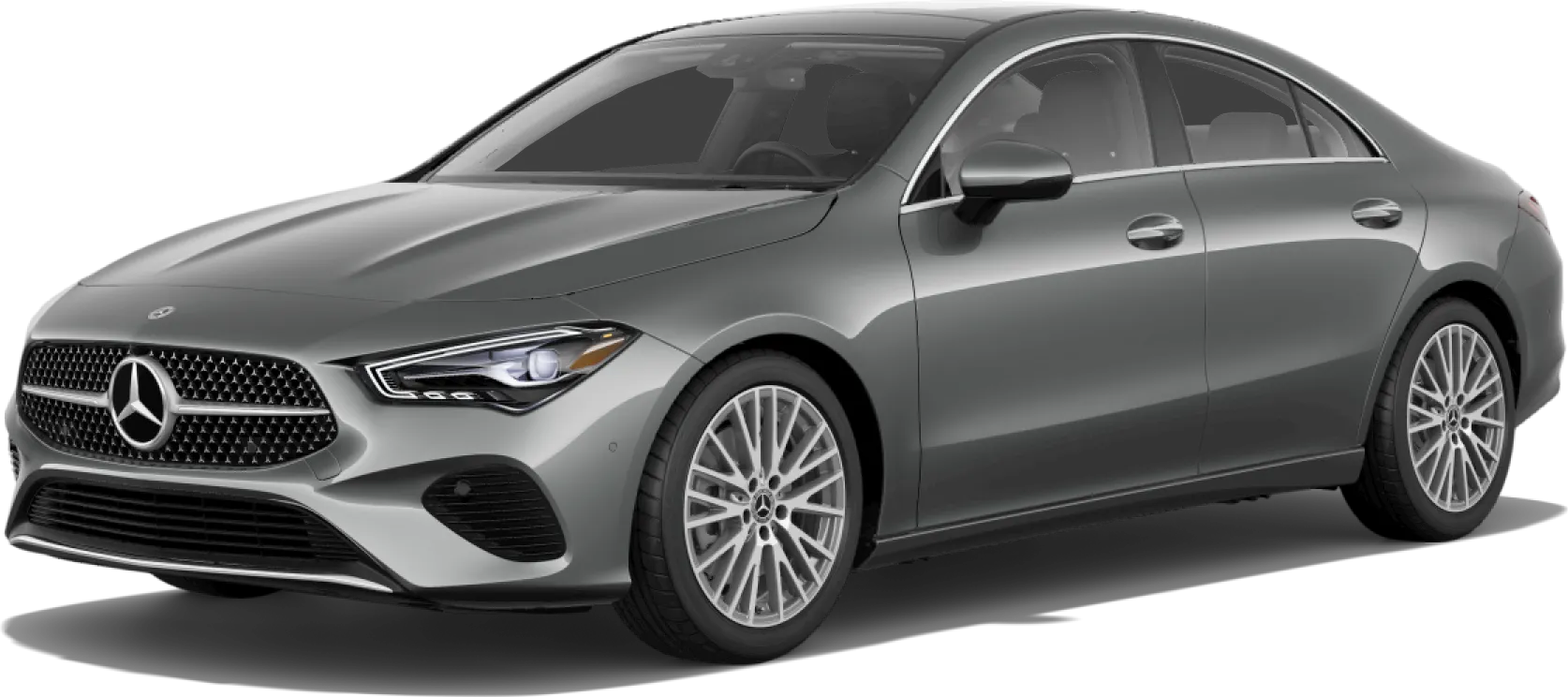
Mercedes-Benz CLA
Score: 64/100
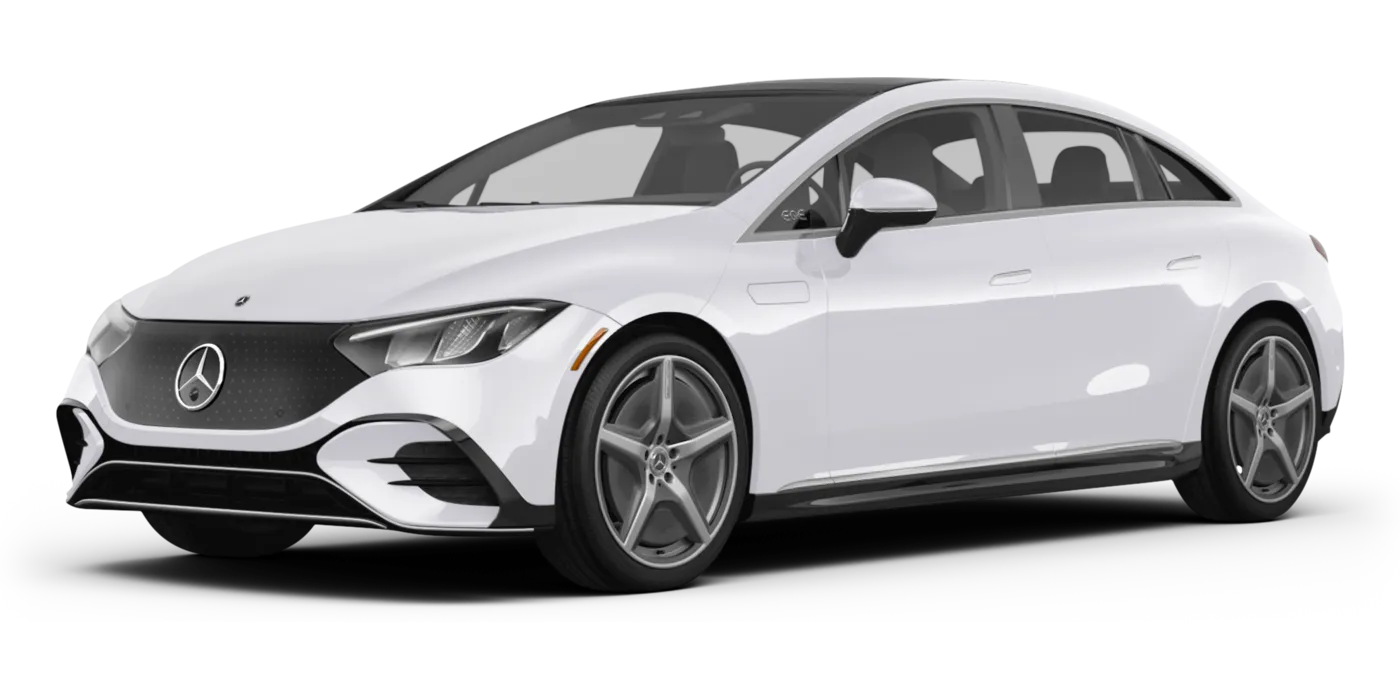
Mercedes-Benz EQE
Score: 61/100
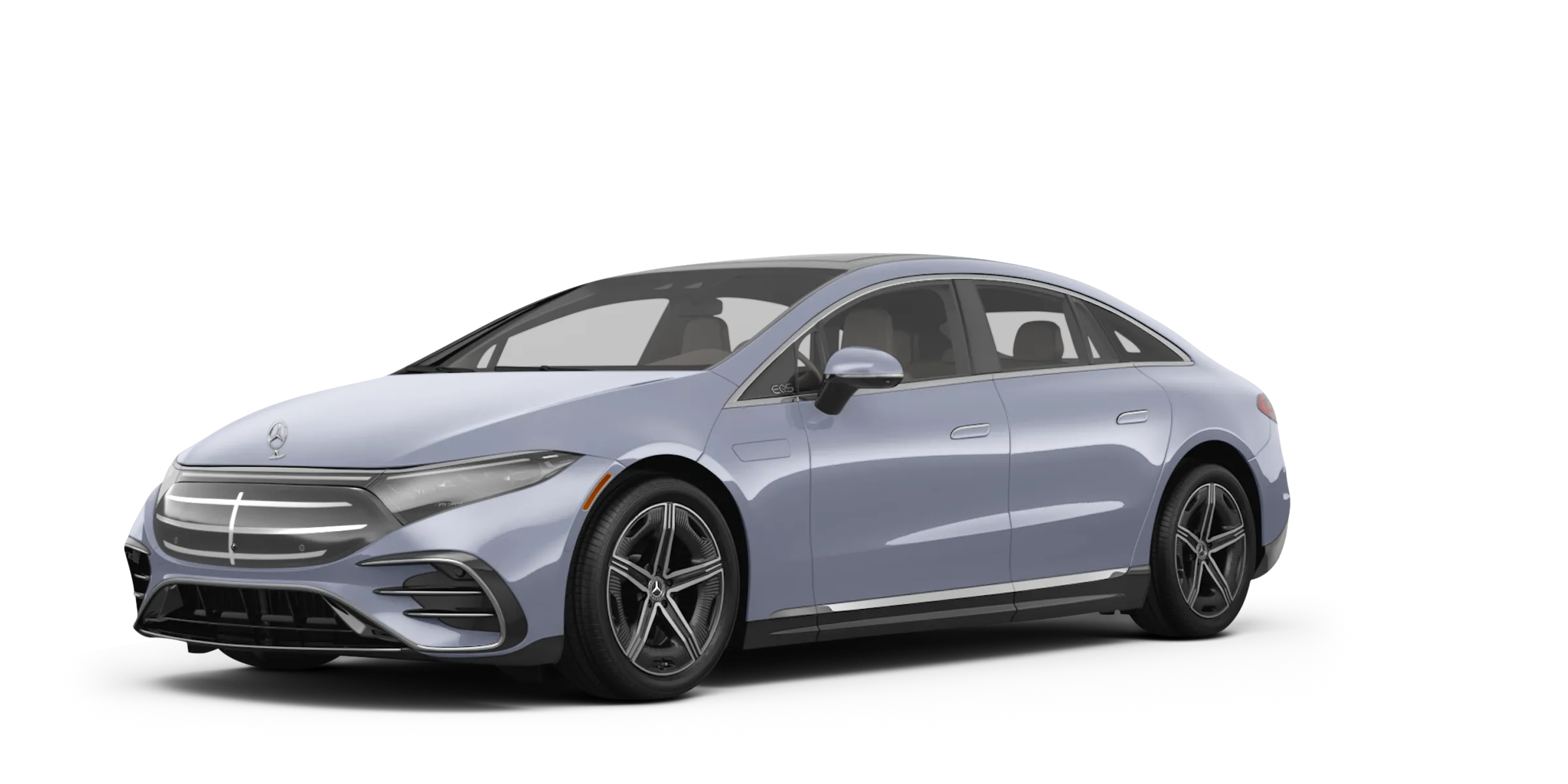
Mercedes-Benz EQS
Score: 61/100
Mercedes-Benz GLB
Score: 72/100
Browse More 2020 Vehicles
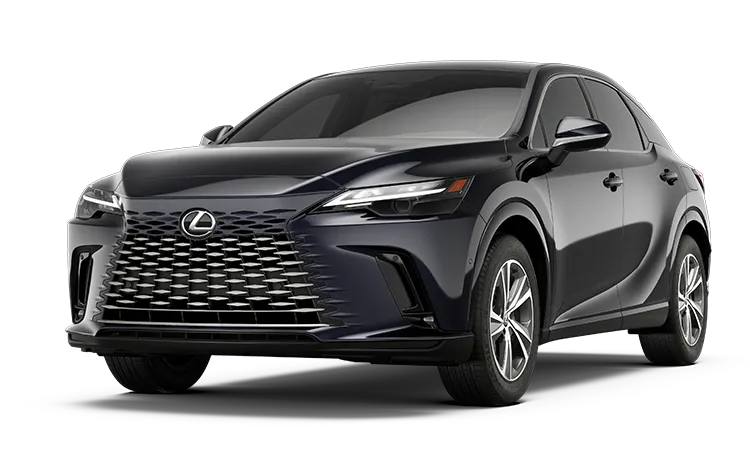
2020 Lexus RX
Score: 86/100
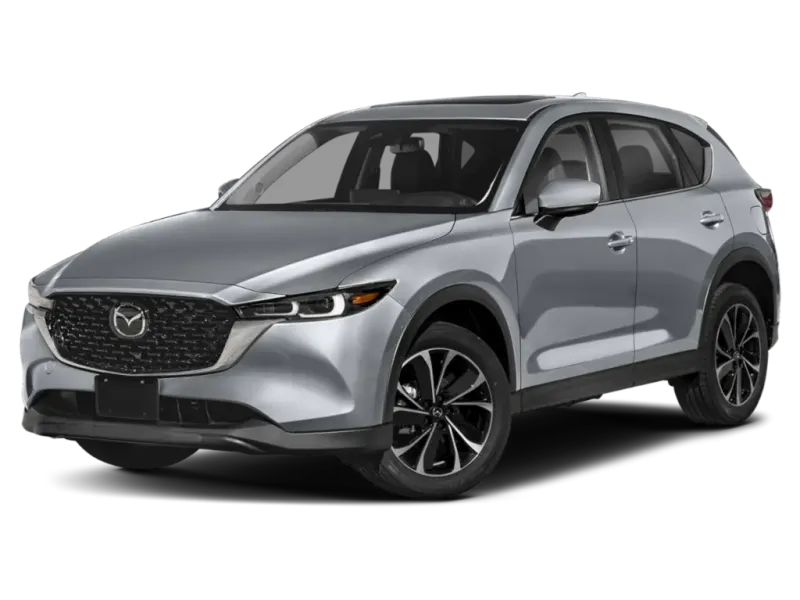
2020 Mazda CX-5
Score: 86/100
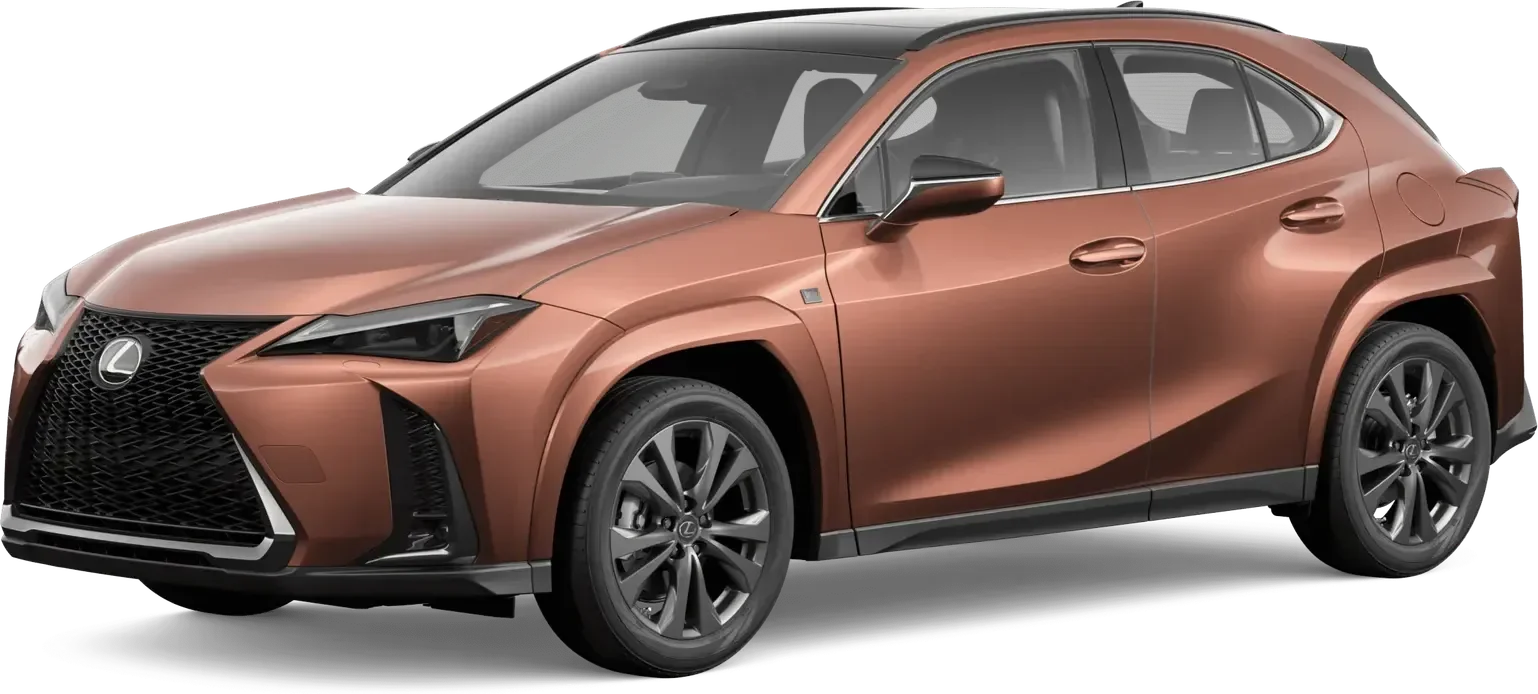
2020 Lexus UX
Score: 84/100
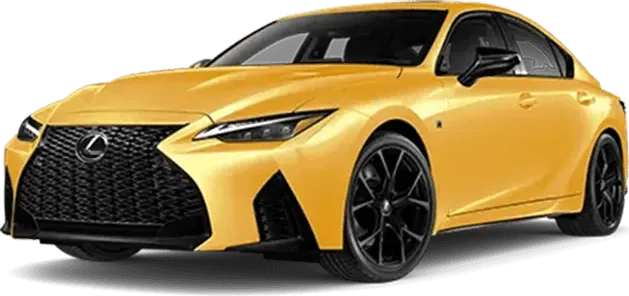
2020 Lexus IS
Score: 83/100
2020 Lexus ES
Score: 83/100
2020 Dodge Grand Caravan
Score: 83/100
See incorrect data? Report an issue