Last updated: 2026-10-10
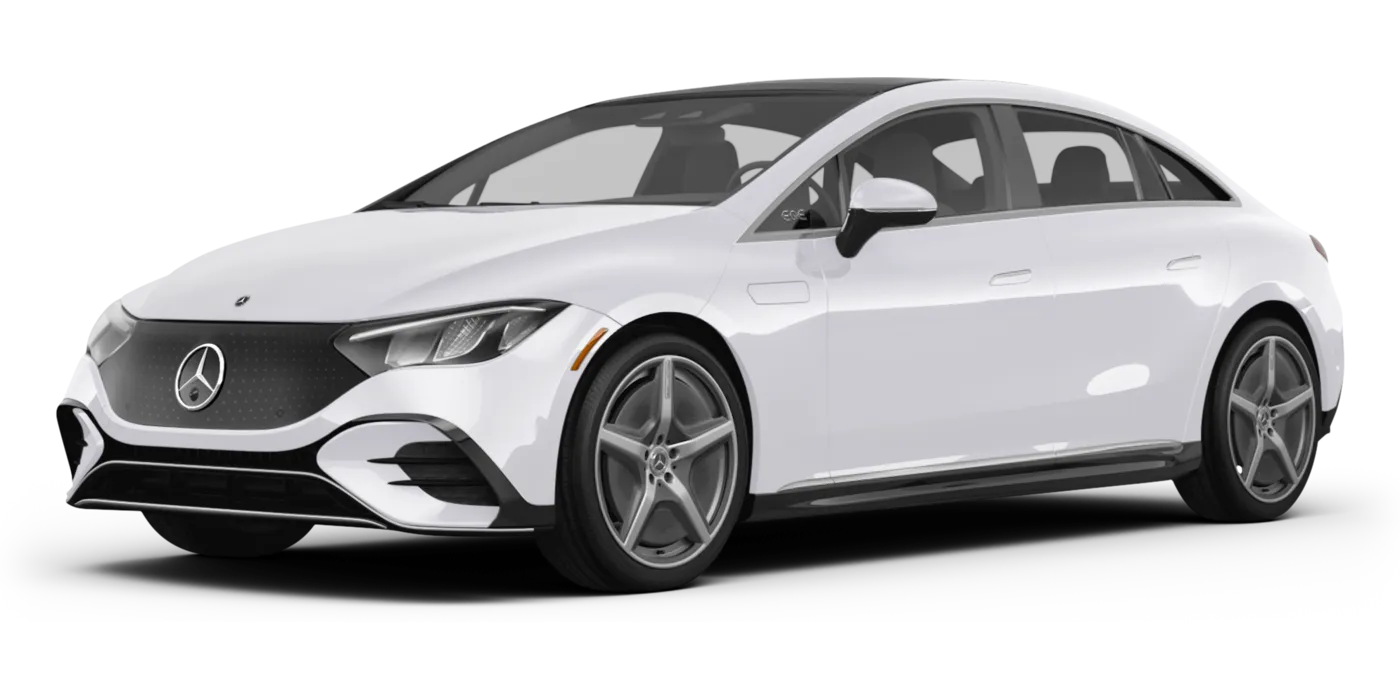
Mercedes-Benz EQE Reliability by Year
Mercedes-Benz EQE reliability: the 2024 is the stronger pick, but sudden power loss and a 2023 fire report are worth checking before you buy.
Mercedes-Benz EQE Reliability Overview
Used EQE shoppers get a sedan that ranks well below average among sedans on the site, with mixed standing overall. The 2024 model year is the better buy. The biggest worry is the electrical system, where cars lose power while driving, often around 40 to 45 mph, sometimes within the first few thousand miles. On 2024 cars, also check the tires for sidewall bubbles.
Current generation: 1st gen (2022–2023).
Best & Worst Mercedes-Benz EQE Years
Best Mercedes-Benz EQE Years to Buy
Based on reliability index scoreThe 2024 has half the recalls of the 2023 and fewer owner complaints, both in total and per vehicle sold. It also rates good, while the 2023 rates mixed. Because it has had two years on the road, the gap is not just newness. It is not clean, though: tire failures and one unexpected-movement crash appear in its reports.
Mercedes-Benz EQE Years to Avoid
No Mercedes-Benz EQE years are statistical outliers in our data.
Scores stay between 56 and 61 across 2 scored model years.
Mercedes-Benz EQE Reliability Score Trend
Mercedes-Benz EQE reliability has remained consistent across model years, averaging 59/100.
Scores 0–100. Higher is better.
| Year | Score | Rating |
|---|---|---|
| 2023 | 56/100 | Mixed |
| 2024 | 61/100 | Good |
Year-by-Year Reliability
2024 Mercedes-Benz EQE
5 recalls · 14 complaints
Holds up better than the 2023 with fewer complaints and recalls, but owners report a reverse surge and failing factory tires.
2023 Mercedes-Benz EQE
10 recalls · 30 complaints
Last first-generation year, with more complaints and recalls than the 2024 and early stalls and power loss as the main worry.
Found Your Mercedes-Benz EQE? Check Its History
Electrical system (3) problems come up most in Mercedes-Benz EQE owner complaints, and 15 recalls cover the years we track. A VIN check shows whether the car you found had its recall work done, plus accident and title history.
- Accidents
- Open Recalls
- Title History
- Odometer Rollback
Mercedes-Benz EQE Repair Costs
Reliability Rating
2/5
Mercedes-Benz EQE Years to Avoid
See which model years have the most problems
Most Reliable Mercedes-Benz Models
Compare all Mercedes-Benz models by reliability
Compare Mercedes-Benz EQE With Similar Sedans
The Mercedes-Benz EQE competes with other midsize sedans such as Tesla Model 3, BMW 3 Series, and Audi A4.
EQE vs Tesla Model 3
9 years tracked · 3948 complaints
EQE vs BMW 3 Series
9 years tracked · 183 complaints
EQE vs Audi A4
6 years tracked · 180 complaints
EQE vs BMW 5 Series
8 years tracked · 330 complaints
EQE vs Audi A5
8 years tracked · 91 complaints
Compare Mercedes-Benz vs Tesla→
More Mercedes-Benz EQE comparisons
Frequently Asked Questions
- What is the best year for the Mercedes-Benz EQE?
- The 2024 is the best year in the data. It has fewer recalls and fewer owner complaints than the 2023, and it rates good where the 2023 rates mixed. It has also been on the road long enough that the lead is not only a matter of being newer.
- Is the Mercedes-Benz EQE reliable long term?
- The data cannot say yet. Only the 2023 and 2024 model years are tracked, so there is no long-term record. Overall standing is mixed, and the EQE sits well below average among sedans on the site. Early failures reported between 2,500 and 5,700 miles are a concern.
- What are the most common problems with the Mercedes-Benz EQE?
- The electrical system draws the most complaints. Owners report sudden stalls and loss of propulsion while driving, plus a black instrument cluster and big winter range loss. Smaller groups of complaints cover air bags, service brakes and the power train, including shuddering and power cutting out at speed.
- Why does the EQE lose power while driving?
- The reports do not give a confirmed cause. Owners describe stalls, often at 40 to 45 mph, with warnings that sometimes say towing is required. Dealers have rebooted the system, updated control unit software, or could not reproduce the fault. Repeated shutdowns can also reduce braking assistance.
- Have there been fires or tire failures on the Mercedes-Benz EQE?
- Yes, both appear in the data. The 2023 has one fire report, an EQE350 loaner that burned in a garage. On the 2024, owners report sidewall bubbles and flats on the factory Pirelli tires on 21 inch wheels, with one near collision from sudden pressure loss.
How we score the Mercedes-Benz EQE
Scores weight complaint severity at 35%, repair costs at 30%, recall impact at 20%, and the spread of complaints across systems at 15%, with complaint counts adjusted for US sales. Read the full methodology.
Get notified when new recalls or reliability data is added for the Mercedes-Benz EQE.
No spam. Only data updates for this model.
See incorrect data? Report an issue