Last updated: 2026-10-10
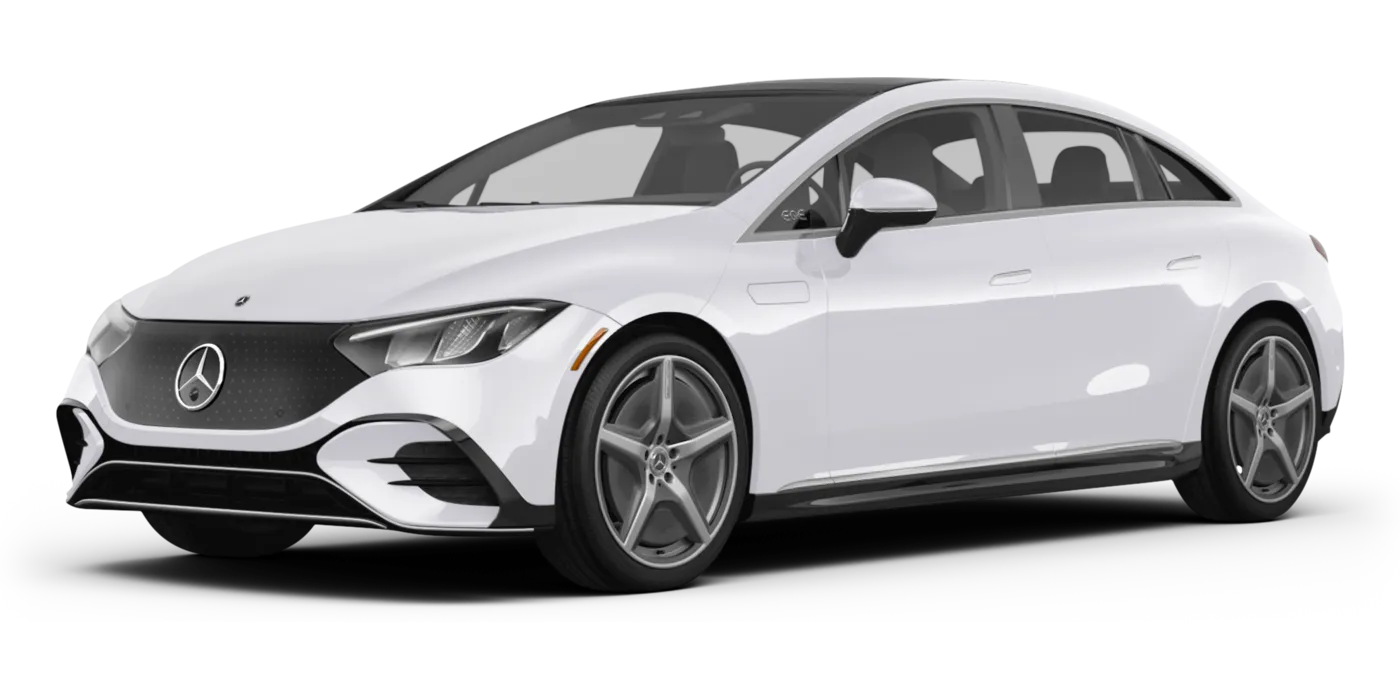
Mercedes-Benz EQE Years to Avoid
2 scored model years (2023–2024) · model average 59/100
No EQE year is clearly one to avoid, because neither falls well below the model's own average. What changes between years is the amount of trouble. The 2023 has more recalls and owner complaints than the 2024, which is the year to buy.
Verdict
- Avoid
- No outlier years
- Buy
- 2024 61/100
- Model average
- 59/100
What Are Common Mercedes-Benz EQE Problems?
ELECTRICAL SYSTEM
12 complaintsMost reported in 2023, 2024
2023: Sudden stalls and loss of propulsion happen while driving, often at 40 to 45 mph, with warning messages that sometimes say towing is required.
UNKNOWN OR OTHER
11 complaintsMost reported in 2024, 2023
2024: Panoramic glass roofs shatter without warning in half of these reports, often at freeway speed, with a loud bang and glass falling into the cabin or onto the sunshade.
AIR BAGS
3 complaintsMost reported in 2023
2023: None of the airbags deployed in a severe frontal crash that totaled the car, and automatic braking and collision warnings also failed to act.
SERVICE BRAKES
3 complaintsMost reported in 2023
2023: The brake pedal goes soft and sinks when light braking turns into harder braking.
POWER TRAIN
3 complaintsMost reported in 2023
2023: Shuddering and sudden power loss at speed are the common complaint.
WHEELS
2 complaintsMost reported in 2024
2024: Tires develop bubbles on the sidewalls, leak air and eventually go flat during normal driving.
Best Mercedes-Benz EQE Year to Buy Instead
2024 Mercedes-Benz EQE
The 2024 has half the recalls of the 2023 and fewer owner complaints, both in total and per vehicle sold. It also rates good, while the 2023 rates mixed. Because it has had two years on the road, the gap is not just newness. It is not clean, though: tire failures and one unexpected-movement crash appear in its reports.
Found a Safe Year? Check the Specific Car
Even the 2024 Mercedes-Benz EQE has 5 recalls on file. A VIN check confirms the recall work on the exact car and shows its accident, title, and service history.
- Accidents
- Open Recalls
- Title History
- Odometer Rollback
All Mercedes-Benz EQE Years by Generation
Mercedes-Benz EQE Reliability Scores by Year
First generation (V295) (2022–2023)
Frequently Asked Questions
Which Mercedes-Benz EQE years should I avoid?
Is the 2023 or 2024 Mercedes-Benz EQE better?
What goes wrong most on the 2023 Mercedes-Benz EQE?
Is the 2024 Mercedes-Benz EQE problem free?
Does the Mercedes-Benz EQE have transmission problems?
How we score every Mercedes-Benz EQE model year
Scores weight complaint severity at 35%, repair costs at 30%, recall impact at 20%, and the spread of complaints across systems at 15%, with complaint counts adjusted for US sales. Read the full methodology.
See incorrect data? Report an issue