Last updated: 2026-10-10
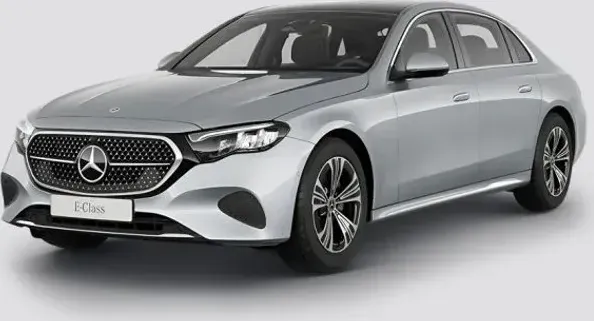
Mercedes-Benz E-Class Years to Avoid
8 scored model years (2018–2026) · model average 60/100
Skip the 2018 and 2019 model years. Both collect heavy electrical complaints, from blank instrument clusters to sudden shutdowns, and 2018 also carries 72 recalls. The 2024 model year is the better buy, with far fewer recalls and complaints on record.
Verdict
- Avoid
- 2019 54/1002018 55/100
- Buy
- 2024 63/100
- Model average
- 60/100
Mercedes-Benz E-Class Years to Avoid
These model years score significantly below the Mercedes-Benz E-Class average of 60/100.
Why These Years Should Be Avoided
2019 Mercedes-Benz E-Class
Instrument cluster blackouts lead the complaints. The display fades while driving, hiding speed and gear, and dealers often cannot reproduce it. Seat belt sensing is the next problem: chimes stay on with both front occupants belted, and the belt may not tighten. Engine reports include a PCV valve fault with code P052E and rear main seal oil leaks.
Top issues: Unknown Or Other (16), Electrical System (16), Seat Belts (14), Engine (10), Back Over Prevention (8), Wheels (8)
View full 2019reliability report →2018 Mercedes-Benz E-Class
Electrical trouble leads here. Owners report an alternator that quit at 23,000 miles and shut the car off, a stall in traffic with frozen steering, and a blank digital cluster that one dealer quoted at $6,100. Crankcase valve failures and 12 fire reports add to it. The year also carries 72 recalls.
Top issues: Electrical System (44), Unknown Or Other (32), Steering (28), Engine (24), Power Train (20), Seat Belts (16)
View full 2018reliability report →What Are Common Mercedes-Benz E-Class Problems?
ELECTRICAL SYSTEM
36 complaintsMost reported in 2018, 2019, 2024
2018: Electrical faults range from minor glitches to sudden shutdowns.
UNKNOWN OR OTHER
28 complaintsMost reported in 2019, 2018, 2024
2019: Sunroof glass shattering at highway speed is the most alarming report here.
ENGINE
21 complaintsMost reported in 2018, 2019, 2023
2018: Crankcase ventilation valve failures come up repeatedly.
POWER TRAIN
18 complaintsMost reported in 2018, 2023, 2019
2018: The transmission drops into neutral and refuses to go into drive, sometimes in traffic, and one car was towed in with transmission failure.
STEERING
13 complaintsMost reported in 2018, 2022, 2019
2018: Three of the seven complaints are about waiting for a steering recall repair.
SEAT BELTS
11 complaintsMost reported in 2019, 2018
2019: The car sometimes fails to detect a buckled belt.
Best Mercedes-Benz E-Class Year to Buy Instead
2024 Mercedes-Benz E-Class
Owners filed only seven complaints on 2024, and federal records show a single recall. The weaker 2018 model year has 72 recalls and 252 complaints. Unlike 2026, it has had time on the road. Still, check it closely. Its complaints include low-speed surging while parking and bubbling on the factory 21-inch tires.
Found a Safe Year? Check the Specific Car
Even the 2024 Mercedes-Benz E-Class has 1 recall on file. A VIN check confirms the recall work on the exact car and shows its accident, title, and service history.
- Accidents
- Open Recalls
- Title History
- Odometer Rollback
All Mercedes-Benz E-Class Years by Generation
Mercedes-Benz E-Class Reliability Scores by Year
Fifth generation (W213) (2016–2023)
2023 Mercedes-Benz E-Class
5 recalls · 20 complaints
2022 Mercedes-Benz E-Class
8 recalls · 19 complaints
2020 Mercedes-Benz E-Class
26 recalls · 35 complaints
2021 Mercedes-Benz E-Class
30 recalls · 36 complaints
2018 Mercedes-Benz E-Class
72 recalls · 252 complaints
2019 Mercedes-Benz E-Class
42 recalls · 100 complaints
Sixth generation (W214) (2023–2023)
Frequently Asked Questions
Which Mercedes-Benz E-Class years should I avoid?
Is the 2018 Mercedes-Benz E-Class a bad year?
What is wrong with the 2019 Mercedes-Benz E-Class?
Is the 2026 Mercedes-Benz E-Class the most reliable year?
Which Mercedes-Benz E-Class years have engine problems?
How we score every Mercedes-Benz E-Class model year
Scores weight complaint severity at 35%, repair costs at 30%, recall impact at 20%, and the spread of complaints across systems at 15%, with complaint counts adjusted for US sales. Read the full methodology.
See incorrect data? Report an issue