Last updated: 2026-10-10
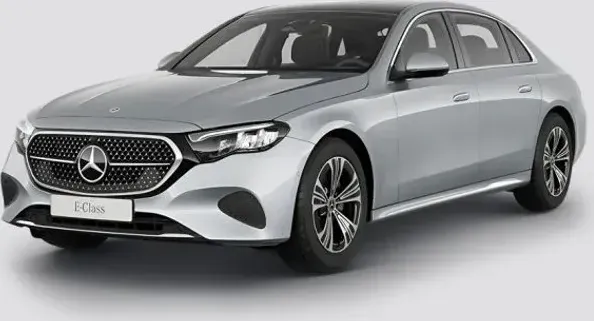
2018 Mercedes-Benz E-Class Reliability Report
The 2018 Mercedes-Benz E-Class rates mixed and well below other 2018 sedans, with electrical faults and stalling the top owner complaints.
Recalls
72
Complaints
252
Complaint Rate
N/A
Est. Repair Cost
$908
Detailed Score Breakdown
Component-weighted complaints normalized by sales volume
Independent repair cost ratings
Recall count weighted by severity
Breadth of reported problem categories
The Verdict
Weaker than most E-Class years, with heavy complaint and recall counts, electrical shutdowns, and crankcase ventilation valve failures.
Top Issues to Watch
- ELECTRICAL SYSTEM (11)
- STEERING (7)
- ENGINE (6)
Generation & Refresh (US)
2018 is year 3 of the Fifth generation (W213).
- Redesigned for the 2016 model year.
- Well-established in its generation — most early issues should be resolved.
- A refresh arrives in 2020.
- 5th generation E-Class (US).
What this means for buyers
Well into the generation cycle — most design and manufacturing issues should be resolved by now.
2016: Fifth generation (W213) Launch
Generation start — new platform.
2018: This Model Year
2018 is year 3 of the Fifth generation (W213).
2020: Mid-Cycle Refresh
Updated features and styling tweaks.
Should You Buy the 2018 Mercedes-Benz E-Class?
Reliability here is mixed, and it trails the class. Against other 2018 sedans it is well below average, and it ranks among the weaker of the eight scored E-Class years. The 2019 rates about the same, though it has far fewer complaints (100 against 252) and fewer recalls (42 against 72). The federal crash-test rating is 5 of 5 stars.
Electrical faults lead the complaints. Owners describe an alternator that quit at 23,000 miles and shut the car off, a stall in traffic where the steering froze and the brakes stopped working, and a blank instrument cluster that one dealer quoted at $6,100 to replace. Engine complaints center on the crankcase ventilation valve, with a check engine light, oil leaks and stalling. Oil can reach the engine harness and raise the bill. Two fires are reported, one in a parked car with the engine off. Federal recall records list recalls for engine, steering, air bags and seat belts.
Ask for proof that every recall was completed, and for any record of ventilation valve or harness work. On an AMG, check the wheels for inner-lip cracks.
Compared to the 2019 Mercedes-Benz E-Class, which scored 1 points lower.
Pros
- +5-star NHTSA crash rating
- +Well-established generation
Cons
- −Below-average reliability score
- −Above-average recall count
- −Above-average complaint volume
- −ELECTRICAL SYSTEM: Electrical faults range from minor glitches to sudden shutdowns (11 complaints)
- −12 fire incidents reported in owner complaints
Compare 2018 Mercedes-Benz E-Class With
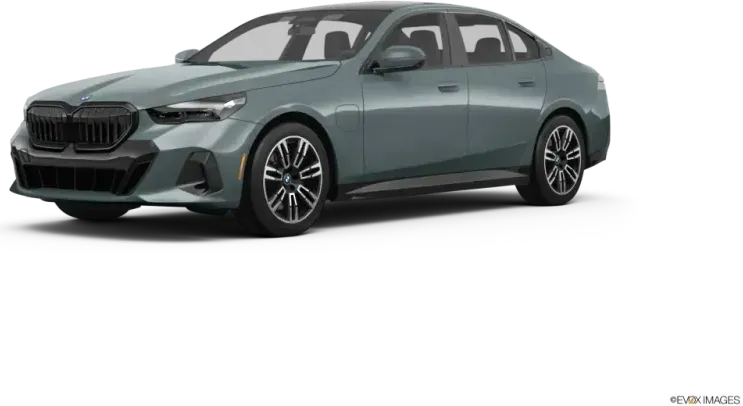
2018 BMW 5 Series
Reliability: 59/100
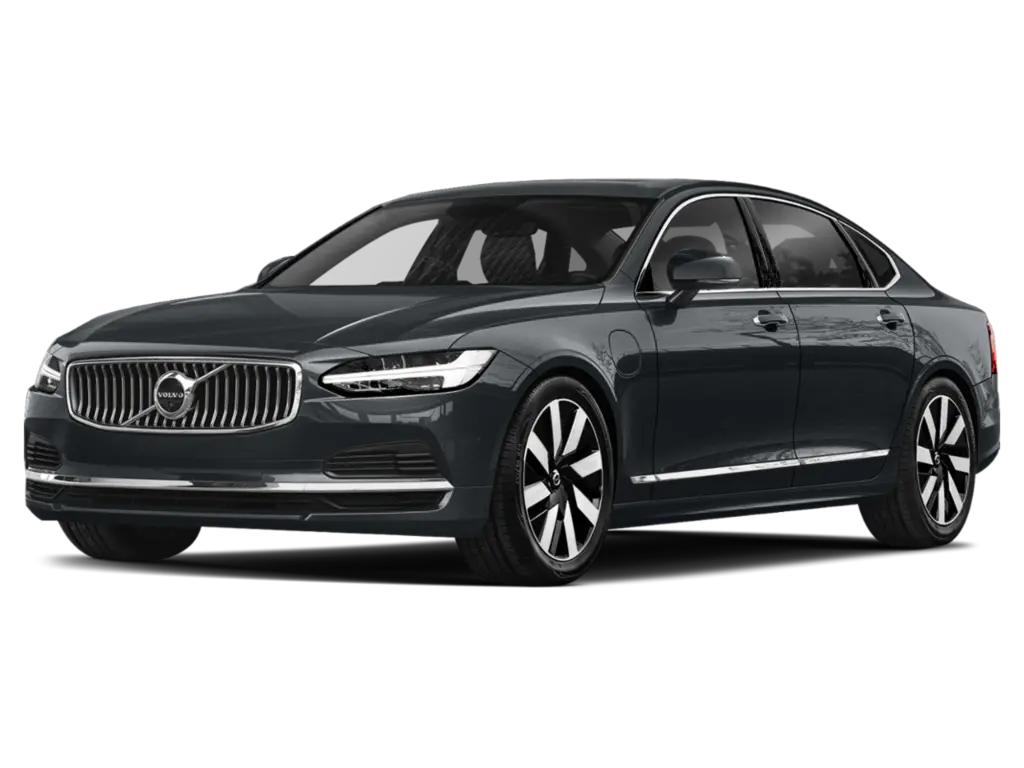
2018 Volvo S90
Reliability: 67/100
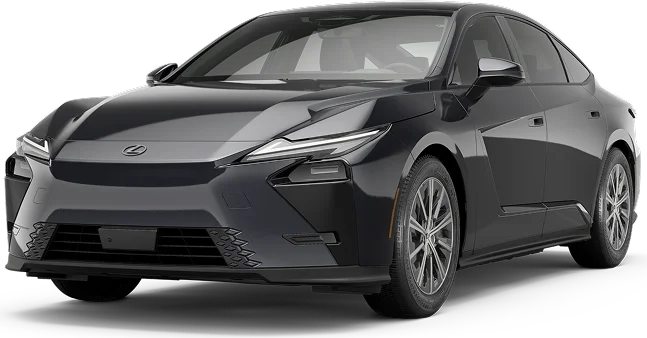
2018 Lexus ES
Reliability: 80/100
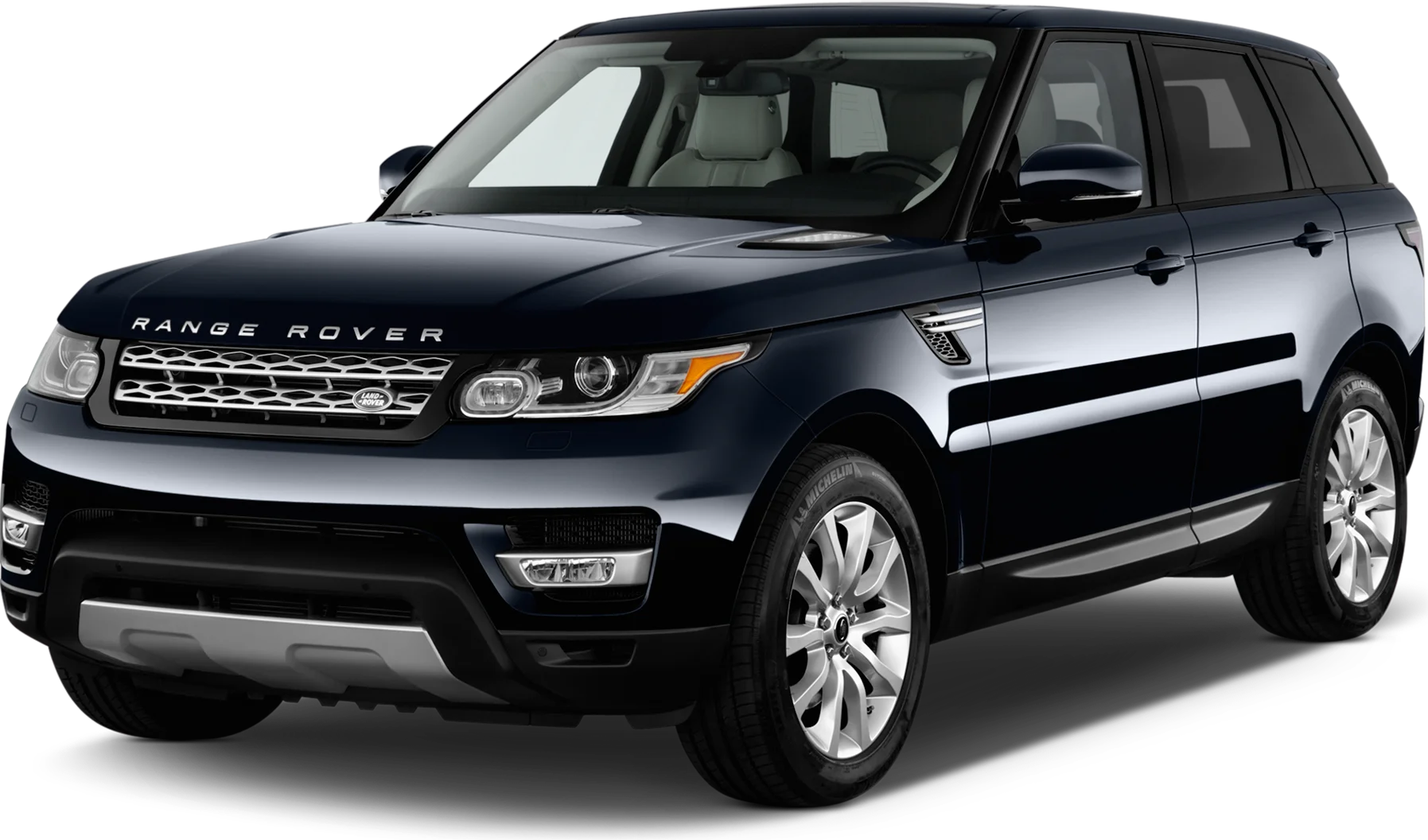
2018 Land Rover Range Rover Sport
Reliability: 47/100
Common Problem Categories
Safety
LOW RISK- 72 manufacturer recalls issued
Other
HIGH RISK- ELECTRICAL SYSTEM (11)
- UNKNOWN OR OTHER (8)
Recall Overview
72
recalls on record
The 2018 Mercedes-Benz E-Class has 72 recalls on record, which is above average. A high count can flag multiple component concerns, though it also shows the manufacturer is actively addressing known issues.
NHTSA.gov →Complaint Breakdown
252
complaintsSafety Incidents
8
Crashes
12
Fires
12
Injuries
0
Deaths
NHTSA 5/5 Stars
Data sourced from NHTSA complaint filings and manufacturer recall notices. Complaint narratives are owner-reported.
2018 Mercedes-Benz E-Class Recall Details
72 recalls have been issued for the 2018 Mercedes-Benz E-Class. All recall repairs are performed free of charge at authorized dealerships.
SEATS
Mercedes-Benz USA, LLC (MBUSA) is recalling certain 2018 Mercedes-Benz E63S AMG 4MATIC vehicles. The front passenger seat can be adjusted beyond its intended limit.
Consequence
If the passenger seat is adjusted beyond its intended limit, the occupant may have an increased risk of injury in the event of a crash.
Remedy
MBUSA will notify owners, and dealers will inspect the adjustment range, and if needed, install a mechanical adjustment range limitation or update the seat control unit software, free of charge. The recall began October 31, 2018. Owners may contact MBUSA customer service at 1-800-367-6372. MBUSA's number for this recall is 2018090013.
TIRES
Mercedes-Benz USA, LLC (MBUSA) is recalling certain 2018 E 400 Cabriolet, E 400 Coupe, 2019 E 450 Cabriolet, and E 450 Coupe vehicles. The tires were incorrectly marked with the wrong maximum inflation pressure and may not meet the strength requirements for the stated pressure. As such, these vehicles fail to comply with the requirements of Federal Motor Vehicle Safety Standard (FMVSS) number 139, "New Pneumatic Radial Tires for Light Vehicles."
Consequence
Tires inflated to an incorrect maximum pressure may have insufficient strength, allowing the tires to fail and increasing the risk of a crash.
Remedy
Dealers will inspect and replace the tires as necessary, free of charge. Owner notification letters were mailed March 7, 2025. Owners may contact MBUSA customer service at 1-800-367-6372. MBUSA's number for this recall is 2025010008.
BACK OVER PREVENTION
Mercedes-Benz USA, LLC (MBUSA) is recalling certain 2018-2021 CLA-Class, GLE/GLS-Class, A-Class, C-Class, E-Class, E-Class Coupe/Convertible, GLA/GLB-Class, GLC-Class, and CLS-Class vehicles. Please refer to MBUSA's recall report for specific vehicle model details. The rearview camera may not display the rearview image due to a software error. As such, these vehicles fail to comply with the requirements of Federal Motor Vehicle Safety Standard number 111, "Rear Visibility."
Consequence
An inoperable rearview camera display reduces the driver's rear view, increasing the risk of a crash.
Remedy
Dealers will update the rearview camera software, free of charge. Owner notification letters were mailed July 15, 2022. Owners may contact MBUSA customer service at 1-800-367-6372. MBUSA's number for this recall is 2022060007.
Showing 10 of 18 recalls. View all on NHTSA.gov →
Buying a used 2018 Mercedes-Benz E-Class? Check its history first
Electrical system problems lead owner complaints about the 2018 Mercedes-Benz E-Class, and 72 recalls were issued for it. A VIN check shows whether this car's recall work was done, plus accident, title, and odometer history.
- Accidents
- Open Recalls
- Title History
- Odometer Rollback
2018 Mercedes-Benz E-Class NHTSA Safety Ratings
Overall Safety Rating
Crash Test Results by Configuration (expand)
Gas Powertrain
Rollover risk: 9.7%
Safety Technologies
Mercedes-Benz E-ClassRepair Costs & Maintenance
Maintenance Rating
3Maintenance rating: 3 out of 5Based on NHTSA complaint patterns, recall severity, and publicly available cost benchmarks.
Est. Annual Maintenance
$908
Category-level averages derived from publicly available industry reports (AAA, CarMD). Model-level estimates produced by Auto Reliability Index.
2018 Mercedes-Benz E-Class Example Repair Prices
National average price ranges for common repairs. These are not model-year-specific failure predictions.
| Repair | Estimated Cost |
|---|---|
| Drive Axle Assembly Leak Inspection | $76 – $112 |
| Air Conditioning Refrigerant Line Replacement | $1,277 – $1,538 |
| Drive Axle Assembly Drain & Refill | $68 – $89 |
| Air Conditioning Receiver Drier Assembly Replacement | $425 – $536 |
| Wheel Bearing Replacement | $531 – $730 |
| Body Control System Diagnosis & Testing | $61 – $90 |
| Wheel Replacement | $2,560 – $2,596 |
| Fuel Evaporative Canister Replacement | $578 – $635 |
| Heater Core Replacement | $1,509 – $2,043 |
| Trans Oil Pan Gasket Replacement | $581 – $808 |
Estimates based on national average repair costs. Actual costs may vary by location and shop.
Used Buying Checklist
Key things to inspect or verify before purchasing a 2018 Mercedes-Benz E-Class.
Remove or lift each wheel and inspect the inner rim lip for cracks or weld repairs, especially on an E43.
Scan for code P052E and ask for records of crankcase ventilation valve replacement or oil in the harness.
Shift between drive and reverse several times and confirm each gear engages without dropping to neutral.
Unbuckle every seat belt and confirm it fully retracts and latches firmly into its buckle.
Open both front doors on level ground and check that they hold open without swinging shut.
Run the VIN through the federal recall lookup and confirm every open campaign has been completed.
Watch the digital dash and backup camera during the drive for blackouts or assist-inoperable warnings.
On a Cabriolet, cycle the top fully and check the headliner cords for fraying.
2018 Mercedes-Benz E-Class Common Problems by Component
252 owner complaints grouped by vehicle system.
ELECTRICAL SYSTEM
11 complaintsElectrical faults range from minor glitches to sudden shutdowns. Reported failures include an alternator that quit at 23,000 miles and shut the car off, and a stall in traffic where the steering froze and the brakes stopped working. Warnings that brake assist, blind spot assist and distance assist are inoperable come and go, and cruise control drops out with them. The digital instrument cluster goes blank, and one dealer quoted $6,100 to replace it. Backup camera screens go black while reversing, and repeat dealer visits have not fixed it. Other reports cite engine harness faults and rodent-chewed wiring.
UNKNOWN OR OTHER
8 complaintsSafety-relatedUnrelated problems are filed here. The most serious is an engine-bay fire in an E43 that started just after it was parked in a garage. Chrome trim on the center console cupholder peels away and leaves a razor-sharp edge, and one person cut a hand on it. Remote start and app-based safety services were set to stop working when cellular service ended on 12/31/2025. Other reports describe a shattered sunroof, parking sensors that kept the car from moving after a car wash, poor visibility around the side mirrors, and a cracked windshield.
STEERING
7 complaintsThree of the seven complaints are about waiting for a steering recall repair. Dealers said parts were not available, and none of these owners reported a steering failure. The rest describe a cracking noise in curves that mechanics could not find, and a clunk from the automatic steering wheel adjustment that the dealer would not replace until it failed. Some reports filed here are really about other systems: an E43 with cracked and bent wheels, and an E300 that stalled in traffic when the stop-start system misbehaved.
ENGINE (6 complaints)
ENGINE
6 complaintsSafety-relatedCrankcase ventilation valve failures come up repeatedly. Symptoms are a check engine light with code P052E, oil leaks, and stalling on the road. Oil can seep into the engine harness, which raises the repair bill well past the valve itself, and one valve failed again after it had been replaced. Two fires are reported. One started in the engine bay while the car sat parked with the engine off. Another report describes a burning smell from the engine. Piston failure on the M247 engine is also reported, just after the warranty ran out.
POWER TRAIN (5 complaints)
POWER TRAIN
5 complaintsThe transmission drops into neutral and refuses to go into drive, sometimes in traffic, and one car was towed in with transmission failure. Shifts between drive and reverse fail now and then, so the car can move the wrong way if the driver does not notice. Fixes reported include a shifter module, a clutch position switch module, and an electronic valve body after the car went into limp mode at 83,000 miles. One complaint here is about the crankcase ventilation (PCV) valve and its high labor cost.
SEAT BELTS (4 complaints)
SEAT BELTS
4 complaintsFront seat belts fail to retract after they are unbuckled. Slack is left across the driver's chest and lap. In one case a dealer diagnosed a failed belt motor, which is part of the PRE-SAFE system. A separate complaint describes a passenger belt that will not latch into its buckle, and mechanics could not find the cause. Both problems leave occupants without a properly fitted belt.
WHEELS (4 complaints)
WHEELS
4 complaintsAlloy wheels on the AMG E43 crack along the inner lip during normal driving, which causes slow air leaks. Cracks are reported starting around 9,000 miles. One owner went through three front wheels and four front tires by 22,000 miles, and one crack ran several inches, close to a structural failure. A dealer welded a cracked wheel instead of replacing it. Front tires on these cars wore out in under 16,000 miles.
STRUCTURE (4 complaints)
STRUCTURE
4 complaintsOn level ground, the front doors swing shut on people getting out, and owners report bruised legs. The hinges were replaced once under warranty, and the dealer later said they were operating as designed. A rear roof spoiler came loose, banged against the rear window, and flew off at 60 mph, hitting another car. It had already been reattached after earlier repairs. On the Cabriolet, cords holding the headliner to the roof fray, so the top cannot open or close, and the dealer fix has not lasted.
FORWARD COLLISION AVOIDANCE (2 complaints)
FORWARD COLLISION AVOIDANCE
2 complaintsAutomatic emergency braking engages with nothing in the road. One car braked hard on a city street. Another came to a full stop on an open county road at 35 to 40 mph. No other vehicles were close, so no one was hit from behind, but the risk of a rear-end crash is clear. A mechanic found no fault codes in one car and updated its software.
AIR BAGS (2 complaints)
AIR BAGS
2 complaintsSafety-relatedTwo crashes ended with no deployment at all. In one, the car struck the side of another vehicle at 30 mph, the driver's face and chest hit the steering wheel, and two vertebrae were damaged. In the other, the car pushed forward while parking and went through a storefront, with a lane change warning showing at the time. Both cars were totaled. In the storefront crash, the dealer has not reproduced the problem and the manufacturer has not confirmed it.
When Do 2018 Mercedes-Benz E-Class Problems Start?
Based on owner complaint patterns, here's when common issues tend to appear.
Best & Worst Mercedes-Benz E-Class Years
Best Mercedes-Benz E-Class Years to Buy
Based on reliability index scoreMercedes-Benz E-Class Years to Avoid
2019
2018
(Current Model)
Mercedes-Benz E-Class Reliability Score Trend
Scores 0–100. Higher is better. Current year highlighted.
| Year | Score | Rating |
|---|---|---|
| 2018 | 55/100 | Mixed |
| 2019 | 54/100 | Mixed |
| 2020 | 56/100 | Mixed |
| 2021 | 56/100 | Mixed |
| 2022 | 60/100 | Good |
| 2023 | 63/100 | Good |
| 2024 | 63/100 | Good |
| 2026 | 76/100 | Good |
Mercedes-Benz E-Class Reliability Compared to Other Years
Frequently Asked Questions
Is the 2018 Mercedes-Benz E-Class reliable?
What are the most common problems with the 2018 Mercedes-Benz E-Class?
Does the 2018 Mercedes-Benz E-Class have engine problems?
Does the 2018 Mercedes-Benz E-Class have transmission problems?
Is the 2019 Mercedes-Benz E-Class more reliable than the 2018?
Don’t buy a 2018 Mercedes-Benz E-Class without checking its VIN first — hidden accidents, title issues, and open recalls could cost you thousands.
How we score the 2018 Mercedes-Benz E-Class
Of the four inputs behind this score, the 2018 Mercedes-Benz E-Class does best on repair costs (60/100) and worst on recall impact (47/100). Scores weight complaint severity at 35%, repair costs at 30%, recall impact at 20%, and the spread of complaints across systems at 15%, with complaint counts adjusted for US sales. Read the full methodology.
Get notified when new recalls or reliability data is added for the Mercedes-Benz E-Class.
No spam. Only data updates for this model.
Browse More Mercedes-Benz Models
Mercedes-Benz A-Class
Score: 64/100
Mercedes-Benz C-Class
Score: 82/100
Mercedes-Benz CLA
Score: 64/100
Mercedes-Benz EQE
Score: 61/100
Mercedes-Benz EQS
Score: 61/100
Mercedes-Benz GLB
Score: 72/100
Browse More 2018 Vehicles
2018 Lexus RX
Score: 85/100
2018 Nissan Murano
Score: 82/100
2018 Lexus IS
Score: 81/100
2018 Lexus ES
Score: 80/100
2018 Toyota Corolla
Score: 80/100
2018 Buick Encore
Score: 80/100
See incorrect data? Report an issue