Last updated: 2026-10-10
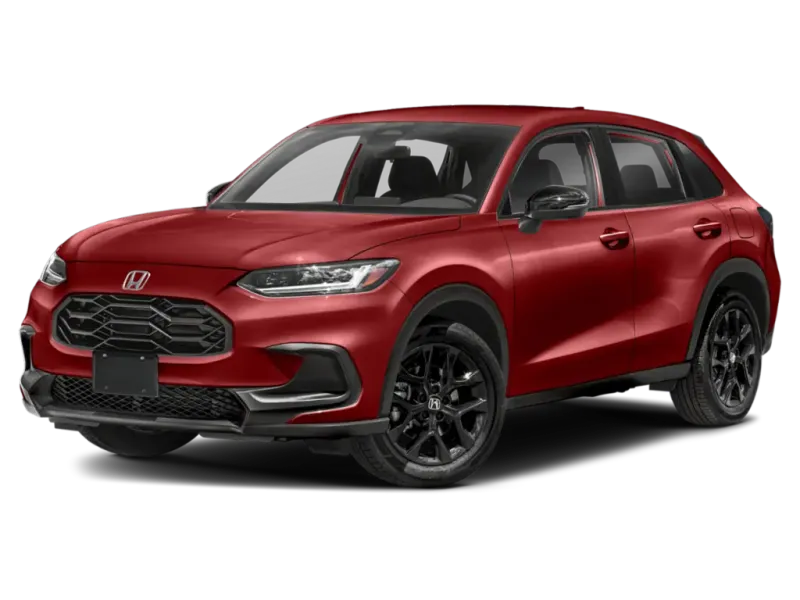
2018 Honda HR-V Reliability Report
The 2018 Honda HR-V has good reliability for its class, but the cold-weather instrument display glitch and CVT failures are the issues to check.
Recalls
3
Complaints
141
Complaint Rate
16.5per 10,000 sold
Est. Repair Cost
$301
Annual Fuel Cost
$1,950–$2,150
Detailed Score Breakdown
Component-weighted complaints normalized by sales volume
Independent repair cost ratings
Recall count weighted by severity
Breadth of reported problem categories
The Verdict
Good standing and low repair costs, but weaker than most HR-V years, with display glitches, CVT failures and three recalls.
Top Issues to Watch
- ELECTRICAL SYSTEM (41)
- FUEL SYSTEM (27)
- POWER TRAIN (11)
Generation & Refresh (US)
2018 is year 3 of the Second generation (RU).
- Redesigned for the 2016 model year.
- Well-established in its generation — most early issues should be resolved.
- A refresh arrives in 2019.
- 2nd generation HR-V (US).
What this means for buyers
Well into the generation cycle — most design and manufacturing issues should be resolved by now.
2016: Second generation (RU) Launch
Generation start — new platform.
2018: This Model Year
2018 is year 3 of the Second generation (RU).
2019: Mid-Cycle Refresh
Updated features and styling tweaks.
Should You Buy the 2018 Honda HR-V?
Reliability is good here, and well above the average for 2018 SUVs. Against other HR-V years, though, this one is among the weaker of nine scored. Independent repair-cost data puts yearly repairs at $301, against $466 for the class, and the federal crash-test rating is 5 of 5 stars. The 2019 also rates good but comes out worse, with more complaints and more recalls.
The most common complaint is electrical. The right-side instrument display flickers, shows garbled characters, or goes blank, mostly in cold weather. Dealers often cannot reproduce it and quote a full cluster replacement. The CVT is the costliest risk. Owners report lost power at highway speed, slowing to 15 to 30 mph, with failures at 68,314 and 95,861 miles. One owner faced a $9,000 bill. Fuel system complaints mostly concern waiting for recall parts, though some describe stalls.
Ask for proof that all three recall repairs were done, covering the fuel system and brakes. Request transmission service records, and check the dash on a cold start.
Compared to the 2019 Honda HR-V, which scored 3 points lower.
Pros
- +Acceptable reliability score
- +$165 cheaper to maintain than avg subcompact SUVs
- +Infrequent unscheduled repairs
- +Low major repair risk (5%)
Cons
- −Moderate recall count
- −ELECTRICAL SYSTEM: Right-side instrument display flickers, shows garbled characters, or goes... (41 complaints)
- −FUEL SYSTEM: Most of these filings are about fuel pump recall 23V858000, not about breakdowns (27 complaints)
Compare 2018 Honda HR-V With
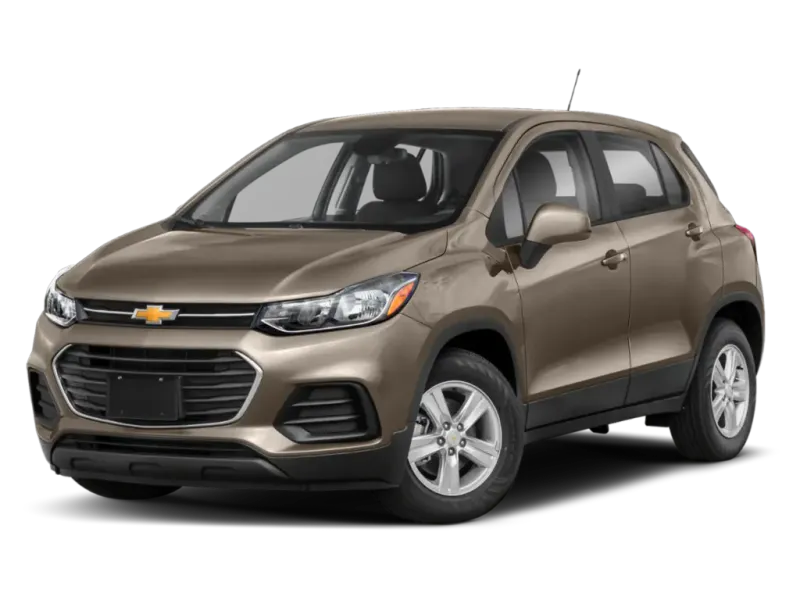
2018 Chevrolet Trax
Reliability: 75/100
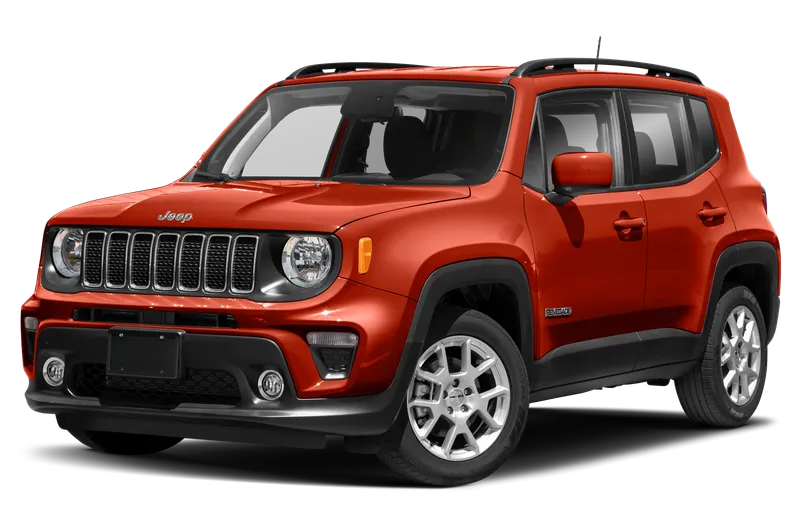
2018 Jeep Renegade
Reliability: 65/100
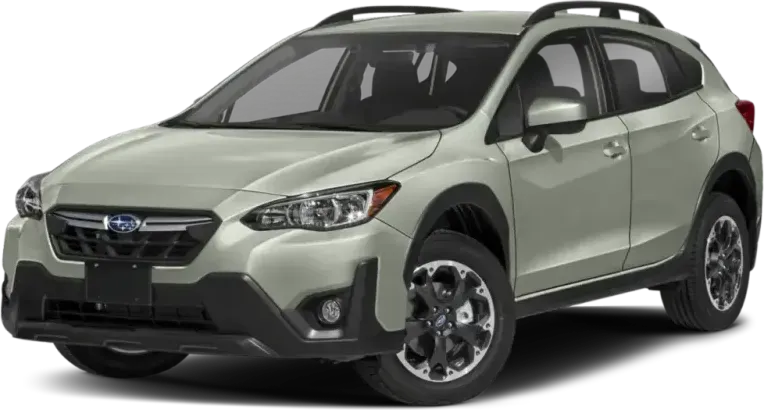
2018 Subaru Crosstrek
Reliability: 60/100
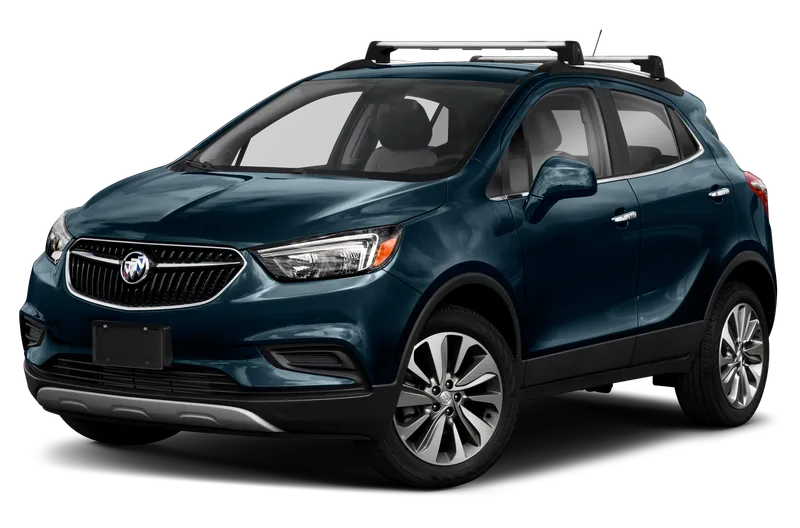
2018 Buick Encore
Reliability: 80/100
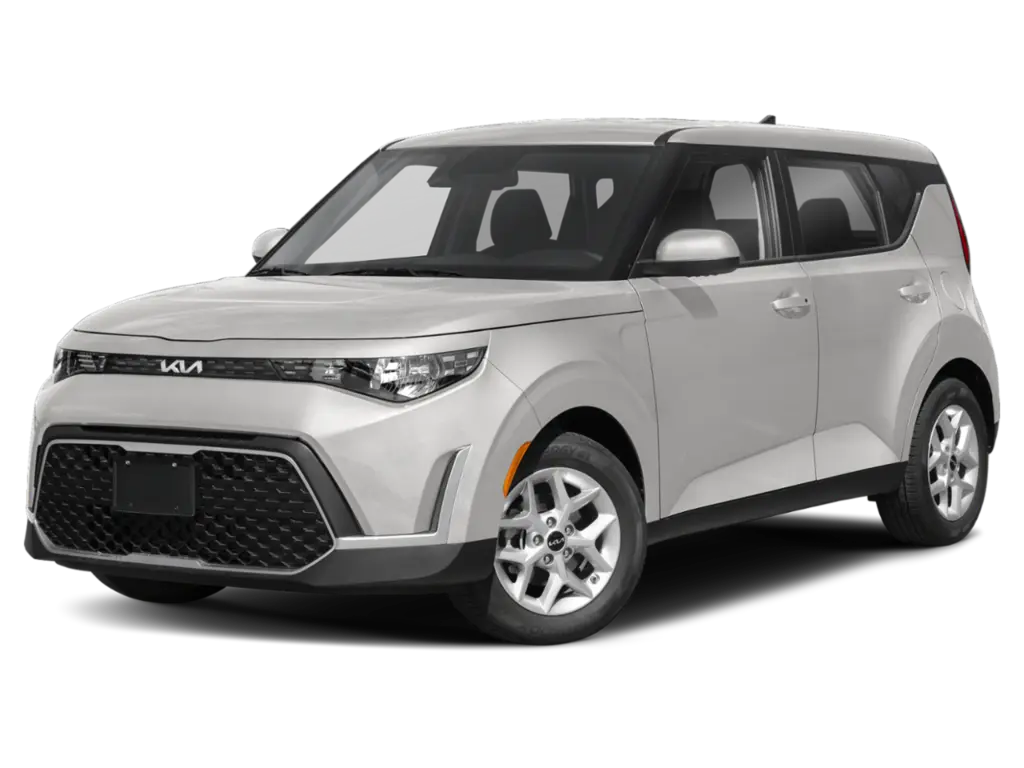
2018 Kia Soul
Reliability: 73/100
Common Problem Categories
Safety
LOW RISK- 3 manufacturer recalls issued
Other
HIGH RISK- ELECTRICAL SYSTEM (41)
- FUEL SYSTEM (27)
Recall Overview
3
recalls on record
A moderate 3 recalls are on file for the 2018 Honda HR-V. Each one points to a specific safety or compliance issue identified by the manufacturer or NHTSA — check the list below before buying.
NHTSA.gov →Complaint Breakdown
16.5
per 10,000 soldSegment avg: 27.1
Safety Incidents
10
Crashes
0
Fires
4
Injuries
0
Deaths
NHTSA 5/5 Stars
Data sourced from NHTSA complaint filings and manufacturer recall notices. Complaint narratives are owner-reported.
2018 Honda HR-V Recall Details
3 recalls have been issued for the 2018 Honda HR-V. All recall repairs are performed free of charge at authorized dealerships.
FUEL SYSTEM, GASOLINE
Honda (American Honda Motor Co.) is recalling certain 2018-2019 Acura NSX, 2019 Acura RDX, RLX and RLX Sport Hybrid, 2018-2019 Honda Accord, Civic Hatchback, Civic Type R and HR-V, 2019-2020 Insight and 2019 Fit vehicles. The low-pressure fuel pump inside the fuel tank may fail.
Consequence
If the fuel pump fails, the engine can stall while driving, increasing the risk of a crash.
Remedy
Honda will notify owners and dealers will replace the fuel pump assembly, free of charge. The recall began July 22, 2020. Owners may contact Honda customer service at 1-888-234-2138.
SERVICE BRAKES, HYDRAULIC
Honda (American Honda Motor Co.) is recalling certain 2017-2019 Acura MDX, 2017-2018 Acura MDX Sport Hybrid, 2018-2019 Honda HR-V and Honda Odyssey, and 2016 Honda HR-V vehicles. The rear brake caliper pistons may have an insufficient coating, causing gas pockets to form, reducing brake performance. As such, these vehicles fail to comply with the requirements of Federal Motor Vehicle Safety Standard (FMVSS) number 135, "Light Vehicle Brake Systems."
Consequence
A reduction of braking performance increases the risk of a crash.
Remedy
Owners will be notified, and Honda or Acura dealers will bleed the brakes, free of charge. The recall began December 11, 2018. Owners may contact Honda customer service at 1-888-234-2138. Honda's numbers for this recall are C31 and L30.
FUEL SYSTEM, GASOLINE
Honda (American Honda Motor Co.) is recalling certain 2013-2023 Honda Accord, Civic Coupe, Civic Sedan, Civic Hatchback, Civic Type R, CR-V, HR-V, Ridgeline, Odyssey, Acura ILX, MDX, MDX Hybrid, RDX, RLX, TLX, 2019-2022 Honda Insight, Passport, 2020 Honda CR-V Hybrid, 2018-2019 Honda Clarity PHEV, Fit, and 2015-2020 Honda Accord Hybrid, Pilot, Acura NSX vehicles. The fuel pump inside the fuel tank may fail.
Consequence
Fuel pump failure can cause an engine stall while driving, increasing the risk of a crash.
Remedy
Dealers will replace the fuel pump module, free of charge. Owner letters were mailed September 6, 2024. Owners may contact Honda customer service at 1-888-234-2138. Honda's numbers for this recall are KGC and KGD. This recall is an expansion of NHTSA recall numbers 21V-215 and 20V-314.
Buying a used 2018 Honda HR-V? Check its history first
Electrical system problems lead owner complaints about the 2018 Honda HR-V, and 3 recalls were issued for it. A VIN check shows whether this car's recall work was done, plus accident, title, and odometer history.
- Accidents
- Open Recalls
- Title History
- Odometer Rollback
2018 Honda HR-V NHTSA Safety Ratings
Overall Safety Rating
Crash Test Results by Configuration (expand)
Gas Powertrain
Rollover risk: 15.3%
Safety Technologies
Honda HR-VRepair Costs & Maintenance
Maintenance Rating
5Maintenance rating: 5 out of 5Based on NHTSA complaint patterns, recall severity, and publicly available cost benchmarks.
Est. Annual Maintenance
$301
vs $466 avg for subcompact SUVs
vs $652 avg for all vehicles
Repair Frequency
0.1
unscheduled repair visits per year
Severe Repair Probability
5%
chance of a major repair
Annual Cost Comparison
Category-level averages derived from publicly available industry reports (AAA, CarMD). Model-level estimates produced by Auto Reliability Index.
Honda HR-V Resale Value
The Honda HR-V is estimated to retain about 73.7% of its original value after 5 years, based on observed used-car listings.
This benchmark covers the Honda HR-V model overall and is not specific to the 2018 model year.
- Value Retained
- 73.7%
- Depreciation
- 26.3%
- Listings Analyzed
- 83
after 5 years
over the same period
U.S. used-car listings
Listings observed in . This is a historical market benchmark, not a current price quote.
Explore Honda HR-V depreciation and resale value on CarResaleValue.comMPG & Annual Running Costs
Gas
28–31 MPG
Running cost: $2,250–$2,450/yr
Fuel + repair
25–28 city / 31–34 hwy MPG
Running cost includes EPA fuel-cost estimate and independent repair-cost data (repair cost estimated at model level). Excludes routine maintenance, depreciation, and insurance. Data as of 2018 EPA label cycle.
Gas trims
| Trim | Drive | Trans. | City | Hwy | Comb | Fuel Cost |
|---|---|---|---|---|---|---|
| HR-V FWD 1.8L 4-cyl | Front-Wheel Drive | Automatic (AV-S7) | 28 | 34 | 31 | $1,950 |
| HR-V FWD 1.8L 4-cyl | Front-Wheel Drive | Automatic (variable gear ratios) | 28 | 34 | 31 | $1,950 |
| HR-V AWD 1.8L 4-cyl | All-Wheel Drive | Automatic (AV-S7) | 27 | 31 | 29 | $2,050 |
| HR-V AWD 1.8L 4-cyl | All-Wheel Drive | Automatic (variable gear ratios) | 27 | 31 | 29 | $2,050 |
| HR-V FWD 1.8L 4-cyl | Front-Wheel Drive | Manual 6-spd | 25 | 33 | 28 | $2,150 |
Used Buying Checklist
Key things to inspect or verify before purchasing a 2018 Honda HR-V.
Run the VIN through federal recall records and confirm fuel pump recall 23V858000 and brake recall 18V777000 are done.
Start the car cold and watch the right-side display for blank or garbled fuel gauge and odometer readings.
Ask for CVT service records, including whether a dealer did the transmission software update.
Hold a steady throttle up a gentle grade and feel for surging, shaking, or sudden loss of power.
Look over the roof and doors for peeling or flaking paint, especially on white pearl cars.
Lift the trunk floor and check the passenger footwell for water stains or dampness.
Press the brake pedal firmly while parked and on a test drive; reject any car whose pedal sinks toward the floor.
Lock the car, wait several minutes, and watch for lights or the dash turning on by themselves.
2018 Honda HR-V Common Problems by Component
141 owner complaints grouped by vehicle system.
ELECTRICAL SYSTEM
41 complaintsSafety-relatedThe right-side instrument display flickers, shows garbled characters, or goes blank, leaving no fuel gauge or odometer. It happens most in cold weather and usually clears once the car warms up. Dealers often can't reproduce it on demand and quote a full cluster replacement, with prices like $1,800 and $2,365. Other reports describe no-starts with a healthy battery, and lights or alarms switching on by themselves while parked until the battery dies, sometimes traced to the body control module. Two complaints involve crashes, including one where the dash went dark and the car shut off.
FUEL SYSTEM
27 complaintsMost of these filings are about fuel pump recall 23V858000, not about breakdowns. Owners got the recall notice, but dealers had no parts, and many waited longer than they thought was reasonable. Where a failure is described, the car stalls with warning lights on, nearly stalls and loses power for a few seconds, or won't start right away, at around 22,000 to 28,000 miles. A few report check-fuel-cap messages that keep coming back, and gasoline smell on the oil dipstick of a nearly new car.
UNKNOWN OR OTHER
14 complaintsPeeling paint is the most common complaint here. The White Orchid Pearl finish (NH-788P) comes off the roof in patches that keep growing, and Honda turns down warranty-extension claims. CVT problems also show up: noises, stalling after a transmission software update, and denied claims from owners just outside the extended warranty. Several owners describe the instrument cluster cutting out in the cold. Isolated reports include a sunroof that burst while the car sat at a light, a rear window that shattered while parked, and spiders getting into the air-conditioning ducts.
POWER TRAIN (11 complaints)
POWER TRAIN
11 complaintsThe CVT fails at highway speed. Warning lights come on, the car loses power and slows to as little as 15 to 30 mph, and sometimes drops into neutral or limp mode. Some owners feel shaking, jerking, or a surge-and-fade in speed on gentle hills first. Dealers report metal shavings in the fluid and replace the transmission, and one owner faced a $9,000 bill. Reported failures include cars at 68,314 and 95,861 miles. Several owners missed the 7 year/150,000 mile extended warranty, and one says the software update did not prevent failure.
SERVICE BRAKES (10 complaints)
SERVICE BRAKES
10 complaintsSafety-relatedThe brakes fail to stop the car. The pedal goes to the floor, needs several pumps, or seems to give out over bumps. Three complaints involve crashes, including hitting a car in winter weather, hitting a house while backing up, and lurching forward instead of stopping while parking. Dealers sometimes can't reproduce the problem. Other reports mention uneven rear brake wear tied to rear caliper recall 18V777000, a shortage of parts for that recall, and stalling after hard braking.
STRUCTURE (6 complaints)
STRUCTURE
6 complaintsSafety-relatedPaint chips and peels, usually starting on the roof and spreading to the doors and side panels. White pearl cars come up most often. Dealers reject claims by blaming tree sap or bird droppings, and one body-shop repaint quote ran about $2,400. Owners worry the bare spots will rust. Separate reports describe water leaking into the trunk when it rains or snow melts, at about 17,000 miles, and one crash in heavy rain where a guy wire was hard to see.
FUEL/PROPULSION SYSTEM (6 complaints)
FUEL/PROPULSION SYSTEM
6 complaintsThe fuel pump fails with no warning. The car stalls while driving, won't start properly, or starts and then refuses to move, and some owners need a tow. One failure came at about 43,000 miles. Much of this category is about recall repair delays. Owners say dealers had no parts for months, and one says almost 2 years. Others report dealers who never called back or didn't know about the recall. One owner noticed a strong smell inside the car after the new pump went in.
ENGINE (4 complaints)
ENGINE
4 complaintsStalling and sudden power loss while driving are the main complaints, sometimes at highway speed with the dashboard going dark. Some cars restart right away. Others won't restart for hours. Owners link the stalling to the fuel pump recall, though not every VIN is covered. Dealers often find no fault codes after several tows. Other reports describe a flashing park light and a red check-engine light, with the car jerking and lunging, and water pooling on the driver's side after rain.
AIR BAGS (4 complaints)
AIR BAGS
4 complaintsSafety-relatedNo airbag deploys in several frontal crashes. Owners describe head-on and front-end impacts at about 27 to 30 mph where nothing fired, including crashes that totaled the car or jammed the driver's door. All four complaints involve crashes, and three report injuries, such as seat-belt bruising. One also describes the car accelerating on its own while being shifted into park, then hitting a pole. Dealers who looked at these cars couldn't diagnose a defect.
VEHICLE SPEED CONTROL (4 complaints)
VEHICLE SPEED CONTROL
4 complaintsThe car loses power and slows while driving, then sometimes won't restart, which leaves owners waiting for roadside help. Other reports describe the car feeling sluggish with weak braking even after new pads and rotors. One owner had a differential lock up shortly after a 100k service, with rattling as the only warning. In one early report, the RPMs kept rising under firm braking at highway speed until the driver shifted into neutral.
When Do 2018 Honda HR-V Problems Start?
Based on owner complaint patterns, here's when common issues tend to appear.
Best & Worst Honda HR-V Years
Best Honda HR-V Years to Buy
Based on reliability index scoreHonda HR-V Years to Avoid
Honda HR-V Reliability Score Trend
Scores 0–100. Higher is better. Current year highlighted.
| Year | Score | Rating |
|---|---|---|
| 2018 | 78/100 | Good |
| 2019 | 75/100 | Good |
| 2020 | 80/100 | Excellent |
| 2021 | 86/100 | Excellent |
| 2022 | 83/100 | Excellent |
| 2023 | 73/100 | Good |
| 2024 | 83/100 | Excellent |
| 2025 | 88/100 | Excellent |
| 2026 | 100/100 | Excellent |
Honda HR-V Reliability Compared to Other Years
| Year | Score | vs Prior Year | Rating | Recalls | Complaints |
|---|---|---|---|---|---|
| 2026 | 100/100 | +12 | Excellent | 0 | 5 |
| 2025 | 88/100 | +5 | Excellent | 1 | 26 |
| 2024 | 83/100 | +10 | Excellent | 4 | 94 |
| 2023 | 73/100 | -10 | Good | 3 | 673 |
| 2022 | 83/100 | -3 | Excellent | 3 | 62 |
| 2021 | 86/100 | +6 | Excellent | 3 | 52 |
| 2020 | 80/100 | +5 | Excellent | 4 | 71 |
| 2019 | 75/100 | -3 | Good | 6 | 185 |
| 2018(selected) | 78/100 | — | Good | 3 | 141 |
Frequently Asked Questions
Is the 2018 Honda HR-V reliable?
What are the most common problems with the 2018 Honda HR-V?
Does the 2018 Honda HR-V have transmission problems?
How many recalls does the 2018 Honda HR-V have?
How much does it cost to repair a 2018 Honda HR-V?
Don’t buy a 2018 Honda HR-V without checking its VIN first — hidden accidents, title issues, and open recalls could cost you thousands.
How we score the 2018 Honda HR-V
Of the four inputs behind this score, the 2018 Honda HR-V does best on repair costs (100/100) and worst on complaint severity (57/100). Scores weight complaint severity at 35%, repair costs at 30%, recall impact at 20%, and the spread of complaints across systems at 15%, with complaint counts adjusted for US sales. Read the full methodology.
Get notified when new recalls or reliability data is added for the Honda HR-V.
No spam. Only data updates for this model.
Browse More Honda Models
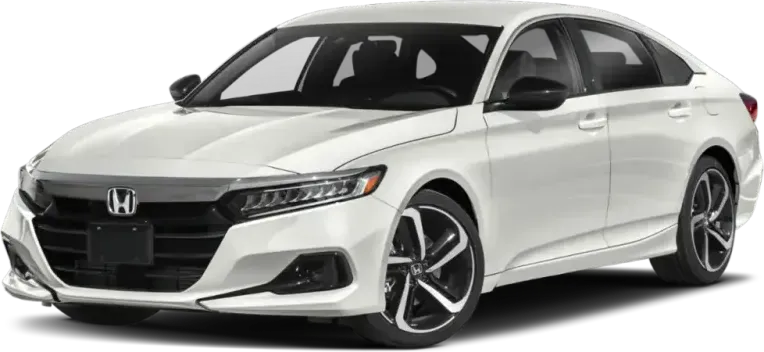
Honda Accord
Score: 87/100
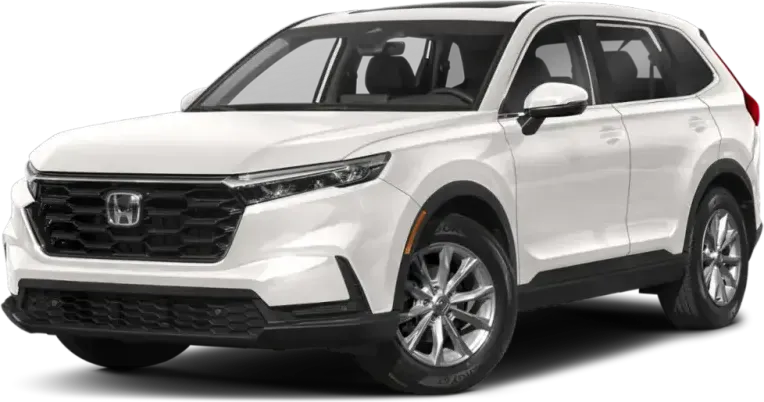
Honda CR-V
Score: 83/100
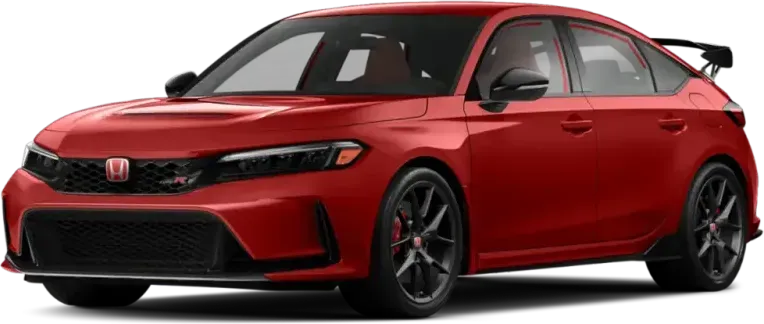
Honda Civic
Score: 94/100
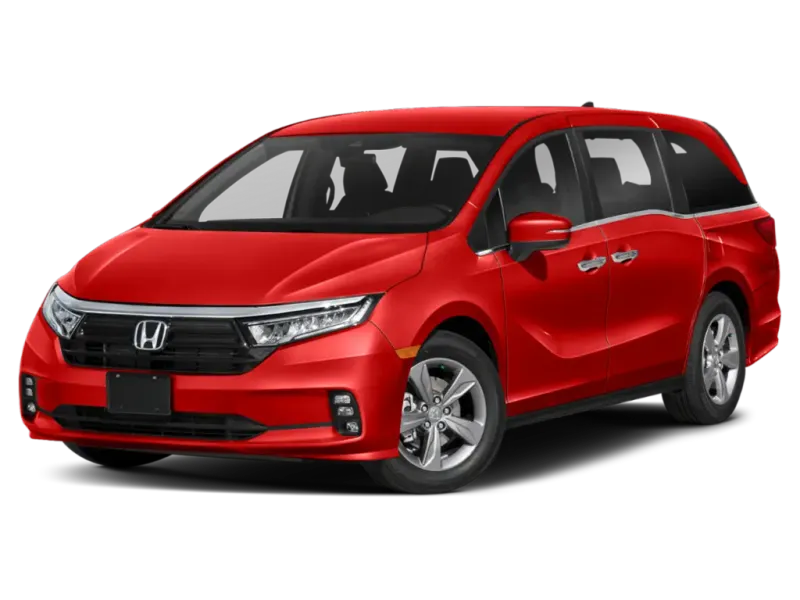
Honda Odyssey
Score: 74/100
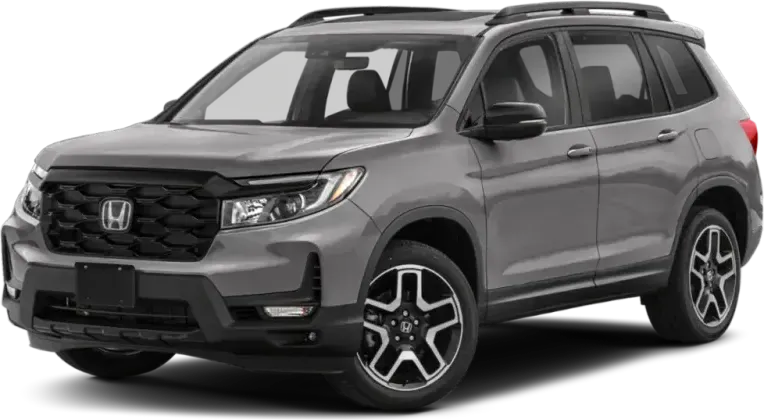
Honda Passport
Score: 84/100
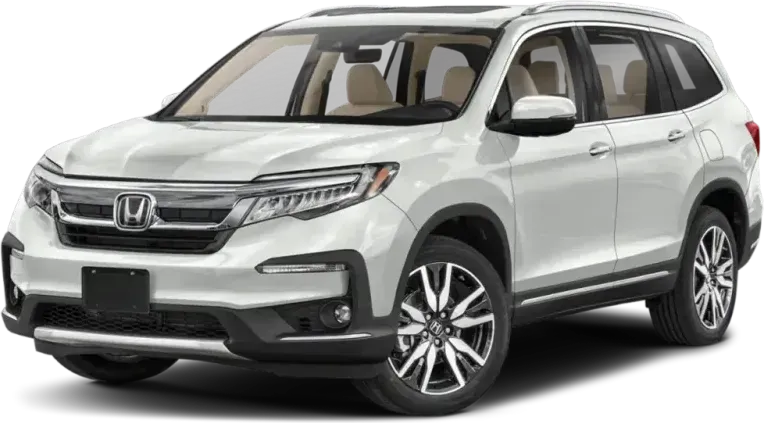
Honda Pilot
Score: 81/100
Browse More 2018 Vehicles
2018 Lexus RX
Score: 85/100
2018 Nissan Murano
Score: 82/100
2018 Lexus IS
Score: 81/100
2018 Buick Encore
Score: 80/100
2018 Toyota Corolla
Score: 80/100
2018 Lexus ES
Score: 80/100
See incorrect data? Report an issue