Last updated: 2026-10-10
Honda HR-V vs Kia Soul: Reliability Compared
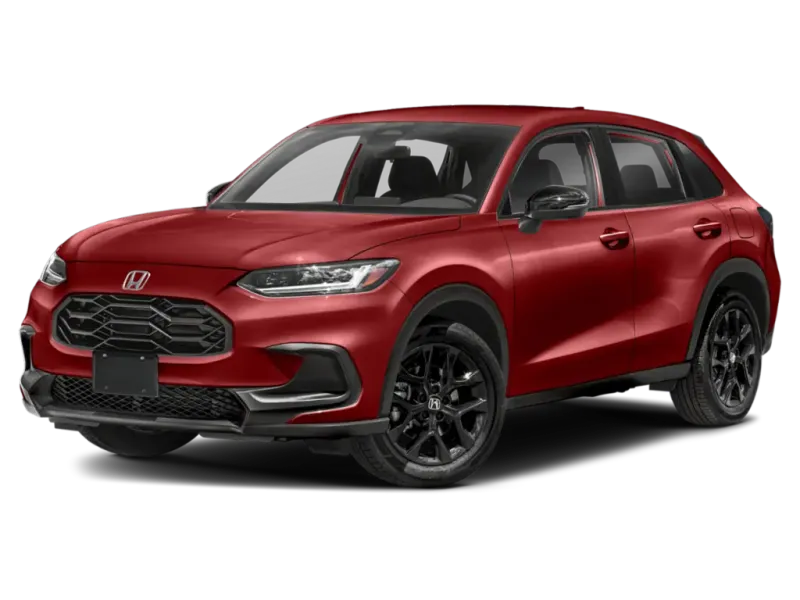
Honda HR-V

Kia Soul
The Honda HR-V comes out ahead of the Kia Soul on reliability by a clear margin. The deciding fact is cost and severity: the HR-V is cheaper to repair and rarely needs a major fix, while Soul owners report oil loss that can destroy the engine.
How Do the Honda HR-V and Kia Soul Generations Compare?
Verdict
The Honda HR-V is more reliable than the Kia Soul, scoring 83/100 vs 77/100.
Reliability favors the Honda HR-V by a clear margin. Independent repair-cost data shows it costing less per year, visiting the shop less often, and rarely needing a major repair. The Kia Soul's central weakness is oil loss that can end in a replacement engine, along with early transmission failures. The HR-V draws more owner complaints and more recalls, but its top complaints are glass cracks and a flickering gauge cluster, which are less costly than a dead engine.
Key Differences
- 1Honda HR-V costs $136 less per year to repair
- 2Kia Soul has 17 fewer total recalls
- 3Honda HR-V scores 6 points higher in reliability
Category Scoreboard
Honda HR-V vs Kia Soul: Which Is More Reliable?
| Metric | Honda HR-V | Kia Soul |
|---|---|---|
| Reliability Score | 83/100 | 77/100 |
| Years Tracked | 9 | 8 |
| Total Recalls | 27 | 10 |
| Complaints per 10k Sold | 11.3 | 6.4 |
| Annual Repair Cost | $301/yr | $437/yr |
| Repair Frequency | 0.1/yr | 0.2/yr |
| Major Repair Risk | 5% | 9% |
| Safety RatingNHTSA overall | 2026 NHTSA | 2025 NHTSA |
| Frontal | ||
| Side | ||
| Rollover | ||
| Year Wins | 5 | 3 |
What Are the Common Problems With the Honda HR-V and Kia Soul?
Windshield cracks with no clear impact, rear liftgate glass that breaks while parked, and a gauge cluster that flickers or goes dark in damp weather lead the HR-V complaints. Its crash-linked reports sit in steering (13), with stalling, no-start, and a wheel that overcorrects, and in the electrical system (4). The Soul's problems sit deeper in the drivetrain. Oil disappears with no warning light, then the engine rattles and stalls. The IVT transmission loses all power at low mileage. The Soul has crash-linked reports in engine and power train, and the HR-V lists none in those areas.
| Component | Honda HR-V | Kia Soul |
|---|---|---|
| UNKNOWN OR OTHER | 2.2Low | 0.7Very Low |
| ENGINE | 0.1Very Low | 2.6Low |
| VISIBILITY/WIPER | 2.2Low | —None |
| ELECTRICAL SYSTEM | 1.5Low | 0.5Very Low |
| STEERING | 1.2Low | 0.3Very Low |
| POWER TRAIN | 0.4Very Low | 1Very Low |
| VISIBILITY | 0.7Very Low | —None |
| FUEL SYSTEM | 0.7Very Low | —None |
| STRUCTURE | 0.4Very Low | 0.1Very Low |
| AIR BAGS | 0.3Very Low | 0.2Very Low |
| ENGINE AND ENGINE COOLING | —None | 0.5Very Low |
| SERVICE BRAKES | 0.3Very Low | 0.1Very Low |
| VEHICLE SPEED CONTROL | 0.2Very Low | 0.1Very Low |
| FUEL/PROPULSION SYSTEM | 0.3Very Low | —None |
| FORWARD COLLISION AVOIDANCE | 0.2Very Low | —None |
| SEAT BELTS | 0.1Very Low | —None |
| EXTERIOR LIGHTING | —None | 0.1Very Low |
| LANE DEPARTURE | —None | —None |
| TIRES | —None | —None |
| WHEELS | —None | —None |
| BACK OVER PREVENTION | —None | —None |
Complaints per 10,000 units sold, aggregated across all tracked model years from NHTSA owner reports.
Which Is Cheaper to Maintain: Honda HR-V or Kia Soul?
How Does Honda HR-V vs Kia Soul Reliability Compare by Year?
| Year | Honda HR-V | Kia Soul | Edge |
|---|---|---|---|
| 2025 | 88/1001R / 26C | 85/1000R / 9C | Honda HR-V |
| 2024 | 83/1004R / 94C | 86/1000R / 23C | Kia Soul |
| 2023 | 73/1003R / 673C | 77/1004R / 45C | Kia Soul |
| 2022 | 83/1003R / 62C | 78/1001R / 78C | Honda HR-V |
| 2021 | 86/1003R / 52C | 72/1002R / 190C | Honda HR-V |
| 2020 | 80/1004R / 71C | 70/1001R / 338C | Honda HR-V |
| 2019 | 75/1006R / 185C | 76/1001R / 123C | Kia Soul |
| 2018 | 78/1003R / 141C | 73/1001R / 199C | Honda HR-V |
Best years to cross-shop: The 2021 Honda HR-V scored 86/100 and the 2024 Kia Soul scored 86/100 — the strongest shared model years that have been on the road for at least two years, where available.
Who Should Buy the Honda HR-V vs the Kia Soul?
Honda HR-V vs Kia Soul: Common Questions
- Is the Honda HR-V more reliable than the Kia Soul?
- Yes, the HR-V has a clear edge. Independent repair-cost data shows lower yearly repair costs, fewer unscheduled shop visits, and a smaller chance of a major repair. The Soul's serious engine and transmission complaints are the main reason it trails, even though the HR-V has more owner complaints per vehicle sold.
- Which has more recalls, the HR-V or the Soul?
- The HR-V has more. Federal recall records show 27 recalls across 9 model years for the HR-V and 10 across 8 model years for the Soul. A higher recall count is not the same as worse reliability, and the HR-V still beats the Soul on repair cost.
- Which is cheaper to repair, the HR-V or the Soul?
- The HR-V is cheaper. Its estimated annual repair cost is $301, against $437 for the Soul. Over five years that adds up to roughly $680 saved. The HR-V also has a 5% chance that a repair is major, compared with 9% for the Soul.
- What is the biggest problem with the Kia Soul?
- The engine. Owners report oil disappearing between changes, often with no low-oil warning, followed by rattling, power loss, and stalling. Some cars needed a full engine replacement. Owners also report early IVT transmission failures that left cars without power in traffic.
- What goes wrong most often on the Honda HR-V?
- Glass and display problems lead. Owners report windshields cracking without a clear impact, rear liftgate glass breaking while parked, and a gauge cluster that flickers or goes dark in cold or damp weather. Dealers quoted $1800 or more to replace a cluster. Steering complaints include stalling and no-start reports.
Related Reliability Comparisons
More Honda HR-V comparisons
Decided between Honda HR-V and Kia Soul? Run a VIN check before you buy — uncover hidden accidents, title issues, and open recalls.
How we score the Honda HR-V and Kia Soul
Scores weight complaint severity at 35%, repair costs at 30%, recall impact at 20%, and the spread of complaints across systems at 15%, with complaint counts adjusted for US sales. Read the full methodology.
See incorrect data? Report an issue