Last updated: 2026-10-10

Chevrolet Reliability Ratings — Every Model Ranked
Good, and close to the average brand on the site, is where Chevrolet lands across its 17 tracked models. The Trax rates excellent and has a long record behind it. The Silverado-EV also rates excellent, but it has only two model years on the road. Most of the rest rate good, from the Equinox and Malibu to the Silverado and Tahoe. The Blazer-EV and Bolt trail with mixed reliability, so the spread runs from excellent to mixed.
Three problems repeat across the lineup. The first is a shifter that does not register Park. The warning stays on, the engine keeps running, the doors will not lock, and the battery drains. The second is a reduced engine power warning, often traced to the turbo. The third is brakes, from constant squealing to a pedal that sinks to the floor. Shoppers should test the shifter and brake pedal on every drive and pick the model year carefully, since the worst years for a model often stand out.
Chevrolet Best Year Score Comparison
Each bar shows the best single model year score for that Chevrolet model. Longer bars indicate higher peak reliability.
Chevrolet Model Rankings
Scores below are averaged across all tracked model years. The “Best Year” column shows the highest-scoring model year that has been on the road for at least two years, where available.
| # | Vehicle | Best Year | Score | Rating | Recalls | Complaints / 10k | Maint. Rating | Est. Repair Cost |
|---|---|---|---|---|---|---|---|---|
| 1 | Chevrolet Silverado EV | 2024 | 81/100 | Excellent | 5 | 0.3 | 3 | |
| 2 | Chevrolet Trax | 2022 | 81/100 | Excellent | 5 | 6.5 | 4 | $488/yr |
| 3 | Chevrolet Colorado | 2022 | 79/100 | Good | 9 | 8.8 | 4 | $599/yr |
| 4 | Chevrolet Impala | 2020 | 78/100 | Good | 2 | 9.1 | 4 | $568/yr |
| 5 | Chevrolet Blazer | 2022 | 76/100 | Good | 19 | 13.8 | 4 | $521/yr |
| 6 | Chevrolet Malibu | 2023 | 76/100 | Good | 13 | 15.3 | 4 | $532/yr |
| 7 | Chevrolet Camaro | 2023 | 75/100 | Good | 7 | 8.8 | 3.5 | $585/yr |
| 8 | Chevrolet Equinox | 2024 | 73/100 | Good | 32 | 7.9 | 3.5 | $537/yr |
| 9 | Chevrolet Silverado | 2023 | 73/100 | Good | 91 | 9.5 | 4 | |
| 10 | Chevrolet Trailblazer | 2024 | 73/100 | Good | 5 | 8.6 | 3 | $784/yr |
| 11 | Chevrolet Tahoe | 2024 | 72/100 | Good | 34 | 11.6 | 3.5 | $744/yr |
| 12 | Chevrolet Corvette | 2023 | 71/100 | Good | 11 | 15.0 | 3 | $737/yr |
| 13 | Chevrolet Traverse | 2024 | 70/100 | Good | 19 | 14.1 | 3 | $656/yr |
| 14 | Chevrolet Equinox EV | 2024 | 69/100 | Good | 7 | 29.7 | 3 | |
| 15 | Chevrolet Suburban | 2024 | 69/100 | Good | 27 | 11.8 | 3 | $944/yr |
| 16 | Chevrolet Bolt | 2023 | 59/100 | Mixed | 30 | 33.3 | 3 | |
| 17 | Chevrolet Blazer EV | 2024 | 53/100 | Mixed | 8 | 26.6 | 1 |
Chevrolet Models
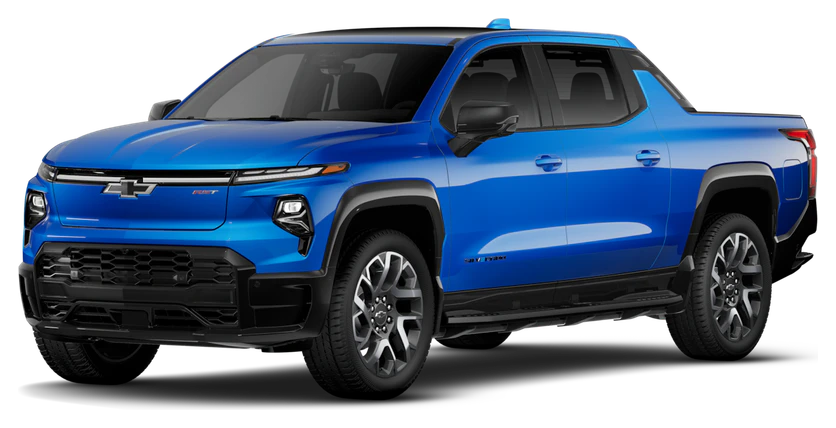
Chevrolet Silverado EV
1st gen (2024–present)
Used Silverado EV trucks rate excellent for reliability, well above average among trucks on the site. No model year falls well below the rest, and 2024 is the pick.
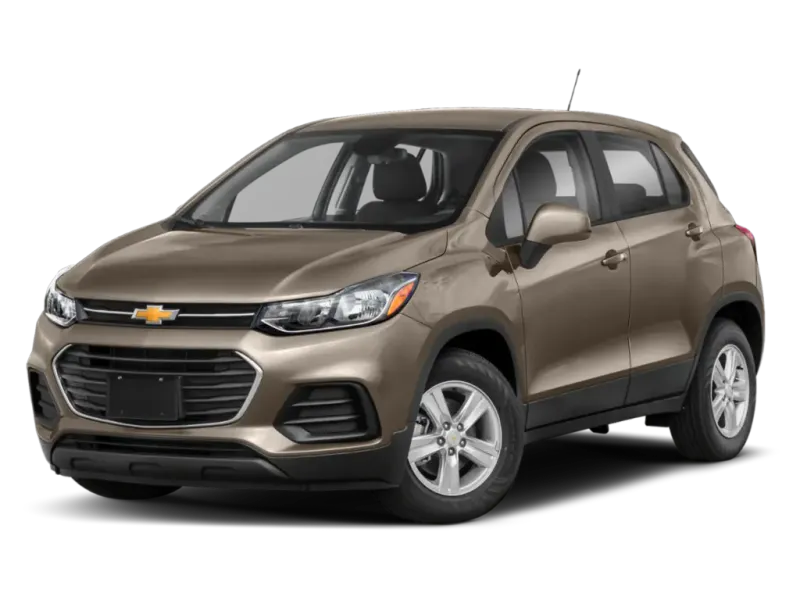
Chevrolet Trax
2nd gen (2024–2023)
Used Trax models rate well above average among SUVs, and the 2022 is the pick for most buyers. The 2018 and 2019 years are the ones to skip, with front lower control arms that crack at the weld and dash screens that black out.
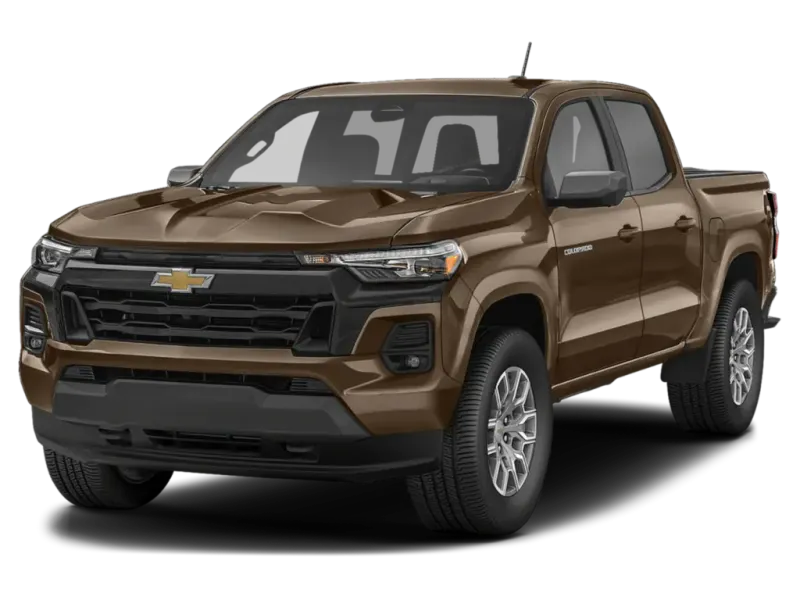
Chevrolet Colorado
3rd gen (2023–2023)
Used Colorados rate well above other trucks, with repair costs close to the midsize average. The 2022 is the year to favor, while the 2023 redesign is the one to avoid because of false automatic emergency braking and blank screens.
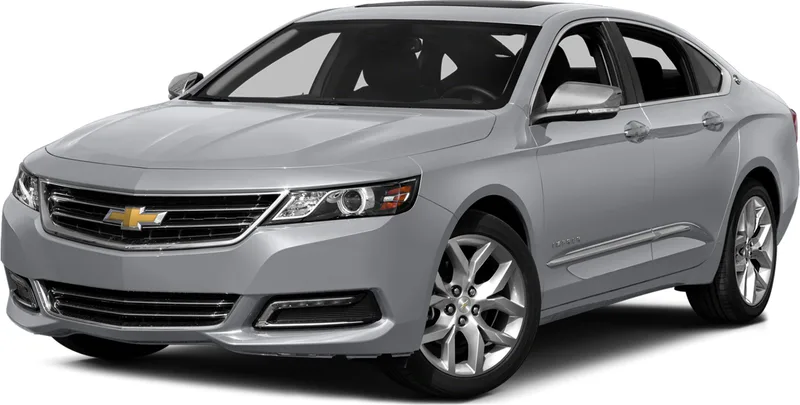
Chevrolet Impala
10th gen (2014–2020)
Used Impalas hold up well, with yearly repair costs a little under the full-size average. The 2020 is the year to favor, with no recalls on record, while 2018 drew the most complaints.
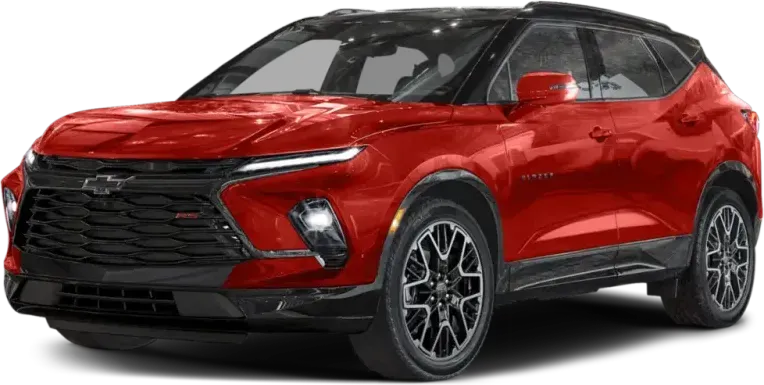
Chevrolet Blazer
4th gen (2023–2023)
Reliability is good for a used midsize SUV and above average among SUVs. Favor the 2022 and skip the 2019 and 2024.
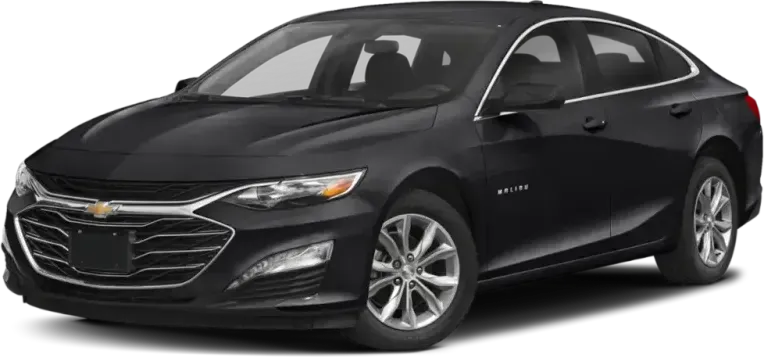
Chevrolet Malibu
5th gen (1997–2003), facelifted 2001
Used Malibus hold up well, with repair costs close to the midsize average and a standing above most sedans on the site. Favor 2023 and avoid 2018, which collects far more complaints than any other year.
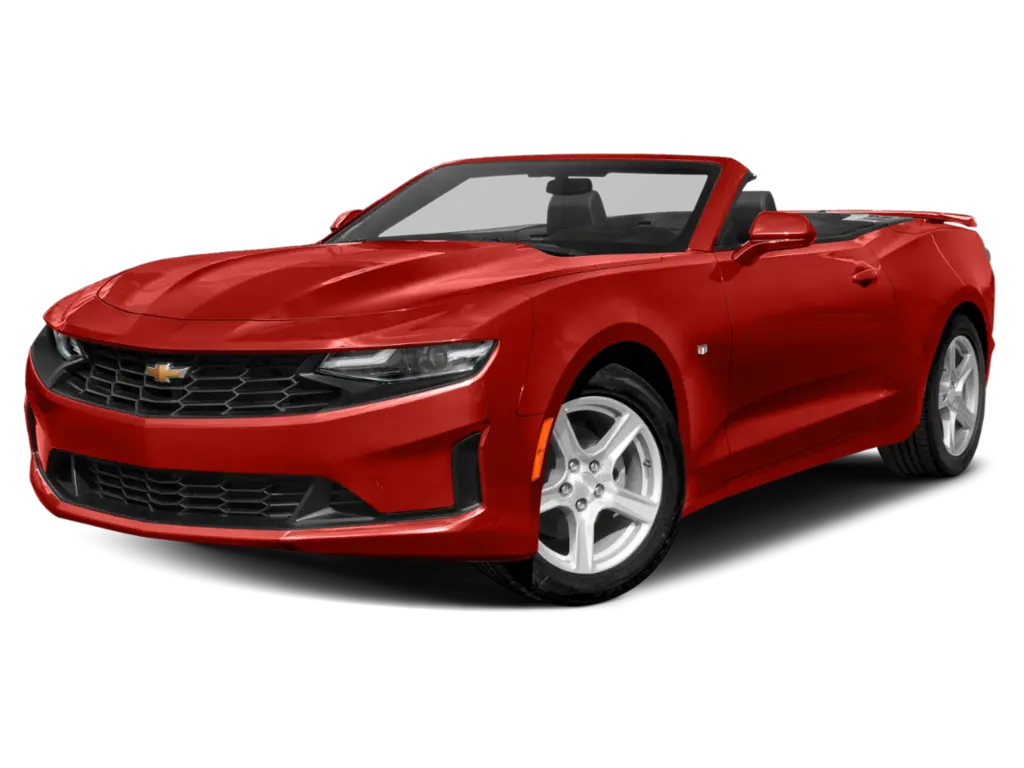
Chevrolet Camaro
6th gen (2016–2024), facelifted 2019
Used Camaros rate good for reliability and sit above the average sedan on the site. Power train complaints lead the list, mainly a rumble-strip shudder in automatics and hard shifts, and some owners report power steering assist cutting out without warning.
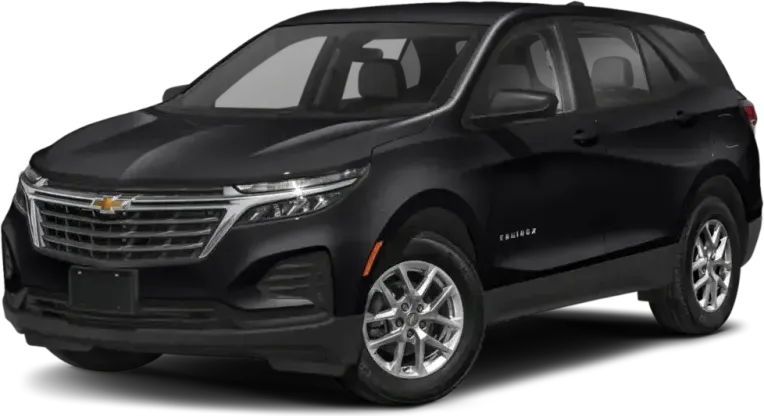
Chevrolet Equinox
4th gen (2025–present)
Reliability is good, with repair costs close to the compact SUV norm. The most serious pattern is a brake pedal that goes hard or sinks to the floor, often blamed on the vacuum pump.

Chevrolet Silverado
4th gen (2019–2023), facelifted 2022
Used Silverados rate good and sit above average among full-size trucks. The weak spots are a transmission that can shift hard, shudder, or slip, and lifter failure that can end in a new engine.
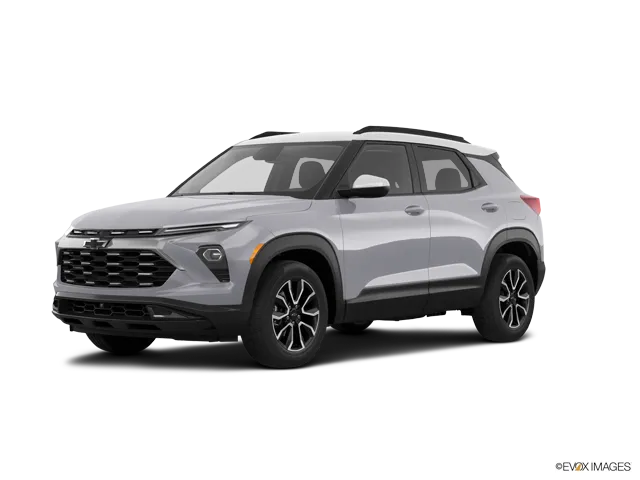
Chevrolet Trailblazer
1st gen (2021–present), facelifted 2024
Good reliability, close to average among SUVs, with 2021 the year to skip and 2024 the one to buy. The big complaint is a shifter that does not register Park, so the engine keeps running and the doors will not lock.
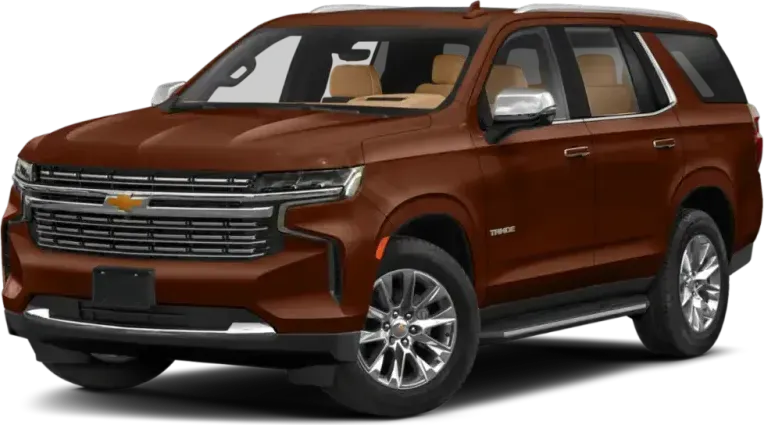
Reliability is good and close to average among SUVs on the site, though repairs run about $744 a year. Favor the 2024 and avoid the 2021, where valve lifters fail and the engine loses power without warning.
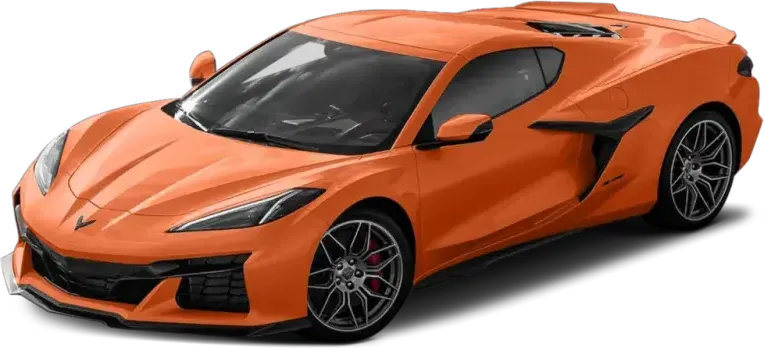
Chevrolet Corvette
8th gen (2020–2023), facelifted 2023
Reliability is good overall and close to average among coupes, though yearly repair costs run above the midsize-car norm. Cracking factory wheels are the main watch item, and they hit the 2019 hardest.
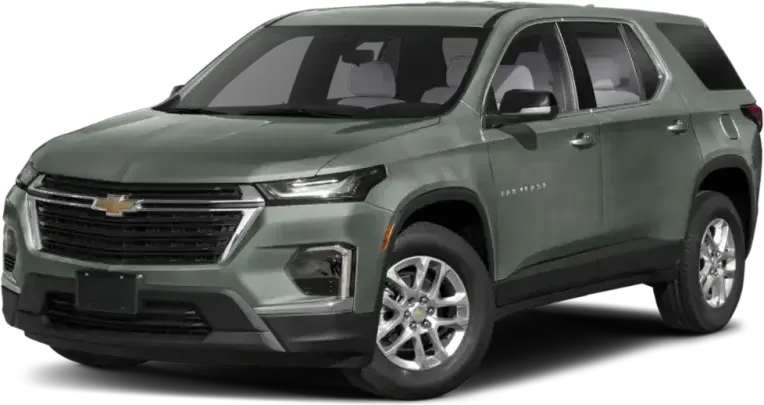
Chevrolet Traverse
3rd gen (2024–2023)
Used Traverse shoppers should favor the 2024 and steer clear of 2018 and 2019. Reliability standing is good, though repair costs run above the midsize SUV average at $656 a year.
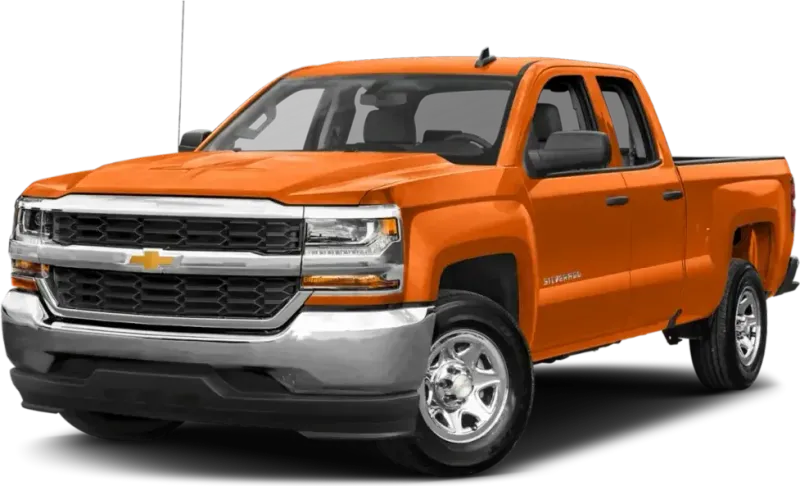
Chevrolet Equinox EV
1st gen (2024–2023), facelifted 2025
Reliability is good overall and close to average among SUVs. The 2024 is the year to buy, since it has been on the road longest and has one recall on file, against six for the 2025.

Chevrolet Suburban
11th gen (2015–2020), facelifted 2018, 2016, 2017
Used Suburbans rate good for reliability and sit close to average among SUVs, though yearly repair costs run above the full-size SUV norm. The 2024 is the pick, and 2021 is the year to avoid.
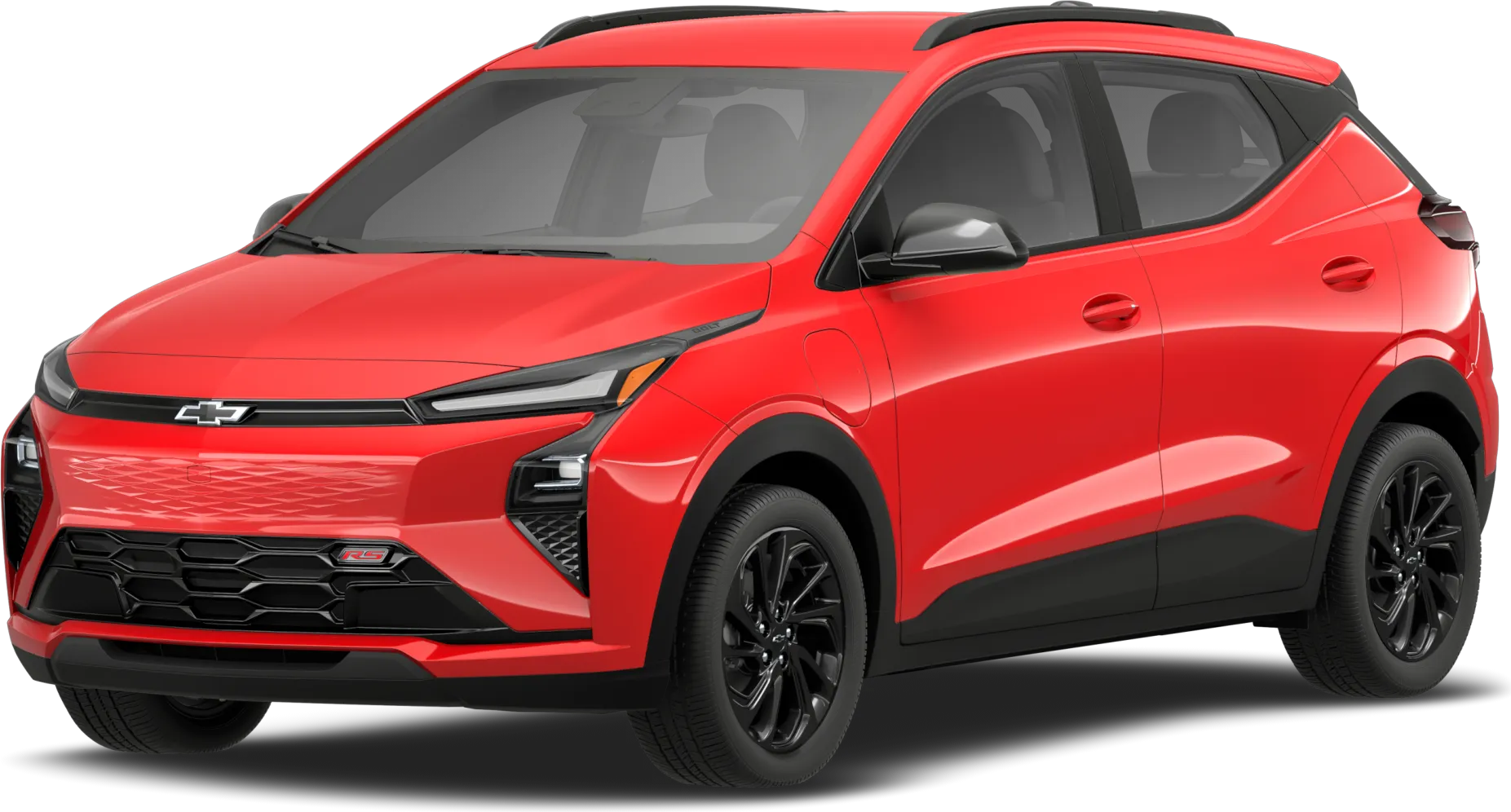
Chevrolet Bolt
2nd gen (2027–present)
Mixed overall and well below average among SUVs, this compact electric model is best bought as a 2023 or 2021. The 2019 is the one to skip, with owner reports of battery fires while parked and charging.
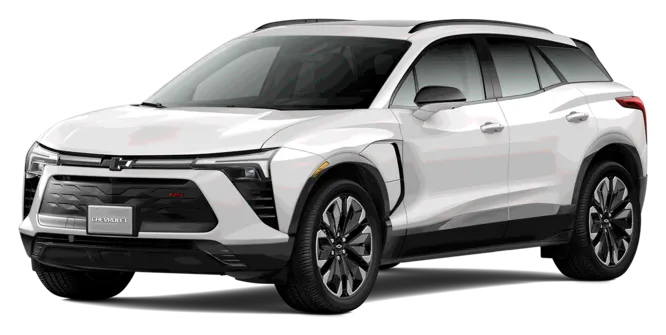
Chevrolet Blazer EV
1st gen (2024–present)
Reliability is mixed, and the Blazer-EV sits well below average among SUVs. The biggest worries are sudden power loss after a "Service high voltage system" warning and unexpected hard braking.
Common Chevrolet Problems
Top complaint categories across all Chevrolet models, based on owner-reported issues to NHTSA.
Chevrolet by Category
SUVs
- Trax81/100
- Blazer76/100
- Equinox73/100
- Trailblazer73/100
- Tahoe72/100
- Traverse70/100
- Equinox EV69/100
- Suburban69/100
- Bolt59/100
- Blazer EV53/100
coupe
- Corvette71/100
Frequently Asked Questions
- What is the most reliable Chevrolet model?
- The Silverado-EV ranks highest, with an excellent rating and few owner complaints. It only covers the 2024 and 2025 model years, so its record is short. The Trax also rates excellent and has a longer history, with the 2022 as the year to favor.
- Which Chevrolet models should I avoid?
- The Blazer-EV is the weakest, with mixed reliability. Owners report sudden power loss after a "Service high voltage system" warning and unexpected hard braking. The Bolt also rates mixed, and the 2019 has owner reports of battery fires while parked and charging.
- Are Chevrolets expensive to repair?
- Mostly not, but it depends on the model. Independent repair-cost data puts the Trax at about $488 a year and the Malibu at about $532. The Suburban is the high end at about $944 a year, which is above the full-size SUV norm.
- What does the "Shift to Park" warning mean on a Chevrolet?
- It means the car does not register that the shifter is in Park. Owners say the message stays on, the engine keeps running, the doors will not lock, and the battery drains. Dealers usually replace the shifter assembly. It appears on the Trailblazer, Traverse, Malibu and Blazer.
- Which Silverado years are best to buy used?
- The 2023 is the one to look at first. Skip the 2019 and 2020 model years. The main weak spots across years are a transmission that shifts hard, shudders or slips, and lifter failure that can end in a new engine. The 2025 and 2026 trucks look clean mostly because they are new.
Compare Chevrolet vs Other Makes

Chevrolet vs Acura
Compare reliability →

Chevrolet vs Audi
Compare reliability →

Chevrolet vs BMW
Compare reliability →

Chevrolet vs Buick
Compare reliability →

Chevrolet vs Cadillac
Compare reliability →

Chevrolet vs Chrysler
Compare reliability →

Chevrolet vs Dodge
Compare reliability →

Chevrolet vs Ford
Compare reliability →

Chevrolet vs GMC
Compare reliability →

Chevrolet vs Honda
Compare reliability →

Chevrolet vs Hyundai
Compare reliability →

Chevrolet vs Infiniti
Compare reliability →

Chevrolet vs Jeep
Compare reliability →

Chevrolet vs Kia
Compare reliability →

Chevrolet vs Lexus
Compare reliability →

Chevrolet vs Lincoln
Compare reliability →

Chevrolet vs Mazda
Compare reliability →

Chevrolet vs Mercedes-Benz
Compare reliability →

Chevrolet vs Mitsubishi
Compare reliability →

Chevrolet vs Nissan
Compare reliability →

Chevrolet vs Porsche
Compare reliability →

Chevrolet vs Ram
Compare reliability →

Chevrolet vs Rivian
Compare reliability →

Chevrolet vs Subaru
Compare reliability →

Chevrolet vs Tesla
Compare reliability →

Chevrolet vs Toyota
Compare reliability →

Chevrolet vs Volkswagen
Compare reliability →

Chevrolet vs Volvo
Compare reliability →
Most Reliable Used SUVs
View rankings →
Most Reliable Used Sedans
View rankings →
Most Reliable Used Trucks
View rankings →
Best Chevrolet Years
View rankings →
How we score Chevrolet models
Scores weight complaint severity at 35%, repair costs at 30%, recall impact at 20%, and the spread of complaints across systems at 15%, with complaint counts adjusted for US sales. Read the full methodology.
See incorrect data? Report an issue