Last updated: 2026-10-10
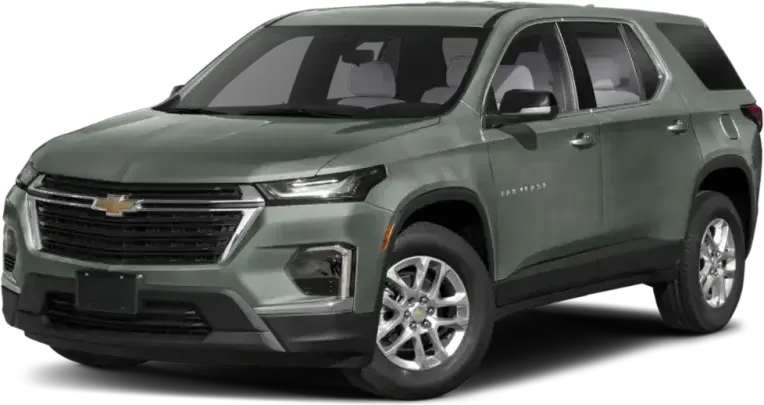
2025 Chevrolet Traverse Reliability Report
The 2025 Chevrolet Traverse rates good for reliability, but brake master cylinder failures often hit early and replacement parts are backordered.
Recalls
0
Complaints
132
Complaint Rate
8.9per 10,000 sold
Est. Repair Cost
$656
Annual Fuel Cost
$2,600–$2,850
Detailed Score Breakdown
Component-weighted complaints normalized by sales volume
Independent repair cost ratings
Recall count weighted by severity
Breadth of reported problem categories
The Verdict
Rates good and sits among the stronger Traverse years, though early brake master cylinder failures and backordered parts drive most of its 132 complaints.
Top Issues to Watch
- SERVICE BRAKES (65)
- ELECTRICAL SYSTEM (28)
- POWER TRAIN (10)
Should You Buy the 2025 Chevrolet Traverse?
Reliability is good, and this year ranks among the stronger of the nine scored Traverse years. Against other 2025 SUVs it is close to average. Federal recall records list none, and the crash-test rating is 5 of 5 stars. Independent repair-cost data puts yearly costs at $656, above the $573 class figure.
Brakes are the main worry. Owners report ABS, traction control and collision warning lights coming on together, a spongy or very hard pedal, and sometimes leaking fluid. Dealers usually find a failed master cylinder, from 300 to 9,450 miles. Two complaints describe crashes after a hard pedal failed to stop the car. Parts are backordered, so cars wait weeks. Some transmissions leak and fail between 500 and 9,500 miles, with power loss on the highway.
Ask for brake and transmission repair records, and confirm any backordered parts were actually installed. Check that the antenna cover is secure. The 2024 and 2026 years rate about the same, so compare them too.
Compared to the 2026 Chevrolet Traverse, which scored 1 points higher. See also the 2024 Chevrolet Traverse for an earlier comparison.
Pros
- +Acceptable reliability score
- +No recalls issued
- +5-star NHTSA crash rating
Cons
- −Above-average repair costs for its class
- −Above-average complaint rate for SUV
- −SERVICE BRAKES issues reported (65 complaints)
Compare 2025 Chevrolet Traverse With
2025 Buick Enclave
Reliability: 77/100

2025 Ford Explorer
Reliability: 72/100
2025 Nissan Pathfinder
Reliability: 78/100
2025 Toyota Grand Highlander
Reliability: 80/100
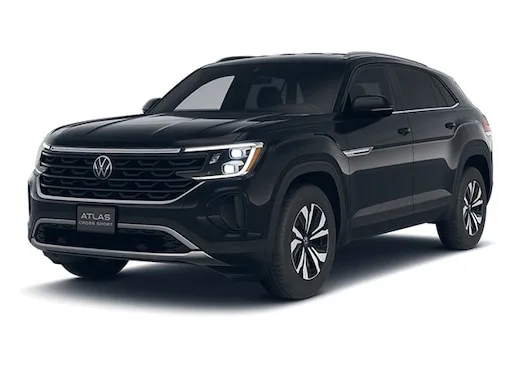
2025 Volkswagen Atlas
Reliability: 65/100
Common Problem Categories
Other
HIGH RISK- SERVICE BRAKES (65)
- ELECTRICAL SYSTEM (28)
Recall Overview
0
recalls on record
No recalls are on record for the 2025 Chevrolet Traverse — uncommon, and a strong signal of manufacturing quality.
NHTSA.gov →Complaint Breakdown
8.9
per 10,000 soldSegment avg: 3.5
Safety Incidents
4
Crashes
0
Fires
2
Injuries
0
Deaths
NHTSA 5/5 Stars
Data sourced from NHTSA complaint filings and manufacturer recall notices. Complaint narratives are owner-reported.
Buying a used 2025 Chevrolet Traverse? Check its history first
Service brakes problems lead owner complaints about the 2025 Chevrolet Traverse, and 0 recalls were issued for it. A VIN check shows whether this car's recall work was done, plus accident, title, and odometer history.
- Accidents
- Open Recalls
- Title History
- Odometer Rollback
2025 Chevrolet Traverse NHTSA Safety Ratings
Overall Safety Rating
Crash Test Results by Configuration (expand)
Gas Powertrain
Rollover risk: 17.4%
Safety Technologies
Chevrolet TraverseRepair Costs & Maintenance
Maintenance Rating
3Maintenance rating: 3 out of 5Based on NHTSA complaint patterns, recall severity, and publicly available cost benchmarks.
Est. Annual Maintenance
$656
vs $573 avg for midsize SUVs
vs $652 avg for all vehicles
Repair Frequency
0.4
unscheduled repair visits per year
Severe Repair Probability
18%
chance of a major repair
Annual Cost Comparison
Category-level averages derived from publicly available industry reports (AAA, CarMD). Model-level estimates produced by Auto Reliability Index.
Chevrolet Traverse Resale Value
The Chevrolet Traverse is estimated to retain about 58.9% of its original value after 5 years, based on observed used-car listings.
This benchmark covers the Chevrolet Traverse model overall and is not specific to the 2025 model year.
- Value Retained
- 58.9%
- Depreciation
- 41.1%
- Listings Analyzed
- 233
after 5 years
over the same period
U.S. used-car listings
Listings observed in . This is a historical market benchmark, not a current price quote.
Explore Chevrolet Traverse depreciation and resale value on CarResaleValue.comMPG & Annual Running Costs
Gas
21–23 MPG
Running cost: $3,250–$3,500/yr
Fuel + repair
19–20 city / 24–27 hwy MPG
Running cost includes EPA fuel-cost estimate and independent repair-cost data (repair cost estimated at model level). Excludes routine maintenance, depreciation, and insurance. Data as of 2025 EPA label cycle.
Gas trims
| Trim | Drive | Trans. | City | Hwy | Comb | Fuel Cost |
|---|---|---|---|---|---|---|
| Traverse FWD 2.5L 4-cyl | Front-Wheel Drive | Automatic 8-spd | 20 | 27 | 23 | $2,600 |
| Traverse AWD 2.5L 4-cyl | All-Wheel Drive | Automatic 8-spd | 19 | 24 | 21 | $2,850 |
Used Buying Checklist
Key things to inspect or verify before purchasing a 2025 Chevrolet Traverse.
Start the car and check for ABS, traction control, Service ESC or Service Brake Assist warnings on the dash.
Ask for service records showing whether the brake master cylinder has been replaced or bulletin work done.
Press the brake pedal hard while stopped and walk away if it feels spongy, soft, or unusually hard.
Brake firmly on the test drive and listen for a clunk or thud from the front end.
Look under the car and at its parking spot for red transmission fluid.
Accelerate onto a highway and watch for slipping, jerky shifts, hesitation or RPM spikes toward the red zone.
Check that the roof shark fin antenna is firmly attached with no gaps or loose edges.
Test OnStar, navigation GPS, Wi-Fi and the phone app, and confirm the instrument cluster never goes blank.
2025 Chevrolet Traverse Common Problems by Component
132 owner complaints grouped by vehicle system.
SERVICE BRAKES
65 complaintsSafety-relatedA group of brake warnings comes on at once: ABS, traction control, forward collision and parking brake lights, plus Service ESC and Service Brake Assist messages. Dealers usually trace it to a failed brake master cylinder, often on cars with only a few thousand miles. Some cars have under 300 miles. The pedal can turn spongy, soft or very hard, sometimes with a front-end clunk or leaking fluid. Two complaints describe crashes after a hard pedal failed to stop the car. Replacement parts are on national backorder, so cars sit at dealers for weeks.
ELECTRICAL SYSTEM
28 complaintsSafety-relatedMany of these complaints repeat the master cylinder and ABS failure, with messages such as "Brake Assist failure. Press hard to brake. Speed Limited" and pedals that need full force. Other reports describe a dead OnStar or telematics module. It takes GPS, connected services, software updates and adaptive cruise down with it, and parts are backordered. Some owners also report an instrument cluster that goes blank, a dead battery, and a false liftgate-open alarm that disables the rear wiper. One crash complaint with an injury says the front and side curtain air bags did not deploy in a side impact.
POWER TRAIN
10 complaintsTraverse transmission problems across all model years
The transmission leaks fluid, sometimes heavily, and then fails. Cars lose power at highway speed, the RPM shoots toward the red zone, and the car will not engage drive or reverse. Several cars are towed. Other complaints describe slipping, jerky or erratic shifts, and hesitation when accelerating. Most failures come early, between 500 and 4k miles. One owner cites a GM service bulletin for a fluid leak near the torque converter. A backordered valve body and repairs lasting weeks are common. Sudden power loss in highway traffic creates real collision risk.
STRUCTURE (7 complaints)
STRUCTURE
7 complaintsThe roof-mounted shark fin antenna cover comes loose and flies off, sometimes on the highway and sometimes in a touch-free car wash. That turns it into debris for traffic behind. Owners describe weak or broken mounting clips, and one dealer refused warranty coverage because the car went through automatic car washes. Smaller complaints cover door panels that vibrate hard at 60 mph with the rear windows down and a door latch that stuck until the door would not open.
UNKNOWN OR OTHER (5 complaints)
UNKNOWN OR OTHER
5 complaintsMost complaints in this group involve two problems. The shark fin roof antenna detaches during normal driving or in car washes. The OnStar telematics control module also fails, cutting navigation, Wi-Fi, Super Cruise, crash and theft connectivity, and app features like remote start and door locks. GPS can show the car in the wrong state. Replacement modules are on backorder with no delivery date. One report describes Service ESC and brake assist warnings and a pedal that went to the floor without stopping the car.
VEHICLE SPEED CONTROL (4 complaints)
VEHICLE SPEED CONTROL
4 complaintsThese complaints describe the same brake system fault filed under another category. The brake, ABS, forward collision and traction control lights come on together with Service ESC and Service Brake Assist messages. Brakes go soft and the car can slow itself, showing "brake assist fail, press hard to brake, speed reduced." Restarting may clear it for a while before it returns. Dealers point to the master cylinder, and parts are on nationwide backorder. One car was down 8 weeks after a new cylinder would not program.
FORWARD COLLISION AVOIDANCE (3 complaints)
FORWARD COLLISION AVOIDANCE
3 complaintsThe car brakes on its own at low speed, vibrates the driver's seat and shows a "Pedestrian Nearby" alert with no pedestrian present. That report came a week after the telematics control module was replaced. Another complaint says Super Cruise stopped working. A third involves a master brake cylinder failure after 4K miles, with a wait of 4-6 weeks for parts.
STEERING (3 complaints)
STEERING
3 complaintsThe wheel goes loose or stiff at the same time as ESC, ABS and forward collision warnings come on. One car showed "Do Not Drive the Vehicle over 62 MPH," and the dealer found the brake plunger motor temperature too high. Another car felt unbalanced, with excessive play in the wheel, past 10,000 miles. A separate report describes hands-free driving that changed lanes, then signaled back toward a car alongside, and the driver had to grab the wheel.
ENGINE (3 complaints)
ENGINE
3 complaintsTwo of the three complaints here are actually transmission failures, at 7100 and about 9,500 miles. One of those cars has been in the shop close to 3 months. The third describes a fuel injector failure on cylinder 4 at 120 miles. It caused a rough idle, a check engine light and code P0300, and the dealer quoted up to 10 days for parts.
ENGINE AND ENGINE COOLING (1 complaints)
ENGINE AND ENGINE COOLING
1 complaintThe contact owns a 2025 Chevrolet Traverse. The contact stated that immediately after purchasing the vehicle, the vehicle experienced several electrical failures, including the On-Star module malfunctioning. The On-Star module was replaced twice. During the failures, the cruise control feature became inoperable, and the computer updates were not received. Additionally, the battery became drained several times, and the vehicle needed to be jump-started. The contact also indicated the shark fin antenna had ejected from the vehicle while driving. The vehicle also abruptly stopped while driving on several occasions, and while driving, there was an abnormal metallic scraping sound coming from the engine compartment. The radiator hose had failed, causing coolant to leak from the vehicle. The hose was replaced, and the vehicle was repaired. The manufacturer was notified of the failures. The failure mileage was 44,000.
When Do 2025 Chevrolet Traverse Problems Start?
Based on owner complaint patterns, here's when common issues tend to appear.
Best & Worst Chevrolet Traverse Years
Best Chevrolet Traverse Years to Buy
Based on reliability index scoreChevrolet Traverse Years to Avoid
Chevrolet Traverse Reliability Score Trend
Scores 0–100. Higher is better. Current year highlighted.
| Year | Score | Rating |
|---|---|---|
| 2018 | 62/100 | Good |
| 2019 | 62/100 | Good |
| 2020 | 62/100 | Good |
| 2021 | 71/100 | Good |
| 2022 | 73/100 | Good |
| 2023 | 72/100 | Good |
| 2024 | 73/100 | Good |
| 2025 | 75/100 | Good |
| 2026 | 76/100 | Good |
Chevrolet Traverse Reliability Compared to Other Years
Frequently Asked Questions
Is the 2025 Chevrolet Traverse reliable?
What are the most common problems with the 2025 Chevrolet Traverse?
Does the 2025 Chevrolet Traverse have brake problems?
Does the 2025 Chevrolet Traverse have transmission problems?
Is the 2025 Chevrolet Traverse more expensive to repair than other SUVs?
Don’t buy a 2025 Chevrolet Traverse without checking its VIN first — hidden accidents, title issues, and open recalls could cost you thousands.
How we score the 2025 Chevrolet Traverse
Of the four inputs behind this score, the 2025 Chevrolet Traverse does best on recall impact (100/100) and worst on repair costs (60/100). Scores weight complaint severity at 35%, repair costs at 30%, recall impact at 20%, and the spread of complaints across systems at 15%, with complaint counts adjusted for US sales. Read the full methodology.
Get notified when new recalls or reliability data is added for the Chevrolet Traverse.
No spam. Only data updates for this model.
Browse More Chevrolet Models
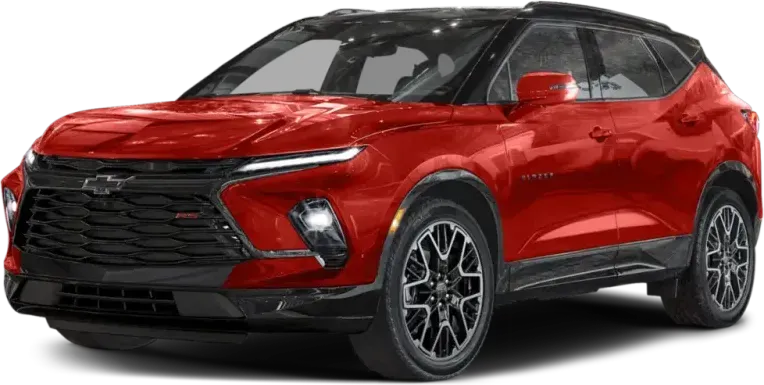
Chevrolet Blazer
Score: 88/100
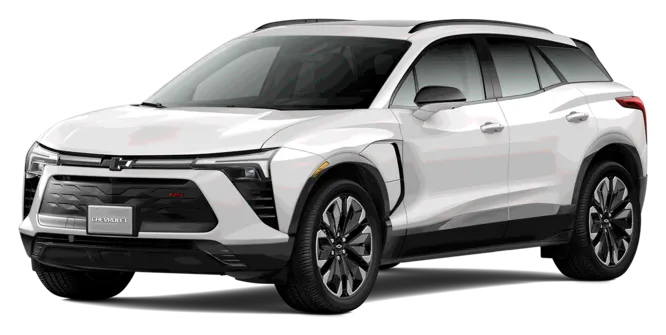
Chevrolet Blazer EV
Score: 57/100
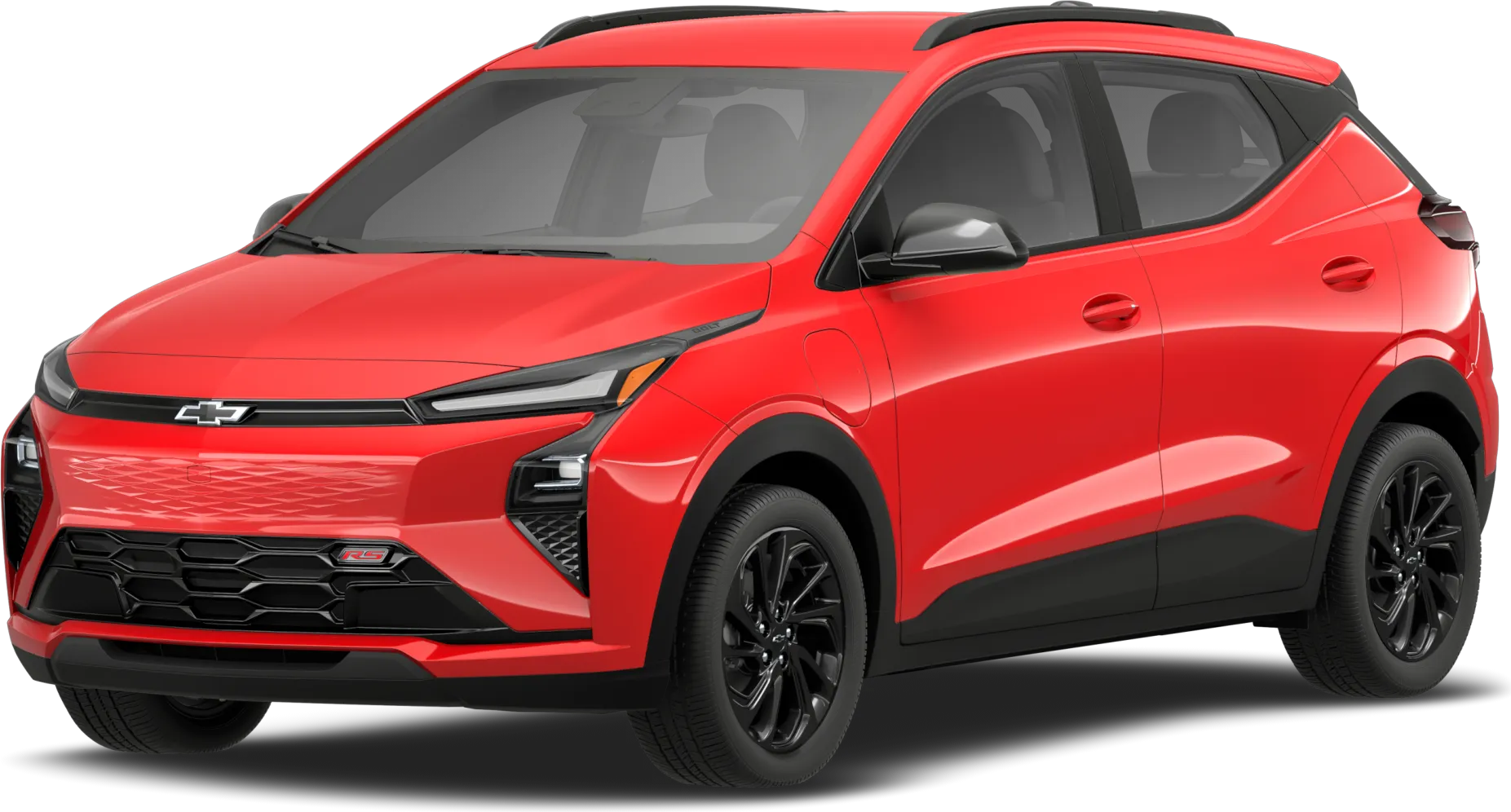
Chevrolet Bolt
Score: 64/100
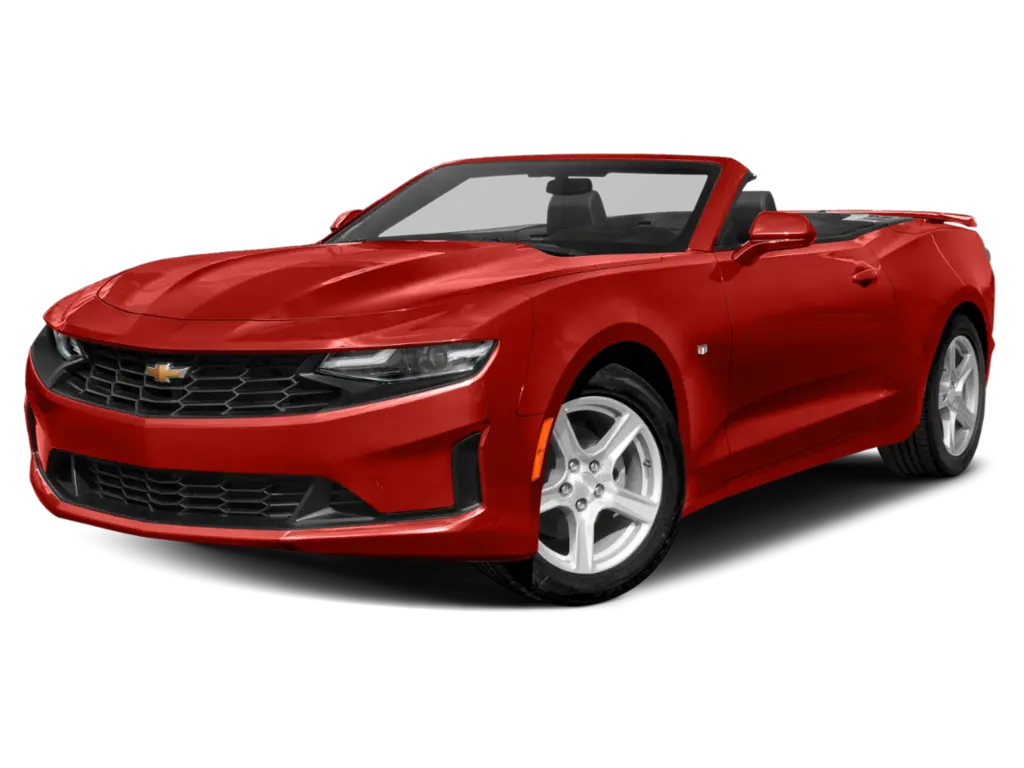
Chevrolet Camaro
Score: 77/100

Chevrolet Colorado
Score: 88/100
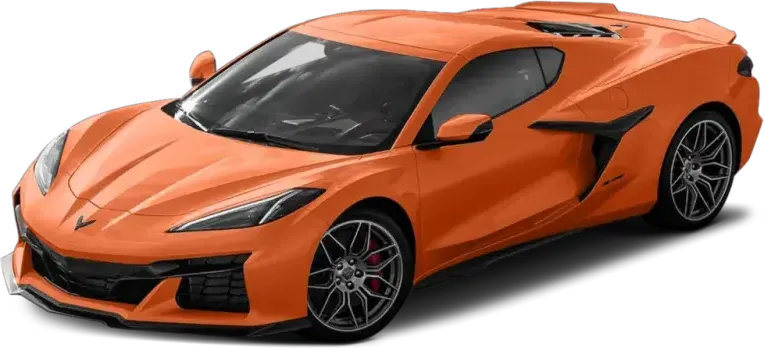
Chevrolet Corvette
Score: 76/100
Browse More 2025 Vehicles
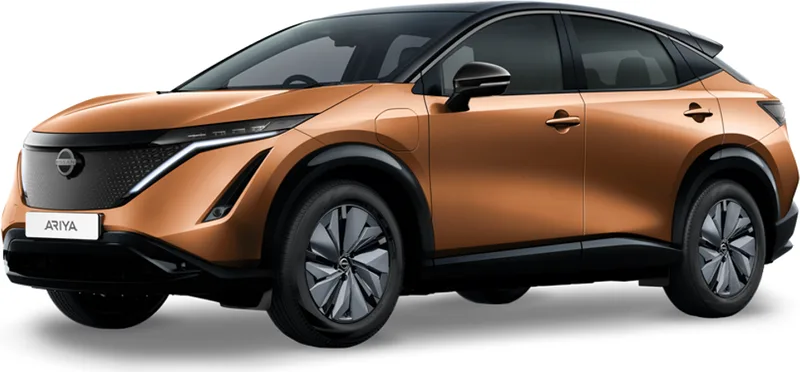
2025 Nissan Ariya
Score: 88/100
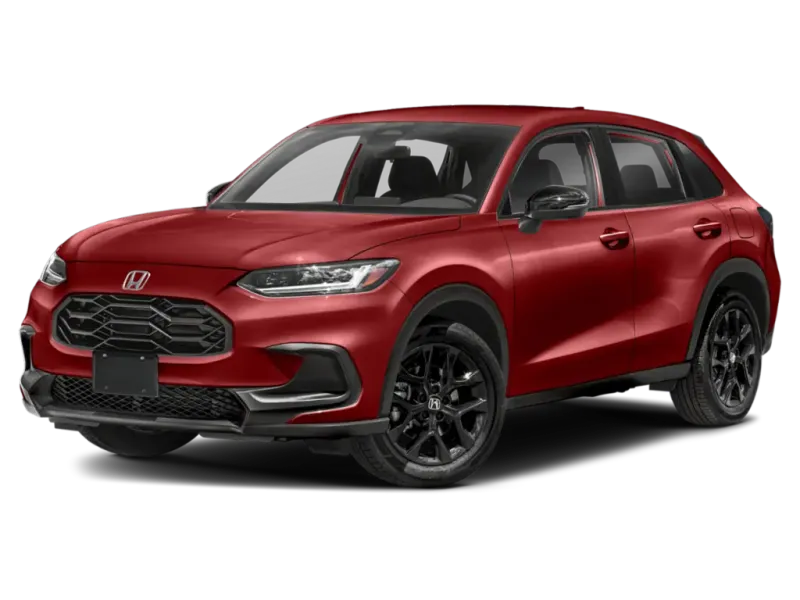
2025 Honda HR-V
Score: 88/100
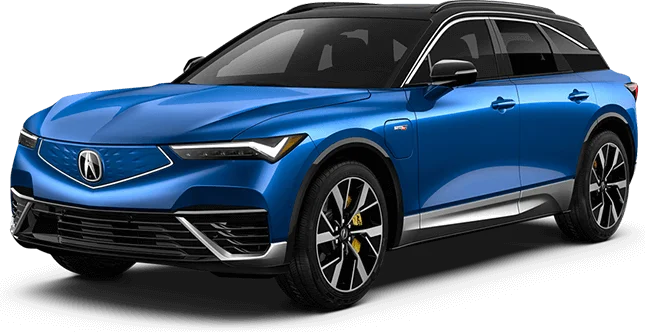
2025 Acura ZDX
Score: 88/100
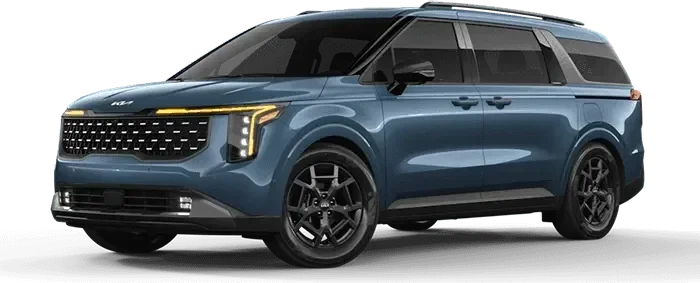
2025 Kia Carnival
Score: 88/100
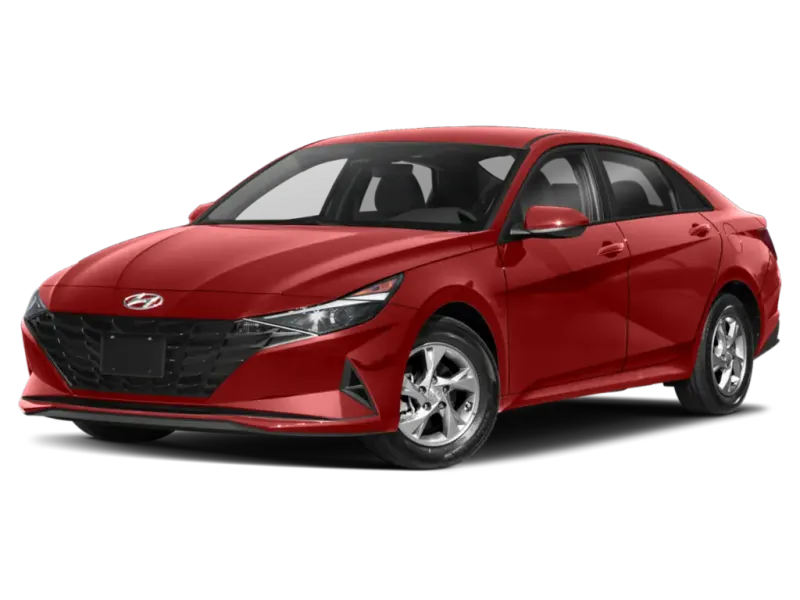
2025 Hyundai Elantra
Score: 87/100
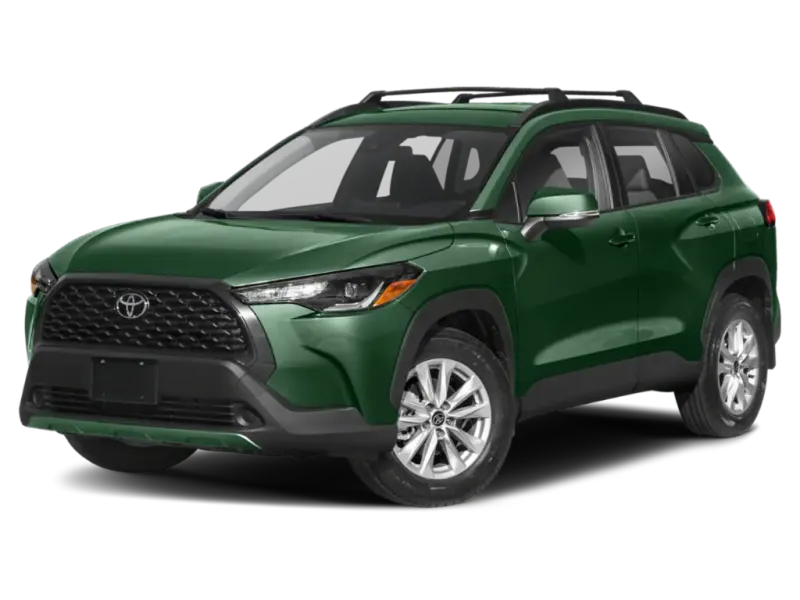
2025 Toyota Corolla Cross
Score: 86/100
See incorrect data? Report an issue