Last updated: 2026-04-20
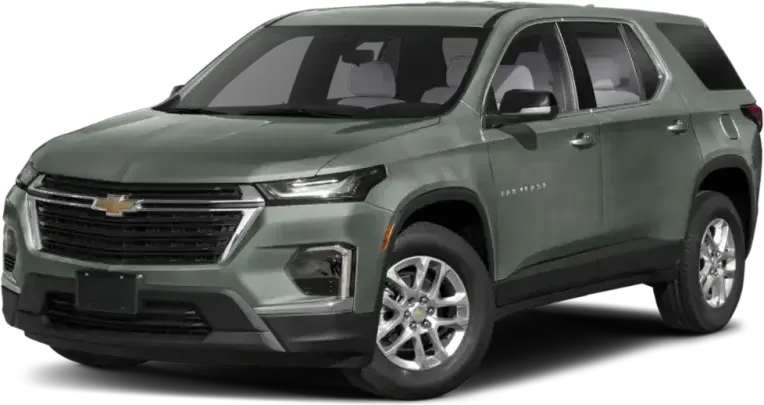
2026 Chevrolet Traverse Reliability Report
The 2026 Chevrolet Traverse scores 76/100 ("Good"). With 0 recalls and 6 owner complaints, reliability is acceptable but not class-leading.
Recalls
0
Complaints
6
Complaint Rate
N/A
Est. Repair Cost
$656
Annual Fuel Cost
$2,700–$2,850
Detailed Score Breakdown
Component-weighted complaints normalized by sales volume
Independent repair cost ratings
Recall count weighted by severity
Breadth of reported problem categories
The Verdict
Acceptable reliability — worth considering with a pre-purchase inspection.
Top Issues to Watch
- SERVICE BRAKES (3)
- POWER TRAIN (2)
- STEERING (1)
Should You Buy the 2026 Chevrolet Traverse?
At 76/100, the 2026 Chevrolet Traverse lands in "Good" territory — acceptable, but not class-leading.
Owners log 6 complaints on this model year — enough to suggest attention is needed, but no single failure mode dominates yet.
Get a pre-purchase inspection on any used example, with extra attention to power train (2). An extended warranty is worth pricing out.
See also the 2025 Chevrolet Traverse for an earlier comparison.
Pros
- +Acceptable reliability score
- +No recalls issued
- +Low complaint frequency
Cons
- −Above-average repair costs for its class
- −SERVICE BRAKES issues reported (3 complaints)
- −POWER TRAIN: AWD and transmission systems (2 complaints)
Compare 2026 Chevrolet Traverse With
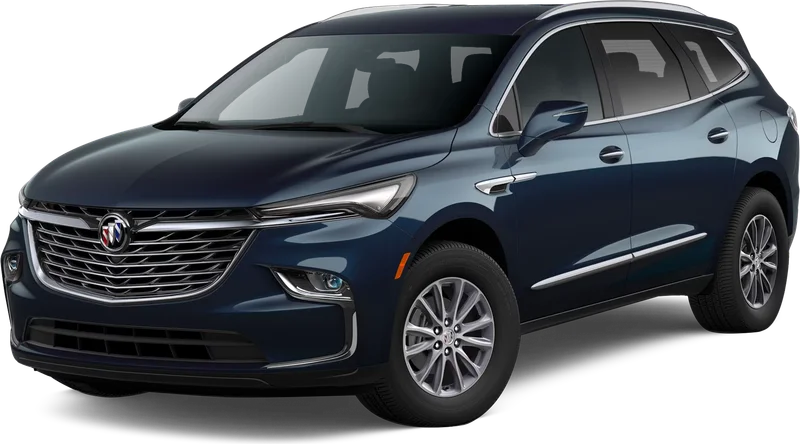
2026 Buick Enclave
Reliability: 81/100
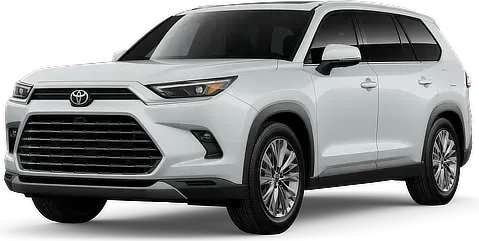
2026 Toyota Grand Highlander
Reliability: 88/100
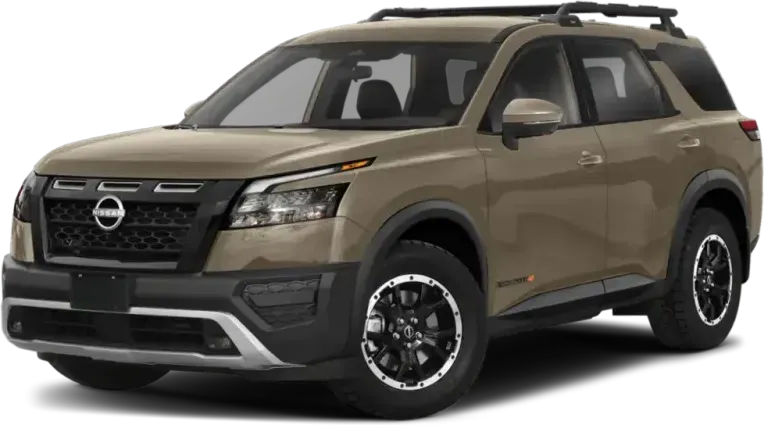
2026 Nissan Pathfinder
Reliability: 82/100
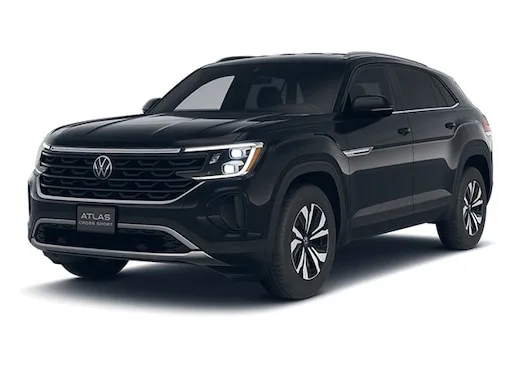
2026 Volkswagen Atlas
Reliability: 64/100

2026 Ford Explorer
Reliability: 70/100
Common Problem Categories
Other
MODERATE- SERVICE BRAKES (3)
- POWER TRAIN (2)
Recall Overview
0
recalls on record
No recalls are on record for the 2026 Chevrolet Traverse — uncommon, and a strong signal of manufacturing quality.
NHTSA.gov →Complaint Breakdown
6
complaintsSafety Incidents
1
Crashes
0
Fires
0
Injuries
0
Deaths
NHTSA 5/5 Stars
Data sourced from NHTSA complaint filings and manufacturer recall notices. Complaint narratives are owner-reported.
Buying a used 2026 Chevrolet Traverse? Check its history first
Every 2026 Chevrolet Traverse has a different past. A VIN check reveals hidden accidents, title problems, odometer rollbacks, and open recalls that reliability scores can't show you.
- Accidents
- Open Recalls
- Title History
- Odometer Rollback
2026 Chevrolet Traverse NHTSA Safety Ratings
Overall Safety Rating
Crash Test Results by Configuration (expand)
Gas Powertrain
Rollover risk: 17.4%
Safety Technologies
Chevrolet TraverseRepair Costs & Maintenance
Maintenance Rating
3Maintenance rating: 3 out of 5Based on NHTSA complaint patterns, recall severity, and publicly available cost benchmarks.
Est. Annual Maintenance
$656
vs $573 avg for midsize SUVs
vs $652 avg for all vehicles
Repair Frequency
0.4
unscheduled repair visits per year
Severe Repair Probability
18%
chance of a major repair
Annual Cost Comparison
Category-level averages derived from publicly available industry reports (AAA, CarMD). Model-level estimates produced by Auto Reliability Index.
Chevrolet Traverse Resale Value
The Chevrolet Traverse is estimated to retain about 58.9% of its original value after 5 years, based on observed used-car listings.
This benchmark covers the Chevrolet Traverse model overall and is not specific to the 2026 model year.
- Value Retained
- 58.9%
- Depreciation
- 41.1%
- Listings Analyzed
- 233
after 5 years
over the same period
U.S. used-car listings
Listings observed in . This is a historical market benchmark, not a current price quote.
Explore Chevrolet Traverse depreciation and resale value on CarResaleValue.comMPG & Annual Running Costs
Gas
21–22 MPG
Running cost: $3,350–$3,500/yr
Fuel + repair
20 city / 24–26 hwy MPG
Running cost includes EPA fuel-cost estimate and independent repair-cost data (repair cost estimated at model level). Excludes routine maintenance, depreciation, and insurance. Data as of 2026 EPA label cycle.
Gas trims
| Trim | Drive | Trans. | City | Hwy | Comb | Fuel Cost |
|---|---|---|---|---|---|---|
| Traverse FWD 2.5L 4-cyl | Front-Wheel Drive | Automatic 8-spd | 20 | 26 | 22 | $2,700 |
| Traverse AWD 2.5L 4-cyl | All-Wheel Drive | Automatic 8-spd | 20 | 24 | 21 | $2,850 |
Used Buying Checklist
Key things to inspect or verify before purchasing a 2026 Chevrolet Traverse.
Inspect AWD system for error messages and functionality
Test brakes at low speeds for unexpected activation or failure
Check RPM behavior during low-speed driving for irregularities
Verify brake master cylinder condition and availability of replacement parts
Test lane-keeping and steering for drift or oscillation issues
2026 Chevrolet Traverse Common Problems by Component
6 owner complaints grouped by vehicle system.
SERVICE BRAKES
3 complaintsSafety-relatedOwners of the 2026 Chevrolet Traverse report issues with the service brakes, including random activation of brakes and parking mode, and brake failure at low speeds. Complaints frequently mention sudden braking without warning, which can occur in various situations like parking lots or intersections. One owner experienced multiple brake failures at speeds under 5 mph, resulting in a crash into a garage wall and near-misses in other situations. Another owner indicates a brake master cylinder issue diagnosed at 500 miles, with parts on back order. These complaints highlight potential safety risks, especially at low speeds, and indicate that some vehicles may require early service intervention.
POWER TRAIN
2 complaintsOwners report issues with the power train of the 2026 Chevrolet Traverse, primarily involving the AWD and transmission systems. Complaints frequently mention AWD Service and 4WD Service messages appearing as early as 389 miles, leading to the deactivation of AWD during driving, which can pose a risk in conditions requiring additional traction. Another issue described involves the vehicle's RPM becoming "stuck" between 5-6 when driving at low speeds, which can result in the vehicle behaving as if it is in park despite being in drive, noted over a three-year period from purchase. These symptoms can lead to potential safety hazards, such as increased risk of rear-end collisions. Buyers considering this vehicle should be aware of these reported issues and the potential for operational disruptions.
STEERING
1 complaintThe car is equipped with a supercruise feature, which should ideally enhance the driving experience. However, I've encountered a significant issue: even when this feature is not activated, the vehicle tends to oscillate between the lane markers. This problem becomes particularly pronounced under poor road conditions, such as when it's raining. The moisture on the pavement obscures the lane markings, and in these instances, the car automatically drifts toward the right side of the road. As a result, I find myself constantly struggling to maintain control of the steering wheel in an effort to keep the car centered within the lane. When it veers off to the right, I must exert extra effort to correct its direction, which can lead to a hazardous driving situation, regardless of the weather conditions or time of day. The need for constant corrections not only creates frustration but also increases the risk of losing control, making this a serious concern for both my safety and that of other road users.
When Do 2026 Chevrolet Traverse Problems Start?
Based on owner complaint patterns, here's when common issues tend to appear.
Best & Worst Chevrolet Traverse Years
Comprehensive reliability analysis based on NHTSA data, owner complaints, and historical performance.
Best Chevrolet Traverse Years to Buy
Based on reliability index scoreThe best Chevrolet Traverse year is 2026 with a reliability score of 76/100, rated good. Other strong picks include 2025 (75/100) and 2024 (73/100).
2026
(Current Model)
2025
2024
Chevrolet Traverse Years to Avoid
The worst Chevrolet Traverse year is 2020 with a score of 62/100, primarily due to engine (35) issues. Also avoid 2019 (62/100).
Chevrolet Traverse Reliability Score Trend
Chevrolet Traverse reliability has improved in recent years, with newer models scoring an average of 74/100 compared to 64/100 for older years.
Scores 0–100. Higher is better. Current year highlighted.
| Year | Score | Rating |
|---|---|---|
| 2018 | 62/100 | Good |
| 2019 | 62/100 | Good |
| 2020 | 62/100 | Good |
| 2021 | 71/100 | Good |
| 2022 | 73/100 | Good |
| 2023 | 72/100 | Good |
| 2024 | 73/100 | Good |
| 2025 | 75/100 | Good |
| 2026 | 76/100 | Good |
Chevrolet Traverse Reliability Compared to Other Years
Frequently Asked Questions
Is the 2026 Chevrolet Traverse reliable?
What are the most common problems with the 2026 Chevrolet Traverse?
How many recalls does the 2026 Chevrolet Traverse have?
Is the 2026 Chevrolet Traverse expensive to maintain?
Don’t buy a 2026 Chevrolet Traverse without checking its VIN first — hidden accidents, title issues, and open recalls could cost you thousands.
How We Calculate Reliability Scores
Auto Reliability Index scores are calculated on a 0–100 scale using a weighted formula that combines multiple public data sources. Each factor is weighted based on its predictive value for real-world ownership experience.
Key Ranking Factors
Complaint Severity
NHTSA owner complaints weighted by component category (e.g., powertrain, safety systems, electronics, cosmetic) — safety-critical issues carry more weight than cosmetic ones. Adjusted for sales volume so high-volume models aren't unfairly penalized.
Repair Costs
Independent reliability ratings based on repair frequency, average repair costs, and severity of typical repairs for each model.
Recall Impact
Number of NHTSA recalls weighted by severity. “Stop driving” and fire-risk recalls are penalized more heavily than minor software or labeling recalls.
Issue Diversity
Measures how many major vehicle systems (engine, transmission, electrical, braking, etc.) have recorded complaints. A vehicle with issues spread across many systems may indicate systemic quality issues.
Scores are grouped into four tiers:
- 80–100: Excellent— Top-tier reliability, minimal issues
- 60–79: Good— Reliable with some minor concerns
- 40–59: Mixed— Notable issues, research before buying
- 0–39: Risky— Significant problems, proceed with caution
Data is sourced from NHTSA recall records, owner complaint filings, and independent repair databases via vehicles.dev. Scores are recalculated as new data becomes available. While the weighting model is proprietary, all underlying data sources are public and traceable.
Get notified when new recalls or reliability data is added for the Chevrolet Traverse.
No spam. Only data updates for this model.
Browse More Chevrolet Models
Chevrolet Blazer
Score: 88/100

Chevrolet Blazer-EV
Score: 57/100
Chevrolet Bolt
Score: 64/100

Chevrolet Camaro
Score: 77/100

Chevrolet Colorado
Score: 88/100
Chevrolet Corvette
Score: 76/100
Browse More 2026 Vehicles
2026 Honda HR-V
Score: 100/100
2026 Lexus RX
Score: 95/100
2026 Subaru Crosstrek
Score: 94/100
2026 Toyota Corolla Cross
Score: 94/100
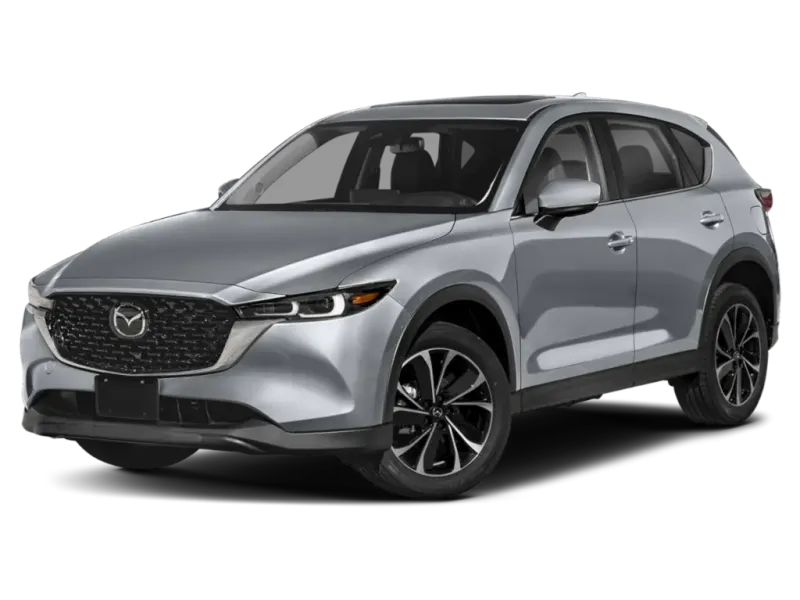
2026 Mazda CX-5
Score: 94/100
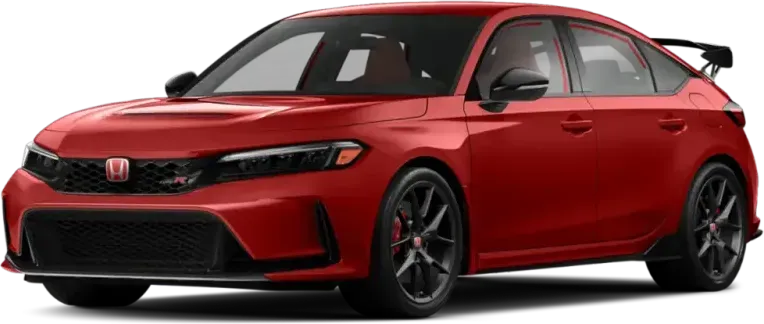
2026 Honda Civic
Score: 94/100
See incorrect data? Report an issue