Last updated: 2026-04-20
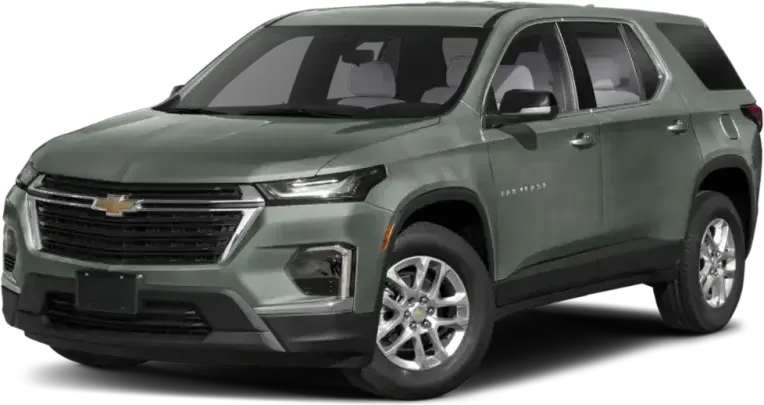
2020 Chevrolet Traverse Reliability Report
The 2020 Chevrolet Traverse scores 62/100 ("Good"). With 8 recalls and 188 owner complaints, reliability is acceptable but not class-leading.
Recalls
8
Complaints
188
Complaint Rate
15per 10,000 sold
Est. Repair Cost
$656
Annual Fuel Cost
$2,850–$3,000
Detailed Score Breakdown
Component-weighted complaints normalized by sales volume
Independent repair cost ratings
Recall count weighted by severity
Breadth of reported problem categories
The Verdict
Acceptable reliability — worth considering with a pre-purchase inspection.
Top Issues to Watch
- ENGINE (35)
- POWER TRAIN (30)
- ENGINE AND ENGINE COOLING (22)
Generation & Refresh (US)
2020 is year 3 of the Second generation (2018).
- Redesigned for the 2018 model year.
- Well-established in its generation — most early issues should be resolved.
- A refresh arrives in 2022.
- 2nd generation Traverse (US).
What this means for buyers
Well into the generation cycle — most design and manufacturing issues should be resolved by now.
2018: Second generation (2018) Launch
Generation start — new platform.
2020: This Model Year
2020 is year 3 of the Second generation (2018).
2022: Mid-Cycle Refresh
Updated features and styling tweaks.
Should You Buy the 2020 Chevrolet Traverse?
At 62/100, the 2020 Chevrolet Traverse lands in "Good" territory — acceptable, but not class-leading. 2020 is year 3 of the Second generation (2018).
Owners log 188 complaints on this model year — enough to suggest attention is needed, but no single failure mode dominates yet.
Get a pre-purchase inspection on any used example, with extra attention to engine (35). An extended warranty is worth pricing out.
Compared to the 2021 Chevrolet Traverse, which scored 9 points higher. See also the 2019 Chevrolet Traverse for an earlier comparison.
Pros
- +Acceptable reliability score
- +Below-average complaint rate for SUV
- +5-star NHTSA crash rating
Cons
- −Above-average repair costs for its class
- −Above-average recall count
- −ENGINE: Cracked or broken welds on the exhaust bracket, leading to exhaust leaks and... (35 complaints)
- −1 fire incident reported in owner complaints
Compare 2020 Chevrolet Traverse With

2020 Buick Enclave
Reliability: 68/100

2020 Ford Explorer
Reliability: 54/100

2020 Nissan Pathfinder
Reliability: 78/100
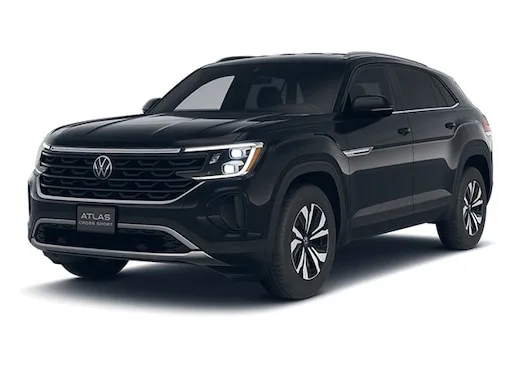
2020 Volkswagen Atlas
Reliability: 57/100

2020 Ford Edge
Reliability: 64/100
Common Problem Categories
Safety
LOW RISK- 8 manufacturer recalls issued
Other
HIGH RISK- ENGINE (35)
- POWER TRAIN (30)
Recall Overview
8
recalls on record
The 2020 Chevrolet Traverse has 8 recalls on record, which is above average. A high count can flag multiple component concerns, though it also shows the manufacturer is actively addressing known issues.
NHTSA.gov →Complaint Breakdown
15
per 10,000 soldSegment avg: 20.2
Safety Incidents
11
Crashes
1
Fires
7
Injuries
0
Deaths
NHTSA 5/5 Stars
Data sourced from NHTSA complaint filings and manufacturer recall notices. Complaint narratives are owner-reported.
2020 Chevrolet Traverse Recall Details
8 recalls have been issued for the 2020 Chevrolet Traverse. All recall repairs are performed free of charge at authorized dealerships.
STRUCTURE
General Motors LLC (GM) is recalling certain 2020 Buick Enclave and Chevrolet Traverse vehicles. The right-hand frame rail in the engine compartment may be cracked.
Consequence
A crack in the frame rail may reduce crash performance, increasing the risk of an injury.
Remedy
GM will notify owners, and dealers will inspect and, as necessary, replace the vehicle, free of charge. The recall began October 4, 2019. Owners may contact Chevrolet customer service at 1-800-630-2438 or Buick customer service at 1-800-521-7300. GM's number for this recall is N192268310.
POWER TRAIN
Braun Corporation (Braun) is recalling certain 2020-2021 Chevrolet Traverse wheelchair accessible vehicles with Power In-floor Ramp conversion. The screw and clip that hold the inner wheel-well plastic shroud in place may chafe against the transmission case, possibly resulting in a transmission fluid leak.
Consequence
A transmission fluid leak can cause a loss of drive power, increasing the risk of a crash. In addition, a leak in the presence of an ignition source increases the risk of a fire.
Remedy
Dealers will replace the screw and clip, and inspect for signs of contact with the transmission, free of charge. Owner notification letters were mailed November 29, 2021. Owners may contact Braun customer service at 1-800-488-0359.
AIR BAGS
General Motors, LLC. (GM) is recalling certain 2020 Buick Enclave, Cadillac XT5 and XT6, Chevrolet Blazer, Silverado 1500, 2500 and 3500 and Traverse and GMC Acadia and Sierra 1500, 2500 and 3500 vehicles. The diffuser component of the Roof-Rail Air Bag (RRAB) inflator may not have been properly crimped to the inflator and could separate from the inflator during air bag deployment.
Consequence
If the diffuser separates from the inflator during deployment, RRAB performance may be degraded, increasing the risk of injury in a crash.
Remedy
GM will notify owners, and dealers will replace the suspect RRAB modules, free of charge. The recall began September 3, 2020. Owners may contact Chevrolet customer service at 1-800-630-2438, Cadillac customer service at 1-800-333-4223, or Buick customer service at 1-800-521-7300. GM's number for this recall is N202305380.
Buying a used 2020 Chevrolet Traverse? Check its history first
Every 2020 Chevrolet Traverse has a different past. A VIN check reveals hidden accidents, title problems, odometer rollbacks, and open recalls that reliability scores can't show you.
- Accidents
- Open Recalls
- Title History
- Odometer Rollback
2020 Chevrolet Traverse NHTSA Safety Ratings
Overall Safety Rating
Crash Test Results by Configuration (expand)
Gas Powertrain
Rollover risk: 16.9%
Safety Technologies
Chevrolet TraverseRepair Costs & Maintenance
Maintenance Rating
3Maintenance rating: 3 out of 5Based on NHTSA complaint patterns, recall severity, and publicly available cost benchmarks.
Est. Annual Maintenance
$656
vs $573 avg for midsize SUVs
vs $652 avg for all vehicles
Repair Frequency
0.4
unscheduled repair visits per year
Severe Repair Probability
18%
chance of a major repair
Annual Cost Comparison
Category-level averages derived from publicly available industry reports (AAA, CarMD). Model-level estimates produced by Auto Reliability Index.
Chevrolet Traverse Resale Value
The Chevrolet Traverse is estimated to retain about 58.9% of its original value after 5 years, based on observed used-car listings.
This benchmark covers the Chevrolet Traverse model overall and is not specific to the 2020 model year.
- Value Retained
- 58.9%
- Depreciation
- 41.1%
- Listings Analyzed
- 233
after 5 years
over the same period
U.S. used-car listings
Listings observed in . This is a historical market benchmark, not a current price quote.
Explore Chevrolet Traverse depreciation and resale value on CarResaleValue.comMPG & Annual Running Costs
Gas
20–21 MPG
Running cost: $3,500–$3,650/yr
Fuel + repair
17–18 city / 25–27 hwy MPG
Running cost includes EPA fuel-cost estimate and independent repair-cost data (repair cost estimated at model level). Excludes routine maintenance, depreciation, and insurance. Data as of 2020 EPA label cycle.
Gas trims
| Trim | Drive | Trans. | City | Hwy | Comb | Fuel Cost |
|---|---|---|---|---|---|---|
| Traverse FWD 3.6L 6-cyl | Front-Wheel Drive | Automatic 9-spd | 18 | 27 | 21 | $2,850 |
| Traverse AWD 3.6L 6-cyl | All-Wheel Drive | Automatic 9-spd | 17 | 25 | 20 | $3,000 |
Used Buying Checklist
Key things to inspect or verify before purchasing a 2020 Chevrolet Traverse.
Inspect exhaust system for cracks or leaks, especially around brackets
Test for 'Shift to Park' error message when turning off the vehicle
Check for transmission shudder or slipping during test drive
Verify alternator and battery function to prevent sudden power loss
Ensure steering operates smoothly without locking or stiffness
Check rear suspension components for corrosion or wear
2020 Chevrolet Traverse Common Problems by Component
188 owner complaints grouped by vehicle system.
ENGINE
35 complaintsOwners of the 2020 Chevrolet Traverse frequently report issues related to the exhaust system, particularly involving cracked or broken welds on the exhaust bracket, leading to exhaust leaks and rattling noises. Common symptoms include a loud exhaust noise, reduced vehicle performance, and exhaust fumes entering the cabin, which poses a potential safety risk due to carbon monoxide exposure. These problems often emerge around 45,000 to 101,000 miles, with some owners noting that similar issues have been covered under special coverage for other model years but not for the 2020 model. Buyers should be aware of these potential exhaust system concerns, as repairs can be costly and may not be covered under warranty.
POWER TRAIN
30 complaintsOwners of the 2020 Chevrolet Traverse frequently report issues with the power train, notably the "Shift to Park" error message that prevents the vehicle from being turned off even when the gear is in park. This issue often requires multiple attempts to shift in and out of park to resolve temporarily. Transmission-related complaints include severe shuddering, slipping in low gears, and torque converter failures, with some owners experiencing these problems as early as 30,000 miles. Safety implications are noted, such as the inability to turn off the vehicle, potential power loss while driving, and difficulty in safely accelerating. These issues are reported to occur even with regular maintenance, highlighting potential concerns for prospective buyers considering a used 2020 Chevrolet Traverse.
UNKNOWN OR OTHER
29 complaintsSafety-relatedOwners of the 2020 Chevrolet Traverse frequently report issues with the exhaust system, specifically citing broken or poorly welded exhaust pipe brackets that lead to loud noises, check engine lights, and in some cases, exhaust fumes entering the cabin. These problems often require costly repairs, as the entire exhaust system may need replacement due to non-separable welded parts. Additionally, multiple complaints highlight recurring failures of the backup camera system, with screens going black or displaying error messages, which poses a potential safety risk when reversing. Some owners also mention a "shift to park" error message despite the vehicle being in park, which could lead to battery drainage or inability to turn off the vehicle. These issues typically arise around the middle to late years of ownership, and while no specific mileage range is consistently reported, the problems appear to persist even after attempted repairs.
ENGINE AND ENGINE COOLING (22 complaints)
ENGINE AND ENGINE COOLING
22 complaintsOwners of the 2020 Chevrolet Traverse frequently report issues related to the exhaust system, particularly involving fractured or detached exhaust pipe brackets, leading to abnormal rattling sounds and exhaust leaks. Common symptoms include the check engine warning light illumination, loud noises resembling a motorcycle, and exhaust odors entering the cabin. These issues are often reported at mileages ranging from approximately 49,000 to 118,000 miles. Some complaints also mention cracks in the catalytic converter and exhaust pipes, although no crashes or fires are reported. Potential buyers should be aware of these recurring issues and consider having the exhaust system inspected, especially when purchasing a vehicle within this mileage range.
ELECTRICAL SYSTEM (22 complaints)
ELECTRICAL SYSTEM
22 complaintsSafety-relatedOwners report several recurring electrical system issues with the 2020 Chevrolet Traverse. A common problem involves the "Shift to Park" error, where the vehicle fails to recognize it is in park, preventing shutdown and occasionally hindering starting. Complaints frequently mention alternator failures, often occurring between 26,500 and 57,323 miles, leading to sudden power loss and, in one case, a crash. Another significant issue is the vehicle unexpectedly shutting off or losing power while driving, sometimes accompanied by electronic stability control (ESC) warnings, which has resulted in at least one crash. These problems suggest potential safety concerns, particularly with unexpected vehicle shutdowns and electrical failures affecting drivability.
STEERING (6 complaints)
STEERING
6 complaintsSafety-relatedOwners of the 2020 Chevrolet Traverse frequently report steering issues, with several describing instances where the steering wheel becomes stiff or locks entirely, often accompanied by a "Reduced Steering Assist" warning message. These symptoms typically occur at various speeds and can lead to dangerous driving conditions, including one reported crash where the steering and brakes locked, resulting in a collision and subsequent vehicle fire. Complaints indicate that these problems often arise at low mileage, sometimes as early as 300 miles. The steering issues have led to prolonged vehicle downtime as parts remain on backorder, leaving owners unable to use their vehicles safely. Potential buyers should be aware of these recurring steering problems and the associated safety implications.
SUSPENSION (5 complaints)
SUSPENSION
5 complaintsOwners of the 2020 Chevrolet Traverse frequently report issues with the rear suspension, particularly concerning the corrosion of rear toe links. Typical symptoms include instability while turning and the inability to pass vehicle inspections due to suspension problems, with multiple complaints noting these issues around 36,000 to 44,000 miles. Some owners mention that the corrosion of these components could potentially lead to accidents, highlighting a safety concern. Additionally, these issues often arise just outside the warranty period, leaving owners to manage repairs independently. Buyers considering a used 2020 Traverse should be aware of these recurring suspension problems and the associated mileage when they might occur.
AIR BAGS (5 complaints)
AIR BAGS
5 complaintsSafety-relatedOwners of the 2020 Chevrolet Traverse frequently report issues with airbag deployment during crashes, with four out of five complaints involving accidents where airbags failed to deploy. In several instances, owners describe the presence of a white powder or odor associated with airbags, yet no visible deployment occurs. These incidents often result in injuries, with some reports noting locked seatbelts that complicate evacuation. Complaints span vehicles with low mileage, such as 6,200 miles, indicating that these issues can occur early in the vehicle's lifespan. The safety implications are significant, as the lack of airbag deployment during collisions poses a risk of injury to occupants.
SEAT BELTS (4 complaints)
SEAT BELTS
4 complaintsSafety-relatedOwners of the 2020 Chevrolet Traverse frequently report issues with seat belts failing to latch or stay clicked, particularly affecting the driver's seat and second-row left side seat belts. Complaints detail difficulties in buckling up, with some belts becoming progressively stiffer before failing to latch entirely. One report involves a crash where the seat belt pre-tensioner did not restrain the driver, resulting in injuries. These issues are noted around 25,500 miles and beyond. Potential buyers should be aware of these seat belt malfunctions, as they pose significant safety risks, especially in the event of a collision.
SERVICE BRAKES (4 complaints)
SERVICE BRAKES
4 complaintsSafety-relatedOwners of the 2020 Chevrolet Traverse report issues with the service brakes, with multiple complaints describing brake failure at low speeds. One owner mentions experiencing a brake pedal snap and subsequent brake line failure, resulting in brake fluid leakage. Another reports a crash due to brake failure just two days after purchase, noting an inability to stop despite ample space. Additionally, some owners describe a squeak from the rear brakes after releasing the emergency brake, suggesting partial engagement. These issues appear shortly after purchase or at low mileage, indicating potential early-life defects. Safety implications are significant, as evidenced by the reported crash.
When Do 2020 Chevrolet Traverse Problems Start?
Based on owner complaint patterns, here's when common issues tend to appear.
Best & Worst Chevrolet Traverse Years
Comprehensive reliability analysis based on NHTSA data, owner complaints, and historical performance.
Best Chevrolet Traverse Years to Buy
Based on reliability index scoreThe best Chevrolet Traverse year is 2026 with a reliability score of 76/100, rated good. Other strong picks include 2025 (75/100) and 2024 (73/100).
Chevrolet Traverse Years to Avoid
The worst Chevrolet Traverse year is 2020 with a score of 62/100, primarily due to engine (35) issues. Also avoid 2019 (62/100).
2020
(Current Model)
2019
Chevrolet Traverse Reliability Score Trend
Chevrolet Traverse reliability has improved in recent years, with newer models scoring an average of 74/100 compared to 64/100 for older years.
Scores 0–100. Higher is better. Current year highlighted.
| Year | Score | Rating |
|---|---|---|
| 2018 | 62/100 | Good |
| 2019 | 62/100 | Good |
| 2020 | 62/100 | Good |
| 2021 | 71/100 | Good |
| 2022 | 73/100 | Good |
| 2023 | 72/100 | Good |
| 2024 | 73/100 | Good |
| 2025 | 75/100 | Good |
| 2026 | 76/100 | Good |
Chevrolet Traverse Reliability Compared to Other Years
Frequently Asked Questions
Is the 2020 Chevrolet Traverse reliable?
What are the most common problems with the 2020 Chevrolet Traverse?
How many recalls does the 2020 Chevrolet Traverse have?
Is the 2020 Chevrolet Traverse expensive to maintain?
Don’t buy a 2020 Chevrolet Traverse without checking its VIN first — hidden accidents, title issues, and open recalls could cost you thousands.
How We Calculate Reliability Scores
Auto Reliability Index scores are calculated on a 0–100 scale using a weighted formula that combines multiple public data sources. Each factor is weighted based on its predictive value for real-world ownership experience.
Key Ranking Factors
Complaint Severity
NHTSA owner complaints weighted by component category (e.g., powertrain, safety systems, electronics, cosmetic) — safety-critical issues carry more weight than cosmetic ones. Adjusted for sales volume so high-volume models aren't unfairly penalized.
Repair Costs
Independent reliability ratings based on repair frequency, average repair costs, and severity of typical repairs for each model.
Recall Impact
Number of NHTSA recalls weighted by severity. “Stop driving” and fire-risk recalls are penalized more heavily than minor software or labeling recalls.
Issue Diversity
Measures how many major vehicle systems (engine, transmission, electrical, braking, etc.) have recorded complaints. A vehicle with issues spread across many systems may indicate systemic quality issues.
Scores are grouped into four tiers:
- 80–100: Excellent— Top-tier reliability, minimal issues
- 60–79: Good— Reliable with some minor concerns
- 40–59: Mixed— Notable issues, research before buying
- 0–39: Risky— Significant problems, proceed with caution
Data is sourced from NHTSA recall records, owner complaint filings, and independent repair databases via vehicles.dev. Scores are recalculated as new data becomes available. While the weighting model is proprietary, all underlying data sources are public and traceable.
Get notified when new recalls or reliability data is added for the Chevrolet Traverse.
No spam. Only data updates for this model.
Browse More Chevrolet Models
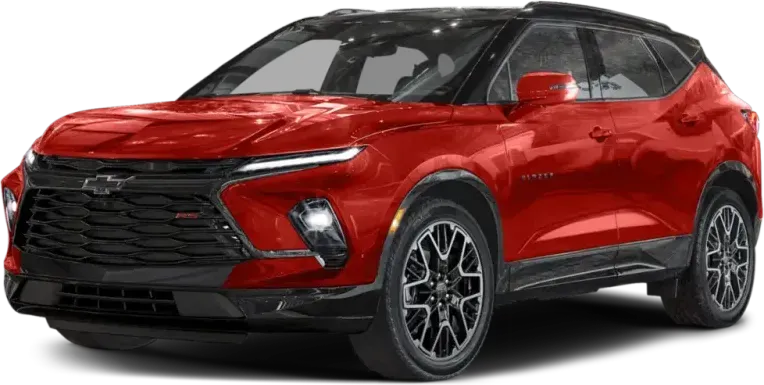
Chevrolet Blazer
Score: 88/100

Chevrolet Blazer-EV
Score: 57/100

Chevrolet Bolt
Score: 64/100

Chevrolet Camaro
Score: 77/100

Chevrolet Colorado
Score: 88/100
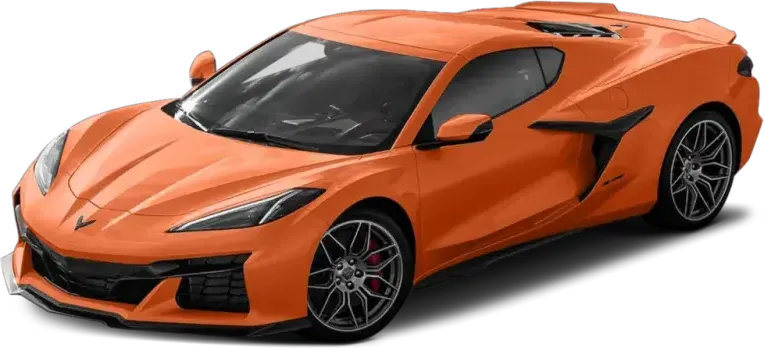
Chevrolet Corvette
Score: 76/100
Browse More 2020 Vehicles

2020 Mazda CX-5
Score: 86/100

2020 Lexus RX
Score: 86/100

2020 Lexus UX
Score: 84/100

2020 KIA Sedona
Score: 83/100

2020 Lexus IS
Score: 83/100
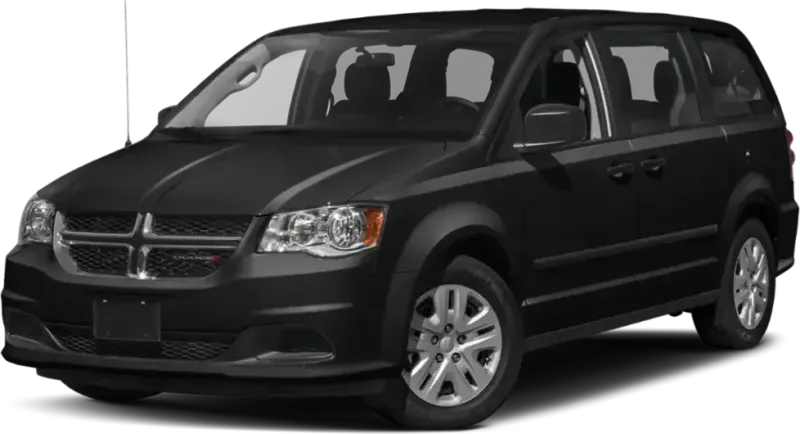
2020 Dodge Grand-Caravan
Score: 83/100
See incorrect data? Report an issue