Last updated: 2026-10-10
Chevrolet Traverse vs Ford Edge: Reliability Compared
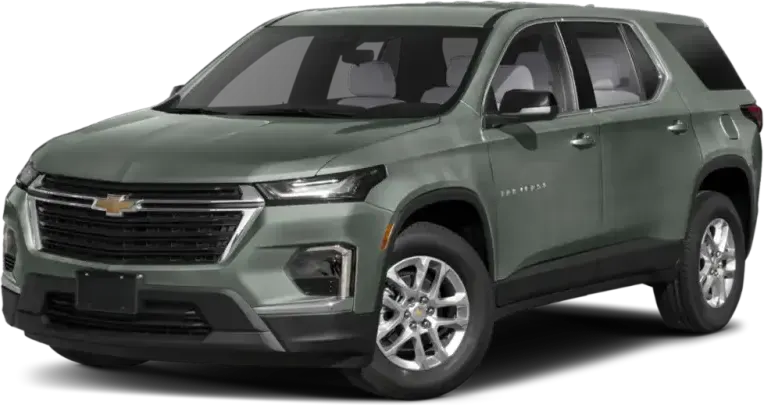
Chevrolet Traverse
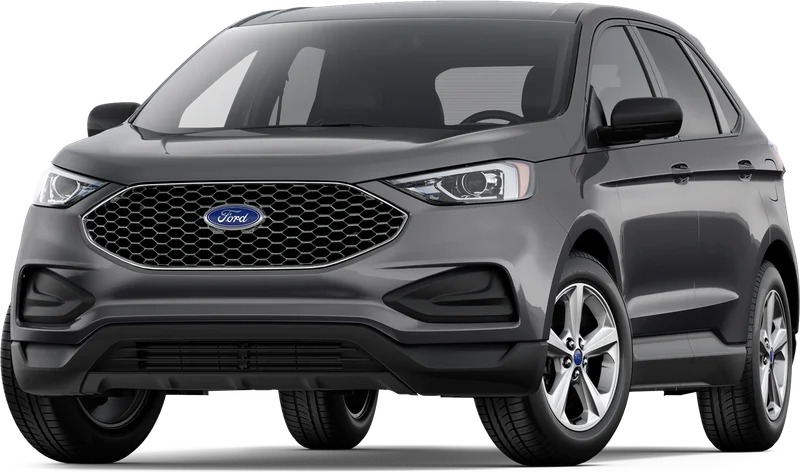
Ford Edge
The Chevrolet Traverse has a slight reliability edge over the Ford Edge. The Edge's coolant-in-cylinder engine failures decide it. Each model rates good, but the Edge also draws more complaints per vehicle sold and has more recalls on record.
How Do the Chevrolet Traverse and Ford Edge Generations Compare?
Verdict
The Chevrolet Traverse is more reliable than the Ford Edge, scoring 70/100 vs 67/100.
Slightly ahead is the Chevrolet Traverse, though both land in good standing. The deciding reason is severity. Edge owners file more complaints per vehicle sold, and the biggest one is coolant leaking into the cylinders of the 2.0L EcoBoost, which dealers often answer with a full long-block replacement. Traverse complaints are more scattered, but AWD shutoffs, early alternator failures, and brake problems are real. The gap is small, so the condition and service history of the individual car matter as much as the badge.
Key Differences
- 1Chevrolet Traverse has 13 fewer total recalls
- 2Chevrolet Traverse scores 3 points higher in reliability
- 3Chevrolet Traverse has 2.2 fewer complaints per 10k sold
Category Scoreboard
Chevrolet Traverse vs Ford Edge: Which Is More Reliable?
| Metric | Chevrolet Traverse | Ford Edge |
|---|---|---|
| Reliability Score | 70/100 | 67/100 |
| Years Tracked | 9 | 7 |
| Total Recalls | 19 | 32 |
| Complaints per 10k Sold | 7.2 | 9.4 |
| Safety RatingNHTSA overall | 2026 NHTSA | 2024 NHTSA |
| Frontal | ||
| Side | ||
| Rollover | ||
| Year Wins | 4 | 3 |
What Are the Common Problems With the Chevrolet Traverse and Ford Edge?
Ford's trouble centers on one failure. Coolant gets into the cylinders, and the car shows a misfire, steady coolant loss with no puddle, white smoke, or overheating. Some engines quit at highway speed. Chevrolet's trouble is spread out: AWD Service messages, a false "Shift to Park" error, alternators dying early, and cracked front exhaust brackets that cause a loud clang and cabin fumes. Only the Traverse has a service brakes area with crash links, where the car fails to stop at low speeds. Only the Edge has a back over prevention area with crash links, where the rearview camera goes blank and owners wait on recall parts.
| Component | Chevrolet Traverse | Ford Edge |
|---|---|---|
| POWER TRAIN | 2.2Low | 3.3Average |
| ENGINE | 0.6Very Low | 2Low |
| ELECTRICAL SYSTEM | 1.1Low | 0.5Very Low |
| UNKNOWN OR OTHER | 0.9Very Low | 0.6Very Low |
| ENGINE AND ENGINE COOLING | 0.2Very Low | 0.9Very Low |
| SERVICE BRAKES | 0.7Very Low | 0.1Very Low |
| STRUCTURE | 0.1Very Low | 0.2Very Low |
| BACK OVER PREVENTION | —None | 0.3Very Low |
| STEERING | 0.2Very Low | —None |
| SEAT BELTS | 0.1Very Low | 0.1Very Low |
| AIR BAGS | 0.1Very Low | 0.1Very Low |
| FUEL/PROPULSION SYSTEM | 0.1Very Low | 0.1Very Low |
| SUSPENSION | 0.1Very Low | —None |
| EXTERIOR LIGHTING | —None | 0.1Very Low |
| WHEELS | —None | 0.1Very Low |
| VISIBILITY | —None | 0.1Very Low |
| SEATS | —None | —None |
| FORWARD COLLISION AVOIDANCE | —None | —None |
| VEHICLE SPEED CONTROL | —None | —None |
| LATCHES/LOCKS/LINKAGES | —None | —None |
| LANE DEPARTURE | —None | —None |
| VISIBILITY/WIPER | —None | —None |
Complaints per 10,000 units sold, aggregated across all tracked model years from NHTSA owner reports.
How Does Chevrolet Traverse vs Ford Edge Reliability Compare by Year?
| Year | Chevrolet Traverse | Ford Edge | Edge |
|---|---|---|---|
| 2024 | 73/1000R / 107C | 76/1002R / 38C | Ford Edge |
| 2023 | 72/1002R / 62C | 74/1004R / 16C | Ford Edge |
| 2022 | 73/1001R / 76C | 69/1005R / 113C | Chevrolet Traverse |
| 2021 | 71/1003R / 72C | 69/1007R / 92C | Chevrolet Traverse |
| 2020 | 62/1008R / 188C | 64/1004R / 272C | Ford Edge |
| 2019 | 62/1003R / 358C | 60/1003R / 687C | Chevrolet Traverse |
| 2018 | 62/1002R / 416C | 57/1007R / 746C | Chevrolet Traverse |
Best years to cross-shop: The 2024 Chevrolet Traverse scored 73/100 and the 2024 Ford Edge scored 76/100 — the strongest shared model years that have been on the road for at least two years, where available.
Who Should Buy the Chevrolet Traverse vs the Ford Edge?
Chevrolet Traverse vs Ford Edge: Common Questions
- Is the Chevrolet Traverse more reliable than the Ford Edge?
- Yes, by a slight margin. Both have a good standing, but the Edge has more owner complaints per vehicle sold, 9.4 per 10,000 against 7.2 for the Traverse. The Edge's most serious issue is coolant entering the cylinders on the 2.0L EcoBoost, which often leads to a new engine.
- Which has more recalls, the Traverse or the Edge?
- The Edge has more. Federal recall records show 32 recalls across 7 model years for the Edge, and 19 across 9 model years for the Traverse. Check any car's VIN for open recall work, since Edge owners report waiting on rearview camera parts.
- What is the biggest problem with the Ford Edge?
- Coolant leaking into the cylinders of the 2.0L EcoBoost engine. The first sign is usually a check engine light with a misfire or coolant that keeps dropping. Failures cluster between about 50,000 and 100,000 miles, and dealers often call for a full long-block replacement.
- What goes wrong most on the Chevrolet Traverse?
- Power train complaints lead, mainly AWD Service messages that shut off all-wheel drive and a false park condition while in drive. Next come early alternator failures, brake problems at low speed, and cracked front exhaust pipe brackets that cause a loud clang and fumes in the cabin.
- Which Traverse and Edge years should I avoid?
- Avoid 2018 and 2019 on both models, since those are the weakest years for each. The newest years look best, but they have had less time to collect complaints. On a 2020 Traverse, remember that GM special coverage for exhaust brackets does not apply.
Related Reliability Comparisons
More Chevrolet Traverse comparisons
Decided between Chevrolet Traverse and Ford Edge? Run a VIN check before you buy — uncover hidden accidents, title issues, and open recalls.
How we score the Chevrolet Traverse and Ford Edge
Scores weight complaint severity at 35%, repair costs at 30%, recall impact at 20%, and the spread of complaints across systems at 15%, with complaint counts adjusted for US sales. Read the full methodology.
See incorrect data? Report an issue