Last updated: 2026-10-10
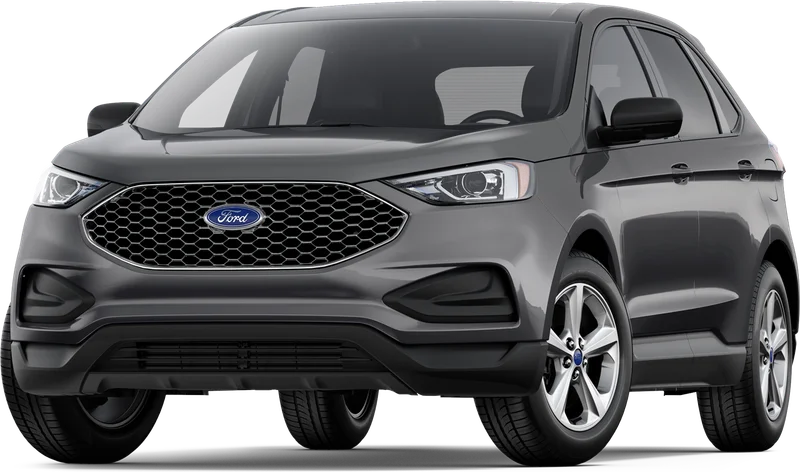
2019 Ford Edge Reliability Report
The 2019 Ford Edge rates good for reliability, but transmission shudder and coolant leaks in the 2.0L engine make it one of the weaker Edge years.
Recalls
3
Complaints
687
Complaint Rate
49.6per 10,000 sold
Est. Repair Cost
$611
Annual Fuel Cost
$2,400–$2,850
Detailed Score Breakdown
Component-weighted complaints normalized by sales volume
Independent repair cost ratings
Recall count weighted by severity
Breadth of reported problem categories
The Verdict
Rates good but sits among the weaker Edge years, with frequent transmission shudder and 2.0L coolant leaks; the 2020 rates better and the 2018 worse.
Top Issues to Watch
- POWER TRAIN (397)
- ENGINE (80)
- ENGINE AND ENGINE COOLING (31)
Generation & Refresh (US)
2019 received a 2019 facelift update for the Second generation (CD539; 2015).
- Changes: Revised front grille; New aluminum-alloy wheel options; Enhanced exterior and interior color combinations; New 12-speaker B&O Play surround-sound system; Improved EPA fuel economy.
- Year 5 in this generation (2015–2024).
- 2nd generation Edge (US).
What this means for buyers
Refresh years bring updates but can also introduce new issues. Check early recall data before buying.
2015: Second generation (CD539; 2015) Launch
Generation start — new platform.
2019: This Model Year (Refresh)
2019 received a 2019 facelift update for the Second generation (CD539; 2015).
Should You Buy the 2019 Ford Edge?
Reliability stands at good, but this is one of the weaker Edge years. Against other 2019 SUVs it rates below average. The 2020 model rates better and the 2018 rates worse. Owners filed 687 complaints, and most point to the transmission.
Transmission shudder leads the list. Drivers describe stuttering, slipping and bucking between gears, usually from a stop up to about 40 mph, often with no warning light. Dealers commonly find a failed torque converter or replace the transmission, mostly between about 39,500 and 90,000 miles. Some owners say the shudder came back after the repair. The 2.0L EcoBoost has a more serious problem: coolant leaking into the cylinders, with white exhaust smoke, overheating, sudden shutdowns and full engine replacement, with failures reported from roughly 33,867 miles. Federal recall records list three recalls, covering seat belts, back over prevention and the power train.
Ask the seller for any transmission, torque converter or coolant-related engine repair records, and confirm the recall work was done. A 2020 Edge is worth comparing.
Compared to the 2020 Ford Edge, which scored 4 points higher. See also the 2018 Ford Edge for an earlier comparison.
Pros
- +Acceptable reliability score
- +5-star NHTSA crash rating
- +Well-established generation
Cons
- −Moderate recall count
- −Above-average complaint rate for SUV
- −POWER TRAIN complaints dominate (58%)
- −1 fire incident reported in owner complaints
Compare 2019 Ford Edge With
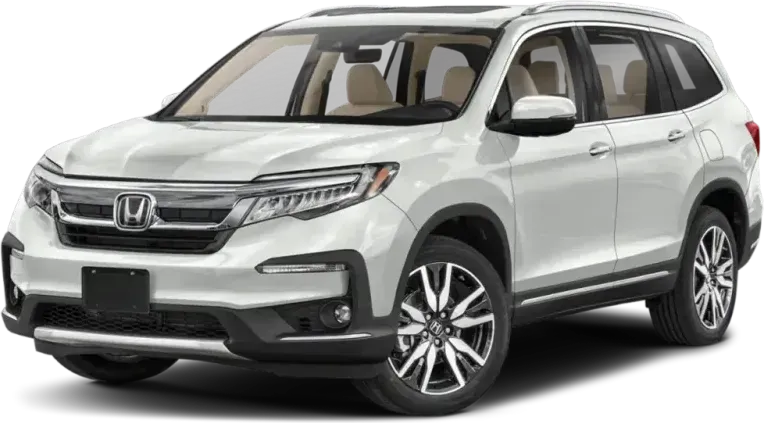
2019 Honda Pilot
Reliability: 56/100
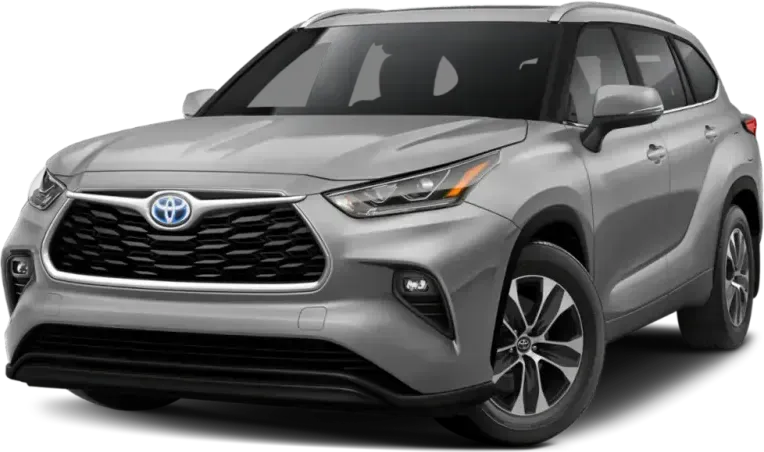
2019 Toyota Highlander
Reliability: 70/100
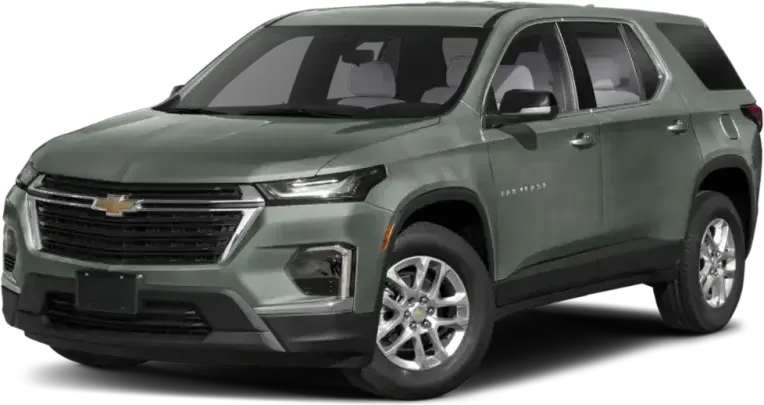
2019 Chevrolet Traverse
Reliability: 62/100
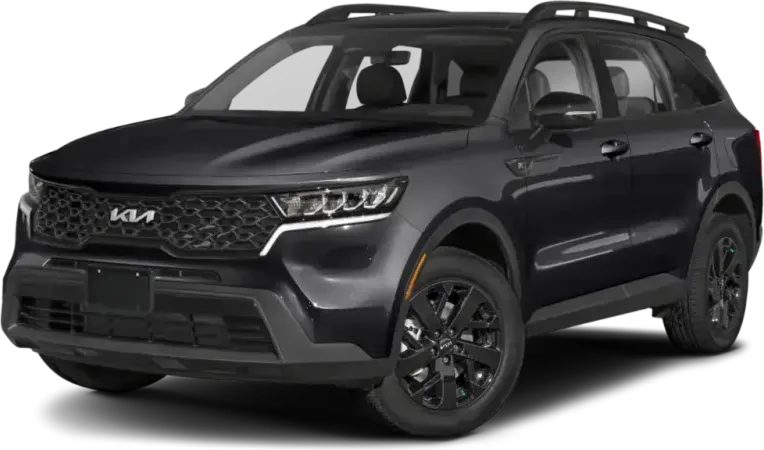
2019 Kia Sorento
Reliability: 64/100
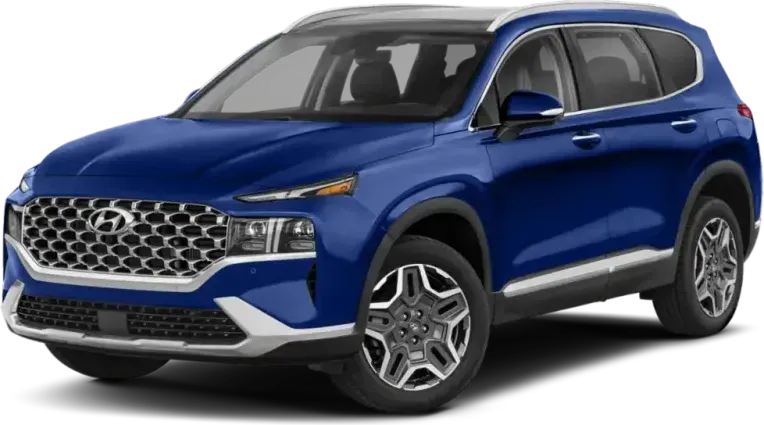
2019 Hyundai Santa Fe
Reliability: 69/100
Common Problem Categories
Safety
LOW RISK- 3 manufacturer recalls issued
Other
HIGH RISK- POWER TRAIN (397)
- ENGINE (80)
Recall Overview
3
recalls on record
A moderate 3 recalls are on file for the 2019 Ford Edge. Each one points to a specific safety or compliance issue identified by the manufacturer or NHTSA — check the list below before buying.
NHTSA.gov →Complaint Breakdown
49.6
per 10,000 soldSegment avg: 21.2
Safety Incidents
7
Crashes
1
Fires
4
Injuries
0
Deaths
NHTSA 5/5 Stars
Data sourced from NHTSA complaint filings and manufacturer recall notices. Complaint narratives are owner-reported.
2019 Ford Edge Recall Details
3 recalls have been issued for the 2019 Ford Edge. All recall repairs are performed free of charge at authorized dealerships.
SEAT BELTS
Ford Motor Company (Ford) is recalling certain 2019 Edge vehicles. The driver-side seat belt pretensioner anchor may have been improperly crimped, possibly resulting in the seat belt webbing detaching from the anchor in the event of a crash.
Consequence
In the event of a crash, seat belt webbing that detaches from the anchor will not properly restrain the driver, increasing their risk of injury.
Remedy
Ford has notified owners, and dealers will inspect and, if necessary, replace the driver's side pretensioner assembly, free of charge. The recall began November 12, 2019. Owners may contact Ford customer service at 1-866-436-7332. Ford's number for this recall is 19S37.
BACK OVER PREVENTION
Ford Motor Company (Ford) is recalling certain 2018-2022 Transit Connect, 2019-2020 MKZ, MKX, Edge, Continental, F-150, Nautilus, Fusion, 2019-2023 Ranger, Mustang, 2020-2021 EcoSport, Expedition, Navigator, 2020-2022 Escape, F-250 SD, Corsair, 2020-2023 Aviator, Transit, 2020-2024 Explorer, 2021-2024 Bronco Sport, and 2022-2024 Maverick vehicles. A software error may cause the rearview camera to display a blank image, or the image may remain on the display after the backing event has ended.
Consequence
A rearview camera that displays a blank image can reduce the driver's view behind the vehicle. A rearview image that continues to be displayed after the vehicle is shifted out of reverse may distract the driver. Both of these situations can increase the risk of a crash.
Remedy
Dealers will update the rearview camera software, free of charge. Owner notification letters were mailed September 4, 2025. Owners may contact Ford customer service at 1-866-436-7332. Ford's number for this recall is 25S72.
POWER TRAIN
Ford Motor Company (Ford) is recalling certain 2019-2020 Edge, Transit Connect and Lincoln MKX and 2020 Escape and Lincoln Corsair vehicles. The start/stop accumulator endcap may have missing or loose bolts.
Consequence
Missing or loose bolts on the start stop accumulator endcap could result in a transmission fluid leak and may progress to a loss of transmission function. A transmission fluid leak in the presence of an ignition source may increase the risk of fire.
Remedy
Ford will notify owners, and dealers will replace the start/stop accumulator, free of charge. The recall began September 23, 2020. Owners may contact Ford customer service at 1-866-436-7332. Ford's number for this recall is 20S49.
Buying a used 2019 Ford Edge? Check its history first
Power train problems lead owner complaints about the 2019 Ford Edge, and 3 recalls were issued for it. A VIN check shows whether this car's recall work was done, plus accident, title, and odometer history.
- Accidents
- Open Recalls
- Title History
- Odometer Rollback
2019 Ford Edge NHTSA Safety Ratings
Overall Safety Rating
Crash Test Results by Configuration (expand)
Gas Powertrain
Rollover risk: 15.5%
Safety Technologies
Ford EdgeRepair Costs & Maintenance
Maintenance Rating
3.5Maintenance rating: 3.5 out of 5Based on NHTSA complaint patterns, recall severity, and publicly available cost benchmarks.
Est. Annual Maintenance
$611
Category-level averages derived from publicly available industry reports (AAA, CarMD). Model-level estimates produced by Auto Reliability Index.
Ford Edge Resale Value
The Ford Edge is estimated to retain about 57.3% of its original value after 5 years, based on observed used-car listings.
This benchmark covers the Ford Edge model overall and is not specific to the 2019 model year.
- Value Retained
- 57.3%
- Depreciation
- 42.7%
- Listings Analyzed
- 323
after 5 years
over the same period
U.S. used-car listings
Listings observed in . This is a historical market benchmark, not a current price quote.
Explore Ford Edge depreciation and resale value on CarResaleValue.com2019 Ford Edge Example Repair Prices
National average price ranges for common repairs. These are not model-year-specific failure predictions.
| Repair | Estimated Cost |
|---|---|
| Cabin Air Filter Replacement | $60 – $81 |
| Oil Pressure Sensor Replacement | $173 – $224 |
| Brake Master Cylinder Reservoir Replacement | $324 – $420 |
| OBDII Drive Cycle Test | $61 – $90 |
| Emission System Diagnosis & Testing | $61 – $90 |
| Noise Diagnosis | $122 – $179 |
| Pre-Purchase Car Inspection | $183 – $269 |
| Head Gasket Replacement | $2,855 – $3,801 |
| Exhaust Manifold Gasket Replacement | $431 – $614 |
| HVAC Blend Door Actuator Replacement | $195 – $241 |
Estimates based on national average repair costs. Actual costs may vary by location and shop.
MPG & Annual Running Costs
Gas
21–25 MPG
Running cost: $3,000–$3,450/yr
Fuel + repair
19–22 city / 26–29 hwy MPG
Running cost includes EPA fuel-cost estimate and independent repair-cost data (repair cost estimated at model level). Excludes routine maintenance, depreciation, and insurance. Data as of 2019 EPA label cycle.
Gas trims
| Trim | Drive | Trans. | City | Hwy | Comb | Fuel Cost |
|---|---|---|---|---|---|---|
| Edge FWD 2.0L 4-cyl | Front-Wheel Drive | Automatic (S8) | 22 | 29 | 25 | $2,400 |
| Edge AWD 2.0L 4-cyl | All-Wheel Drive | Automatic (S8) | 21 | 28 | 23 | $2,600 |
| Edge AWD 2.7L 6-cyl | All-Wheel Drive | Automatic (S8) | 19 | 26 | 21 | $2,850 |
Used Buying Checklist
Key things to inspect or verify before purchasing a 2019 Ford Edge.
Accelerate gently from a stop to 40 mph several times and reject any shudder, stutter or hesitation between gears.
Ask for records of torque converter or transmission replacement, and retest carefully since owners report the shudder returning.
Check the coolant reservoir cold and watch for white exhaust smoke or a sweet smell after the engine warms.
Request records of EGR cooler or engine replacement for coolant loss before agreeing on price.
Refuel during the test drive, restart, and pull away to check for rough starting or stalling.
Fit the factory lug wrench on every lug nut and budget for a new set if any are swollen.
Pull each front seat belt fully out and let it retract several times, ideally in a hot cabin.
Run the Sync screen, backup camera and power liftgate repeatedly and watch for freezes, blank screens or unexpected closing.
2019 Ford Edge Common Problems by Component
687 owner complaints grouped by vehicle system.
POWER TRAIN
397 complaintsSafety-relatedEdge transmission problems across all model years
Transmission shudder is the dominant complaint. Drivers describe stuttering, slipping, bucking and hesitation between gears, usually from a stop up to about 40 mph and often with no warning light. Dealers commonly diagnose a failed torque converter or replace the whole transmission, mostly between about 39,500 and 90,000 miles. Some owners report the shudder returning after a torque converter repair or rebuild, and several say dealers found nothing wrong at first. Four reports involve crashes, including one where the vehicle would not accelerate. A smaller group describes stalling or coolant smoke from the engine.
ENGINE
80 complaintsEdge engine problems across all model years
Coolant leaking into the 2.0L EcoBoost causes the most serious failures. Owners report coolant vanishing without a low-level warning, white exhaust smoke, misfires, overheating and sudden shutdowns in traffic, sometimes followed by a full engine replacement at mileages from 38,997 to 75,000. Others need an EGR cooler replaced for an internal coolant leak, starting around 37,000 miles and sometimes repeated. Several owners cite a Ford service bulletin and say they paid out of pocket. Many complaints filed here actually describe transmission shudder and torque converter failures, and one owner reports repeated high-pressure fuel pump failures.
UNKNOWN OR OTHER
51 complaintsSafety-relatedPanoramic sunroof glass shattering is a recurring theme here, often at highway speed with a loud bang and no visible impact, and in some cases on nearly new cars. Many other reports repeat the transmission pattern: shudder, slipping and full replacement at under 90,000 miles. One owner reports smoke and then fire from under the hood while creeping in traffic, with no warning lights. Isolated reports include parallel park assist backing into a parked car, a car rolling while shifted into Park, and a rear hatch window shattering overnight.
ENGINE AND ENGINE COOLING (31 complaints)
ENGINE AND ENGINE COOLING
31 complaintsEdge engine problems across all model years
Coolant intrusion into the cylinders is the main failure. Typical signs are white tailpipe smoke, a burning coolant smell, a falling coolant level with no visible leak, overheating warnings, rough running and stalling. Several owners lose power or have the engine shut off while driving. The usual diagnosis is a replacement engine, with failures reported from roughly 33,867 to 71,000 miles. Owners frequently link the problem to a Ford service bulletin. Less common reports cover a stuck turbocharger wastegate causing power loss, a failed EGR valve, and a blown head gasket at high mileage.
ELECTRICAL SYSTEM (20 complaints)
ELECTRICAL SYSTEM
20 complaintsSafety-relatedScreen and module glitches lead this group. The Sync touchscreen turns blue or black, freezes on the audio or backup camera view, and sometimes needs a battery disconnect to reset. Some owners report the instrument cluster going dark, and one says the engine shut off at low speed and restarted in limp mode. Parallel park assist backing into another vehicle accounts for the one crash. Other reports cover erratic auto start/stop, repeated battery drain, a fractured wire to the rear differential triggering an AWD warning, and lane keeping that bounces between lines.
WHEELS (19 complaints)
WHEELS
19 complaintsSwollen lug nuts are nearly the whole story. The capped factory nuts expand until the supplied lug wrench no longer fits, and dealers refuse tire rotations or brake work until all of them are replaced. Owners discover it anywhere from about 24,920 to 94,000 miles and pay roughly $110 to $259.20 for a new set, often outside any warranty. The main safety worry is being unable to remove a wheel to change a flat at the roadside. One owner separately reports repeated tire punctures.
SEAT BELTS (16 complaints)
SEAT BELTS
16 complaintsDriver seat belts that jam are the main problem. The belt will not pull out, locks partway, or engages and then slips, leaving some owners driving unbelted. Several say it gets worse when the cabin is hot, above about 80 degrees. Dealers diagnose failed retractors in some cases, and at least two owners report the replacement part on back order. Other reports include a front belt that would not release, rear buckles unlatching with child seats installed, and a rear belt wearing through against a sharp trim edge.
FUEL/PROPULSION SYSTEM (15 complaints)
FUEL/PROPULSION SYSTEM
15 complaintsStalling and rough starts right after refueling dominate, especially when filling from near empty. Owners also describe lunging and bucking at low speeds and idle that feels ready to die. The fault often sets no light or code, so cars go through many dealer visits before a purge valve or low-side fuel pressure sensor is replaced. One owner paid $1,117.77 for a purge valve and line at 45,299 miles. Shutdowns in traffic, including in a rotary, are the main safety risk. Evaporative leak codes appear in a few reports.
VISIBILITY (9 complaints)
VISIBILITY
9 complaintsPanoramic sunroof glass shatters without warning, most often at highway speeds of 60 to 75 mph, with a gunshot-like bang and no apparent impact. Owners with the shade closed avoid falling glass, but one driver cut a hand cleaning up the shards. Dealers sometimes blame a rock strike and decline warranty coverage. A rear door window also shattered while stopped and cut a child in a car seat. One owner reports the windshield wiper motor failing a second time.
STRUCTURE (9 complaints)
STRUCTURE
9 complaintsPower liftgate faults top this category. The gate closes unexpectedly on people, in one case knocking an owner to the ground, or stops working intermittently and then recovers after sitting. The kick-to-open sensor can unlatch the hatch without a deliberate kick. Glass failures also appear, with the rear liftgate glass shattering when a door was closed and a sunroof blowing out while parked. Other reports cover driver door squeaks traced to the check arm attachment or water-damaged door structure, and a differential replaced on a new car.
When Do 2019 Ford Edge Problems Start?
Based on owner complaint patterns, here's when common issues tend to appear.
Best & Worst Ford Edge Years
Best Ford Edge Years to Buy
Based on reliability index scoreFord Edge Years to Avoid
Ford Edge Reliability Score Trend
Scores 0–100. Higher is better. Current year highlighted.
| Year | Score | Rating |
|---|---|---|
| 2018 | 57/100 | Mixed |
| 2019 | 60/100 | Good |
| 2020 | 64/100 | Good |
| 2021 | 69/100 | Good |
| 2022 | 69/100 | Good |
| 2023 | 74/100 | Good |
| 2024 | 76/100 | Good |
Ford Edge Reliability Compared to Other Years
2019 Ford Edge Common Questions
10 questions from 2019 Ford Edge owners.
temporary shaking and check engine light on for brief period
shaking and check engine light on for brief period, now is fine, no shaking and engine light is off....what should I do at this point Started today
Heater only blows hot when on high
Heater only works on high temp
Charging
My very dead battery is on charger and the parking lights are flashing quickly - why?
Brakes
When I step on the brakes sometimes it makes a loud beeping noise. What is that? More than a month
Leak on the rear drivers side
Leaking coming from breaks in rear drivers side 1
Frequently Asked Questions
Is the 2019 Ford Edge reliable?
What are the most common problems with the 2019 Ford Edge?
Does the 2019 Ford Edge have transmission problems?
Does the 2019 Ford Edge have engine coolant problems?
Is the 2019 Ford Edge better than the 2018 or 2020?
Don’t buy a 2019 Ford Edge without checking its VIN first — hidden accidents, title issues, and open recalls could cost you thousands.
How we score the 2019 Ford Edge
Of the four inputs behind this score, the 2019 Ford Edge does best on recall impact (75/100) and worst on complaint severity (37/100). Scores weight complaint severity at 35%, repair costs at 30%, recall impact at 20%, and the spread of complaints across systems at 15%, with complaint counts adjusted for US sales. Read the full methodology.
Get notified when new recalls or reliability data is added for the Ford Edge.
No spam. Only data updates for this model.
Browse More Ford Models
Ford Bronco
Score: 59/100
Ford Bronco Sport
Score: 77/100
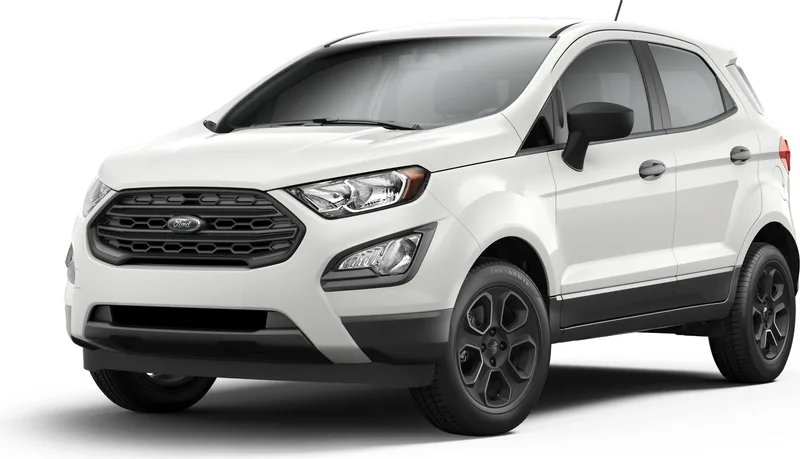
Ford EcoSport
Score: 74/100
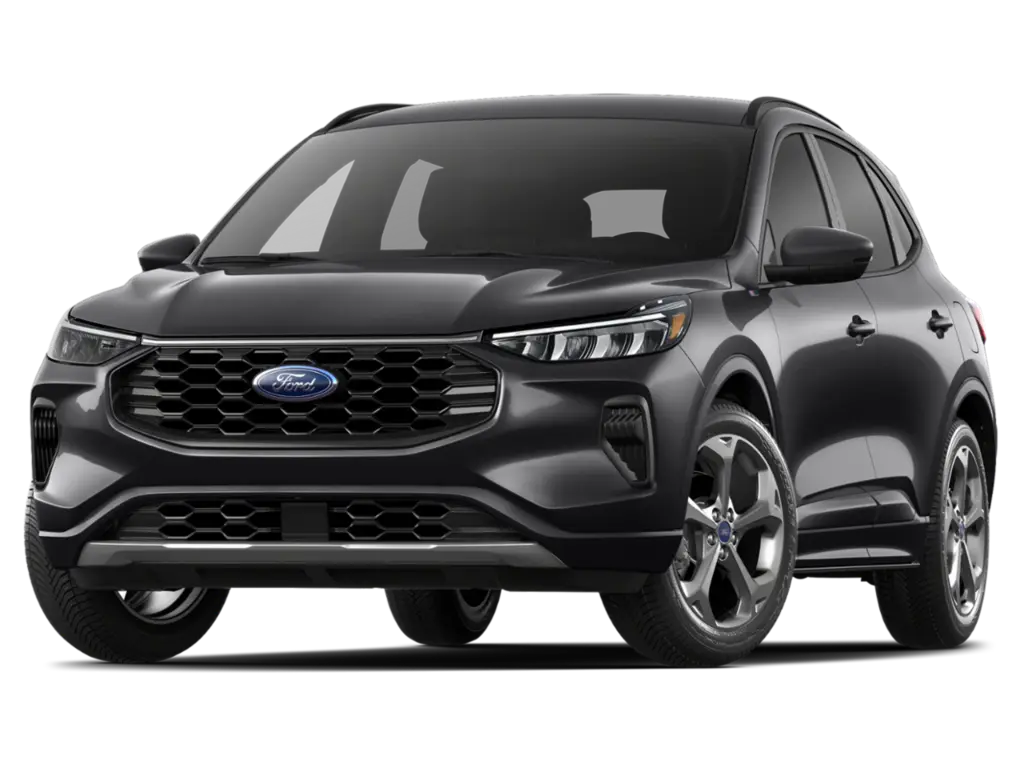
Ford Escape
Score: 77/100
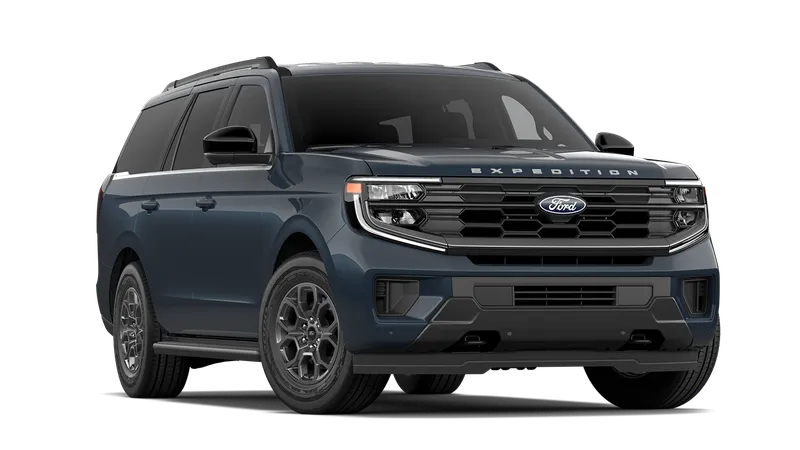
Ford Expedition
Score: 71/100

Ford Explorer
Score: 70/100
Browse More 2019 Vehicles
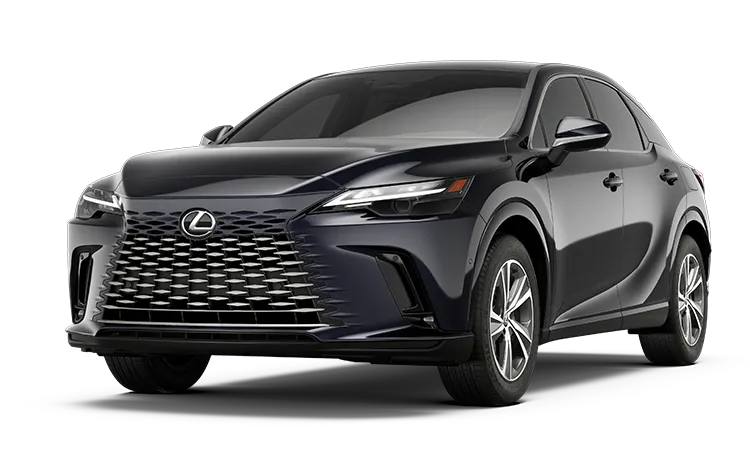
2019 Lexus RX
Score: 82/100

2019 Kia Sedona
Score: 80/100
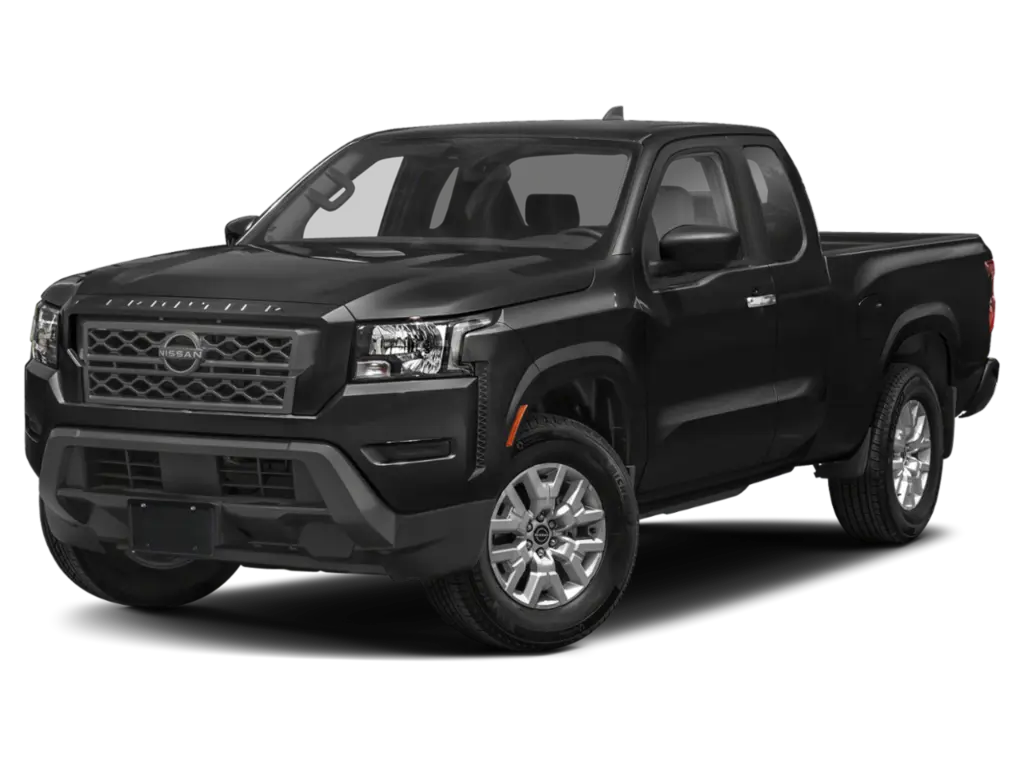
2019 Nissan Frontier
Score: 80/100
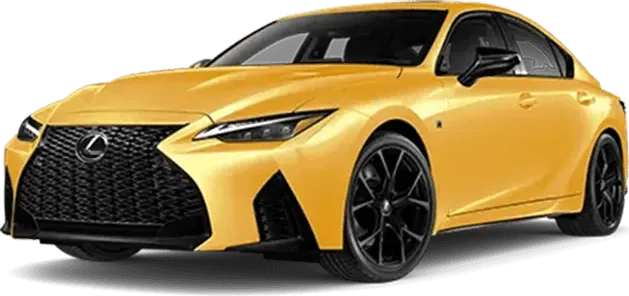
2019 Lexus IS
Score: 79/100
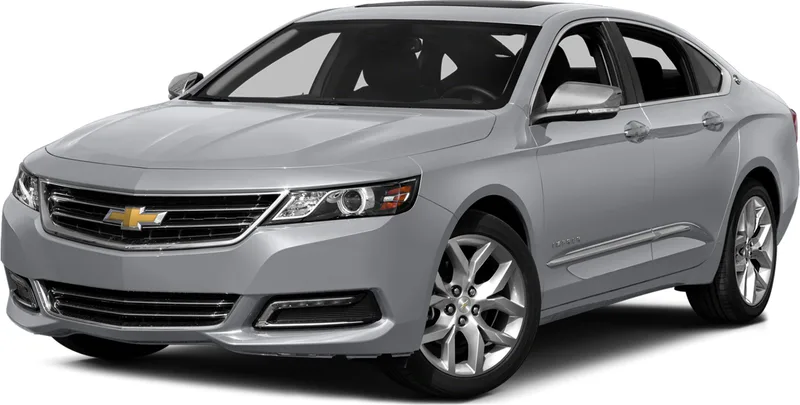
2019 Chevrolet Impala
Score: 79/100
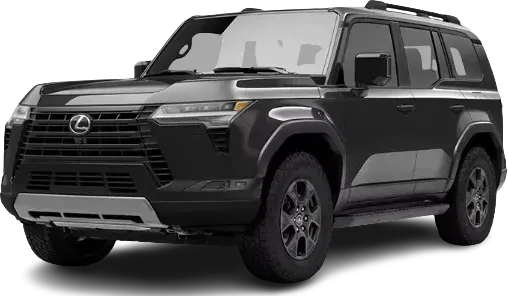
2019 Lexus GX
Score: 78/100
See incorrect data? Report an issue