Last updated: 2026-10-10

Nissan Reliability Ratings — Every Model Ranked
Used Nissans hold up well as a group. All 12 models rate good or better, and the brand sits above average against all brands on the site. Ariya leads with an excellent rating, though it has only been sold since 2023 and that first year has owner reports of sudden loss of drive power. Leaf trails, mainly over battery trouble and the highest yearly repair cost in the lineup. The gap between the best and worst is modest, and the year you pick matters as much as the model.
Three problems recur. The CVT automatic can fail outright, often with no warning light, and several owners report it just past 60,000 miles. Push-button start can refuse to crank when the brake light switch fails. Front radar can flash false obstruction alerts and brake for nothing. For a shopper, that means choosing the recommended model year, testing the start several times, and checking how the transmission shifts before you buy.
Nissan Best Year Score Comparison
Each bar shows the best single model year score for that Nissan model. Longer bars indicate higher peak reliability.
Nissan Model Rankings
Scores below are averaged across all tracked model years. The “Best Year” column shows the highest-scoring model year that has been on the road for at least two years, where available.
| # | Vehicle | Best Year | Score | Rating | Recalls | Complaints / 10k | Maint. Rating | Est. Repair Cost |
|---|---|---|---|---|---|---|---|---|
| 1 | Nissan Ariya | 2024 | 85/100 | Excellent | 4 | — | 4 | $500/yr |
| 2 | Nissan Frontier | 2021 | 80/100 | Excellent | 9 | 2.2 | 4 | $470/yr |
| 3 | Nissan Altima | 2023 | 79/100 | Good | 20 | 6.5 | 4 | $483/yr |
| 4 | Nissan Murano | 2023 | 79/100 | Good | 5 | — | 3.5 | $507/yr |
| 5 | Nissan Kicks | 2022 | 78/100 | Good | 10 | 8.3 | 4 | |
| 6 | Nissan Sentra | 2023 | 78/100 | Good | 20 | 7.5 | 4 | $491/yr |
| 7 | Nissan Maxima | 2023 | 76/100 | Good | 4 | 6.5 | 3.5 | $540/yr |
| 8 | Nissan Versa | 2021 | 76/100 | Good | 11 | 8.7 | 4 | $456/yr |
| 9 | Nissan Rogue | 2024 | 75/100 | Good | 43 | 11.6 | 4 | $467/yr |
| 10 | Nissan Pathfinder | 2020 | 74/100 | Good | 14 | 9.5 | 3.5 | $542/yr |
| 11 | Nissan Armada | 2024 | 73/100 | Good | 13 | 13.0 | 3.5 | $550/yr |
| 12 | Nissan Leaf | 2021 | 66/100 | Good | 19 | 95.0 | 4 | $748/yr |
Nissan Models
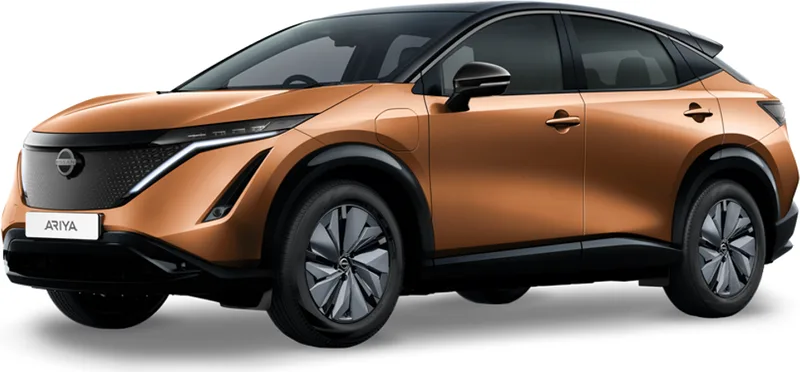
Nissan Ariya
1st gen (2023–present)
Reliability rates excellent and well above average among SUVs, but the 2023 model year pulls that down. Its owners report sudden loss of drive power, with the charge reading dropping to 0% and a "Service EV System" warning.
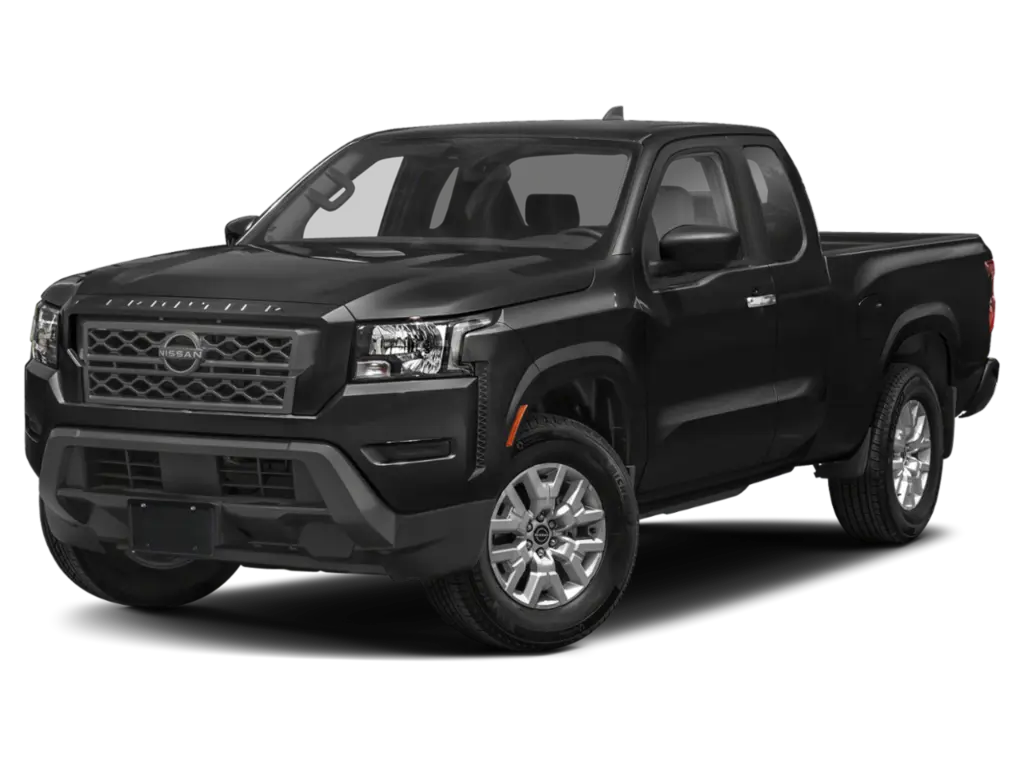
Used buyers get a solid midsize truck here, with repair costs below the midsize average and a good overall record. The main thing to watch is power train trouble, where trucks suddenly stop accelerating and dealers find no fault code.
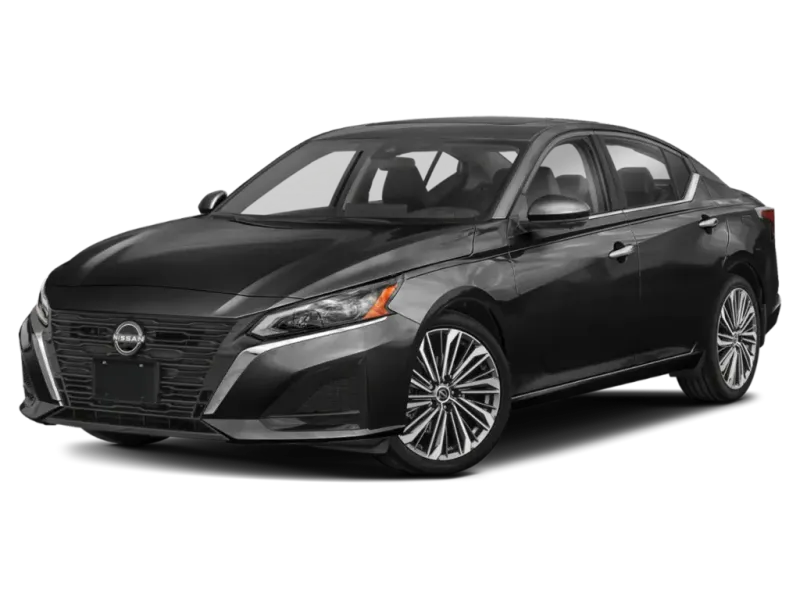
Nissan Altima
6th gen (2019–2023), facelifted 2023
Good overall and well above average among sedans, this midsize car is a solid used buy if you pick the year with care. The 2023 model year is the one to favor, and 2020 is the one to skip.
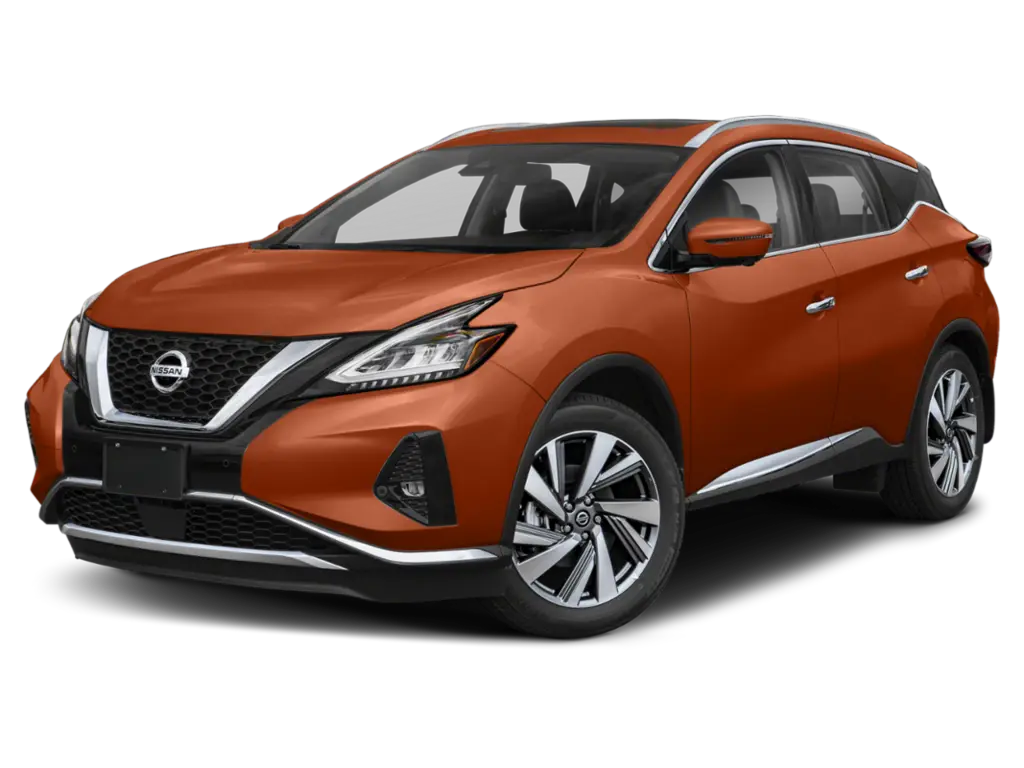
Nissan Murano
4th gen (2025–present)
Reliability is good for a compact SUV, and yearly repair costs run slightly under the class average. Favor 2023, and watch 2020 and 2025, which fall well below the rest of the lineup.
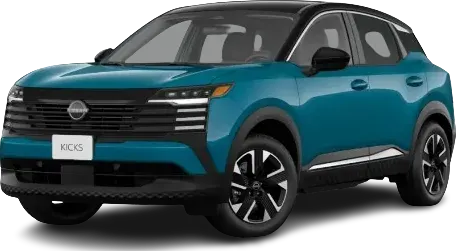
Nissan Kicks
2nd gen (2025–2023)
Engine stalls with a cluster of warning lights, plus ABS faults, are the main risk in the 2018 and 2019 model years of this compact SUV, which otherwise rates good and above average among SUVs on the site. The 2022 is the year to buy, with no recalls and few complaints.
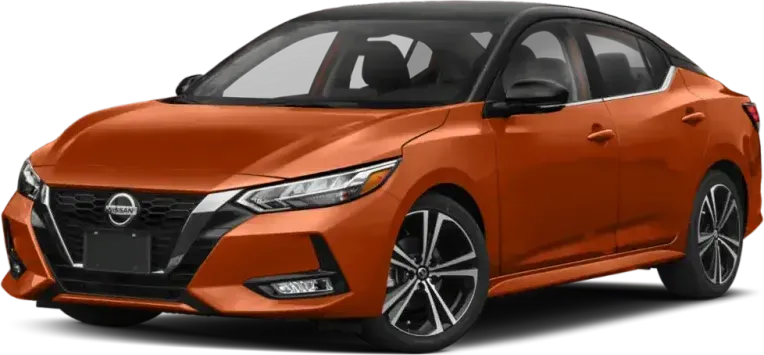
Nissan Sentra
8th gen (2020–present)
Reliability is good, and yearly repair costs run a little under the compact-car average. Favor the 2023 model year and skip 2020, when front tie rods bent or broke and automatic emergency braking fired with nothing in the road.
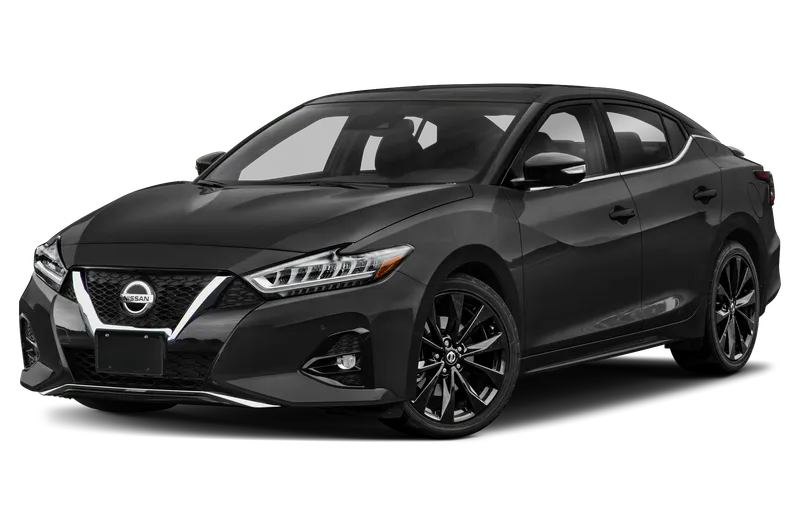
Nissan Maxima
8th gen (2016–2023), facelifted 2020
Reliability is good for this full-size sedan, and it ranks above average among sedans on the site. The complaint to know is the front radar system: a "front radar obstruction" message that shuts off adaptive cruise and sometimes comes with hard braking for no reason.
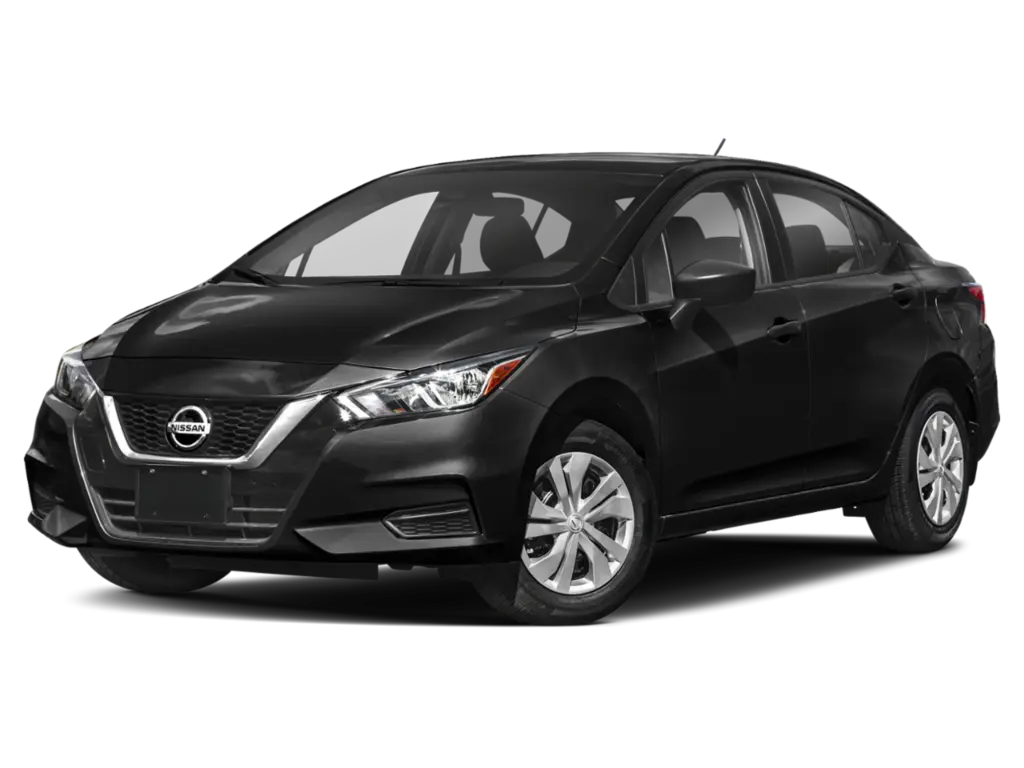
Nissan Versa
3rd gen (2024–present), facelifted 2024
Reliability is good for a compact sedan and ranks above most sedans on the site. The 2021 model year is the pick, while the 2024 has drawn the most complaints.
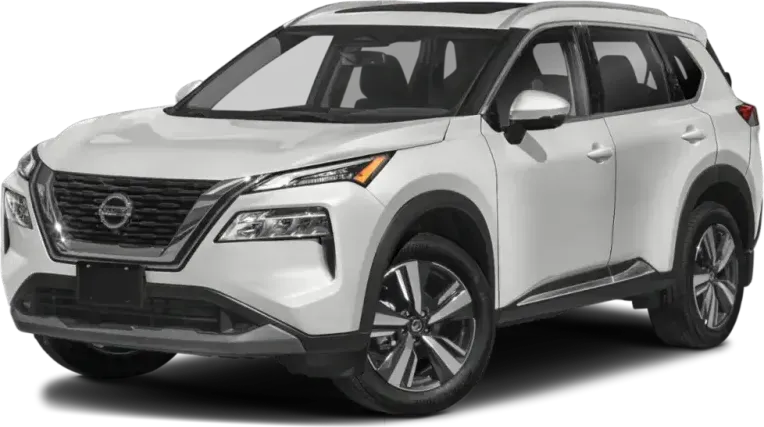
Used Rogues are a good buy, and yearly repair costs run below the compact SUV average. Skip 2018, where the brakes can slam on with nothing ahead, and 2023, where engines have failed at highway speed.
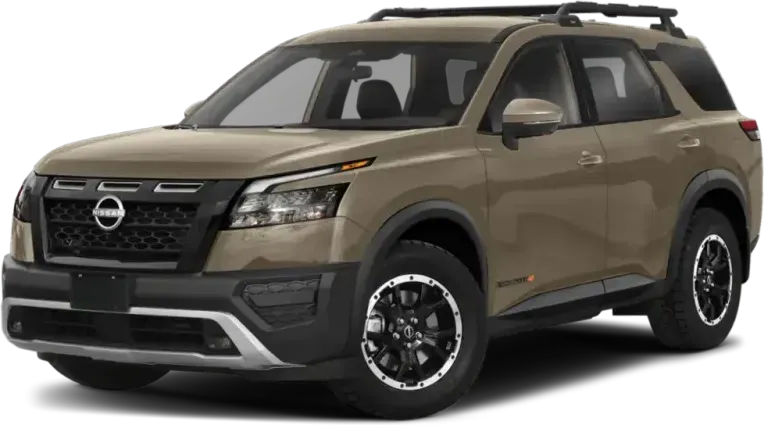
Nissan Pathfinder
5th gen (2022–2023), facelifted 2023
Good overall for a midsize SUV, with repair costs a little under the class average. The 2020 is the year to favor, with no recalls and fewer complaints than 2018, 2019, 2022, or 2023.
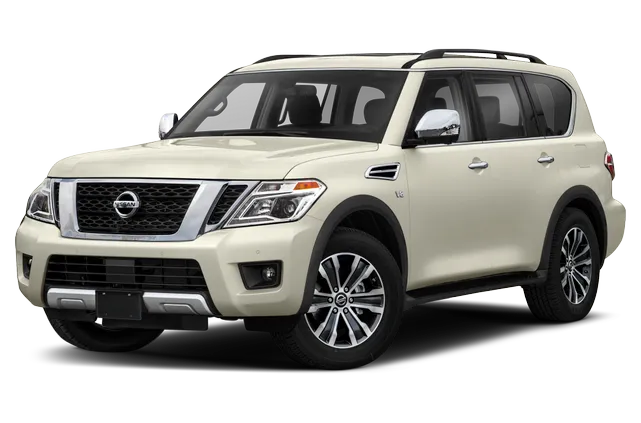
Nissan Armada
3rd gen (2025–present)
Reliability is good for a full-size SUV, and yearly repair costs run below the class average. The oldest years, 2018 and 2019, draw the most complaints, mostly random no-starts and dash warning lights.
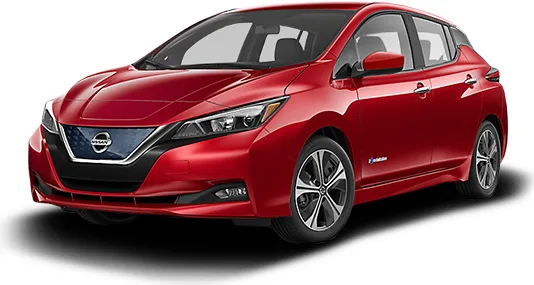
Nissan Leaf
3rd gen (2026–present)
Battery trouble defines the Leaf as a used buy. Owners describe the car suddenly losing drive power and a charge reading that collapses on the highway.
Common Nissan Problems
Top complaint categories across all Nissan models, based on owner-reported issues to NHTSA.
Nissan by Category
Frequently Asked Questions
- What is the most reliable Nissan model?
- Ariya rates highest, with an excellent reliability standing among Nissan models. It is a young model, sold only since 2023, so it has had less time to collect complaints. The 2023 year has reports of sudden loss of drive power, so the 2024 is the better used buy.
- Which Nissan is the least reliable?
- Leaf ranks last in the lineup, though its standing is still good. Owners describe battery trouble, including sudden loss of drive power and a charge reading that collapses on the highway. The 2019 and 2020 years draw the most complaints, and the 2021 is the year to favor.
- Are Nissans expensive to repair?
- Mostly no. Independent repair-cost data puts most models between about $456 and $550 a year, and several run below their class average. Leaf is the exception at about $748 a year. A failed CVT is the costly risk, since the usual fix is a full transmission replacement.
- Which Nissan model years should I avoid?
- Skip the Sentra 2020, Rogue 2018 and 2023, and Altima 2020. Sentra 2020 has bent or broken front tie rods. Rogue 2023 has engines that failed at highway speed. Also be careful with the 2023 Ariya, and the 2018 and 2019 Kicks, which have stalling and ABS faults.
- What is the most common Nissan problem?
- Electrical trouble draws the most owner complaints, ahead of power train, service brakes, and engine. The usual story is a push-button start that will not crank, tied by owners to the brake light switch. Front radar alerts that report an obstruction that is not there are also common.
Compare Nissan vs Other Makes

Nissan vs Acura
Compare reliability →

Nissan vs Audi
Compare reliability →

Nissan vs BMW
Compare reliability →

Nissan vs Buick
Compare reliability →

Nissan vs Cadillac
Compare reliability →

Nissan vs Chevrolet
Compare reliability →

Nissan vs Chrysler
Compare reliability →

Nissan vs Dodge
Compare reliability →

Nissan vs Ford
Compare reliability →

Nissan vs GMC
Compare reliability →
Nissan vs Genesis
Compare reliability →

Nissan vs Honda
Compare reliability →

Nissan vs Hyundai
Compare reliability →

Nissan vs Infiniti
Compare reliability →

Nissan vs Jeep
Compare reliability →

Nissan vs Kia
Compare reliability →

Nissan vs Land Rover
Compare reliability →

Nissan vs Lexus
Compare reliability →

Nissan vs Lincoln
Compare reliability →

Nissan vs Mazda
Compare reliability →

Nissan vs Mercedes-Benz
Compare reliability →

Nissan vs Mitsubishi
Compare reliability →

Nissan vs Porsche
Compare reliability →

Nissan vs Rivian
Compare reliability →

Nissan vs Subaru
Compare reliability →

Nissan vs Tesla
Compare reliability →

Nissan vs Toyota
Compare reliability →

Nissan vs Volkswagen
Compare reliability →

Nissan vs Volvo
Compare reliability →
Most Reliable Used Sedans
View rankings →
Most Reliable Used SUVs
View rankings →
Most Reliable Used Trucks
View rankings →
Best Nissan Years
View rankings →
How we score Nissan models
Scores weight complaint severity at 35%, repair costs at 30%, recall impact at 20%, and the spread of complaints across systems at 15%, with complaint counts adjusted for US sales. Read the full methodology.
See incorrect data? Report an issue