Last updated: 2026-10-10
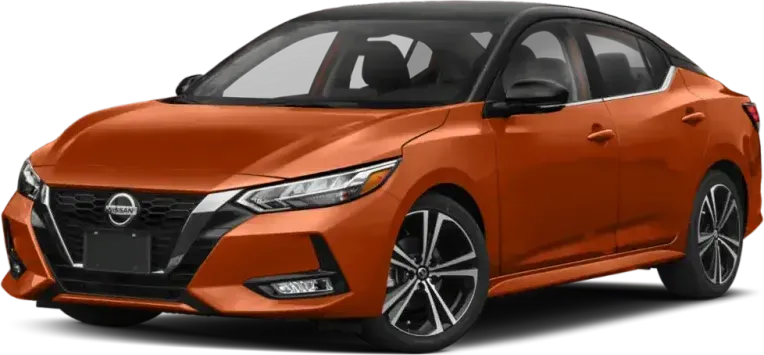
Nissan Sentra Years to Avoid
9 scored model years (2018–2026) · model average 78/100
Skip the 2020 model year. Owners filed far more complaints per car sold than for any other year, led by front tie rods that bend or break and emergency braking that fires with nothing ahead. The 2023 model year is the one to buy.
Verdict
- Avoid
- 2020 71/100
- Buy
- 2023 80/100
- Model average
- 78/100
Nissan Sentra Years to Avoid
These model years score significantly below the Nissan Sentra average of 78/100.
| # | Year | Score | Rating | Recalls | Complaints | Top Issue |
|---|---|---|---|---|---|---|
| 1 | 2020 | 71/100 | Good | 4 | 193 | Steering (52) |
Why These Years Should Be Avoided
2020 Nissan Sentra
Front tie rods bend or break, with violent wheel vibration, clicking in reverse, and some cars that stopped responding to the wheel. Emergency braking also stops cars on empty roads, and door lock actuators fail soon after the warranty ends. Federal records list four recalls for this year.
Top issues: Steering (52), Electrical System (33), Unknown Or Other (29), Forward Collision Avoidance (26), Service Brakes (14), Power Train (7)
View full 2020reliability report →What Are Common Nissan Sentra Problems?
ELECTRICAL SYSTEM
177 complaintsMost reported in 2019, 2021, 2020
2019: The radio turns on by itself with the car off, sometimes playing all night.
STEERING
127 complaintsMost reported in 2020, 2021, 2022
2020: Front tie rods bend or break.
POWER TRAIN
113 complaintsMost reported in 2019, 2018, 2020
2019: The CVT fails outright, with reported failures between 98,000 and 167,000 miles.
UNKNOWN OR OTHER
101 complaintsMost reported in 2020, 2018, 2019
2020: Failing door locks make up most of these reports.
FORWARD COLLISION AVOIDANCE
57 complaintsMost reported in 2020, 2018, 2021
2020: Automatic emergency braking activates with nothing in the road.
SERVICE BRAKES
54 complaintsMost reported in 2020, 2019, 2018
2020: Most of these reports also describe phantom automatic braking: the car brakes hard at 25 to 60 mph with no obstacle ahead.
Best Nissan Sentra Year to Buy Instead
2023 Nissan Sentra
The 2023 model year rates excellent, with one recall and only 14 owner complaints, about 1.3 per 10,000 sold. The 2020 year runs at 20.4 per 10,000, with steering and braking faults. The 2023 cars have been on the road long enough to count, though one report of a fractured tie rod is worth knowing about.
Found a Safe Year? Check the Specific Car
Even the 2023 Nissan Sentra has 1 recall on file. A VIN check confirms the recall work on the exact car and shows its accident, title, and service history.
- Accidents
- Open Recalls
- Title History
- Odometer Rollback
All Nissan Sentra Years by Generation
Nissan Sentra Reliability Scores by Year
Seventh generation (B17) (2013–2019)
Eighth generation (B18) (2020–2025)
2023 Nissan Sentra
1 recalls · 14 complaints
2024 Nissan Sentra
3 recalls · 23 complaints
2025 Nissan Sentra
3 recalls · 15 complaints
2022 Nissan Sentra
2 recalls · 72 complaints
2021 Nissan Sentra
3 recalls · 119 complaints
2020 Nissan Sentra
4 recalls · 193 complaints
Frequently Asked Questions
Which Nissan Sentra year is the worst?
Which Nissan Sentra years have transmission problems?
Is the 2019 Nissan Sentra a good buy?
Which Nissan Sentra year should I buy instead of 2020?
Are the newest Nissan Sentra years safe to buy?
How we score every Nissan Sentra model year
Scores weight complaint severity at 35%, repair costs at 30%, recall impact at 20%, and the spread of complaints across systems at 15%, with complaint counts adjusted for US sales. Read the full methodology.
See incorrect data? Report an issue