Last updated: 2026-10-10
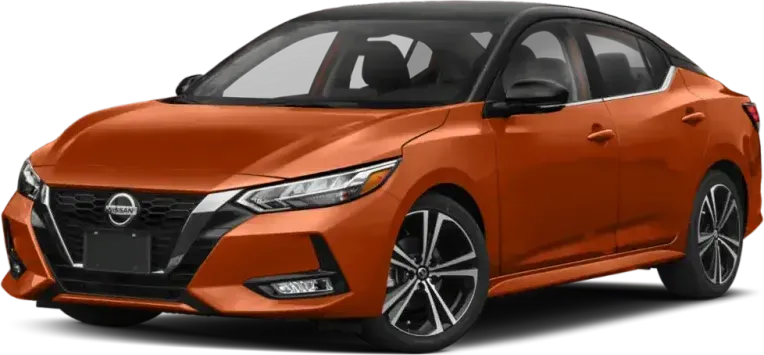
2018 Nissan Sentra Reliability Report
The 2018 Nissan Sentra rates good for reliability, but the CVT can fail outright, often between 46,000 and 65,000 miles.
Recalls
2
Complaints
181
Complaint Rate
8.5per 10,000 sold
Est. Repair Cost
$491
Annual Fuel Cost
$1,850–$2,550
Detailed Score Breakdown
Component-weighted complaints normalized by sales volume
Independent repair cost ratings
Recall count weighted by severity
Breadth of reported problem categories
The Verdict
Rates well above average among 2018 sedans, with CVT failures and false front radar braking as the main complaints.
Top Issues to Watch
- POWER TRAIN (43)
- ELECTRICAL SYSTEM (31)
- SERVICE BRAKES (14)
Generation & Refresh (US)
2018 is 2 years after the facelift refresh.
- Year 6 in the Seventh generation (B17) (2013–2019).
- Well-established in its generation — most early issues should be resolved.
- 7th generation Sentra (US).
What this means for buyers
Post-refresh years tend to be among the most refined — updates have been applied and early kinks worked out.
2013: Seventh generation (B17) Launch
Generation start — new platform.
2016: Mid-Cycle Refresh
Updated features and styling tweaks.
2018: This Model Year
2018 is 2 years after the facelift refresh.
Should You Buy the 2018 Nissan Sentra?
Reliability is good, and well above average among 2018 sedans. Within the Sentra lineup it sits in the middle of nine scored model years, and the 2019 rates about the same. Independent repair-cost data puts yearly repair costs at $491 model-wide, under $526 for the class. Federal crash tests gave it 4 of 5 stars.
The main risk is the CVT. Owners report outright failure, often with no warning light, plus jerking, judder, and sudden power loss in traffic. Reports cluster between 46,000 and 65,000 miles, and the usual fix is a full replacement. Some replacement units fail again. Push-button start sometimes will not crank, and owners blame the brake switch. The front radar can throw false alerts and brake the car on its own. Federal recall records show 2 recalls, covering exterior lighting and back over prevention.
Ask for transmission service records and any CVT replacement paperwork. Find out whether the brake light switch or front radar has been repaired, and confirm recall status by VIN. A 2019 is worth comparing, though it has drawn more complaints.
Compared to the 2019 Nissan Sentra, which scored 2 points lower.
Pros
- +Acceptable reliability score
- +$35 cheaper to maintain than avg compact cars
- +Infrequent unscheduled repairs
- +Low major repair risk (12%)
Cons
- −POWER TRAIN: CVT fails outright, often with no warning light beforehand (43 complaints)
- −ELECTRICAL SYSTEM issues reported (31 complaints)
Compare 2018 Nissan Sentra With
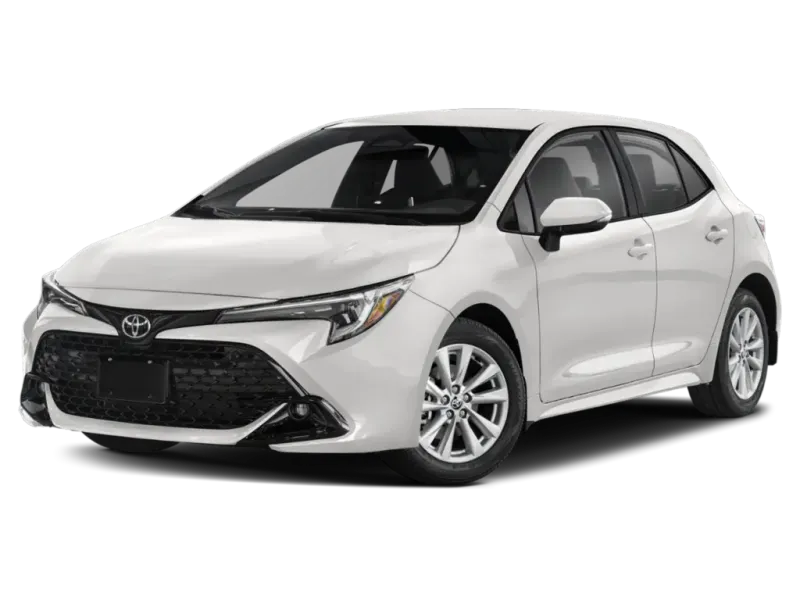
2018 Toyota Corolla
Reliability: 80/100
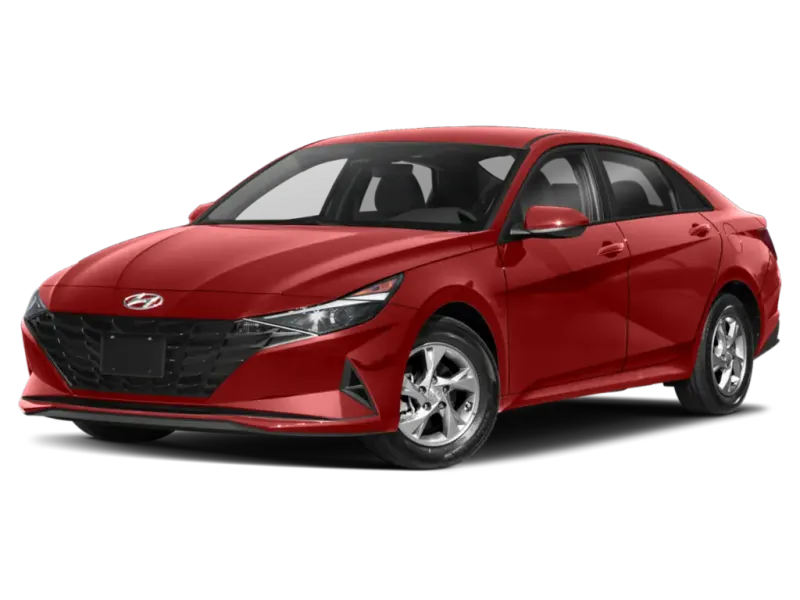
2018 Hyundai Elantra
Reliability: 76/100
2018 Honda Civic
Reliability: 71/100
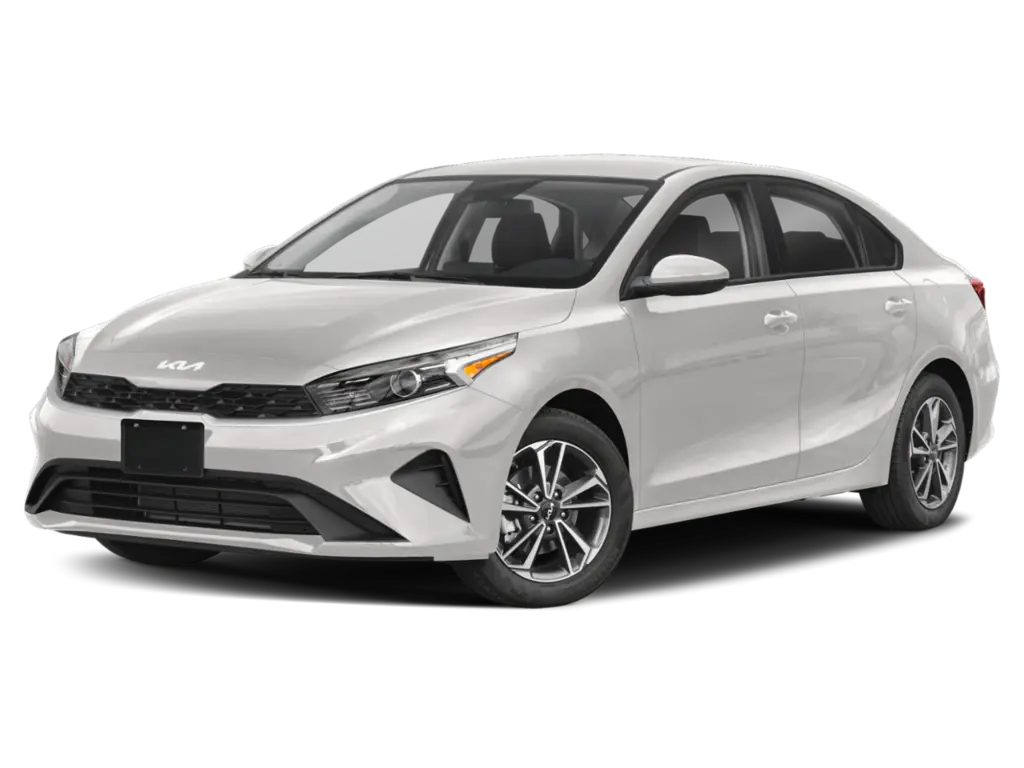
2018 Kia Forte
Reliability: 66/100
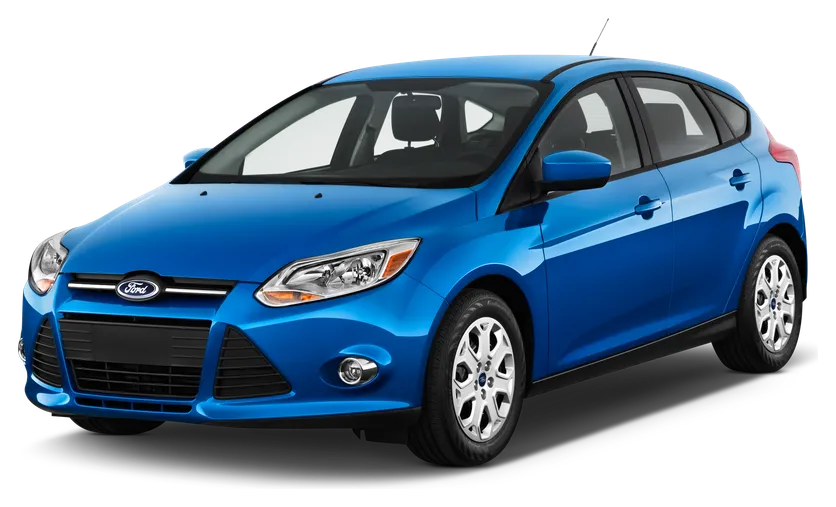
2018 Ford Focus
Reliability: 59/100
Common Problem Categories
Safety
LOW RISK- 2 manufacturer recalls issued
Other
HIGH RISK- POWER TRAIN (43)
- ELECTRICAL SYSTEM (31)
Recall Overview
2
recalls on record
The 2018 Nissan Sentra carries 2 recalls — a low count. Authorized dealers repair any open recall free of charge, regardless of warranty status.
NHTSA.gov →Complaint Breakdown
8.5
per 10,000 soldSegment avg: 25.7
Safety Incidents
17
Crashes
3
Fires
11
Injuries
1
Deaths
NHTSA 4/5 Stars
Data sourced from NHTSA complaint filings and manufacturer recall notices. Complaint narratives are owner-reported.
2018 Nissan Sentra Recall Details
2 recalls have been issued for the 2018 Nissan Sentra. All recall repairs are performed free of charge at authorized dealerships.
EXTERIOR LIGHTING
Nissan North America, Inc. (Nissan) is recalling certain 2016-2019 Nissan Sentra vehicles. The brake light switch may become contaminated, preventing the circuit from closing and the brake lights from illuminating.
Consequence
The brake lights may not illuminate, increasing the risk of a crash.
Remedy
Dealers will replace the brake light switch and install a protective grommet, free of charge. Owner notification letters were mailed July 1, 2022. Owners may contact Nissan customer service at 1-800867-7769. Nissan's number for this recall is PM971.
BACK OVER PREVENTION
Nissan North America, Inc. (Nissan) is recalling certain 2018-2019 Nissan Altima, Armada, Frontier, Kicks, Leaf, Maxima, Murano, NV, NV200, Pathfinder, Rogue, Rogue Sport, Sentra, Titan, Titan Diesel, Versa Note and Versa Sedan vehicles, as well as Infiniti Q50, Q60, QX30 and QX80 vehicles. Additionally included are 2019 Nissan GT-R and Taxi and Infiniti QX50, QX60, Q70, Q70L vehicles. The back-up camera and display settings can be adjusted such that the rear view image is no longer visible and the system will retain that setting the next time the vehicle is placed in reverse. As such, these vehicles fail to comply with the requirements of Federal Motor Vehicle Safety Standard (FMVSS) number 111, "Rear Visibility."
Consequence
The lack of an image in the back-up camera display increases the risk of a crash.
Remedy
Nissan will notify owners in phases, having dealers update the back-up camera settings software, free of charge. The recall began November 11, 2019 and all affected VINs should be activated. Owners may contact Nissan customer service at 1-800-867-7669 or INFINITI customer service at 1-800-662-6200.
Buying a used 2018 Nissan Sentra? Check its history first
Power train problems lead owner complaints about the 2018 Nissan Sentra, and 2 recalls were issued for it. A VIN check shows whether this car's recall work was done, plus accident, title, and odometer history.
- Accidents
- Open Recalls
- Title History
- Odometer Rollback
2018 Nissan Sentra NHTSA Safety Ratings
Overall Safety Rating
Crash Test Results by Configuration (expand)
Gas Powertrain
Rollover risk: 11.8%
Safety Technologies
Nissan SentraRepair Costs & Maintenance
Maintenance Rating
4Maintenance rating: 4 out of 5Based on NHTSA complaint patterns, recall severity, and publicly available cost benchmarks.
Est. Annual Maintenance
$491
vs $526 avg for compact cars
vs $652 avg for all vehicles
Repair Frequency
0.2
unscheduled repair visits per year
Severe Repair Probability
12%
chance of a major repair
Annual Cost Comparison
Category-level averages derived from publicly available industry reports (AAA, CarMD). Model-level estimates produced by Auto Reliability Index.
Nissan Sentra Resale Value
The Nissan Sentra is estimated to retain about 73.7% of its original value after 5 years, based on observed used-car listings.
This benchmark covers the Nissan Sentra model overall and is not specific to the 2018 model year.
- Value Retained
- 73.7%
- Depreciation
- 26.3%
- Listings Analyzed
- 720
after 5 years
over the same period
U.S. used-car listings
Listings observed in . Actual resale value varies by trim, mileage, condition, and location.
Explore Nissan Sentra depreciation and resale value on CarResaleValue.comMPG & Annual Running Costs
Gas
27–32 MPG
Running cost: $2,350–$3,050/yr
Fuel + repair
25–29 city / 30–37 hwy MPG
Running cost includes EPA fuel-cost estimate and independent repair-cost data (repair cost estimated at model level). Excludes routine maintenance, depreciation, and insurance. Data as of 2018 EPA label cycle.
Gas trims
| Trim | Drive | Trans. | City | Hwy | Comb | Fuel Cost |
|---|---|---|---|---|---|---|
| Sentra 1.8L 4-cyl | Front-Wheel Drive | Automatic (variable gear ratios) | 29 | 37 | 32 | $1,850 |
| Sentra 1.8L 4-cyl | Front-Wheel Drive | Manual 6-spd | 27 | 35 | 30 | $2,000 |
| Sentra 1.6L 4-cyl | Front-Wheel Drive | Automatic (AV-S7) | 27 | 33 | 29 | $2,400 |
| Sentra 1.6L 4-cyl | Front-Wheel Drive | Manual 6-spd | 26 | 32 | 28 | $2,450 |
| Sentra Nismo 1.6L 4-cyl | Front-Wheel Drive | Automatic (AV-S7) | 25 | 30 | 27 | $2,550 |
| Sentra Nismo 1.6L 4-cyl | Front-Wheel Drive | Manual 6-spd | 25 | 31 | 27 | $2,550 |
Used Buying Checklist
Key things to inspect or verify before purchasing a 2018 Nissan Sentra.
Run the VIN through federal recall records and confirm the 21V135000 brake light switch repair was completed.
Start the car several times; walk away if it needs repeated brake presses or fails to crank.
Have a helper watch the brake lights while you press the pedal several times.
Drive on a highway and watch for front radar unavailable or emergency braking warnings with nothing ahead.
Accelerate from a stop and hold a steady speed; reject the car if it jerks, judders, hesitates, or the RPMs wander.
Ask for transmission service and replacement records, and check whether any replacement CVT is still under warranty.
Seat an adult in the front passenger seat and confirm the passenger airbag off light stays dark.
Buckle and tug every seat belt, including the rear passenger side, to confirm each latches and holds.
2018 Nissan Sentra Common Problems by Component
181 owner complaints grouped by vehicle system.
POWER TRAIN
43 complaintsThe CVT fails outright, often with no warning light beforehand. Cars jerk when shifted into drive, hesitate, judder, overheat, drag with a loud noise, or let the RPMs rise and fall at a steady speed. Many reports end with a sudden loss of power in traffic or a car that moves only in reverse. The usual fix is a full transmission replacement, and some rebuilt or replacement units fail again. Several failures land just past 60,000 miles, after the warranty ran out.
ELECTRICAL SYSTEM
31 complaintsSafety-relatedThe push-button start fails to crank the engine, sometimes for 20 minutes, and drivers end up stranded in parking lots or on the road. Pressing the brake pedal several times sometimes gets it going. Owners blame the brake switch, and a new battery does not fix it. The front radar also throws false obstruction and collision alerts, and on the interstate it can shut down traction and stability control. One crash report blames a radar malfunction. Fuel gauges that show range remaining when the tank is empty also appear.
UNKNOWN OR OTHER
26 complaintsSafety-relatedSeveral problems land in this catch-all group. The largest are CVT failures and push-button no-starts. With the CVT, the car jerks, hesitates, smells of burning, or stops moving in traffic. The no-starts are tied to the stop lamp switch recall, and some owners wait weeks for recall parts while the car takes 5 to 10 minutes to start. One fatal crash report involves front collision sensors the dealer said had no fix yet. A repair shop also reports snapped drive belts on cars under 15,000 miles.
SERVICE BRAKES (14 complaints)
SERVICE BRAKES
14 complaintsSafety-relatedTwo faults dominate. The automatic emergency braking radar reports a front obstruction that does not exist, sometimes within days of purchase. Some cars slow down even while the driver presses the gas. Dealers replace, clean, and recalibrate the sensor, but the warning keeps coming back. The second fault is the brake light switch, which leaves the push-button start dead and the brake lights off. Some replacement switches fail again the same day. Two fire-related reports describe a smoking brake and a burning smell while driving.
FORWARD COLLISION AVOIDANCE (12 complaints)
FORWARD COLLISION AVOIDANCE
12 complaintsSafety-relatedThe front radar shuts off or gives false alarms with nothing ahead. When the radar is down, cruise control, collision warning, emergency braking, and pedestrian detection stop working with it, for anywhere from a few seconds to 10 minutes. In some cases the car brakes or stops on its own, including at 30 mph and in rain. Replacing the sensor and bracket often does not end the problem. Owners report out-of-warranty repair quotes around $2000. Complaints run from under 1000 miles to about 59,447 miles.
EXTERIOR LIGHTING (11 complaints)
EXTERIOR LIGHTING
11 complaintsSafety-relatedMost of these reports are about recall 21V135000. The recall covers a brake light switch fault that can leave the brake lights dark and keep the car from starting. Many owners got the recall notice but could not get the repair because parts were unavailable, and several say the wait ran past a reasonable time. Brake lights that fail to come on appear in crash reports, including a rear-end collision that caused a concussion. Failures cluster around 66,000 to 79,000 miles.
VEHICLE SPEED CONTROL (9 complaints)
VEHICLE SPEED CONTROL
9 complaintsSafety-relatedTwo problems split this group. In the first, the CVT stops pulling, stalls when the driver accelerates, or drives only in reverse. Owners past the warranty or over 80,000 miles say the dealer will not repair it for free. In the second, the front radar applies the brakes with nothing ahead, at different speeds and on the freeway, or shuts off with an obstruction message that also disables intelligent cruise control. One out-of-warranty sensor quote was $1300. One crash report cites failed collision avoidance and an accelerator that seemed to stick.
AIR BAGS (9 complaints)
AIR BAGS
9 complaintsSafety-relatedAirbags fail to deploy in frontal and barrier collisions. These reports include seven crashes and six injuries. Several also describe seat belts that did not hold properly or a driver's seat that collapsed backward, so occupants struck the steering wheel or windshield. A separate pattern involves the passenger airbag staying switched off even with an adult in the seat. Dealers trace this to a faulty occupant classification sensor and control unit, and a reset does not cure it.
ENGINE (9 complaints)
ENGINE
9 complaintsSafety-relatedMost of these reports describe CVT trouble again. The car shudders, sputters when pulling away, loses power, or will not drive forward. Dealers call for a full transmission, with one replacement quoted at $5500. Other reports describe a no-start where the electronics power up but the engine will not turn over, a stall going uphill with the emergency braking warning lit, and a vent control valve that failed again after replacement. One report describes a fire while driving that injured the driver.
SEAT BELTS (2 complaints)
SEAT BELTS
2 complaintsSafety-relatedLatching failures show up in both reports. In a 70 mph head-on crash, a belted passenger still hit the windshield despite a deployed airbag and suffered a concussion. The other report describes a rear passenger-side buckle that does not always click in, alongside power loss while driving. With only two reports on file, there is no broad pattern.
When Do 2018 Nissan Sentra Problems Start?
Based on owner complaint patterns, here's when common issues tend to appear.
Best & Worst Nissan Sentra Years
Best Nissan Sentra Years to Buy
Based on reliability index scoreNissan Sentra Years to Avoid
Nissan Sentra Reliability Score Trend
Scores 0–100. Higher is better. Current year highlighted.
| Year | Score | Rating |
|---|---|---|
| 2018 | 77/100 | Good |
| 2019 | 75/100 | Good |
| 2020 | 71/100 | Good |
| 2021 | 76/100 | Good |
| 2022 | 77/100 | Good |
| 2023 | 80/100 | Excellent |
| 2024 | 79/100 | Good |
| 2025 | 78/100 | Good |
| 2026 | 88/100 | Excellent |
Nissan Sentra Reliability Compared to Other Years
Frequently Asked Questions
Is the 2018 Nissan Sentra reliable?
What are the most common problems with the 2018 Nissan Sentra?
Does the 2018 Nissan Sentra have CVT problems?
Does the 2018 Nissan Sentra have front radar problems?
Was the 2018 Nissan Sentra recalled?
Don’t buy a 2018 Nissan Sentra without checking its VIN first — hidden accidents, title issues, and open recalls could cost you thousands.
How we score the 2018 Nissan Sentra
Of the four inputs behind this score, the 2018 Nissan Sentra does best on how many systems draw complaints (88/100) and worst on complaint severity (67/100). Scores weight complaint severity at 35%, repair costs at 30%, recall impact at 20%, and the spread of complaints across systems at 15%, with complaint counts adjusted for US sales. Read the full methodology.
Get notified when new recalls or reliability data is added for the Nissan Sentra.
No spam. Only data updates for this model.
Browse More Nissan Models
Nissan Altima
Score: 88/100
Nissan Ariya
Score: 88/100
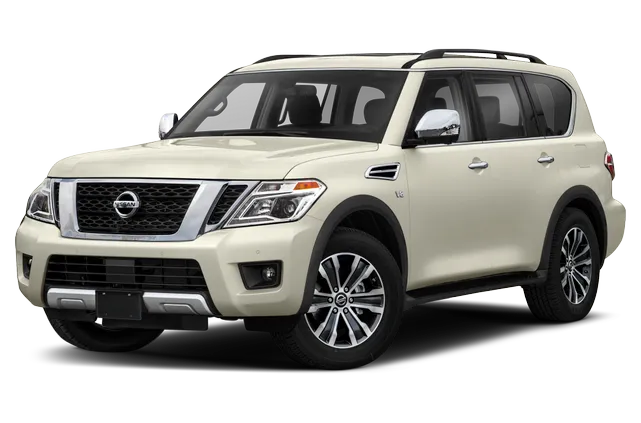
Nissan Armada
Score: 74/100
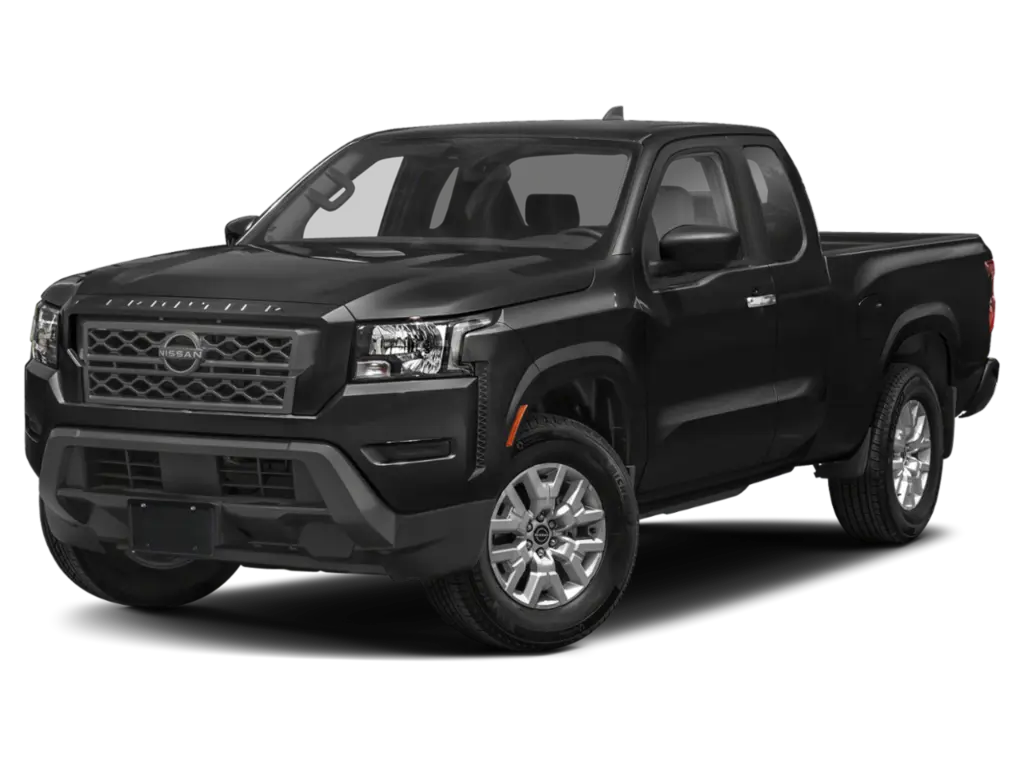
Nissan Frontier
Score: 77/100
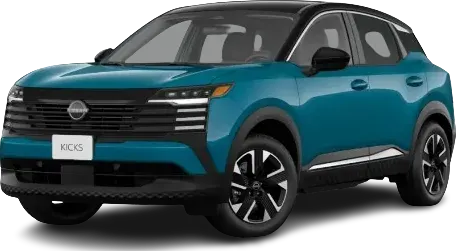
Nissan Kicks
Score: 83/100
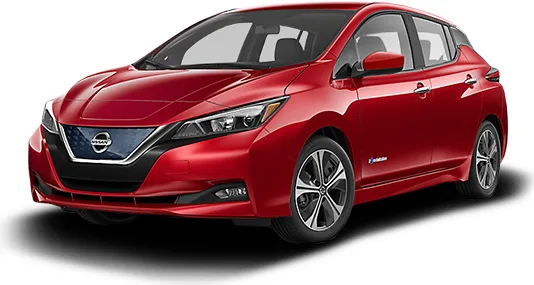
Nissan Leaf
Score: 79/100
Browse More 2018 Vehicles
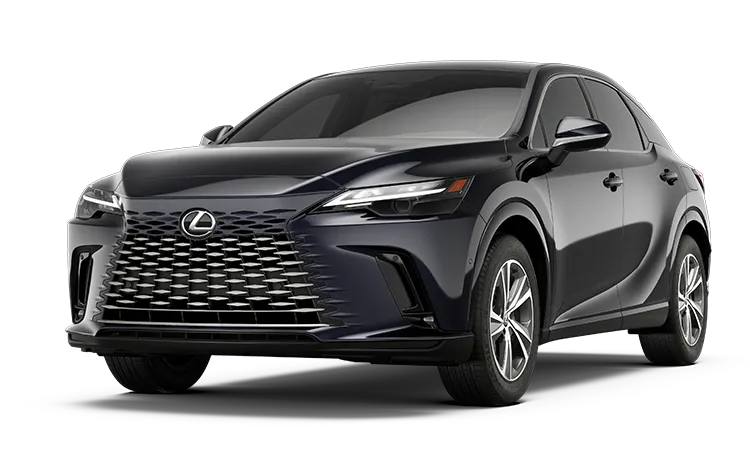
2018 Lexus RX
Score: 85/100
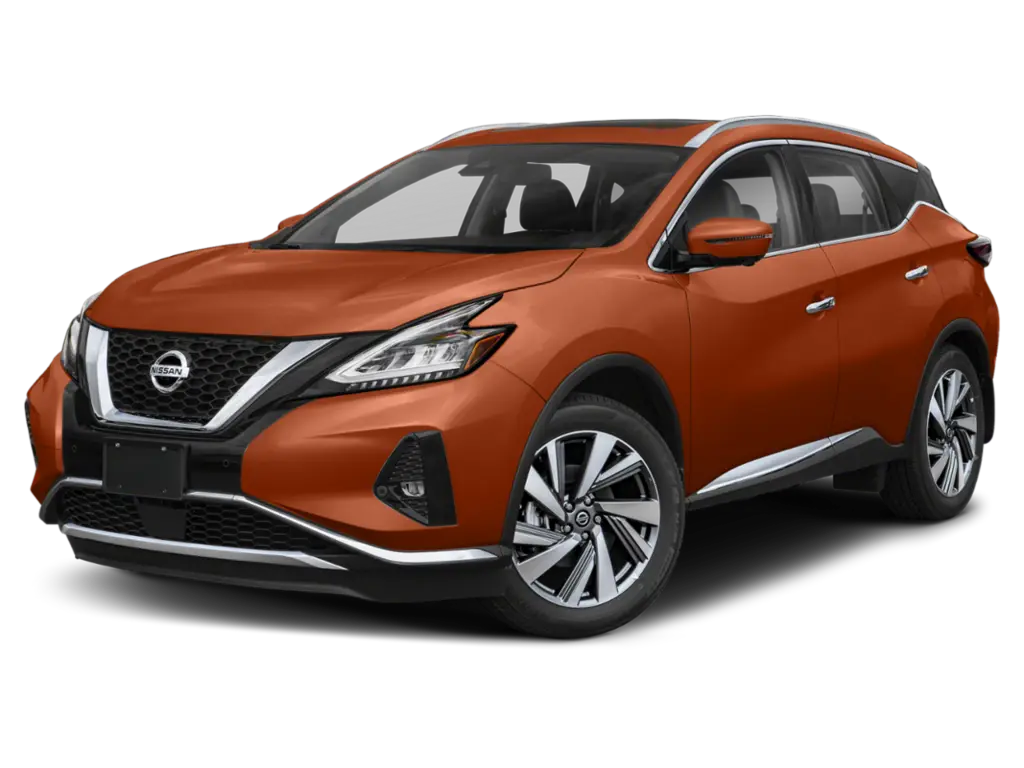
2018 Nissan Murano
Score: 82/100
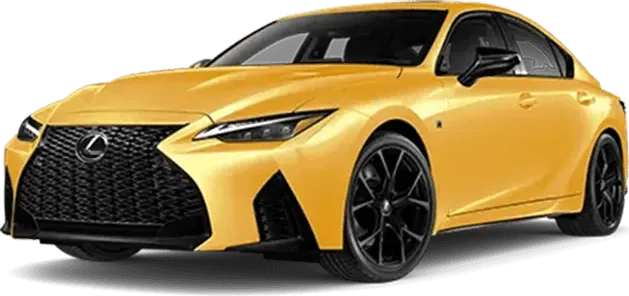
2018 Lexus IS
Score: 81/100
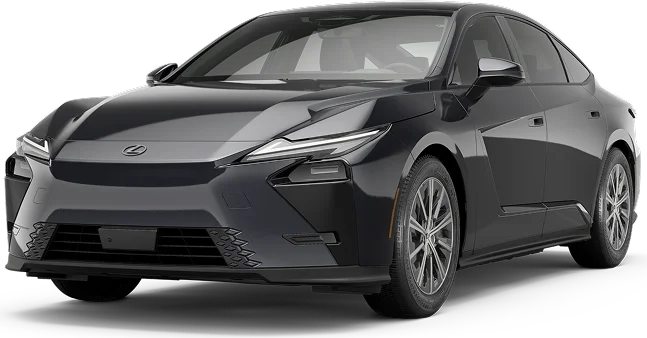
2018 Lexus ES
Score: 80/100
2018 Toyota Corolla
Score: 80/100
2018 Buick Encore
Score: 80/100
See incorrect data? Report an issue