Last updated: 2026-10-10
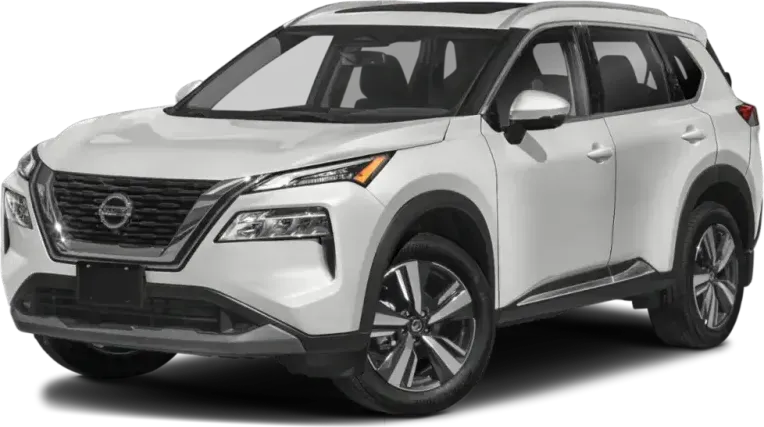
2023 Nissan Rogue Reliability Report
The 2023 Nissan Rogue rates good, but engine failures, some before 90,000 miles, make it the weakest of nine scored Rogue years.
Recalls
5
Complaints
519
Complaint Rate
19.1per 10,000 sold
Est. Repair Cost
$467
Annual Fuel Cost
$1,800–$1,950
Detailed Score Breakdown
Component-weighted complaints normalized by sales volume
Independent repair cost ratings
Recall count weighted by severity
Breadth of reported problem categories
The Verdict
Weakest of the nine scored Rogue years, with engine failures, back-ordered engine recall parts, and a raw fuel smell in the cabin leading owner complaints.
Top Issues to Watch
- ENGINE (123)
- ENGINE AND ENGINE COOLING (90)
- POWER TRAIN (36)
Should You Buy the 2023 Nissan Rogue?
Reliability stands at good, close to average among 2023 SUVs, yet this is the weakest of the nine scored Rogue years. Independent repair-cost data puts yearly repairs at $467 against $521 for the class. The 2022 rates about the same. The 2024 rates better, with fewer complaints and 2 recalls instead of 5.
Engine failure is the problem that matters. Owners describe knocking, heavy shaking at idle, and sudden power loss at highway speed, sometimes with smoke. Dealers report coolant in the spark plug wells, failed head gaskets, or metal in the oil pan, then call for a new engine, often between 50,000 and 90,000 miles. Some replacement engines fail again. Many owners say parts for the engine recall are back-ordered with no repair date. A separate pattern is a strong raw fuel smell in the cabin within the first few thousand miles, with headaches and nausea.
Ask for proof that engine recall work is complete and for any engine replacement records. On a test drive, run the heater and sit in traffic to check for fuel smell. The 2024 is worth comparing.
Compared to the 2024 Nissan Rogue, which scored 11 points higher. See also the 2022 Nissan Rogue for an earlier comparison.
Pros
- +Acceptable reliability score
- +$54 cheaper to maintain than avg compact SUVs
- +Infrequent unscheduled repairs
- +Low major repair risk (12%)
Cons
- −Moderate recall count
- −Above-average complaint rate for SUV
- −ENGINE: Complete failure, often at highway speed, is the main pattern (123 complaints)
Compare 2023 Nissan Rogue With
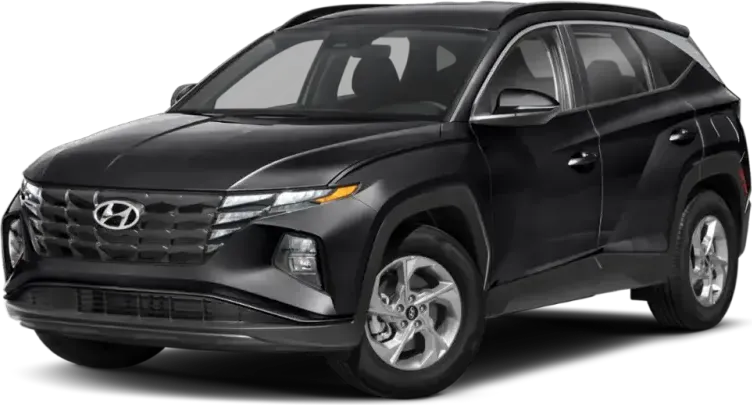
2023 Hyundai Tucson
Reliability: 75/100
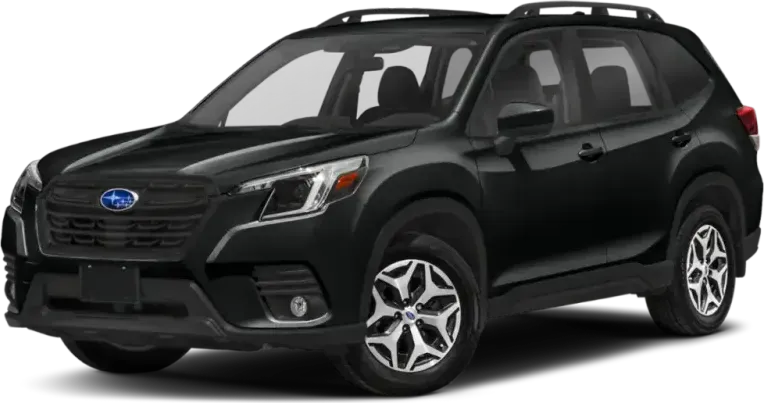
2023 Subaru Forester
Reliability: 79/100

2023 Ford Escape
Reliability: 72/100
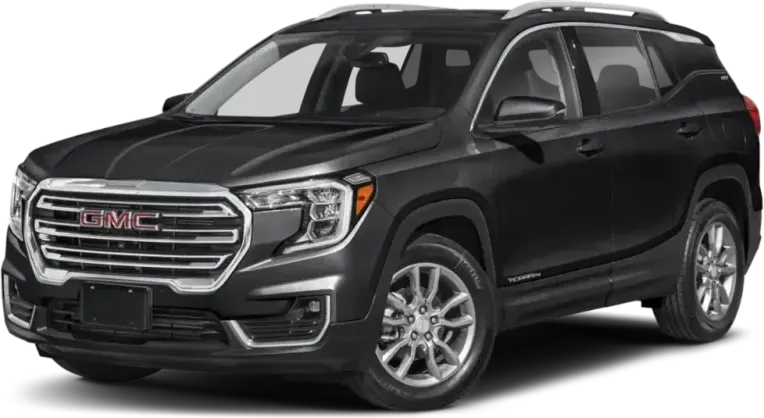
2023 GMC Terrain
Reliability: 75/100

2023 Honda CR-V
Reliability: 72/100
Common Problem Categories
Safety
LOW RISK- 5 manufacturer recalls issued
Other
HIGH RISK- ENGINE (123)
- UNKNOWN OR OTHER (99)
Recall Overview
5
recalls on record
A moderate 5 recalls are on file for the 2023 Nissan Rogue. Each one points to a specific safety or compliance issue identified by the manufacturer or NHTSA — check the list below before buying.
NHTSA.gov →Complaint Breakdown
19.1
per 10,000 soldSegment avg: 11.3
Safety Incidents
16
Crashes
2
Fires
12
Injuries
0
Deaths
NHTSA 5/5 Stars
Data sourced from NHTSA complaint filings and manufacturer recall notices. Complaint narratives are owner-reported.
2023 Nissan Rogue Recall Details
5 recalls have been issued for the 2023 Nissan Rogue. All recall repairs are performed free of charge at authorized dealerships.
SEATS
Nissan North America, Inc. (Nissan) is recalling certain 2023 Rogue, Pathfinder, and Infiniti QX60 vehicles. The driver's powered seat may not be fully secured to the seat frame, causing the seat frame welds to detach from the rear inboard seat bracket.
Consequence
An unsecured seat with broken welds may not properly restrain an occupant during a crash, increasing the risk of injury.
Remedy
Dealers will inspect the driver's seat rail clearance, and if necessary, replace the driver's seat cushion frame, free of charge. Owner notification letters are expected to be mailed June 10, 2023. Owners may contact Nissan's customer service at 1-800-867-7669. Nissan's number for this recall is PC966, PC967.
ENGINE AND ENGINE COOLING
Nissan North America, Inc. (Nissan) is recalling certain 2021-2024 Rogue, 2019-2020 Altima, 2019-2022 Infiniti QX50, and 2022 Infiniti QX55 vehicles equipped with 3-cylinder 1.5L or 4-cylinder 2.0L variable compression turbo (VC-Turbo) engines. The engine bearings may have manufacturing defects that can lead to engine failure.
Consequence
Engine failure increases the risk of a crash. A bearing failure may cause a breach in the engine block, allowing hot oil to be discharged, increasing the risk of an engine fire.
Remedy
Dealers will reprogram the engine control module (ECM) software, free of charge. Owner letters were mailed February 2, 2026. Owners may contact Nissan's customer service at 800-647-7261 or Infiniti's customer service at 1-800-662-6200. Nissan's numbers for this recall are R25A8/A9 and R25B1/B2.
SEAT BELTS
Nissan North America, Inc. (Nissan) is recalling certain 2023 Rogue vehicles. The driver and front passenger seat belt pretensioners may have been incorrectly manufactured, which can cause the seat belts to not properly restrain occupants. As such, these vehicles fail to comply with the requirements of Federal Motor Vehicle Safety Standard number 208, "Occupant Crash Protection," 209, "Seat Belt Assemblies," and 210 "Seat Belt Assembly Anchorages."
Consequence
Improperly restrained occupants have an increased risk of injury during a crash.
Remedy
Dealers will replace the front seat belt assemblies, as necessary, free of charge. Owner notification letters were mailed April 26, 2024. Owners may contact Nissan customer service at 1-800-867-7669. Nissan's number for this recall is PD105.
Buying a used 2023 Nissan Rogue? Check its history first
Engine problems lead owner complaints about the 2023 Nissan Rogue, and 5 recalls were issued for it. A VIN check shows whether this car's recall work was done, plus accident, title, and odometer history.
- Accidents
- Open Recalls
- Title History
- Odometer Rollback
2023 Nissan Rogue NHTSA Safety Ratings
Overall Safety Rating
Crash Test Results by Configuration (expand)
Gas Powertrain
Rollover risk: 17.9%
Safety Technologies
Nissan RogueRepair Costs & Maintenance
Maintenance Rating
4Maintenance rating: 4 out of 5Based on NHTSA complaint patterns, recall severity, and publicly available cost benchmarks.
Est. Annual Maintenance
$467
vs $521 avg for compact SUVs
vs $652 avg for all vehicles
Repair Frequency
0.3
unscheduled repair visits per year
Severe Repair Probability
12%
chance of a major repair
Annual Cost Comparison
Category-level averages derived from publicly available industry reports (AAA, CarMD). Model-level estimates produced by Auto Reliability Index.
Nissan Rogue Resale Value
The Nissan Rogue is estimated to retain about 62.9% of its original value after 5 years, based on observed used-car listings.
This benchmark covers the Nissan Rogue model overall and is not specific to the 2023 model year.
- Value Retained
- 62.9%
- Depreciation
- 37.1%
- Listings Analyzed
- 719
after 5 years
over the same period
U.S. used-car listings
Listings observed in . Actual resale value varies by trim, mileage, condition, and location.
Explore Nissan Rogue depreciation and resale value on CarResaleValue.comMPG & Annual Running Costs
Gas
31–33 MPG
Running cost: $2,250–$2,400/yr
Fuel + repair
28–30 city / 34–37 hwy MPG
Running cost includes EPA fuel-cost estimate and independent repair-cost data (repair cost estimated at model level). Excludes routine maintenance, depreciation, and insurance. Data as of 2023 EPA label cycle.
Gas trims
| Trim | Drive | Trans. | City | Hwy | Comb | Fuel Cost |
|---|---|---|---|---|---|---|
| Rogue FWD 1.5L 3-cyl | Front-Wheel Drive | Automatic (AV-S8) | 30 | 37 | 33 | $1,800 |
| Rogue FWD 1.5L 3-cyl | Front-Wheel Drive | Automatic (AV-S8) | 30 | 37 | 33 | $1,800 |
| Rogue FWD SL/Platinum 1.5L 3-cyl | Front-Wheel Drive | Automatic (AV-S8) | 29 | 36 | 32 | $1,850 |
| Rogue FWD SL/Platinum 1.5L 3-cyl | Front-Wheel Drive | Automatic (AV-S8) | 29 | 36 | 32 | $1,850 |
| Rogue AWD 1.5L 3-cyl | All-Wheel Drive | Automatic (AV-S8) | 28 | 35 | 31 | $1,950 |
| Rogue AWD 1.5L 3-cyl | All-Wheel Drive | Automatic (AV-S8) | 28 | 35 | 31 | $1,950 |
| Rogue AWD SL/Platinum 1.5L 3-cyl | All-Wheel Drive | Automatic (AV-S8) | 28 | 34 | 31 | $1,950 |
| Rogue AWD SL/Platinum 1.5L 3-cyl | All-Wheel Drive | Automatic (AV-S8) | 28 | 34 | 31 | $1,950 |
Used Buying Checklist
Key things to inspect or verify before purchasing a 2023 Nissan Rogue.
Run the VIN through federal recall records and get proof the engine bearing recall repair was completed.
Ask for service records showing any coolant loss, metal in the oil pan, or engine replacement.
Start the engine cold and listen for knocking, clicking, or clanking, then watch for heavy shaking at idle.
Sniff for raw gasoline in the cabin with the heater running and under the hood after a drive.
Drive at highway speed for at least 20 minutes and watch for reduced-power or driver-aid-disabled warnings.
Inspect the rear hatch glass for chips or cracks and ask whether it has ever been replaced.
Shift between reverse and drive on a slope and confirm the car holds the selected gear without rolling.
Check under the oil pan for leaks around the drain plug.
2023 Nissan Rogue Common Problems by Component
519 owner complaints grouped by vehicle system.
ENGINE
123 complaintsRogue engine problems across all model years
Complete failure, often at highway speed, is the main pattern. Reports describe knocking and whistling that grows with throttle, heavy shaking at idle, and sudden power loss, sometimes with a steam or smoke cloud. Dealers find coolant in the spark plug wells, failed head gaskets, or metal chunks in the oil pan, and call for a new engine, often between 50,000 and 71,000 miles. Some replacement engines fail again. Many owners say the open engine recall has no remedy yet. Several also describe exhaust or fuel fumes in the cabin, and 3 injuries are reported.
UNKNOWN OR OTHER
99 complaintsSafety-relatedA raw gasoline smell fills the cabin and attached garages, causing headaches, nausea, and burning eyes. Dealers call it normal or replace parts without success. Equally common is the "Engine Malfunction Power Reduced" warning, which drops the car to walking speed in traffic and often clears after a restart. Dealers frequently cannot reproduce it, though one traced it to the throttle body. Rear hatch glass also shatters on its own, while driving or parked. Isolated reports cover a transmission dropping into first gear and a jammed power seat.
ENGINE AND ENGINE COOLING
90 complaintsSafety-relatedRogue engine problems across all model years
Most of these reports concern the federal engine bearing recall, and many say recall parts are back-ordered with no repair date. Owners who did have failures describe sudden power loss at highway speed, smoke from the engine bay, knocking or clicking, and stalling. Dealers find metal shavings in the oil pan or coolant intrusion and replace the engine. In at least one case the knocking returned after the recall repair. Two crash reports involve a stall near a highway exit and the car speeding up while braking.
POWER TRAIN (36 complaints)
POWER TRAIN
36 complaintsSafety-relatedHighway limp mode is the main pattern. Power drops with an AWD error, multiple warnings, and collision-avoidance features shutting off. Dealers often find nothing or point to the engine bearing or turbo hose recalls. Other reports describe the shifter slipping from reverse into drive, a parked car rolling back, a transmission replaced at about 30,000 miles, and worn left motor mounts covered by a service bulletin causing heavy vibration. Composite oil pans with easily stripped drain plugs also appear. Two crash reports involve gear and rollback problems.
FUEL/PROPULSION SYSTEM (33 complaints)
FUEL/PROPULSION SYSTEM
33 complaintsA strong raw fuel smell enters the cabin, usually within the first few thousand miles. It gets worse with the heater on or in stop-and-go traffic, and garages smell of gasoline after the car is parked. Owners report headaches, nausea, and lightheadedness while driving. Dealers often find no leak, replace a hose that does not help, or say the issue is under engineering review with no fix. A few reports also mention sudden reduced-power events that clear after a restart.
ELECTRICAL SYSTEM (25 complaints)
ELECTRICAL SYSTEM
25 complaintsSafety-relatedMany of these reports repeat the engine pattern. Every dash light comes on, the "Engine Malfunction Power Reduced" message appears, and the car is limited to low speed until it is restarted. Owners connect this to the engine bearing recall, which they say has no remedy yet. Other complaints describe the center screen going dark with automatic emergency braking switched off at startup, rear doors that fail to unlock, overheating, and jerking after auto stop-start. One crash report involves brakes not responding in a parking garage.
VISIBILITY/WIPER (23 complaints)
VISIBILITY/WIPER
23 complaintsThe rear hatch glass shatters without warning, often with a loud bang like a gunshot. It happens while driving or while the car sits parked, including in closed garages. Many reports mention cold or wet weather, and several had the rear defroster on. Drivers lose rear visibility, and glass ends up in the cargo area. Dealers generally deny responsibility, so owners pay for repairs themselves or file insurance claims. These reports describe no injuries, but several had children in the back seat.
FORWARD COLLISION AVOIDANCE (15 complaints)
FORWARD COLLISION AVOIDANCE
15 complaintsSafety-relatedAutomatic emergency braking engages with nothing ahead, slowing the car sharply at highway speed. One crash with 3 injuries began this way. More often, cruise control and the driver aids shut off on their own with malfunction or lane camera over-temperature messages, leaving the car to coast down in traffic. Dealers replace distance sensors and lane cameras, sometimes more than once, and the fault returns. Some parts are back-ordered. A few owners say the system failed to detect real obstacles.
VEHICLE SPEED CONTROL (13 complaints)
VEHICLE SPEED CONTROL
13 complaintsSafety-relatedCruise control and the driver aids cut out repeatedly with a "front sensor blocked" message, sometimes several times per trip and often in cold weather. Each time, the car slows suddenly on the highway. Replacing sensors has not fixed it. Other reports describe reduced-power limp mode at very low speeds, an engine revving against the brake while stopped, and unintended acceleration while parking. Two crash reports are included, one of them after automatic braking failed to prevent a collision.
AIR BAGS (4 complaints)
AIR BAGS
4 complaintsSafety-relatedNo air bags deploy in some serious collisions. The two crash reports describe heavy side and front driver-side impacts with nothing going off and 3 injuries between them. One of those crashes also had no emergency braking or collision warning. A third report concerns engine failure rather than the air bags, and the fourth owner only got a notice that the air bag system was not working properly. The sample is small, with only 4 complaints.
When Do 2023 Nissan Rogue Problems Start?
Based on owner complaint patterns, here's when common issues tend to appear.
Best & Worst Nissan Rogue Years
Best Nissan Rogue Years to Buy
Based on reliability index scoreNissan Rogue Years to Avoid
2023
(Current Model)
2022
Nissan Rogue Reliability Score Trend
Scores 0–100. Higher is better. Current year highlighted.
| Year | Score | Rating |
|---|---|---|
| 2018 | 70/100 | Good |
| 2019 | 73/100 | Good |
| 2020 | 79/100 | Good |
| 2021 | 70/100 | Good |
| 2022 | 70/100 | Good |
| 2023 | 68/100 | Good |
| 2024 | 79/100 | Good |
| 2025 | 84/100 | Excellent |
| 2026 | 83/100 | Excellent |
Nissan Rogue Reliability Compared to Other Years
Frequently Asked Questions
Is the 2023 Nissan Rogue reliable?
What are the most common problems with the 2023 Nissan Rogue?
Does the 2023 Nissan Rogue have engine problems?
Does the 2023 Nissan Rogue have a fuel smell problem?
Is the 2023 Nissan Rogue better than the 2024?
Don’t buy a 2023 Nissan Rogue without checking its VIN first — hidden accidents, title issues, and open recalls could cost you thousands.
How we score the 2023 Nissan Rogue
Of the four inputs behind this score, the 2023 Nissan Rogue does best on repair costs (80/100) and worst on complaint severity (53/100). Scores weight complaint severity at 35%, repair costs at 30%, recall impact at 20%, and the spread of complaints across systems at 15%, with complaint counts adjusted for US sales. Read the full methodology.
Get notified when new recalls or reliability data is added for the Nissan Rogue.
No spam. Only data updates for this model.
Browse More Nissan Models
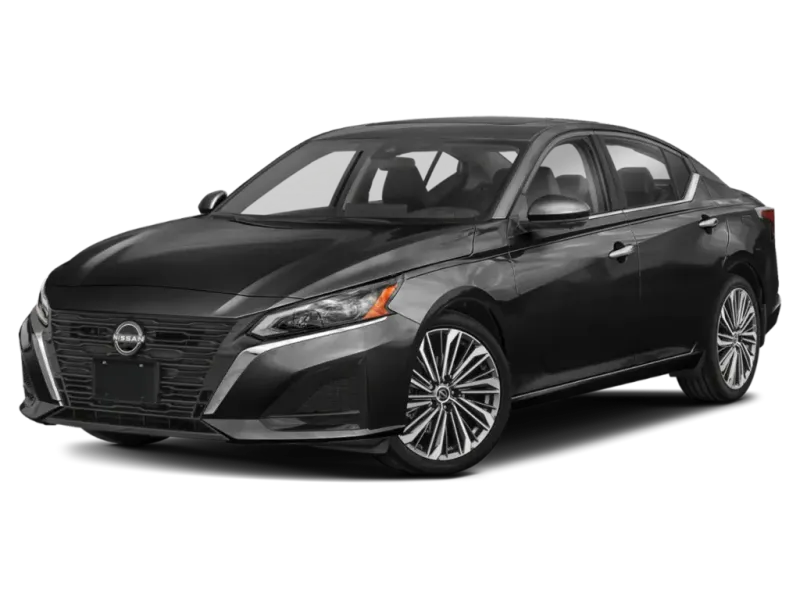
Nissan Altima
Score: 88/100
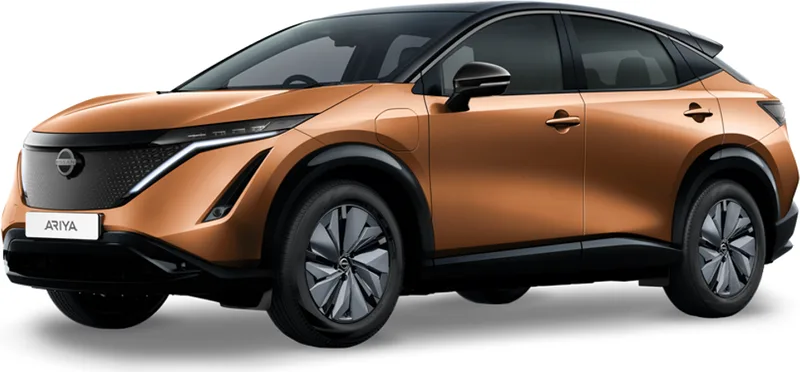
Nissan Ariya
Score: 88/100
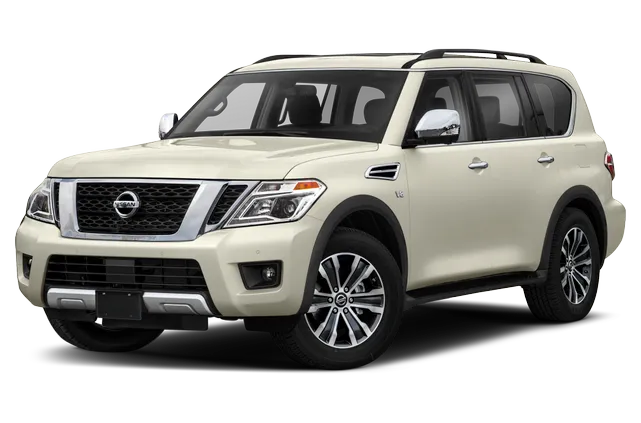
Nissan Armada
Score: 74/100
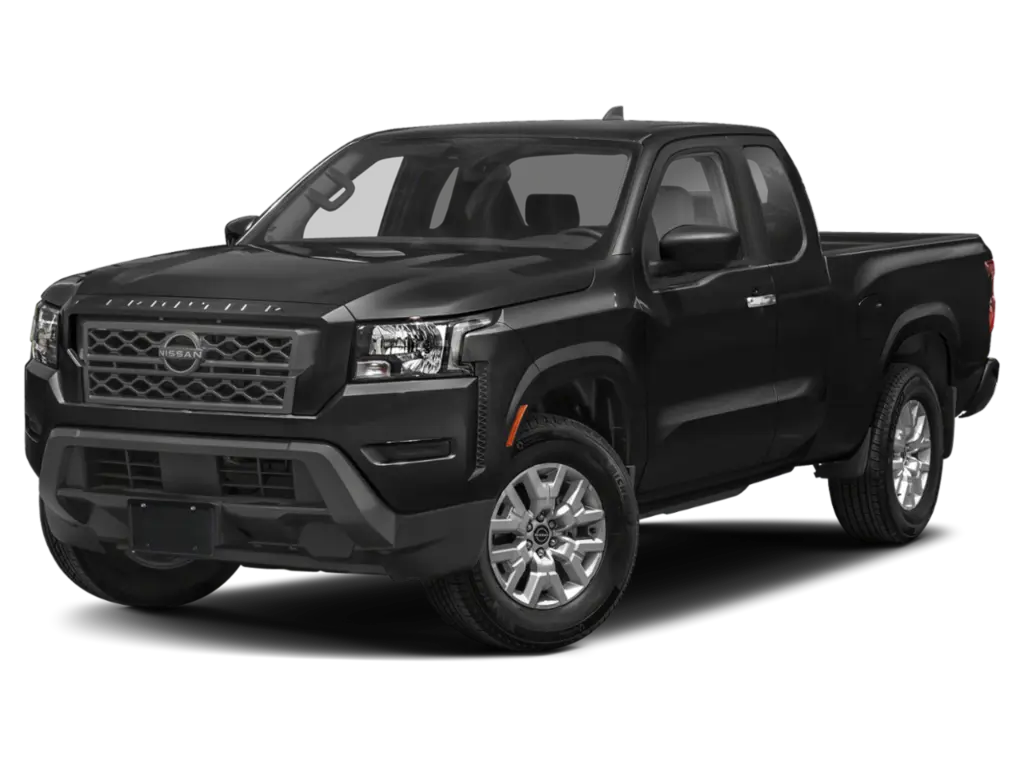
Nissan Frontier
Score: 77/100
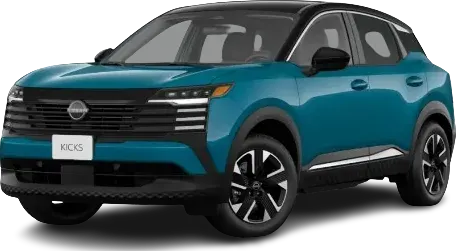
Nissan Kicks
Score: 83/100
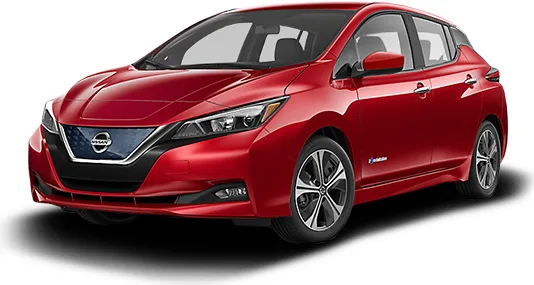
Nissan Leaf
Score: 79/100
Browse More 2023 Vehicles
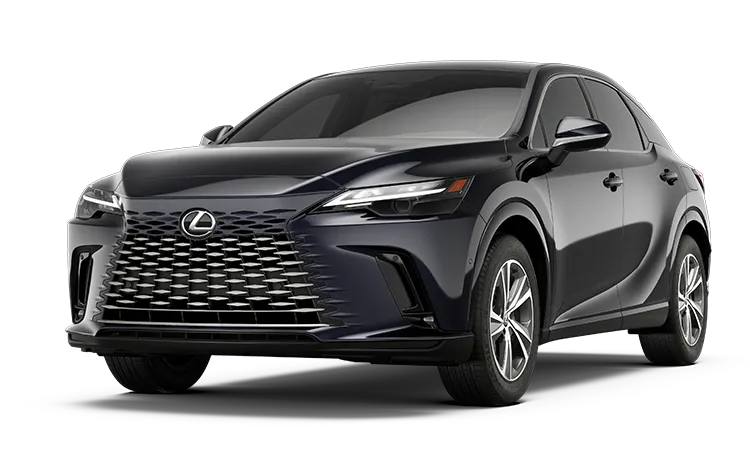
2023 Lexus RX
Score: 85/100
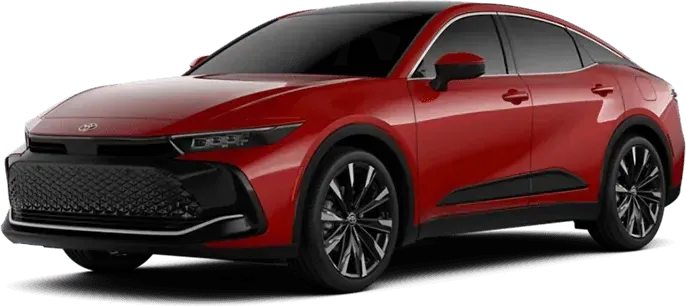
2023 Toyota Crown
Score: 84/100
2023 Nissan Altima
Score: 84/100

2023 Lexus IS
Score: 83/100

2023 Toyota 4Runner
Score: 82/100

2023 Acura RDX
Score: 82/100
See incorrect data? Report an issue