Last updated: 2026-10-10
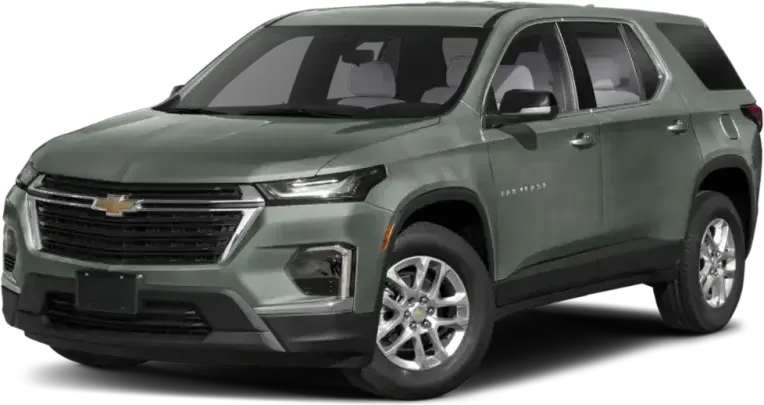
2023 Chevrolet Traverse Reliability Report
The 2023 Chevrolet Traverse has a good reliability standing, but the transmission can lose drive as early as 13,000 miles.
Recalls
2
Complaints
62
Complaint Rate
5.3per 10,000 sold
Est. Repair Cost
$656
Annual Fuel Cost
$2,850–$3,000
Detailed Score Breakdown
Component-weighted complaints normalized by sales volume
Independent repair cost ratings
Recall count weighted by severity
Breadth of reported problem categories
The Verdict
Two power train recalls and early transmission failures mark a year that otherwise rates good and about average.
Top Issues to Watch
- POWER TRAIN (18)
- ENGINE (9)
- ELECTRICAL SYSTEM (9)
Generation & Refresh (US)
2023 is 1 year after the 2022 facelift refresh.
- Year 6 in the Second generation (2018) (2018–2024).
- Well-established in its generation — most early issues should be resolved.
- 2nd generation Traverse (US).
What this means for buyers
Post-refresh years tend to be among the most refined — updates have been applied and early kinks worked out.
2018: Second generation (2018) Launch
Generation start — new platform.
2022: Mid-Cycle Refresh
Updated features and styling tweaks.
2023: This Model Year
2023 is 1 year after the 2022 facelift refresh.
Should You Buy the 2023 Chevrolet Traverse?
Reliability is good, and it sits close to average among 2023 SUVs. Within the Traverse's scored model years it lands in the middle of nine. The 2022 and 2024 models rate about the same, so this year is neither a pick nor a warning. It earned 5 of 5 stars in federal crash tests, though independent repair-cost data puts yearly repairs above the class figure.
The transmission is the main worry. Owners describe it slipping into what feels like neutral, sticking in first gear, or refusing to upshift past about 10 mph, with several failures between 13,000 and 22,000 miles. Federal recall records list two power train recalls for this year. Some owners say their VINs are not covered, and others say the part is unavailable. Exhaust flex pipe leaks usually appear at 30,000 to 40,000 miles and can return after repair. A few alternator failures led to stalls at 45,000 to 50,000 miles.
Ask the seller for proof that every open recall was completed. Request records of any transmission or exhaust repairs.
Compared to the 2024 Chevrolet Traverse, which scored 1 points higher. See also the 2022 Chevrolet Traverse for an earlier comparison.
Pros
- +Acceptable reliability score
- +Low recall count
- +Below-average complaint rate for SUV
Cons
- −Above-average repair costs for its class
- −POWER TRAIN: Transmission loses drive or locks into a low gear (18 complaints)
- −ENGINE: Exhaust leaks make up most of this category (9 complaints)
Compare 2023 Chevrolet Traverse With

2023 Buick Enclave
Reliability: 79/100
2023 Volkswagen Atlas
Reliability: 58/100

2023 Nissan Pathfinder
Reliability: 74/100

2023 Ford Explorer
Reliability: 71/100

2023 Ford Edge
Reliability: 74/100
Common Problem Categories
Safety
LOW RISK- 2 manufacturer recalls issued
Other
HIGH RISK- POWER TRAIN (18)
- ENGINE (9)
Recall Overview
2
recalls on record
The 2023 Chevrolet Traverse carries 2 recalls — a low count. Authorized dealers repair any open recall free of charge, regardless of warranty status.
NHTSA.gov →Complaint Breakdown
5.3
per 10,000 soldSegment avg: 11.3
Safety Incidents
5
Crashes
0
Fires
8
Injuries
0
Deaths
NHTSA 5/5 Stars
Data sourced from NHTSA complaint filings and manufacturer recall notices. Complaint narratives are owner-reported.
2023 Chevrolet Traverse Recall Details
2 recalls have been issued for the 2023 Chevrolet Traverse. All recall repairs are performed free of charge at authorized dealerships.
POWER TRAIN
General Motors, LLC (GM) is recalling certain 2023 Cadillac XT6, GMC Acadia, Chevrolet Blazer, Traverse, and 2022-2023 Cadillac XT5 vehicles. The transmission may have been built with an incorrect sun gear, which can result in the driver-side half-shaft disengaging from the transmission.
Consequence
A half-shaft disengaging from the transmission can result in a loss of drive power or vehicle rollaway when the vehicle is placed in park. Either of these scenarios can increase the risk of a crash.
Remedy
Dealers will replace the sun gears, free of charge. Owner notification letters were mailed on July 27, 2023. The remedy is expected to become available August 31, 2023. Owners may contact Cadillac customer service at 1-800-458-8006, Chevrolet customer service at 1-800-222-1020, or GMC customer service at 1-800-462-8782. GMC's number for this recall is N222389310.
POWER TRAIN
General Motors, LLC (GM) is recalling certain 2023 Chevrolet Blazer and Traverse vehicles. The left-side half-shaft assemblies may be missing a retaining ring.
Consequence
A missing retaining ring on the half-shaft can cause half-shaft inner joint separation, resulting in a loss of drive power or vehicle rollaway when the vehicle is placed in park. Either of these scenarios can increase the risk of a crash.
Remedy
Dealers will replace the left-side half-shaft assembly, free of charge. Owner notification letters were mailed February 23, 2023. Owners may contact Chevrolet customer service at 1-800-222-1020. GM's number for this recall is N222390180.
Buying a used 2023 Chevrolet Traverse? Check its history first
Power train problems lead owner complaints about the 2023 Chevrolet Traverse, and 2 recalls were issued for it. A VIN check shows whether this car's recall work was done, plus accident, title, and odometer history.
- Accidents
- Open Recalls
- Title History
- Odometer Rollback
2023 Chevrolet Traverse NHTSA Safety Ratings
Overall Safety Rating
Crash Test Results by Configuration (expand)
Gas Powertrain
Rollover risk: 15.1%
Safety Technologies
Chevrolet TraverseRepair Costs & Maintenance
Maintenance Rating
3Maintenance rating: 3 out of 5Based on NHTSA complaint patterns, recall severity, and publicly available cost benchmarks.
Est. Annual Maintenance
$656
vs $573 avg for midsize SUVs
vs $652 avg for all vehicles
Repair Frequency
0.4
unscheduled repair visits per year
Severe Repair Probability
18%
chance of a major repair
Annual Cost Comparison
Category-level averages derived from publicly available industry reports (AAA, CarMD). Model-level estimates produced by Auto Reliability Index.
Chevrolet Traverse Resale Value
The Chevrolet Traverse is estimated to retain about 58.9% of its original value after 5 years, based on observed used-car listings.
This benchmark covers the Chevrolet Traverse model overall and is not specific to the 2023 model year.
- Value Retained
- 58.9%
- Depreciation
- 41.1%
- Listings Analyzed
- 233
after 5 years
over the same period
U.S. used-car listings
Listings observed in . This is a historical market benchmark, not a current price quote.
Explore Chevrolet Traverse depreciation and resale value on CarResaleValue.comMPG & Annual Running Costs
Gas
20–21 MPG
Running cost: $3,500–$3,650/yr
Fuel + repair
17–18 city / 25–27 hwy MPG
Running cost includes EPA fuel-cost estimate and independent repair-cost data (repair cost estimated at model level). Excludes routine maintenance, depreciation, and insurance. Data as of 2023 EPA label cycle.
Gas trims
| Trim | Drive | Trans. | City | Hwy | Comb | Fuel Cost |
|---|---|---|---|---|---|---|
| Traverse FWD 3.6L 6-cyl | Front-Wheel Drive | Automatic 9-spd | 18 | 27 | 21 | $2,850 |
| Traverse AWD 3.6L 6-cyl | All-Wheel Drive | Automatic 9-spd | 17 | 25 | 20 | $3,000 |
Used Buying Checklist
Key things to inspect or verify before purchasing a 2023 Chevrolet Traverse.
Run the VIN for recall 23V172000 and confirm the power train repair was completed, not left waiting on parts.
Listen under the car at cold start for a loud exhaust leak near the front flex pipe.
Inspect the exhaust from below for cracked flex pipe welds or a broken hanger bracket.
On the test drive, watch for slipping, harsh shifts, a stuck low gear, or no response in reverse.
On a gentle slope, shift to Park, shut the car off, and confirm it holds without rolling.
Check for Battery Saver Mode messages and low voltage readings that point to a failing alternator.
Restart the car several times and confirm the infotainment screen, audio, chimes, and backup camera all work.
Press the brake firmly before driving and watch for a hard pedal or a Service Brake Assist warning.
2023 Chevrolet Traverse Common Problems by Component
62 owner complaints grouped by vehicle system.
POWER TRAIN
18 complaintsSafety-relatedTraverse transmission problems across all model years
The transmission loses drive or locks into a low gear. Reports describe slipping into what feels like neutral, getting stuck in first gear, refusing to upshift past about 10 mph, and seizing abruptly in traffic or intersections. Several failures arrive between 13,000 and 22,000 miles. Two crash reports involve the vehicle rolling away after it was shut off or left in gear. Many owners link failures to recall 23V172000, but some VINs are not covered, and others say the recall part is unavailable.
ENGINE
9 complaintsExhaust leaks make up most of this category. The front flex pipe cracks, often at the welded hanger, which causes a loud idle and noise from under the car. Leaks tend to show up between 30,000 and 40,000 miles and come back after repair. Owners raise carbon monoxide concerns. Recall coverage is confusing. Some dealers say no recall applies. Others confirm one but report the part on back order for months. A smaller set of reports describes the engine shutting off at low speed.
ELECTRICAL SYSTEM
9 complaintsThe infotainment screen goes black and takes the radio, chimes, and backup camera with it. Dealer software updates and a stereo replacement do not always fix it. Alternator failure is the more serious pattern. Battery saver warnings and falling voltage end in a stall, sometimes at 50 MPH, and replacement parts are reported on back order. Other reports cover a brake booster pressure sensor fault with a hard pedal, a computer module that sets off the lights, horn, and wipers while parked, and engine wiring melting against a hot surface.
UNKNOWN OR OTHER (5 complaints)
UNKNOWN OR OTHER
5 complaintsExhaust hardware failures account for much of this group. The mounting bracket separates and leaves the pipe hanging, which produces a loud revving sound. Owners say dealers deny recall coverage. Alternator failure shows up again, with a car stranded at 50,000 miles and no replacement part available. The other reports describe a transmission stuck in first gear or unable to go over 16 mph, plus false automatic braking alerts with no vehicle nearby.
EXTERIOR LIGHTING (4 complaints)
EXTERIOR LIGHTING
4 complaintsThe hazard button can stop working while the flashers are on, leaving them running, and the replacement part is reported on back order. Automatic headlights wait until full darkness to come on, which owners say makes the car hard to see at dawn and dusk. Other reports describe high beams that light up treetops instead of the road, with the dealer declining to adjust them, and a failed rear brake and turn signal light.
STRUCTURE (2 complaints)
STRUCTURE
2 complaintsA rear side window shatters with a loud pop while driving, with no other vehicle or object nearby, and glass sprays across the cabin. The other report here is a broken weld on an exhaust bracket, which matches the exhaust hanger failures reported under other components. Only two complaints fall in this category, so neither one shows a broad pattern yet.
SERVICE BRAKES (2 complaints)
SERVICE BRAKES
2 complaintsThe brake pedal goes hard and the car barely slows, with a service brake warning on the dash. Both reports appear to come from the same vehicle, at 25,597 and 27,965 miles. The second event added a steering wheel that felt locked, wipers stuck halfway up, a horn and radio acting on their own, and theft protection warnings on the highway. That is a full loss-of-control risk, and the first dealer repair did not prevent it from happening again.
AIR BAGS (2 complaints)
AIR BAGS
2 complaintsSafety-relatedThe deploying airbag injures the driver's hand in both reports. The airbag cover or emblem cuts the left hand and tears tendons in the thumb and hand. Drivers also report chest injuries, including a bruised heart and partially collapsed lungs. Another vehicle caused both crashes, and neither report says the airbag failed to deploy. The concern is injury from the airbag cover itself.
FUEL/PROPULSION SYSTEM (2 complaints)
FUEL/PROPULSION SYSTEM
2 complaintsOne report describes the car losing propulsion or failing to hold in park, which raises the risk of a crash or roll-away. The other describes a loud sound from the front pipes at startup around 30,000 miles, with no warning lights. That symptom matches the front exhaust pipe leaks reported under the engine category. Neither report includes a diagnosis or repair.
STEERING (1 complaints)
STEERING
1 complaintVehicle: 2023 Chevrolet Traverse The vehicle has a recurring safety-critical defect. The steering assist becomes reduced while driving and the dashboard displays the warning message “Steering Assist Reduced – Drive with Care.” At the same time, multiple safety systems such as collision-avoidance functions become disabled. This failure is persistent and creates unsafe driving conditions. The vehicle has previously experienced electrical and fuel-system related issues, including fault codes such as P2635, P0E32 and P0E37. There have been multiple warranty repair attempts, but the defect continues. The warning remains active while driving and the vehicle may lose steering assist, causing unpredictable steering effort. This presents a serious safety concern for the driver and public. The vehicle is still under manufacturer warranty. I am requesting review of this recurring safety defect affecting steering assist and active safety systems. While driving, the vehicle repeatedly displays the warning “Steering Assist Reduced – Drive with Care,” and multiple safety systems become disabled, including collision-avoidance functions. The steering effort changes and the vehicle becomes unpredictable. This is a recurring safety-critical defect. The vehicle has also experienced electrical and fuel-system related faults, including codes P2635, P0E32 and P0E37. Warranty repairs have been attempted several times, but the defect continues to occur. This failure places the driver and others at risk because steering assist may be reduced while the vehicle is moving, and safety systems deactivate unexpectedly. The vehicle is still under manufacturer warranty and remains available for inspection. I am requesting review of this recurring safety defect affecting steering assist, electrical stability, and active safety systems.
When Do 2023 Chevrolet Traverse Problems Start?
Based on owner complaint patterns, here's when common issues tend to appear.
Best & Worst Chevrolet Traverse Years
Best Chevrolet Traverse Years to Buy
Based on reliability index score2024
2022
2023
(Current Model)
Chevrolet Traverse Years to Avoid
Chevrolet Traverse Reliability Score Trend
Scores 0–100. Higher is better. Current year highlighted.
| Year | Score | Rating |
|---|---|---|
| 2018 | 62/100 | Good |
| 2019 | 62/100 | Good |
| 2020 | 62/100 | Good |
| 2021 | 71/100 | Good |
| 2022 | 73/100 | Good |
| 2023 | 72/100 | Good |
| 2024 | 73/100 | Good |
| 2025 | 75/100 | Good |
| 2026 | 76/100 | Good |
Chevrolet Traverse Reliability Compared to Other Years
Frequently Asked Questions
Is the 2023 Chevrolet Traverse reliable?
What are the most common problems with the 2023 Chevrolet Traverse?
Does the 2023 Chevrolet Traverse have transmission problems?
How many recalls does the 2023 Chevrolet Traverse have?
How much does the 2023 Chevrolet Traverse cost to repair?
Don’t buy a 2023 Chevrolet Traverse without checking its VIN first — hidden accidents, title issues, and open recalls could cost you thousands.
How we score the 2023 Chevrolet Traverse
Of the four inputs behind this score, the 2023 Chevrolet Traverse does best on how many systems draw complaints (87/100) and worst on repair costs (60/100). Scores weight complaint severity at 35%, repair costs at 30%, recall impact at 20%, and the spread of complaints across systems at 15%, with complaint counts adjusted for US sales. Read the full methodology.
Get notified when new recalls or reliability data is added for the Chevrolet Traverse.
No spam. Only data updates for this model.
Browse More Chevrolet Models
Chevrolet Blazer
Score: 88/100

Chevrolet Blazer EV
Score: 57/100

Chevrolet Bolt
Score: 64/100

Chevrolet Camaro
Score: 77/100

Chevrolet Colorado
Score: 88/100
Chevrolet Corvette
Score: 76/100
Browse More 2023 Vehicles

2023 Lexus RX
Score: 85/100
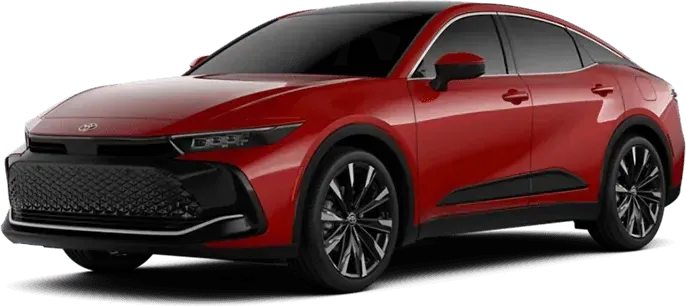
2023 Toyota Crown
Score: 84/100

2023 Nissan Altima
Score: 84/100

2023 Lexus IS
Score: 83/100

2023 Toyota 4Runner
Score: 82/100

2023 Acura RDX
Score: 82/100
See incorrect data? Report an issue