Last updated: 2026-10-10

2023 Toyota 4Runner Reliability Report
The 2023 Toyota 4RUNNER rates excellent for reliability. Watch for highway vibration and a few serious air bag and seat belt complaints.
Recalls
1
Complaints
28
Complaint Rate
2.5per 10,000 sold
Est. Repair Cost
$514
Annual Fuel Cost
$3,500
Detailed Score Breakdown
Component-weighted complaints normalized by sales volume
Independent repair cost ratings
Recall count weighted by severity
Breadth of reported problem categories
The Verdict
Rates excellent and well above other 2023 SUVs, with fewer recalls than 2022, though owners report air bag and seat belt failures in crashes.
Top Issues to Watch
- TIRES (3)
- EXTERIOR LIGHTING (3)
- AIR BAGS (2)
Generation & Refresh (US)
2023 is 10 years after the facelift refresh.
- Year 14 in the Fifth generation (N280) (2010–2024).
- Well-established in its generation — most early issues should be resolved.
- 5th generation 4Runner (US).
What this means for buyers
Post-refresh years tend to be among the most refined — updates have been applied and early kinks worked out.
2010: Fifth generation (N280) Launch
Generation start — new platform.
2013: Mid-Cycle Refresh
Updated features and styling tweaks.
2023: This Model Year
2023 is 10 years after the facelift refresh.
Should You Buy the 2023 Toyota 4Runner?
Reliability is excellent, and this year sits well above other 2023 SUVs. Among the 4RUNNER's scored years it lands in the middle of the pack. Model-wide repair costs run about $514 a year, under the $573 class figure. The 2022 and 2024 model years are both rated good, and both rate worse than this one.
Owner complaints are low for the sales volume, but a few are serious. Two reports describe crashes where the air bags did not deploy. In one, automatic braking also stayed off. Another owner said every seat belt unbuckled in a low-speed rollover, followed by a fire. Smaller issues are common: steering wheel vibration at highway speeds, and low beams that leave a dark patch on the driver's side. One recall is on file, in the equipment category.
Check the recall record by VIN and confirm the work was done. Ask for tire balance and rotation history. Test drive at highway speed for vibration, and drive it at night to see if the headlight shadow bothers you. Look closely at the rear seat belts.
Compared to the 2024 Toyota 4Runner, which scored 3 points lower. See also the 2022 Toyota 4Runner for an earlier comparison.
Pros
- +Strong reliability score
- +$59 cheaper to maintain than avg midsize SUVs
- +Low major repair risk (13%)
- +Low recall count
- +Below-average complaint rate for SUV
Cons
- −UNKNOWN OR OTHER: Sunroof glass shatters without warning at highway speeds (10 complaints)
- −1 fire incident reported in owner complaints
Compare 2023 Toyota 4Runner With

2023 Ford Bronco Sport
Reliability: 67/100
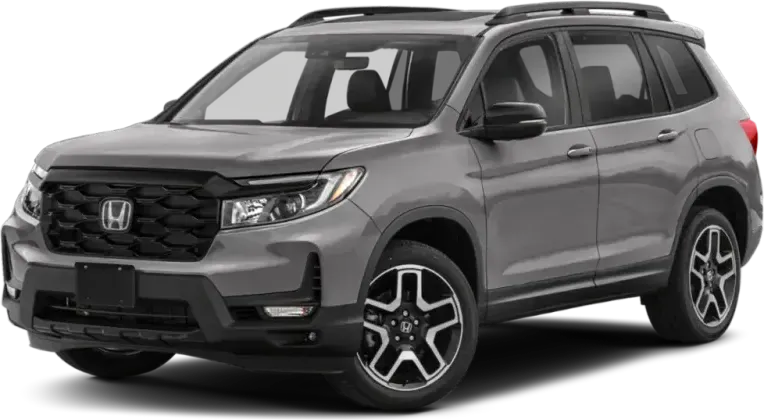
2023 Honda Passport
Reliability: 75/100
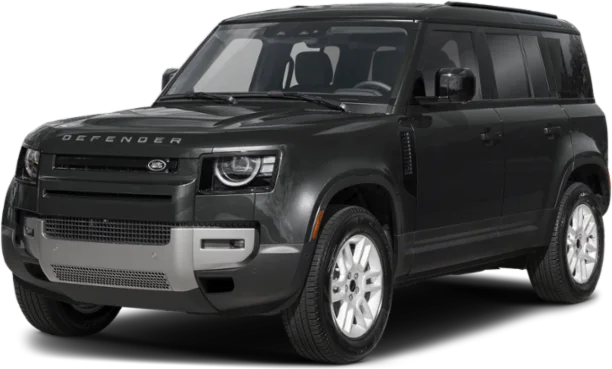
2023 Land Rover Defender 110
Reliability: 57/100
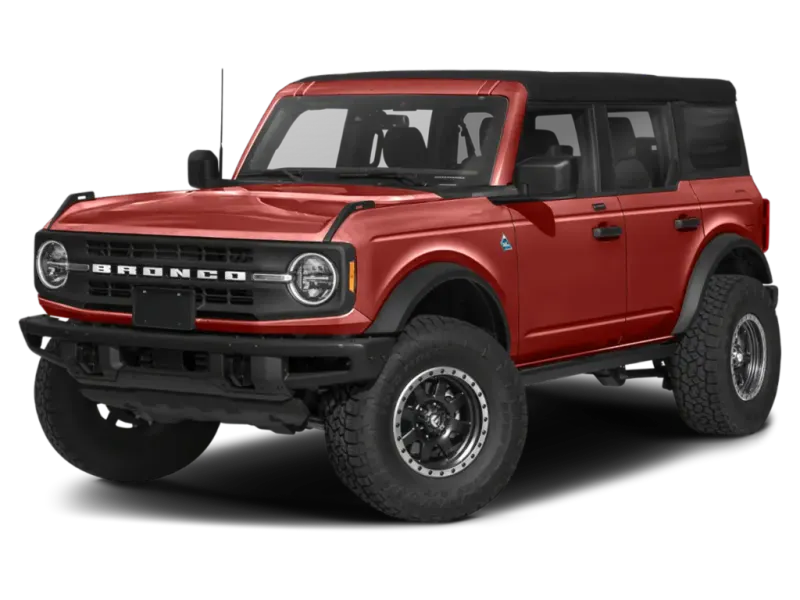
2023 Ford Bronco
Reliability: 50/100
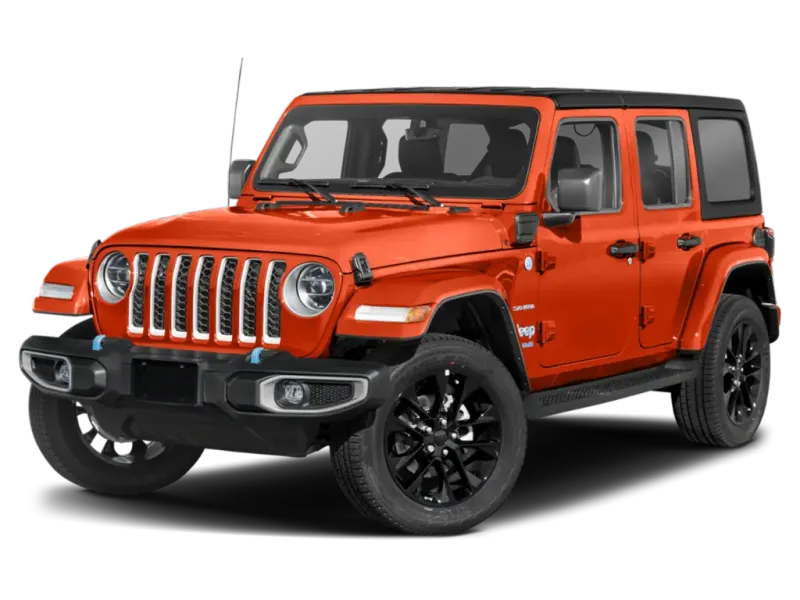
2023 Jeep Wrangler
Reliability: 62/100
Common Problem Categories
Safety
LOW RISK- 1 manufacturer recall issued
Other
HIGH RISK- UNKNOWN OR OTHER (10)
- TIRES (3)
Recall Overview
1
recall on record
The 2023 Toyota 4Runner carries 1 recall — a low count. Authorized dealers repair any open recall free of charge, regardless of warranty status.
NHTSA.gov →Complaint Breakdown
2.5
per 10,000 soldSegment avg: 11.3
Safety Incidents
6
Crashes
1
Fires
5
Injuries
0
Deaths
NHTSA 4/5 Stars
Data sourced from NHTSA complaint filings and manufacturer recall notices. Complaint narratives are owner-reported.
2023 Toyota 4Runner Recall Details
1 recall has been issued for the 2023 Toyota 4Runner. All recall repairs are performed free of charge at authorized dealerships.
EQUIPMENT
Southeast Toyota Distributors, LLC (SET) is recalling certain 2023 Toyota 4Runner vehicles. The load carrying capacity modification label states the incorrect load carrying capacity, which can result in an overloaded vehicle. As such, these vehicles fail to comply with the requirements of Federal Motor Vehicle Safety Standard number 110, "Tire Selection and Rims."
Consequence
An overloaded vehicle increases the risk of a crash.
Remedy
Southeast Toyota Distributors, LLC will mail a new modified label, free of charge. Owner notification letters were mailed December 1, 2023. Owners may contact SET's customer service at 1-866-405-4226. SET's number for this recall is SET23A.
Buying a used 2023 Toyota 4Runner? Check its history first
Tires problems lead owner complaints about the 2023 Toyota 4Runner, and 1 recall was issued for it. A VIN check shows whether this car's recall work was done, plus accident, title, and odometer history.
- Accidents
- Open Recalls
- Title History
- Odometer Rollback
2023 Toyota 4Runner NHTSA Safety Ratings
Overall Safety Rating
Crash Test Results by Configuration (expand)
Gas Powertrain
Rollover risk: 24.6%
Safety Technologies
Toyota 4RunnerRepair Costs & Maintenance
Maintenance Rating
4Maintenance rating: 4 out of 5Based on NHTSA complaint patterns, recall severity, and publicly available cost benchmarks.
Est. Annual Maintenance
$514
vs $573 avg for midsize SUVs
vs $652 avg for all vehicles
Repair Frequency
0.4
unscheduled repair visits per year
Severe Repair Probability
13%
chance of a major repair
Annual Cost Comparison
Category-level averages derived from publicly available industry reports (AAA, CarMD). Model-level estimates produced by Auto Reliability Index.
Toyota 4Runner Resale Value
The Toyota 4Runner is estimated to retain about 82.2% of its original value after 5 years, based on observed used-car listings.
This benchmark covers the Toyota 4Runner model overall and is not specific to the 2023 model year.
- Value Retained
- 82.2%
- Depreciation
- 17.8%
- Listings Analyzed
- 720
after 5 years
over the same period
U.S. used-car listings
Listings observed in . Actual resale value varies by trim, mileage, condition, and location.
Explore Toyota 4Runner depreciation and resale value on CarResaleValue.comMPG & Annual Running Costs
Gas
17 MPG
Running cost: $4,000/yr
Fuel + repair
16 city / 19 hwy MPG
Running cost includes EPA fuel-cost estimate and independent repair-cost data (repair cost estimated at model level). Excludes routine maintenance, depreciation, and insurance. Data as of 2023 EPA label cycle.
Gas trims
| Trim | Drive | Trans. | City | Hwy | Comb | Fuel Cost |
|---|---|---|---|---|---|---|
| 4Runner 2WD 4.0L 6-cyl | Rear-Wheel Drive | Automatic (S5) | 16 | 19 | 17 | $3,500 |
| 4Runner 4WD 4.0L 6-cyl | Part-time 4-Wheel Drive | Automatic (S5) | 16 | 19 | 17 | $3,500 |
| 4Runner 4WD 4.0L 6-cyl | All-Wheel Drive | Automatic (S5) | 16 | 19 | 17 | $3,500 |
Used Buying Checklist
Key things to inspect or verify before purchasing a 2023 Toyota 4Runner.
Slide back the sunroof cover and inspect the glass for cracks, chips, or signs of replacement.
Check the windshield for chips, cracks, or repair marks, especially along the bottom edge.
Close the tailgate firmly, confirm it latches fully, and watch for a door-open warning while driving.
Drive at 55 to 65 mph and feel for vibration in the steering wheel or seat; note the tire brand.
Test-drive at night on low beams and look for a dark spot on the driver's side.
Pull each rear seat belt all the way out, inspect the webbing for tears, and confirm it retracts.
Start the car and confirm the airbag warning light goes out; ask for any crash or airbag repair history.
Back up in dim light and check whether the backup camera image is grainy or too dark.
2023 Toyota 4Runner Common Problems by Component
28 owner complaints grouped by vehicle system.
UNKNOWN OR OTHER
10 complaintsSunroof glass shatters without warning at highway speeds. Owners describe a loud bang like a gunshot and glass that breaks upward, sometimes scattering into the cabin. Windshield complaints are also common: repeated chips from minor road debris, a crack across the bottom while defrosting, and a loud snapping noise in cold weather. In extreme cold, the manual tailgate has unlatched or opened at 70 mph. Other single reports cover a grainy or dark backup camera image, a replacement oil dipstick of a different length than the original, and spare-tire jack tools that do not work.
TIRES
3 complaintsThe steering wheel vibrates at highway speeds, sometimes hard enough to shake the driver's seat, with no warning lights. Reports involve the original Dunlop Grandtrek AT20 tires as well as aftermarket Falken and Nitto tires. In one case the vibration started right after a tire rotation at about 25,000 miles, and new rotors and pads did not fix it. Toyota has issued a tech tip on vibration from the Dunlop tires. Other cases trace to heavy spots that keep tires from balancing. Dealers sometimes send owners to the tire maker instead of repairing the car.
EXTERIOR LIGHTING
3 complaintsThe low beams leave a dark shadow on the driver's side, around the 10 to 11 o'clock position and reaching into the oncoming lane. Because the spot is ringed by light, drivers keep mistaking it for an animal on the road. The soft suspension makes the shadow bounce over every bump. It shows up from delivery and disappears on high beam. Dealers say the pattern is by design and offer no fix, so buyers should expect it to stay.
AIR BAGS (2 complaints)
AIR BAGS
2 complaintsSafety-relatedBoth complaints describe crashes where the airbags did not deploy. One owner saw no airbag warning before the impact, and an airbag malfunction message appeared only afterward. The other crash was a t-bone with a car turning across their path. There, the automatic braking also stayed off and the connected-services system recorded no accident. Neither owner has found anyone who can explain why the safety systems did not respond.
SEAT BELTS (2 complaints)
SEAT BELTS
2 complaintsSafety-relatedIn a low-speed rollover, every seat belt reportedly unbuckled at the same moment, and the occupants hit their heads on the roof. That crash also involved a fuel odor and a vehicle fire after everyone got out, with 4 people injured. A second report describes torn webbing on both outboard rear belts of a nearly new car, and those belts would not retract. Only 2 complaints are on file, but both bear directly on occupant protection.
LATCHES/LOCKS/LINKAGES (1 complaints)
LATCHES/LOCKS/LINKAGES
1 complaintAfter adjusting the vehicle lock sound level in the settings, it completely disabled my key fobs and the panic function on the key fob. Had to take to dealer to fix. Dealer had never seen the issue before. Been reported online many many times. Dealers and Toyota refuse to acknowledge a known issue.
SUSPENSION (1 complaints)
SUSPENSION
1 complaintVehicle begins to shake when speed reaches 60 to 70 MPH (issue has been happening since the vehicle left the lot). Shaking can be felt in the steering wheel, gas/brake pedals and front seats. Vehicle has been taken to a Toyota dealership three different times and after three realignments and tire rebalancing, the issue still persists. Several 4Runner owner forums are experiencing the same issue in this make, model and year; and suspect the issue might be stemming from a malfunctioning or broken needle bearing.
VEHICLE SPEED CONTROL (1 complaints)
VEHICLE SPEED CONTROL
1 complaintSafety-relatedThe car just accelerated while during into parking lot. I used brake but did work and hit on to the pole. It accelerated pretty fast. The parking lot store has a video of me coming in slow and the the car accelerated.
ENGINE (1 complaints)
ENGINE
1 complaintSafety-relatedMy vehicle is rear-ended by a large earth mover branded as a Kenworth. My vehicle was then pushed into another. After the initial impact, my engine went racing above 5,000 RPM. It was disengaged from the transmission. I switched my car into neutral, shut my car off and the engine was no longer racing when I restarted the car. Because of an engine racing, I am concerned about the potential that somebody's transmission would be engaged and it could cause serious further injury.
POWER TRAIN (1 complaints)
POWER TRAIN
1 complaintThe Front differential need to be replaced. The dealership where we purchased the vehicle replaced the differential. When we got the vehicle back we still had the same problem. The car was making a groaning sound while turning to the right above 35 mph. And the whole car would shake and my wife said it felt like the car was going to fall apart. The vehicle also needed new sway bar bushings my guess is that is because the shaking caused by the bad differential. A car shaking that bad and the axle loose inside the differential seems like a huge safety issue. Also I found a tsb online for this exact issue. I found that our vehicles vin was part of the tsb. I sent that information to the technician that has been working with us and he was unaware of the tsb. And was upset that he replaced the front differential and was not made aware of the tsb from Toyota. For some reason he couldn’t see it I believe he said it was because the dealership is in the process of changing there computer systems. But from my understanding the tsb is just to put a damper in the differential so you can no longer hear the noise coming from the differential. This in my opinion is not fixing the problem with the differential the axle will still be loose inside the differential causing the vehicle to shake and probably wear out suspension components and tires. We also had 3 different sets of tires installed on our vehicle because of the issue with the differential. When we would take the car to the dealership they said that everything looked good and would tell us that if the car was shaking we should take it back to les Schwab and have them balance the wheels and it never seemed to fix the problem. In my opinion this poses safety issues if the axle fails while driving. Especially in our situation because we live in the mountains where we have many roads that don’t have guardrails and because a lot of the roads were we live are in canyons that fallow rivers and creeks.
Best & Worst Toyota 4Runner Years
Best Toyota 4Runner Years to Buy
Based on reliability index score2023
(Current Model)
2021
2020
Toyota 4Runner Years to Avoid
No Toyota 4Runner years are statistical outliers in our data.
Scores stay between 77 and 84 across 9 scored model years.
Toyota 4Runner Reliability Score Trend
Scores 0–100. Higher is better. Current year highlighted.
| Year | Score | Rating |
|---|---|---|
| 2018 | 77/100 | Good |
| 2019 | 77/100 | Good |
| 2020 | 82/100 | Excellent |
| 2021 | 82/100 | Excellent |
| 2022 | 79/100 | Good |
| 2023 | 82/100 | Excellent |
| 2024 | 79/100 | Good |
| 2025 | 81/100 | Excellent |
| 2026 | 84/100 | Excellent |
Toyota 4Runner Reliability Compared to Other Years
Frequently Asked Questions
Is the 2023 Toyota 4RUNNER reliable?
What are the most common problems with the 2023 Toyota 4RUNNER?
Does the 2023 Toyota 4RUNNER have steering wheel vibration problems?
Do the 2023 Toyota 4RUNNER air bags have problems?
Is the 2023 Toyota 4RUNNER better than the 2022 or 2024?
Don’t buy a 2023 Toyota 4Runner without checking its VIN first — hidden accidents, title issues, and open recalls could cost you thousands.
How we score the 2023 Toyota 4Runner
Of the four inputs behind this score, the 2023 Toyota 4Runner does best on recall impact (88/100) and worst on repair costs (80/100). Scores weight complaint severity at 35%, repair costs at 30%, recall impact at 20%, and the spread of complaints across systems at 15%, with complaint counts adjusted for US sales. Read the full methodology.
Get notified when new recalls or reliability data is added for the Toyota 4Runner.
No spam. Only data updates for this model.
Browse More Toyota Models
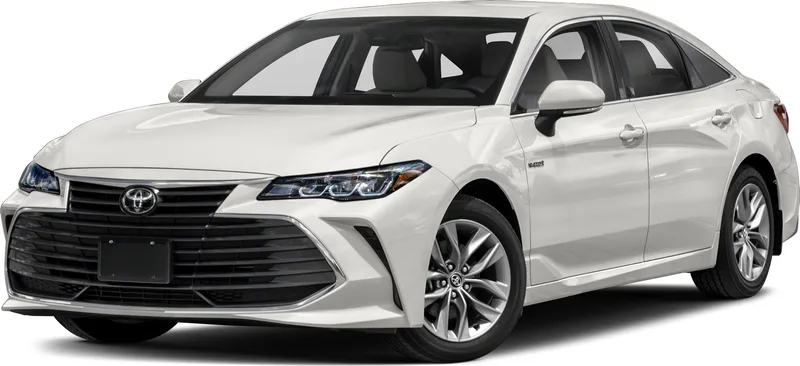
Toyota Avalon
Score: 80/100
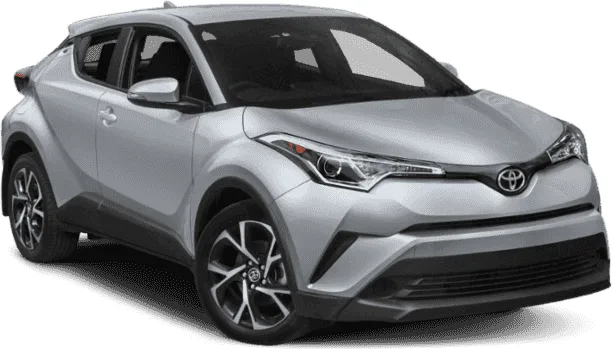
Toyota C-HR
Score: 80/100
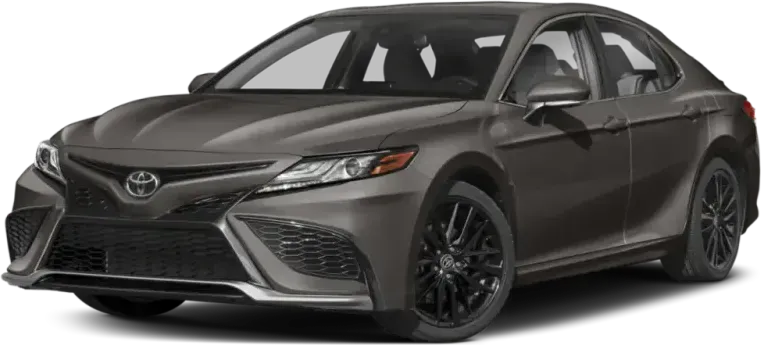
Toyota Camry
Score: 88/100
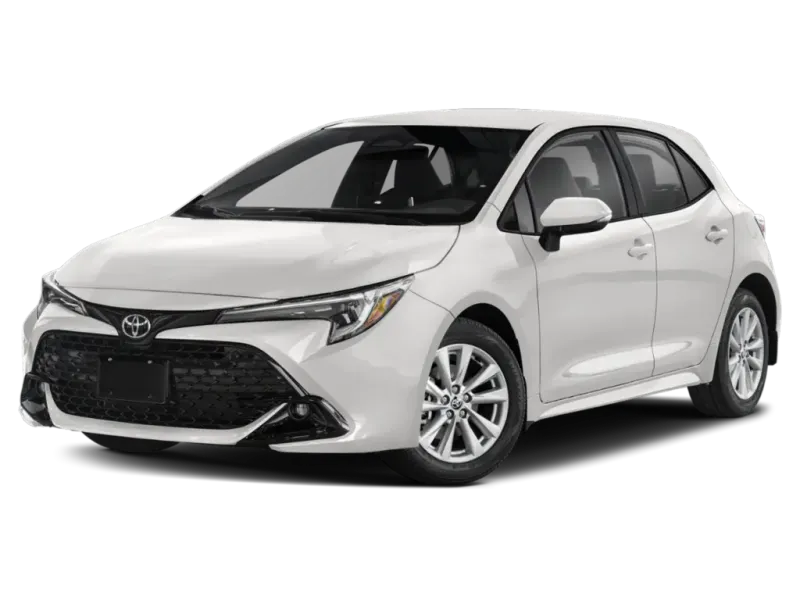
Toyota Corolla
Score: 94/100
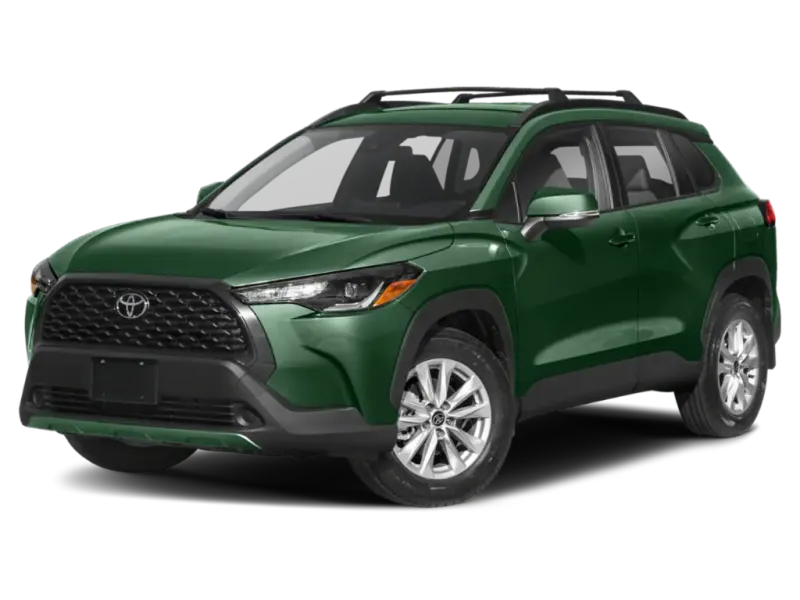
Toyota Corolla Cross
Score: 94/100
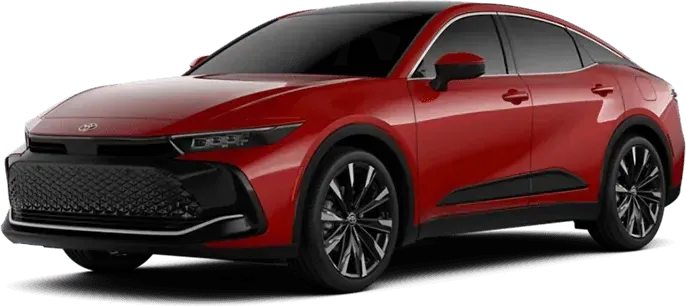
Toyota Crown
Score: 88/100
Browse More 2023 Vehicles
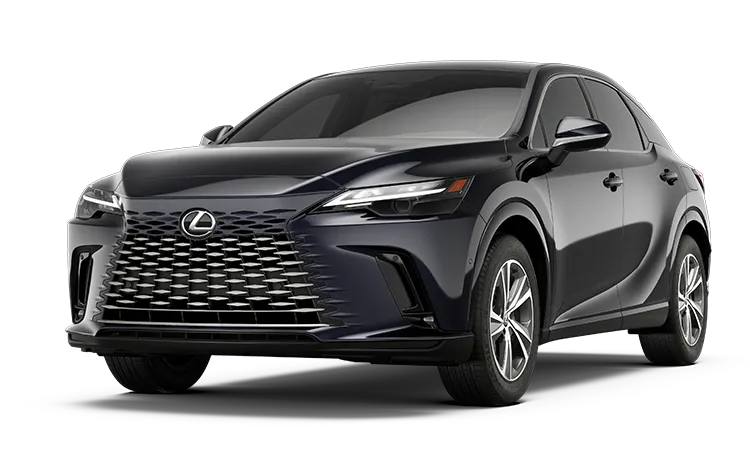
2023 Lexus RX
Score: 85/100
2023 Toyota Crown
Score: 84/100
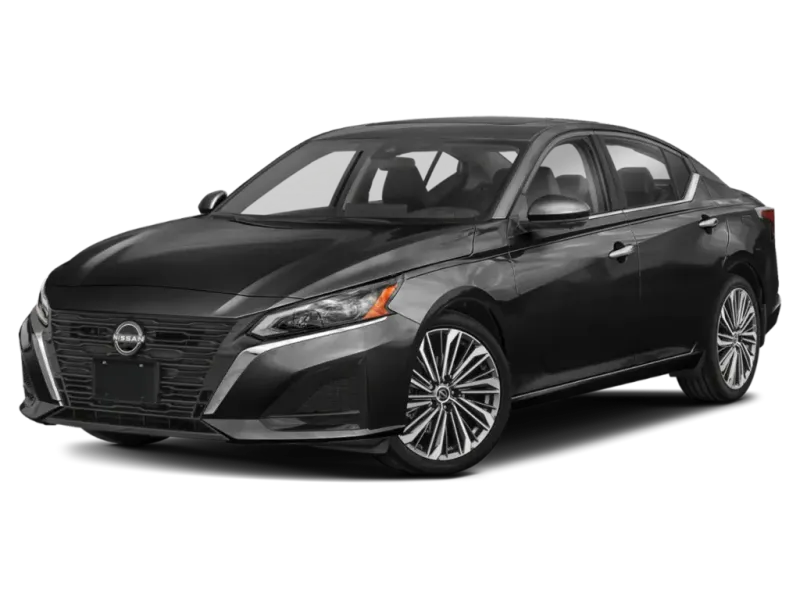
2023 Nissan Altima
Score: 84/100
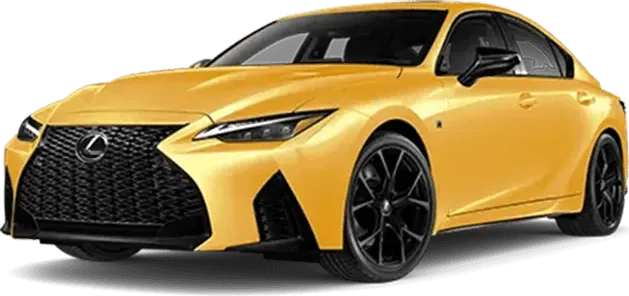
2023 Lexus IS
Score: 83/100
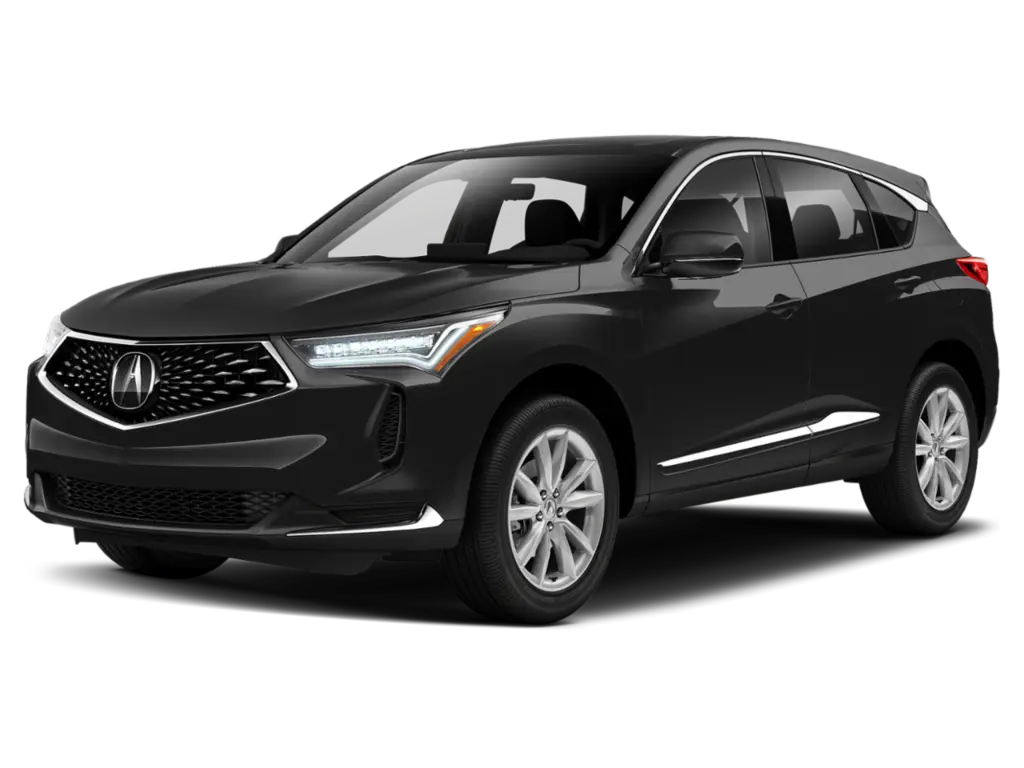
2023 Acura RDX
Score: 82/100
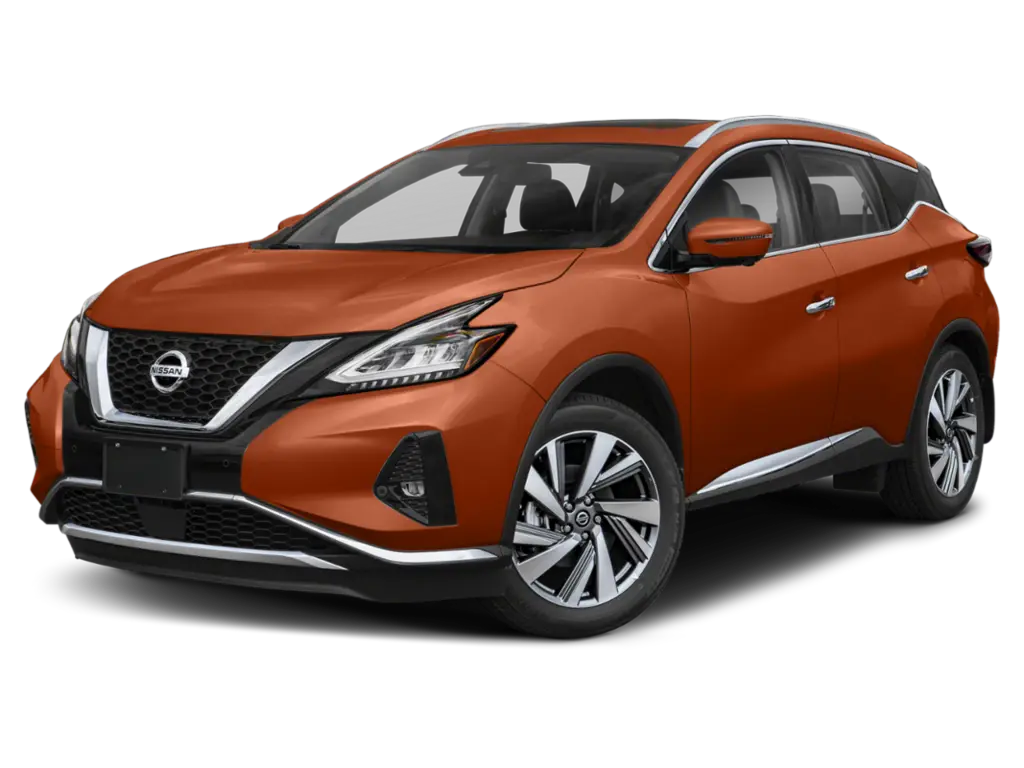
2023 Nissan Murano
Score: 82/100
See incorrect data? Report an issue