Last updated: 2026-10-10

2019 Toyota 4Runner Reliability Report
The 2019 Toyota 4RUNNER has good reliability, but owners report steering wheel shake at highway speed and some air bag failures in crashes.
Recalls
4
Complaints
61
Complaint Rate
4.6per 10,000 sold
Est. Repair Cost
$514
Annual Fuel Cost
$3,300
Detailed Score Breakdown
Component-weighted complaints normalized by sales volume
Independent repair cost ratings
Recall count weighted by severity
Breadth of reported problem categories
The Verdict
Good reliability and well above its class, yet the weakest of nine scored 4Runner years, with highway steering shake and four recalls.
Top Issues to Watch
- ELECTRICAL SYSTEM (8)
- STEERING (8)
- FUEL SYSTEM (6)
Generation & Refresh (US)
2019 is 6 years after the facelift refresh.
- Year 10 in the Fifth generation (N280) (2010–2024).
- Well-established in its generation — most early issues should be resolved.
- 5th generation 4Runner (US).
What this means for buyers
Post-refresh years tend to be among the most refined — updates have been applied and early kinks worked out.
2010: Fifth generation (N280) Launch
Generation start — new platform.
2013: Mid-Cycle Refresh
Updated features and styling tweaks.
2019: This Model Year
2019 is 6 years after the facelift refresh.
Should You Buy the 2019 Toyota 4Runner?
Buyers get a good-rated used SUV here, well above average among 2019 SUVs. Within the 4Runner line, though, it is the weakest of nine scored years. The 2018 rates about the same. The 2020 rates better, with fewer complaints and fewer recalls. Estimated yearly repair cost is below the class average.
The most common complaint is a shake through the steering wheel at highway speed, usually between 50 and 70 mph. It tends to start between 20,000 and 50,000 miles. Balancing, new tires and alignment checks often do not cure it. Some owners report stalls while driving, including one that ended in a fire. Three crash reports say front air bags did not deploy. Owners also describe long waits for parts on the fuel pump recall.
Ask for recall completion records, especially for the fuel system and steering or suspension items. Test drive at highway speed and watch for wheel shake. If prices are close, compare a 2020.
Compared to the 2020 Toyota 4Runner, which scored 5 points higher. See also the 2018 Toyota 4Runner for an earlier comparison.
Pros
- +Acceptable reliability score
- +$59 cheaper to maintain than avg midsize SUVs
- +Low major repair risk (13%)
- +Below-average complaint rate for SUV
Cons
- −Moderate recall count
- −STEERING: Shaking and wobbling through the wheel at highway speed is the main pattern,... (8 complaints)
- −ELECTRICAL SYSTEM: Engine stalls while driving, with every warning light coming on, and sometimes... (8 complaints)
Compare 2019 Toyota 4Runner With

2019 Honda Passport
Reliability: 59/100
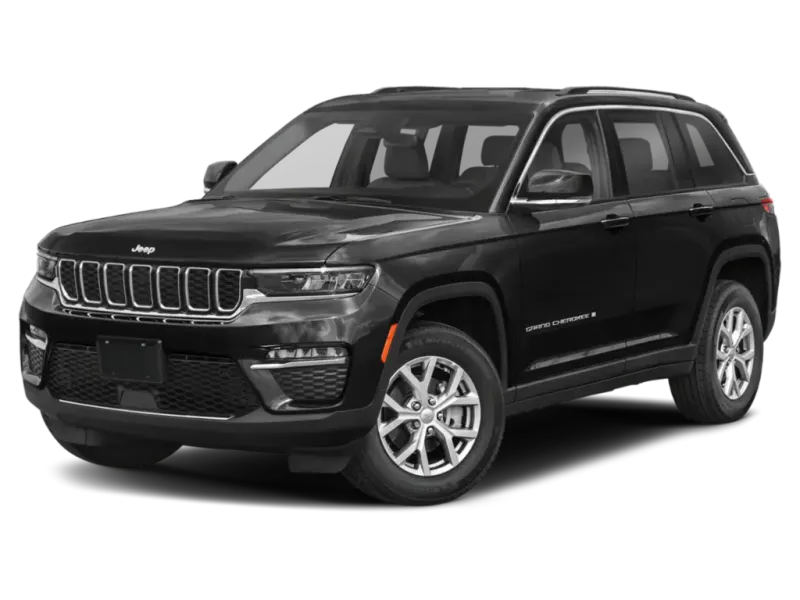
2019 Jeep Grand Cherokee
Reliability: 67/100
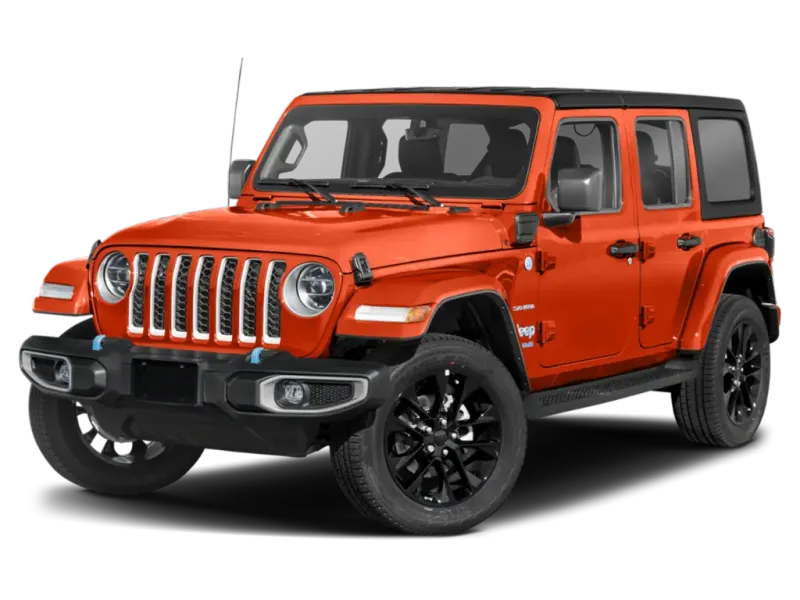
2019 Jeep Wrangler
Reliability: 62/100

2019 Ford Explorer
Reliability: 69/100
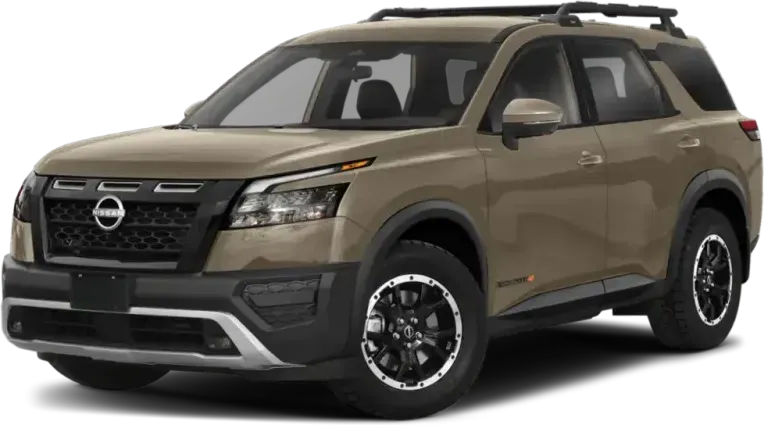
2019 Nissan Pathfinder
Reliability: 71/100
Common Problem Categories
Safety
LOW RISK- 4 manufacturer recalls issued
Other
HIGH RISK- UNKNOWN OR OTHER (8)
- ELECTRICAL SYSTEM (8)
Recall Overview
4
recalls on record
A moderate 4 recalls are on file for the 2019 Toyota 4Runner. Each one points to a specific safety or compliance issue identified by the manufacturer or NHTSA — check the list below before buying.
NHTSA.gov →Complaint Breakdown
4.6
per 10,000 soldSegment avg: 21.2
Safety Incidents
5
Crashes
1
Fires
3
Injuries
0
Deaths
NHTSA 4/5 Stars
Data sourced from NHTSA complaint filings and manufacturer recall notices. Complaint narratives are owner-reported.
2019 Toyota 4Runner Recall Details
4 recalls have been issued for the 2019 Toyota 4Runner. All recall repairs are performed free of charge at authorized dealerships.
EQUIPMENT
Gulf States Toyota (GST) is recalling certain 2019 C-HR, 4Runner, Avalon, Avalon Hybrid, Camry, Camry Hybrid, Highlander, Land Cruiser, Prius, RAV4, Sequoia, Tacoma, Sienna, Tundra and Yaris vehicles. The text on the load capacity label may become illegible. As such, these vehicles fail to comply with the requirements of Federal Motor Vehicle Safety Standard (FMVSS) number 110, "Tire Selection and Rims."
Consequence
If the driver cannot read the label, they may unknowingly overload the vehicle, increasing the risk of a crash.
Remedy
GST will notify owners, and dealers will provide corrected load carrying capacity modification labels, free of charge. The recall began May 24, 2019. Owners may contact GST customer service at 1-800-444-1074. GST's number for this recall is 19R1.
FUEL SYSTEM, GASOLINE
Toyota Motor Engineering & Manufacturing (Toyota) is recalling certain 2018-2019 4Runner, 2019-2020 Avalon, 2019 Corolla Hatchback, 2017-2019 Highlander, 2018-2020 Camry, 2020 Corolla, 2018-2019 Land Cruiser, 2017-2020 Tacoma, 2019-2020 RAV4, 2019-2020 Sequoia, 2017-2020 Sienna, 2019-2020 Tundra, 2018-2020 Lexus ES350, 2017 Lexus GS200t, 2017-2019 Lexus GS350, 2019 Lexus GS300, 2018-2020 Lexus LC500h, 2019-2020 Lexus LS500, 2018-2019 Lexus GX460, 2017 Lexus IS200t, 2019 Lexus IS300, 2019 Lexus IS350, 2018-2020 Lexus LC500, 2018 Lexus LS500, 2019 Lexus LS500h, 2018-2019 Lexus LX570, 2017 Lexus RC200t, 2019 Lexus RC300, RC350, 2017 and 2019-2020 Lexus RX350, 2018-2020 RX350L, 2019 Lexus UX200, 2018-2019 Lexus NX300 vehicles. The low-pressure fuel pump inside the fuel tank may fail.
Consequence
If the fuel pump fails, the engine can stall while driving, increasing the risk of a crash.
Remedy
Toyota will notify owners, and dealers will replace the fuel pump assembly with an improved one, free of charge. Owners of specific models were notified that remedy parts were available starting January 21, 2021. Owners of other models will be notified as remedy parts become available. Remedy parts should be available for all affected vehicles by late March 2021. Owners may contact Toyota customer service at 1-888-270-9371 or Lexus customer service at 1-800-255-3987. Note: This recall is an expansion of recall 20V-012. Toyota's number for this recall is 20TA02. Lexus' number for this recall is 20LA01.
STEERING, SUSPENSION
Southeast Toyota Distributors, LLC (SET) is recalling certain 2018-2019 Toyota 4Runner vehicles. During installation, certain steering and suspension components may not have been properly tightened.
Consequence
Loose fasteners may cause a loss of vehicle control, or cause an accessory to detach from the vehicle and become a road hazard. Either of these scenarios can increase the risk of a crash or injury.
Remedy
SET will notify owners, and dealers will inspect and re-tighten the steering and suspension fasteners as necessary, free of charge. The recall is expected to begin November 19, 2019. Owners may contact SET customer service at 1-866-405-4226. SET's number for this recall is SET19B.
Buying a used 2019 Toyota 4Runner? Check its history first
Electrical system problems lead owner complaints about the 2019 Toyota 4Runner, and 4 recalls were issued for it. A VIN check shows whether this car's recall work was done, plus accident, title, and odometer history.
- Accidents
- Open Recalls
- Title History
- Odometer Rollback
2019 Toyota 4Runner NHTSA Safety Ratings
Overall Safety Rating
Crash Test Results by Configuration (expand)
Gas Powertrain
Rollover risk: 24.6%
Safety Technologies
Toyota 4RunnerRepair Costs & Maintenance
Maintenance Rating
4Maintenance rating: 4 out of 5Based on NHTSA complaint patterns, recall severity, and publicly available cost benchmarks.
Est. Annual Maintenance
$514
vs $573 avg for midsize SUVs
vs $652 avg for all vehicles
Repair Frequency
0.4
unscheduled repair visits per year
Severe Repair Probability
13%
chance of a major repair
Annual Cost Comparison
Category-level averages derived from publicly available industry reports (AAA, CarMD). Model-level estimates produced by Auto Reliability Index.
Toyota 4Runner Resale Value
The Toyota 4Runner is estimated to retain about 82.2% of its original value after 5 years, based on observed used-car listings.
This benchmark covers the Toyota 4Runner model overall and is not specific to the 2019 model year.
- Value Retained
- 82.2%
- Depreciation
- 17.8%
- Listings Analyzed
- 720
after 5 years
over the same period
U.S. used-car listings
Listings observed in . Actual resale value varies by trim, mileage, condition, and location.
Explore Toyota 4Runner depreciation and resale value on CarResaleValue.comMPG & Annual Running Costs
Gas
18 MPG
Running cost: $3,800/yr
Fuel + repair
17 city / 20–21 hwy MPG
Running cost includes EPA fuel-cost estimate and independent repair-cost data (repair cost estimated at model level). Excludes routine maintenance, depreciation, and insurance. Data as of 2019 EPA label cycle.
Gas trims
| Trim | Drive | Trans. | City | Hwy | Comb | Fuel Cost |
|---|---|---|---|---|---|---|
| 4Runner 2WD 4.0L 6-cyl | Rear-Wheel Drive | Automatic (S5) | 17 | 21 | 18 | $3,300 |
| 4Runner 4WD 4.0L 6-cyl | Part-time 4-Wheel Drive | Automatic (S5) | 17 | 20 | 18 | $3,300 |
| 4Runner 4WD 4.0L 6-cyl | All-Wheel Drive | Automatic (S5) | 17 | 20 | 18 | $3,300 |
Used Buying Checklist
Key things to inspect or verify before purchasing a 2019 Toyota 4Runner.
Drive at 55 to 70 mph and brake firmly, feeling for steering wheel shake or wobble.
Put the vehicle on a lift and check the frame, underbody, springs and shock brackets for rust.
Run the VIN through federal recall records and confirm fuel pump recall 20V682000 was completed.
Confirm the airbag light goes out after startup and the passenger airbag stays on with an adult seated.
Stop on a slope, shift between reverse and drive, and listen for grinding or groaning.
Open the hood and look for chewed wires, nesting material or rodent droppings near the harness.
Test the backup camera, Bluetooth calls, every power window and the key fob door locks.
Lift the front passenger floor mat and check the carpet for dampness from an air conditioning drain leak.
2019 Toyota 4Runner Common Problems by Component
61 owner complaints grouped by vehicle system.
UNKNOWN OR OTHER
8 complaintsSafety-relatedSunroof glass shatters while driving with no impact, startling drivers badly enough to nearly cause a crash. Windshields crack easily, with one owner replacing the glass 4 times under 12,000 miles. The backup camera freezes or goes blank, and the 2019 model is not included in the camera recall for later years. Bluetooth calls sound robotic and full of static, and dealers offer no remedy. Defrost works only with outside air. One crash report describes the vehicle rolling down a driveway after the ignition was turned off in park.
ELECTRICAL SYSTEM
8 complaintsSafety-relatedThe engine stalls while driving, with every warning light coming on, and sometimes restarts by itself. One stall ended with smoke from the hood and a fire that destroyed the front of the vehicle. Rodents chewing the wiring harness cause check engine lights, shuddering and jerking. One repair cost just under $1000, and a full harness could run $6000. Other reports include a blank instrument cluster, a radio that changes volume on its own, and an ABS light with sudden hard braking. Dealers often cannot reproduce these faults.
STEERING
8 complaintsSafety-relatedShaking and wobbling through the wheel at highway speed is the main pattern, usually between 50 and 70 mph. Some drivers also feel it while braking, and it fades briefly when they lift off the gas. Repeated balancing, rotation, new tires and alignment checks do not cure it, and shops often cannot find a fix. One dealer pointed to a possible steering rack issue. Some owners notice it from new, others after a tire replacement. One filing describes a loss of control and a crash with an injury. Another describes heavy frame and underbody rust under 65K miles.
FUEL SYSTEM (6 complaints)
FUEL SYSTEM
6 complaintsMost of these reports are about the fuel pump recall, campaign 20V682000, not about breakdowns. Owners received recall notices, but dealers had no parts to do the repair, and owners say the wait ran far too long. One expected the remedy would not arrive until March of 2021. A few owners did have failures: hesitation or a 15-second delay when pressing the gas to pass, jerking and lost power. One case started around 10,000 miles and came back after a fuel pump replacement. Dealers could not always duplicate it.
AIR BAGS (5 complaints)
AIR BAGS
5 complaintsSafety-relatedFront airbags fail to deploy in serious collisions, according to 3 crash reports. One was a guardrail impact that totaled the vehicle. In another, a driver hit the steering wheel and window in a side impact and suffered neck and back injuries. Separately, a failed airbag sensor can leave the warning light on. In one case this happened at about 95,600 miles, with a dealer quote of $6,224.43 out of warranty. The passenger airbag off light also flickers on with an adult seated, and dealers find no codes.
FUEL/PROPULSION SYSTEM (5 complaints)
FUEL/PROPULSION SYSTEM
5 complaintsThe fuel pump can fail and shut the engine off while driving, including at highway speed, according to the recall these owners cite. Nearly every complaint here is about how the recall was handled. Toyota had no remedy and no timeline, so owners kept driving vehicles they considered unsafe at speed. Some say they avoid long road trips. One vehicle had under 5000 miles when the notice arrived. Owners report repeated calls to Toyota and dealers with no answer on when the repair would be available.
SUSPENSION (4 complaints)
SUSPENSION
4 complaintsShocks, springs and shock brackets rust and wear early, and the suspension clunks over dips and bumps. In one case a rusted setup made the vehicle jerk during a turn and nearly hit another car, and the dealer listed shock and differential parts for replacement. One owner links the noise to service bulletin T-SB-0094-20. TRD Pro Fox shocks thunk over small bumps when temperatures drop below 50 degrees. A high-pitched rear axle whine under throttle at 65 mph was blamed on a pinion gear that may have been assembled incorrectly.
POWER TRAIN (4 complaints)
POWER TRAIN
4 complaintsGrinding or loud groaning comes from the drivetrain when shifting between reverse and drive while stopped on a hill. Owners hear it from the first days of ownership, in both 2WD and 4WD High, and worry about internal transmission damage. Some feel a vibration on the shift from first to second gear when accelerating after a speed bump. One report describes the transmission failing at 84000 miles, leaving the vehicle without power while merging into traffic.
SERVICE BRAKES (3 complaints)
SERVICE BRAKES
3 complaintsA metal-on-metal squeak comes from the brakes when they are released, mostly first thing in the morning after the vehicle has sat for hours. The dealer acknowledged the noise but could not reproduce it, and it returned after service. The ABS and traction control lights come on without a clear cause. One report describes a pedal that has to go all the way to the floor before the vehicle starts to stop.
VISIBILITY (2 complaints)
VISIBILITY
2 complaintsDoor locks and power windows fail, sometimes one after another. A failed lock actuator is replaced, then the passenger window stops moving because its wiring harness came loose, and the fault returns after repair. The driver's door lock can fail next. The sunroof can also burst with a loud pop at highway speed. In one case at 7,983 miles, the dealer blamed a flying object, replaced the glass, and Toyota sided with the dealer.
When Do 2019 Toyota 4Runner Problems Start?
Based on owner complaint patterns, here's when common issues tend to appear.
Best & Worst Toyota 4Runner Years
Best Toyota 4Runner Years to Buy
Based on reliability index scoreToyota 4Runner Years to Avoid
No Toyota 4Runner years are statistical outliers in our data.
Scores stay between 77 and 84 across 9 scored model years.
Toyota 4Runner Reliability Score Trend
Scores 0–100. Higher is better. Current year highlighted.
| Year | Score | Rating |
|---|---|---|
| 2018 | 77/100 | Good |
| 2019 | 77/100 | Good |
| 2020 | 82/100 | Excellent |
| 2021 | 82/100 | Excellent |
| 2022 | 79/100 | Good |
| 2023 | 82/100 | Excellent |
| 2024 | 79/100 | Good |
| 2025 | 81/100 | Excellent |
| 2026 | 84/100 | Excellent |
Toyota 4Runner Reliability Compared to Other Years
Frequently Asked Questions
Is the 2019 Toyota 4RUNNER reliable?
What are the most common problems with the 2019 Toyota 4RUNNER?
Does the 2019 Toyota 4RUNNER have steering problems?
Does the 2019 Toyota 4RUNNER have recalls?
Is the 2020 Toyota 4RUNNER better than the 2019?
Don’t buy a 2019 Toyota 4Runner without checking its VIN first — hidden accidents, title issues, and open recalls could cost you thousands.
How we score the 2019 Toyota 4Runner
Of the four inputs behind this score, the 2019 Toyota 4Runner does best on how many systems draw complaints (87/100) and worst on recall impact (71/100). Scores weight complaint severity at 35%, repair costs at 30%, recall impact at 20%, and the spread of complaints across systems at 15%, with complaint counts adjusted for US sales. Read the full methodology.
Get notified when new recalls or reliability data is added for the Toyota 4Runner.
No spam. Only data updates for this model.
Browse More Toyota Models
Toyota Avalon
Score: 80/100
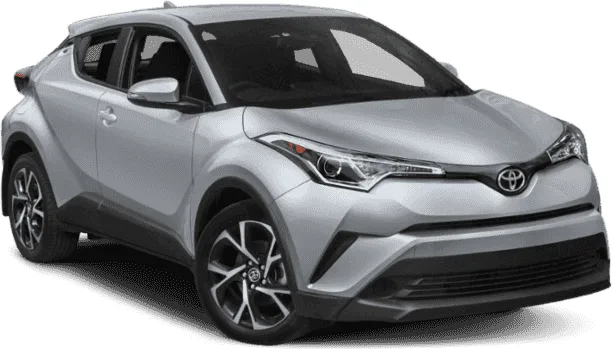
Toyota C-HR
Score: 80/100
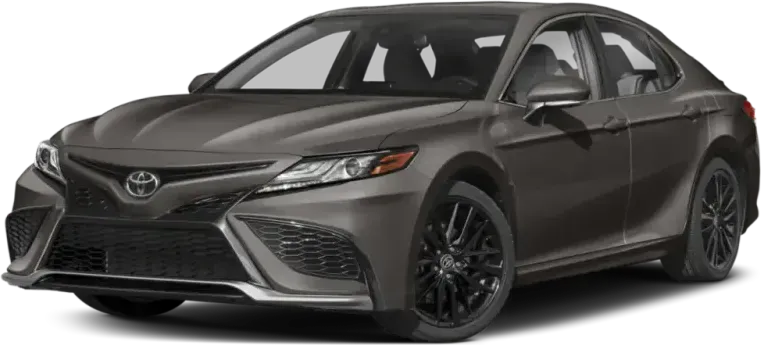
Toyota Camry
Score: 88/100
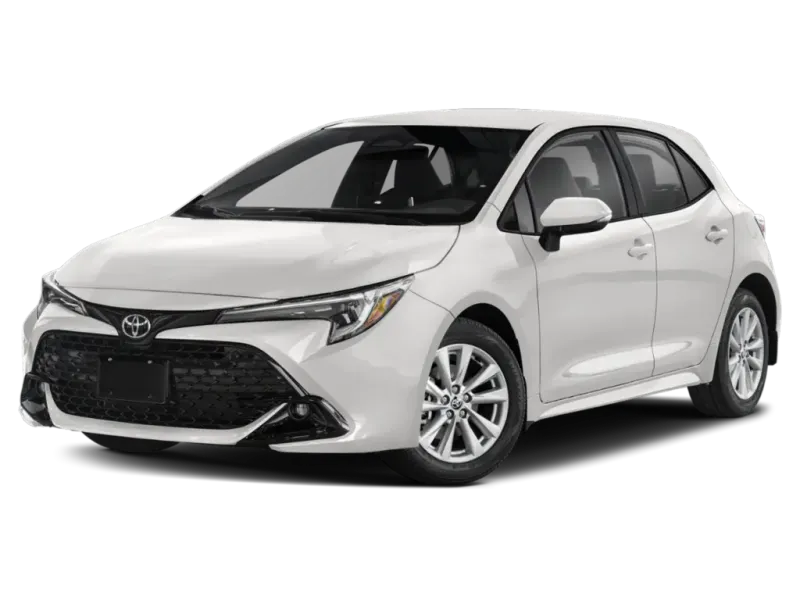
Toyota Corolla
Score: 94/100
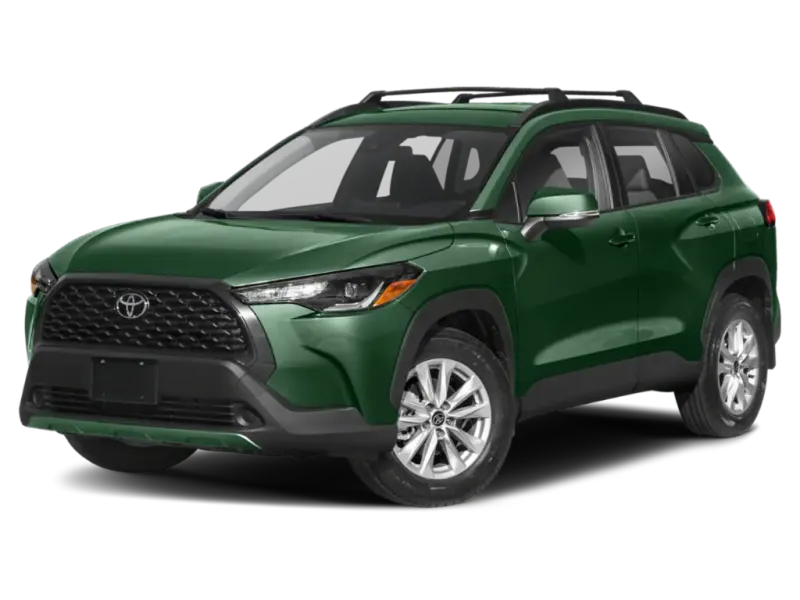
Toyota Corolla Cross
Score: 94/100
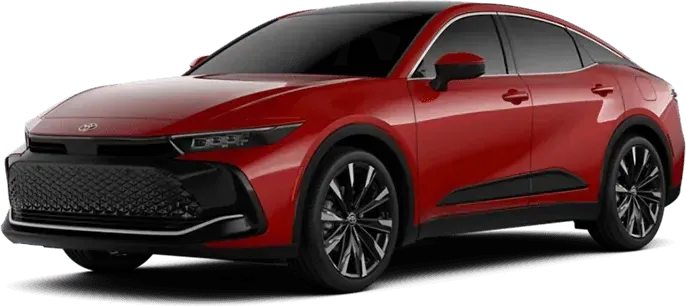
Toyota Crown
Score: 88/100
Browse More 2019 Vehicles
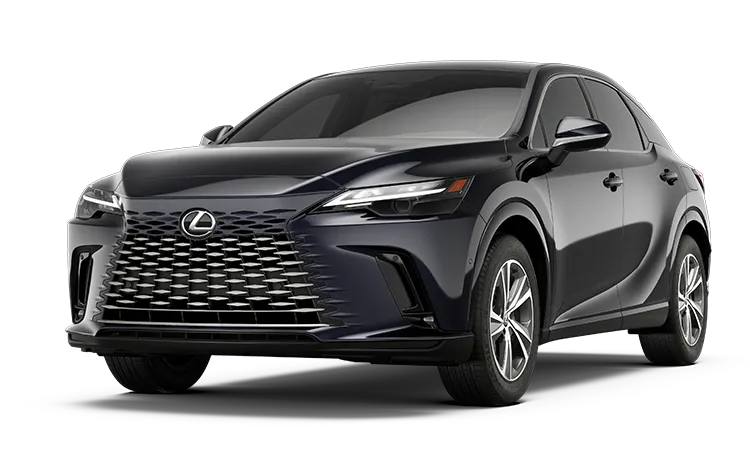
2019 Lexus RX
Score: 82/100

2019 Kia Sedona
Score: 80/100
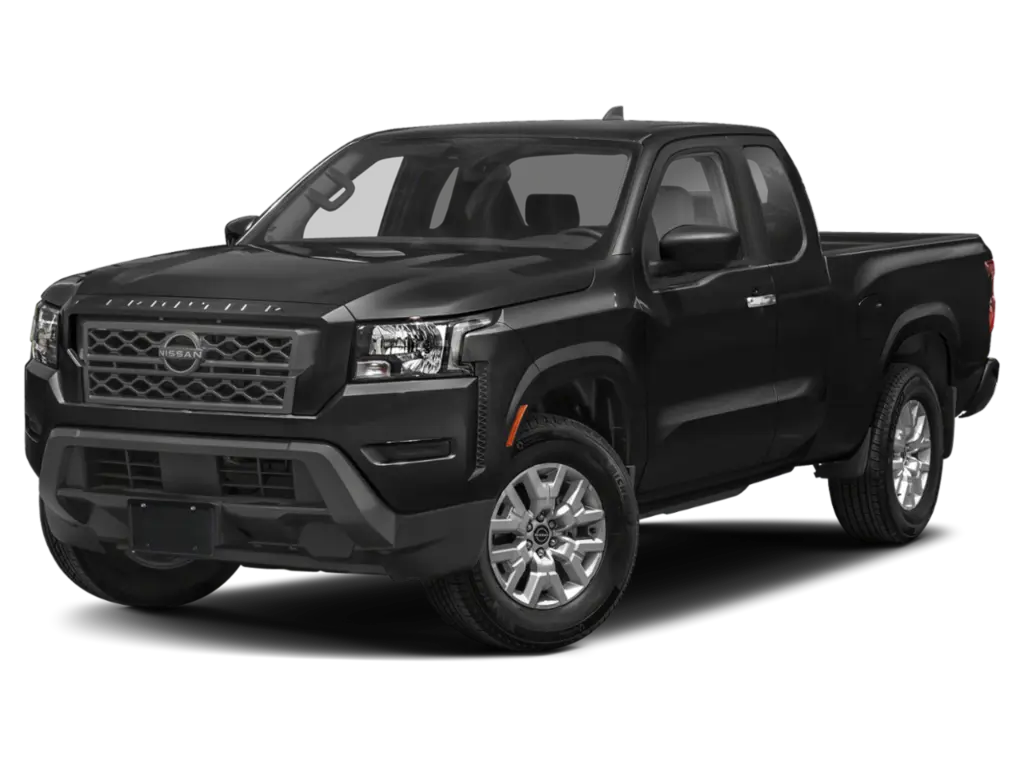
2019 Nissan Frontier
Score: 80/100
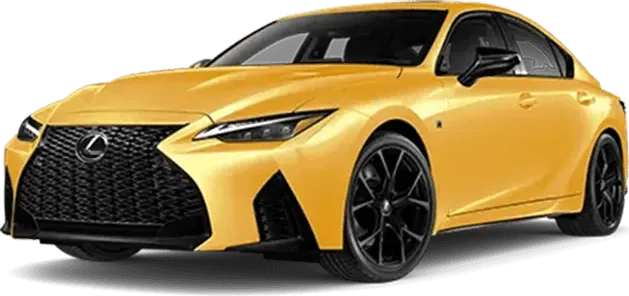
2019 Lexus IS
Score: 79/100
2019 Chevrolet Impala
Score: 79/100

2019 Lexus GX
Score: 78/100
See incorrect data? Report an issue