Last updated: 2026-04-20

2025 Toyota 4RUNNER Reliability Report
The 2025 Toyota 4RUNNER scores 81/100 ("Excellent") with a complaint rate below the segment average. Data shows a dependable ownership experience across 1 recall and 36 owner complaints.
Recalls
1
Complaints
36
Complaint Rate
3.6per 10,000 sold
Est. Repair Cost
$514
Annual Fuel Cost
$2,700–$2,850
Detailed Score Breakdown
Component-weighted complaints normalized by sales volume
Independent repair cost ratings
Recall count weighted by severity
Breadth of reported problem categories
The Verdict
Strong reliability record — a solid choice for buyers.
Top Issues to Watch
- SERVICE BRAKES (16)
- STRUCTURE (6)
- ELECTRICAL SYSTEM (5)
Should You Buy the 2025 Toyota 4RUNNER?
The 2025 Toyota 4RUNNER earns an Excellent 81/100 reliability score.
At 3.6 per 10,000 vehicles sold, its complaint rate sits below the SUV segment average, and most owners report a trouble-free ownership experience.
A solid choice for buyers prioritizing dependability, new or used.
Compared to the 2026 Toyota 4RUNNER, which scored 3 points higher. See also the 2024 Toyota 4RUNNER for an earlier comparison.
Pros
- +Strong reliability score
- +$59 cheaper to maintain than avg midsize SUVs
- +Low major repair risk (13%)
- +Low recall count
- +Below-average complaint rate for SUV
Cons
- −SERVICE BRAKES: Owners of the 2025 Toyota 4Runner frequently report issues with loud brake... (16 complaints)
- −Brake noise reported at 400–1,150 miles
Compare 2025 Toyota 4RUNNER With

2025 Ford Bronco-Sport
Reliability: 73/100

2025 Honda Passport
Reliability: 82/100
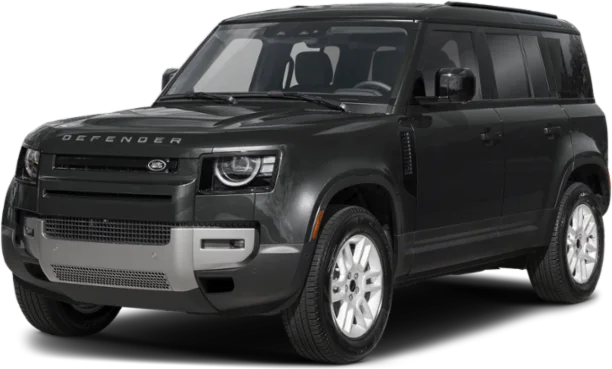
2025 Land Rover Defender 110
Reliability: 59/100
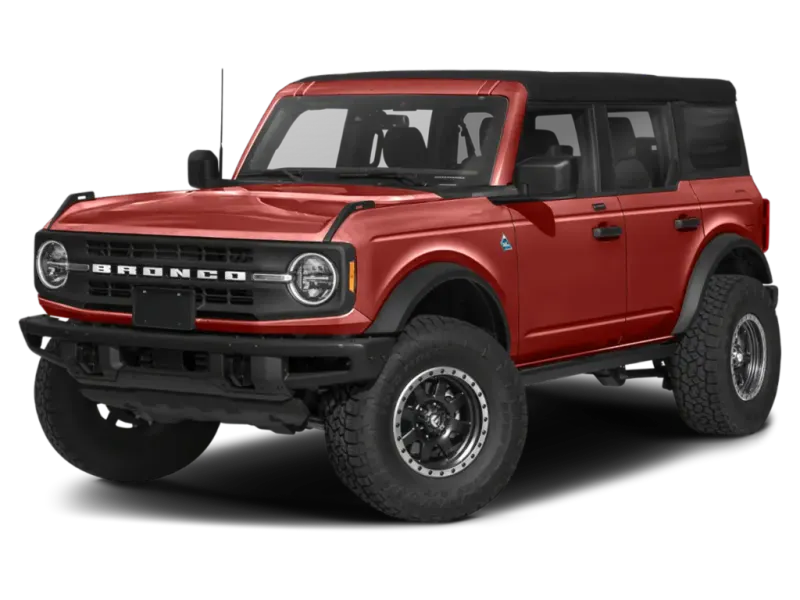
2025 Ford Bronco
Reliability: 61/100
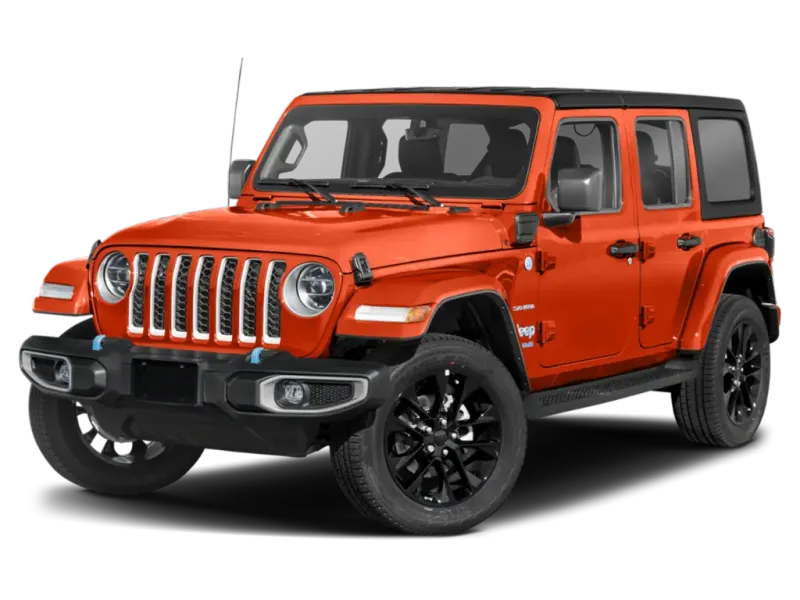
2025 Jeep Wrangler
Reliability: 74/100
Common Problem Categories
Safety
LOW RISK- 1 manufacturer recall issued
Other
HIGH RISK- SERVICE BRAKES (16)
- STRUCTURE (6)
Recall Overview
1
recall on record
The 2025 Toyota 4RUNNER carries 1 recall — a low count. Authorized dealers repair any open recall free of charge, regardless of warranty status.
NHTSA.gov →Complaint Breakdown
3.6
per 10,000 soldSegment avg: 3.5
Safety Incidents
1
Crashes
0
Fires
0
Injuries
0
Deaths
NHTSA 4/5 Stars
Data sourced from NHTSA complaint filings and manufacturer recall notices. Complaint narratives are owner-reported.
2025 Toyota 4RUNNER Recall Details
1 recall has been issued for the 2025 Toyota 4RUNNER. All recall repairs are performed free of charge at authorized dealerships.
ELECTRICAL SYSTEM
Toyota Motor Engineering & Manufacturing (Toyota) is recalling certain 2023-2024 Toyota Venza, 2023-2025 RAV4 Prime, RAV4, Highlander, GR Corolla, Crown, 2024-2025 Lexus TX, LS, Toyota Tacoma, Grand Highlander, and 2025 Lexus RX, Toyota Crown Signia, Camry, RAV 4 Plug-in Hybrid (PHEV), and 4 Runner vehicles. Due to an error in the instrument panel software at vehicle startup, the instrument panel may fail to display vehicle speed, brake system, and tire pressure warning lights.
Consequence
An instrument panel display that does not show critical information can increase the risk of a crash or injury.
Remedy
Dealers will update the instrument panel software for non-PHEV vehicles, free of charge. For PHEV vehicles, dealers will inspect the instrument panel assembly, and either replace it, or update the software, free of charge. Owner letters were mailed December 5, 2025. Owners may contact Toyota's customer service at 1-800-331-4331. Toyota's numbers for this recall are 25TB08 and 25TA08. Lexus' numbers for this recall are 25LB05 and 25LA05.
Buying a used 2025 Toyota 4RUNNER? Check its history first
Every 2025 Toyota 4RUNNER has a different past. A VIN check reveals hidden accidents, title problems, odometer rollbacks, and open recalls that reliability scores can't show you.
- Accidents
- Open Recalls
- Title History
- Odometer Rollback
2025 Toyota 4RUNNER NHTSA Safety Ratings
Overall Safety Rating
Crash Test Results by Configuration (expand)
Gas Powertrain
Rollover risk: 18.5%
Safety Technologies
HEV Powertrain
Rollover risk: 18.5%
Safety Technologies
Toyota 4RUNNERRepair Costs & Maintenance
Maintenance Rating
4Maintenance rating: 4 out of 5Based on NHTSA complaint patterns, recall severity, and publicly available cost benchmarks.
Est. Annual Maintenance
$514
vs $573 avg for midsize SUVs
vs $652 avg for all vehicles
Repair Frequency
0.4
unscheduled repair visits per year
Severe Repair Probability
13%
chance of a major repair
Annual Cost Comparison
Category-level averages derived from publicly available industry reports (AAA, CarMD). Model-level estimates produced by Auto Reliability Index.
Toyota 4RUNNER Resale Value
The Toyota 4RUNNER is estimated to retain about 82.2% of its original value after 5 years, based on observed used-car listings.
This benchmark covers the Toyota 4RUNNER model overall and is not specific to the 2025 model year.
- Value Retained
- 82.2%
- Depreciation
- 17.8%
- Listings Analyzed
- 720
after 5 years
over the same period
U.S. used-car listings
Listings observed in . Actual resale value varies by trim, mileage, condition, and location.
Explore Toyota 4RUNNER depreciation and resale value on CarResaleValue.comMPG & Annual Running Costs
Gas
21–22 MPG
Running cost: $3,200–$3,350/yr
Fuel + repair
19–20 city / 24–26 hwy MPG
Hybrid
23 MPG
Running cost: $3,100/yr
Fuel + repair
23 city / 24 hwy MPG
Running cost includes EPA fuel-cost estimate and independent repair-cost data (repair cost estimated at model level). Excludes routine maintenance, depreciation, and insurance. Data as of 2025 EPA label cycle.
Gas trims
| Trim | Drive | Trans. | City | Hwy | Comb | Fuel Cost |
|---|---|---|---|---|---|---|
| 4Runner 2WD 2.4L 4-cyl | Rear-Wheel Drive | Automatic (S8) | 20 | 26 | 22 | $2,700 |
| 4Runner 2WD 2.4L 4-cyl | Rear-Wheel Drive | Automatic (S8) | 20 | 24 | 22 | $2,700 |
| 4Runner 4WD 2.4L 4-cyl | Part-time 4-Wheel Drive | Automatic (S8) | 19 | 25 | 21 | $2,850 |
| 4Runner 4WD 2.4L 4-cyl | 4-Wheel Drive | Automatic (S8) | 20 | 24 | 21 | $2,850 |
Hybrid trims
| Trim | Drive | Trans. | City | Hwy | Comb | Fuel Cost |
|---|---|---|---|---|---|---|
| 4Runner 4WD 2.4L 4-cyl | Part-time 4-Wheel Drive | Automatic (S8) | 23 | 24 | 23 | $2,600 |
| 4Runner 4WD 2.4L 4-cyl | 4-Wheel Drive | Automatic (S8) | 23 | 24 | 23 | $2,600 |
Used Buying Checklist
Key things to inspect or verify before purchasing a 2025 Toyota 4RUNNER.
Test brakes for loud squealing noise, especially in reverse
Inspect front air dam and fasteners for secure attachment
Check multimedia display for intermittent blanking
Verify steering for creaking or knocking noises
Ensure side view mirrors do not shake excessively
Test AC outlet in cargo area for proper grounding
Check for excessive vibration at highway speeds
2025 Toyota 4RUNNER Common Problems by Component
36 owner complaints grouped by vehicle system.
SERVICE BRAKES
16 complaintsOwners of the 2025 Toyota 4Runner frequently report issues with loud brake noises, particularly when reversing. Complaints commonly describe a loud squealing or screeching sound from the brakes, with several owners noting that the issue persists even after service visits. This problem is often reported in vehicles with low mileage, sometimes as early as 400 miles. Some owners express concerns about safety, noting that the noise may lead drivers to subconsciously avoid braking properly, potentially increasing the risk of accidents. Buyers considering this model should be aware of these recurring brake noise issues and the potential impact on driving behavior.
STRUCTURE
6 complaintsOwners report recurring issues with the 2025 Toyota 4Runner's structural components, particularly with the front air dam and window glass. Complaints frequently mention that the front air dam becomes loose or dislodged, often due to missing or inadequate fasteners, with some reports indicating this occurs at highway speeds, potentially posing a safety hazard. Multiple owners describe loose window glass on both driver and passenger sides, as well as a wobbling hood and rear spoiler. These issues are noted in vehicles with as few as 1,000 to 2,000 miles, suggesting they may manifest early in the vehicle's lifespan. Safety implications include the risk of parts detaching while driving, which could endanger the driver and other road users.
ELECTRICAL SYSTEM
5 complaintsSafety-relatedOwners of the 2025 Toyota 4Runner report various electrical system issues, with some involving significant safety implications. A notable complaint involves unintended acceleration during parking, resulting in a crash with three other vehicles, though no injuries were reported. Other owners describe problems with the center console screen and navigation system crashing intermittently, especially when using Apple CarPlay, often within the first few months of ownership. Additionally, issues with the AC outlet in the cargo area, such as an open ground fault, persist even after replacement, raising concerns about potential electrical hazards. Complaints also mention the rearview mirror's electrical failure and occasional malfunction of the reverse camera display, which could impact safety when reversing.
BACK OVER PREVENTION (2 complaints)
BACK OVER PREVENTION
2 complaintsOwners report issues with the multimedia touch-screen display in the 2025 Toyota 4Runner, which intermittently goes blank, affecting the visibility of the GPS navigation and reverse camera. This issue is noted at mileages around 16,339 to 17,637 miles, with one owner unable to have the problem reproduced at a dealership. Additionally, complaints mention false alerts from the parking collision assistance feature when snow accumulates on the sensors, causing distracting loud beeps and false fault messages. These problems can lead to potential safety risks, such as the inability to see rear obstacles or distractions while driving.
STEERING (2 complaints)
STEERING
2 complaintsOwners report two main steering-related issues with the 2025 Toyota 4Runner. The first involves a creaking and knocking noise when turning the steering wheel left and right, suggesting a potential mechanical issue within the steering components. The second issue involves excessive front-end vibration, which some owners say makes it difficult to maintain lane control. The complaints do not specify mileage ranges, but the symptoms described could have safety implications, particularly concerning vehicle control. Potential buyers should be aware of these reported issues when considering this model.
VISIBILITY/WIPER (1 complaints)
VISIBILITY/WIPER
1 complaintTwo separate occasions while driving this car and using the wipers in rain there was been almost zero visibility to the point where we can almost not see while driving in the rain. I have owned three Toyotas and this is the first time I have ever experienced this issue. It almost as if the wipers don't move fast enough to clear the water off the windshield or the wipers aren't making contact the entire time wiping the glass. I took my car to the dealer and the wipers move the same as the exact make model and year. I feel this is a design flaw and could be responsible for a serious crash due to not being able to use this car well in the rain.
TIRES (1 complaints)
TIRES
1 complaintWas driving along at approximately 25 mph and had a major sudden failure of the right rear tire
POWER TRAIN (1 complaints)
POWER TRAIN
1 complaintWe were parked on a slight incline loading items onto a carrier onto the back of the vehicle. We heard the electronic brake release and the vehicle started to roll backwards down the hill towards us. My husband jumped in the driver's seat and slammed on the brake pedal. He confirmed that the vehicle was still in park.
UNKNOWN OR OTHER (1 complaints)
UNKNOWN OR OTHER
1 complaintVehicle purchased new on 8/10/2025. Within days, developed severe vibration at highway speeds (70+ mph) and rattling driver-side window. Vehicle was at dealership (AutoNation Toyota Winter Park) from 8/20–8/31/2025; during this time, odometer readings increased significantly without explanation and no mileage log was provided. Vehicle was returned unrepaired, with “take-off” tires installed without disclosure. Issues persisted and vehicle was later taken to a second dealership (Seminole Toyota) from 9/2–9/13/2025. Dealer staff confirmed vibration linked to tire condition, but contradictory invoices and lack of transparency left safety issues unresolved. Concerns: Vehicle stability and vibration at highway speeds. Window rattle impacting safety on uneven roads. Odometer irregularities during dealer custody (mileage logged inconsistent with actual travel). Dealer substitution of tires without proper disclosure. Reason: Unknown – possible tires, suspension, or related system. Manufacturer and dealerships have not resolved after multiple service attempts. Claim filed with NCDS and Toyota, scheduled for Arbitration Hearing on 10/3/2025 at AutoNation Winter Park, FL.
SUSPENSION (1 complaints)
SUSPENSION
1 complaintExcessive wheel vibration noted at above 65 mph. Took it to dealer and 2 tires were replaced. Toyota rep drove vehicle and stated in repair invoice "disappointing ride quality especially at highway speeds." They have refused to do anything else. If vibrations continue, this may result in suspension failure or other potential safety issues as vibrations can shake bolts loose. Many others are experiencing wheel balance issues as well and Toyota is not addressing the issue correctly. There needs to be a recall and a different tire manufacturer used to replaced the faulty Toyo tires.
When Do 2025 Toyota 4RUNNER Problems Start?
Based on owner complaint patterns, here's when common issues tend to appear.
Best & Worst Toyota 4RUNNER Years
Comprehensive reliability analysis based on NHTSA data, owner complaints, and historical performance.
Best Toyota 4RUNNER Years to Buy
Based on reliability index scoreThe best Toyota 4RUNNER year is 2026 with a reliability score of 84/100, rated excellent. Other strong picks include 2023 (82/100) and 2021 (82/100).
Toyota 4RUNNER Years to Avoid
No Toyota 4RUNNER years are statistical outliers in our data.
All model years score consistently well. The Toyota 4RUNNER maintains one of the highest industry standards for long-term durability across its entire production span.
Toyota 4RUNNER Reliability Score Trend
Toyota 4RUNNER reliability has remained consistent across model years, averaging 80/100.
Scores 0–100. Higher is better. Current year highlighted.
| Year | Score | Rating |
|---|---|---|
| 2018 | 77/100 | Good |
| 2019 | 77/100 | Good |
| 2020 | 82/100 | Excellent |
| 2021 | 82/100 | Excellent |
| 2022 | 79/100 | Good |
| 2023 | 82/100 | Excellent |
| 2024 | 79/100 | Good |
| 2025 | 81/100 | Excellent |
| 2026 | 84/100 | Excellent |
Toyota 4RUNNER Reliability Compared to Other Years
2025 Toyota 4RUNNER Reliability by Powertrain
The 2025 Toyota 4RUNNER is available with 2powertrain options. Here's how they compare on reliability.
| Powertrain | Complaints | Recalls | Incidents* | Crash Rating |
|---|---|---|---|---|
| Gas | 34 | 1 | 1 | 4 out of 5 |
| HEV | 2 | 0 | 0 | 4 out of 5 |
| Total | 36 | 1 | 1 |
NHTSA tracks complaints by vehicle configuration when that detail is available. Model-level reports that do not identify a specific powertrain are included in Total but not assigned to a row. A plus sign indicates a confirmed minimum; — means no complaints could be attributed to that specific powertrain. N/T = Not tested by NHTSA.
* Incidents = crash + fire reports. A single complaint can include multiple incident types.
Frequently Asked Questions
Is the 2025 Toyota 4RUNNER reliable?
What are the most common problems with the 2025 Toyota 4RUNNER?
How many recalls does the 2025 Toyota 4RUNNER have?
Is the 2025 Toyota 4RUNNER expensive to maintain?
Don’t buy a 2025 Toyota 4RUNNER without checking its VIN first — hidden accidents, title issues, and open recalls could cost you thousands.
How We Calculate Reliability Scores
Auto Reliability Index scores are calculated on a 0–100 scale using a weighted formula that combines multiple public data sources. Each factor is weighted based on its predictive value for real-world ownership experience.
Key Ranking Factors
Complaint Severity
NHTSA owner complaints weighted by component category (e.g., powertrain, safety systems, electronics, cosmetic) — safety-critical issues carry more weight than cosmetic ones. Adjusted for sales volume so high-volume models aren't unfairly penalized.
Repair Costs
Independent reliability ratings based on repair frequency, average repair costs, and severity of typical repairs for each model.
Recall Impact
Number of NHTSA recalls weighted by severity. “Stop driving” and fire-risk recalls are penalized more heavily than minor software or labeling recalls.
Issue Diversity
Measures how many major vehicle systems (engine, transmission, electrical, braking, etc.) have recorded complaints. A vehicle with issues spread across many systems may indicate systemic quality issues.
Scores are grouped into four tiers:
- 80–100: Excellent— Top-tier reliability, minimal issues
- 60–79: Good— Reliable with some minor concerns
- 40–59: Mixed— Notable issues, research before buying
- 0–39: Risky— Significant problems, proceed with caution
Data is sourced from NHTSA recall records, owner complaint filings, and independent repair databases via vehicles.dev. Scores are recalculated as new data becomes available. While the weighting model is proprietary, all underlying data sources are public and traceable.
Get notified when new recalls or reliability data is added for the Toyota 4RUNNER.
No spam. Only data updates for this model.
Browse More Toyota Models
Toyota Avalon
Score: 80/100
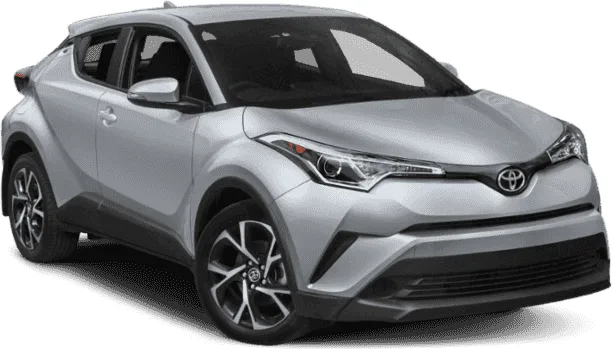
Toyota C-HR
Score: 80/100
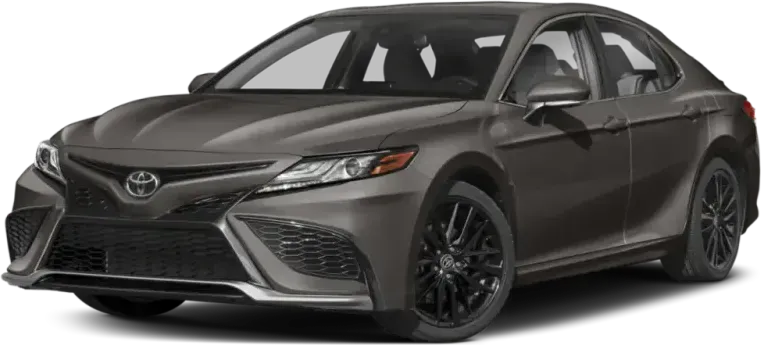
Toyota Camry
Score: 88/100
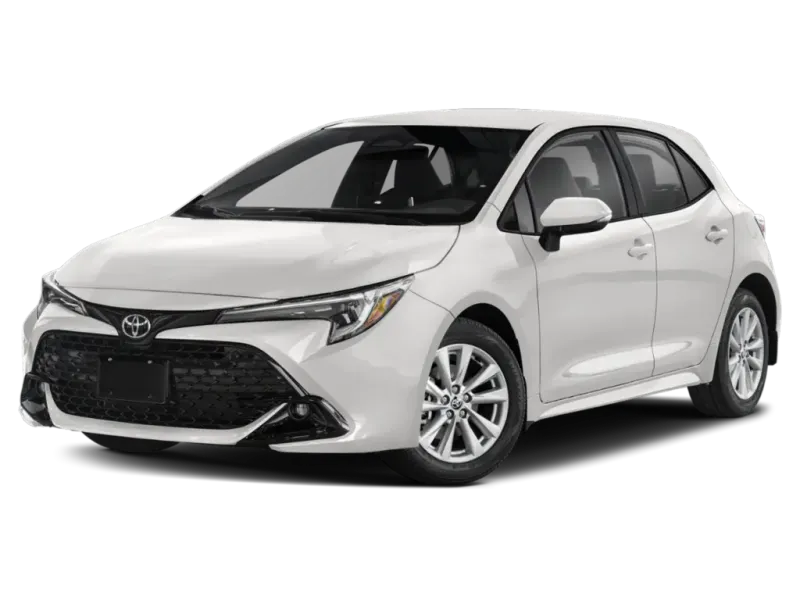
Toyota Corolla
Score: 94/100
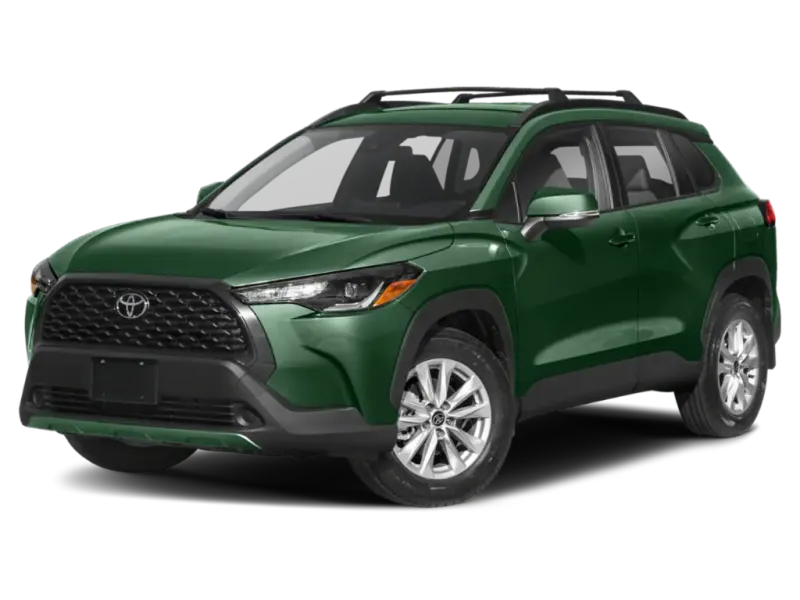
Toyota Corolla Cross
Score: 94/100
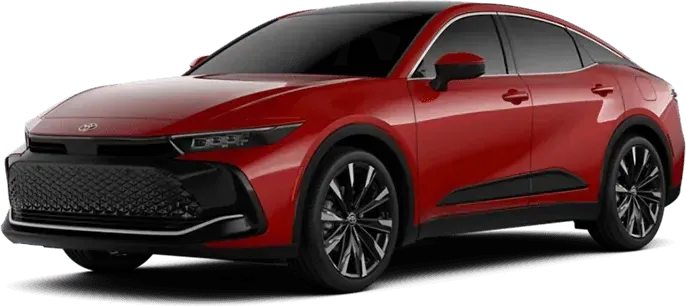
Toyota Crown
Score: 88/100
Browse More 2025 Vehicles
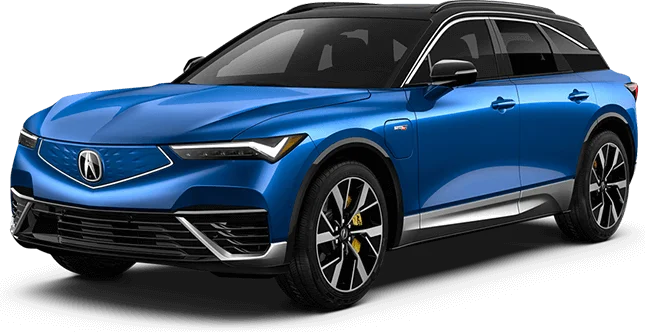
2025 Acura ZDX
Score: 88/100

2025 Honda HR-V
Score: 88/100
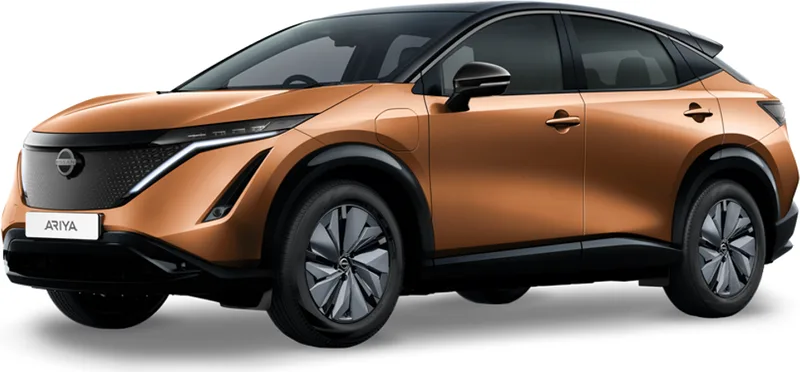
2025 Nissan Ariya
Score: 88/100
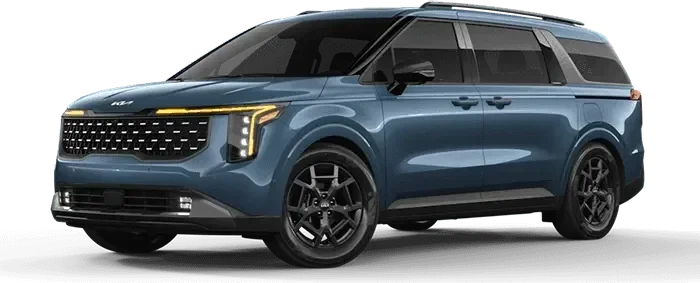
2025 KIA Carnival
Score: 88/100
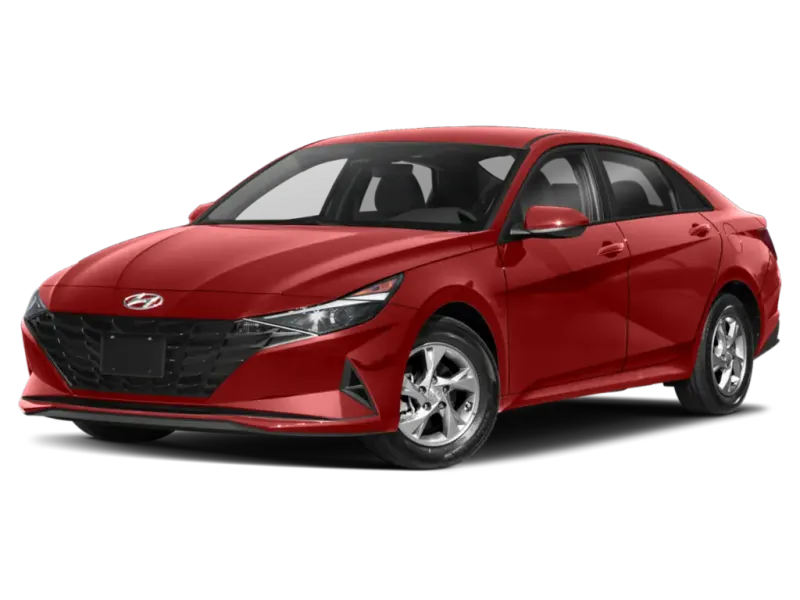
2025 Hyundai Elantra
Score: 87/100
2025 Toyota Corolla Cross
Score: 86/100
See incorrect data? Report an issue