Last updated: 2026-04-20
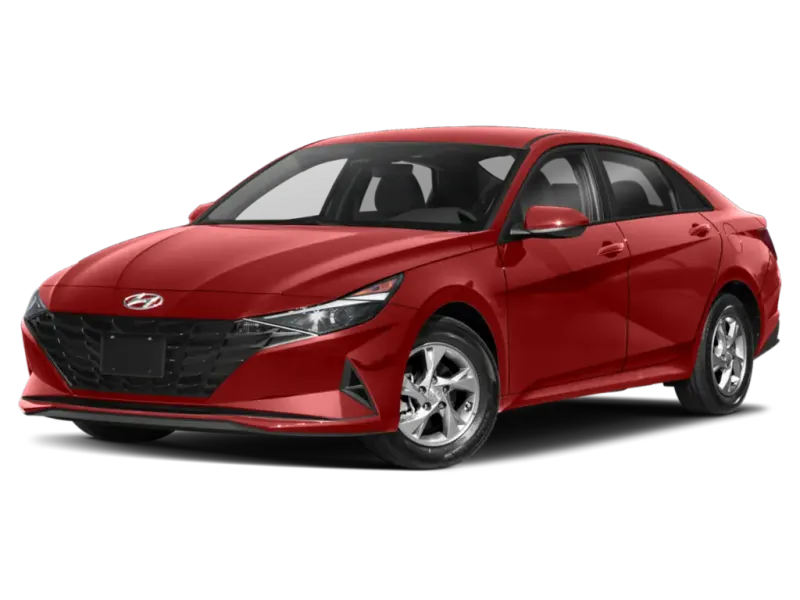
2025 Hyundai Elantra Reliability Report
The 2025 Hyundai Elantra scores 87/100 ("Excellent") with a complaint rate below the segment average. Data shows a dependable ownership experience across 0 recalls and 21 owner complaints.
Recalls
0
Complaints
21
Complaint Rate
1.5per 10,000 sold
Est. Repair Cost
$452
Annual Fuel Cost
$1,650–$3,000
Detailed Score Breakdown
Component-weighted complaints normalized by sales volume
Independent repair cost ratings
Recall count weighted by severity
Breadth of reported problem categories
The Verdict
Strong reliability record — a solid choice for buyers.
Top Issues to Watch
- LANE DEPARTURE (7)
- SERVICE BRAKES (2)
- AIR BAGS (1)
Should You Buy the 2025 Hyundai Elantra?
The 2025 Hyundai Elantra earns an Excellent 87/100 reliability score.
At 1.5 per 10,000 vehicles sold, its complaint rate sits below the Sedan segment average, and most owners report a trouble-free ownership experience.
A solid choice for buyers prioritizing dependability, new or used.
Compared to the 2026 Hyundai Elantra, which scored 7 points higher. See also the 2024 Hyundai Elantra for an earlier comparison.
Pros
- +Strong reliability score
- +$74 cheaper to maintain than avg compact cars
- +Infrequent unscheduled repairs
- +Low major repair risk (9%)
- +No recalls issued
Cons
- −UNKNOWN OR OTHER issues reported (7 complaints)
- −Steering and suspension vibration reported at 2,000–4,000 miles
Compare 2025 Hyundai Elantra With
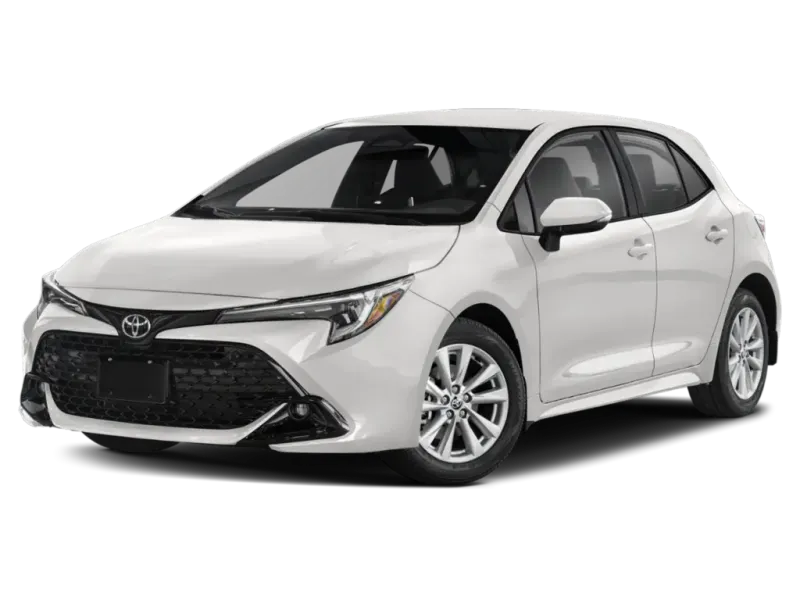
2025 Toyota Corolla
Reliability: 84/100
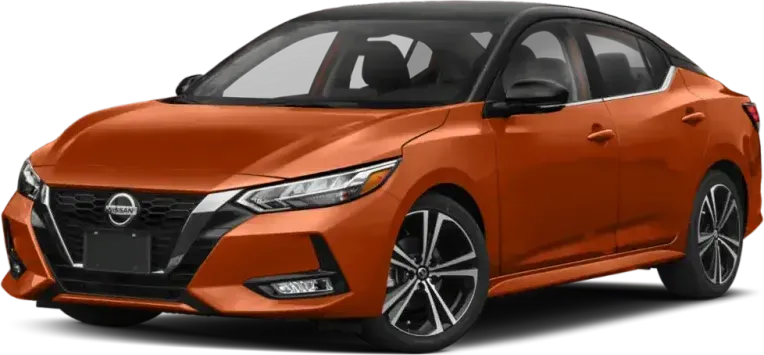
2025 Nissan Sentra
Reliability: 78/100
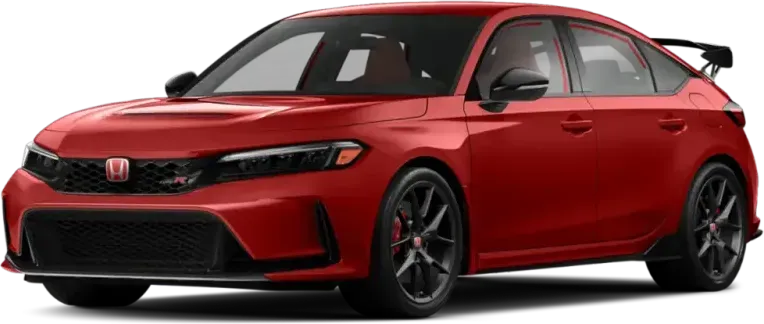
2025 Honda Civic
Reliability: 84/100
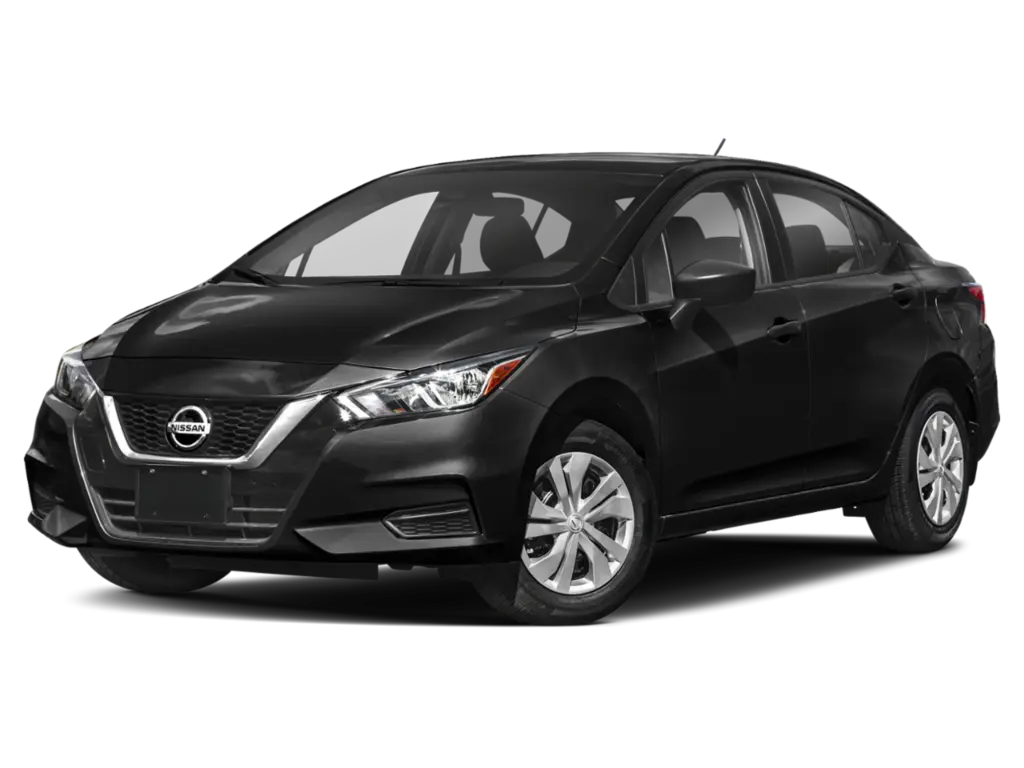
2025 Nissan Versa
Reliability: 81/100
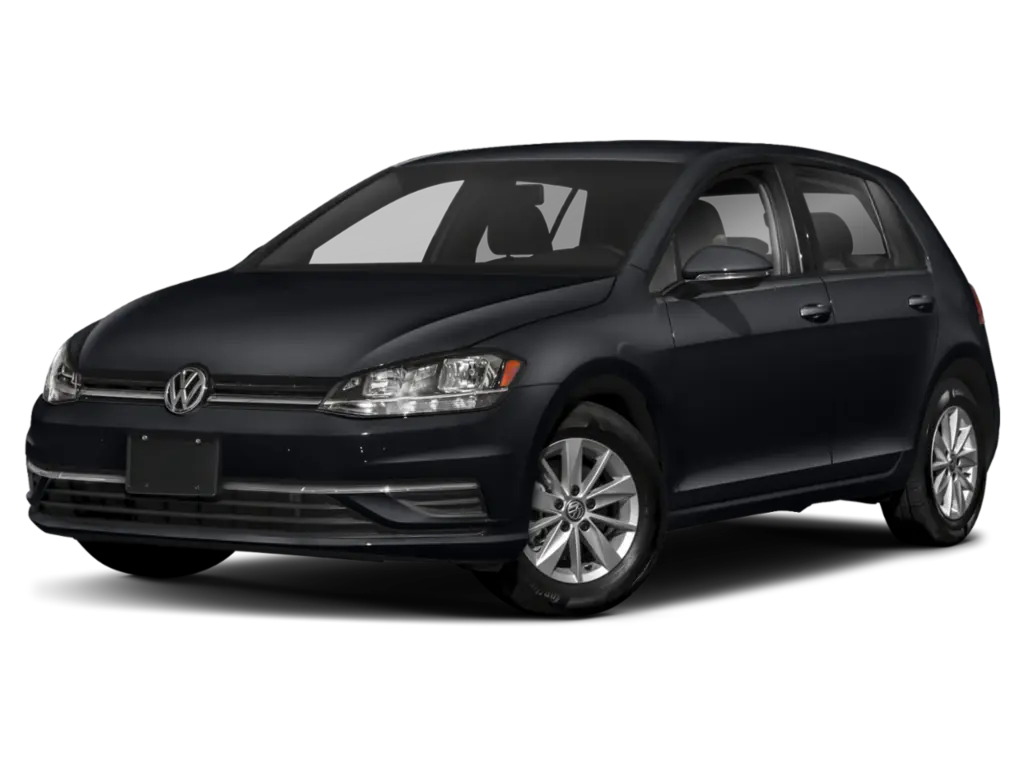
2025 Volkswagen Golf
Reliability: 81/100
Common Problem Categories
Other
HIGH RISK- UNKNOWN OR OTHER (7)
- LANE DEPARTURE (7)
Recall Overview
0
recalls on record
No recalls are on record for the 2025 Hyundai Elantra — uncommon, and a strong signal of manufacturing quality.
NHTSA.gov →Complaint Breakdown
1.5
per 10,000 soldSegment avg: 2
Safety Incidents
2
Crashes
0
Fires
4
Injuries
0
Deaths
NHTSA 5/5 Stars
Data sourced from NHTSA complaint filings and manufacturer recall notices. Complaint narratives are owner-reported.
Buying a used 2025 Hyundai Elantra? Check its history first
Every 2025 Hyundai Elantra has a different past. A VIN check reveals hidden accidents, title problems, odometer rollbacks, and open recalls that reliability scores can't show you.
- Accidents
- Open Recalls
- Title History
- Odometer Rollback
2025 Hyundai Elantra NHTSA Safety Ratings
Overall Safety Rating
Crash Test Results by Configuration (expand)
Gas Powertrain
Rollover risk: 10.1%
Safety Technologies
HEV Powertrain
Rollover risk: 10.1%
Safety Technologies
Hyundai ElantraRepair Costs & Maintenance
Maintenance Rating
4.5Maintenance rating: 4.5 out of 5Based on NHTSA complaint patterns, recall severity, and publicly available cost benchmarks.
Est. Annual Maintenance
$452
vs $526 avg for compact cars
vs $652 avg for all vehicles
Repair Frequency
0.3
unscheduled repair visits per year
Severe Repair Probability
9%
chance of a major repair
Annual Cost Comparison
Category-level averages derived from publicly available industry reports (AAA, CarMD). Model-level estimates produced by Auto Reliability Index.
Hyundai Elantra Resale Value
The Hyundai Elantra is estimated to retain about 72.6% of its original value after 5 years, based on observed used-car listings.
This benchmark covers the Hyundai Elantra model overall and is not specific to the 2025 model year.
- Value Retained
- 72.6%
- Depreciation
- 27.4%
- Listings Analyzed
- 720
after 5 years
over the same period
U.S. used-car listings
Listings observed in . Actual resale value varies by trim, mileage, condition, and location.
Explore Hyundai Elantra depreciation and resale value on CarResaleValue.comMPG & Annual Running Costs
Gas
23–36 MPG
Running cost: $2,100–$3,450/yr
Fuel + repair
20–32 city / 27–41 hwy MPG
Hybrid
50–54 MPG
Running cost: $1,550–$1,650/yr
Fuel + repair
49–51 city / 52–58 hwy MPG
Running cost includes EPA fuel-cost estimate and independent repair-cost data (repair cost estimated at model level). Excludes routine maintenance, depreciation, and insurance. Data as of 2025 EPA label cycle.
Gas trims
| Trim | Drive | Trans. | City | Hwy | Comb | Fuel Cost |
|---|---|---|---|---|---|---|
| Elantra 2.0L 4-cyl | Front-Wheel Drive | Automatic (AV-S1) | 32 | 41 | 36 | $1,650 |
| Elantra 2.0L 4-cyl | Front-Wheel Drive | Automatic (AV-S1) | 30 | 39 | 34 | $1,750 |
| Elantra 1.6L 4-cyl | Front-Wheel Drive | Automatic (AM-S7) | 28 | 35 | 31 | $1,950 |
| Elantra N 2.0L 4-cyl | Front-Wheel Drive | Manual 6-spd | 21 | 29 | 24 | $2,900 |
| Elantra N 2.0L 4-cyl | Front-Wheel Drive | Automatic (AM-S8) | 20 | 27 | 23 | $3,000 |
Hybrid trims
| Trim | Drive | Trans. | City | Hwy | Comb | Fuel Cost |
|---|---|---|---|---|---|---|
| Elantra Hybrid Blue 1.6L 4-cyl | Front-Wheel Drive | Automatic (AM-S6) | 51 | 58 | 54 | $1,100 |
| Elantra Hybrid 1.6L 4-cyl | Front-Wheel Drive | Automatic (AM-S6) | 49 | 52 | 50 | $1,200 |
Used Buying Checklist
Key things to inspect or verify before purchasing a 2025 Hyundai Elantra.
Test brakes at speeds over 35 mph for failure or grinding noises
Inspect sunroof for signs of stress or potential cracking
Check for airbag deployment readiness and any related recalls
Test Driver Attention Warning System for excessive alerts
Verify proper function of automatic braking and collision avoidance systems
2025 Hyundai Elantra Common Problems by Component
21 owner complaints grouped by vehicle system.
UNKNOWN OR OTHER
7 complaintsSafety-relatedOwners of the 2025 Hyundai Elantra frequently report issues with the Driver Attention Warning System, which is described as distracting and unable to be disabled. This system often triggers alerts suggesting breaks, especially during adverse weather, causing distraction while driving. Additionally, there are reports of sunroof glass shattering without impact, with one owner suggesting a possible material flaw. One incident involved a crash due to the car unexpectedly slowing down on the highway, resulting in two injuries. Another owner mentions a factory defect with the air conditioning system requiring a significant repair shortly after purchase. These complaints indicate potential safety implications and inconvenience for prospective buyers.
LANE DEPARTURE
7 complaintsOwners report that the 2025 Hyundai Elantra frequently issues a "consider taking a break" alert, which is described as excessively sensitive and distracting. Complaints consistently mention that this alert cannot be disabled and often activates without a clear reason, such as when driving through construction zones or during windy conditions. The alert's loud chime and visual notification divert attention from the road, with some owners noting it disrupts audio from CarPlay and GPS directions. No specific mileage range is indicated, but the safety implications include potential driver distraction, which could increase the risk of accidents. Buyers should be aware that this feature may impact the driving experience, especially on longer trips.
SERVICE BRAKES
2 complaintsSafety-relatedOwners of the 2025 Hyundai Elantra report significant issues with the service brakes, with multiple complaints describing brake failure at speeds over 35 mph and during low-speed maneuvers. Symptoms include a repetitive clicking noise, grinding, and a lack of braking response until the vehicle slows down considerably. One complaint details a crash at approximately 5 mph, resulting in injuries, when the brakes failed to engage, and the vehicle stalled and rolled back. These issues appear in vehicles with mileage as low as 4,000 miles. Safety implications are evident, as the inability to brake properly can lead to crashes and potential injuries.
AIR BAGS (1 complaints)
AIR BAGS
1 complaintDear NHTSA, I am writing to formally report a safety concern regarding my vehicle involved in a car accident on December 19, 2025. Details of the incident: Vehicle Make/Model/Year:Elantra SEL Sport 2025 Vehicle Identification Number (VIN): [XXX] Date of Accident: December 19, 2025 Location of Accident: Dec 16,2025. Silver Spring, MD the Takoma Park. City of Takoma Park Police 7500 Maple ave Takoma 20912 Nature of Accident: Rear-end collision; the back of my vehicle was pushed in. Airbags: Did not deploy during the collision. Injuries Sustained: Significant back injury requiring medical attention. Despite the collision, the vehicle’s airbags failed to deploy, which I believe is a safety defect. I am concerned that this poses a serious risk to myself and other passengers. I am requesting that NHTSA: Investigate the potential airbag defect in my vehicle. Determine if there are recalls, safety notices, or manufacturer defects associated with this make and model. Provide guidance on any additional actions I should take regarding safety and potential claims. Attachments: Photos of vehicle damage Accident report / police report XXX Medical documentation of injuries I appreciate your prompt attention to this matter. Please let me know if you require any additional information. Sincerely, INFORMATION REDACTED PURSUANT TO THE FREEDOM OF INFORMATION ACT (FOIA), 5 U.S.C. 552(B)(6)
STEERING (1 complaints)
STEERING
1 complaintExcessive vibration starting at 50 MPH. Its so bad that you hand becomes numb after one hour of driving. The vibration and shake gets so bad over 65 MPH that it becomes unless for a long trip. Vibration is happening on a 2025 Hyundai Elantra hybrid blue trim after 2,000 milles on a brand new vehicle purcahsed 2 months ago from Platinum Hyundai in Tracy, CA. Took it back to the same dealer twice for repairs. First they did wheel balance, and second time they did alignment. After both repair they said issue was fixed, but nothing changed, as it continues the same level of vibration over 50 MPH. Issue still presist and now Platinum Hyundai dealership in Tracy, CA says that is normal. If you are having same issue, please file complaints with NHTSA, so maybe they can do a recall on the vehicles. Hyundai Corporation of America is useless, as selling defective vehicles! THIS IS PERFECT EXAMPLE WHY I SHOULD HAVE BOUGHT AMERICAN QUALITY MADE VEHICLES, instead of JUNK FROM HYUNDAI!
SEATS (1 complaints)
SEATS
1 complaintComponent/System Involved: Driver-side rear seat back latch / locking mechanism. The rear seat back would not latch or lock in the upright position. The vehicle and seat are available for inspection upon request. Description of the Incident: During normal use of the vehicle, the driver-side rear seat back unexpectedly moved forward because it was not latched. At the time of the incident, we were not aware that the seat back would not latch or could not be secured in the upright position. The condition was discovered only after the incident occurred. Safety Risk: Because the driver-side rear seat back was not latched, the seat back or attached child seat moved forward and struck a child passenger seated in the rear. This created a serious risk of injury and represents a failure of a safety-related interior component. Confirmation / Reproduction: After the incident, attempts were made to secure the driver-side rear seat back. The seat could not be latched under any condition. A Hyundai dealership later inspected the vehicle, confirmed there was an issue, and ordered parts. A dealer representative stated on video that a component appeared to be missing. Inspections: The vehicle has been inspected by a Hyundai dealership. No collision occurred. The vehicle has not been modified. Warnings or Prior Symptoms: There were no warning lights, messages, or indicators. No prior warning or indication of the seat latch failure was known before the incident. Cause (Best Assessment): UNKNOWN. Based on post-incident inspection and dealer findings, the condition appears consistent with a defective, improperly installed, or missing rear seat latch component from the factory.
FORWARD COLLISION AVOIDANCE (1 complaints)
FORWARD COLLISION AVOIDANCE
1 complaintRE: 2025 HYUNDAI ELANTRA LIMITED AUTOMATIC BRAKE CONTROL On a recent road trip, the automatic brake system activated twice in a manner that could have put our lives at risk. The list below applies to both incidents: On a four lane interstate highway at approximately 70 mph. Wide, level median. Full daylight. Dry pavement. Unlimited visibility. Flat landscape. No objects in the median or anywhere abutting the lanes. No wind. No car for at least a mile ahead of us, none next to us. Brakes were suddenly applied by the “assist.” Brakes so violent we were pushed forward in our seatbelts. Second incident so violent and persistent I started to pull off to the side of the lane for fear of being struck from behind. In both incidents, the “assist” eventually quit. Had this happened with a semi behind us unable to slow down fast enough we could have been severely injured or killed. Apparently, the “assist” cannot be turned off for good. Since the above incidents, we did try to shut off the’”assist" but it was back in operation the next time we started the car. This situation needs to be addressed. The “assist” seemed to want to assist us into an early grave.
ENGINE (1 complaints)
ENGINE
1 complaintAfter my recent software update Elantra N I have had issues with my n buttons on my stearing wheel will random default to factory setting and I have to go back into the settings to reset how I have it set. I also have been having my exhaust valve randomly open and stick open it doesn’t respond to drive modes and stays wide open I look in exhaust and confirmed it is stuck open. When it’s stuck the car will not pop or anything. In ordered for me to fix it I have to pull over and plug in a obd2 scanner that I had to go out of my way to purchase. From there I have to put it in acssesory mode and do an active test on the valve which basically opens and closes it. There is no code on the scanner. And sometimes tha still won’t work I have taken it in to my local Hyundai dealer on multiple occasions and still have not had my issue resolved they ordered a spring it didn’t work I also had a new valve motor put on and still hasn’t fixed the issue. My dealer has said they cannot replicate it. It does it every drive. And had only started after the new update. As the car comes loud from factory when valves open I have been having to pull over and attempt to reset before going into my neighborhood as I have had neighbors complain of noise.
When Do 2025 Hyundai Elantra Problems Start?
Based on owner complaint patterns, here's when common issues tend to appear.
Best & Worst Hyundai Elantra Years
Comprehensive reliability analysis based on NHTSA data, owner complaints, and historical performance.
Best Hyundai Elantra Years to Buy
Based on reliability index scoreThe best Hyundai Elantra year is 2026 with a reliability score of 94/100, rated excellent. Other strong picks include 2025 (87/100) and 2024 (85/100).
2026
2025
(Current Model)
2024
Hyundai Elantra Years to Avoid
The worst Hyundai Elantra year is 2020 with a score of 72/100, primarily due to engine (65) issues. Also avoid 2022 (74/100).
Hyundai Elantra Reliability Score Trend
Hyundai Elantra reliability has improved in recent years, with newer models scoring an average of 83/100 compared to 75/100 for older years.
Scores 0–100. Higher is better. Current year highlighted.
| Year | Score | Rating |
|---|---|---|
| 2018 | 76/100 | Good |
| 2019 | 78/100 | Good |
| 2020 | 72/100 | Good |
| 2021 | 75/100 | Good |
| 2022 | 74/100 | Good |
| 2023 | 75/100 | Good |
| 2024 | 85/100 | Excellent |
| 2025 | 87/100 | Excellent |
| 2026 | 94/100 | Excellent |
Hyundai Elantra Reliability Compared to Other Years
2025 Hyundai Elantra Reliability by Powertrain
The 2025 Hyundai Elantra is available with 2powertrain options. Here's how they compare on reliability.
| Powertrain | Complaints | Recalls | Incidents* | Crash Rating |
|---|---|---|---|---|
| Gas | 20 | 0 | 2 | 5 out of 5 |
| HEV | 1 | 0 | 0 | 5 out of 5 |
| Total | 21 | 0 | 2 |
NHTSA tracks complaints by vehicle configuration when that detail is available. Model-level reports that do not identify a specific powertrain are included in Total but not assigned to a row. A plus sign indicates a confirmed minimum; — means no complaints could be attributed to that specific powertrain. N/T = Not tested by NHTSA.
* Incidents = crash + fire reports. A single complaint can include multiple incident types.
Frequently Asked Questions
Is the 2025 Hyundai Elantra reliable?
What are the most common problems with the 2025 Hyundai Elantra?
How many recalls does the 2025 Hyundai Elantra have?
Is the 2025 Hyundai Elantra expensive to maintain?
Don’t buy a 2025 Hyundai Elantra without checking its VIN first — hidden accidents, title issues, and open recalls could cost you thousands.
How We Calculate Reliability Scores
Auto Reliability Index scores are calculated on a 0–100 scale using a weighted formula that combines multiple public data sources. Each factor is weighted based on its predictive value for real-world ownership experience.
Key Ranking Factors
Complaint Severity
NHTSA owner complaints weighted by component category (e.g., powertrain, safety systems, electronics, cosmetic) — safety-critical issues carry more weight than cosmetic ones. Adjusted for sales volume so high-volume models aren't unfairly penalized.
Repair Costs
Independent reliability ratings based on repair frequency, average repair costs, and severity of typical repairs for each model.
Recall Impact
Number of NHTSA recalls weighted by severity. “Stop driving” and fire-risk recalls are penalized more heavily than minor software or labeling recalls.
Issue Diversity
Measures how many major vehicle systems (engine, transmission, electrical, braking, etc.) have recorded complaints. A vehicle with issues spread across many systems may indicate systemic quality issues.
Scores are grouped into four tiers:
- 80–100: Excellent— Top-tier reliability, minimal issues
- 60–79: Good— Reliable with some minor concerns
- 40–59: Mixed— Notable issues, research before buying
- 0–39: Risky— Significant problems, proceed with caution
Data is sourced from NHTSA recall records, owner complaint filings, and independent repair databases via vehicles.dev. Scores are recalculated as new data becomes available. While the weighting model is proprietary, all underlying data sources are public and traceable.
Get notified when new recalls or reliability data is added for the Hyundai Elantra.
No spam. Only data updates for this model.
Browse More Hyundai Models
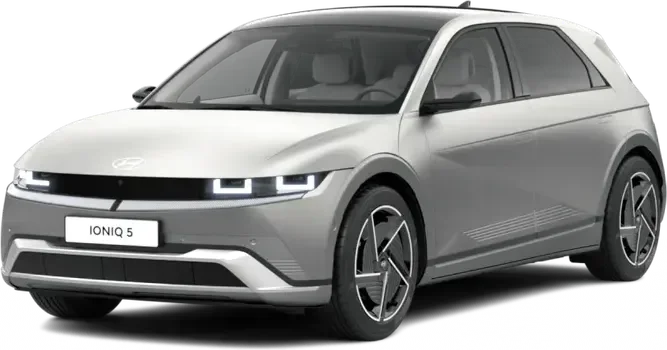
Hyundai Ioniq 5
Score: 63/100
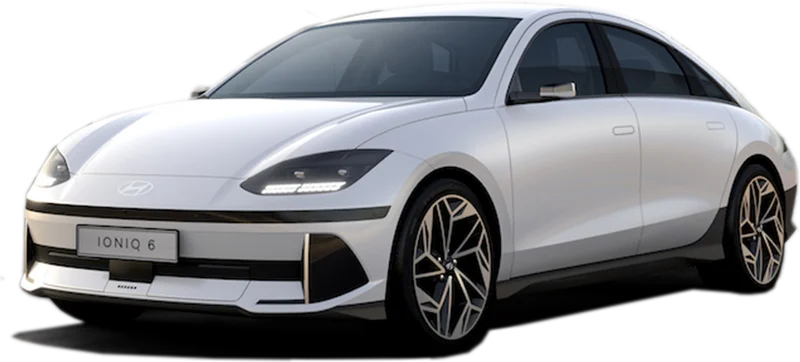
Hyundai Ioniq 6
Score: 82/100
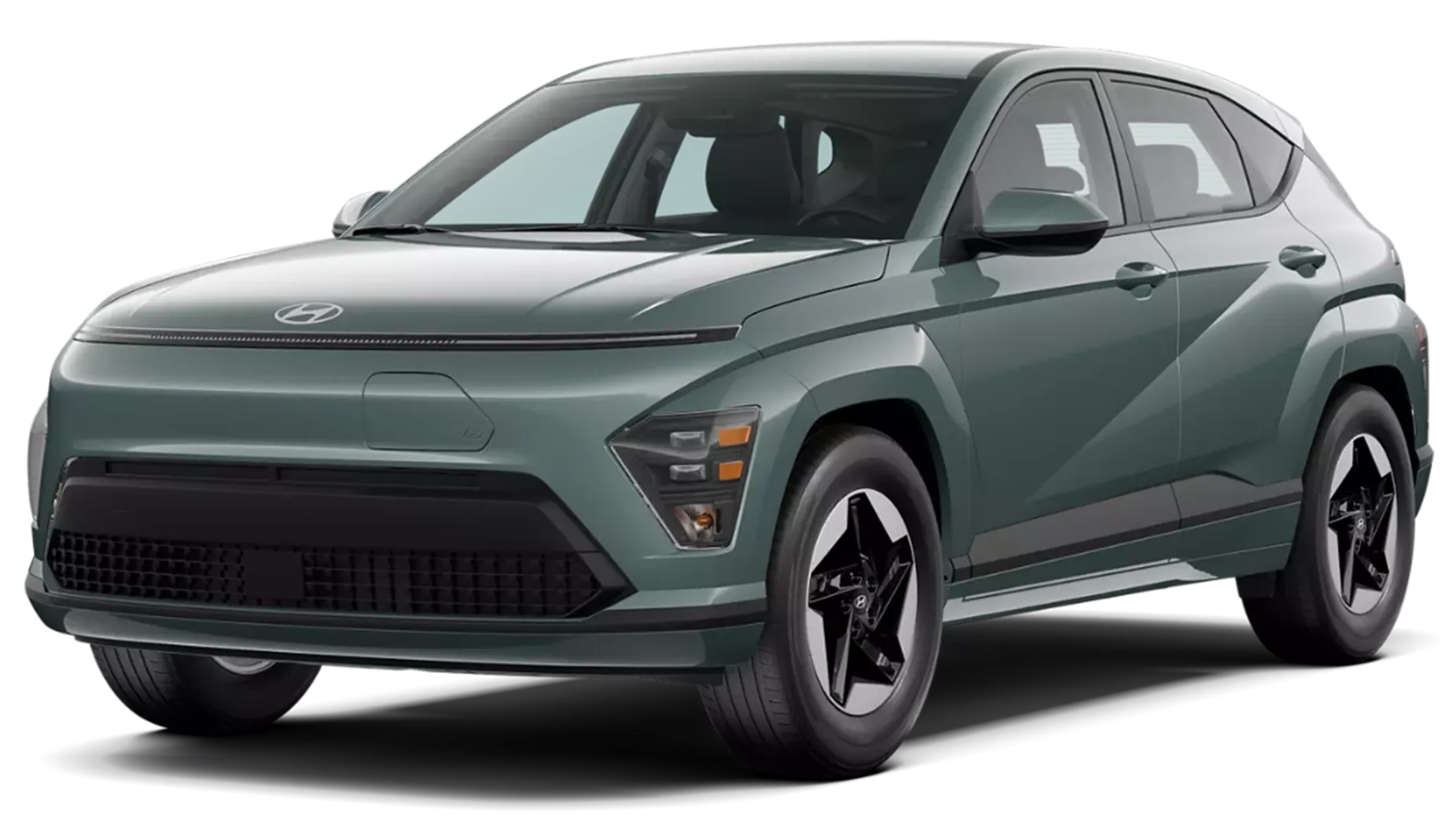
Hyundai Kona
Score: 67/100

Hyundai Palisade
Score: 72/100
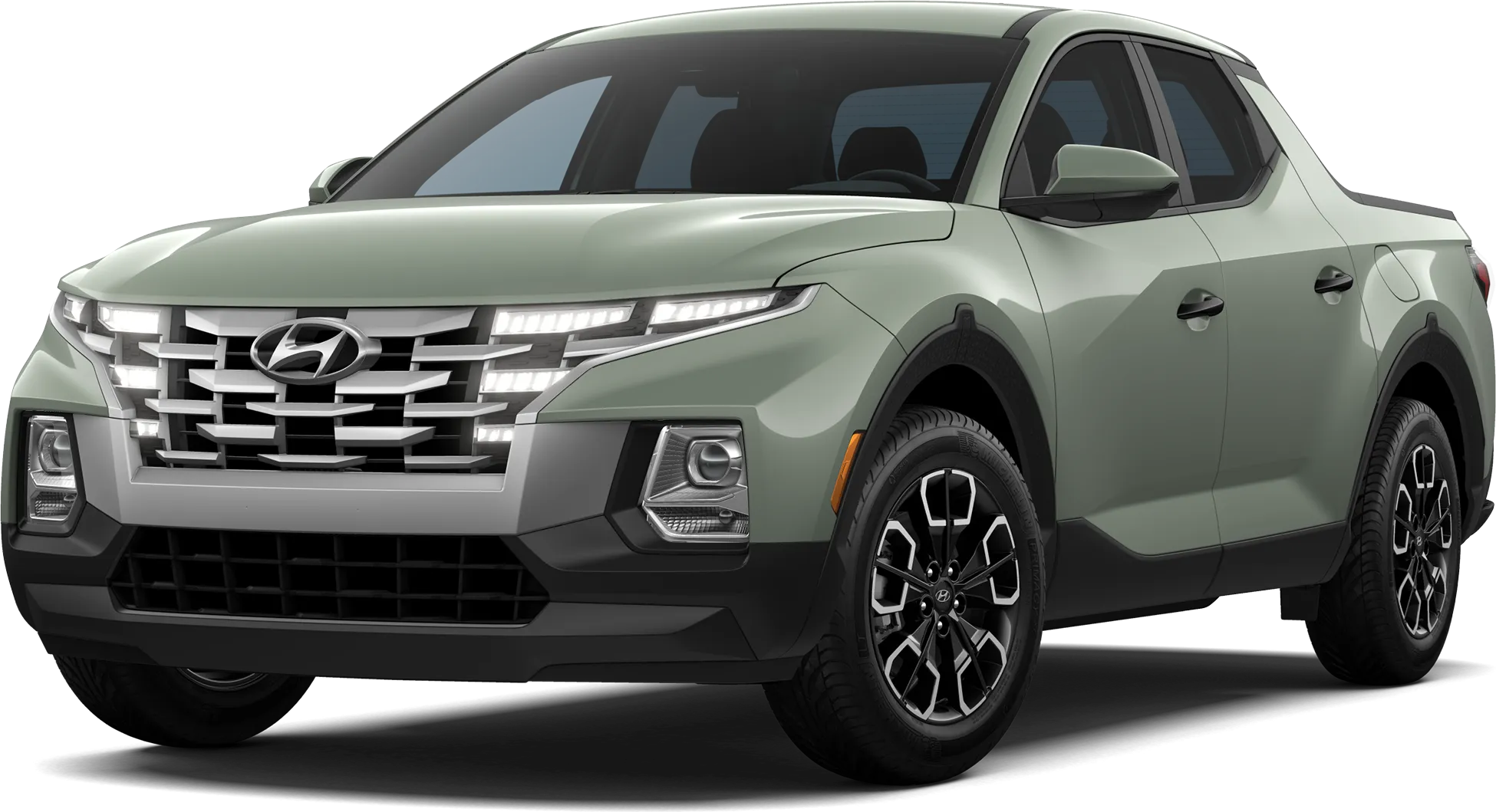
Hyundai Santa-Cruz
Score: 74/100
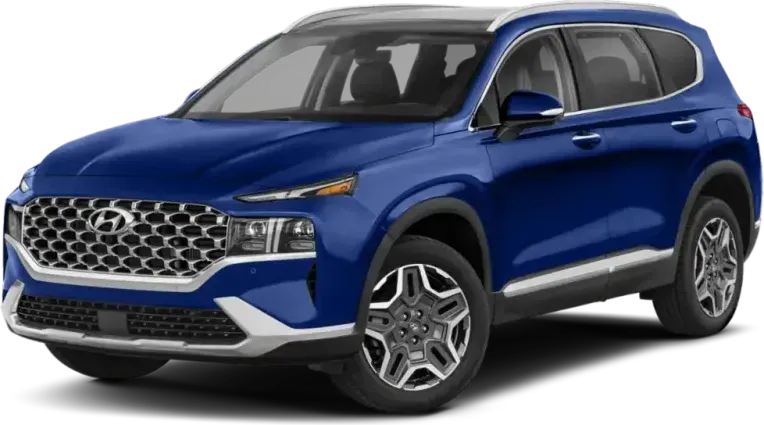
Hyundai Santa-FE
Score: 75/100
Browse More 2025 Vehicles

2025 KIA Carnival
Score: 88/100
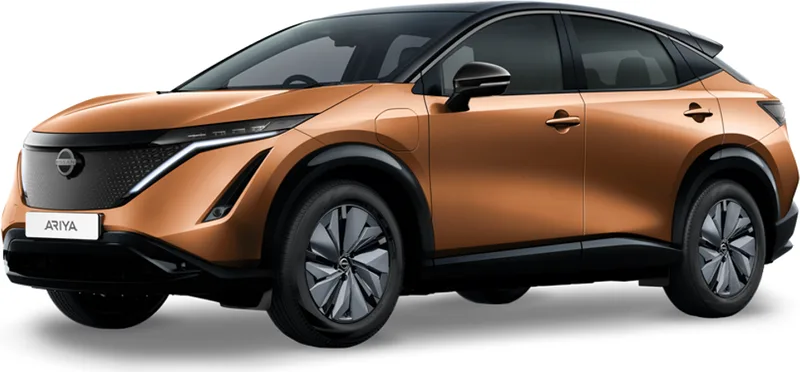
2025 Nissan Ariya
Score: 88/100
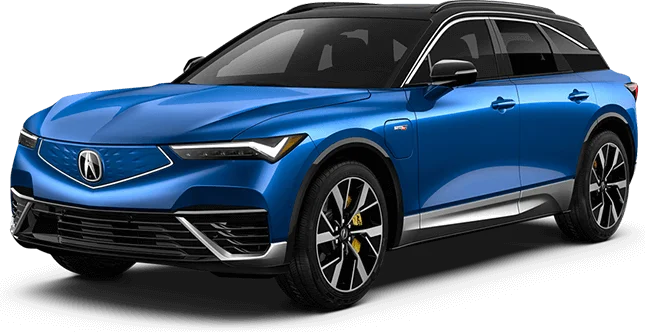
2025 Acura ZDX
Score: 88/100
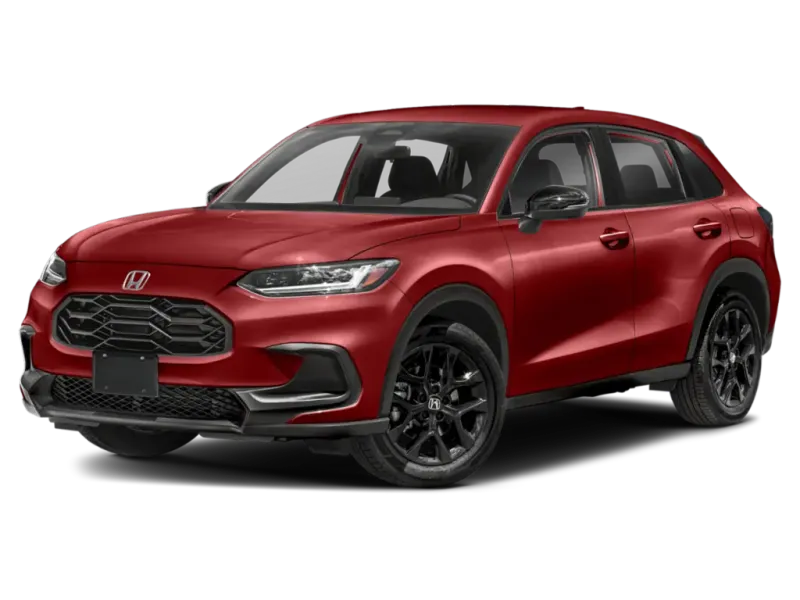
2025 Honda HR-V
Score: 88/100
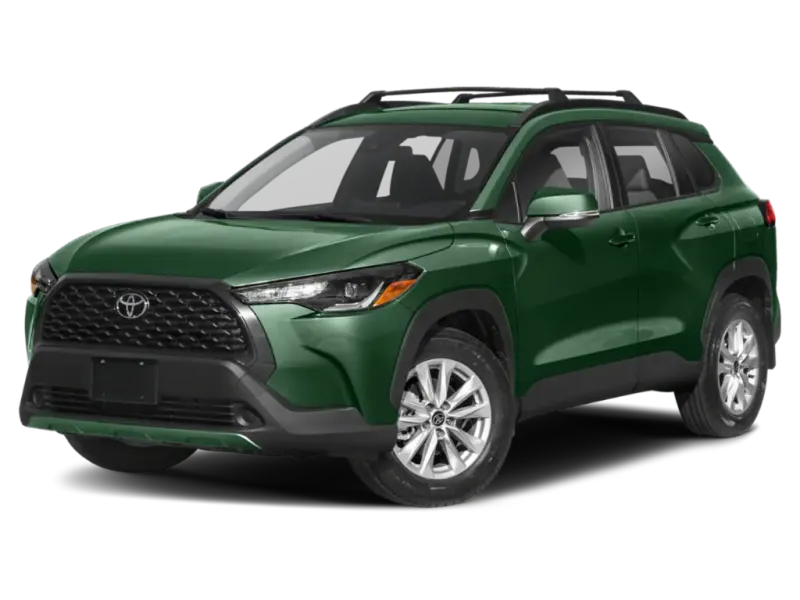
2025 Toyota Corolla Cross
Score: 86/100
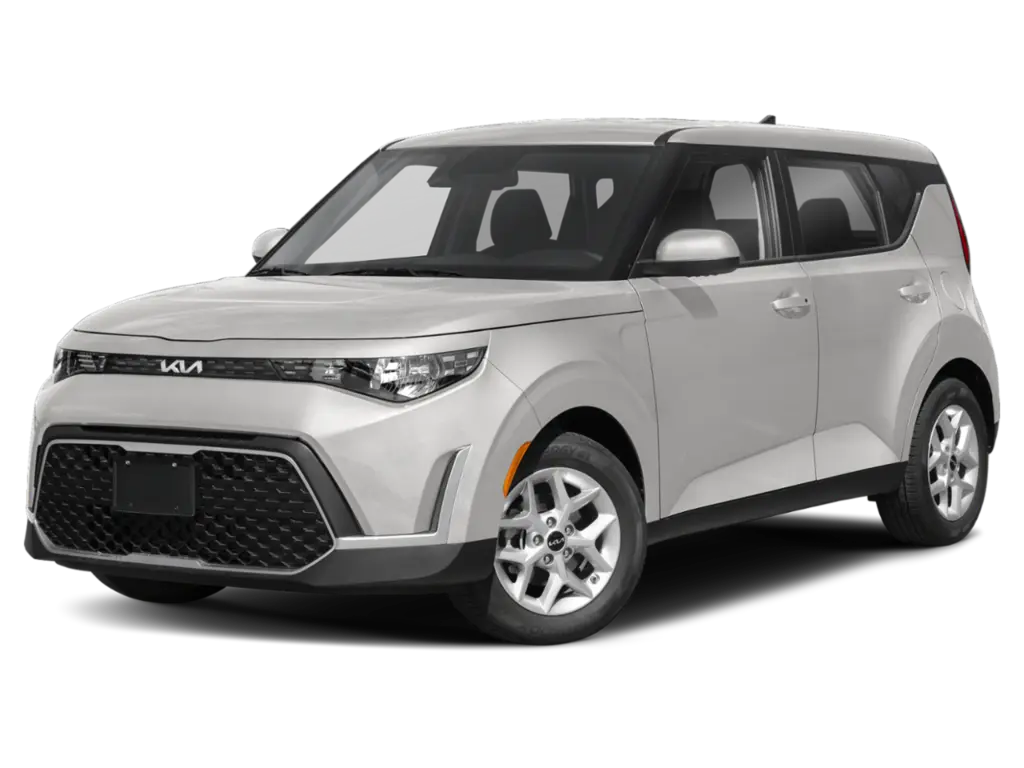
2025 KIA Soul
Score: 85/100
See incorrect data? Report an issue