Last updated: 2026-10-10
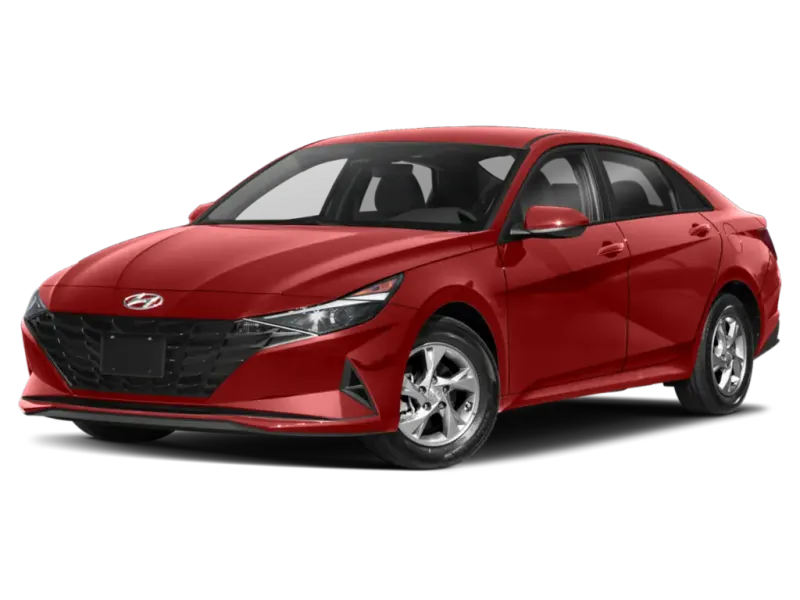
2020 Hyundai Elantra Reliability Report
The 2020 Hyundai Elantra has good reliability, but engine oil burning and early transmission failures make it the weakest of nine scored years.
Recalls
3
Complaints
212
Complaint Rate
20.1per 10,000 sold
Est. Repair Cost
$452
Annual Fuel Cost
$1,650–$2,300
Detailed Score Breakdown
Component-weighted complaints normalized by sales volume
Independent repair cost ratings
Recall count weighted by severity
Breadth of reported problem categories
The Verdict
Weakest of the nine scored years, with engine oil burning and early transmission failures behind most of its 212 owner complaints.
Top Issues to Watch
- ENGINE (68)
- POWER TRAIN (40)
- EXTERIOR LIGHTING (20)
Generation & Refresh (US)
2020 is the last model year of the Sixth generation (AD).
- Final-year models are typically the most refined version of a generation.
- 1 year after the last refresh (2019).
- 6th generation Elantra (US).
What this means for buyers
Final-year models are usually the most polished version of a generation, but resale value may dip as buyers anticipate the next redesign.
2017: Sixth generation (AD) Launch
Generation start — new platform.
2019: Mid-Cycle Refresh
Updated features and styling tweaks.
2020: This Model Year
2020 is the last model year of the Sixth generation (AD).
Should You Buy the 2020 Hyundai Elantra?
Good, but with caveats. This is the weakest of the nine scored Elantra years, though it still rates above average against other 2020 sedans. Both the 2019 and 2021 rate better. Independent repair-cost data puts yearly repairs at $452, under the $526 class figure, and the federal crash-test rating is 4 of 5 stars.
Engine and transmission trouble drive the complaints. Owners describe oil burning with no visible leak, often starting between 20,000 and 27,000 miles. Ticking, power loss, stalling, and seizure can follow, with catastrophic failures reported from 41,000 to 73,000 miles. Some transmissions stop delivering power at just 2,200 to 8,000 miles. Federal recall records show three recalls, covering the engine, wheels, and suspension. Owners also report dealers refusing some engine and transmission repairs.
Ask for full engine and transmission repair records, and have a dealer confirm with the VIN that every recall repair was finished. Listen for steering column noise on a test drive and check that the high beams work. The 2019 has fewer complaints and one recall, so it is worth comparing.
Compared to the 2021 Hyundai Elantra, which scored 3 points higher. See also the 2019 Hyundai Elantra for an earlier comparison.
Pros
- +Acceptable reliability score
- +$74 cheaper to maintain than avg compact cars
- +Infrequent unscheduled repairs
- +Low major repair risk (9%)
Cons
- −Moderate recall count
- −ENGINE: Oil burning is the core pattern, often starting between 20,000 and 27,000 miles... (68 complaints)
- −POWER TRAIN: Transmission suddenly stops delivering power (40 complaints)
Compare 2020 Hyundai Elantra With
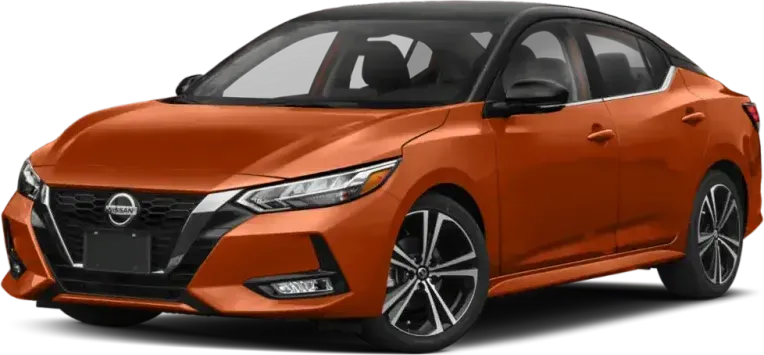
2020 Nissan Sentra
Reliability: 71/100
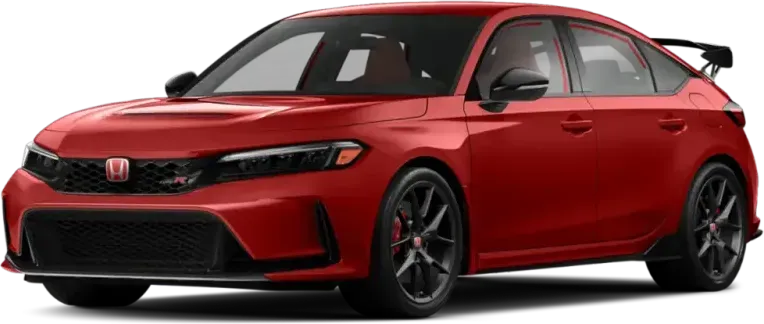
2020 Honda Civic
Reliability: 78/100
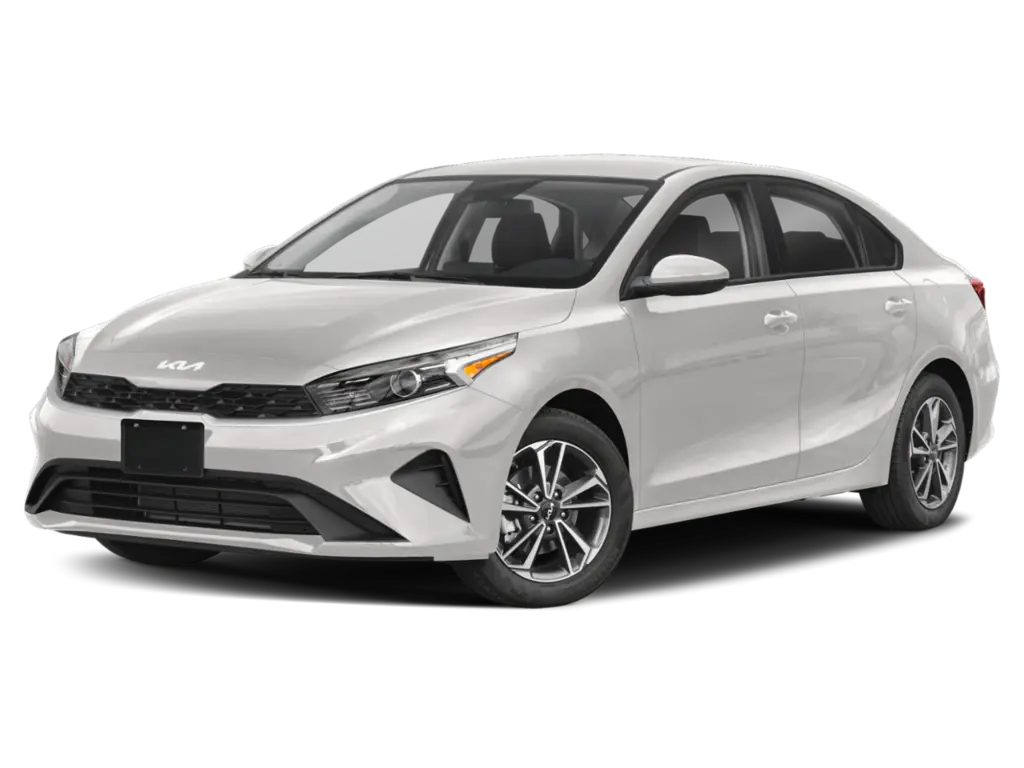
2020 Kia Forte
Reliability: 76/100
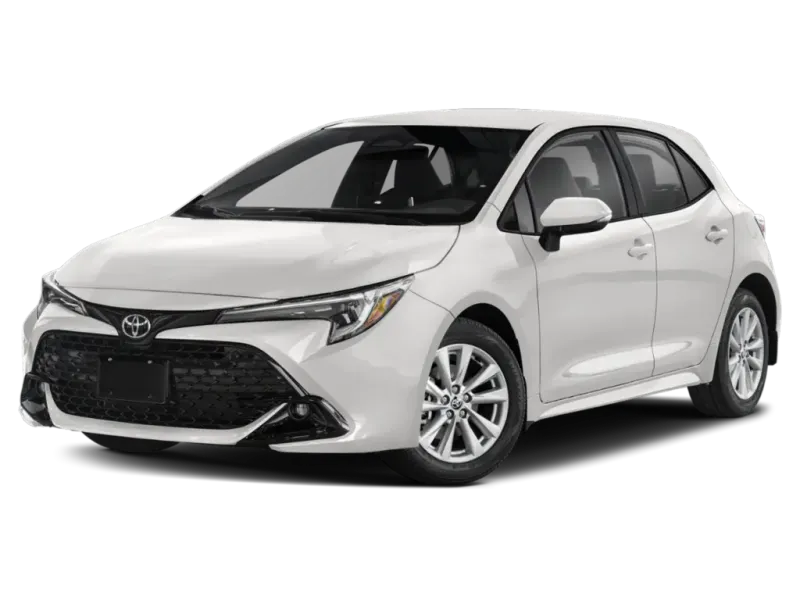
2020 Toyota Corolla
Reliability: 74/100
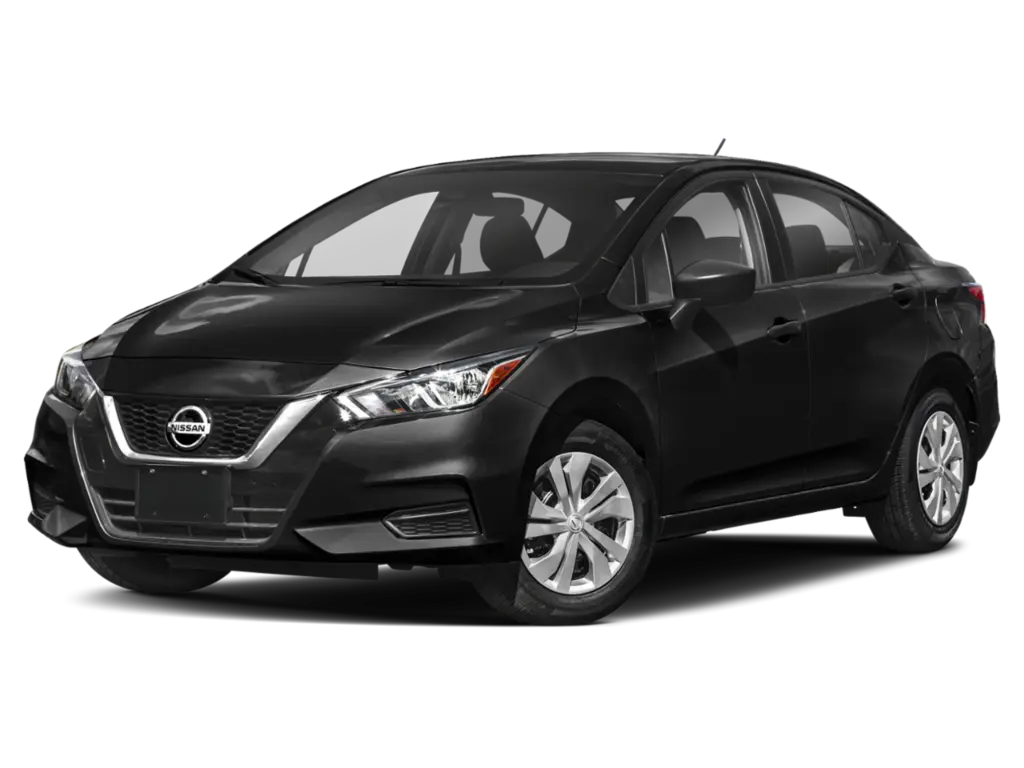
2020 Nissan Versa
Reliability: 74/100
Common Problem Categories
Safety
LOW RISK- 3 manufacturer recalls issued
Other
HIGH RISK- ENGINE (68)
- POWER TRAIN (40)
Recall Overview
3
recalls on record
A moderate 3 recalls are on file for the 2020 Hyundai Elantra. Each one points to a specific safety or compliance issue identified by the manufacturer or NHTSA — check the list below before buying.
NHTSA.gov →Complaint Breakdown
20.1
per 10,000 soldSegment avg: 17.9
Safety Incidents
19
Crashes
6
Fires
15
Injuries
2
Deaths
NHTSA 4/5 Stars
Data sourced from NHTSA complaint filings and manufacturer recall notices. Complaint narratives are owner-reported.
2020 Hyundai Elantra Recall Details
3 recalls have been issued for the 2020 Hyundai Elantra. All recall repairs are performed free of charge at authorized dealerships.
ENGINE
Hyundai Motor America (Hyundai) is recalling certain 2019-2020 Elantra, 2019-2021 Kona and Veloster vehicles equipped with 2.0L Nu MPI engines. The piston oil rings may not have been properly heat-treated, which could result in engine damage.
Consequence
A damaged engine may stall, increasing the risk of a crash. In addition, oil may leak onto hot exhaust components, increasing the risk of a fire.
Remedy
Dealers will inspect and, if necessary, replace the engine, free of charge. In addition, Hyundai will deploy Piston Ring Noise Sensing System (PNSS) software. Owner notification letters were mailed August 24, 2021. Owners may contact Hyundai customer service at 1-855-371-9460.
WHEELS
Hyundai Motor America (Hyundai) is recalling certain 2019 Ioniq Hybrid and 2020 Elantra vehicles. The right-side rear wheel lug nuts may have been insufficiently tightened, allowing the wheel to detach from the vehicle.
Consequence
A wheel detaching from the vehicle increases the risk of a crash.
Remedy
Hyundai will notify owners, and dealers will inspect and, if necessary, tighten the lug nuts, free of charge. The recall began November 15, 2019. Owners may contact Hyundai customer service at 1-800-251-0871. Hyundai's number for this recall is 184.
SUSPENSION
Hyundai Motor America (Hyundai) is recalling certain 2020 Elantra vehicles. The lower control arm ball joint fasteners may have been insufficiently tightened allowing the ball joint to detach from the lower control arm.
Consequence
A detached ball joint can cause a loss of vehicle control, increasing the risk of a crash.
Remedy
Hyundai will notify owners, and dealers will inspect and, as necessary, tighten the ball joint fasteners, free of charge. The recall began November 20, 2019. Owners may contact Hyundai customer service at 1-855-371-9460. Hyundai's number for this recall is 185.
Buying a used 2020 Hyundai Elantra? Check its history first
Engine problems lead owner complaints about the 2020 Hyundai Elantra, and 3 recalls were issued for it. A VIN check shows whether this car's recall work was done, plus accident, title, and odometer history.
- Accidents
- Open Recalls
- Title History
- Odometer Rollback
2020 Hyundai Elantra NHTSA Safety Ratings
Overall Safety Rating
Crash Test Results by Configuration (expand)
Gas Powertrain
Rollover risk: 10.7%
Safety Technologies
Hyundai ElantraRepair Costs & Maintenance
Maintenance Rating
4.5Maintenance rating: 4.5 out of 5Based on NHTSA complaint patterns, recall severity, and publicly available cost benchmarks.
Est. Annual Maintenance
$452
vs $526 avg for compact cars
vs $652 avg for all vehicles
Repair Frequency
0.3
unscheduled repair visits per year
Severe Repair Probability
9%
chance of a major repair
Annual Cost Comparison
Category-level averages derived from publicly available industry reports (AAA, CarMD). Model-level estimates produced by Auto Reliability Index.
Hyundai Elantra Resale Value
The Hyundai Elantra is estimated to retain about 72.6% of its original value after 5 years, based on observed used-car listings.
This benchmark covers the Hyundai Elantra model overall and is not specific to the 2020 model year.
- Value Retained
- 72.6%
- Depreciation
- 27.4%
- Listings Analyzed
- 720
after 5 years
over the same period
U.S. used-car listings
Listings observed in . Actual resale value varies by trim, mileage, condition, and location.
Explore Hyundai Elantra depreciation and resale value on CarResaleValue.comMPG & Annual Running Costs
Gas
26–36 MPG
Running cost: $2,100–$2,750/yr
Fuel + repair
23–33 city / 30–41 hwy MPG
Running cost includes EPA fuel-cost estimate and independent repair-cost data (repair cost estimated at model level). Excludes routine maintenance, depreciation, and insurance. Data as of 2020 EPA label cycle.
Gas trims
| Trim | Drive | Trans. | City | Hwy | Comb | Fuel Cost |
|---|---|---|---|---|---|---|
| Elantra 1.4L 4-cyl | Front-Wheel Drive | Automatic (AM7) | 33 | 41 | 36 | $1,650 |
| Elantra SE 2.0L 4-cyl | Front-Wheel Drive | Automatic (variable gear ratios) | 31 | 41 | 35 | $1,700 |
| Elantra 2.0L 4-cyl | Front-Wheel Drive | Automatic (variable gear ratios) | 30 | 40 | 34 | $1,750 |
| Elantra 2.0L 4-cyl | Front-Wheel Drive | Manual 6-spd | 26 | 37 | 30 | $2,000 |
| Elantra 1.6L 4-cyl | Front-Wheel Drive | Automatic (AM7) | 26 | 33 | 29 | $2,050 |
| Elantra GT 1.6L 4-cyl | Front-Wheel Drive | Automatic (AM-S7) | 25 | 32 | 28 | $2,150 |
| Elantra GT 2.0L 4-cyl | Front-Wheel Drive | Automatic (S6) | 25 | 32 | 27 | $2,200 |
| Elantra GT 1.6L 4-cyl | Front-Wheel Drive | Manual 6-spd | 23 | 30 | 26 | $2,300 |
Used Buying Checklist
Key things to inspect or verify before purchasing a 2020 Hyundai Elantra.
Run the VIN for open recalls, including engine recall 21V301 and transmission recall 22-01-030H, and get proof of completed repairs.
Pull the dipstick and ask for oil-change records; a low or very dark level points to oil burning.
Listen at cold start and idle for ticking or knocking from the engine.
Accelerate hard from a stop and on the highway; walk away if engine speed climbs without the car speeding up.
Turn the wheel fully left and right at low speed and listen for grinding or rubbing from the column.
Switch the high beams on and off several times and confirm they engage fully without flickering.
Drive at 30 to 75 mph, including toward low sun, and watch for false automatic braking.
Confirm the anti-theft software update was installed and inspect the steering column cover for tampering.
2020 Hyundai Elantra Common Problems by Component
212 owner complaints grouped by vehicle system.
ENGINE
68 complaintsSafety-relatedOil burning is the core pattern, often starting between 20,000 and 27,000 miles with no visible leak. Ticking or knocking follows, then loss of power, limp mode, stalling, or outright seizure with metal in the oil pan. Some engines fail with no oil or check engine light. Two reports involve fire and one describes sudden acceleration into a tree. Many complaints cite engine recall 21V301 but describe dealers refusing coverage over claimed abuse, a branded title, an Alabama build, or a long wait for parts.
POWER TRAIN
40 complaintsThe transmission suddenly stops delivering power. Engine speed climbs while the car crawls at 10 to 20 mph, sticks in one gear, or will not shift out of first. Other reports describe jerking, slipping, a forward lunge at highway speed, and metal shavings in the fluid. Many failures arrive very early, from about 2,200 to 8,000 miles, and some cars go through more than one replacement. Drivers describe near rear-end collisions while merging or pulling into traffic. Dealers sometimes perform only the software portion of recall 22-01-030H and decline the transmission replacement.
EXTERIOR LIGHTING
20 complaintsHigh beams stop working, usually because a shutter inside the headlamp housing sticks. Some cars lose both low and high beams at once, and owners mention melted sockets and wiring. Daytime running lights also fail repeatedly. Replacement assemblies sometimes fail the same way. A full housing replacement is the fix, and owners call it expensive. Many reports cite bulletin 20-BE-004H or Service Campaign T5G, then describe dealers saying the VIN is not covered. Parts shortages also leave some cars waiting for repair.
STEERING (18 complaints)
STEERING
18 complaintsSafety-relatedThe most common symptom is a grinding, rubbing, or whirring noise from the steering column, mostly at low speed. Shops trace it to the worm shaft, and owners report the repair is not covered for every VIN. More serious reports describe the car pulling sharply left or right, the wheel not turning in a corner, or assist abruptly switching between stiff and loose at 40 to 70 mph. Lane keeping assist is also said to jerk the wheel back and forth. These reports include five crashes, one fire, and two injuries.
ELECTRICAL SYSTEM (16 complaints)
ELECTRICAL SYSTEM
16 complaintsSafety-relatedHigh beams that flicker or strobe instead of staying on are the most repeated problem, and some owners say the VIN shows no open recall. One report describes a fire in the passenger headlight assembly while parked. Other complaints cover backup cameras that go blank or flicker, repeated headlight bulb failures, and no-start problems traced to the starter or a loose starter cable. A few describe random stalling with rising engine speed. Separate reports cover forward collision and lane camera failure, and theft.
UNKNOWN OR OTHER (14 complaints)
UNKNOWN OR OTHER
14 complaintsSafety-relatedTheft and break-ins are the most common topic here. Thieves tear open the steering column, and one owner says the anti-theft software update did not prevent the car from being stolen. Other reports repeat problems seen elsewhere: transmission failure with engine speed racing near redline, engine seizure, and stalling on the highway. Additional complaints describe a timing belt snapping twice around 25,000 miles, lane keeping assist failing as the wheel locked up, and a sunroof stuck open. Three crashes, one fire, and four injuries are reported.
SERVICE BRAKES (9 complaints)
SERVICE BRAKES
9 complaintsSafety-relatedPhantom braking is the clearest pattern. The car brakes hard with nothing ahead, and following drivers nearly hit it. Other reports describe a brake pedal that becomes very hard to push, grinding when stopping around 26,000 miles, and wheels locking during light braking in rain, which led to a skid into a curb. One complaint says the forward collision system gave no warning before a crash. Three crashes and two injuries appear in these reports. Dealers often cannot find a fault.
FORWARD COLLISION AVOIDANCE (4 complaints)
FORWARD COLLISION AVOIDANCE
4 complaintsSafety-relatedFalse activations are the main complaint. The system brakes or cuts throttle with no hazard present. Low morning sun is one reported trigger at highway speeds. Cutting the throttle can leave the car stalled mid-turn in an intersection or a parking lot entrance. One report describes the opposite problem, no warning before hitting an object in the road, which ended in a crash. Dealers tend to say the system is working as designed or is simply very sensitive.
AIR BAGS (3 complaints)
AIR BAGS
3 complaintsSafety-relatedFailure to deploy in serious crashes is the pattern. One report describes a driver-side T-bone collision where no bag fired, and another a frontal impact with a tree where neither front bag deployed. A third describes a driver bag that only partly inflated while heavy dark smoke poured from the steering column. All three complaints involve crashes, with four people injured, including concussions and a forearm fracture. The count is small, but each report pairs a crash with injuries.
SUSPENSION (2 complaints)
SUSPENSION
2 complaintsSafety-relatedOnly one usable report exists, and it is serious. While the car was cornering at low speed uphill, the driver heard a snap, traction control activated, and the car went out of control and hit a telephone pole. The driver was injured, and no warning light came on beforehand. The second complaint in this category contains no details. Two reports are too few to show a pattern, but this one describes a sudden loss of control.
When Do 2020 Hyundai Elantra Problems Start?
Based on owner complaint patterns, here's when common issues tend to appear.
Best & Worst Hyundai Elantra Years
Best Hyundai Elantra Years to Buy
Based on reliability index scoreHyundai Elantra Years to Avoid
2020
(Current Model)
2022
Hyundai Elantra Reliability Score Trend
Scores 0–100. Higher is better. Current year highlighted.
| Year | Score | Rating |
|---|---|---|
| 2018 | 76/100 | Good |
| 2019 | 78/100 | Good |
| 2020 | 72/100 | Good |
| 2021 | 75/100 | Good |
| 2022 | 74/100 | Good |
| 2023 | 75/100 | Good |
| 2024 | 85/100 | Excellent |
| 2025 | 87/100 | Excellent |
| 2026 | 94/100 | Excellent |
Hyundai Elantra Reliability Compared to Other Years
Frequently Asked Questions
Is the 2020 Hyundai Elantra reliable?
What are the most common problems with the 2020 Hyundai Elantra?
Does the 2020 Hyundai Elantra have engine problems?
Does the 2020 Hyundai Elantra have transmission problems?
Is the 2019 or 2020 Hyundai Elantra better?
Don’t buy a 2020 Hyundai Elantra without checking its VIN first — hidden accidents, title issues, and open recalls could cost you thousands.
How we score the 2020 Hyundai Elantra
Of the four inputs behind this score, the 2020 Hyundai Elantra does best on repair costs (90/100) and worst on complaint severity (52/100). Scores weight complaint severity at 35%, repair costs at 30%, recall impact at 20%, and the spread of complaints across systems at 15%, with complaint counts adjusted for US sales. Read the full methodology.
Get notified when new recalls or reliability data is added for the Hyundai Elantra.
No spam. Only data updates for this model.
Browse More Hyundai Models
Hyundai Ioniq 5
Score: 63/100
Hyundai Ioniq 6
Score: 82/100
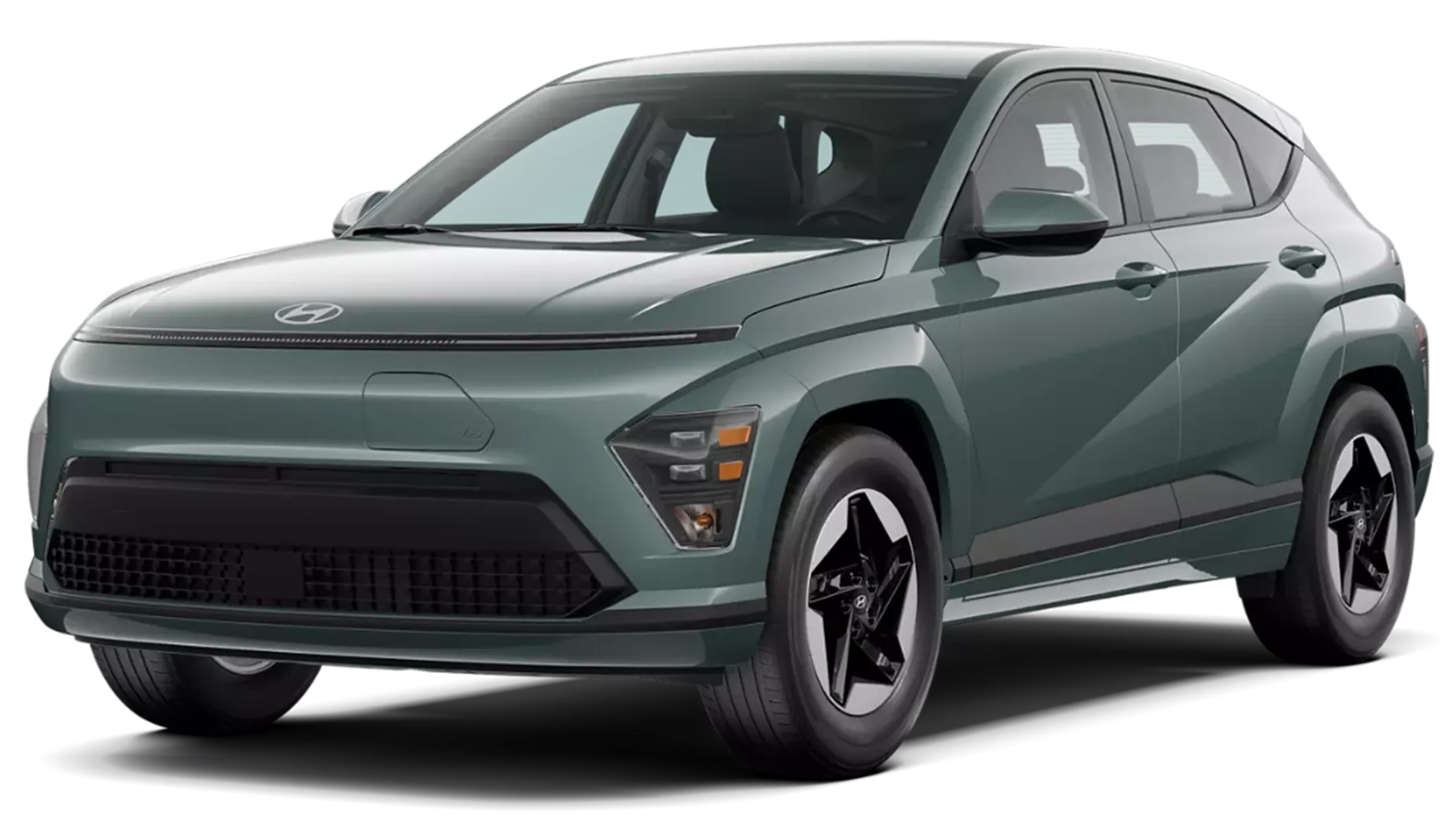
Hyundai Kona
Score: 67/100

Hyundai Palisade
Score: 72/100
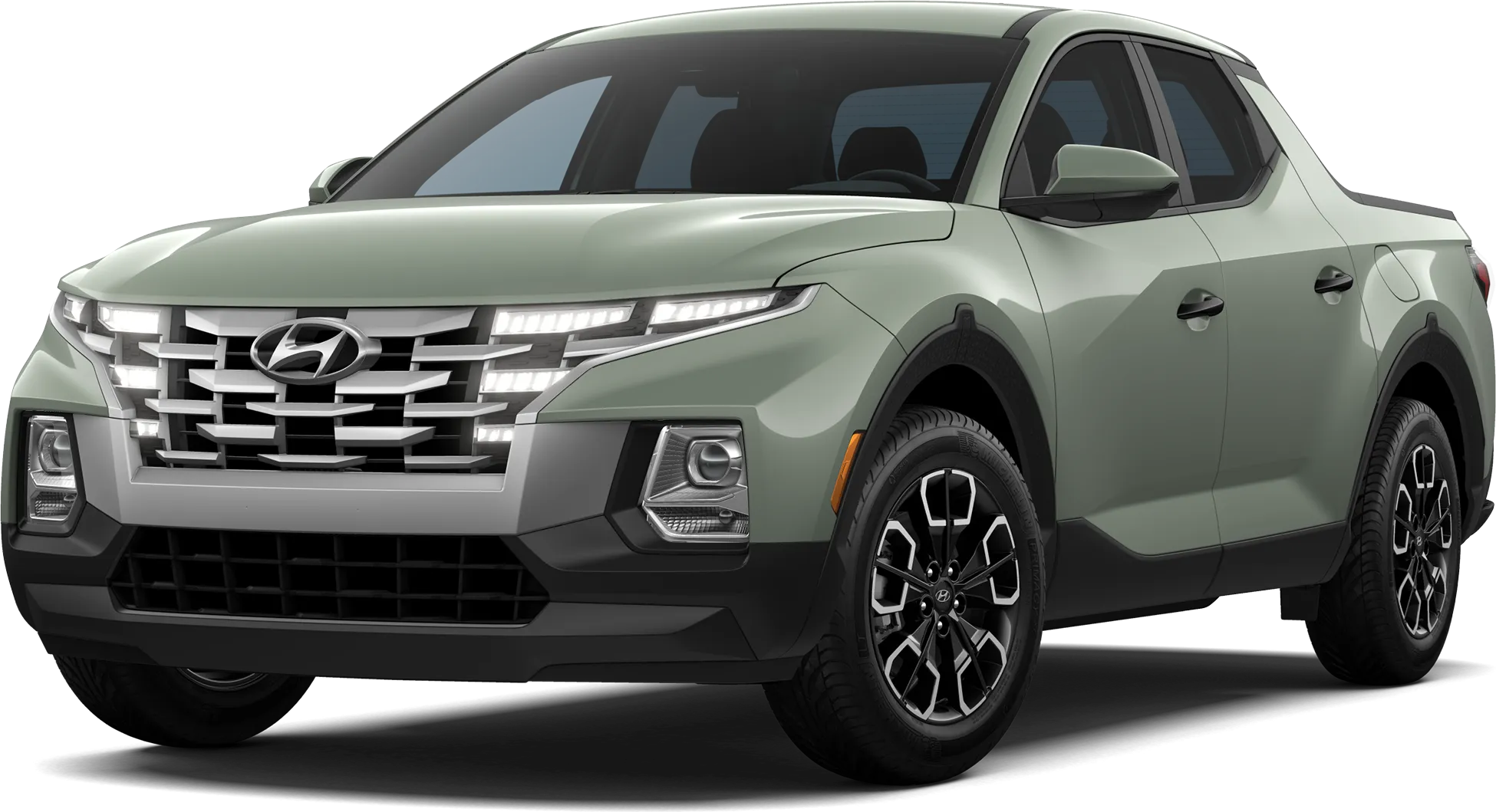
Hyundai Santa Cruz
Score: 74/100
Hyundai Santa Fe
Score: 75/100
Browse More 2020 Vehicles
2020 Lexus RX
Score: 86/100

2020 Mazda CX-5
Score: 86/100
2020 Lexus UX
Score: 84/100

2020 Lexus IS
Score: 83/100
2020 Lexus ES
Score: 83/100
2020 Dodge Grand Caravan
Score: 83/100
See incorrect data? Report an issue