Last updated: 2026-04-20
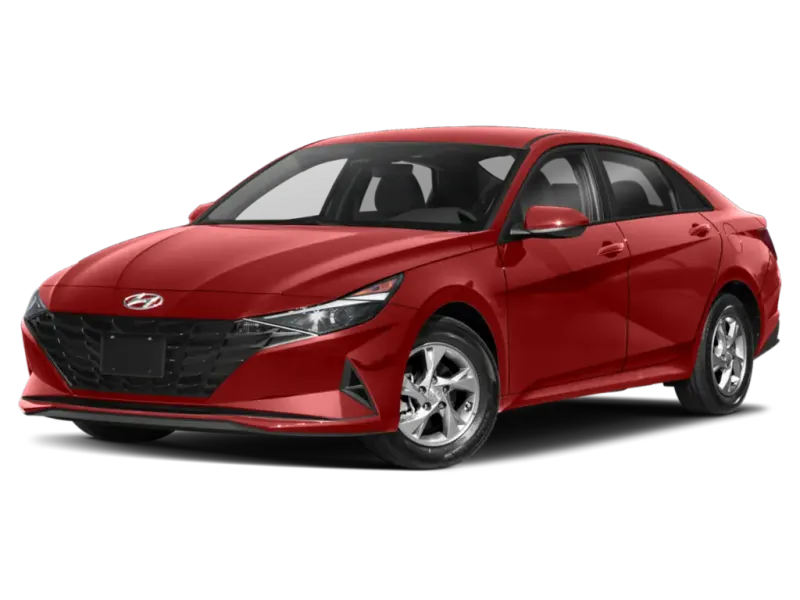
2026 Hyundai Elantra Reliability Report
The 2026 Hyundai Elantra scores 94/100 ("Excellent") with a complaint rate below the segment average. Data shows a dependable ownership experience across 0 recalls and 0 owner complaints.
Recalls
0
Complaints
0
Complaint Rate
N/A
Est. Repair Cost
$452
Annual Fuel Cost
$1,700–$3,000
Detailed Score Breakdown
Component-weighted complaints normalized by sales volume
Independent repair cost ratings
Recall count weighted by severity
Breadth of reported problem categories
The Verdict
Strong reliability record — a solid choice for buyers.
Should You Buy the 2026 Hyundai Elantra?
The 2026 Hyundai Elantra earns an Excellent 94/100 reliability score.
Across 0 recalls and 0 owner complaints, the ownership picture is dependable.
A solid choice for buyers prioritizing dependability, new or used.
See also the 2025 Hyundai Elantra for an earlier comparison.
Pros
- +Strong reliability score
- +$74 cheaper to maintain than avg compact cars
- +Infrequent unscheduled repairs
- +Low major repair risk (9%)
- +No recalls issued
Cons
No recurring complaint themes yet.
Compare 2026 Hyundai Elantra With
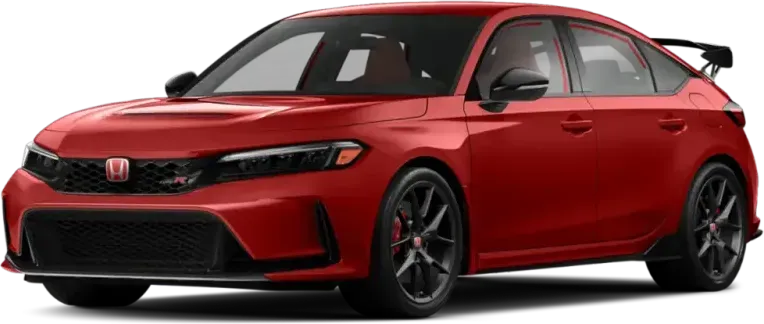
2026 Honda Civic
Reliability: 94/100
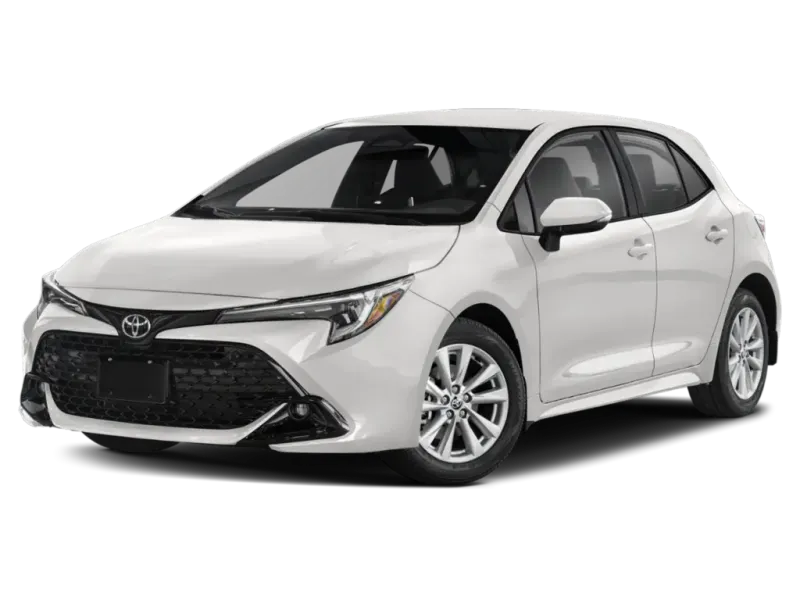
2026 Toyota Corolla
Reliability: 94/100
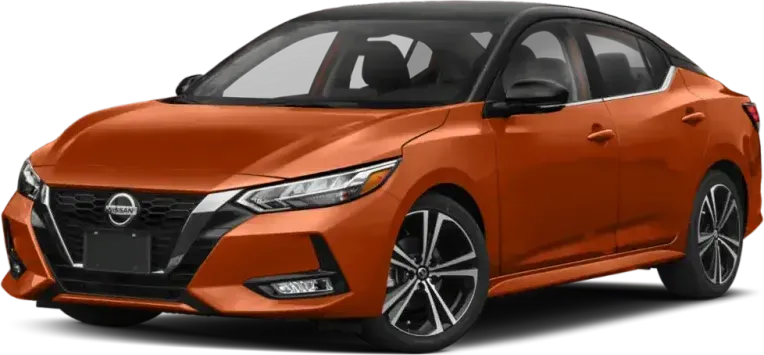
2026 Nissan Sentra
Reliability: 88/100

2026 Volkswagen Golf
Reliability: 84/100
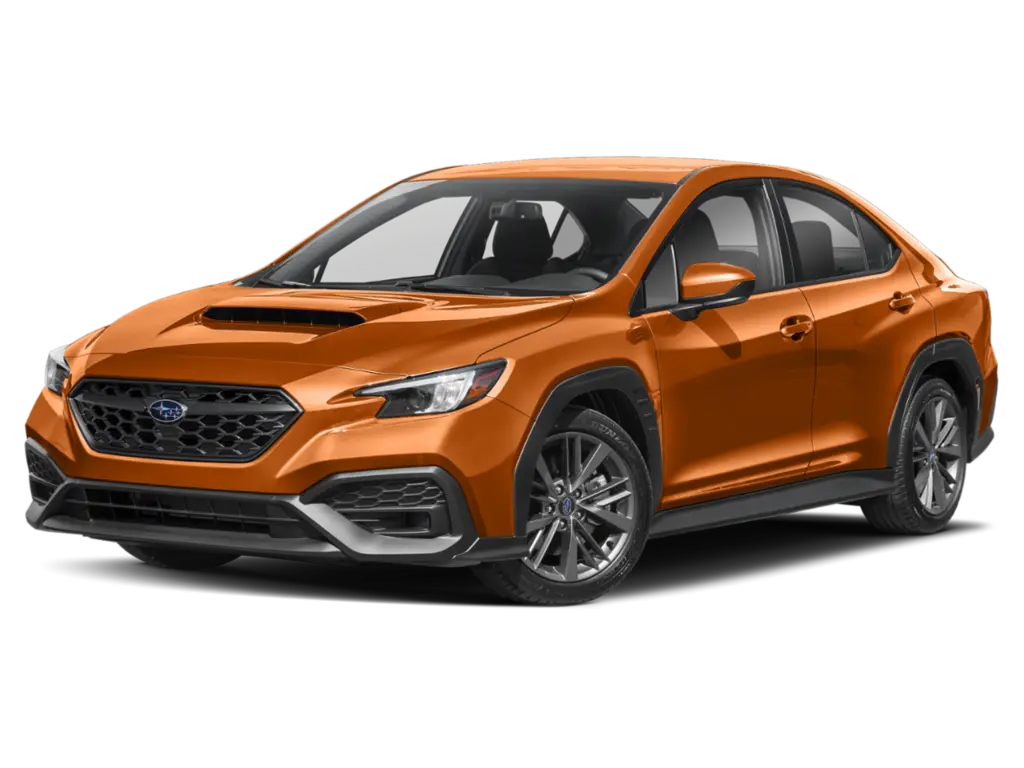
2026 Subaru WRX
Reliability: 81/100
Recall Overview
0
recalls on record
No recalls are on record for the 2026 Hyundai Elantra — uncommon, and a strong signal of manufacturing quality.
NHTSA.gov →Complaint Breakdown
0
complaintsSafety Incidents
0
Crashes
0
Fires
0
Injuries
0
Deaths
NHTSA 5/5 Stars
Data sourced from NHTSA complaint filings and manufacturer recall notices. Complaint narratives are owner-reported.
Buying a used 2026 Hyundai Elantra? Check its history first
Every 2026 Hyundai Elantra has a different past. A VIN check reveals hidden accidents, title problems, odometer rollbacks, and open recalls that reliability scores can't show you.
- Accidents
- Open Recalls
- Title History
- Odometer Rollback
2026 Hyundai Elantra NHTSA Safety Ratings
Overall Safety Rating
Crash Test Results by Configuration (expand)
Gas Powertrain
Rollover risk: 10.1%
Safety Technologies
Gas / HEV Powertrain
Rollover risk: 10.1%
Safety Technologies
HEV Powertrain
Rollover risk: 10.1%
Safety Technologies
Hyundai ElantraRepair Costs & Maintenance
Maintenance Rating
4.5Maintenance rating: 4.5 out of 5Based on NHTSA complaint patterns, recall severity, and publicly available cost benchmarks.
Est. Annual Maintenance
$452
vs $526 avg for compact cars
vs $652 avg for all vehicles
Repair Frequency
0.3
unscheduled repair visits per year
Severe Repair Probability
9%
chance of a major repair
Annual Cost Comparison
Category-level averages derived from publicly available industry reports (AAA, CarMD). Model-level estimates produced by Auto Reliability Index.
Hyundai Elantra Resale Value
The Hyundai Elantra is estimated to retain about 72.6% of its original value after 5 years, based on observed used-car listings.
This benchmark covers the Hyundai Elantra model overall and is not specific to the 2026 model year.
- Value Retained
- 72.6%
- Depreciation
- 27.4%
- Listings Analyzed
- 720
after 5 years
over the same period
U.S. used-car listings
Listings observed in . Actual resale value varies by trim, mileage, condition, and location.
Explore Hyundai Elantra depreciation and resale value on CarResaleValue.comMPG & Annual Running Costs
Gas
23–35 MPG
Running cost: $2,150–$3,450/yr
Fuel + repair
20–31 city / 27–40 hwy MPG
Hybrid
50–54 MPG
Running cost: $1,550–$1,650/yr
Fuel + repair
49–51 city / 52–58 hwy MPG
Running cost includes EPA fuel-cost estimate and independent repair-cost data (repair cost estimated at model level). Excludes routine maintenance, depreciation, and insurance. Data as of 2026 EPA label cycle.
Gas trims
| Trim | Drive | Trans. | City | Hwy | Comb | Fuel Cost |
|---|---|---|---|---|---|---|
| Elantra w/Stop-Start 2.0L 4-cyl | Front-Wheel Drive | Automatic (AV-S1) | 31 | 40 | 35 | $1,700 |
| Elantra non-ISG 2.0L 4-cyl | Front-Wheel Drive | Automatic (AV-S1) | 30 | 40 | 34 | $1,750 |
| Elantra 1.6L 4-cyl | Front-Wheel Drive | Automatic (AM-S7) | 28 | 35 | 31 | $1,950 |
| Elantra N 2.0L 4-cyl | Front-Wheel Drive | Manual 6-spd | 21 | 29 | 24 | $2,900 |
| Elantra N 2.0L 4-cyl | Front-Wheel Drive | Automatic (AM-S8) | 20 | 27 | 23 | $3,000 |
Hybrid trims
| Trim | Drive | Trans. | City | Hwy | Comb | Fuel Cost |
|---|---|---|---|---|---|---|
| Elantra Hybrid Blue 1.6L 4-cyl | Front-Wheel Drive | Automatic (AM-S6) | 51 | 58 | 54 | $1,100 |
| Elantra Hybrid 1.6L 4-cyl | Front-Wheel Drive | Automatic (AM-S6) | 49 | 52 | 50 | $1,200 |
Best & Worst Hyundai Elantra Years
Comprehensive reliability analysis based on NHTSA data, owner complaints, and historical performance.
Best Hyundai Elantra Years to Buy
Based on reliability index scoreThe best Hyundai Elantra year is 2026 with a reliability score of 94/100, rated excellent. Other strong picks include 2025 (87/100) and 2024 (85/100).
2026
(Current Model)
2025
2024
Hyundai Elantra Years to Avoid
The worst Hyundai Elantra year is 2020 with a score of 72/100, primarily due to engine (65) issues. Also avoid 2022 (74/100).
Hyundai Elantra Reliability Score Trend
Hyundai Elantra reliability has improved in recent years, with newer models scoring an average of 83/100 compared to 75/100 for older years.
Scores 0–100. Higher is better. Current year highlighted.
| Year | Score | Rating |
|---|---|---|
| 2018 | 76/100 | Good |
| 2019 | 78/100 | Good |
| 2020 | 72/100 | Good |
| 2021 | 75/100 | Good |
| 2022 | 74/100 | Good |
| 2023 | 75/100 | Good |
| 2024 | 85/100 | Excellent |
| 2025 | 87/100 | Excellent |
| 2026 | 94/100 | Excellent |
Hyundai Elantra Reliability Compared to Other Years
2026 Hyundai Elantra Reliability by Powertrain
The 2026 Hyundai Elantra is available with 3powertrain options. Here's how they compare on reliability.
| Powertrain | Complaints | Recalls | Incidents* | Crash Rating |
|---|---|---|---|---|
| Gas | 0 | 0 | 0 | 5 out of 5 |
| Gas / HEV | 0 | 0 | 0 | N/T |
| HEV | 0 | 0 | 0 | 5 out of 5 |
| Total | 0 | 0 | 0 |
NHTSA tracks complaints by vehicle configuration when that detail is available. Model-level reports that do not identify a specific powertrain are included in Total but not assigned to a row. A plus sign indicates a confirmed minimum; — means no complaints could be attributed to that specific powertrain. N/T = Not tested by NHTSA.
* Incidents = crash + fire reports. A single complaint can include multiple incident types.
Frequently Asked Questions
Is the 2026 Hyundai Elantra reliable?
What are the most common problems with the 2026 Hyundai Elantra?
How many recalls does the 2026 Hyundai Elantra have?
Is the 2026 Hyundai Elantra expensive to maintain?
Don’t buy a 2026 Hyundai Elantra without checking its VIN first — hidden accidents, title issues, and open recalls could cost you thousands.
How We Calculate Reliability Scores
Auto Reliability Index scores are calculated on a 0–100 scale using a weighted formula that combines multiple public data sources. Each factor is weighted based on its predictive value for real-world ownership experience.
Key Ranking Factors
Complaint Severity
NHTSA owner complaints weighted by component category (e.g., powertrain, safety systems, electronics, cosmetic) — safety-critical issues carry more weight than cosmetic ones. Adjusted for sales volume so high-volume models aren't unfairly penalized.
Repair Costs
Independent reliability ratings based on repair frequency, average repair costs, and severity of typical repairs for each model.
Recall Impact
Number of NHTSA recalls weighted by severity. “Stop driving” and fire-risk recalls are penalized more heavily than minor software or labeling recalls.
Issue Diversity
Measures how many major vehicle systems (engine, transmission, electrical, braking, etc.) have recorded complaints. A vehicle with issues spread across many systems may indicate systemic quality issues.
Scores are grouped into four tiers:
- 80–100: Excellent— Top-tier reliability, minimal issues
- 60–79: Good— Reliable with some minor concerns
- 40–59: Mixed— Notable issues, research before buying
- 0–39: Risky— Significant problems, proceed with caution
Data is sourced from NHTSA recall records, owner complaint filings, and independent repair databases via vehicles.dev. Scores are recalculated as new data becomes available. While the weighting model is proprietary, all underlying data sources are public and traceable.
Get notified when new recalls or reliability data is added for the Hyundai Elantra.
No spam. Only data updates for this model.
Browse More Hyundai Models
Hyundai Ioniq 5
Score: 63/100
Hyundai Ioniq 6
Score: 82/100
Hyundai Kona
Score: 67/100

Hyundai Palisade
Score: 72/100
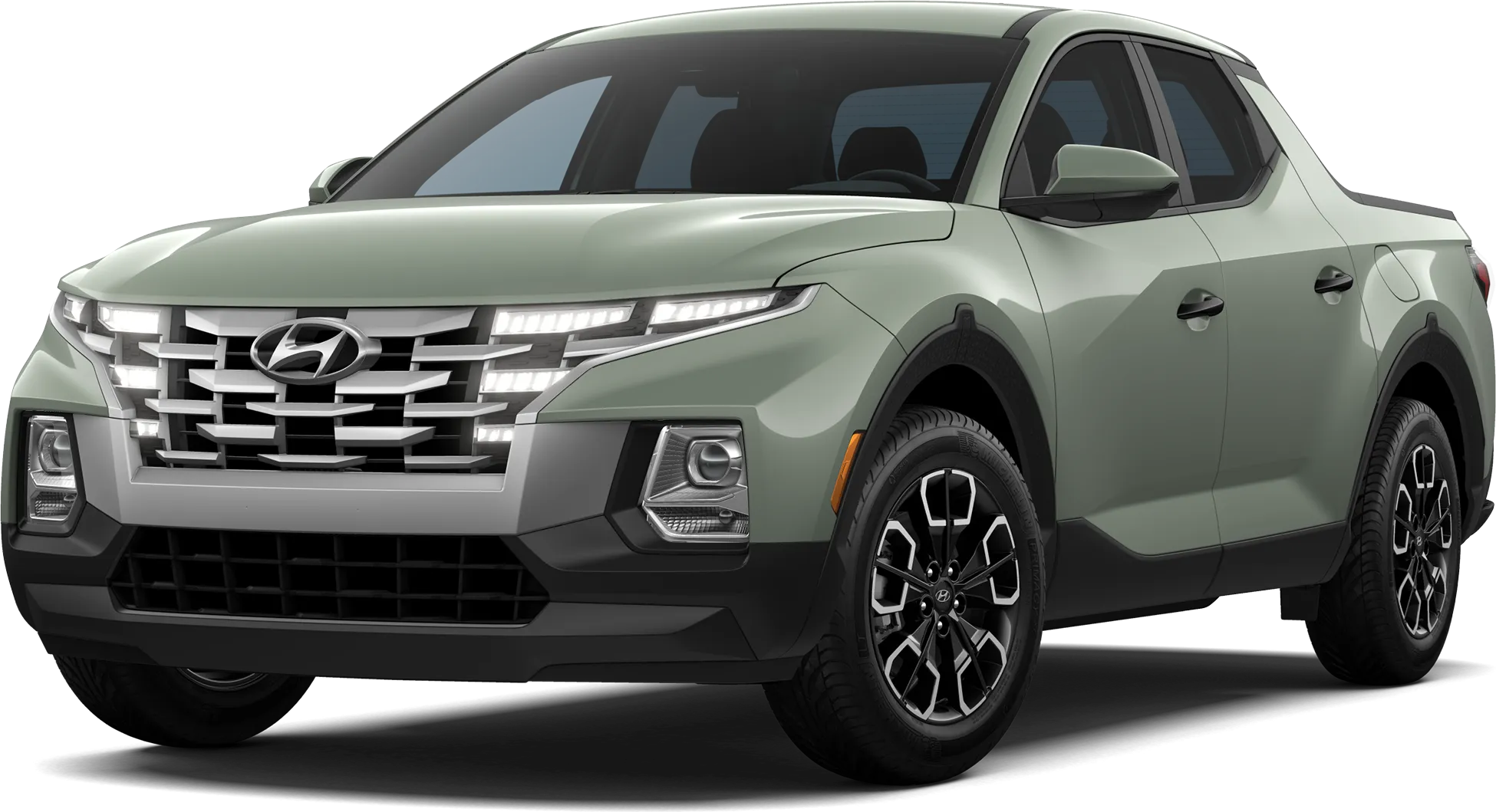
Hyundai Santa-Cruz
Score: 74/100
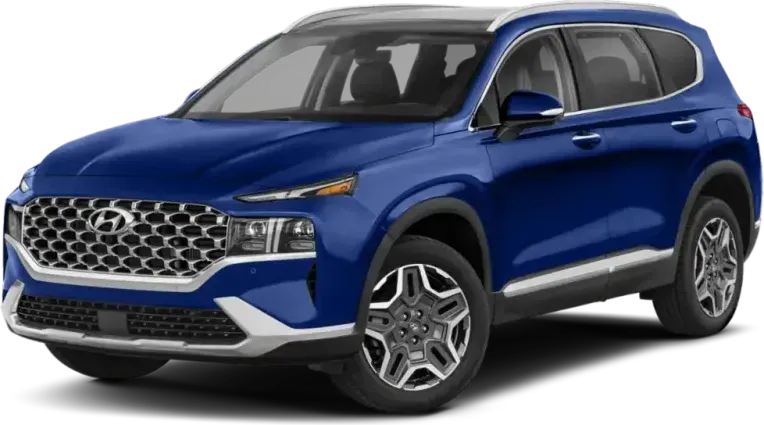
Hyundai Santa-FE
Score: 75/100
Browse More 2026 Vehicles
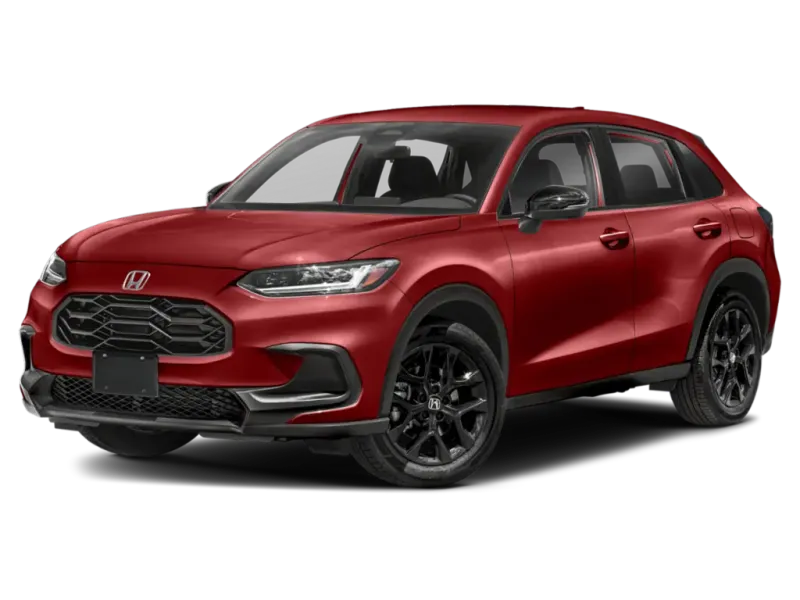
2026 Honda HR-V
Score: 100/100
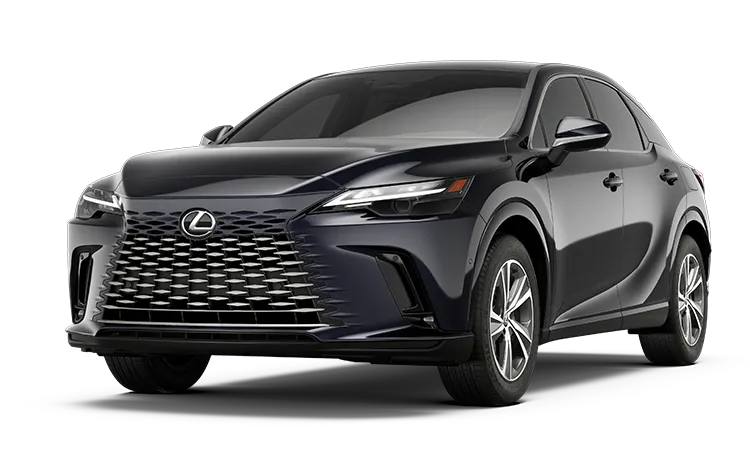
2026 Lexus RX
Score: 95/100
2026 Toyota Corolla
Score: 94/100
2026 Honda Civic
Score: 94/100
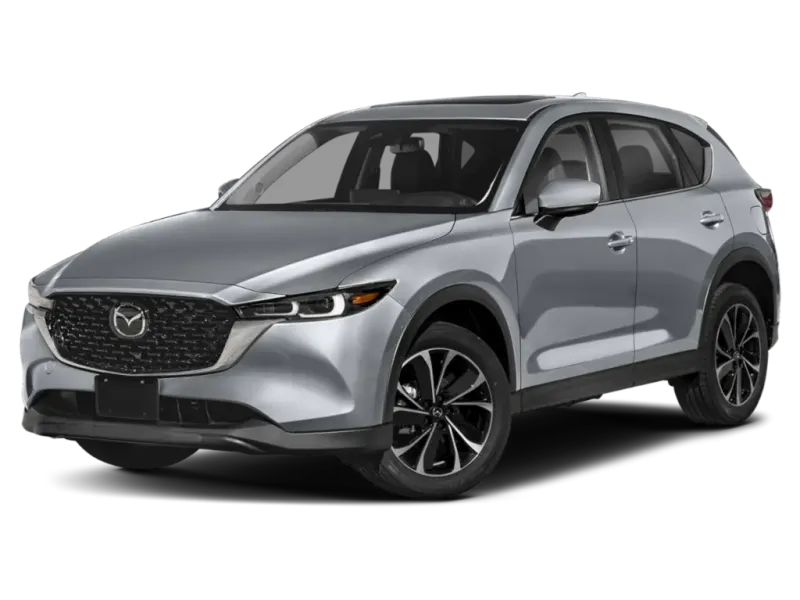
2026 Mazda CX-5
Score: 94/100
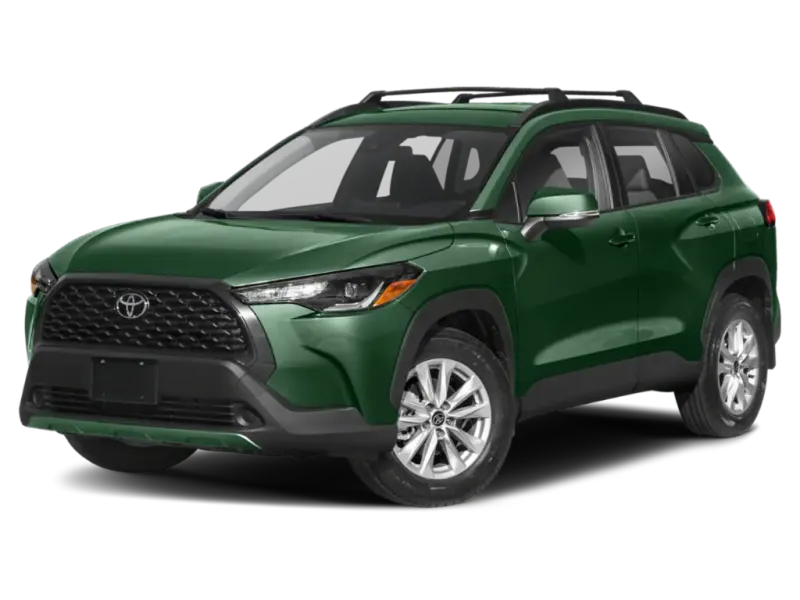
2026 Toyota Corolla Cross
Score: 94/100
See incorrect data? Report an issue