Last updated: 2026-10-10
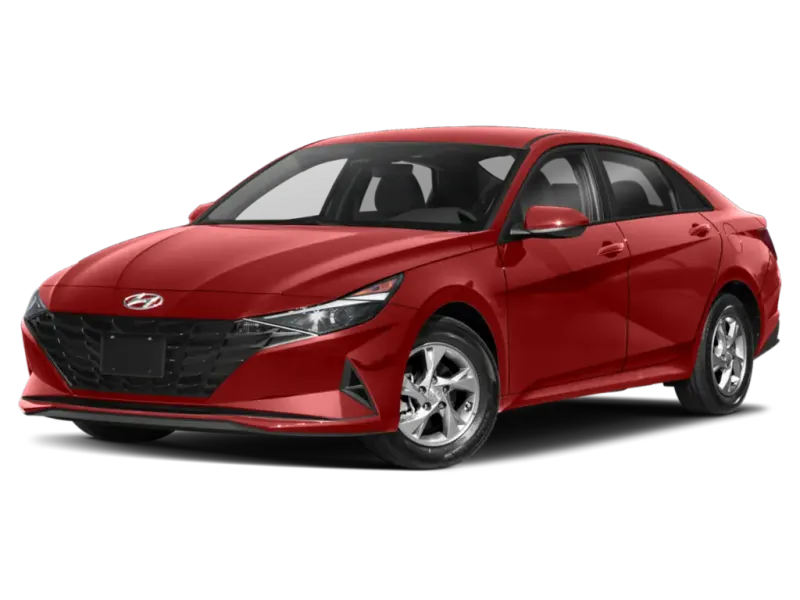
Hyundai Elantra Years to Avoid
9 scored model years (2018–2026) · model average 80/100
Skip the 2020 and 2022 Elantra. The 2020 has early engine and transmission failures plus headlight faults. The 2022 has seat belt recall repairs stuck waiting on parts, dead horns, and hybrid power loss. Buy a 2024 instead.
Verdict
- Avoid
- 2020 72/1002022 74/100
- Buy
- 2024 85/100
- Model average
- 80/100
Hyundai Elantra Years to Avoid
These model years score significantly below the Hyundai Elantra average of 80/100.
Why These Years Should Be Avoided
2020 Hyundai Elantra
Oil burning often starts between 20,000 and 27,000 miles with no visible leak, then comes ticking, power loss, stalling, or a seized engine. Transmissions also stop delivering power, some within the first few thousand miles. Owners say dealers refused coverage on engine and headlight repairs.
Top issues: Engine (65), Power Train (39), Exterior Lighting (20), Steering (18), Electrical System (16), Unknown Or Other (13)
View full 2020reliability report →2022 Hyundai Elantra
Owners report seat belt repairs waiting from two months to half a year for parts. Horns quit without warning, often around 10,000 miles. Hybrids show a Check Hybrid System warning that cuts power at highway speed, and the dual-clutch transmission shudders, slips, and is slow to engage from a stop.
Top issues: Seat Belts (28), Electrical System (25), Unknown Or Other (16), Power Train (14), Forward Collision Avoidance (11), Engine (5)
View full 2022reliability report →What Are Common Hyundai Elantra Problems?
ENGINE
268 complaintsMost reported in 2018, 2019, 2020
2018: Sudden engine failure is the main pattern.
ELECTRICAL SYSTEM
183 complaintsMost reported in 2018, 2021, 2019
2018: Stalling while driving leads this category, including one shutoff at low speed that ended in a crash.
UNKNOWN OR OTHER
151 complaintsMost reported in 2018, 2019, 2023
2018: This category is a mix.
POWER TRAIN
117 complaintsMost reported in 2020, 2018, 2023
2020: The transmission suddenly stops delivering power.
EXTERIOR LIGHTING
80 complaintsMost reported in 2019, 2020, 2018
2019: High beams stop working even though the dash shows them on.
STEERING
65 complaintsMost reported in 2020, 2018, 2019
2020: The most common symptom is a grinding, rubbing, or whirring noise from the steering column, mostly at low speed.
Best Hyundai Elantra Year to Buy Instead
2024 Hyundai Elantra
The 2024 has been on the road long enough to judge, and it has far fewer owner complaints than the 2020 and 2022. It has one recall, against 13 for the 2022. Its complaints center on horns, battery drain, and false driver-attention alerts, not engine or transmission failure.
Found a Safe Year? Check the Specific Car
Even the 2024 Hyundai Elantra has 1 recall on file. A VIN check confirms the recall work on the exact car and shows its accident, title, and service history.
- Accidents
- Open Recalls
- Title History
- Odometer Rollback
All Hyundai Elantra Years by Generation
Hyundai Elantra Reliability Scores by Year
Sixth generation (AD) (2017–2020)
2019 Hyundai Elantra
1 recalls · 195 complaints
2018 Hyundai Elantra
1 recalls · 309 complaints
2020 Hyundai Elantra
3 recalls · 212 complaints
Seventh generation (CN7) (2021–2023)
2021 Hyundai Elantra
10 recalls · 147 complaints
2023 Hyundai Elantra
4 recalls · 146 complaints
2022 Hyundai Elantra
13 recalls · 139 complaints
Frequently Asked Questions
Which Hyundai Elantra years should I avoid?
Which Hyundai Elantra years have transmission problems?
Is a 2025 or 2026 Hyundai Elantra a safe bet?
Which Hyundai Elantra years have engine problems?
Is the 2022 Hyundai Elantra worth buying?
How we score every Hyundai Elantra model year
Scores weight complaint severity at 35%, repair costs at 30%, recall impact at 20%, and the spread of complaints across systems at 15%, with complaint counts adjusted for US sales. Read the full methodology.
See incorrect data? Report an issue