Last updated: 2026-04-20

2020 Toyota 4RUNNER Reliability Report
The 2020 Toyota 4RUNNER scores 82/100 ("Excellent") with a complaint rate below the segment average. Data shows a dependable ownership experience across 1 recall and 30 owner complaints.
Recalls
1
Complaints
30
Complaint Rate
2.3per 10,000 sold
Est. Repair Cost
$514
Annual Fuel Cost
$3,500
Detailed Score Breakdown
Component-weighted complaints normalized by sales volume
Independent repair cost ratings
Recall count weighted by severity
Breadth of reported problem categories
The Verdict
Strong reliability record — a solid choice for buyers.
Top Issues to Watch
- AIR BAGS (5)
- SERVICE BRAKES (4)
- STEERING (4)
Generation & Refresh (US)
2020 is 7 years after the facelift refresh.
- Year 11 in the Fifth generation (N280) (2010–2024).
- Well-established in its generation — most early issues should be resolved.
- 5th generation 4RUNNER (US).
What this means for buyers
Post-refresh years tend to be among the most refined — updates have been applied and early kinks worked out.
2010: Fifth generation (N280) Launch
Generation start — new platform.
2013: Mid-Cycle Refresh
Updated features and styling tweaks.
2020: This Model Year
2020 is 7 years after the facelift refresh.
Should You Buy the 2020 Toyota 4RUNNER?
The 2020 Toyota 4RUNNER earns an Excellent 82/100 reliability score. 2020 is 7 years after the facelift refresh.
At 2.3 per 10,000 vehicles sold, its complaint rate sits below the SUV segment average, and most owners report a trouble-free ownership experience.
A solid choice for buyers prioritizing dependability, new or used.
Compared to the 2021 Toyota 4RUNNER, which scored the same. See also the 2019 Toyota 4RUNNER for an earlier comparison.
Pros
- +Strong reliability score
- +$59 cheaper to maintain than avg midsize SUVs
- +Low major repair risk (13%)
- +Low recall count
- +Below-average complaint rate for SUV
Cons
- −UNKNOWN OR OTHER: Two primary issues with the 2020 Toyota 4Runner in the unknown or other category (6 complaints)
- −Airbag deployment failures reported at 13,000–19,000 miles
Compare 2020 Toyota 4RUNNER With

2020 Honda Passport
Reliability: 68/100
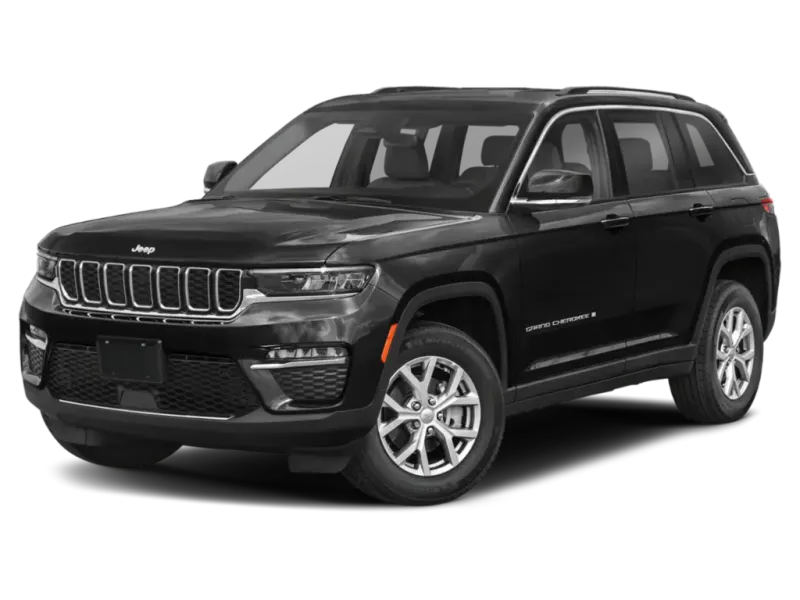
2020 Jeep Grand Cherokee
Reliability: 72/100
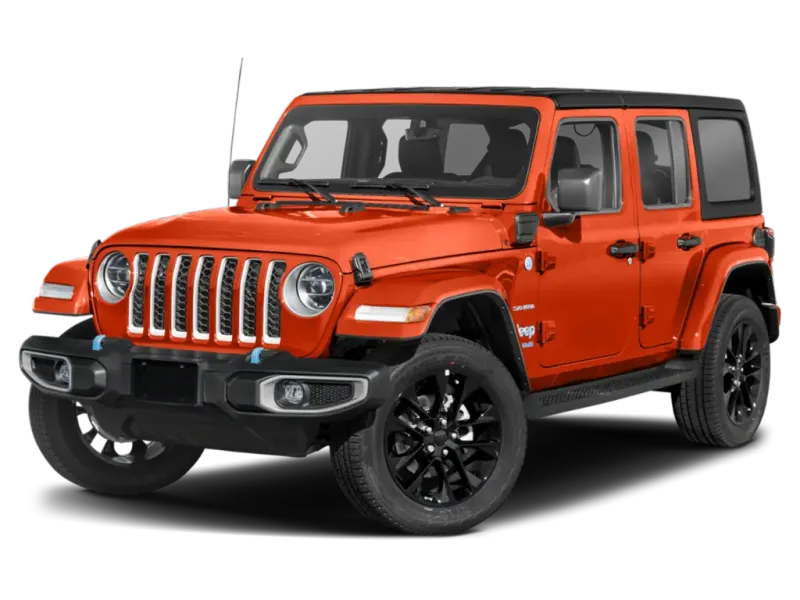
2020 Jeep Wrangler
Reliability: 61/100

2020 Ford Explorer
Reliability: 54/100
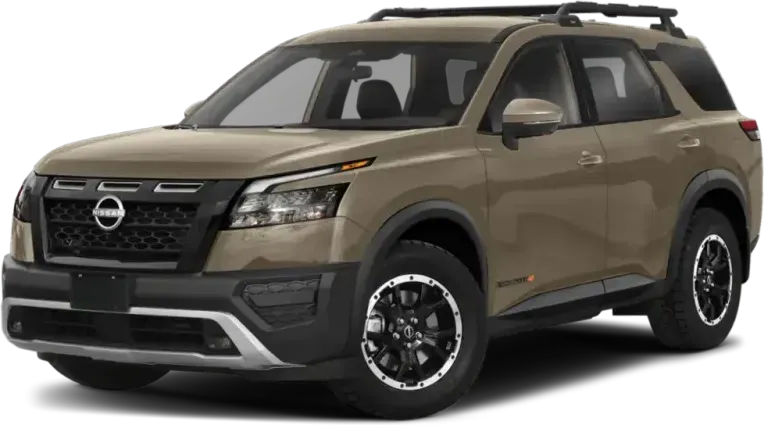
2020 Nissan Pathfinder
Reliability: 78/100
Common Problem Categories
Safety
LOW RISK- 1 manufacturer recall issued
Other
HIGH RISK- UNKNOWN OR OTHER (6)
- AIR BAGS (5)
Recall Overview
1
recall on record
The 2020 Toyota 4RUNNER carries 1 recall — a low count. Authorized dealers repair any open recall free of charge, regardless of warranty status.
NHTSA.gov →Complaint Breakdown
2.3
per 10,000 soldSegment avg: 20.2
Safety Incidents
4
Crashes
0
Fires
4
Injuries
0
Deaths
NHTSA 4/5 Stars
Data sourced from NHTSA complaint filings and manufacturer recall notices. Complaint narratives are owner-reported.
2020 Toyota 4RUNNER Recall Details
1 recall has been issued for the 2020 Toyota 4RUNNER. All recall repairs are performed free of charge at authorized dealerships.
EQUIPMENT
Southeast Toyota Distributors, LLC (SET) is recalling certain 2020-2022 4Runner vehicles equipped with 20-inch Black Gunner Wheels. The load carrying capacity modification labels are incorrect. As such, these vehicles fail to comply with the requirements of Federal Motor Vehicle Safety Standard number 110, "Tire Selection and Rims."
Consequence
An incorrect label may lead to unintentionally overloading the vehicle, increasing the risk of a crash.
Remedy
SET will mail replacement labels to owners, free of charge. Owner notification letters are expected to be mailed September 4, 2022. Owners may contact SET's customer service at 954-429-2000. SET's number for this recall is SET22A.
Buying a used 2020 Toyota 4RUNNER? Check its history first
Every 2020 Toyota 4RUNNER has a different past. A VIN check reveals hidden accidents, title problems, odometer rollbacks, and open recalls that reliability scores can't show you.
- Accidents
- Open Recalls
- Title History
- Odometer Rollback
2020 Toyota 4RUNNER NHTSA Safety Ratings
Overall Safety Rating
Crash Test Results by Configuration (expand)
Gas Powertrain
Rollover risk: 24.6%
Safety Technologies
Toyota 4RUNNERRepair Costs & Maintenance
Maintenance Rating
4Maintenance rating: 4 out of 5Based on NHTSA complaint patterns, recall severity, and publicly available cost benchmarks.
Est. Annual Maintenance
$514
vs $573 avg for midsize SUVs
vs $652 avg for all vehicles
Repair Frequency
0.4
unscheduled repair visits per year
Severe Repair Probability
13%
chance of a major repair
Annual Cost Comparison
Category-level averages derived from publicly available industry reports (AAA, CarMD). Model-level estimates produced by Auto Reliability Index.
Toyota 4RUNNER Resale Value
The Toyota 4RUNNER is estimated to retain about 82.2% of its original value after 5 years, based on observed used-car listings.
This benchmark covers the Toyota 4RUNNER model overall and is not specific to the 2020 model year.
- Value Retained
- 82.2%
- Depreciation
- 17.8%
- Listings Analyzed
- 720
after 5 years
over the same period
U.S. used-car listings
Listings observed in . Actual resale value varies by trim, mileage, condition, and location.
Explore Toyota 4RUNNER depreciation and resale value on CarResaleValue.comMPG & Annual Running Costs
Gas
17 MPG
Running cost: $4,000/yr
Fuel + repair
16 city / 19 hwy MPG
Running cost includes EPA fuel-cost estimate and independent repair-cost data (repair cost estimated at model level). Excludes routine maintenance, depreciation, and insurance. Data as of 2020 EPA label cycle.
Gas trims
| Trim | Drive | Trans. | City | Hwy | Comb | Fuel Cost |
|---|---|---|---|---|---|---|
| 4Runner 2WD 4.0L 6-cyl | Rear-Wheel Drive | Automatic (S5) | 16 | 19 | 17 | $3,500 |
| 4Runner 4WD 4.0L 6-cyl | Part-time 4-Wheel Drive | Automatic (S5) | 16 | 19 | 17 | $3,500 |
| 4Runner 4WD 4.0L 6-cyl | All-Wheel Drive | Automatic (S5) | 16 | 19 | 17 | $3,500 |
Used Buying Checklist
Key things to inspect or verify before purchasing a 2020 Toyota 4RUNNER.
Inspect suspension system for signs of failure, especially X-REAS in Limited Edition
Test for steering wheel shake at highway speeds (58-68 mph)
Check for airbag system errors or malfunctions
Test brakes for pedal going to the floor and hissing sounds
Verify sunroof integrity for signs of stress or damage
2020 Toyota 4RUNNER Common Problems by Component
30 owner complaints grouped by vehicle system.
UNKNOWN OR OTHER
6 complaintsOwners report two primary issues with the 2020 Toyota 4Runner in the unknown or other category. Firstly, multiple complaints describe the sunroof shattering unexpectedly while driving, with references to a loud bang similar to a gunshot, and glass raining into the cabin, posing a potential safety risk due to driver distraction or injury from glass shards. Secondly, one complaint highlights a problematic SOS system, which fails to connect reliably and reportedly causes battery drain. Additionally, a single report mentions an exhaust or sulfur-like smell inside the cabin when driving at high speeds with the air recirculation on. These issues are noted without specific mileage data, though one sunroof incident occurred approximately thirteen months post-purchase.
AIR BAGS
5 complaintsSafety-relatedOwners of the 2020 Toyota 4Runner frequently report issues with airbag deployment failures during crashes, with four out of five complaints involving accidents and two mentioning injuries. Common symptoms include airbags not deploying upon impact, even in significant collisions, and a lack of warning lights indicating system malfunctions. One complaint highlights a design feature where the front passenger airbag deactivates for passengers weighing less than 100 lbs, impacting safety for lighter adults. The reported incidents occur at mileages ranging from approximately 13,000 to 19,000 miles, suggesting potential reliability concerns within this mileage range. These issues present significant safety implications, particularly in crash scenarios where airbag deployment is critical.
SERVICE BRAKES
4 complaintsOwners report two primary issues related to the service brakes of the 2020 Toyota 4Runner. Several complaints describe a brake pedal that goes to the floor, causing a temporary loss of braking ability, which can be remedied by pumping the pedal; this issue is noted to occur intermittently, particularly after the vehicle sits overnight or during slow stops. Another reported issue involves a loud squeal from the brakes in cold conditions, which has not been officially addressed by dealerships. Additionally, a few owners mention a hissing sound when applying the brakes, accompanied by an electronic noise. These symptoms do not seem linked to specific mileage or timelines but do suggest potential safety implications due to the temporary loss of braking function.
STEERING (4 complaints)
STEERING
4 complaintsOwners report issues with the steering of the 2020 Toyota 4Runner, particularly involving noticeable shaking of the steering wheel at highway speeds, typically between 58-68 mph. This shaking is described as severe, with one owner noting it causes the steering wheel to move as much as 1.5 inches back and forth, and persists despite multiple attempts to balance and align the tires. Some complaints indicate that this issue is recognized by Toyota as a characteristic of the vehicle, attributed to "harmonics." The shaking begins early in the vehicle's life, with one owner experiencing it in the second week of ownership. Safety implications are noted, as the shaking could potentially affect vehicle control, especially in adverse conditions. Additionally, one complaint mentions a separate issue with electronic power steering requiring increased effort to maneuver, linked to a fluid leak from the front timing cover at 88,000 miles.
SUSPENSION (3 complaints)
SUSPENSION
3 complaintsOwners of the 2020 Toyota 4Runner report issues with the suspension, particularly with the X-REAS system in the Limited Edition, which some describe as failing around 45,000 miles. This failure is noted to cause instability and potential loss of vehicle control. Another reported issue involves a fractured front coil spring discovered during a routine inspection at approximately 53,000 miles, leading to a necessary repair. These complaints highlight potential safety implications, such as loss of control, which may concern used car buyers considering this model.
Chest Clip (1 complaints)
Chest Clip
1 complaintWhenever I strap my child into their car seat and tighten down the straps, the straps will not lock into place and I am able to pull them back out with my hands.
BACK OVER PREVENTION (1 complaints)
BACK OVER PREVENTION
1 complaintThe contact owns a 2020 Toyota 4Runner. The contact stated that while reversing, he became aware that the rear-view camera failed to display an image. The vehicle returned to normal functionality, but the failure became a regular occurrence. No warning lights were illuminated. The vehicle was not taken to the dealer or an independent mechanic. The vehicle was not repaired. The manufacturer was notified of the failure, and a case was opened. The failure mileage was 50,000.
EXTERIOR LIGHTING (1 complaints)
EXTERIOR LIGHTING
1 complaintSimilar to NUMEROUS newer ('12+) vehicles, the instrument cluster gauge needles light up even when the headlights are not on. Therefore when driving the vehicle, the driver isn't aware that the headlights are NOT ON at night (and there are no DRL/daytime running lights to warn oncoming drivers), which means that the vehicle is driving at night WITHOUT any lights on. People are going to be killed this way; both the driver and innocent motorists driving near this vehicle. I nearly got in a head-on collision last night because the vehicle headlights weren't on after sundown (but I listed crash, fire, fatalities to get your attention, as I submitted this same issue about 8years ago for a similar incident with a Nissan Leaf that narrowly missed running me over as it was driving without any headlights on/LED gauge cluster was bright enough to see the drivers face, and NOTHING has changed in the auto industry for safety on this widespread issue). How can the automotive industry and NHTSA have let this happen? Instrument cluster gauges should not have ANY backlighting unless the headlight switch is physically activated by the driver. This issue is even worse with the new LED/virtual gauge cluster screens.
WHEELS (1 complaints)
WHEELS
1 complaintTook the vehicle in 3/19/2021 @ 6076 Mileage for a steering wheel shake, the dealer has tried numerous times to fix it by trying to balance the tire and rotate the tires, it only masks the problem and the steering wheel shake comes back. The shake can happen at any MPH. I finally took it to another shop called discount tire and dynamic 4x4 alignment. Discount tire said there was coupling in the stock tires Nitto Grappler, so I replaced the tires with Michelin Defenders this only masked the problem. On 9/25/2023 a local Toyota Technician and I took a ride together to see if he could duplicate the problem. At 67 and 68 we were able to duplicate the problem when the steering wheel shook the passenger side of the car shook. The technician and I swapped and I was able to duplicate the problem as well. I was stopped at a red light and took off after the tires were warmed up. When I reached 67 or 68 mph the steering wheel began to shake and he confirm that the vehicle shook too on the passenger side. I have experienced shaking in the steering wheel previously but now its being felt in the vehicle too. Toyota sent out a technician on the last issue and I was told they found something and then I was told there was nothing. Please see notes below as I have documented every occurrence and can provide maintenance documentation too.
FORWARD COLLISION AVOIDANCE (1 complaints)
FORWARD COLLISION AVOIDANCE
1 complaintSystem malfunction—the ‘brake’ alert flashed and chirped when there was NO obstacle on the road. Safety issue—I was about to hit the brakes but I realized in time there was no need. Confirmed? No not at this time. Possibly have it reviewed at next maintenance. No inspection yet. This has occurred infrequently in the past
When Do 2020 Toyota 4RUNNER Problems Start?
Based on owner complaint patterns, here's when common issues tend to appear.
Best & Worst Toyota 4RUNNER Years
Comprehensive reliability analysis based on NHTSA data, owner complaints, and historical performance.
Best Toyota 4RUNNER Years to Buy
Based on reliability index scoreThe best Toyota 4RUNNER year is 2026 with a reliability score of 84/100, rated excellent. Other strong picks include 2023 (82/100) and 2021 (82/100).
Toyota 4RUNNER Years to Avoid
No Toyota 4RUNNER years are statistical outliers in our data.
All model years score consistently well. The Toyota 4RUNNER maintains one of the highest industry standards for long-term durability across its entire production span.
Toyota 4RUNNER Reliability Score Trend
Toyota 4RUNNER reliability has remained consistent across model years, averaging 80/100.
Scores 0–100. Higher is better. Current year highlighted.
| Year | Score | Rating |
|---|---|---|
| 2018 | 77/100 | Good |
| 2019 | 77/100 | Good |
| 2020 | 82/100 | Excellent |
| 2021 | 82/100 | Excellent |
| 2022 | 79/100 | Good |
| 2023 | 82/100 | Excellent |
| 2024 | 79/100 | Good |
| 2025 | 81/100 | Excellent |
| 2026 | 84/100 | Excellent |
Toyota 4RUNNER Reliability Compared to Other Years
Frequently Asked Questions
Is the 2020 Toyota 4RUNNER reliable?
What are the most common problems with the 2020 Toyota 4RUNNER?
How many recalls does the 2020 Toyota 4RUNNER have?
Is the 2020 Toyota 4RUNNER expensive to maintain?
Don’t buy a 2020 Toyota 4RUNNER without checking its VIN first — hidden accidents, title issues, and open recalls could cost you thousands.
How We Calculate Reliability Scores
Auto Reliability Index scores are calculated on a 0–100 scale using a weighted formula that combines multiple public data sources. Each factor is weighted based on its predictive value for real-world ownership experience.
Key Ranking Factors
Complaint Severity
NHTSA owner complaints weighted by component category (e.g., powertrain, safety systems, electronics, cosmetic) — safety-critical issues carry more weight than cosmetic ones. Adjusted for sales volume so high-volume models aren't unfairly penalized.
Repair Costs
Independent reliability ratings based on repair frequency, average repair costs, and severity of typical repairs for each model.
Recall Impact
Number of NHTSA recalls weighted by severity. “Stop driving” and fire-risk recalls are penalized more heavily than minor software or labeling recalls.
Issue Diversity
Measures how many major vehicle systems (engine, transmission, electrical, braking, etc.) have recorded complaints. A vehicle with issues spread across many systems may indicate systemic quality issues.
Scores are grouped into four tiers:
- 80–100: Excellent— Top-tier reliability, minimal issues
- 60–79: Good— Reliable with some minor concerns
- 40–59: Mixed— Notable issues, research before buying
- 0–39: Risky— Significant problems, proceed with caution
Data is sourced from NHTSA recall records, owner complaint filings, and independent repair databases via vehicles.dev. Scores are recalculated as new data becomes available. While the weighting model is proprietary, all underlying data sources are public and traceable.
Get notified when new recalls or reliability data is added for the Toyota 4RUNNER.
No spam. Only data updates for this model.
Browse More Toyota Models
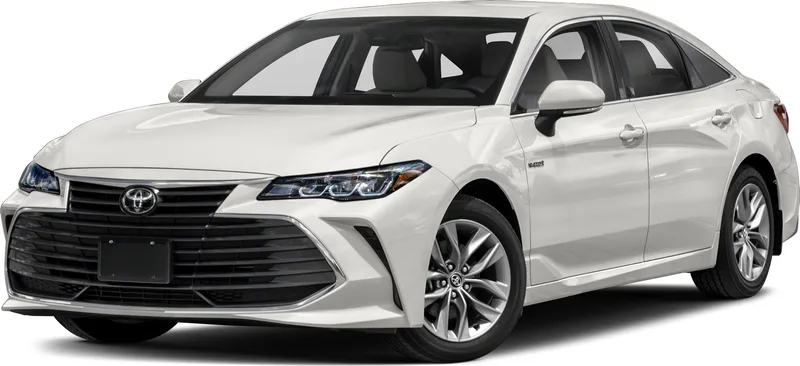
Toyota Avalon
Score: 80/100
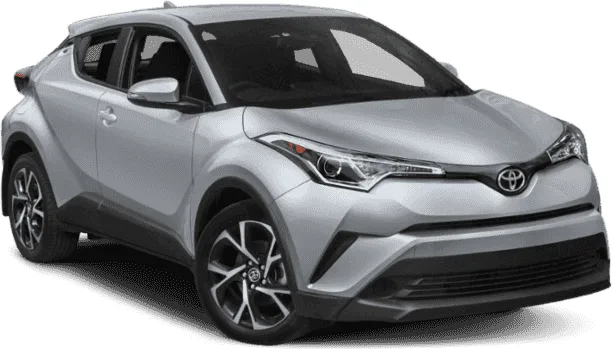
Toyota C-HR
Score: 80/100
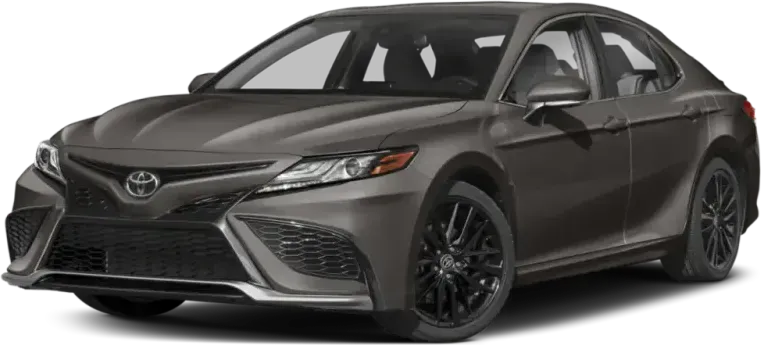
Toyota Camry
Score: 88/100
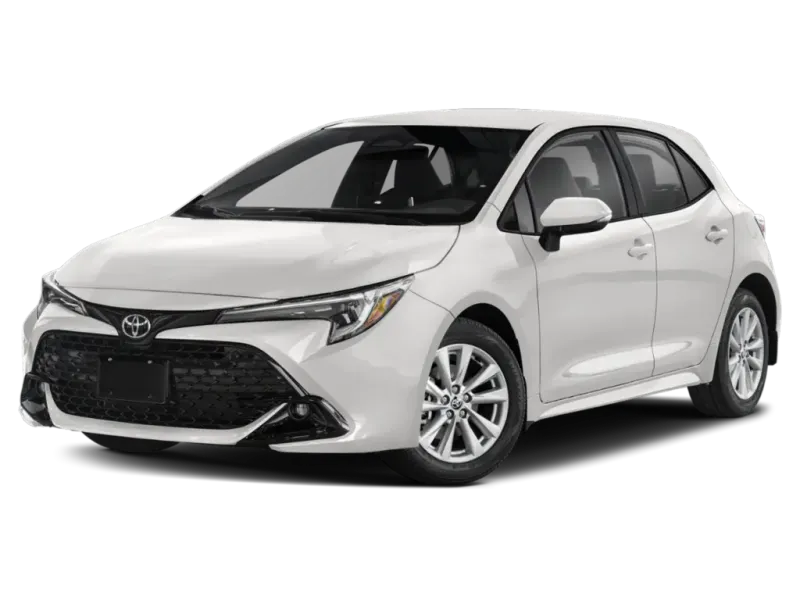
Toyota Corolla
Score: 94/100
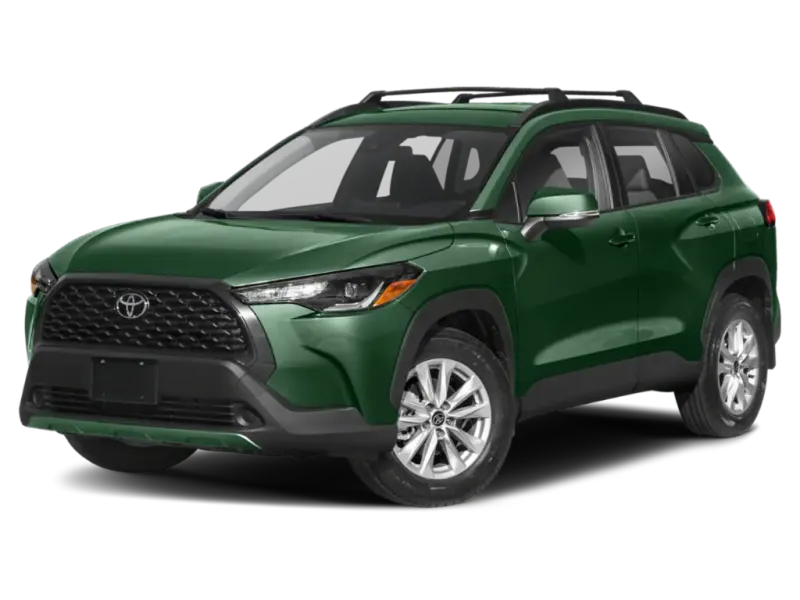
Toyota Corolla Cross
Score: 94/100
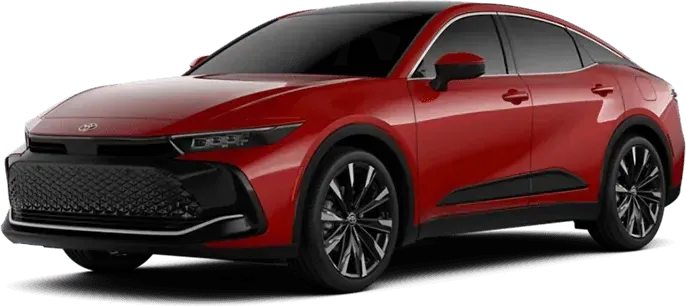
Toyota Crown
Score: 88/100
Browse More 2020 Vehicles

2020 Mazda CX-5
Score: 86/100
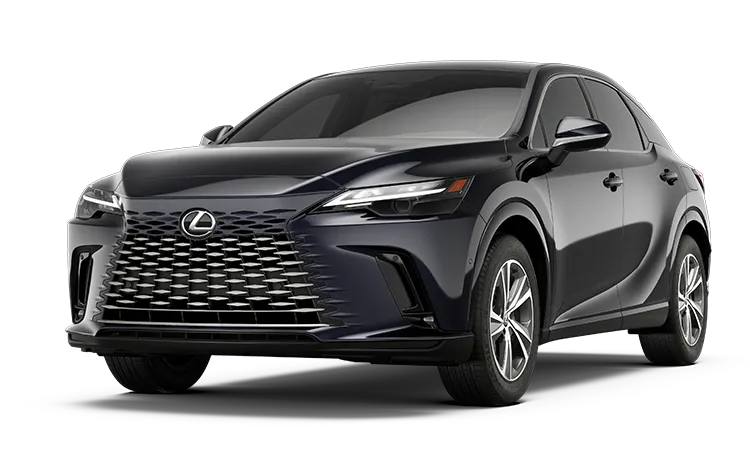
2020 Lexus RX
Score: 86/100
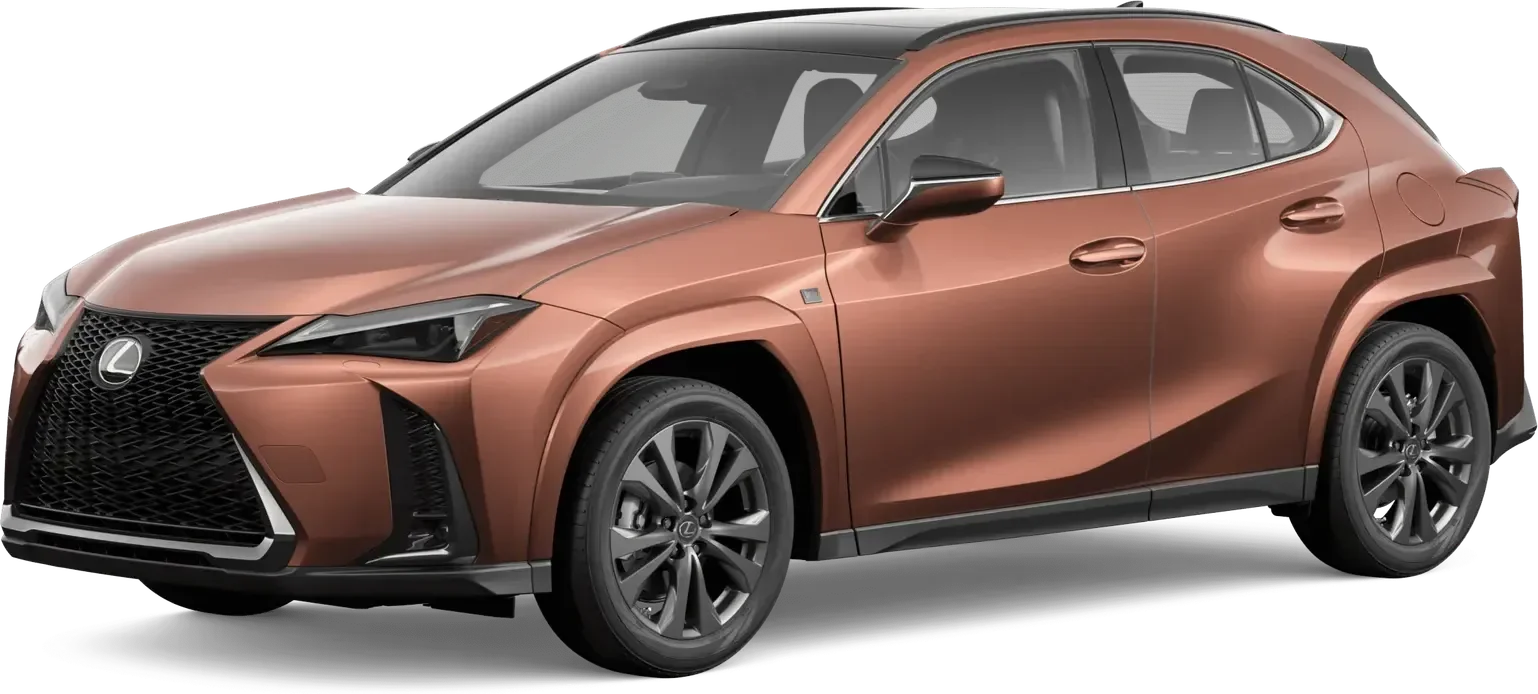
2020 Lexus UX
Score: 84/100
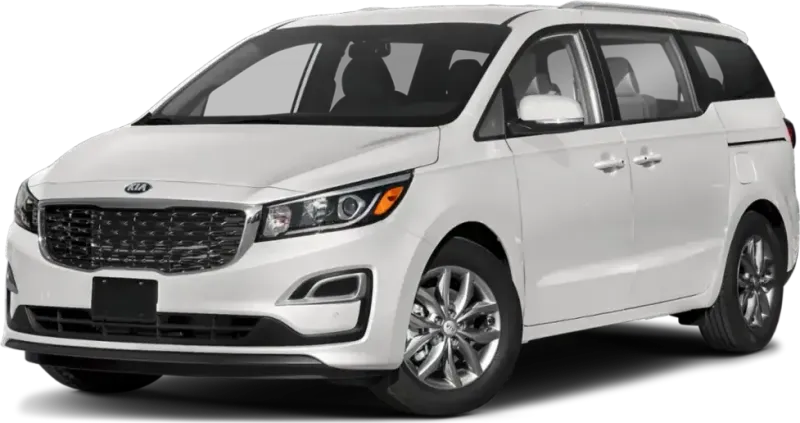
2020 KIA Sedona
Score: 83/100

2020 Lexus IS
Score: 83/100
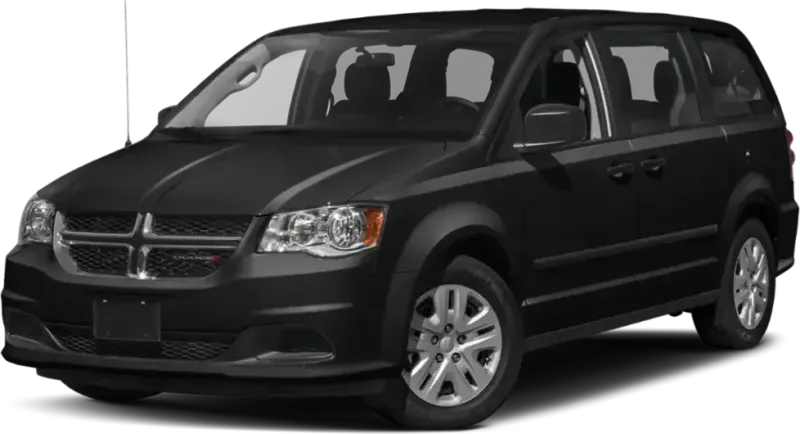
2020 Dodge Grand-Caravan
Score: 83/100
See incorrect data? Report an issue