Last updated: 2026-10-10

2022 Toyota 4Runner Reliability Report
The 2022 Toyota 4RUNNER rates good, well above most 2022 SUVs, but owners report air bag and brake failures that deserve a close check.
Recalls
3
Complaints
36
Complaint Rate
3per 10,000 sold
Est. Repair Cost
$514
Annual Fuel Cost
$3,500
Detailed Score Breakdown
Component-weighted complaints normalized by sales volume
Independent repair cost ratings
Recall count weighted by severity
Breadth of reported problem categories
The Verdict
Middle of the pack for the 4RUNNER, with complaints about air bags not deploying and brake pedals that sink; the 2021 and 2023 rate better.
Top Issues to Watch
- AIR BAGS (6)
- SERVICE BRAKES (4)
- VEHICLE SPEED CONTROL (3)
Generation & Refresh (US)
2022 is 9 years after the facelift refresh.
- Year 13 in the Fifth generation (N280) (2010–2024).
- Well-established in its generation — most early issues should be resolved.
- 5th generation 4Runner (US).
What this means for buyers
Post-refresh years tend to be among the most refined — updates have been applied and early kinks worked out.
2010: Fifth generation (N280) Launch
Generation start — new platform.
2013: Mid-Cycle Refresh
Updated features and styling tweaks.
2022: This Model Year
2022 is 9 years after the facelift refresh.
Should You Buy the 2022 Toyota 4Runner?
Reliability is good, and this year sits well above average among 2022 SUVs. Among the 4RUNNER's scored years it lands in the middle of nine. The 2021 and 2023 both rate excellent with fewer complaints, so either is the safer bet if prices are close. Independent repair-cost data puts yearly repairs at $514, under $573 for the class.
Complaints are few, but the serious ones involve safety systems. Several owners say no air bags fired in real crashes, including head-on hits, and report concussions and whiplash. Others say the brake pedal sinks to the floor and the vehicle creeps at stops, with no warning light and a full reservoir. Adaptive cruise control has braked hard for no reason at 30 to 65 mph. Some drivers feel a wheel shake from about 55 to 70 mph that new tires did not fix.
Federal records show three recalls, two in equipment and one in exterior lighting. Ask for proof they were completed, and ask for brake service history. Test drive at highway speed to check for shake.
Compared to the 2023 Toyota 4Runner, which scored 3 points higher. See also the 2021 Toyota 4Runner for an earlier comparison.
Pros
- +Acceptable reliability score
- +$59 cheaper to maintain than avg midsize SUVs
- +Low major repair risk (13%)
- +Below-average complaint rate for SUV
Cons
- −Moderate recall count
- −AIR BAGS: No air bags deploy in serious crashes (6 complaints)
- −UNKNOWN OR OTHER: Sunroof glass shatters on its own at highway speed with a loud blast (6 complaints)
Compare 2022 Toyota 4Runner With
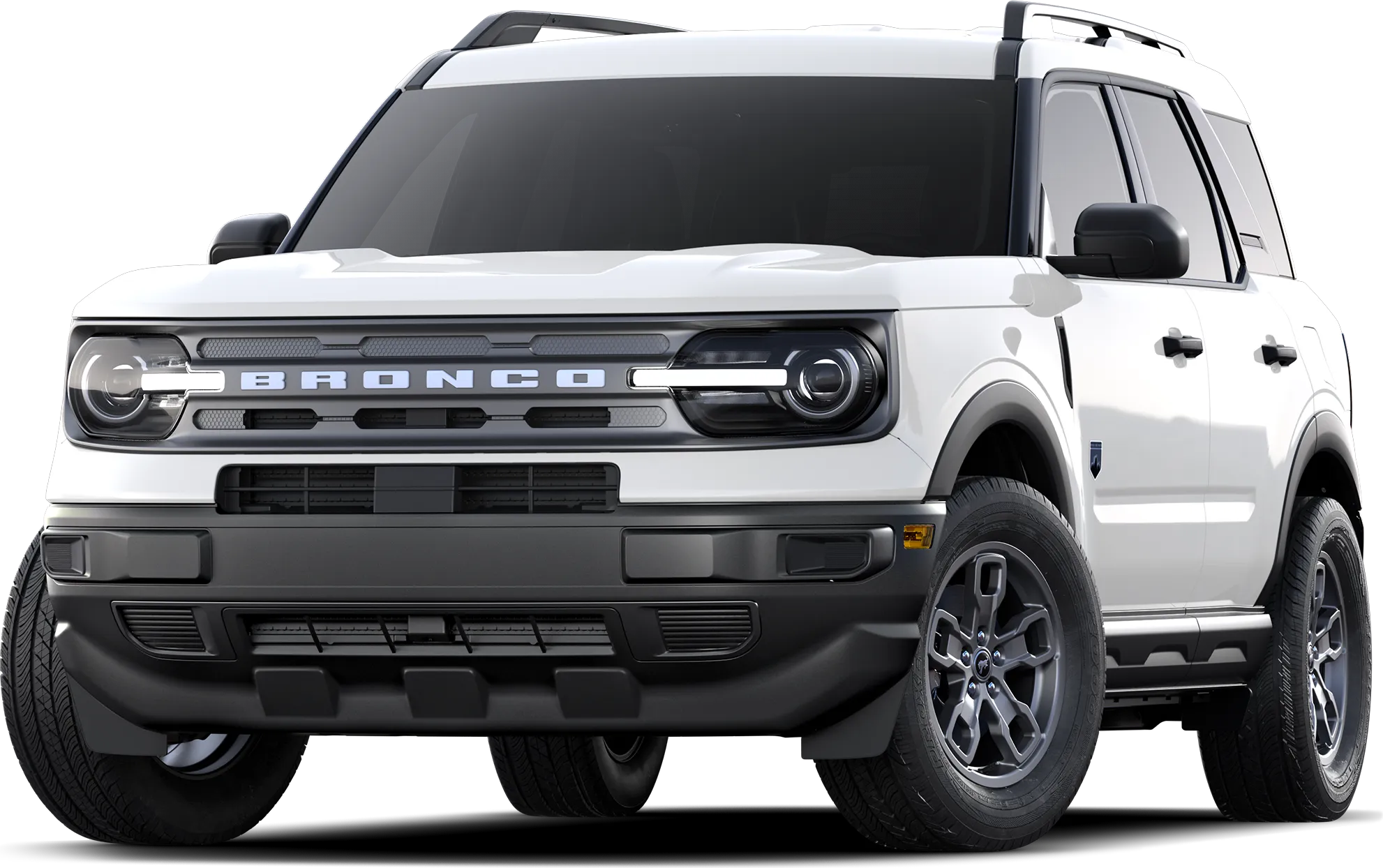
2022 Ford Bronco Sport
Reliability: 59/100
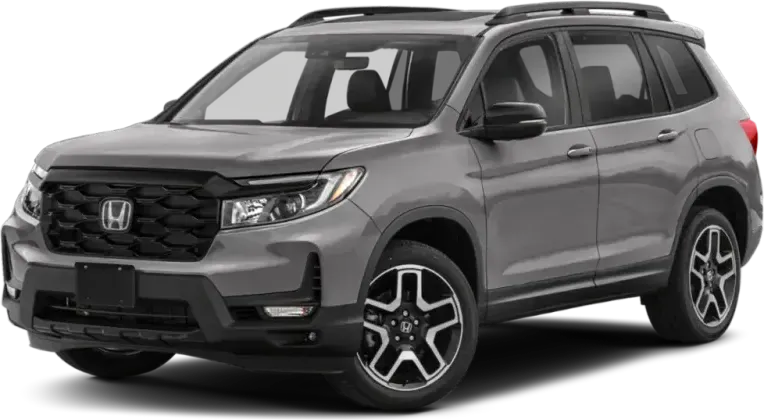
2022 Honda Passport
Reliability: 74/100
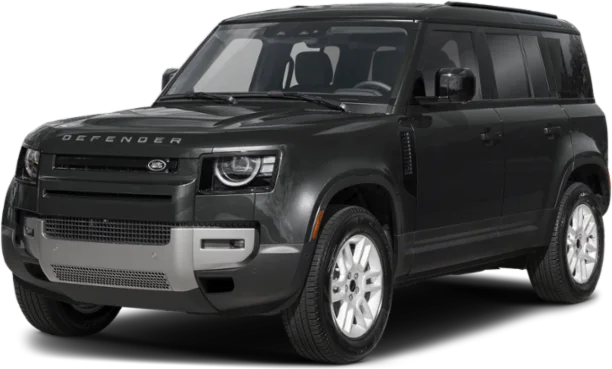
2022 Land Rover Defender 110
Reliability: 59/100
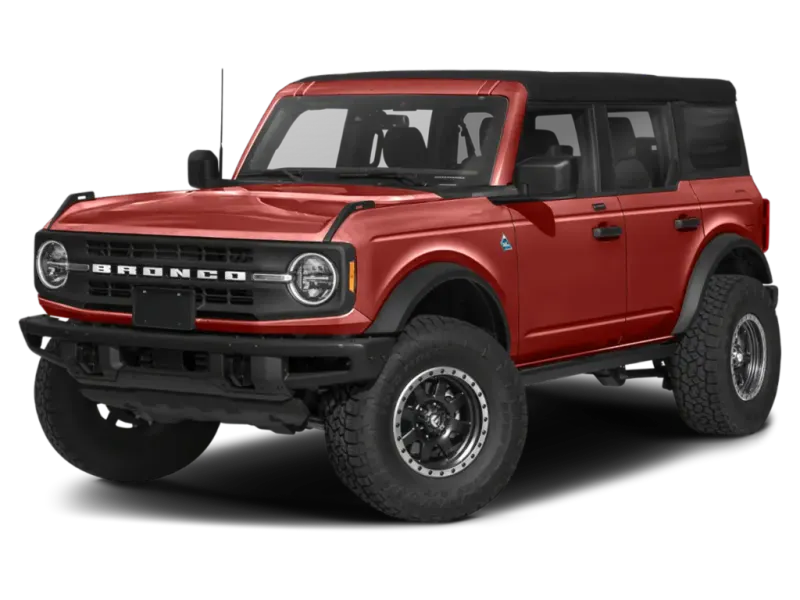
2022 Ford Bronco
Reliability: 43/100
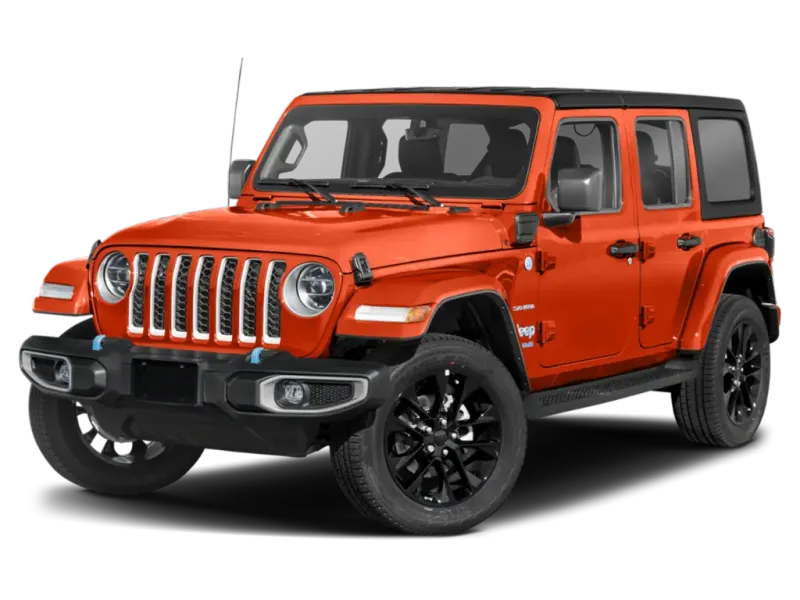
2022 Jeep Wrangler
Reliability: 62/100
Common Problem Categories
Safety
LOW RISK- 3 manufacturer recalls issued
Other
HIGH RISK- AIR BAGS (6)
- UNKNOWN OR OTHER (6)
Recall Overview
3
recalls on record
A moderate 3 recalls are on file for the 2022 Toyota 4Runner. Each one points to a specific safety or compliance issue identified by the manufacturer or NHTSA — check the list below before buying.
NHTSA.gov →Complaint Breakdown
3
per 10,000 soldSegment avg: 13.5
Safety Incidents
5
Crashes
1
Fires
7
Injuries
0
Deaths
NHTSA 4/5 Stars
Data sourced from NHTSA complaint filings and manufacturer recall notices. Complaint narratives are owner-reported.
2022 Toyota 4Runner Recall Details
3 recalls have been issued for the 2022 Toyota 4Runner. All recall repairs are performed free of charge at authorized dealerships.
EQUIPMENT
Southeast Toyota Distributors, LLC (SET) is recalling certain 2020-2022 4Runner vehicles equipped with 20-inch Black Gunner Wheels. The load carrying capacity modification labels are incorrect. As such, these vehicles fail to comply with the requirements of Federal Motor Vehicle Safety Standard number 110, "Tire Selection and Rims."
Consequence
An incorrect label may lead to unintentionally overloading the vehicle, increasing the risk of a crash.
Remedy
SET will mail replacement labels to owners, free of charge. Owner notification letters are expected to be mailed September 4, 2022. Owners may contact SET's customer service at 954-429-2000. SET's number for this recall is SET22A.
EQUIPMENT
Gulf States Toyota, Inc. (GST) is recalling certain 2022 4Runner, Tacoma, Highlander, and Highlander Hybrid vehicles. The load carrying capacity modification labels may not be permanent and can fade, becoming illegible. As such, these vehicles fail to comply with the requirements of Federal Motor Vehicle Safety Standard number 110, "Tire Selection and Rims."
Consequence
An illegible label may allow the vehicle to be overloaded, increasing the risk of a crash.
Remedy
GST will notify owners by mail, including a replacement load carrying capacity modification label for their vehicle and detailed replacement instructions, free of charge. Owner notification letters were mailed June 30, 2022. Owners may contact GST customer service at 1-800-444-1074. GST's number for this recall is 22R1.
EXTERIOR LIGHTING
Southeast Toyota Distributors, LLC (SET) is recalling certain 2022 Toyota 4Runner vehicles. The driver's side high beam may be inoperable after the installation of accessory fog lights. As such, these vehicles fail to comply with the requirements of Federal Motor Vehicle Safety Standard number 108, "Lamps, Reflective Devices, and Associated Equipment."
Consequence
An inoperable driver's side high beam may reduce visibility, increasing the risk of a crash.
Remedy
Dealers will install an updated wiring harness, free of charge. Owner notification letters were mailed February 11, 2022. Owners may contact SET customer service at 1-866-405-4226. SET's number for this recall is SET21A.
Buying a used 2022 Toyota 4Runner? Check its history first
Air bags problems lead owner complaints about the 2022 Toyota 4Runner, and 3 recalls were issued for it. A VIN check shows whether this car's recall work was done, plus accident, title, and odometer history.
- Accidents
- Open Recalls
- Title History
- Odometer Rollback
2022 Toyota 4Runner NHTSA Safety Ratings
Overall Safety Rating
Crash Test Results by Configuration (expand)
Gas Powertrain
Rollover risk: 24.6%
Safety Technologies
Toyota 4RunnerRepair Costs & Maintenance
Maintenance Rating
4Maintenance rating: 4 out of 5Based on NHTSA complaint patterns, recall severity, and publicly available cost benchmarks.
Est. Annual Maintenance
$514
vs $573 avg for midsize SUVs
vs $652 avg for all vehicles
Repair Frequency
0.4
unscheduled repair visits per year
Severe Repair Probability
13%
chance of a major repair
Annual Cost Comparison
Category-level averages derived from publicly available industry reports (AAA, CarMD). Model-level estimates produced by Auto Reliability Index.
Toyota 4Runner Resale Value
The Toyota 4Runner is estimated to retain about 82.2% of its original value after 5 years, based on observed used-car listings.
This benchmark covers the Toyota 4Runner model overall and is not specific to the 2022 model year.
- Value Retained
- 82.2%
- Depreciation
- 17.8%
- Listings Analyzed
- 720
after 5 years
over the same period
U.S. used-car listings
Listings observed in . Actual resale value varies by trim, mileage, condition, and location.
Explore Toyota 4Runner depreciation and resale value on CarResaleValue.comMPG & Annual Running Costs
Gas
17 MPG
Running cost: $4,000/yr
Fuel + repair
16 city / 19 hwy MPG
Running cost includes EPA fuel-cost estimate and independent repair-cost data (repair cost estimated at model level). Excludes routine maintenance, depreciation, and insurance. Data as of 2022 EPA label cycle.
Gas trims
| Trim | Drive | Trans. | City | Hwy | Comb | Fuel Cost |
|---|---|---|---|---|---|---|
| 4Runner 2WD 4.0L 6-cyl | Rear-Wheel Drive | Automatic (S5) | 16 | 19 | 17 | $3,500 |
| 4Runner 4WD 4.0L 6-cyl | Part-time 4-Wheel Drive | Automatic (S5) | 16 | 19 | 17 | $3,500 |
| 4Runner 4WD 4.0L 6-cyl | All-Wheel Drive | Automatic (S5) | 16 | 19 | 17 | $3,500 |
Used Buying Checklist
Key things to inspect or verify before purchasing a 2022 Toyota 4Runner.
Turn the steering wheel lock to lock with the radio on and watch for channel changes or an air bag warning light.
Confirm the air bag warning lamp goes out after startup and stays off during the drive.
Drive at 55 to 70 mph on a smooth highway and feel for steering wheel shake or a pull right.
Hold the vehicle stopped on the brake for a full minute and confirm the pedal does not sink toward the floor.
Pull every seat belt fully out, buckle and unbuckle it, and confirm it releases and retracts freely.
Inspect the sunroof glass for chips or cracks and ask whether it has ever been replaced.
Use adaptive cruise on a multi-lane road and watch for braking caused by cars in neighboring lanes.
Check the inner edges of the front tires for uneven wear and look for sagging front struts.
2022 Toyota 4Runner Common Problems by Component
36 owner complaints grouped by vehicle system.
AIR BAGS
6 complaintsSafety-relatedNo air bags deploy in serious crashes. Most reports involve real collisions, including head-on impacts, a rear-end hit followed by a side strike, and a driver's side hit at about 40 mph. Neither the steering wheel nor the curtain air bags fired. Occupants describe concussions, whiplash, and heads striking the steering wheel, window, or dashboard. One dealer confirmed the air bags had failed. Mileage ranges from nearly new to around 76,000. A separate report says the front passenger air bag stays off with an adult seated unless weight is added, which the dealer called normal design.
UNKNOWN OR OTHER
6 complaintsSunroof glass shatters on its own at highway speed with a loud blast. Glass falls into the cabin once the shade is opened. One service advisor reportedly saw the same failure in several customers' vehicles within 2 weeks. The other reports are scattered: a backup camera screen that sometimes goes black, repeated windshield cracks, a trailer light connector that will not stay plugged in, and sun glare that hides the gauges. The sunroof failures carry the most risk, especially for anyone driving with the shade open.
SERVICE BRAKES
4 complaintsThe brake pedal sinks slowly to the floor and the vehicle will not stay stopped. It creeps forward at lights and stop signs. Drivers describe a spongy pedal and having to pump the brakes. There are no warning lights, no visible fluid leaks, and the reservoir stays full. One dealer found an internal brake failure. The problem shows up suddenly, without gradual warning signs, and it means the vehicle can lose stopping ability in traffic.
VEHICLE SPEED CONTROL (3 complaints)
VEHICLE SPEED CONTROL
3 complaintsAdaptive cruise control and the collision-avoidance system brake hard for slower cars in neighboring lanes, or for nothing at all. Reports put this at speeds between 30 and 65 mph, and following drivers nearly hit the 4Runner from behind. Other reports describe a pre-collision warning telling the driver to see a dealer, followed by cruise control and lane assist quitting entirely. Dealers could not find the cause without a costly diagnosis. One vehicle would not go past 30 mph and shook heavily. Sudden braking at highway speed is the main safety concern.
STEERING (3 complaints)
STEERING
3 complaintsHighway speeds bring a shake and vibration through the wheel, usually between about 55 and 70 mph. In some cases the vehicle also pulls hard to the right. The shake is reported from the day of purchase. Dealers often call it normal or blame the tires, but replacement tires do not fix it. In one case the dealer confirmed the problem after more than 6 visits. Drivers say the vibration makes the vehicle hard to keep in a straight line.
BACK OVER PREVENTION (2 complaints)
BACK OVER PREVENTION
2 complaintsThe rear camera image is blurry when reversing, or the center display goes blank. In the blurry-camera case the problem appeared on a nearly new vehicle. The dealer called it a normal characteristic and told the driver to rely on the mirrors. The other report describes the whole center screen disappearing, which takes out the radio, navigation, and hands-free phone along with the camera view. Neither report describes a lasting fix.
SUSPENSION (2 complaints)
SUSPENSION
2 complaintsThe steering wheel shakes at highway speed once the vehicle warms up. One owner traces it to the right CV joint. The shake disappears in four-wheel drive. A dealer road test confirmed the shake but called it normal. A separate report on an XREAS-equipped 4Runner describes sagging front struts and tires worn on the inside edges. Those tires were rated for 70k miles and lasted only 45k. Both problems make the vehicle harder to keep tracking straight.
ELECTRICAL SYSTEM (2 complaints)
ELECTRICAL SYSTEM
2 complaintsTurning the steering wheel changes radio channels, drops phone calls, stops navigation, and turns on the air bag warning light. A dealer traced this to the spiral cable and quoted $1200 for the repair. In the other report, rodents chewed through the wiring harness 9 days after purchase. The damage disabled the safety systems and cost $8000 to repair, and the replacement harness was months away. Because the spiral cable fault turns on the air bag light, it is more than a nuisance.
SEAT BELTS (2 complaints)
SEAT BELTS
2 complaintsOccupants get trapped when a belt locks up and will not release. In one report a rear passenger belt would not loosen at all, and firefighters had to cut it. In another, a driver's belt jammed at both the buckle and the retractor until police freed it, and the same failure recurred in both front seats. A belt that cannot be released is a serious hazard whenever occupants need to get out quickly.
ENGINE (1 complaints)
ENGINE
1 complaintI am writing to formally report a concerning issue with my 2022 Toyota 4Runner, which currently has approximately 22,000 miles. The vehicle is regularly serviced at a certified oil change facility, and during routine use, I noticed a puddle of oil forming in my driveway. Upon contacting the service center, I was advised to bring the vehicle in for inspection. The technician identified a crack in the OEM plastic oil filter housing, which was causing engine oil to leak. I was informed that this is a known issue the technician has encountered on multiple Toyota vehicles equipped with the same plastic housing. To resolve the issue, I purchased a replacement OEM aluminum oil filter housing, which the technician installed. Since the replacement, the oil leak has ceased, and there have been no further incidents. I am concerned that the original plastic oil filter housing may be defective or prone to premature failure, potentially leading to engine damage or safety hazards. I respectfully request that this issue be investigated and considered for a recall or service bulletin, as it may affect other Toyota owners.
Best & Worst Toyota 4Runner Years
Best Toyota 4Runner Years to Buy
Based on reliability index scoreToyota 4Runner Years to Avoid
No Toyota 4Runner years are statistical outliers in our data.
Scores stay between 77 and 84 across 9 scored model years.
Toyota 4Runner Reliability Score Trend
Scores 0–100. Higher is better. Current year highlighted.
| Year | Score | Rating |
|---|---|---|
| 2018 | 77/100 | Good |
| 2019 | 77/100 | Good |
| 2020 | 82/100 | Excellent |
| 2021 | 82/100 | Excellent |
| 2022 | 79/100 | Good |
| 2023 | 82/100 | Excellent |
| 2024 | 79/100 | Good |
| 2025 | 81/100 | Excellent |
| 2026 | 84/100 | Excellent |
Toyota 4Runner Reliability Compared to Other Years
Frequently Asked Questions
Is the 2022 Toyota 4RUNNER reliable?
What are the most common problems with the 2022 Toyota 4RUNNER?
Do 2022 Toyota 4RUNNER air bags fail to deploy?
Does the 2022 Toyota 4RUNNER have brake problems?
Is the 2022 Toyota 4RUNNER cheaper to repair than other SUVs?
Don’t buy a 2022 Toyota 4Runner without checking its VIN first — hidden accidents, title issues, and open recalls could cost you thousands.
How we score the 2022 Toyota 4Runner
Of the four inputs behind this score, the 2022 Toyota 4Runner does best on how many systems draw complaints (83/100) and worst on recall impact (75/100). Scores weight complaint severity at 35%, repair costs at 30%, recall impact at 20%, and the spread of complaints across systems at 15%, with complaint counts adjusted for US sales. Read the full methodology.
Get notified when new recalls or reliability data is added for the Toyota 4Runner.
No spam. Only data updates for this model.
Browse More Toyota Models
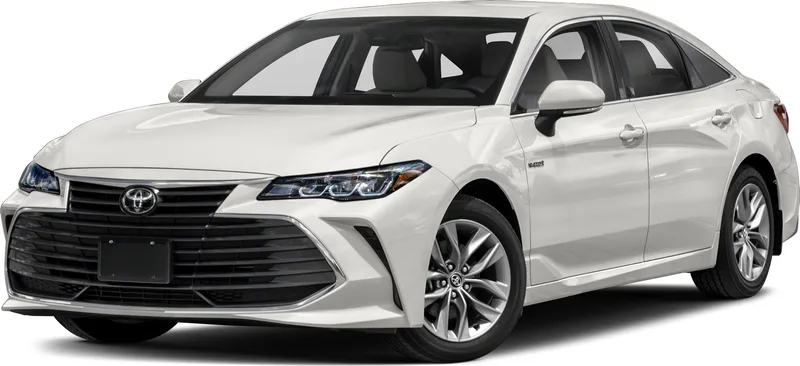
Toyota Avalon
Score: 80/100
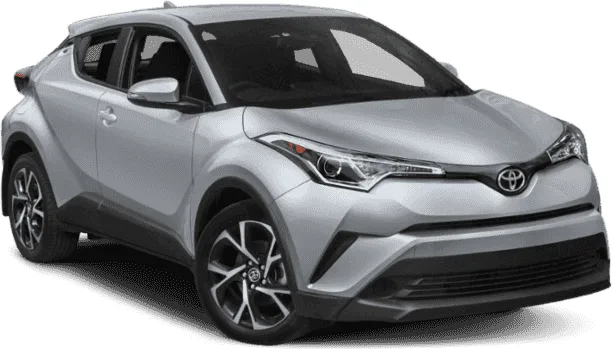
Toyota C-HR
Score: 80/100
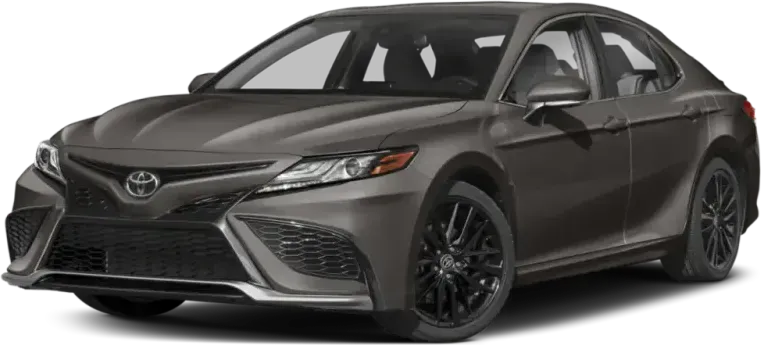
Toyota Camry
Score: 88/100
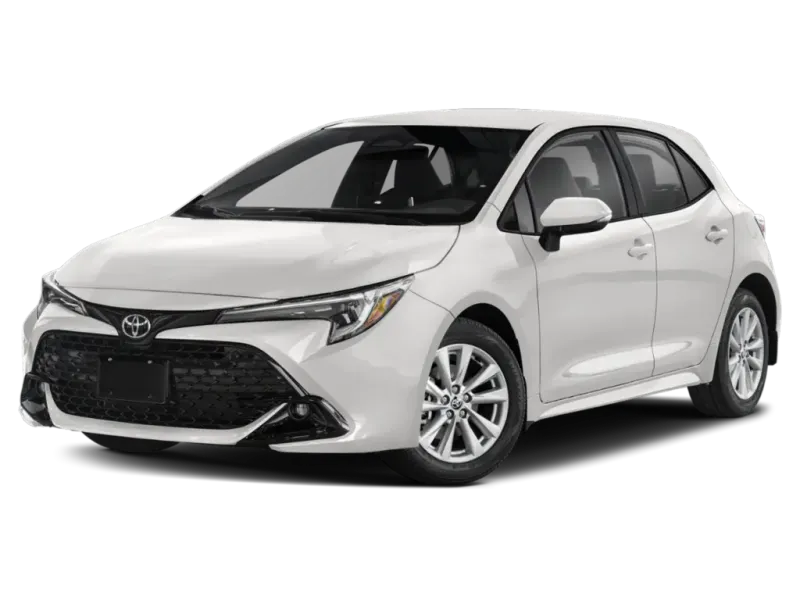
Toyota Corolla
Score: 94/100
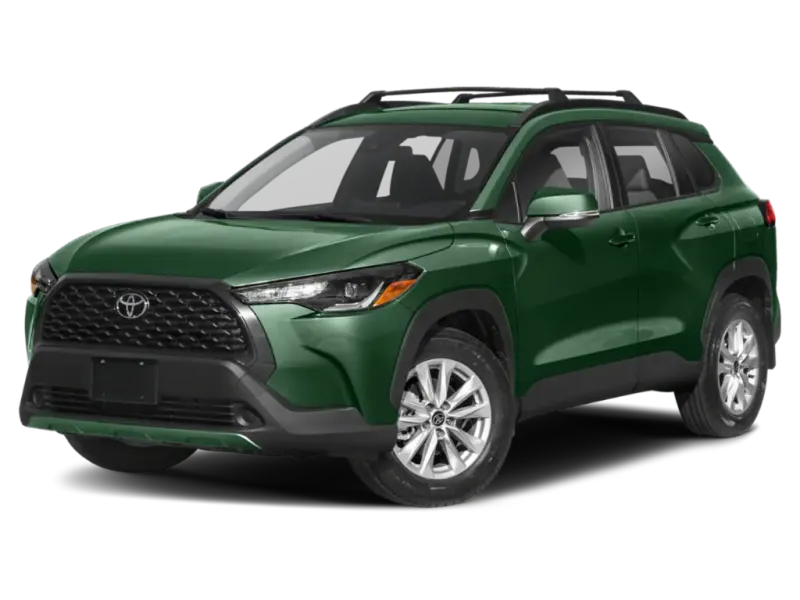
Toyota Corolla Cross
Score: 94/100
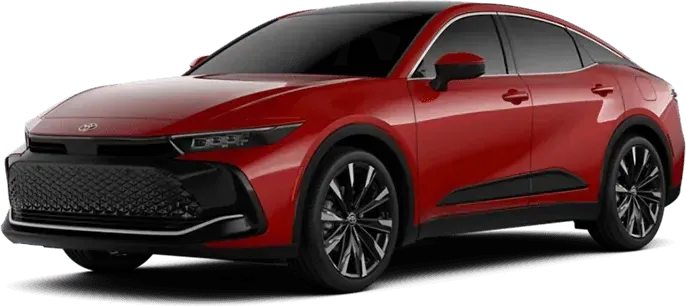
Toyota Crown
Score: 88/100
Browse More 2022 Vehicles
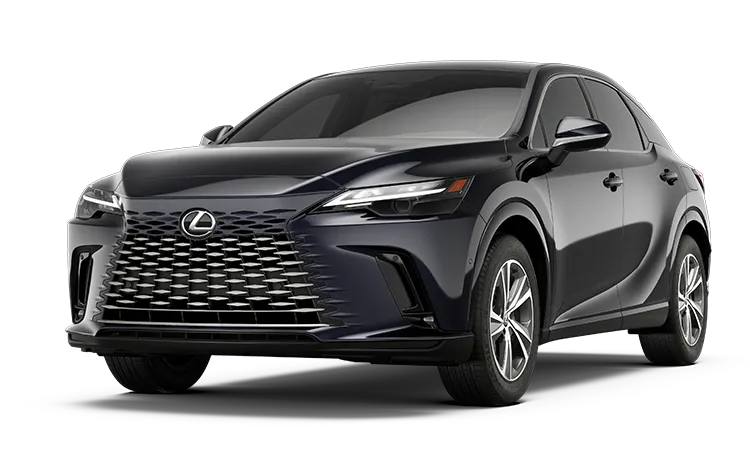
2022 Lexus RX
Score: 90/100
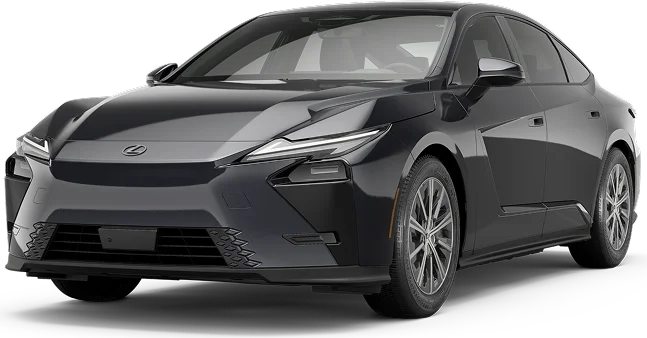
2022 Lexus ES
Score: 88/100
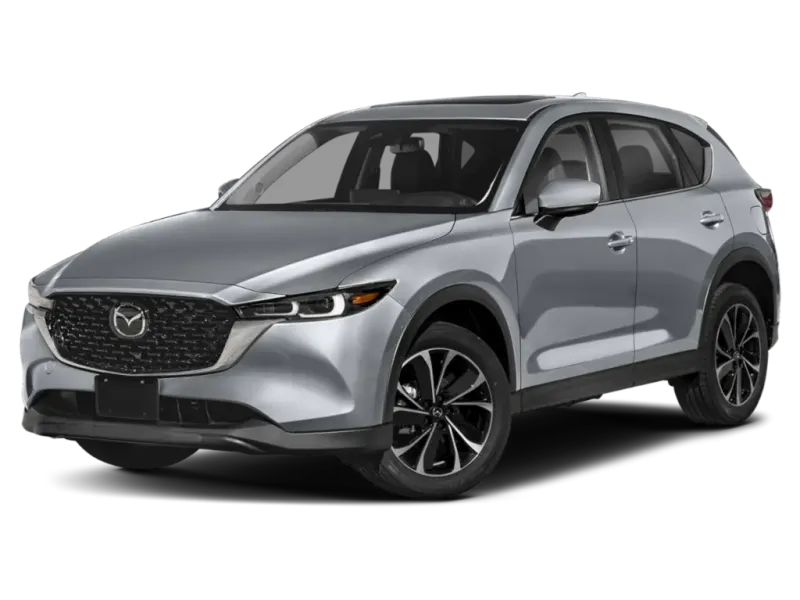
2022 Mazda CX-5
Score: 87/100
2022 Toyota Camry
Score: 84/100
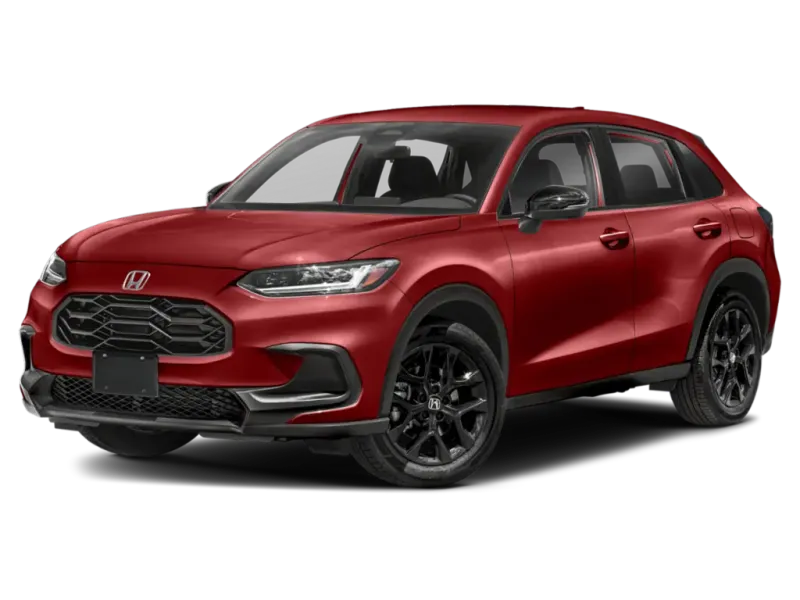
2022 Honda HR-V
Score: 83/100
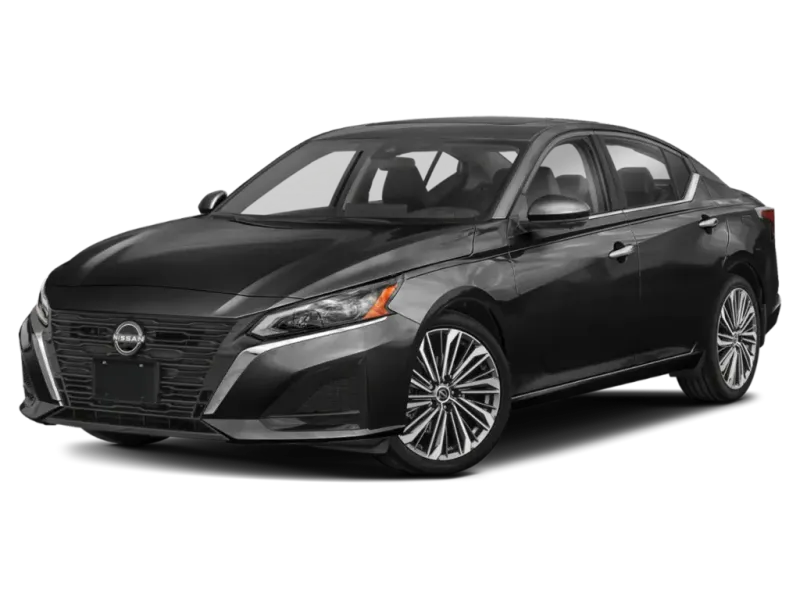
2022 Nissan Altima
Score: 83/100
See incorrect data? Report an issue