Last updated: 2026-10-10
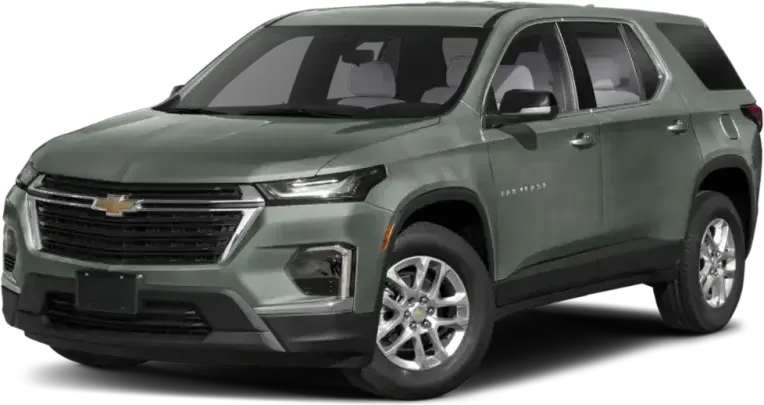
2019 Chevrolet Traverse Reliability Report
The 2019 Chevrolet Traverse rates good, but a false "Shift to Park" fault that keeps the engine running is the most common owner complaint.
Recalls
3
Complaints
358
Complaint Rate
24.3per 10,000 sold
Est. Repair Cost
$656
Annual Fuel Cost
$2,850–$3,150
Detailed Score Breakdown
Component-weighted complaints normalized by sales volume
Independent repair cost ratings
Recall count weighted by severity
Breadth of reported problem categories
The Verdict
Rated good but weaker than most Traverse years, with a false Shift to Park fault and transmission complaints driving most reports, plus three recalls.
Top Issues to Watch
- POWER TRAIN (145)
- ELECTRICAL SYSTEM (62)
- ENGINE (25)
Generation & Refresh (US)
2019 is year 2 of the Second generation (2018).
- Redesigned for the 2018 model year.
- A refresh arrives in 2022.
- 2nd generation Traverse (US).
What this means for buyers
Year 2 is typically a safer pick than the first model year — early issues are more likely to be identified, but the platform is still new.
If you're comparing prices, check 2018 (redesign year) vs 2019+ pricing and recalls.
2018: Second generation (2018) Launch
Generation start — new platform.
2019: This Model Year
2019 is year 2 of the Second generation (2018).
2022: Mid-Cycle Refresh
Updated features and styling tweaks.
Should You Buy the 2019 Chevrolet Traverse?
Reliability is rated good, yet this is one of the weaker Traverse years. Against other 2019 SUVs it rates below average, and among the nine scored Traverse model years it sits near the bottom. Independent repair-cost data puts yearly repairs at $656, against $573 for the class. The 2018 and 2020 models rate about the same. The federal crash-test rating is 5 of 5 stars.
The main problem is a false "Shift to Park" message. The car is in park but will not fully shut off, so owners wiggle the shifter or restart it. Some also report doors that will not lock, a chime that keeps sounding, and a drained battery. One crash report describes the vehicle rolling into a roadway while showing park. Transmission shudder or bucking tends to start between 42,000 and 70,000 miles. Federal recall records list three recalls, two for air bags and one for the power train.
Check the VIN for open recalls and ask for shifter and transmission repair records. Look at a 2018 or 2020 as well, since they rate about the same.
Compared to the 2020 Chevrolet Traverse, which scored the same. See also the 2018 Chevrolet Traverse for an earlier comparison.
Pros
- +Acceptable reliability score
- +Below-average complaint rate for SUV
- +5-star NHTSA crash rating
Cons
- −Above-average repair costs for its class
- −Moderate recall count
- −POWER TRAIN: False "Shift to Park" message is the most common report (145 complaints)
- −2 fire incidents reported in owner complaints
Compare 2019 Chevrolet Traverse With
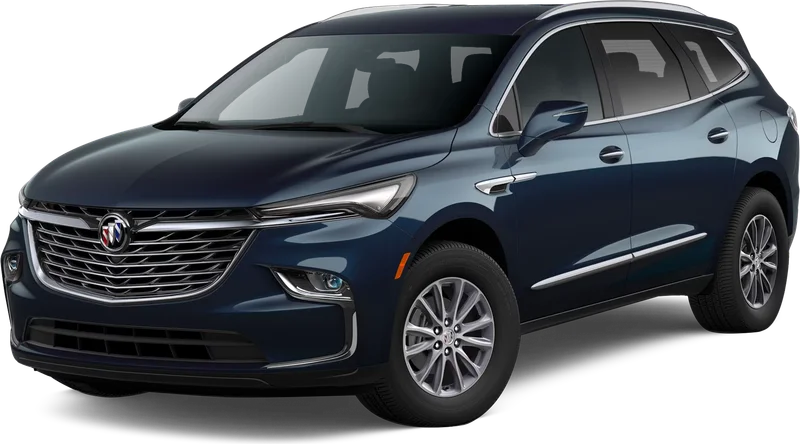
2019 Buick Enclave
Reliability: 75/100
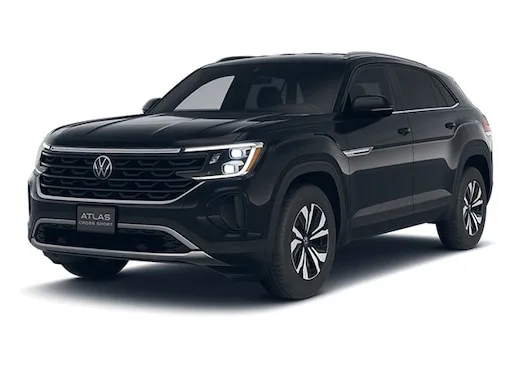
2019 Volkswagen Atlas
Reliability: 48/100
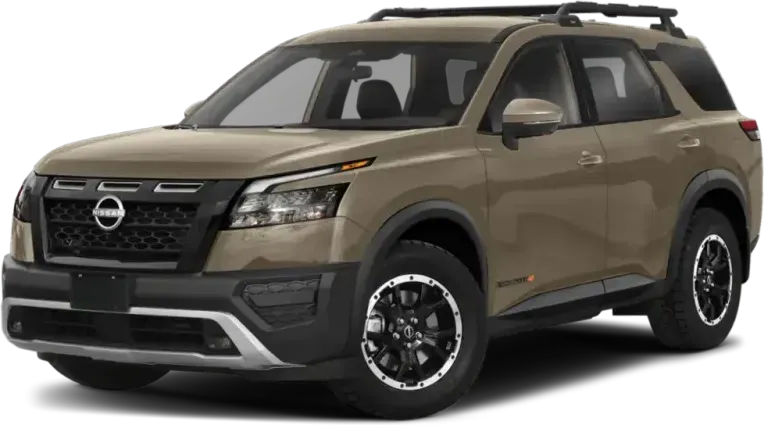
2019 Nissan Pathfinder
Reliability: 71/100

2019 Ford Explorer
Reliability: 69/100
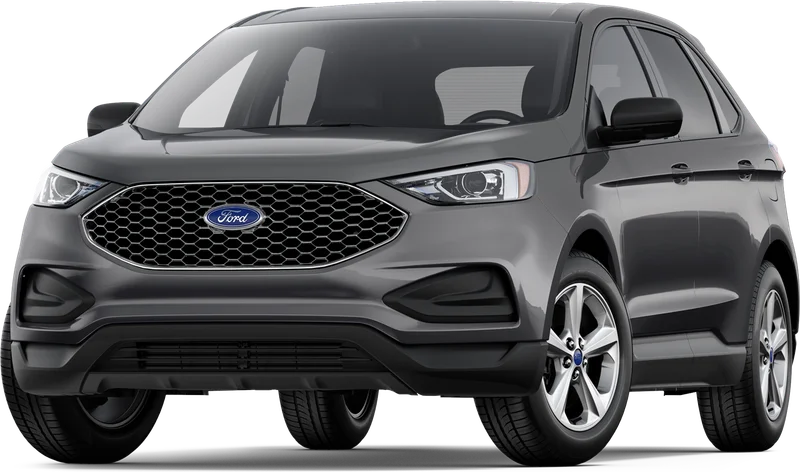
2019 Ford Edge
Reliability: 60/100
Common Problem Categories
Safety
LOW RISK- 3 manufacturer recalls issued
Other
HIGH RISK- POWER TRAIN (145)
- ELECTRICAL SYSTEM (62)
Recall Overview
3
recalls on record
A moderate 3 recalls are on file for the 2019 Chevrolet Traverse. Each one points to a specific safety or compliance issue identified by the manufacturer or NHTSA — check the list below before buying.
NHTSA.gov →Complaint Breakdown
24.3
per 10,000 soldSegment avg: 21.2
Safety Incidents
12
Crashes
2
Fires
12
Injuries
0
Deaths
NHTSA 5/5 Stars
Data sourced from NHTSA complaint filings and manufacturer recall notices. Complaint narratives are owner-reported.
2019 Chevrolet Traverse Recall Details
3 recalls have been issued for the 2019 Chevrolet Traverse. All recall repairs are performed free of charge at authorized dealerships.
AIR BAGS
General Motors, LLC (GM) is recalling certain 2010-2015, 2017 Buick Enclave, 2010-2019 Chevrolet Traverse, and 2011-2016 GMC Acadia vehicles. The side curtain air bags may not be properly attached.
Consequence
Unsecured side curtain air bags may not perform as intended, increasing the risk of injury.
Remedy
GM will notify owners, and dealers will inspect and, if necessary, realign or replace the weld nuts, free of charge. Owner notification letters were mailed on May 24, 2021. Owners may contact Buick customer service at 1-800-521-7300, Chevrolet customer service at 1-800-222-1020, and GMC customer service at 1-800-462-8782. GM's number for this recall is N202321200.
POWER TRAIN
General Motors LLC (GM) is recalling certain 2018-2019 Chevrolet Cruze and Buick LaCrosse, 2018-2020 Chevrolet Equinox, Chevrolet Traverse and GMC Terrain, 2018 Chevrolet Malibu, 2019-2020 Buick Encore, Buick Enclave, Cadillac XT4, Chevrolet Blazer and GMC Acadia, and 2020 Cadillac XT6 vehicles. The start/stop accumulator endcap may have missing bolts.
Consequence
Missing bolts on the start-stop accumulator endcap could result in a transmission oil leak and may progress to a loss of propulsion, increasing the risk of a crash. A transmission fluid leak in the presence of an ignition source may increase the risk of fire.
Remedy
GM will notify owners, and dealers will inspect the start-stop transmission accumulator and replace it if any bolts are missing, free of charge. The recall began December 15, 2020. Owners may contact GMC customer service at 1-888-988-7267, Buick Customer service at 1-866-608-8080, Chevrolet customer service at 1-800-222-1020 or Cadillac customer service at 1-800-458-8006. GM's number for this recall is N202313440.
AIR BAGS
General Motors LLC (GM) is recalling certain 2019 Buick Encore, Chevrolet Spark, Traverse, and Trax vehicles. The Sensing Diagnostic Module (SDM) on these vehicle may not have been turned off of "manufacturing mode," preventing the air bags from deploying in the event of a crash.
Consequence
If the air bags do not deploy in the event of a crash, it can increase the risk of injury.
Remedy
GM will notify owners, and dealers will reprogram the SDM module to the correct mode, free of charge. The recall began November 6, 2018. Owners may contact Buick customer service at 1-800-521-7300 and Chevrolet customer service at 1-800-222-1020. GM's number for this recall is 18365.
Buying a used 2019 Chevrolet Traverse? Check its history first
Power train problems lead owner complaints about the 2019 Chevrolet Traverse, and 3 recalls were issued for it. A VIN check shows whether this car's recall work was done, plus accident, title, and odometer history.
- Accidents
- Open Recalls
- Title History
- Odometer Rollback
2019 Chevrolet Traverse NHTSA Safety Ratings
Overall Safety Rating
Crash Test Results by Configuration (expand)
Gas Powertrain
Rollover risk: 15.0%
Safety Technologies
Chevrolet TraverseRepair Costs & Maintenance
Maintenance Rating
3Maintenance rating: 3 out of 5Based on NHTSA complaint patterns, recall severity, and publicly available cost benchmarks.
Est. Annual Maintenance
$656
vs $573 avg for midsize SUVs
vs $652 avg for all vehicles
Repair Frequency
0.4
unscheduled repair visits per year
Severe Repair Probability
18%
chance of a major repair
Annual Cost Comparison
Category-level averages derived from publicly available industry reports (AAA, CarMD). Model-level estimates produced by Auto Reliability Index.
Chevrolet Traverse Resale Value
The Chevrolet Traverse is estimated to retain about 58.9% of its original value after 5 years, based on observed used-car listings.
This benchmark covers the Chevrolet Traverse model overall and is not specific to the 2019 model year.
- Value Retained
- 58.9%
- Depreciation
- 41.1%
- Listings Analyzed
- 233
after 5 years
over the same period
U.S. used-car listings
Listings observed in . This is a historical market benchmark, not a current price quote.
Explore Chevrolet Traverse depreciation and resale value on CarResaleValue.comMPG & Annual Running Costs
Gas
20–22 MPG
Running cost: $3,500–$3,800/yr
Fuel + repair
17–20 city / 25–27 hwy MPG
Running cost includes EPA fuel-cost estimate and independent repair-cost data (repair cost estimated at model level). Excludes routine maintenance, depreciation, and insurance. Data as of 2019 EPA label cycle.
Gas trims
| Trim | Drive | Trans. | City | Hwy | Comb | Fuel Cost |
|---|---|---|---|---|---|---|
| Traverse FWD 3.6L 6-cyl | Front-Wheel Drive | Automatic 9-spd | 18 | 27 | 21 | $2,850 |
| Traverse AWD 3.6L 6-cyl | All-Wheel Drive | Automatic 9-spd | 17 | 25 | 20 | $3,000 |
| Traverse FWD 2.0L 4-cyl | Front-Wheel Drive | Automatic 9-spd | 20 | 26 | 22 | $3,150 |
Used Buying Checklist
Key things to inspect or verify before purchasing a 2019 Chevrolet Traverse.
Shift into park and shut off several times; confirm no Shift to Park message and that the doors lock.
Accelerate gently from a stop through 20 to 40 mph and feel for shudder or bucking during shifts.
Look under the car for transmission or engine oil leaks and sniff for burning odor after the drive.
Inspect the front exhaust pipe brackets and catalytic converter for cracks, and listen for a rattle at highway speed.
Have a shop check both rear toe links for looseness or corrosion, and listen for rear clicking.
Fold the second-row seats forward, then buckle and release every belt, especially the second-row middle seat.
Run front and rear A/C on max and confirm both blow cold.
Check the VIN for open recalls and ask for proof of transmission and exhaust recall work.
2019 Chevrolet Traverse Common Problems by Component
358 owner complaints grouped by vehicle system.
POWER TRAIN
145 complaintsSafety-relatedTraverse transmission problems across all model years
A false "Shift to Park" message is the most common report. The car is in park but will not fully shut off, so drivers wiggle the shifter or restart to clear it, often between 24,000 and 28,600 miles. One crash report describes the vehicle rolling into a roadway while showing park. Other reports describe shudder near 20 mph, bucking during shifts at 42,000 miles, and transmissions replaced near 57,833 miles. Both fire reports involve leaking fluid, with one ending in engine-compartment flames.
ELECTRICAL SYSTEM
62 complaintsSafety-relatedMost of these reports are the same false "Shift to Park" fault. The engine will not shut off, the doors will not lock, and the chime keeps sounding. Some owners are stuck in the car for long stretches. Others report a drained battery and being stranded. One owner cites a service bulletin pointing to a faulty park switch in the shifter. Several say their VIN was left out of related recalls. Less common reports include stalling in traffic, auto stop failing to restart, a parked car rolling into a tree, and a strong cabin odor.
UNKNOWN OR OTHER
55 complaintsThe false "Shift to Park" message dominates this group as well. Dealer repairs replace the shifter switch and add a jumper harness, but several owners say the fault returns. One owner who was just past warranty paid nearly $500. Separate reports describe a rear A/C evaporator leaking refrigerant and blowing warm air, broken exhaust pipe brackets, and jerking on takeoff. One owner reports a broken fuel injector at the fuel rail spraying fuel near the exhaust manifold, which is a serious fire risk.
ENGINE (25 complaints)
ENGINE
25 complaintsExhaust failures lead this category. The front exhaust pipe bracket breaks or its weld fails, and the pipe develops holes that can crack the catalytic converter. Owners hear a loud rattle or exhaust noise, and some see repeat failures. A manufacturer recall covers one pipe on some VINs, and owners pay for the rest. Oil leaks from the front timing cover and valve cover gaskets also recur, with one repair requiring the engine to be dropped. A melted A/C compressor clutch pulley and oil consumption also appear.
STEERING (12 complaints)
STEERING
12 complaintsSafety-relatedSudden loss of power steering is the most serious pattern. Dashboard warnings appear and the wheel becomes hard to turn, sometimes at highway speed. One such case ended with the rack and pinion being replaced. Other reports tie loss of steering to the engine stalling, from alternator or starter failures. Broken sway bars and rear toe links that fail inspection also show up here. One crash report involves a parking collision after a reduced steering assist warning.
SEAT BELTS (9 complaints)
SEAT BELTS
9 complaintsThe second-row middle buckle is the main weak spot. It sits between the folding 60/40 seats or catches on the recline lever. When the seats tilt forward for third-row access, the buckle gets crushed until it no longer latches, which leaves that passenger unrestrained. Other reports describe front belts that stay locked tight or fail to lock. The one injury report involves a child in a booster seat pinned by a tightening belt that had to be cut free.
SUSPENSION (9 complaints)
SUSPENSION
9 complaintsWorn or corroded rear toe links are the clear pattern. They often fail state inspection between 22,000 and 61,000 miles. Owners hear a faint clicking from the rear, and the car sways or wanders at highway speed, which throws the alignment off. Replacement links sometimes wear out again within months. Owners note that GM recalled toe links on several other models but not this one, so repairs come out of pocket.
STRUCTURE (6 complaints)
STRUCTURE
6 complaintsThese reports are scattered rather than one repeating defect. A sunroof leak while driving soaked the headliner and center controls, and that repair stalled with no parts available. Other reports cover doors that went out of alignment and rubbed soon after purchase, paint chipping and peeling, a broken sunroof shade clip, and a detached exhaust bracket that led to a catalytic converter replacement. The single injury came from a sharp edge on the hood latch release lever.
SERVICE BRAKES (6 complaints)
SERVICE BRAKES
6 complaintsSafety-relatedBrake power drops off without much warning. A "Service Brake Assist" alert appears, the pedal sinks to the floor, and stopping takes much more effort, in one case with less than 400 miles on the car. Other reports describe StabiliTrak warnings with the parking brake engaging on its own when pulling away from a stop. One crash report describes the car surging forward during a slow turn with the brake held down. Dealers often cannot reproduce these faults.
AIR BAGS (6 complaints)
AIR BAGS
6 complaintsSafety-relatedEvery report here describes airbags that did not deploy in a significant crash, including front-end hits, T-bones, a rear-end impact at 50 mph, and a deer strike at highway speed. Drivers report hitting the steering wheel, with injuries that include a broken sternum and chest, neck, and back pain. In several cases the other vehicle's airbags deployed. All six reports involve a crash, and they account for seven injuries.
When Do 2019 Chevrolet Traverse Problems Start?
Based on owner complaint patterns, here's when common issues tend to appear.
Best & Worst Chevrolet Traverse Years
Best Chevrolet Traverse Years to Buy
Based on reliability index scoreChevrolet Traverse Years to Avoid
2020
2019
(Current Model)
Chevrolet Traverse Reliability Score Trend
Scores 0–100. Higher is better. Current year highlighted.
| Year | Score | Rating |
|---|---|---|
| 2018 | 62/100 | Good |
| 2019 | 62/100 | Good |
| 2020 | 62/100 | Good |
| 2021 | 71/100 | Good |
| 2022 | 73/100 | Good |
| 2023 | 72/100 | Good |
| 2024 | 73/100 | Good |
| 2025 | 75/100 | Good |
| 2026 | 76/100 | Good |
Chevrolet Traverse Reliability Compared to Other Years
Frequently Asked Questions
Is the 2019 Chevrolet Traverse reliable?
What are the most common problems with the 2019 Chevrolet Traverse?
Does the 2019 Chevrolet Traverse have transmission problems?
What is the "Shift to Park" problem on the 2019 Chevrolet Traverse?
How many recalls does the 2019 Chevrolet Traverse have?
Don’t buy a 2019 Chevrolet Traverse without checking its VIN first — hidden accidents, title issues, and open recalls could cost you thousands.
How we score the 2019 Chevrolet Traverse
Of the four inputs behind this score, the 2019 Chevrolet Traverse does best on how many systems draw complaints (78/100) and worst on complaint severity (50/100). Scores weight complaint severity at 35%, repair costs at 30%, recall impact at 20%, and the spread of complaints across systems at 15%, with complaint counts adjusted for US sales. Read the full methodology.
Get notified when new recalls or reliability data is added for the Chevrolet Traverse.
No spam. Only data updates for this model.
Browse More Chevrolet Models
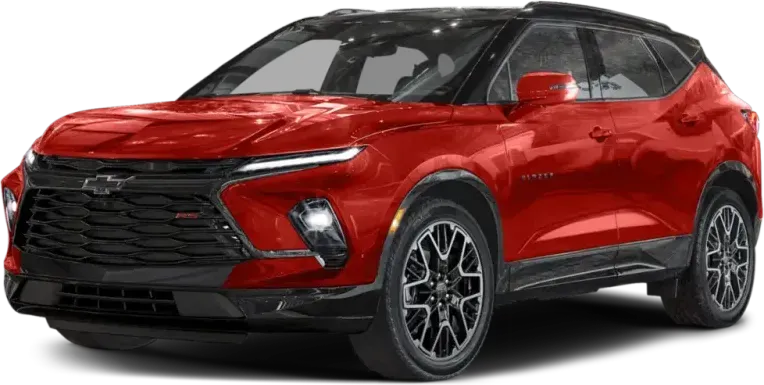
Chevrolet Blazer
Score: 88/100
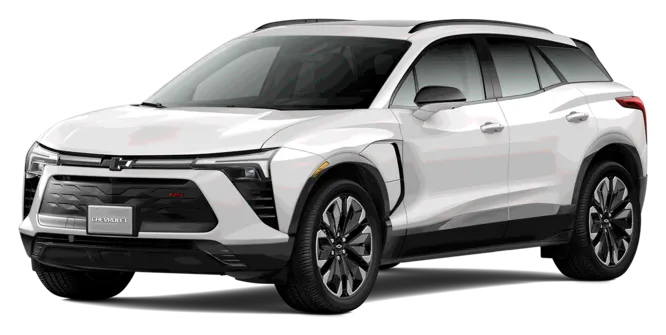
Chevrolet Blazer EV
Score: 57/100
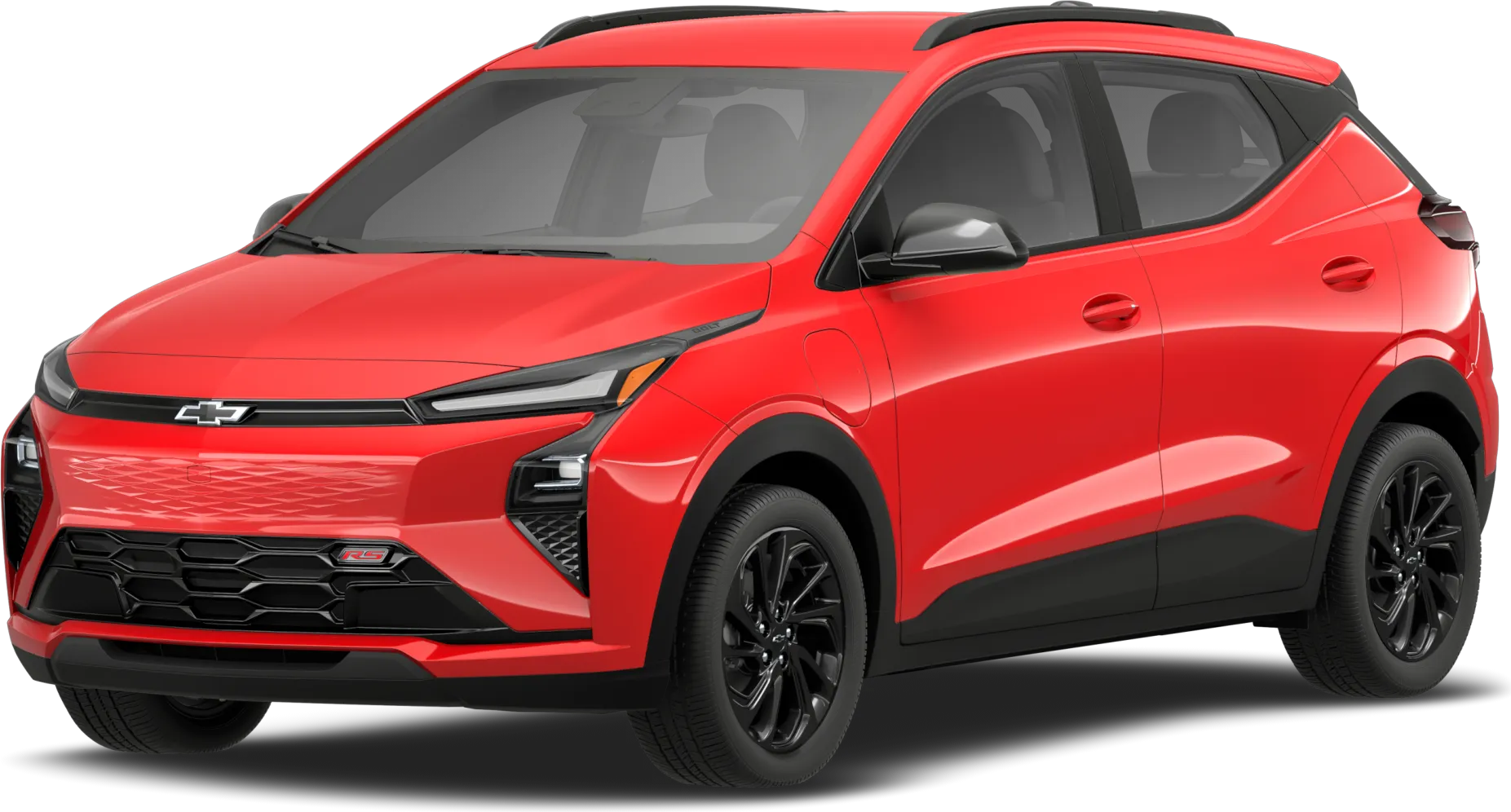
Chevrolet Bolt
Score: 64/100
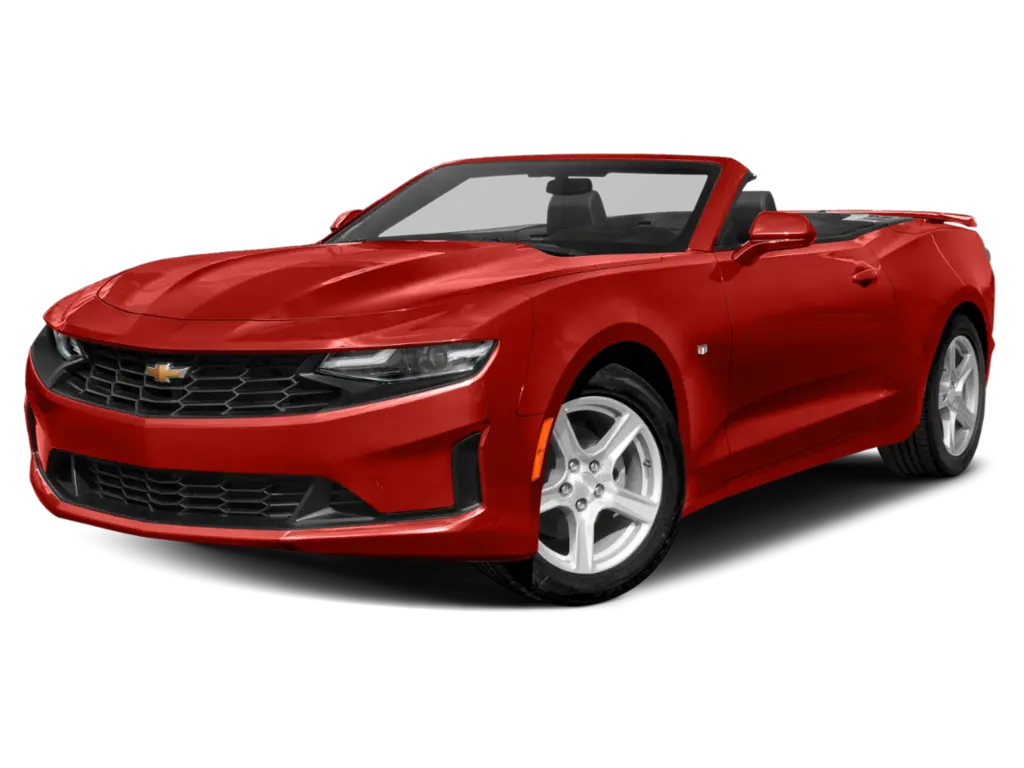
Chevrolet Camaro
Score: 77/100
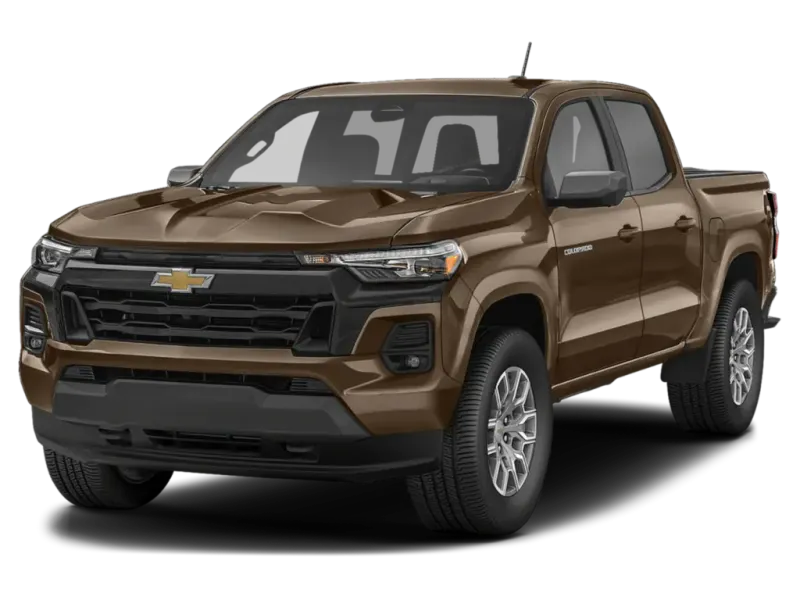
Chevrolet Colorado
Score: 88/100
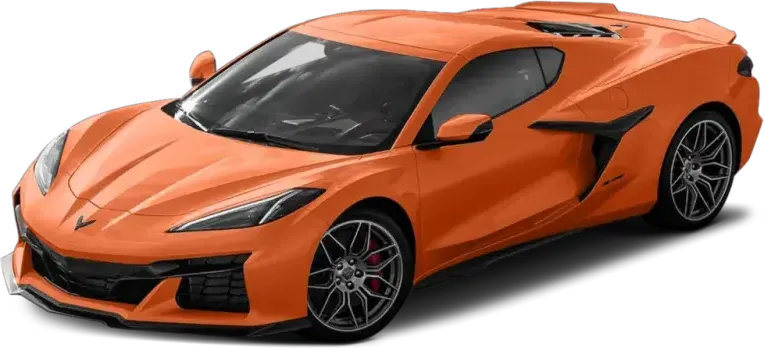
Chevrolet Corvette
Score: 76/100
Browse More 2019 Vehicles
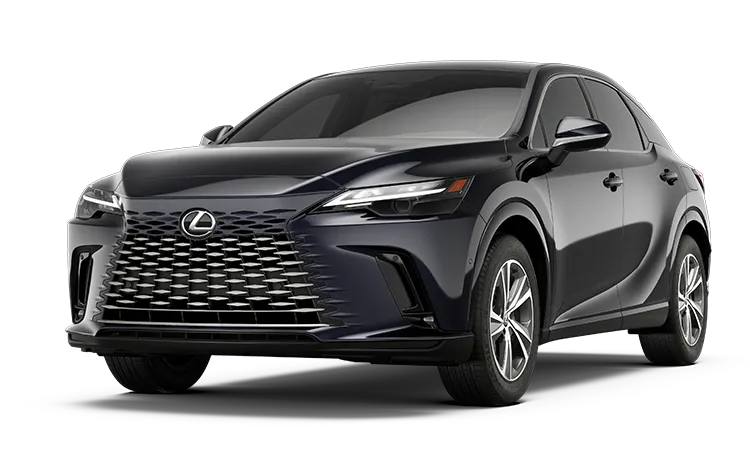
2019 Lexus RX
Score: 82/100
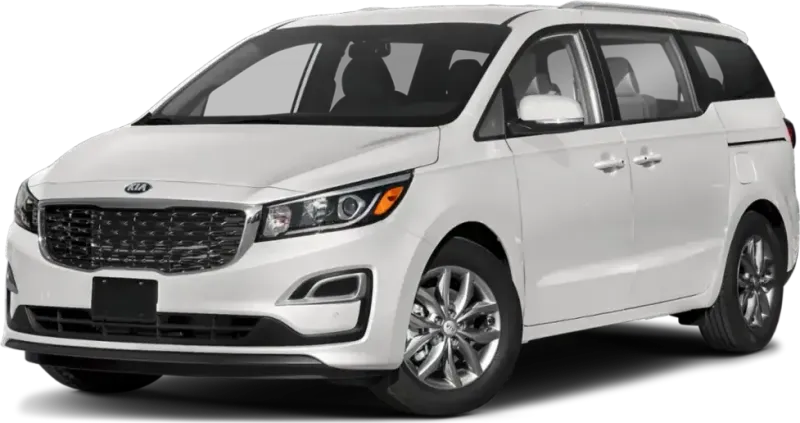
2019 Kia Sedona
Score: 80/100
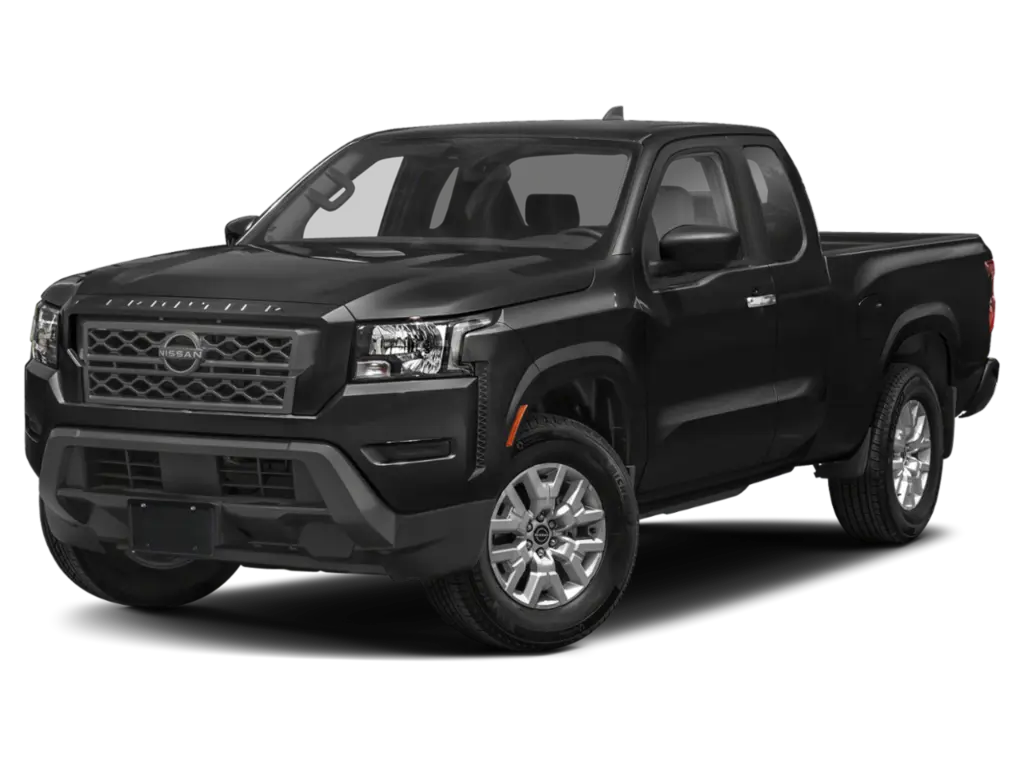
2019 Nissan Frontier
Score: 80/100

2019 Lexus IS
Score: 79/100
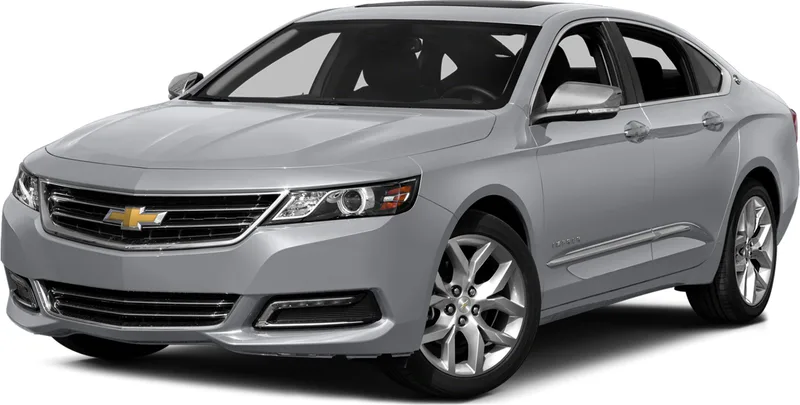
2019 Chevrolet Impala
Score: 79/100
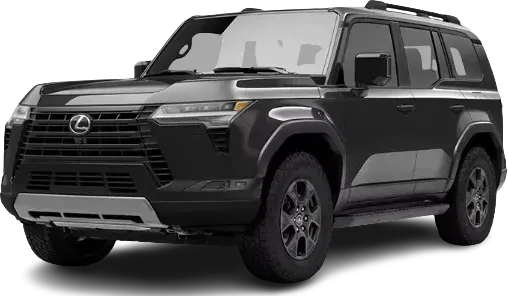
2019 Lexus GX
Score: 78/100
See incorrect data? Report an issue